
The next few months we’ll be highlighting authors who have published in Culture, Medicine, and Psychiatry.
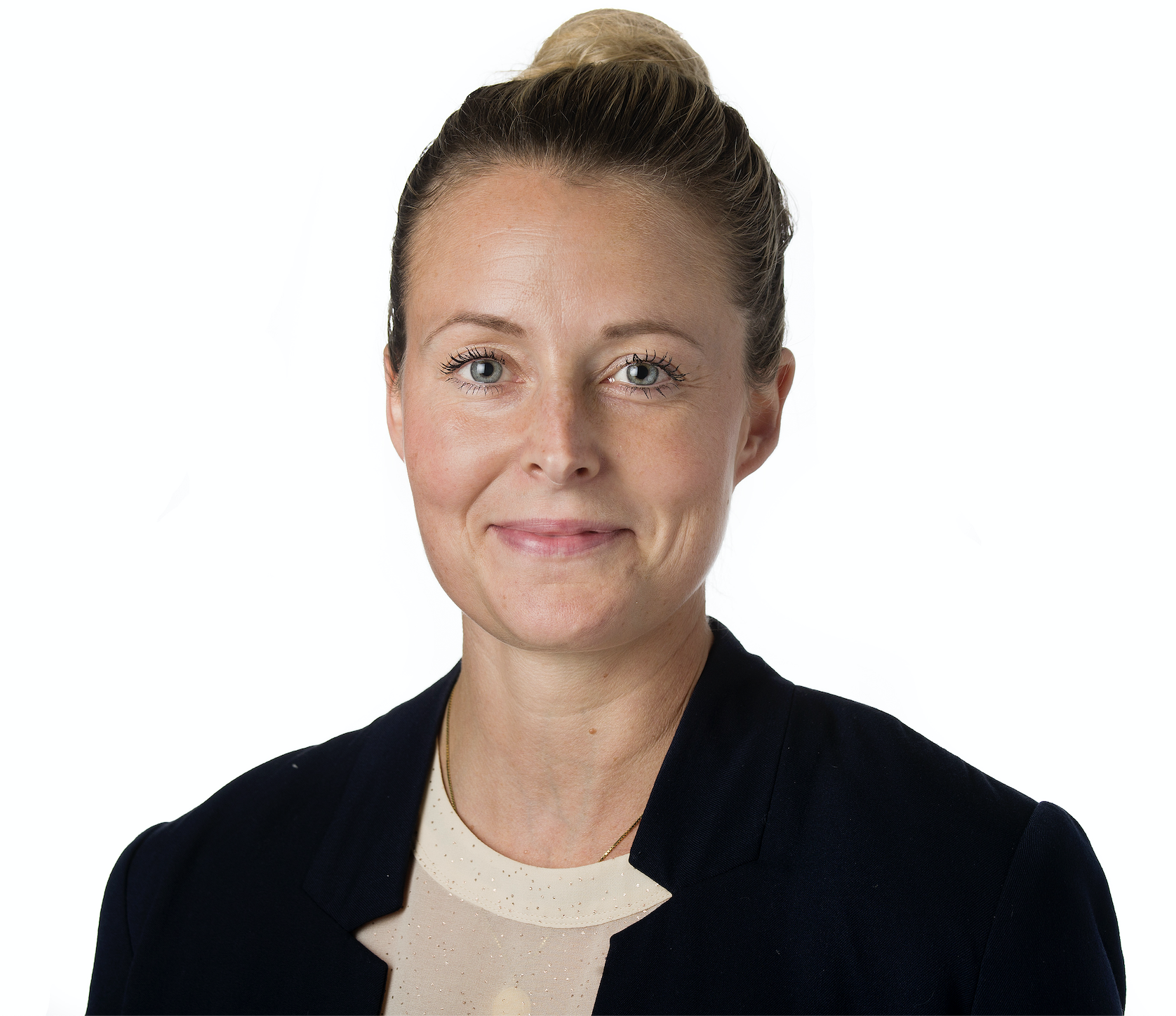
Iben Emilie Christensen is a Danish sociologist and PhD student at the Department of Public Health, University of Copenhagen, and at VIVE, The Danish Center for Social Science Research. She is in the final stage of her PhD project focusing on everyday life among people with severe mental and physical illnesses.
What is your article “Senses of Touch: The Absence and Presence of Touch in Health Care Encounters of Patients with Mental Illness“ about?
“Based on ethnographic fieldwork, the article explores the significance of touch and physical examination in different healthcare encounters among people with severe mental (schizophrenia, bipolar disease, and severe depression) and physical illnesses. We found that touch and physical examination of this patient group is limited in healthcare encounters leaving the patients with feelings of being misunderstood, less socially approved, and less worthy of trust. Despite patients being seen, heard and treated with care and empathy by health care professionals, it was not enough for them to feel recognized or think of the encounter as a pleasant one. Overall, the article shows that when touch and physical examination takes place in healthcare encounters it gives the patients recognition – their bodily sensations and symptoms are taken seriously and not least, they are recognized as patients and human beings, suffering from a somatic disease and not only mental disorders with psychiatric label.”
Tell us a little bit about yourself and your research interests.
“The overall aim of my PhD project is to study the everyday life among people who live with both mental and physical illnesses, and to explore how they experience and navigate within the health care system. My PhD is part of a larger research project at the University of Copenhagen called SOFIA, with the primary aim to reduce the all-cause mortality of patients with severe mental illness and comorbidity in Denmark by improving the treatment of their comorbid physical conditions in general practice. The findings contribute to the SOFIA project regarding the experiences of people with severe mental and physical illnesses, their healthcare-seeking strategies, and their experiences when engaging with the healthcare system.”
What drew you to this project?
“I worked as a researcher at VIVE, The Danish Center for Social Science Research, when I was offered the opportunity to be part of the large research project SOFIA as a PhD student at the University of Copenhagen. The chance to explore a new research field, such as psychiatry, and a particular interest in inequity and inequality in healthcare motivated me to pursue this project. People with severe mental illness die 10-20 years earlier compared to people without mental illness and according to research part of this excess mortality stems from physical illnesses, which are believed to be underdiagnosed and undertreated. The ethnographic fieldwork gained important insight into the interlocutors’ everyday life, which also involved these topics.”
What was one of the most interesting findings?
“In the beginning of the PhD study, I did not anticipate that touch, particularly procedural touch (physically examination of patients), would to be the topic of the first article. However, during fieldwork and when observing the interlocutors as they interacted with different healthcare professionals, I wondered why they never seemed to find the encounter pleasant. This prompted my co-authors and I to focus on what did not take place, what did not occur and what I did not observe, leading us to realize the significance of touch in healthcare encounters.”
What are you reading, listening to, and/or watching right now?
“Since my next article focuses on patients’ experiences of symptoms and the interpretative process when living with mental and physical illnesses simultaneously, I read about bodily sensations and how they transform into symptoms in an everyday life perspective.”
If there was one takeaway or action point you hope people will get from your work, what would it be?
“People with severe mental illness often face vulnerability, social exposure, and stigma, and may live on the edge of society. I believe, that if a doctor’s caring hand and a physical examination during healthcare encounters give this patient group a feeling of being recognized as they are, as patients with potential somatic illness, and as human beings with same rights and possibilities, I think it is a minimal adjustment to incorporate touch as a continuous procedure in healthcare encounters.”
Thank you for your time!
 Culture, Medicine, and Psychiatry