
The next few months we’ll be highlighting authors who have published in Culture, Medicine, and Psychiatry.
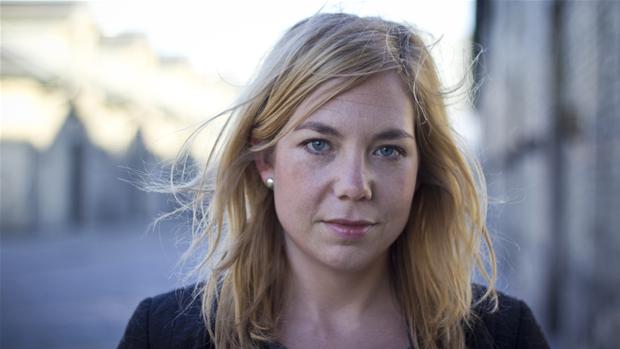
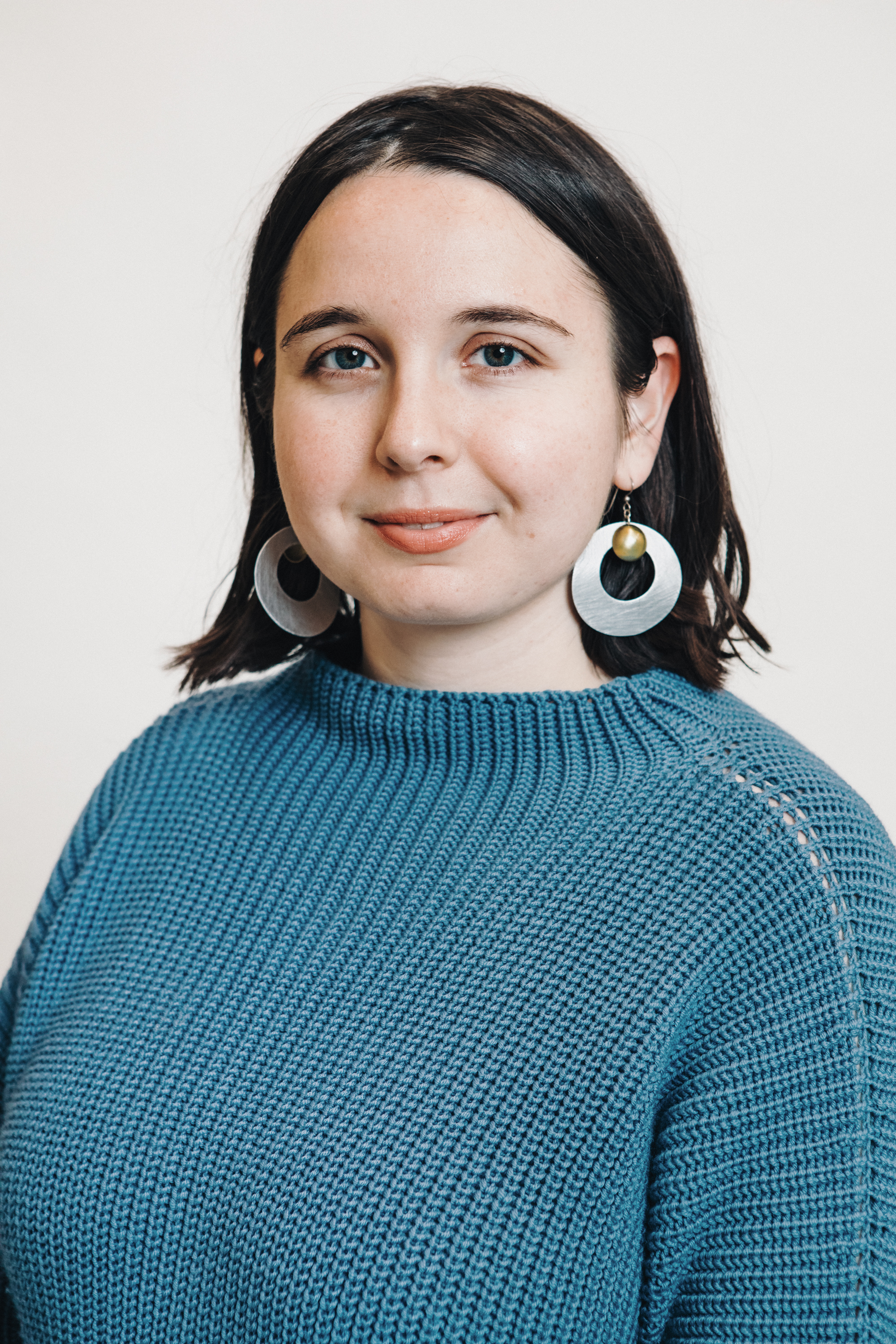
Agnes Ringer, is a clinical psychologist and interdisciplinary mental health researcher. She works as an editor in psychology and lectures part-time at Roskilde University. Her work centers on psychiatric practice, recovery, and the social dimensions of mental distress. Currently, she is a visiting scholar in Vrije Universiteit, Brussels.
What is your article “Troublesome Bodies: How Bodies Come to Matter and Intrude in Eating Disorder Recovery“ about?
This article explores how the body becomes a site of tension and meaning in the process of recovery from eating disorders. Drawing on interviews with participants in a group therapy program, my co-authors, Mari Holen and Anne Mia Steno, and I show that recovery is not just about changing eating behavior or mindset—but about navigating how the body is viewed, judged, and experienced. We use theoretical perspectives from Sarah Ahmed and Analu Verbin to examine how bodies are shaped through social space and cultural paradoxes. The article introduces the concept of the ‘troublesome body’ to highlight how participants simultaneously seek and resist visibility, control and surrender,
and how their agency emerges through collective spaces like group therapy.
Tell us a little bit about yourself and your research interests.
I’m trained as a clinical psychologist and hold a PhD in interdisciplinary mental health.
My research focuses on psychiatric institutions, recovery, and how mental distress is
shaped by and expressed within social and institutional contexts. I’m especially interested
in how people respond to adversity—not as passive victims, but as meaning-making
agents who navigate their lives with dignity. My work draws on psychological,
sociological, and anthropological perspectives.
What drew you to this project?
The project grew out of my experience working in a clinic for eating disorders that used
group-based, narrative, and systemic therapy. I was struck by how transformative the
group process was, and how central the body became in participants’ stories. While my
co-authors and I set out to explore social aspects of recovery, we discovered that recovery
was deeply entangled with how participants experienced and navigated their bodies.
What are you reading, listening to, and/or watching right now? (Doesn’t have to be anthropological!)
Right now, I’m re-reading Agnes’s Jacket: A Psychologist’s Search for the Meanings of
Madness by Gail A. Hornstein. It’s a powerful exploration of first-person narratives in
mental health and what they can teach us about experience beyond diagnosis. I’m also
watching Hacks—a smart, sharp comedy that explores vulnerability, creativity, and
power dynamics.
If there was one takeaway or action point you hope people will get from your work, what would it be?
That recovery from eating disorders is not a linear, individual journey. It’s deeply social,
relational, and shaped by the environments we inhabit. We need spaces where people can
explore their paradoxes, be seen without judgment, and co-create new meanings together.
Other places to connect:

 Culture, Medicine, and Psychiatry