
The next few months we’ll be highlighting authors who have published in Culture, Medicine, and Psychiatry.
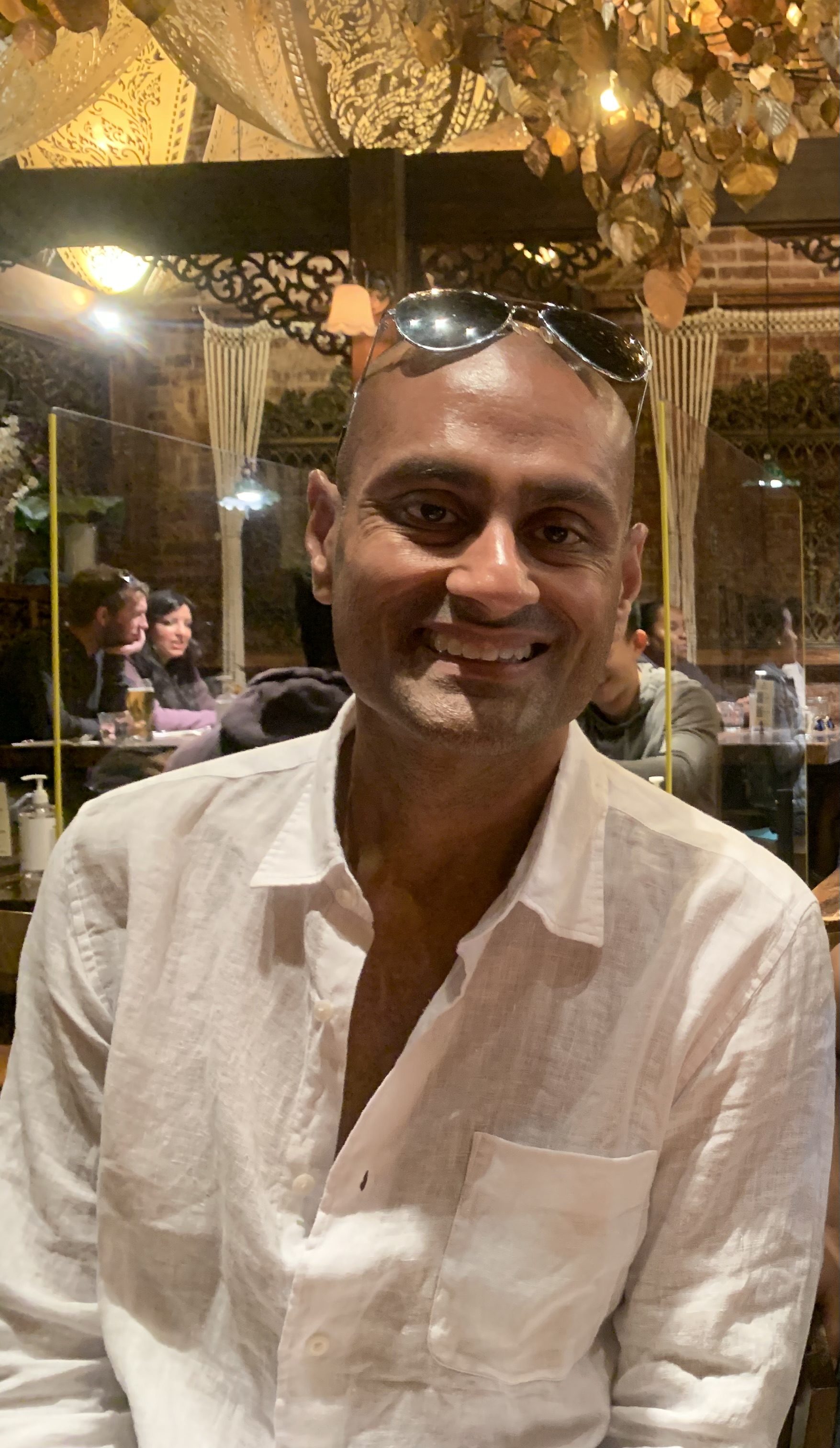
Neil Krishan Aggarwal is an Assistant Professor at Columbia University. He is a cultural psychiatrist and social scientist. His research focuses on translating anthropological theories for clinical use and the cultural analysis of mental health knowledge and practices.
What is your article “The Evolving Culture Concept in Psychiatric Cultural Formulation: Implications for Anthropological Theory and Psychiatric Practice” about?
“Social scientists debate what terms like “culture” mean. This article traces how the term “culture” has been defined in editions of the psychiatric classification manual known as the Diagnostic and Statistical Manual of Mental Disorders (DSM). It explores similarities and definitions in these definitions.
Tell us a little bit about yourself and your research interests.
“I come from a racially, ethnically, linguistically, and religiously minoritized community in the United States. I’ve had to face people’s implicit and explicit biases about me based on my appearance. Therefore, I’m interested in how people generally make interpretations about others. We all make interpretations in everyday life, such as students rating professors, customers rating businesses, or people deciding which way to swipe on dating apps. Anthropologists have long pointed out that psychiatrists also make interpretations about patients through acts of diagnosis. This perspective informs my research interests in cultural psychiatry, cultural psychology, and psychiatric anthropology.”
What drew you to this project?
“I’ve spent the past 15 years trying to encourage mental health professionals to think of their work as fundamentally cultural, beyond just attending mandatory cultural competence trainings. I believe that my colleagues in anthropology have conversations that my colleagues in mental health benefit from hearing. Every revision to the DSM is an opportunity to explore the current state of cultural assumptions regarding mental health knowledge and practice. When DSM-5-TR came out in 2022, I saw this as a timely opportunity.”
What was one of the most interesting findings?
“The model of culture in the DSMs is different from other models that could change clinical practice. The DSM model assumes that providers can ask patients about their identities, that culture resides in the minds of patients. But a model of culture that looks at how patients and clinicians interact allows us to discover how patients and clinicians create culture during appointments.”
What are you reading, listening to, and/or watching right now?
“I just finished reading this brilliant article by the black queer scholar Keguro Macharia titled “On Being Area Studied.” As one of the few brown men in my departments, I haven’t been equally accepted as a peer, so I’ve been re-reading Frantz Fanon and trying to imagine how he has felt.
I’ve been exalting in the 50th anniversary of hip-hop this year. No other popular art form provides more incisive social commentary about what it’s like to transcend social marginaliztion as a minoritized individual. I just saw DJ Premier in concert this week, and I’ve been inspired to rediscover the poetry of artists like KRS-One, Rakim, Nas, Biggie Smalls, Q-Tip, Jay-Z, and other greats. I’ve also been jamming to AP Dhillon, Gurinder Gill, Shinda Kahlon, and Karan Aujla on the Punjabi Bhangra side.
I love Hindi cinema. Streaming has really allowed movie stars to try new roles, and I’m captivated by a show titled Asur. Check it out.”
If there was one takeaway or action point you hope people will get from your work, what would it be?
“Whether we use knowledge from psychiatry, psychology, the law, or any other form of professionalized expert knowledge, we can never fully know anyone else. How do we cultivate a space for respectful curiosity?”
Thank you for your time!
Other places to connect:
Twitter
 Culture, Medicine, and Psychiatry