
The next few months we’ll be highlighting authors who have published in Culture, Medicine, and Psychiatry.
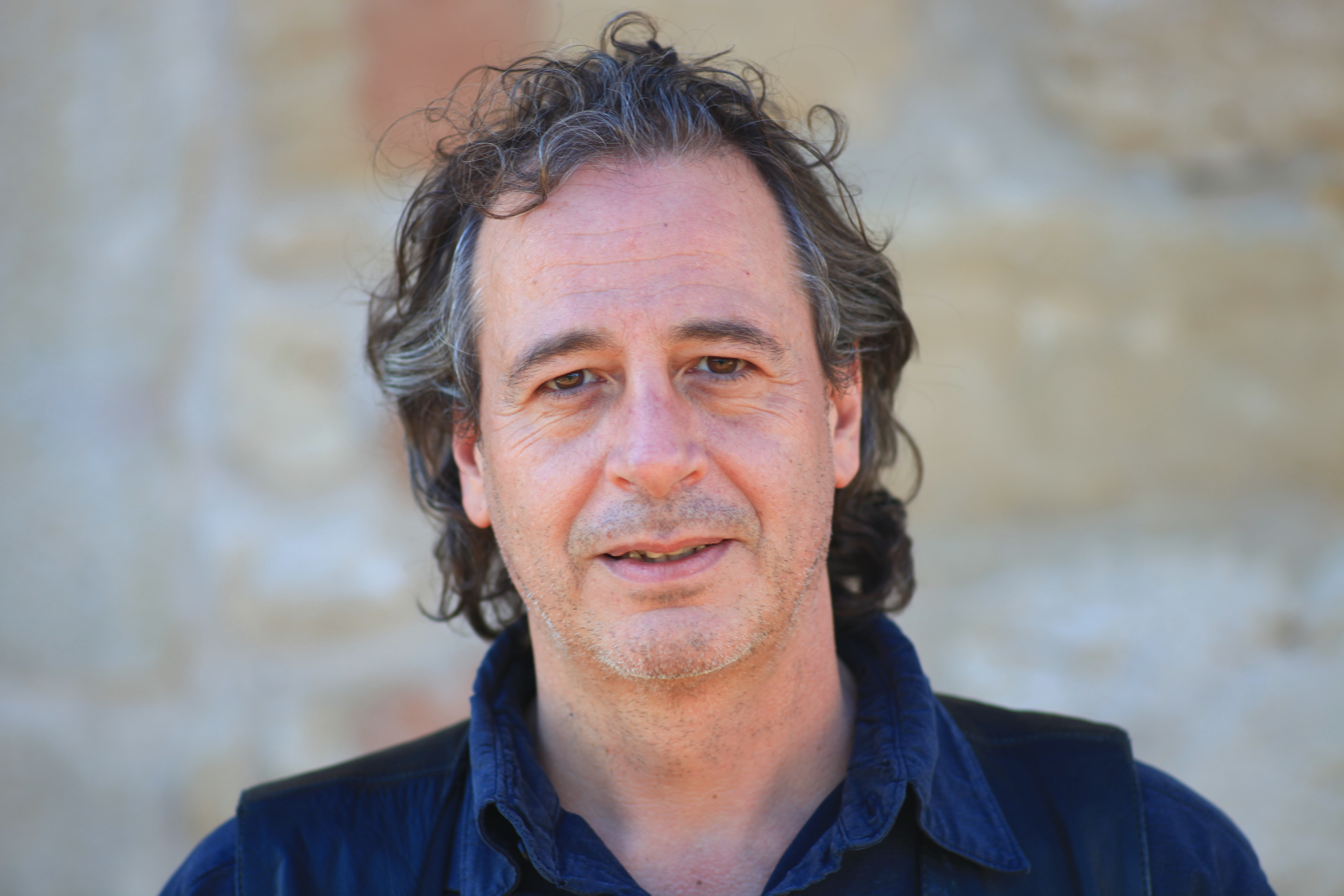
José Carlos Bouso is a Clinical Psychologist with a PhD in Pharmacology. As the Scientific Director at ICEERS (International Center for Ethnobotanical Education, Research & Service). José Carlos coordinates studies on the potential benefits of psychoactive plants, principally cannabis, ayahuasca, and ibogaine, with the goal of improving public health.
What is your article “Hallucinations and Hallucinogens: Psychopathology or Wisdom?” about?
“This text challenges the prevailing notion that hallucinations are exclusively associated with psychopathological states. It acknowledges that hallucinations can indicate psychopathology or neurological disorders but argues that they also commonly occur in individuals without any signs of psychopathology. The research suggests that certain types of hallucinations induced by hallucinogenic drugs may actually improve mental health. The authors propose a broader characterization of hallucinations as a common phenomenon associated at times with psychopathology but also with functional and even beneficial outcomes. Furthermore, they suggest that hallucinations can provide a pathway to understanding the mind and the world. This cultural shift in the interpretation of hallucinations could have implications for fields such as drug policy, civil law, psychiatry, and the reduction of stigma associated with mental disorders.”
Tell us a little bit about yourself and your research interests.
“I am a clinical psychologist and PhD in pharmacology and have been studying the pharmacological and therapeutic effects of hallucinogens since the 1990s. My first research focused on studying the potential of MDMA in the treatment of PTSD in women who have suffered sexual assault. Later, I conducted a study on the long-term effects of ayahuasca use on neuropsychiatric functions. Since 2012, I have been the Scientific Director of the International Center for Ethnobotanical Education Research & Service (ICEERS), where I coordinate various research projects. Our main areas of research include Global Mental Health, ayahuasca, medical cannabis, and the anti-addictive potential of ibogaine.”
What drew you to this project?
“The term hallucinogens is stigmatized due to its association with mental illness. This reinforces the stigma surrounding mental illness by precisely linking it to the presence of hallucinations. However, hallucinations are not necessarily a pathological phenomenon. Even for Esquirol and other French psychiatrists who laid the foundations of modern psychiatry, hallucinations were seen as a symptom of illness, not the cause. Today, the symptom is often confused with the cause. Hallucinations are a common phenomenon in human experience. Their most radical expression is seen in the effects produced by hallucinogens, which are now the subject of increasing research on their therapeutic potential. The analysis of the term hallucinogen and its relationship, not only with psychopathology but also with the process of knowing, should not only help reduce the stigma associated with it but also the stigma associated with mental illness.”
What was one of the most interesting findings?
“Undoubtedly, the most interesting result is having confirmed how the popular conception of the term hallucination does not correspond to the reality of the phenomenon. Etymologically, it refers to traveling through the mind. Even in classical Greece, there was a goddess of hallucinations, the goddess Pasithea. Oracles used hallucinations to make their predictions. The Bible is filled with hallucinatory phenomena. Numerous human circumstances can induce hallucinations, with prevalence rates indicating that up to 10% of the general population has experienced them at some point in their lives. Neurobiologically, perception itself can be hallucinatory, including imagination. And hallucinogenic drugs demonstrate how hallucinations can be a source of knowledge. Therefore, the main result is that hallucinations can be a psychopathological symptom but also a via regia to knowledge.”
What are you reading, listening to, and/or watching right now?
“I am currently reading several novels: “The Tartar Steppe” by Dino Buzzati, “The Family” by Sara Mesa, and “Prayer to Proserpina” by Sánchez-Piñol. I read “The Tartar Steppe” after visiting an exhibition by the Spanish sculptor Juan Muñoz and seeing an artwork inspired by the novel. Additionally, I am reading the new book by the biological anthropologist Juan Luis Arsuaga, titled “Our Body.” Recently, I watched a Spanish film called “Secaderos,” which explores the use of LSD by teenagers in a very open-minded manner. It was a surprise because I went to the cinema without having read the movie’s synopsis.”
If there was one takeaway or action point you hope people will get from your work, what would it be?
“To start considering hallucinations as a normal phenomenon of human consciousness that can be a sign of psychopathology but also a source of knowledge. Hallucinogenic drugs are prohibited because they induce hallucinations. If our thesis is correct, their legal status should change as soon as possible.”
Thank you for your time!
 Culture, Medicine, and Psychiatry