
The next few months we’ll be highlighting authors who have published in Culture, Medicine, and Psychiatry.
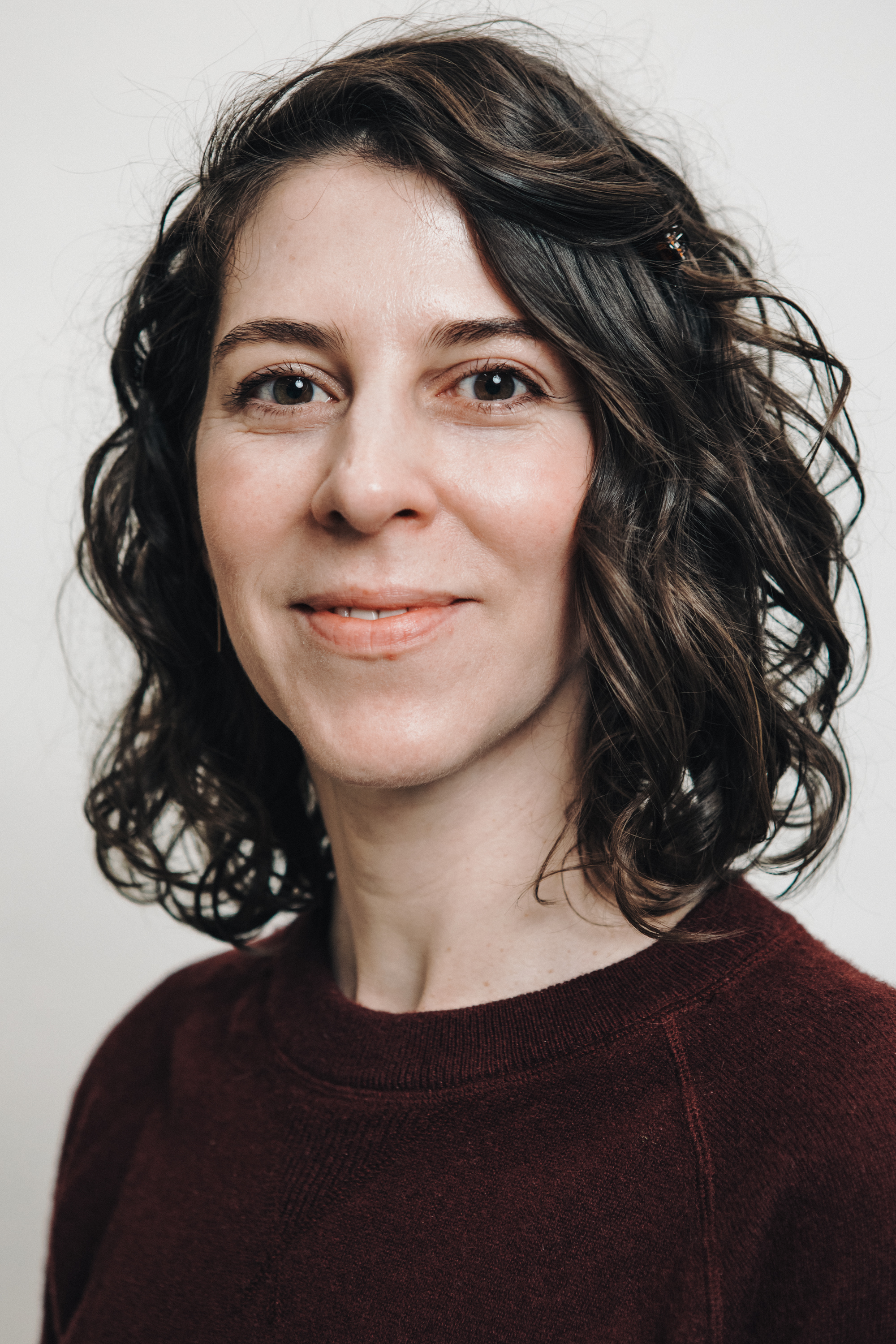
Weaver is a medical and biocultural anthropologist who teaches in the Global Health and Global Studies programs at the University of Oregon. Her research addresses the social determinants of chronic diseases, stress, and housing insecurity in India, Brazil, and the USA.
What is your article “A Glossary of Distress Expressions Among Kannada-Speaking Urban Hindu Women” about?
This article documents how women Kannada speakers talk about distress in the South Indian state of Karnataka. Kannada is a Dravidian language spoken by over 44 million people inside and outside the Indian subcontinent, making it one of the 30 most commonly spoken languages in the world. Yet very little work on cross-cultural understandings of mental health and illness has been done among Kannada speakers in the last 30 years. Since we know that language shapes experience, it is important to understand how people discuss distress in non-psychiatric terms in languages other than English. These results could be used to improve research about mental health as well as clinical tools for assessing mental health and illness among Kannada-speaking populations.
Tell us a little bit about yourself and your research interests.
I’m one of those people who studies lots of different things. Sometimes people ask me what’s the “throughline” that holds all my work together, and I’d say that it is an interest in (and a concern with) the things that create long-term suffering and disadvantage in people’s lives. I want to know why some people end up suffering so much, while others don’t. Long-term interests of mine include distress, food insecurity, chronic diseases, and more recently, housing insecurity, which is a big problem in the community where I live. I want to understand those experiences of disadvantage and hopefully do work that contributes toward solutions.
What drew you to this project?
One of the foundational studies in psychological and medical anthropology was done in the early 80s by Mark Nichter in the same region where I am working in India. That work established the concept of idioms of distress, which are culturally specific ways of communicating stress, distress, and frustration. This work has influenced me and many people who work in the transcultural translation of psychiatric symptom scales. Part of the goal here was to lay the groundwork for future development of more culturally sensitive psychiatric symptom scales, which to my knowledge don’t really exist in Kannada.
What was one of the most interesting findings?
I found it really interesting that most women understood the Kannada translation of the English term for depression (khinnate), but they described it as a technical term that didn’t really speak to their own experiences.
What are you reading, listening to, and/or watching right now? (Doesn’t have to be anthropological!)
I’m a big lover of fiction and belong to multiple book clubs. Right now, I’m reading The Dictionary of Lost Words for one of my book clubs. I’m also watching The Bear (though it will take me forever to get through it because I don’t watch much TV). Academically, I’m reading up on the social science of houselessness. There hasn’t been as much in anthropology about this in the last 10 years as there has been in other disciplines like sociology or urban studies, so it’s making me stretch disciplinary boundaries.
If there was one takeaway or action point you hope people will get from your work, what would it be?
I think it’s really important that we recognize that distress is subjective, and also culturally mediated. Therefore, too, are its treatments. Many psychiatrists and psychologists I know are so invested in the approach of biomedical psychiatry that they truly believe it is objective. They aren’t able to entertain the idea that other ways of understanding and treating distress exist, and that those might be viable. It makes sense; that’s their training. But for the women I work with, there could be other things that would help them manage their distress much better than a diagnosis of depression or anxiety, and that’s really what I am hoping to convey.
Other places to connect:
Website
 Culture, Medicine, and Psychiatry