
The next few months we’ll be highlighting authors who have published in Culture, Medicine, and Psychiatry.
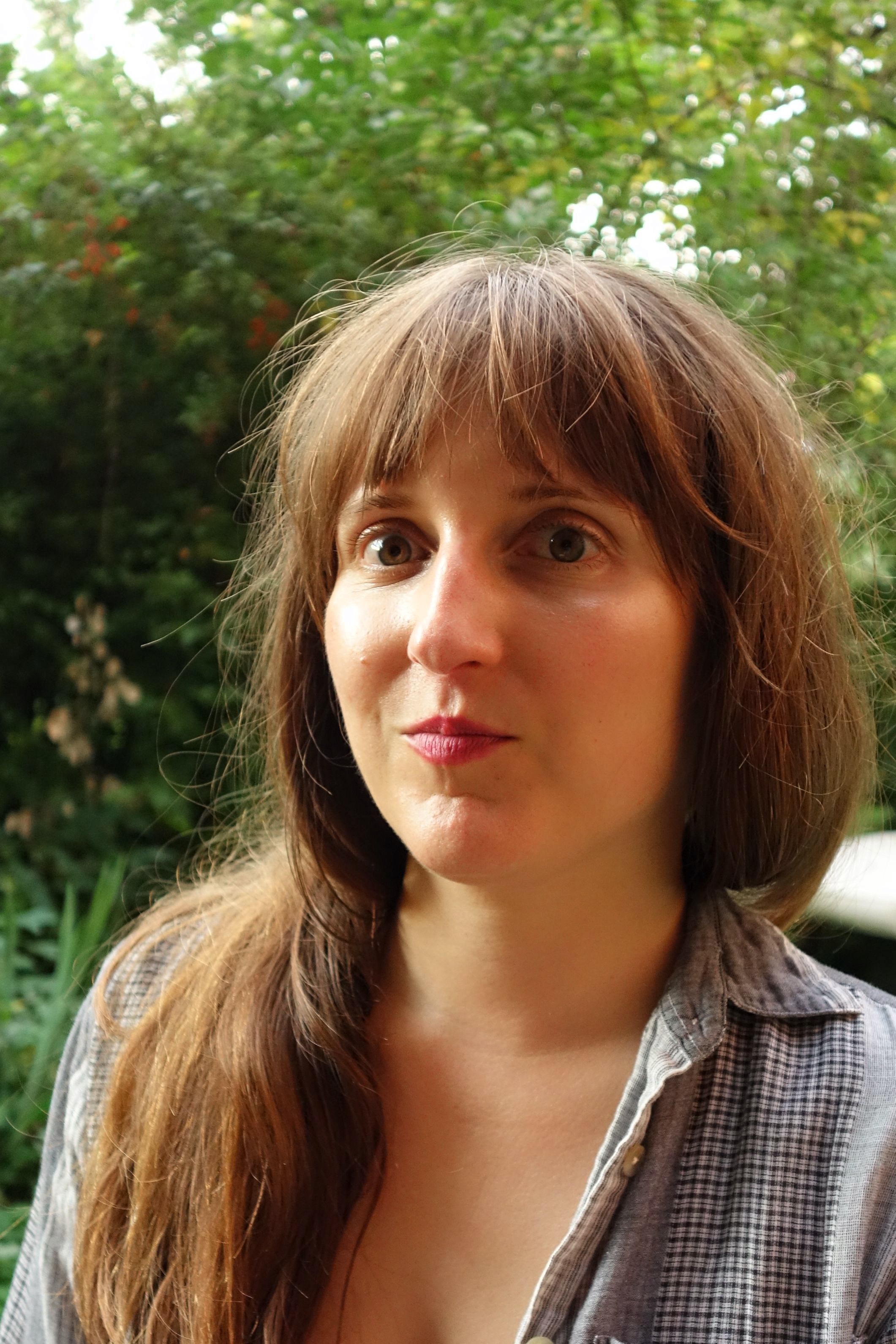
Caroline Chautems is a social and medical anthropologist. In 2020-2024, she researched cesarean birth culture in Switzerland. From October 2024, she will study queer reproductive justice and doula care in California, with a Fulbright grant. She is the author of Negotiated Breastfeeding: Holistic Postpartum Care and Embodied Parenting (Routledge, 2022).
What is your article “’I Felt Like I Was Cut in Two’: Postcesarean Bodies and Complementary and Alternative Medicine in Switzerland about?
My article is based on an ethnography of parents’ experiences of cesarean births in Switzerland, where one in three deliveries is a cesarean, one of the highest rates in Europe. I examine how women who have undergone cesareans often turn to complementary and alternative medicine (CAM) therapies to address persistent pain and discomfort from the surgery. This trend is largely due to the lack of biomedical guidelines specifically addressing these post-surgical issues.
Since CAM therapies are not typically covered by basic health insurance, this situation exacerbates care stratification. Privileged women, who have both the informational and financial resources, can access CAM therapies, while underserved groups do not benefit from this type of care.
For women recovering from a cesarean, engaging in CAM therapies not only helps relieve their symptoms but also validates their pain, feelings, and sometimes trauma. This validation allows them to reclaim their post-cesarean bodies.
Tell us a little bit about yourself and your research interests.
My work focuses on reproduction, gender, parenthood, and sexualities. Through my ethnographic fieldworks, I examine how healthcare providers support reproductive processes and the transition to parenthood, shaped by parenting and reproductive public health policies. Drawing on the framework of reproductive justice, I explore how (intended) parent’s access to and experiences of perinatal care are stratified based on class, race, sexual and affective orientation, and literacy, including digital literacy. In relation to healthcare, I am also interested in birthers’ embodied experiences, particularly during the postpartum period. I investigated these topics in my PhD thesis on breastfeeding and home birthing, and in my research on cesarean culture and my article in Culture, Medicine and Psychiatry.
What drew you to this project?
This project is part of a larger study on parents’ experiences of cesarean birth in Switzerland, funded by the Swiss National Science Foundation, and in collaboration with my colleagues Prof. Irene Maffi and Ainhoa Saenz Morales (University of Lausanne, Switzerland). Within the framework of this study, I chose to focus on the post-partum period and post-cesarean recovery for several reasons.
First, compared to other stages of the reproductive process, such as pregnancy and delivery, the postpartum period remains largely understudied in both anthropological and medical research on reproduction.
In addition, from a biomedical perspective, healthcare professionals primarily focus on the baby’s health and well-being during the postpartum period, while maternal recovery is often glossed over, even after cesarean deliveries.
I aim to address this gap in both the scientific literature and in biomedical follow-ups by examining women’s post-cesarean recovery experiences.
What was one of the most interesting findings?
During my interviews with CAM therapists, the topic of sexuality frequently came up. Their discourses often embedded post-partum sexuality within cisheteronormative representations of femininity. In this context, CAM treatments were presented as a way for women to reconnect with their femininity, seen as a necessary step to resume (hetero)sexual intercourse, with CAM therapists criticizing the lack of biomedical care for cesareaned women. However, they mostly upheld the medical and social norms of mandatory and fulfilling (hetero)sexuality. I believe it is crucial to disrupt these norms and change the conversation about postpartum sexuality.
What are you reading, listening to, and/or watching right now? (Doesn’t have to be anthropological!)
I listen to many podcasts, usually during my commute or other activities. My current favorites are Code Switch, which offers comprehensive conversations about how race and racism shape every aspect of society, The Queer Family Podcast, a deep dive on queer family building with in-depth interviews of LGBTQ+ parents, and The Daily, which mixes sharp commentary of the news with thorough investigations on specific topics.
I enjoy reading Passerby, an online magazine featuring intimate portraits of women, combining photography and text and delving deep into their stories.
If there was one takeaway or action point you hope people will get from your work, what would it be?
The women I interviewed generally first turned to their OBGYN to discuss their symptoms, such as persistent pain or scar discomfort, post-cesarean. They often faced a lack of consideration or downplaying of their symptoms. They then turned to CAM therapists to find some help, because they were in a privileged position and able to do so. This makes me wonder how less privileged women tackle their symptoms when they cannot access CAM therapies. My fieldwork observations highlight the need for more comprehensive biomedical follow-up after a cesarean birth. This includes involving physical therapists, who are reimbursed by basic health insurance in Switzerland. My observations and analyses also apply in other contexts presenting similar gaps in post-surgical follow-ups. However, literature is scarce on the topic of post-cesarean healthcare, and how recovery is addressed in other countries, which calls for further investigations.
Other places to connect:
Linkdin
 Culture, Medicine, and Psychiatry