
The next few months we’ll be highlighting authors who have published in Culture, Medicine, and Psychiatry.
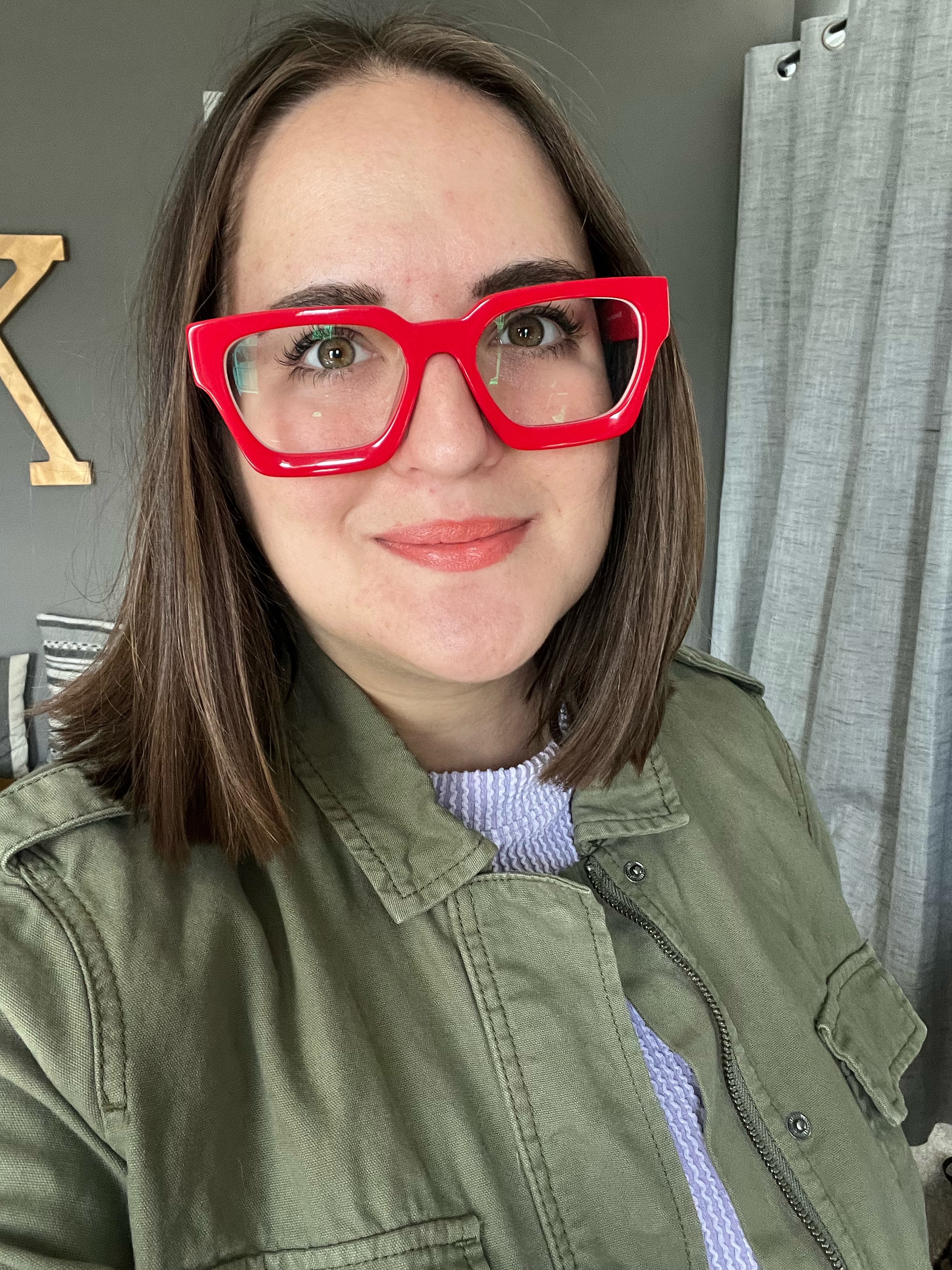
Dr. Julia Knopes is an anthropologist who studies lived experiences of mental health recovery and medical education. She has cross-disciplinary training in social science and the humanities, and teaches courses in disability studies and mental health ethics.
What is your article “Beyond Competence: Efficiency in American Biomedicine” about?
Anthropologists and sociologists have written much about the values and principles that shape contemporary medical practice. Through qualitative research at two medical schools in the U.S. Midwest, our team found that one such value is efficiency: that is, the ability to maximize productivity while minimizing wasted effort. Medical students’ narratives reveal that they choose learning resources and engage in study practices in ways that align with efficiency, ensuring that they learn only what is most needed and not squandering time or energy on information that is thought to be unnecessary to their education and future practice. We describe these findings in light of research on broader trends in U.S. biomedicine towards efficiency, such as the proliferation of the managed care model. While medical students and physicians are trained to be competent, we find that they are also socialized to be efficient.
Tell us a little bit about yourself and your research interests.
I am a medical anthropologist, health humanist, and empirical bioethicist by training. The primary focus of my teaching and research is in the areas of disability and mad studies, specifically on lived experiences of recovery amongst people with mental health conditions. I have a secondary scholarly interest in medical education and practice, specifically how medical students and physicians cope with the impossibility of knowing everything there is to know about biomedicine.
What drew you to this project?
I have always been fascinated by the values that drive biomedical practice: as an anthropologist, as a patient, and as the daughter of a physician. When my colleague Dr. M. Ariel Cascio reached out to collaborate on a new project on medical students’ experiences around team-based learning at a school in the U.S. Midwest, I eagerly accepted the invitation. Some of the findings from that study are presented here, although we couch this qualitative data in broader conversations about efficiency as a key principle of contemporary biomedicine.
What was one of the most interesting findings?
What surprises me most is how candid that medical students and physicians have been with me about the limits of their own knowledge. It takes quite a bit of humility and vulnerability to admit when you don’t know something, and I admire those qualities very much in the participants I’ve worked with. In participants’ stories, I’ve found that ignorance and efficiency are closely linked. For instance, because medical students are confronted with so much information in their education, they need to be selective about what content to focus on most with the limited time they have to study and prepare for exams and clinical rotations. USMLE Step 1 preparation materials like First Aid market themselves in terms of efficiency, committing to being “high yield” by cutting what is believed to be extraneous information, which streamlines students’ preparation. Essentially, what can you afford to ignore or overlook to learn only what is most necessary? As my coauthors and I observe in the article, the relationship between time and knowledge persists in clinical practice where efficiency is highly prized.
What are you reading, listening to, and/or watching right now? (Doesn’t have to be anthropological!)
I just finished the book Ace by Angela Chen, which is a thoughtful, intersectional exploration of asexuality in the United States. I wasn’t expecting the book to relate back to my work in the health humanities, but there is a chapter dedicated to the intersection of disability and asexuality that I found nuanced and compelling.
If there was one takeaway or action point you hope people will get from your work, what would it be?
Being an expert isn’t just about mastery of specialized knowledge. It’s also about developing keen awareness of the limits of your own knowledge. In that way, ignorance is just as much a part of expertise as knowledge. Physicians embody that principle in their work, but future anthropological research is needed to reveal how other types of clinical professionals and healers contend with not knowing.
 Culture, Medicine, and Psychiatry