
The next few months we’ll be highlighting authors who have published in Culture, Medicine, and Psychiatry.
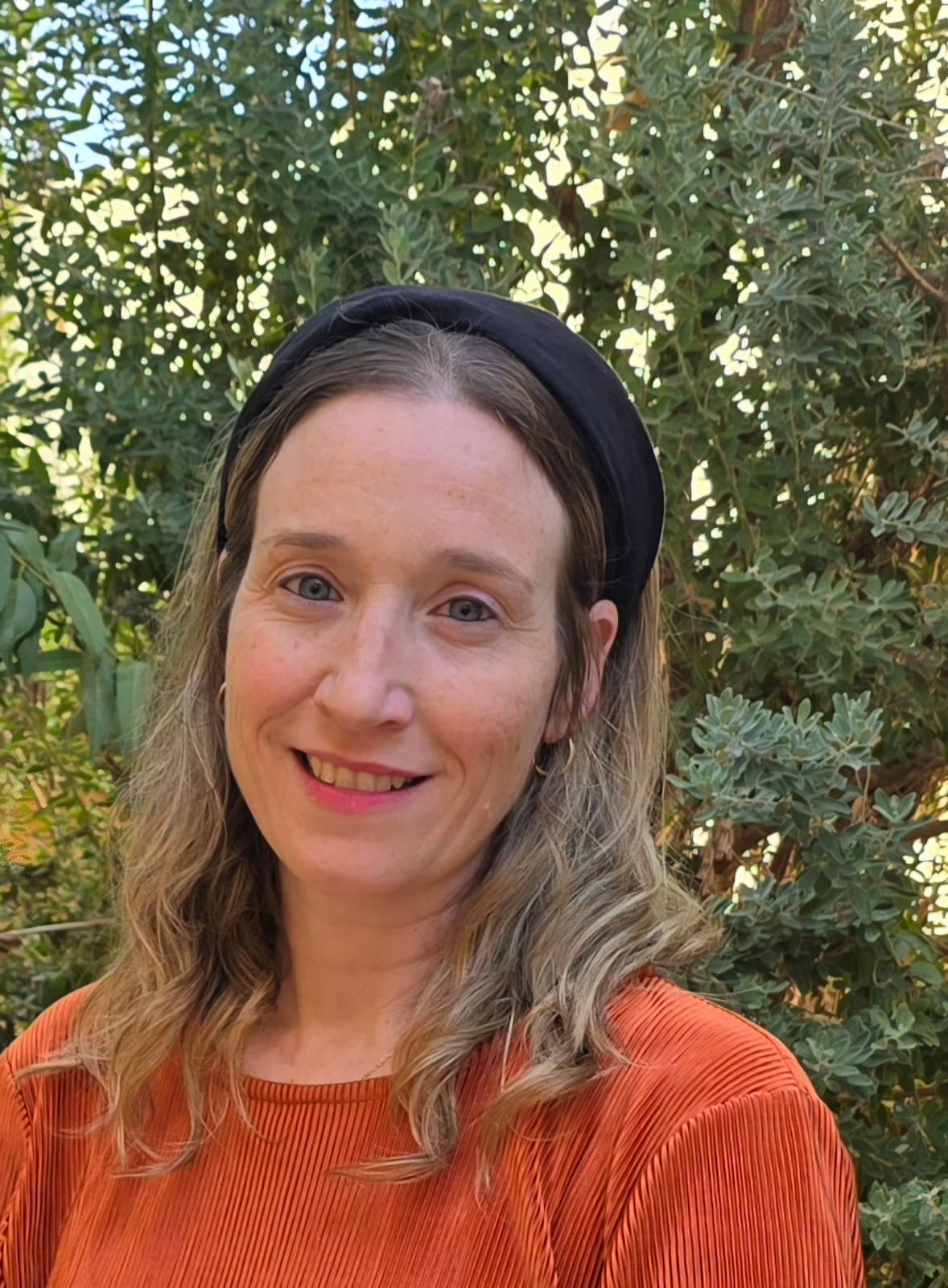
Einat Bar Dror, PhD, Anthropologist and organizational sociologist. Her research deals with psychological and medical anthropology, anthropology of morality and religious conversion. Worked as lecturer in the Department of Sociology and Anthropology and in the Faculty of Medicine at the Hebrew University in Jerusalem, Israel.
What is your article “‘He Should Party a Little Less’: Evolving Orthodox Religiosities in Psychotherapeutic Interventions Among Jewish Gay Men” about?
Given prohibitions on homosexuality in Jewish law, the article explores how religious therapists navigate various contradictory commitments while deliberating which therapeutic strategy to choose.
The research, which based on 20 interviews with religious therapists, showed three practices which the therapists use: reproducing religious norms, allowing homosexuality to be privately acknowledged while advocating its concealment from the public eye, or adopting religious distinctions that enable two men to live together while abstaining from sexual intercourse. These interventions express therapists’ pragmatic cultural work, sorting out opposing therapeutic discourses, like the liberal-professional and the religious, and engaging with contestations beyond the clinic’s boundaries.
We claim that some interventions may suggest an acknowledgment that religious standards are often met only on the surface and require continual subterfuge. They may imply, however, a recognition of cracks in the religious ideal and fine-tuning of religious and professional commitments.
Tell us a little bit about yourself and your research interests.
Anthropological and sociological. I’m interested in religious conversion and religious affiliation; Medical anthropology and organizational sociology. The intersection between religion, secularism, conservatism, liberalism and the moral issues that arise in these intersections are at the center of my research projects. I explore the ways in which opposing discourses struggle but also violate and change each other and lead to the formation of new cultural models.
What drew you to this project?
I got into research through a friend that worked as an instructor for religious boys who attended a religious educational program after high school. He shared with me
that he had received several requests from trainees for help due to sexual attraction to men. The boys who approached him asked him to help them “get rid of the problem” since they realized that it conflicts with Jewish law. He said that in order to help them, he made contact with a variety of religious therapists who specialize in the treatment of homosexuals, and shared with me all kinds of treatment methods that those therapists offered to his students.
This topic ignited great curiosity in me. I was interested in learning about the topic from the therapists’ point of view – to stand for their worldview and the manner in which they justify their therapeutic practices This research was fascinating for me and gave me great inspiration to continue dealing with moral issues that exist at the interface between the religious world and the Western world.
What was one of the most interesting findings?
One of the most interesting findings of the study concerns the position and the significant social role of religious therapists who treat homosexuals in the Israeli religious population. Beyond their attempts to decide between professional and religious values, the religious therapists need to navigate between the diverse voices of the religious communities to which they and their patients belong. In addition, they are also affected by pressures arising from professional and state regulations and the tense discussions in the public sphere in Israel, in social and mass media and in parliament. All of which, as I found, were very much present in the therapists’ reflection on their role and the way in which they conducted and managed the therapy.
What are you reading, listening to, and/or watching right now? (Doesn’t have to be anthropological!)
I recently watched an interesting documentary called “Daughters” which follows a project that allows prisoners in the US to spend quality time with their daughters. The film raises issues of gender and race and has important social and political implications.
In addition, I Like listening to podcasts on a very wide variety of topics – including society, culture, psychology, economics, design, politics… As a music lover, one of my favorites is a local podcast called “One song” that brings, every episode the story behind one song – from the moment of its inspiration until it is released. It is excellently made and makes you fall in love with familiar songs every time.
If there was one takeaway or action point you hope people will get from your work, what would it be?
In order to understand a culture, it is very useful to listen to the gatekeepers of this culture, and among them to the therapists entrusted with the health and well-being of the mind.
At the same time, it is important to remember that the therapists do not only maintain social order but also actively participate in its change.
Other places to connect:
Linkedin
 Culture, Medicine, and Psychiatry