
The next few months we’ll be highlighting authors who have published in Culture, Medicine, and Psychiatry.
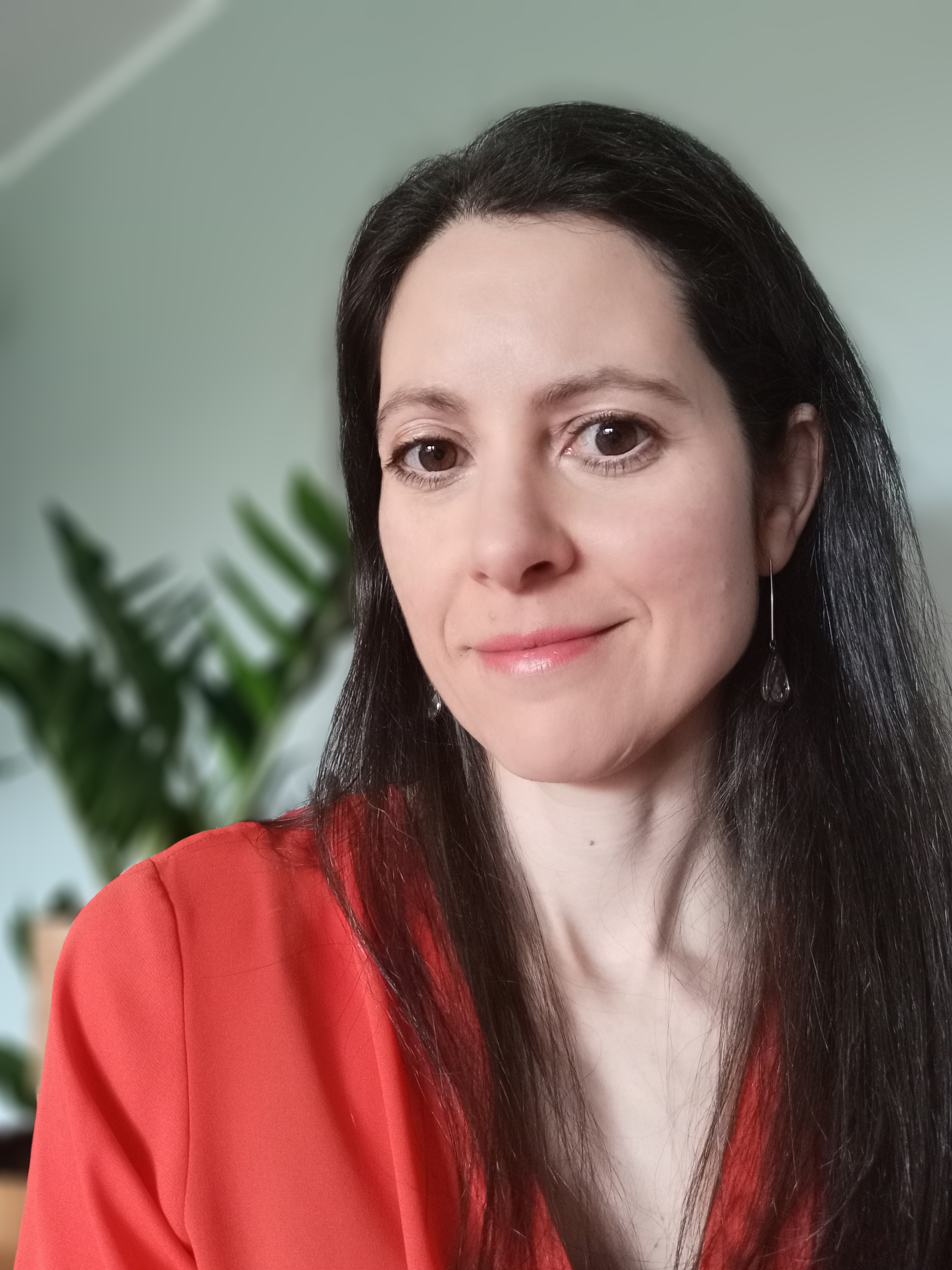
Cristina Archetti has been researching, publishing and teaching about the role of the media and communication in politics and society for over 20 years. She is also a psychotherapist specialized in trauma. She is committed to using the full range of her knowledge to help create a more caring and inclusive world.
What is your article “Infertility as Trauma: Understanding the Lived Experience of Involuntary Childlessness” about?
Infertility, to those who are affected by it, is much more than whether one manages (or not) to have a baby: it can be a traumatizing experience. “Infertility” does not only refer to being barren (a rather rare condition) or having medical problems to conceive. It also relates more broadly to “childlessness by circumstance”: remaining without children because life just turned out that way. For example, because one does not have a partner, was ill during fertile years, because assisted reproduction never worked, among many other possibilities. Based on a study that involved psychotherapy sessions and interviews with women who are childless not by choice, the article argues that there is an urgent need to treat infertility as trauma. Not only is infertility potentially traumatizing in itself, but it might also nest within previously existing traumas. This understanding supports better care for many individuals whose long-term suffering would otherwise remain unacknowledged and untreated.
Tell us a little bit about yourself and your research interests.
Over the past 20 years I have investigated phenomena as diverse as the role of the media in terrorism and radicalization and the construction of silence around infertility, among many others. I have always been driven by the questions: How do we explain the mediated reality we live in? How do we know what we know? I am particularly drawn to what might seem “invisible” and “hard to research about.”
Trauma, something that is unconscious and not accessible by its very nature, and infertility, one of the last taboos of the 21st century, are cases in point.
What drew you to this project?
I am myself childless not by choice. I was drawn to studying trauma and training to become a psychotherapist because I wanted to attend to with my own wounds. Having experienced first-hand the benefits of trauma therapy, I wanted to bring them to others. This is why I am practicing as psychotherapist beside my academic job and writing about what I am learning along the way.
What was one of the most interesting findings?
Infertility can be a traumatic experience, both in itself and in connection with previous traumas. Losing an entire future and an imagined identity as a parent—a whole trajectory of life which will never materialize—can also be a source of trauma. Although my article is about women, this affects both women and men.
What are you reading, listening to, and/or watching right now? (Doesn’t have to be anthropological!)
I am watching “Encounters” (directed by Yon Motskin, 2023) on Netflix, a documentary about close encounters with non-human intelligence. Regardless of whether one believes in the existence of aliens, it provides a fascinating insight into human experience and the devastating consequences that arise, for many of the people who report having had experiences they could not explain, from being silenced, shamed and subject to stigma.
If there was one takeaway or action point you hope people will get from your work, what would it be?
We need to take the trauma of infertility seriously, particularly by bringing the experience of those affected at the centre of our research and therapeutic practice.
Other places to connect:
University of Oslo Profile
 Culture, Medicine, and Psychiatry