
The next few months we’ll be highlighting authors who have published in Culture, Medicine, and Psychiatry.
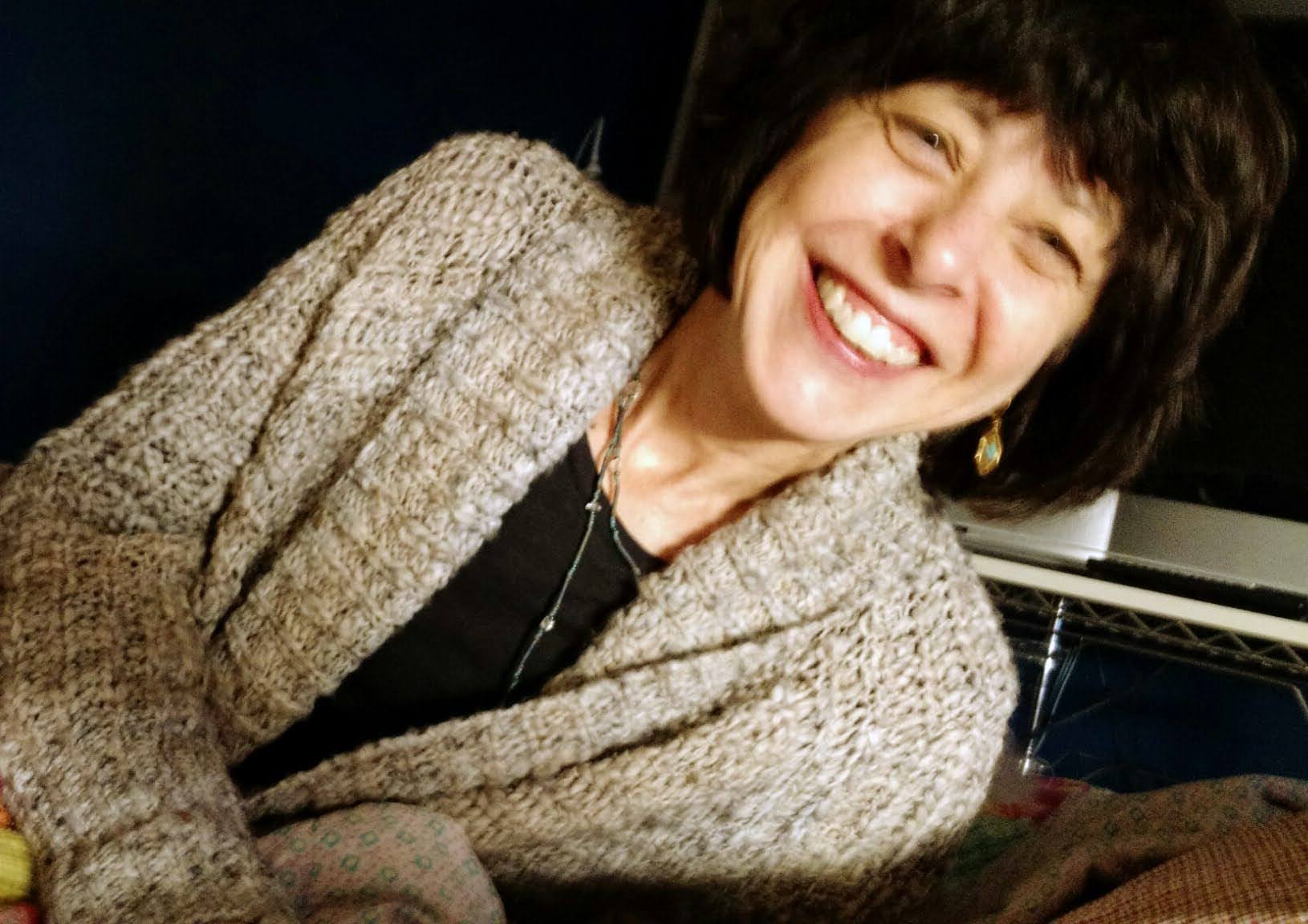
I am a cultural/psychological anthropologist with research interests in emotional distress and mental illness. Publications include individually authored studies of postpartum depression and borderline personality disorder and team authored studies of post-traumatic stress disorder. My work is motivated by an aim to apply anthropological concepts and methods toward mental health recovery.
What is your article “Stubborn Families: Logics of Care of a Family Member with Borderline Personality Disorder” about?
This study explores what care for a family member with borderline personality disorder (BPD) looks like in practice, according to parents’ and siblings’ narratives. I find the care efforts described in involved family member narratives merits our recognition—these were all stubborn families offering unwavering support—and our concern. Examination of their care leads to the fundamental understanding that family recovery cannot be an either/or situation. Rather, both the person with the mental health condition and the family members need supports to foster recovery. This work aims to register the critical importance of family recovery and the absence of explicit, culturally inflected moral norms and the deficient structural supports for this goal.
Tell us a little bit about yourself and your research interests.
Over the past several years, I have been studying emotional distress, related mental health diagnoses and recovery. Research in Rio de Janeiro on reproductive health led me to examine women’s struggles with perinatal depression and anxiety and what helped them recover. I next worked on a qualitative project of a Minneapolis Veterans Affairs research team to understand what went wrong for veterans who either quit or didn’t benefit from evidence-based psychotherapy for Post-Traumatic Stress Disorder. The current project concerns family member experiences of BPD at differing moments: parents’ growing awareness that their child’s distress isn’t garden variety adolescence, but something more/other; ongoing familial care struggles (the focus of this article); demoralization besetting parent caregivers when care doesn’t seem to help.
What drew you to this project?
I was drawn to the project from growing up with experiences leading me to find that mental illness has a significant impact on the whole family. For some time, my study of the topic was confined to reading memoirs and attending AAA sessions on mental illness. While completing a post-doc in epidemiology and community health, I realized I wanted to do research on how BPD affects families. While the public health literature on family “burden” of mental illness is extensive and worthwhile, thematic analyses of qualitative research missed important dimensions, that I found I could capture by eliciting and analyzing narratives of family experiences of BPD.
What was one of the most interesting findings?
I started interviews by reminding interlocutors that my focus was on family member experiences of BPD and then asked “Where do you think it makes sense to start?” The outpouring of stories of multiple mental health crises suggested families acted mostly in isolation from professional, community and cultural supports. Late in the interviews, when I asked how it all had been for them, people spoke very briefly and generally. Afterwards, it struck me that familial care took place without supports for or even mention of family recovery.
What are you reading, listening to, and/or watching right now? (Doesn’t have to be anthropological!)
Don’t get me started! One fine memoir is Laura Flynn’s Swallow the Ocean, which conveys the experiences of young children whose mother lives with a serious mental illness. I have tended not to read short stories, but recently found this was a mistake when I read Alistair Macleod’s Island and Claire Keegan’s Foster and Small Things Like These. Both are devastatingly beautiful. Less by Andrew Sean Greer and Drive Your Plow Over the Bones of the Dead by Olga Tokarczuk are delightful stories with unforgettable narrators.
If there was one takeaway or action point you hope people will get from your work, what would it be?
I hope that from reading the work people will deepen their understanding that mental illness has repercussions on the whole family. The main takeaway I wish for readers is to register that the family members of relatives with BPD whom I got to know were trying very hard to do the best they could, with almost no infrastructure of safety, guidance or respite under situations of risk and from a place of societal misunderstanding. A significant omission in our conceptualizing of care practices of family members of a relative with BPD is recognition of supports they need, both to provide better care, as well as for their own recovery.
 Culture, Medicine, and Psychiatry