
The next few months we’ll be highlighting authors who have published in Culture, Medicine, and Psychiatry.

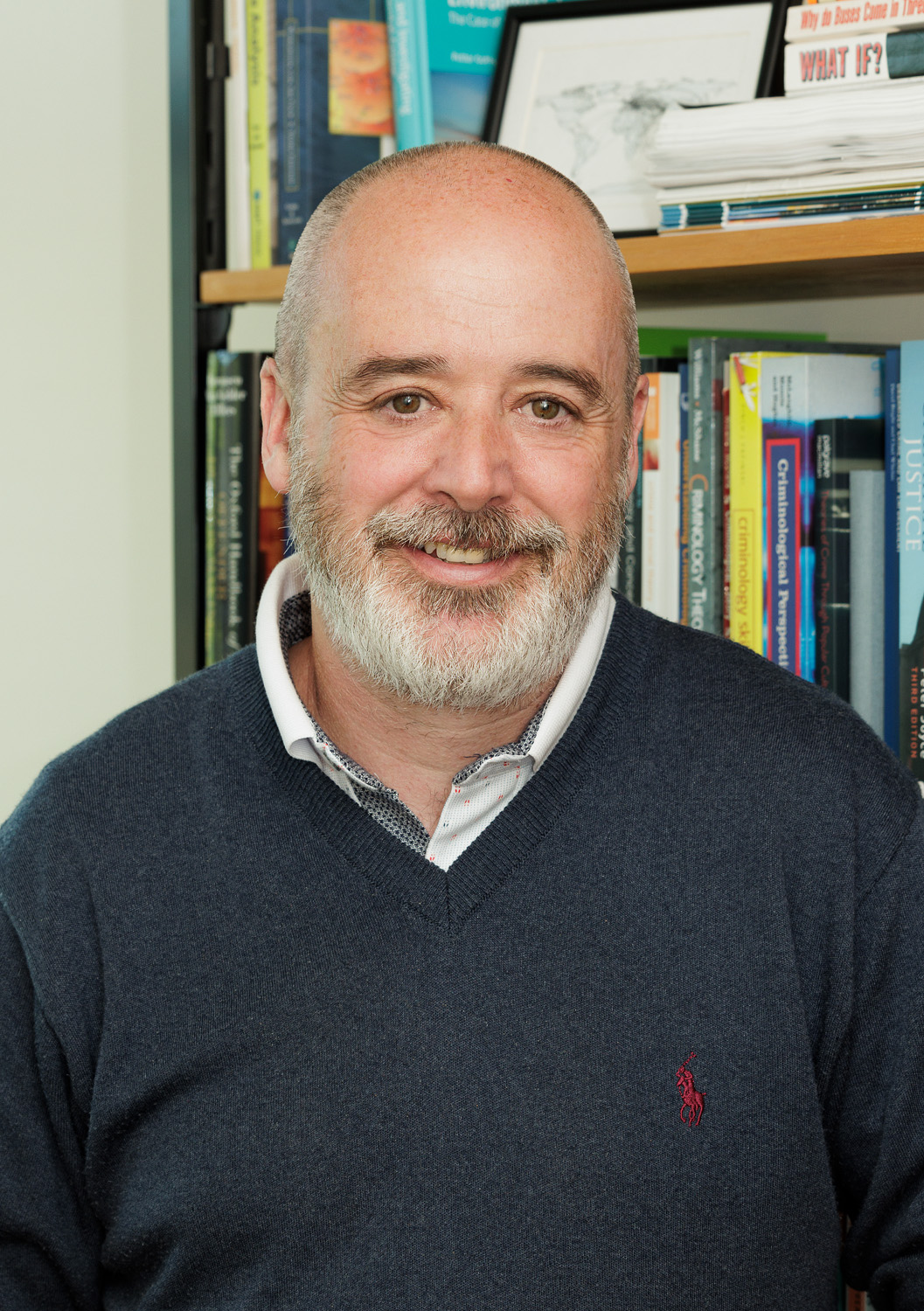
Scott Stonington is a cultural anthropologist and internal medicine physician. His first book, The Spirit Ambulance, won awards from multiple academic societies for ethnographic writing. His two major current projects address affect in clinical practice in the U.S. and pain management in Thailand.
What is your article “Hallucination’: Hospital Ecologies in COVID’s Epistemic Instability“about?
In early COVID in the hospital, clinicians were driven into scientific and data-hungry frenzy trying to understand the virus, making their clinical practice very unstable, changing dozens of times daily in response to tweets, texts and news articles. The article is a case study on the dependence of clinical knowledge and practice on context, in contrast to the usual assumption that it is the “view from nowhere.”
Tell us a little bit about yourself and your research interests.
I practice hospital and primary care medicine, which makes me constantly look at social theory and ethnographic concepts through the lens of lived experience. My research always seems to return to that.
What drew you to this project?
I was thrust into working in the hospital in early COVID, at a time when I thought there was a good chance that I would die if I became infected (due to comorbid illnesses). I simply had to study that experience.
What was one of the most interesting findings?
The most interesting finding was that clinicians, afraid and trying to sort through rapid-fire contradictory ideas about COVID, entered a kind of trance, a bad trip, needing to imagine (or “hallucinate”) virus distributed everywhere. It was interesting that the fear wasn’t simply formless emotion, but that it infiltrated the very scientific expertise that they had previously thought of as objective.
What are you reading, listening to, and/or watching right now? (Doesn’t have to be anthropological!)
I just finished Children of Time by Adrian Tchaikovsky. I thought it was just for pleasure, but there were so many wonderful ideas in it that it got my academic idea mill churning!
If there was one takeaway or action point you hope people will get from your work, what would it be?
I think that we fantasize that doctors should be completely objective, and it blinds us to some of the very important effects that their own emotion and experience injects into health systems.



 Culture, Medicine, and Psychiatry