New Associate Editor announced at CMP

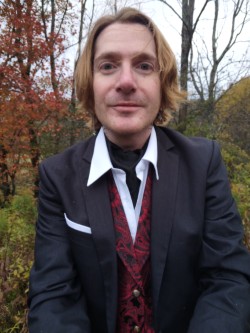
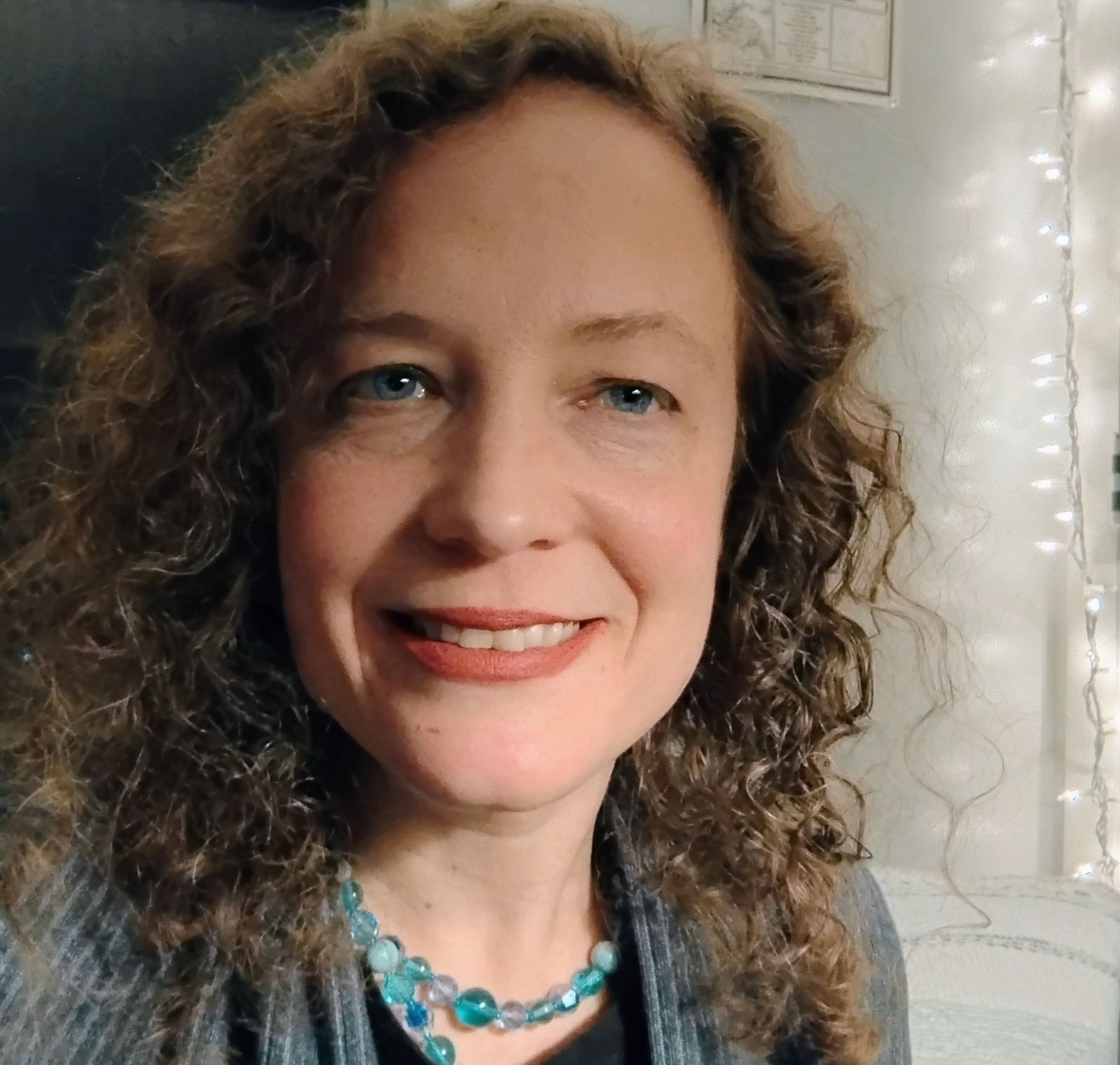
Elizabeth Fein is Associate Professor and Chair of the Department of Psychology at Duquesne University. She is the author of Living on the Spectrum: Autism and Youth in Community (NYU Press, 2020) and co-editor of Autism in Translation: An Intercultural Conversation on Autism Spectrum Conditions (Palgrave, 2018), and is the singer in Pittsburgh darkwave band Take Me With You. 

What most excites you about becoming the Associate Editor at CMP?

This journal has been one of the foundations of my whole professional identity and way of thinking. I feel like I’ve been invited into the backroom of my favorite bar. It’s really a thrill to be able to participate more actively in the making of a space that I’ve gained so much from over the years.
 

How has CMP shaped your own career? Do you have a favorite CMP article from the past that we can paste a link to here?

Probably the CMP article that I know the best is this one: “Social defeat and the culture of chronicity: or, why schizophrenia does so well over there and so badly here” because I teach it almost every year, in both my graduate and undergraduate courses. It’s a big, important argument that has many different pieces to it, and I think only a journal like CMP would be able to hold space for all those pieces to hang together. My most-cited article is in CMP as well (“Making meaningful worlds: role-playing subcultures and the autism spectrum”) – it tells a big, weird, wonderful story that fit perfectly under the expansive CMP umbrella.

What are you most excited about with your own work right now?

Figuring out ways for clinically-minded people to incorporate culture into our psychological constructs. Experimenting with new forms of writing and other kinds of expression. Working with some really sharp-minded, compassionate and creative students.

What are you reading, listening to, and/or watching right now?

Piranesi by Susanna Clarke just turned my mind inside out. Reading it felt more like having a life experience than reading a book. There’s a musician from Vermont who records under the name Dutch Experts who I’m really into these days. My band Take Me With You was supposed to play a show with her, but we had to cancel. Stupid COVID. hemlocke springs, Haute & Freddy are two other current favorites.

Any quick advice for aspiring young clinician/social scientists?

Hold on to your joy.

Interview With Cristian Montenegro

The next few months we’ll be highlighting authors who have published in Culture, Medicine, and Psychiatry.
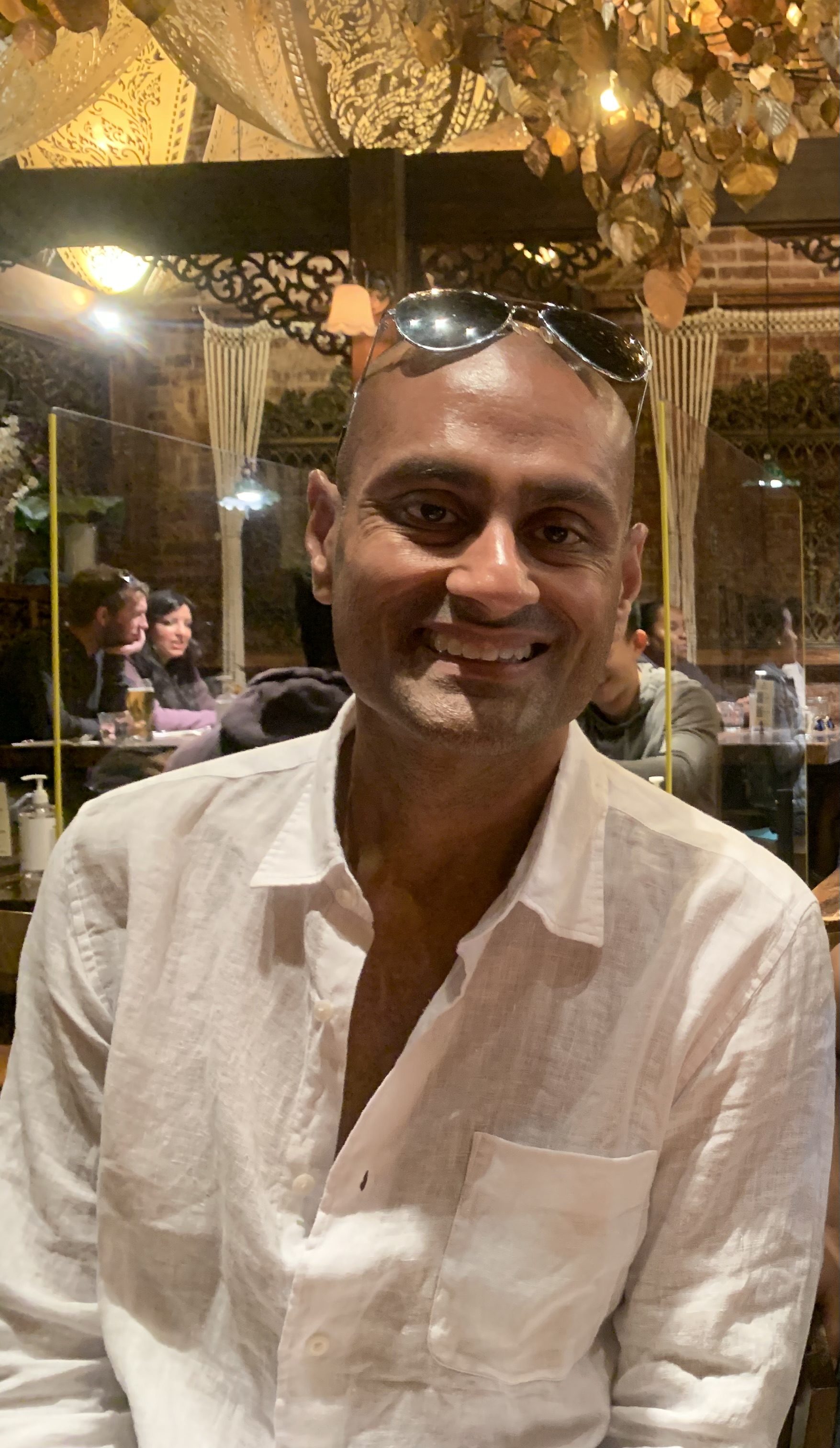
Senior Lecturer in Critical Global Health, Department of Global Health and Social Medicine, King’s College London.

I am a sociologist interested in the politics of mental health policy in Latin America. My research examines how service users, health workers, and policymakers approach core normative categories such as “human rights,” “community,” and “participation.” I utilize sociological systems theory and post-Marxist political philosophy, empirically drawing on ethnography and oral history.

What is your article “Psychiatric Experiments with “Community” Under Dictatorship and Authoritarianism: The Case of the Protected Commune Experience, 1980–1989” about?

This paper explores the paradoxical existence of the “Protected Commune” (PC), a unique therapeutic initiative within Chile’s El Peral psychiatric asylum during the oppressive military regime from 1973 to 1990. This period saw the dismantling of emergent plans for deinstitutionalization and mental health reform initiatives, the banning of community-based mental health approaches, and the silencing of progressive psychiatrists through torture and exile. Amidst this authoritarian repression, the Protected Commune emerged as a unique attempt to transform El Peral Psychiatric Asylum into an isolated microcosm, mimicking a real town with new relationships running parallel to traditional hospital hierarchies to simulate the life of an “outside” that was no longer accessible. This case study is part of an ongoing project aiming to develop a global genealogy of “community” as imagined and implemented in the context of psychiatric reform in South America, under hostile political and social conditions.

Tell us a little bit about yourself and your research interests.

My work addresses ongoing debates at the intersection of two broad shifts in the politics of knowledge in global mental health. These shifts pertain to 1) the evolving role of service users and individuals with lived experience in mental health science and policy and 2) the recognition of the “global south” as a site of intellectual originality and a source of lessons in global health for the wider world. These interlocked shifts represent an epistemological and political challenge to traditional understandings of pathology and treatment and to the institutions implicated in their global circulation, mostly based in the Global North.

What drew you to this project?

After graduating in sociology in Chile, I started working in social services supporting persons with psychosocial disabilities. In the interface between the social sciences and mental health policy,

psychiatric asylums and their transformations emerged as a crucial object of attention. On the one hand, plans for the transformation of psychiatric care are directly shaped by wider political and social transformations, making this process a powerful site for sociological analysis. At the same time, the social and cultural aspects of deinstitutionalization are often concealed under a traditional public health perspective, especially in South America, and therefore a sociological perspective has the potential to contribute to policy solutions in the area.

What was one of the most interesting findings?

The Protected Commune experience was, in itself, an interesting finding. I started this project with a wider question about psychiatric reform and its interaction with the dictatorship in Chile. It was in that context that interviewees mentioned the initiative, and after this, I partly refocused the project in order to learn more about it.

What are you reading, listening to, and/or watching right now? (Doesn’t have to be anthropological!)

I’m reading a book by Michael Löwy called Fire Alarm: Reading Walter Benjamin’s “On the Concept of History,”translated and published by Verso in 2005. This work by Löwy is a great introduction to Benjamin’s thought, a key author to understand how notions and usages of “history” are related to present struggles.

If there was one takeaway or action point you hope people will get from your work, what would it be?

You cannot transform institutions without understanding their history. A key aspect of that history includes the previous attempts to transform them, which are always many in the case of psychiatric asylums.


Website

Twitter

Linkedin

Interview With Cristina Archetti

The next few months we’ll be highlighting authors who have published in Culture, Medicine, and Psychiatry.

Cristina Archetti, Professor in Political Communication and Journalism, University of Oslo, Oslo (Norway)

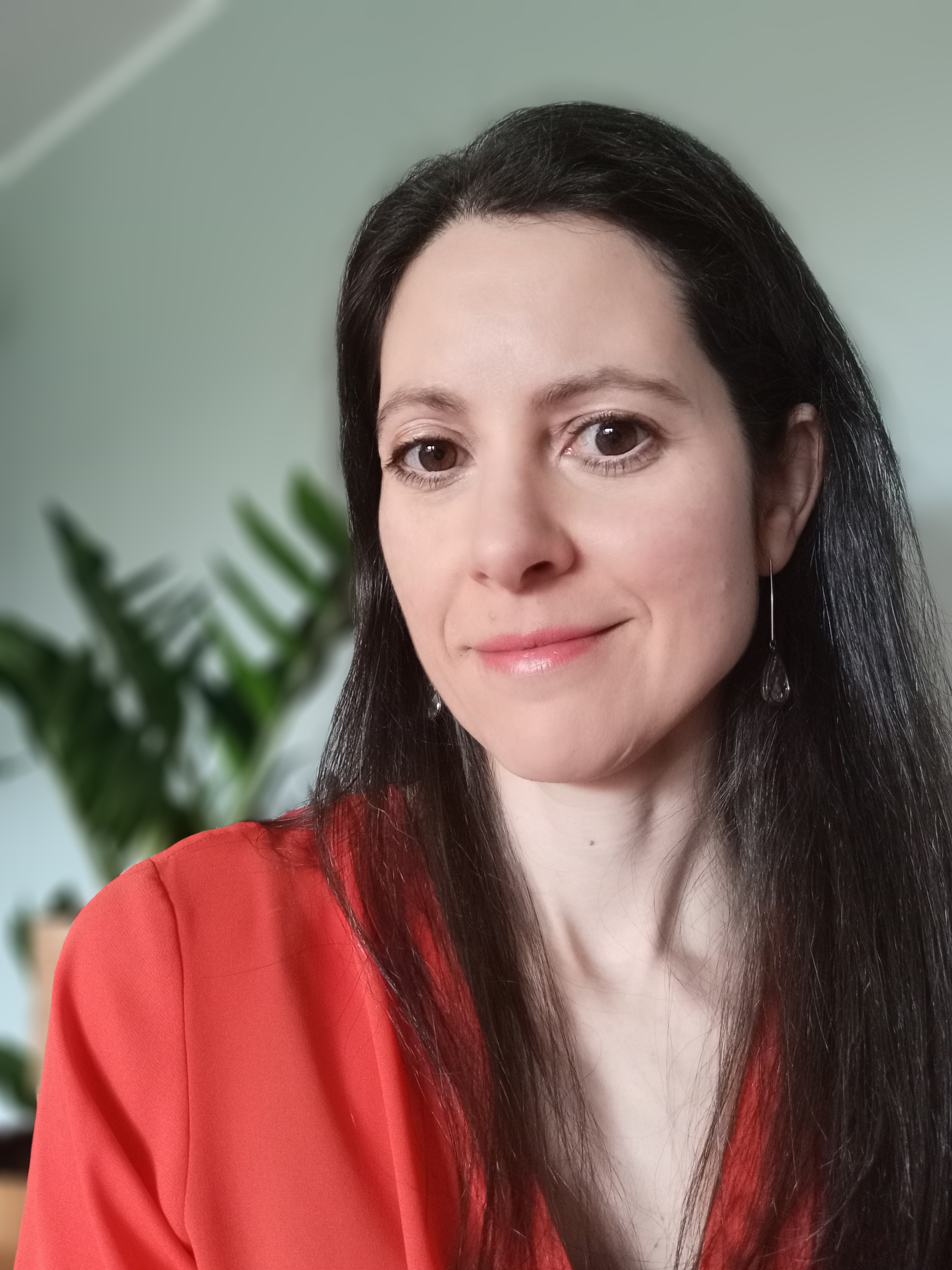
Cristina Archetti has been researching, publishing and teaching about the role of the media and communication in politics and society for over 20 years. She is also a psychotherapist specialized in trauma. She is committed to using the full range of her knowledge to help create a more caring and inclusive world.

What is your article “Infertility as Trauma: Understanding the Lived Experience of Involuntary Childlessness” about?

Infertility, to those who are affected by it, is much more than whether one manages (or not) to have a baby: it can be a traumatizing experience. “Infertility” does not only refer to being barren (a rather rare condition) or having medical problems to conceive. It also relates more broadly to “childlessness by circumstance”: remaining without children because life just turned out that way. For example, because one does not have a partner, was ill during fertile years, because assisted reproduction never worked, among many other possibilities. Based on a study that involved psychotherapy sessions and interviews with women who are childless not by choice, the article argues that there is an urgent need to treat infertility as trauma. Not only is infertility potentially traumatizing in itself, but it might also nest within previously existing traumas. This understanding supports better care for many individuals whose long-term suffering would otherwise remain unacknowledged and untreated.

Tell us a little bit about yourself and your research interests.

Over the past 20 years I have investigated phenomena as diverse as the role of the media in terrorism and radicalization and the construction of silence around infertility, among many others. I have always been driven by the questions: How do we explain the mediated reality we live in? How do we know what we know? I am particularly drawn to what might seem “invisible” and “hard to research about.”

Trauma, something that is unconscious and not accessible by its very nature, and infertility, one of the last taboos of the 21st century, are cases in point.

What drew you to this project?

I am myself childless not by choice. I was drawn to studying trauma and training to become a psychotherapist because I wanted to attend to with my own wounds. Having experienced first-hand the benefits of trauma therapy, I wanted to bring them to others. This is why I am practicing as psychotherapist beside my academic job and writing about what I am learning along the way.

What was one of the most interesting findings?

Infertility can be a traumatic experience, both in itself and in connection with previous traumas. Losing an entire future and an imagined identity as a parent—a whole trajectory of life which will never materialize—can also be a source of trauma. Although my article is about women, this affects both women and men.

What are you reading, listening to, and/or watching right now? (Doesn’t have to be anthropological!)

I am watching “Encounters” (directed by Yon Motskin, 2023) on Netflix, a documentary about close encounters with non-human intelligence. Regardless of whether one believes in the existence of aliens, it provides a fascinating insight into human experience and the devastating consequences that arise, for many of the people who report having had experiences they could not explain, from being silenced, shamed and subject to stigma.

If there was one takeaway or action point you hope people will get from your work, what would it be?

We need to take the trauma of infertility seriously, particularly by bringing the experience of those affected at the centre of our research and therapeutic practice.


Other places to connect:
University of Oslo Profile

Website

Linkedin

Interview With Matteo Tonna

The next few months we’ll be highlighting authors who have published in Culture, Medicine, and Psychiatry.

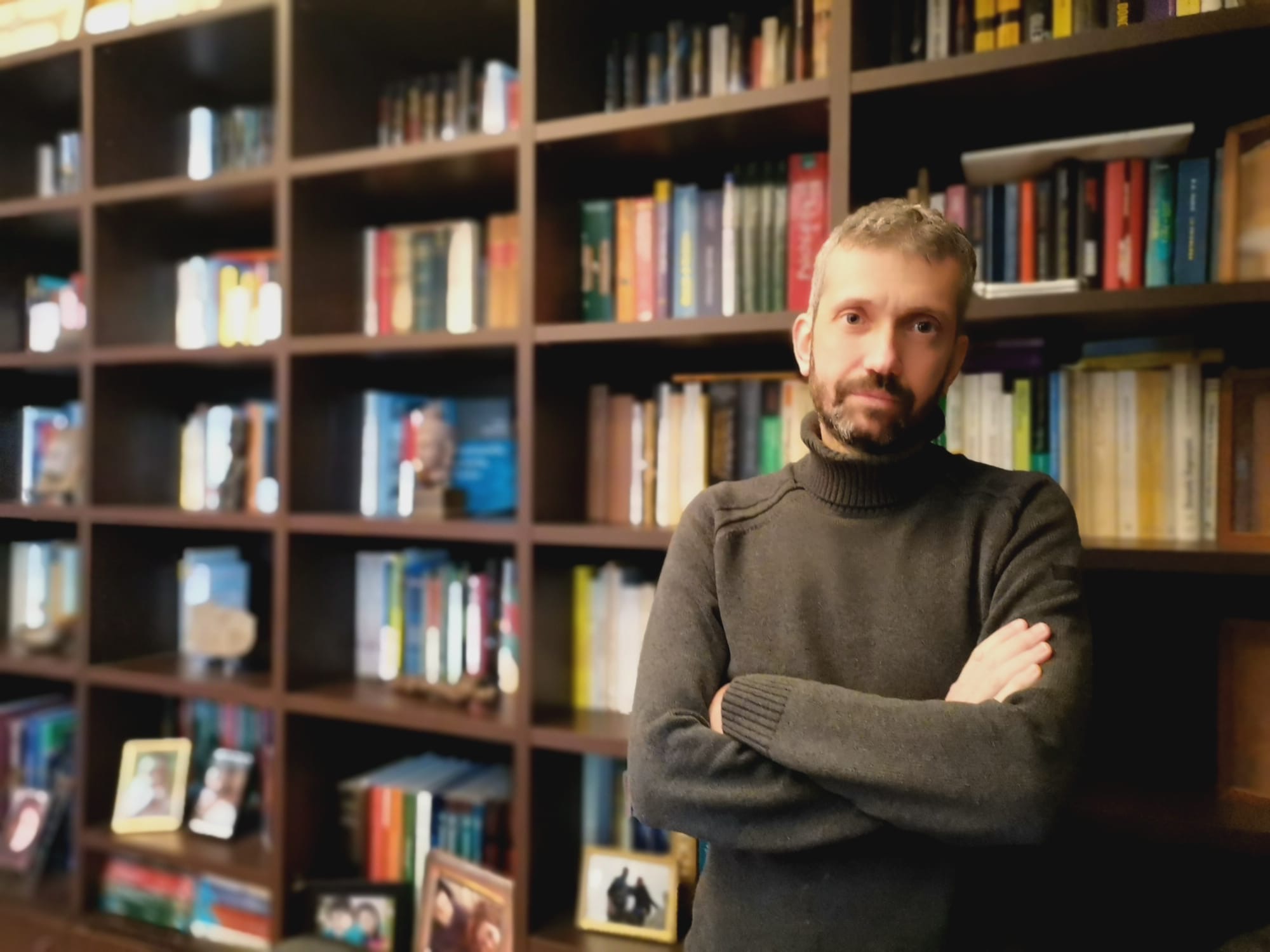
Matteo Tonna, MD, PhD, Associate Professor in Psychiatry; Department of Medicine and Surgery, Psychiatric Unit; University of Parma (Italy).

I am an Associate Professor in Psychiatry at the University of Parma. My main field of interest focuses on clinical and phenomenological psychopathology under an interdisciplinary perspective. In particular, my research aims at bridging ethology, psychopathology and anthropology in the search of the evolutionary trajectories underlying human speciation. The evolution of specific human traits, such as a fully symbolic language, are in fact sedimented in psychopathology as well as in material culture. On the other hand, uniquely human traits also have a behavioral and biological scaffolding, rooted in the phylogeny of our species. Therefore, a cross-disciplinary perspective may contribute to highlight the subjective structures of our mind, shaped by complex bio-cultural feedbacks.

What is your article “The Evolution of Symbolic Thought: At the Intersection of Schizophrenia Psychopathology, Ethnoarchaeology, and Neuroscience” about?

My article aims at comparing symbolic activity, as expressed in schizophrenia psychopathology, with symbol making, as witnessed in ethnoarchaeological records. The core concept is that the uniquely human capacity for symbolic representation evolved through the exploitation of diffuse sensorimotor networks within constructed eco-cultural niches. The high plasticity and flexibility of sensorimotor grounding allows us to detach ourselves from actual contingencies and open up to a self-constructed world of symbols. However, less constrained neural pathways also mean an inherent vulnerability to a complete sensorimotor dysconnectivity, which may eventually lead to schizophrenia disembodiment.

Tell us a little bit about yourself and your research interests.

My research aims to shed light on those basic structures of human subjectivity that, although unique, manifest themselves in different contexts, and are therefore generally investigated from different perspectives.

In particular, I am interested in ritual behavior from ethology to human cultures, through the interface with psychopathology. In particular, in psychopathology rituals are not limited to Obsessive-Compulsive Disorder but spread across different clinical syndromes, from developmental years to adulthood. Their study allows highlight the underlying continuity of ritual behavior, as to proximate and ultimate mechanisms, across phylogeny, as well as their pivotal role during human development.

Another research interest is the human capacity for symbolic representation. Namely, my field concerns the evolutionary and developmental pathways from pre-symbolic forms of communication to symbolic language, focusing on the complex interplay between sensorimotor and language processing, which contributed to mark the split from our ancestors. The study of the evolution of specifically human traits may represent a key point to understand specifically human psychopathological conditions, such as schizophrenia and autism spectrum disorders. In this regard, an integrated motor-language-self profile might represent a reliable biomarker for the early detection of psychotic vulnerability.

What drew you to this project?

Different interests over time merged together within a psychopathological framework. Psychopathology, in particular its phenomenological approach, is inherently open to interdisciplinary exchanges.

What was one of the most interesting findings?

The findings of my article, through a comparative approach, hint at invariant formal characteristics of symbolic processing in humans, which may be equally found in schizophrenia delusions as well as in human cultures.

What are you reading, listening to, and/or watching right now? (Doesn’t have to be anthropological!)

Not really separate from my research interests, is my passion for climbing and mountaineering, which has allowed me to explore different countries and cultures and of course myself. I am just reading a beautiful novel: “Paths of glory”, by Jeffrey Archer, about the life of George Leigh Mallory and his unfortunate expedition to Mount Everest in 1924.

If there was one takeaway or action point you hope people will get from your work, what would it be?

The paper strongly highlights the importance of an interdisciplinary approach in answering fundamental questions such as: “what made us humans” or “how we got here”. Within a fruitful dialogue among different disciplines, psychopathology may be in a privileged position, as it lies at the interface between nature and culture. Psychiatric disturbances in fact may contribute to unveil, often in a magnified or distorted way, such basic subjective structures of human mind, to which research should be oriented.


Interview With Vincent Laliberté, Award-Winning Author

**Vincent Laliberte’ is the winner of the 2024 Culture, Medicine and Psychiatry Early Career Development Award for the paper shared below. Congratulations, Vincent!**

Assistant Professor, McGill University

I began as a psychiatrist and later developed a passion for anthropology. I lead a clinic within Welcome Hall Mission’s shelter in Montreal, where we serve people experiencing homelessness and mental illness. Through ethnography and writing, I explore how people seek to thrive and discover ways of living in the urban environment

What is your article “When Multispecies Ethnography Encounters a Shelter-Based Clinic: Uncovering Ecological Factors for Cultural Psychiatry” about?

This paper builds on my long-term ethnography with horse-drawn carriage drivers in Montreal, focusing on one individual, whom I refer to as Jerome, who became homeless after the city outlawed the carriage industry. I explore the role of “ecologies,” by which I mean all that surrounds a living being, including relations with people, animals, plants, and digital technologies, as well as places and their affordances, in shaping psychic life. I refer to these as “ecological factors” and show how they extend beyond the social or cultural contexts outlined in the DSM. Additionally, I examine how my dual roles of psychiatrist and ethnographer were shaped by different ecologies, namely a shelter-based clinic and a horse stable. Thinking through ecological factors reveal the importance of spaces of care and what is available in the urban environment to support people’s well-being.

Tell us a little bit about yourself and your research interests.

Early in life, I developed a daily practice of writing, blending life experiences with my readings, in pursuit of self-actualization. Ethnography was a revelation, showing me how writing could expand beyond the personal, immersing me in the lives of others and in the rich and multi-generational anthropological conversation. Ethnography’s grounding in lived experience, which unfolds dynamically in a milieu, also invites us to rethink dominant knowledge systems and challenge what is taken for granted. I aim to bring this ethnographic lens to community psychiatry, reimagining how we understand psychic distress and exploring new approaches to healing that are rooted in relational and ecological perspectives.

What drew you to this project?

Last winter, I attended the 2024 Association Psychopathological Association Conference in New York, which focused on the impact of sociocultural context and social determinants on mental health. Yet I felt that something was missing from the understanding of context presented there. I wanted to find a way to write about the clinical encounter that would give texture to the singular lives of people, more-than human relations, and concrete situations as they unravel. I also wanted to show the usefulness of including myself as both psychiatrist and anthropologist, as one character in those ethnographic descriptions, with my own doubts and uncertainties.

What was one of the most interesting findings?

I discovered that people are opaque, not only because we don’t know everything about them but also because there is something fundamentally indeterminate about what they could be in a given context or ecology. Getting to know another might involve meeting them in different places and in the context of various activities. In this sense, I show how the psychiatric interview room is not a neutral place where an objective view of the other is possible. Using a “view from afar,” to use Claude Lévi-Strauss’s famous phrase, I propose that the clinic is a peculiar environment that makes diagnostic process possible.

What are you reading, listening to, and/or watching right now? (Doesn’t have to be anthropological!)

I am currently reading A World Beyond Physics by Stuart Kauffman and am fascinated by his proposition that something intrinsic to life, down to the molecular level, escapes the constraints of physical laws. This perspective opens up reflections on indeterminacy, and perhaps freedom, at the very core of life itself.

If there was one takeaway or action point you hope people will get from your work, what would it be?

Human beings thrive in rich environments that allow them to express themselves and develop new capacities. To genuinely support healing, we need to put much more emphasis on places and what is available in them. This would lead us to create environments that foster mental health and support individuals in their journey away from suffering and toward growth and fulfilling connections. 


Other places to connect:

Research Gate

Twitter

Facebook

Linkedin

Interview With Diederik Janssen

The next few months we’ll be highlighting authors who have published in Culture, Medicine, and Psychiatry.

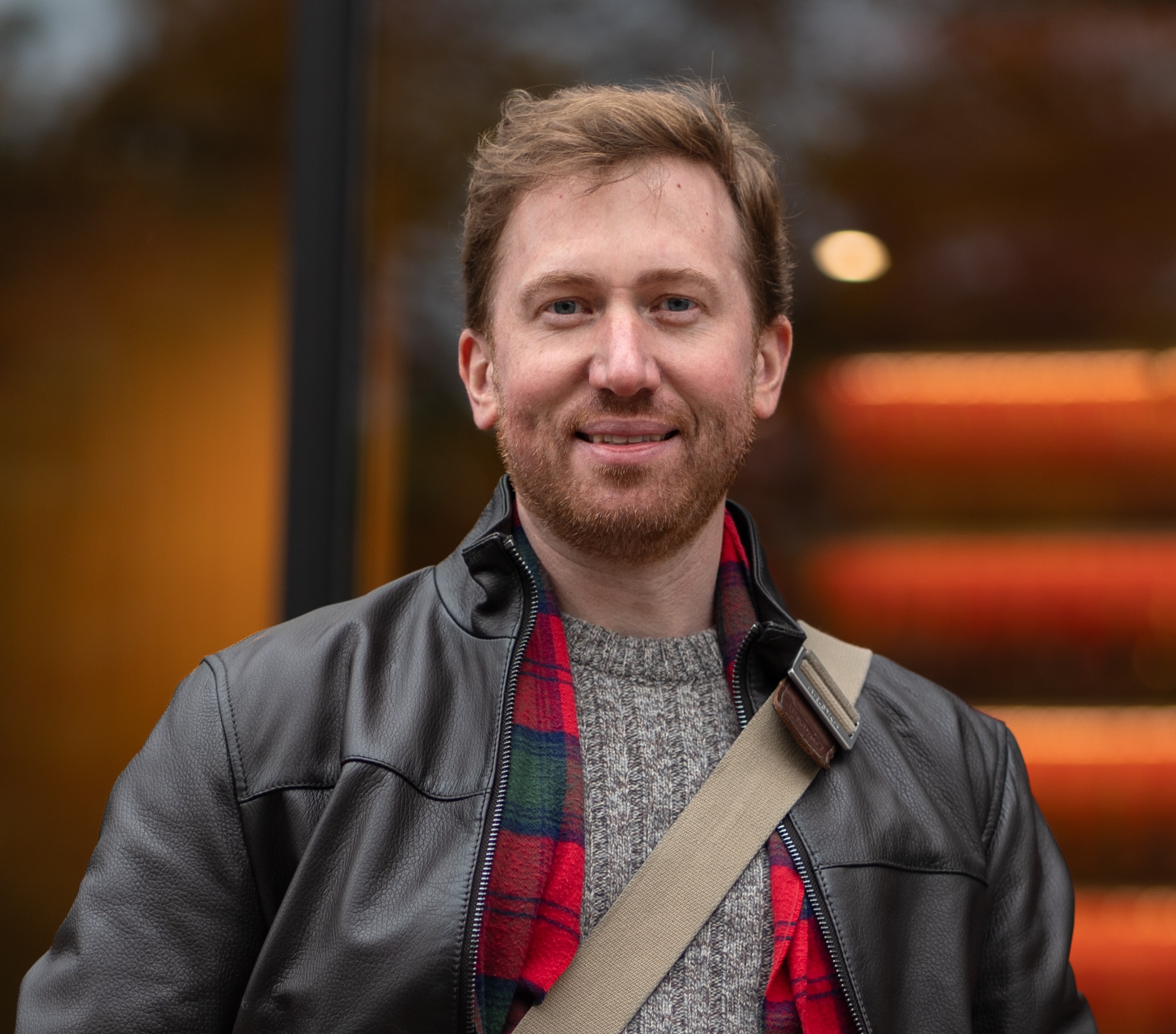
Diederik Janssen is doctoral student at the Graduate School of Arts and Social Sciences, Maastricht University, the Netherlands. Janssen obtained medical (MD) and anthropological (BA) degrees and focuses on medical history, specifically its various intersections with gender/sexuality studies. He is past (co-)founding editor of two journals including Culture, Society & Masculinities (2009-2016).

What is your article “Dhat Syndrome East and West: A History in Two Acts” about?

This article explores the early history and prehistory of dhat (semen loss) syndrome, one of the most widely researched Cultural Concepts of Distress (as the DSM-5-TR has it). Dhat syndrome experts invariably refer to both ancient Ayurvedic and analogous European notions of “semen loss”. Both references merit closer inspection. The turn from somatic-hygienic to psychiatric constructions of “semen loss” evident in the mid-1950s nomination of this “culturally determined neurosis” very much recalls a similar turn in Western medicine between roughly the late eighteenth through early twentieth century. Ubiquitous nineteenth-century verdicts such as “imaginary spermatorrhea” can be cited as evidence, and help understand the post-Ayurvedic, medical-anthropological turn of Indian semen loss anxieties as an assertion of sexual modernity in replay. At the same time, this concept of distress may reflect not so much ancient Ayurveda as the enduring commercial success, rather, of an amalgamation of colonial-era Indian and European ethnophysiologies of semen.

Tell us a little bit about yourself and your research interests.

I am broadly interested in the life cycle of notions of suffering and sensibility, specifically their historical emergence across the health and life sciences. Cultural biographies of purportedly discrete types of distress show health professionals and patients struggling to inhabit the conceptual apparatus they co-author during the clinical encounter. Identities (personal, professional, national) are made up during this writing process. Medical history reminds both professional and patient of their creative roles, past and present.

What drew you to this project?

Compiling a multilingual etymological dictionary of gender and sexuality studies as a side-project, I was frustrated by not being able to get hold of an often-cited but seemingly rarely read 1960 (or 1959) text by N. N. Wig (1930-2018), the purported place of coinage of “dhat syndrome”. I may have triggered some unforeseen cultural sensibilities among my contacts; in any case I am still on the lookout for this text. I was also struck by the present-day survival of the historical European term “spermatorrhea” in traditional Chinese medicine and among Ayurvedists.

What was one of the most interesting findings?

In a footnote to a 1991 article in Culture, Medicine, and Psychiatry, Alain Bottéro (1954–2014) expressed his puzzlement over encountering a curious bit of andrological wisdom (“forty drops of blood make one drop of semen”) in both Indian sexual ethnography and eighteenth-century anti-masturbation tracts. This being an aphorism of Avicenna directs attention to the as yet poorly researched medical history of sexuality in pre-Independence India.

What are you reading, listening to, and/or watching right now? (Doesn’t have to be anthropological!)

I am currently hunting references to what is colloquially known as blue balls in seventeenth-century medicine, guided by the informed guess that they have to exist. For laughs, I am perusing Ernest Borneman’s hilarious Sex im Volksmund: der obszöne Wortschatz der Deutschen (2 vols., 1971).

If there was one takeaway or action point you hope people will get from your work, what would it be?

Sexual physiology and sexual hygiene have always been two sides of the same coin, with pride and sanity awarded to conformists, and crushing hypochondria to sinners. Seminal truths (Joseph S. Alter’s expression) persist when and as long as they are profitable: markets, nations and reputations are built around them. Sometimes sexual lore is unmasked as scaremongering, creating a new market of soul-saving. And sometimes this unmasking drops out of memory so hard that it repeats itself seemingly unbeknownst to most stakeholders. In the case of dhat syndrome, this may be seen to animate the scattering of post-Independence professional identities along lines of andrological, anthropological, and psychodynamic knowledgeability. 


Other places to connect:
Website

Interview With Alex Ferentzy

The next few months we’ll be highlighting authors who have published in Culture, Medicine, and Psychiatry.

Lecturer, Trent University, Oshawa, Ontario, Canada
I lecture in sociology of health and medicine. I currently live in the country and enjoy canoeing and playing chess.

I am a sociologist specializing in sociology of health and health care. My particular focus is on psychiatry and specifically I specialize in researching the research on schizophrenia. I find the instability of the idea of schizophrenia absolutely fascinating and I read the primary biological research and continue to find the results being generated there indicative of a number of cultural biases that imbue the biological project of psychiatry with an unwarranted optimism. Overall I think ‘schizophrenia’ tells us far more about cultural values and prestige generation in science and medicine than it does about something called schizophrenia. I am fascinated by how differently the biology of severe mental illness is interpreted than is, for example, the biology of grief.

What is your article “No Ordinary Scribble: The Person Diagnosed with Schizophrenia Paints Their Soul” about?

I first started reading about schizophrenic art and art brut when I worked in an antiquarian bookstore and these books with amazing artwork would pass across my desk. At first I was simply enamored, but as I learned more about the intimate relationship between representation and interpretation I became suspicious and decided to search for the empirical basis of this work. While I expected to find work that was problematic I was very surprised that there was no empirical foundation for the idea that the artwork of a diagnosed schizophrenic represented their diagnosis. This led me to survey the writing on the subject and trace the growth of the assuredness of the connection in the psychiatric literature.

Tell us a little bit about yourself and your research interests.

The main goal of my work is to participate in the critical review of reductionist work in psychiatry. I find that abstraction too often overrides a human, caring encounter between practitioner and patient. This is a problem central to the research as well and I consider the ongoing individualistic reduction of the social and narrative aspects of severe mental illness both dangerous and empirically unwarranted. I am currently using the literature on social defeat to review the significant downturn in the numbers of patients diagnosed with catatonic and chronic schizophrenia in the mid-twentieth century, which, according to psychiatrists at the time, was mostly due to an improvement in institutional conditions and the implementation of occupational therapies. This suggests that a kind of social defeat was being generated in patients in the stultifying, dreary and oppressive institutional conditions of the period. It was only when patients started showing radical improvement through an improved milieu that it became evident as to just how much harm had been caused by the environment.

What are you reading, listening to, and/or watching right now? (Doesn’t have to be anthropological!)

I mostly just read material relevant to my research or teaching. The last novel I read was Dawn by Octavia E. Butler which I enjoyed as it explored some very interesting questions about being human, and oppressed in the context of an alien takeover. It also examined some questions about biological identity and gender fluidity. At night I generally watch some brain candy, a British mystery or something of the sort.

Interview With Rebecca Seligman

The next few months we’ll be highlighting authors who have published in Culture, Medicine, and Psychiatry.

Associate Professor, Department of Anthropology, Faculty Fellow, Institute for Policy Research, Northwestern University

Rebecca Seligman is a medical and psychological anthropologist. Dr. Seligman studies how political-economic conditions, ontologies, models of self and personhood, narrative, and practice shape experiences of health and illness. Her published works focus on religious devotion and therapeutics, healing and self-transformation, embodiment and the intersection of mental and physical health, and the anthropology of psychotherapy.

What is your article “Mothering and Mental Health Care: Moral Sense-Making Among Mexican-American Mothers of Adolescents in Treatment” about?

The intersection of maternal care with mental health care is increasingly commonplace, yet we know little about the experience from the perspective of mothers in general and Mexican American mothers in particular. This article details the stories of Mexican American women seeking care for their troubled adolescents, and their efforts to sort out what is “right” for their children in the face of numerous competing stakes and the urgency of their children’s struggles. The article situates mothers’ narratives in the context of morally loaded discourses surrounding both mothering and psychiatry. It demonstrates that the moral threat associated with help-seeking, by forcing mothers to make sense of their situations, also gives them an opportunity to re-envision aspects of themselves and their social identities. Mothers use their experiences to create narratives of maternal expertise and valor, and as a way to engage in identity renegotiation related to gender, ethnicity, and class.

Tell us a little bit about yourself and your research interests.

My work focuses on mental health and the cultural and social factors the shape the expression and treatment of distress in different contexts. I am particularly interested in how meaning is embodied and the relationship of embodied meanings to health. One of the themes I have been exploring for a long time is “the work of culture” in healing and therapy. My earliest work was on the role of ritual in healing and my first book is about the embodied therapeutics of spirit possession mediumship. But I am also interested in the anthropology of psychiatry, and the role of culture and meaning in biomedical contexts. My most recent work is on people’s experiences with an illness called Conversion Disorder, or Functional Neurological Disorder, which is widely presumed to be “psychosomatic.” But in between, I did a study on how people from different backgrounds understand and experience mental health care, which is what this article is about.

What drew you to this project?

As a postdoc in transcultural psychiatry at McGill University, I was able to participate in a cultural consultation program for clinicians that was exceptional in many ways. I got very interested in issues related to the provision of culturally appropriate mental health care. Later, when I saw statistics suggesting that Mexican American adolescents have high rates of mental health issues, I wanted to know what kind of care they were getting in mainstream mental health care settings. I had the idea to interview the parents as well as the adolescents and clinicians, to get a sense of what care-seeking was like from all of those perspectives.

What was one of the most interesting findings?

I was struck right away by how the mothers were the ones who seemed to take all of the responsibility for getting care for their adolescents, how strong and resourceful they seemed, and how their feelings about this kind of care-seeking often seemed very complicated. There’s a lot of ambivalence among mothers about engaging with psychiatry because it has major moral implications—they worry that they are, or will be seen as, “bad mothers.” But what was so captivating about many of their narratives was how they actually used their care-seeking as a way to present themselves as strong and heroic, and as a way to align themselves with different sets of values and different ways of being parents.

What are you reading, listening to, and/or watching right now? (Doesn’t have to be anthropological!)

I like to read and watch fiction in my spare time. I just read a great novel called “The Quail Who Wears the Shirt” by Jeremy Wilson-–very surreal and funny and smart. And I’m eagerly

awaiting season 2 of Severance—speaking of things that are surreal! In a slightly more academic vein, I just finished listening to the Podcast, Hysterical, which is related to my current work on Conversion Disorder. I am also reading a really interesting book that blends memoir and scholarship, called “The Secret Mind of Bertha Pappenheim” by Gabriel Brownstein.

If there was one takeaway or action point you hope people will get from your work, what would it be?

I think in practical terms, the analysis in the paper is relevant to how we understand factors influencing health care decision making. There is a fairly large literature on the barriers to mental health care seeking among people of Mexican origin in the U.S., but the work mostly focuses on economic and other practical barriers. Those are incredibly important, but this work suggests that barriers could also include complex social and moral dynamics. I would love to see greater clinician recognition of the fact that families from diverse backgrounds are navigating both complex social and structural constraints in order to come to the clinic.


Other places to connect:
Website

Interview With Interview With Einat Bar Dror

The next few months we’ll be highlighting authors who have published in Culture, Medicine, and Psychiatry.

Einat Bar Dror, PhD, Anthropologist and organizational sociologist. Her research deals with psychological and medical anthropology, anthropology of morality and religious conversion. Worked as lecturer in the Department of Sociology and Anthropology and in the Faculty of Medicine at the Hebrew University in Jerusalem, Israel.

What is your article “‘He Should Party a Little Less’: Evolving Orthodox Religiosities in Psychotherapeutic Interventions Among Jewish Gay Men” about?

Given prohibitions on homosexuality in Jewish law, the article explores how religious therapists navigate various contradictory commitments while deliberating which therapeutic strategy to choose.

The research, which based on 20 interviews with religious therapists, showed three practices which the therapists use: reproducing religious norms, allowing homosexuality to be privately acknowledged while advocating its concealment from the public eye, or adopting religious distinctions that enable two men to live together while abstaining from sexual intercourse. These interventions express therapists’ pragmatic cultural work, sorting out opposing therapeutic discourses, like the liberal-professional and the religious, and engaging with contestations beyond the clinic’s boundaries.

We claim that some interventions may suggest an acknowledgment that religious standards are often met only on the surface and require continual subterfuge. They may imply, however, a recognition of cracks in the religious ideal and fine-tuning of religious and professional commitments.

Tell us a little bit about yourself and your research interests.

Anthropological and sociological. I’m interested in religious conversion and religious affiliation; Medical anthropology and organizational sociology. The intersection between religion, secularism, conservatism, liberalism and the moral issues that arise in these intersections are at the center of my research projects. I explore the ways in which opposing discourses struggle but also violate and change each other and lead to the formation of new cultural models.

What drew you to this project?

I got into research through a friend that worked as an instructor for religious boys who attended a religious educational program after high school. He shared with me

that he had received several requests from trainees for help due to sexual attraction to men. The boys who approached him asked him to help them “get rid of the problem” since they realized that it conflicts with Jewish law. He said that in order to help them, he made contact with a variety of religious therapists who specialize in the treatment of homosexuals, and shared with me all kinds of treatment methods that those therapists offered to his students.

This topic ignited great curiosity in me. I was interested in learning about the topic from the therapists’ point of view – to stand for their worldview and the manner in which they justify their therapeutic practices This research was fascinating for me and gave me great inspiration to continue dealing with moral issues that exist at the interface between the religious world and the Western world.

What was one of the most interesting findings?

One of the most interesting findings of the study concerns the position and the significant social role of religious therapists who treat homosexuals in the Israeli religious population. Beyond their attempts to decide between professional and religious values, the religious therapists need to navigate between the diverse voices of the religious communities to which they and their patients belong. In addition, they are also affected by pressures arising from professional and state regulations and the tense discussions in the public sphere in Israel, in social and mass media and in parliament. All of which, as I found, were very much present in the therapists’ reflection on their role and the way in which they conducted and managed the therapy.

What are you reading, listening to, and/or watching right now? (Doesn’t have to be anthropological!)

I recently watched an interesting documentary called “Daughters” which follows a project that allows prisoners in the US to spend quality time with their daughters. The film raises issues of gender and race and has important social and political implications.

In addition, I Like listening to podcasts on a very wide variety of topics – including society, culture, psychology, economics, design, politics… As a music lover, one of my favorites is a local podcast called “One song” that brings, every episode the story behind one song – from the moment of its inspiration until it is released. It is excellently made and makes you fall in love with familiar songs every time.

If there was one takeaway or action point you hope people will get from your work, what would it be?

In order to understand a culture, it is very useful to listen to the gatekeepers of this culture, and among them to the therapists entrusted with the health and well-being of the mind.

At the same time, it is important to remember that the therapists do not only maintain social order but also actively participate in its change.


Other places to connect:
Linkedin

Interview With Interview With Verónica Cala

The next few months we’ll be highlighting authors who have published in Culture, Medicine, and Psychiatry.

Verónica C.Cala, teacher and 
researcher in the Research Methods department at the University of Almería (Spain)

Tell us a little bit about yourself and your research interests.

I’ll start by saying that defining oneself in front of others always involves a bit of falsification because the self is a process of construction—a narrative. You can’t truly express the self. I think this should be kept in mind in these internet-dominated times. We shouldn’t get too attached to a self-presentation, or we may end up being enslaved by it. In any case, I’ll say that I’m Verónica, a 37-year-old Spanish researcher. I studied medicine and philosophy. I’ve completed my doctorate and have specialized in the fields of health education and critical medical anthropology. Currently, I’m pursuing two main lines of work: 1) studying violence and cyberviolence between adolescent couples with diverse ethnic, racial, and cultural backgrounds and 2) exploring youths’ experiences of loneliness from the perspective of the anthropology of loneliness. Both lines of work focus on how adolescents’ and young adults’ relationships are changing and how they impact their health and well-being.

What drew you to this project : “Understanding the Sociocultural Dynamics of Loneliness in Southern Spanish Youth”

As a professor of research methods, I often tell my students that the most important thing when conducting research is to choose topics that they are passionate about, that affect them emotionally, and that interest them enough to dedicate their lives to understanding and transforming. There is something about this quest that gives life meaning. This is what loneliness is about for me. I’ve always had a deep and complex relationship with loneliness. My academic interest in the topic predates the pandemic, but during the pandemic, many conversations I had with young people and my own experience made me want to explore it in a moment in which it could be felt more intensely: How loneliness is experienced in contexts of extreme isolation. Sometimes, understanding social phenomena in extreme situations is an effective way of uncovering details that wouldn’t be revealed otherwise. Taking things to their extremes is a way of unveiling their true nature.

What was one of the most interesting findings?

Beyond trying to understand the sociocultural dynamics of loneliness (which is what the article is about), I became aware of the pressing need that young people have to talk about this experience. Loneliness is still burdened by shame and taboos that cause young people acute discomfort, leading them to internalize a sense of guilt about their experiences. I analyze loneliness as an experience that, in many cases, is produced by the individualistic, competitive, and performance-oriented society we live in. In this sense, I believe the article highlights the need to develop policies that can ease this collective discomfort (politics of suffering and discomfort).

What are you reading, listening to, and/or watching right now? (Doesn’t have to be anthropological!)

Recently, I read Mary Shelley’s Frankenstein. I have a certain fondness for the themes of disengagement/inadequacy and the construction of monstrosity. It’s a book I highly recommend. I returned to it after watching the film Poor Things by Yorgos Lanthimos.
Right now, I’m alternating between two books. For pleasure, I’m reading Goliarda Sapienza, an Italian communist poet. For academic purposes, I’m reading Kierkegaard for a seminar on loneliness and despair in his work. As for what I’m listening to and watching, I have to admit that I only listen to the radio occasionally. I don’t own a TV set or use streaming platforms. The last film I loved was Alice Rohrwacher’s La chimera.

If there was one takeaway or action point you hope people will get from your work, what would it be?

I believe that the digitalization of life and relationships constantly reminds us of the importance of physical bodies and their absence. A political or social health strategy for relieving contemporary discomfort must necessarily include the recovery of physical contact and embodied connections—a politics of bodies.