
The next few months we’ll be highlighting authors who have published in Culture, Medicine, and Psychiatry.
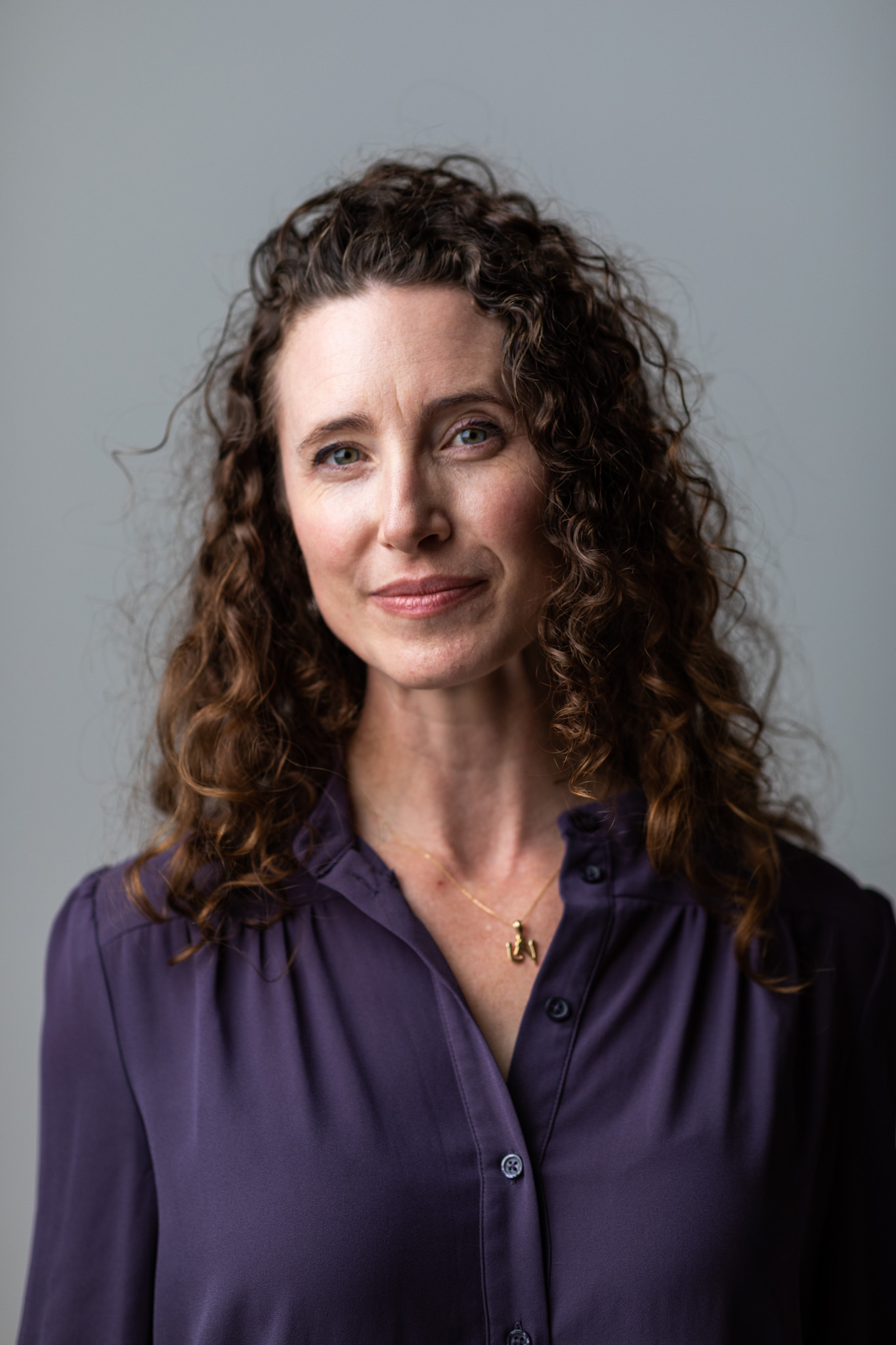
Tawni Tidwell is a biocultural anthropologist and Tibetan medical doctor. She has served as Project Lead for the Tukdam Study since 2020. Her research explores cultural practices for differential wellbeing and resilience, especially those cultivated over the life course from Tibetan medical and Buddhist approaches. She maintains a private clinic.
What is your article “Life in Suspension with Death: Biocultural Ontologies, Perceptual Cues, and Biomarkers for the Tibetan Tukdam Postmortem Meditative State” about?
This article presents two cases from the Tukdam Study, an international collaboration with Tibetan monastic populations in India on the post-death meditative state called tukdam. Entered by advanced Tibetan Buddhist practitioners through a variety of different practices, this state provides an ontological frame that is investigated by two distinct intellectual traditions—the Tibetan Buddhist and medical tradition on one hand and the Euroamerican biomedical and scientific tradition on the other— using their respective means of inquiry. This article explores how the two traditions enact distinct views of the body at the time of death alongside their respective conceptualizations of what constitutes life itself. It examines when the two investigative paradigms might converge, under what contexts, and through which correlating means of evidence to understand the varied physiological changes exhibited in the context of dying and their implications for conceptualizing different states of being.
Tell us a little bit about yourself and your research interests.
Tidwell’s interest in becoming an aerospace medical doctor and studying the body in extreme conditions took an unconventional path to eventually lead her to pursue Tibetan medical education in India and Tibet concurrent with doctoral training in anthropological inquiry as to how culture gets under the skin. Her current research facilitates bridges across the Euroamerican scientific tradition and the Tibetan medical tradition for illness contexts such as cancer, infectious disease and chronic inflammatory disorders along with the attendant epistemologies and ontologies related to embodiment, ecological approaches to health, body-substance dynamics in Tibetan pharmacology, and diagnostic/treatment paradigms. She investigates cultural practices over lifetime trajectories that affect mind-body outcomes derived from Buddhist contemplative and Tibetan medical approaches.
What drew you to this project?
This project is a deeply collaborative project with the Tibetan community in which we are co-developing research aims, constructs, and measures to mutually inform each intellectual tradition. With some of the most accomplished practitioners of the Tibetan Buddhist world, we have the opportunity to understand not only the life stories of these remarkable individuals but how they have used their lives to engage practices that transform their minds, bodies and experiences. We are fortunate to work with such a dedicated field team who are deeply devoted to the XIV Dalai Lama’s engagement with science and facilitating understandings of wellbeing with colleagues from the Russian Academy of Sciences and India-based National Institute for Mental Health and Neurosciences.
What are you reading, listening to, and/or watching right now? (Doesn’t have to be anthropological!)
Gül Dölen’s work on consciousness among octopus species, social cognition and critical periods. E.g., here is her interview with Being Patient, which focuses on innovative work on brain health, cognitive science, and neurodegenerative diseases.
If there was one takeaway or action point you hope people will get from your work, what would it be?
How we die speaks volumes about how we live. In this short life we share on this planet, our collective capacity to transform ourselves, our communities and our global condition is emphasized through the extraordinary exemplars and intrepid cultural practices of many from whom we still have opportunities to learn.
Other places to connect:
Twitter: @Tawni Tidwell
Instagram: tawnitidwell
 Culture, Medicine, and Psychiatry