
The next few months we’ll be highlighting authors who have published in Culture, Medicine, and Psychiatry.
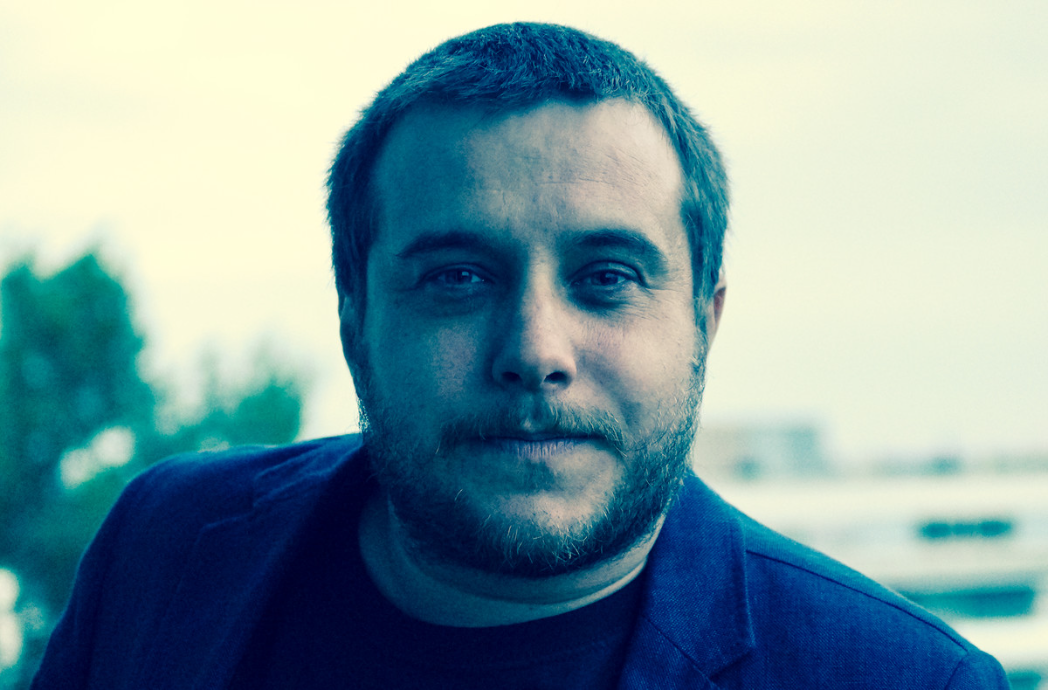
Florin Cristea is a PhD candidate in psychological and medical anthropology at the Freie Universität Berlin. His research focuses on understanding the moral world of people diagnosed with severe psychiatric disorders. In his work, he engaged with the social and clinical life worlds of people with a lived experience of psychiatric encounters in Romania, Tanzania, and Indonesia.
What is your article “Navigating the Unknown: Mental Pain, Uncertainty, and Self-Isolation in Bali and Java“ about?
Suffering has long been a central theme in anthropology. Yet, despite growing interest in psychology and psychiatry, anthropological engagement with mental or emotional pain (as stand-alone concepts) has remained limited. In my article, based on fieldwork in Indonesia on severe psychiatric disorders, I tried to understand the impact of mental pain on the person experiencing it and their immediate environment. I first outlined the salient attributes of mental pain as they emerged during my conversations with patients and observations of their everyday lives. I then suggested that these attributes contributed to the uncertainties individuals faced as part of their experiences with severe psychiatric disorders. Finally, my main argument was that the interplay between mental pain and uncertainties informed certain illness behaviors, particularly tendencies toward self-isolation.
Tell us a little bit about yourself and your research interests.
I am interested in the anthropology of mental health and illness, as well as in Global Health and Global Mental Health. I am fascinated by how different knowledge worlds come together and influence people’s understanding of what it means to be healthy, sick, and ultimately human. While my work has been strongly influenced by critical medical and psychological anthropology, I try to maintain an open engagement with the psy and biomedical sciences and seek venues of mutual understanding and collaboration.
What drew you to this project?
I initially was drawn to alternative understandings of the mind in Indonesia. However, mapping out these understandings proved far more complex than I had anticipated. Addressing mental pain was my way of making sense of the muddle that became my data.
What are you reading, listening to, and/or watching right now? (Doesn’t have to be anthropological!)
A friend recently recommended “Lightseekers” by Femi Kayode, and I am looking forward to reading it on my upcoming vacation. I am grateful to have time to enjoy something completely unrelated to work.
If there was one takeaway or action point you hope people will get from your work, what would it be?
Isolation of people diagnosed with a severe psychiatric disorder is a fairly common problem, irrespective of where it occurs. It is important to note or to reiterate that isolation is not only the result of social attitudes toward mental illnesses, nor is it an individual issue. It is part and parcel of the intersubjective nature of the encounter between the social and the individual. We need to do better in understanding this relationship.
Other places to connect:
 Culture, Medicine, and Psychiatry