Interview with Amand Führer and Julia Vorhölter

Over the next few months, we’ll be highlighting authors who have published in Culture, Medicine, and Psychiatry.

Today, we are excited to bring you our interview with Amand Führer and Julia Vorhölter!

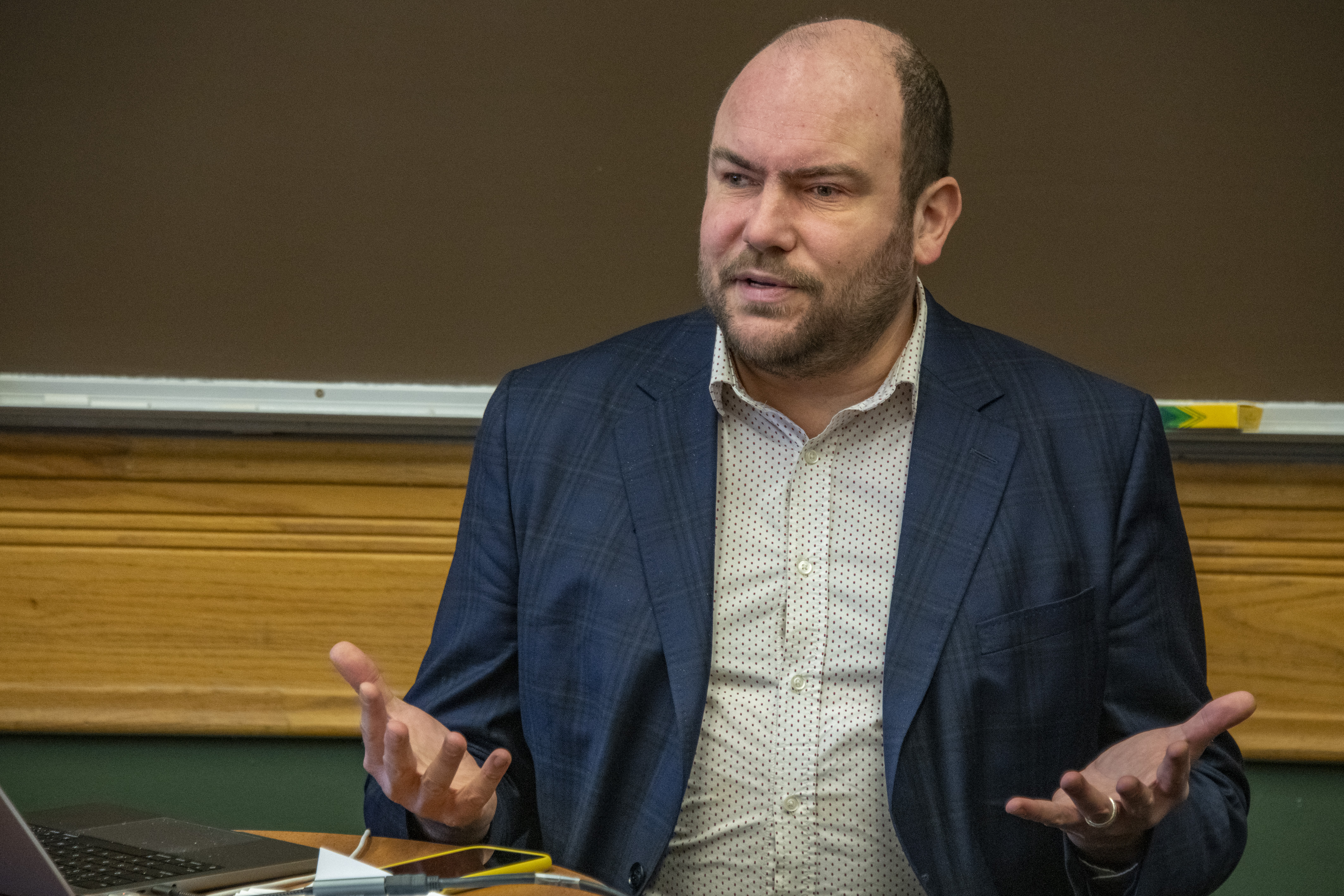
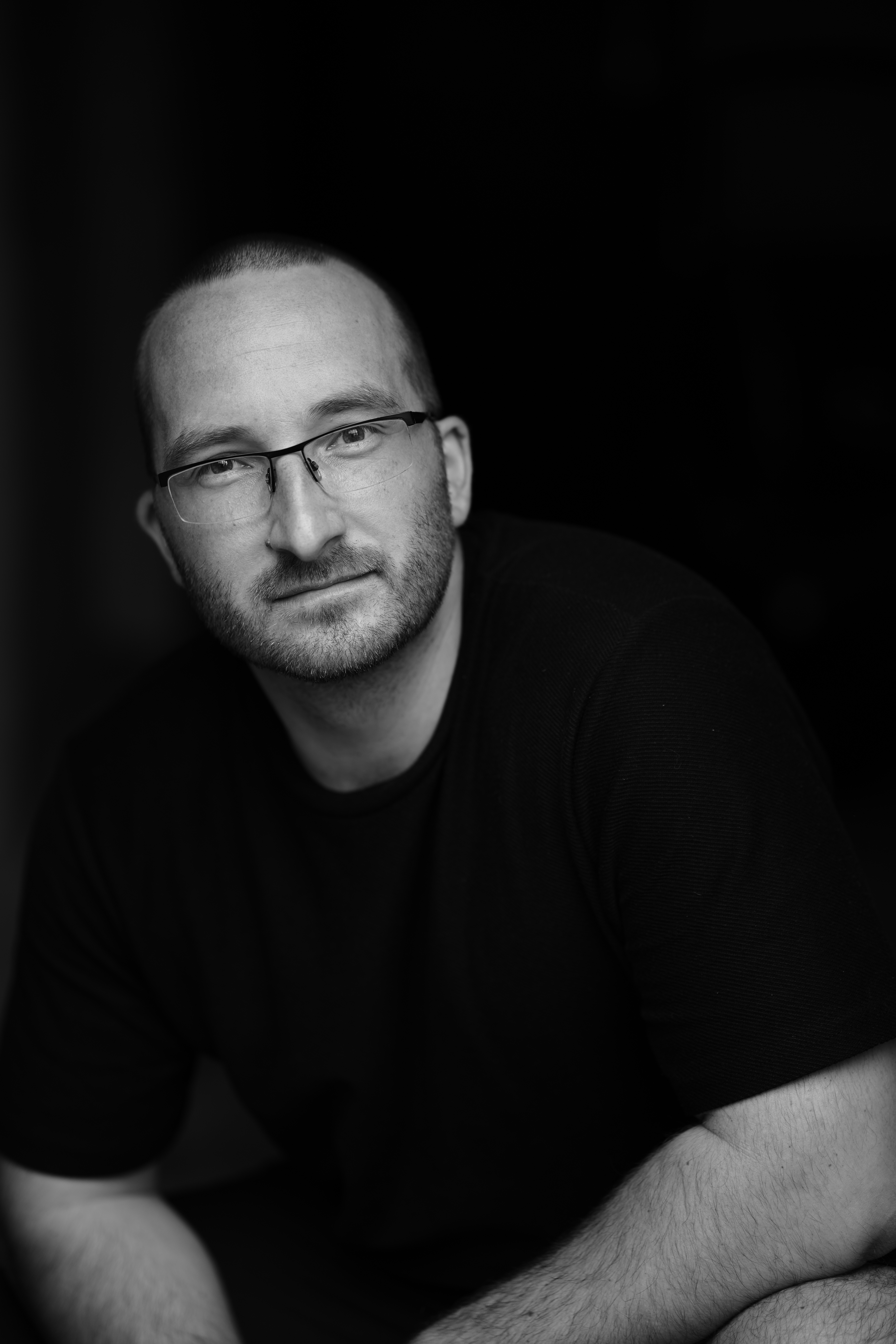
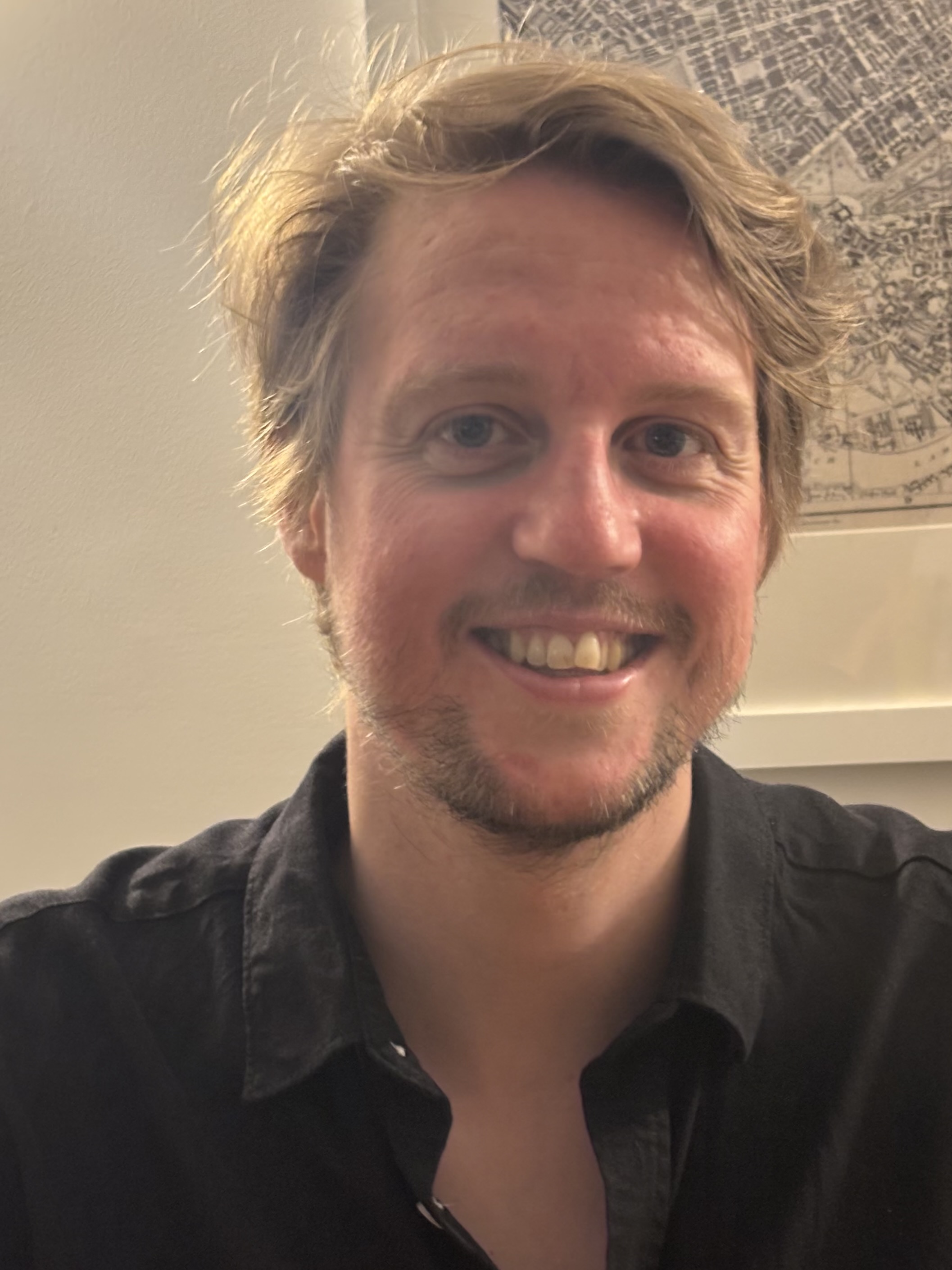
Amand Führer
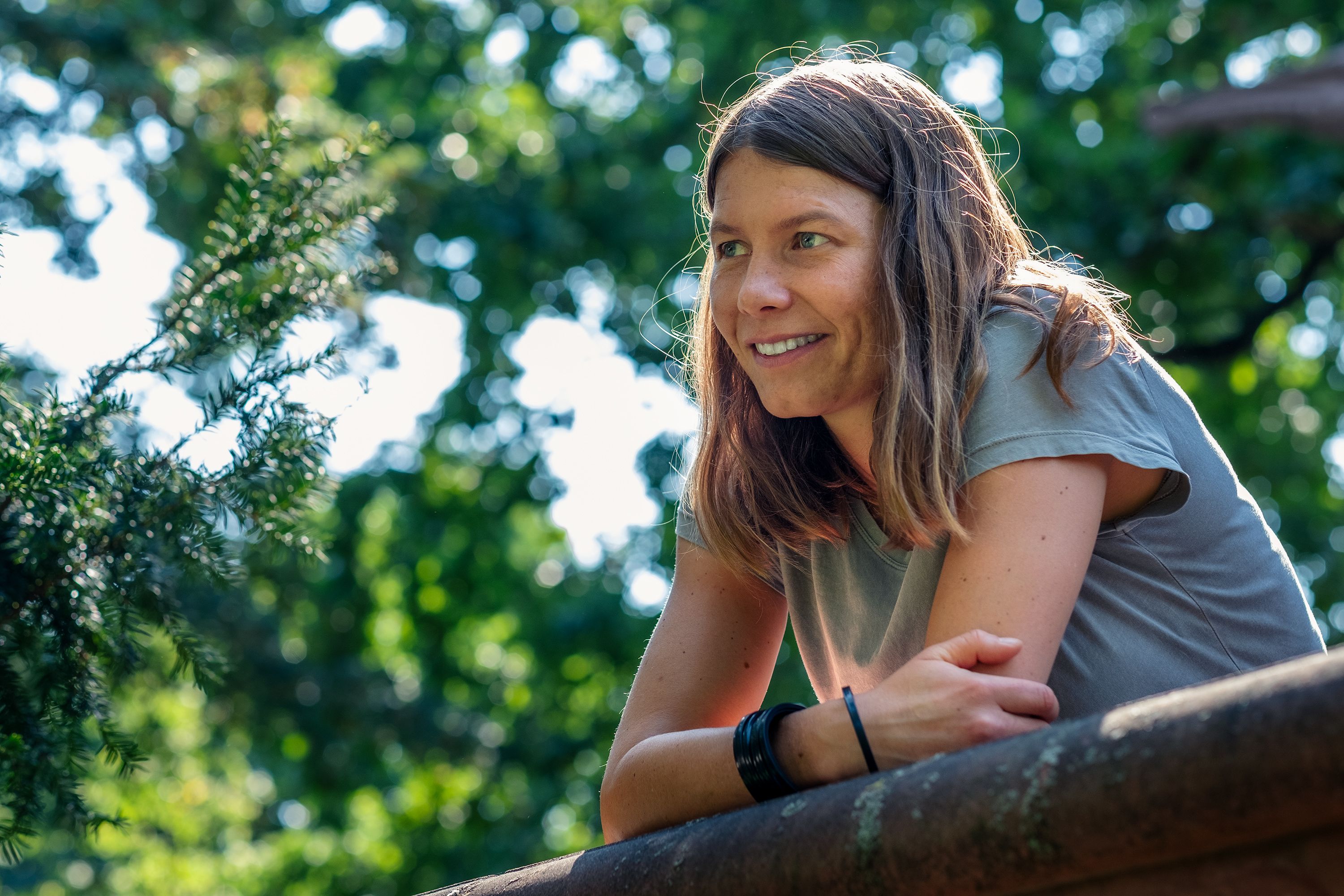
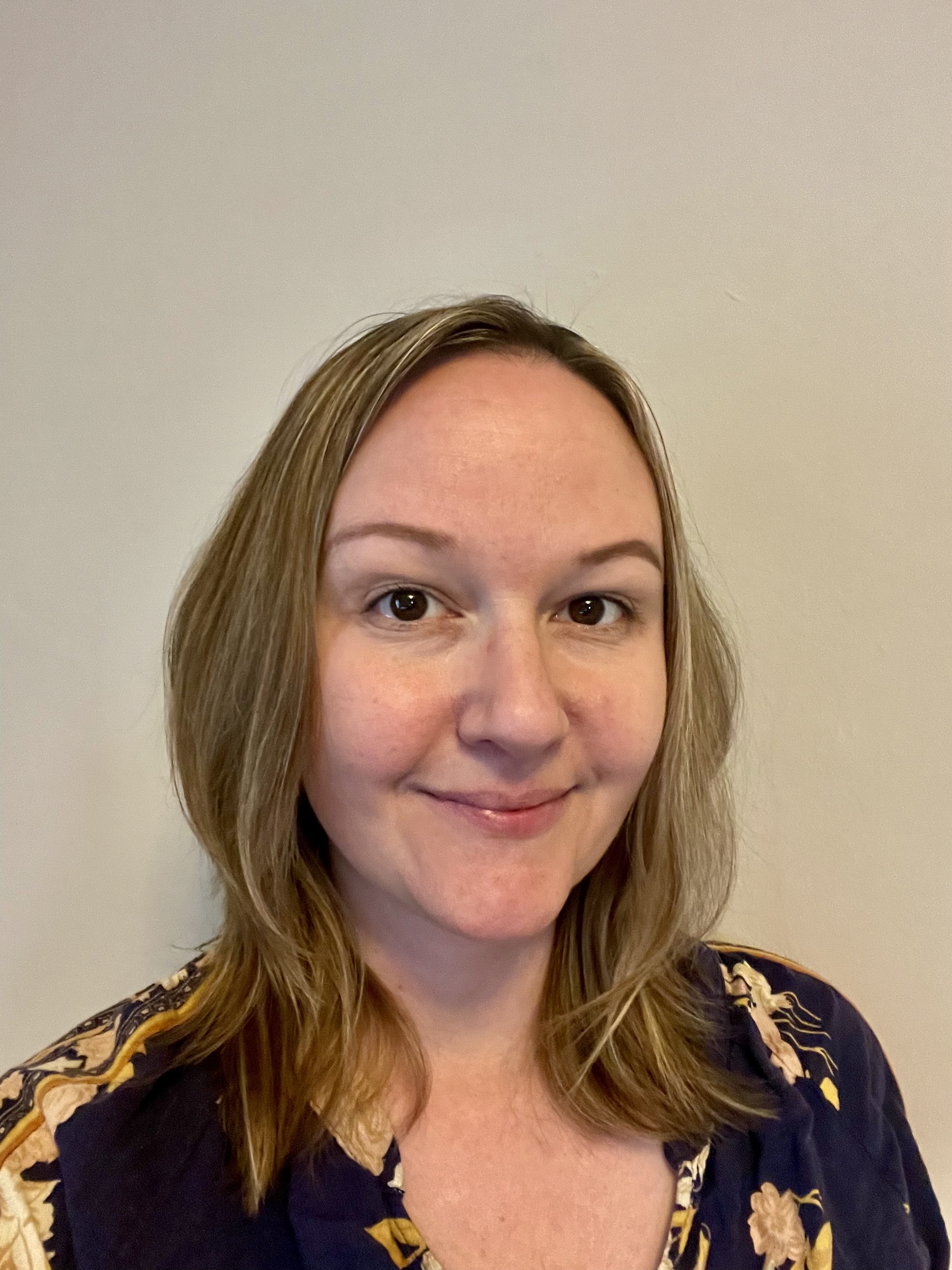
Julia Vorhölter photographed by Jonathan von Koseritz.

What is the motivation for republishing the article “The Rebel Body: The Subversive Meanings of Illness “?

Amand: In many ways, it is a foundational document for Liberation Medicine, even though it does not mention the term. Also, it raises questions that are still relevant today and speak especially to debates taking place in social medicine, like the need for better structural competency for physicians.  

Julia: In 2024, when we were organizing the workshop on which this Special Issue is based, I reread ‘Death without Weeping’ – Nancy Scheper-Hughes’ seminal monograph on her work in Brazil. And I thought ‘wow, there is so much in here, so much ethnographic detail combined with a powerful voice of analysis and political critique; anthropologists today don’t write books like that – with more than 600 pages – anymore’. Seth Holmes suggested we also read the ‘Rebel Body’ and when I did I had a very similar reaction. To be honest, I was surprised how well the article spoke to current issues and debates despite having been written in the early 90s. I think in our focus on contemporary scholarship and current trends and turns, we sometimes tend to forget the work of our foremothers (and -fathers).

Tell us a little bit about yourself and your research interests.

Amand: My professional identity is a bit situation-dependent: Most of the time I see myself as a social medicine researcher, but I also have a background in social anthropology and medicine, and I work as a psychotherapist as a side hustle. My research gravitates around the topic of health equity and its mechanisms – e.g. why are poor children in Germany sicker than rich children, or how does living in shelters affect the health of refugees?

Hereby, I am most interested in dialog between empirical research and theory development, to improve our understanding of the mechanisms that connect social inequities to poor health.

Julia: Over the last few years, I have worked on three research projects – on psychotherapy in Uganda; on sleep, sleeplessness, and sleep medicine in Germany; and on the digitalization of health and elderly care in the former coal-mining region of Saxony-Anhalt – all of which are situated in the field of psychological, medical, and political anthropology. My work has centred on three overarching questions: How do understandings of and approaches to care change in relationship to emerging technologies, new forms of knowledge, and shifting economic and political orders? How do people – those affected and those trying to offer professional support – struggle with moments of crisis in which they are confronted with the limits of their own, or another person’s, body, mind, and agency? And how do they try to instigate positive change and imagine new futures despite their experiences of past injustices, broken body-minds, and collapsing life worlds?

What drew you to this project?

Amand: I’ve been talking about the social determination of health with medical students for many semesters – how the circumstances under which our patients live shape their health and, rather strongly, dictate if they can live healthy long lives, or sick and short ones. In such discussions, one problem that always comes up is that there are many fragments of theory used in social medicine, but students are yearning for a more comprehensive framework that provides some sort of bigger narrative on equity-oriented health. A second problem is that in routine medical training students almost never encounter examples of what a medicine, that takes the structural forces shaping health seriously, could look like in practice. What does it mean for medical students and physicians to make a preferential option for the poor?

With Liberation Medicine, I had the gut feeling that it might have this function: Provide a framework that is both theoretically grounded and practically applicable.   

Julia: I think right from the start, our project was motivated by the idea of bringing together social scientists with medical students, scholars, and practitioners. And like Amand said, the concept of Liberation Medicine seemed to really speak to a broad range of people from different disciplines and across the theory-practice divide. Maybe one reason is that the concept is both critical, but also hopeful. Much of contemporary medical anthropology is ‘dark anthropology’ (to use Ortner’s 2016 term); but the idea of Liberation Medicine, at its core, is a hopeful one, a ‘concrete utopia’ as we argue in our introduction. In the ‘Rebel Body’, Nancy Scheper-Hughes argues that suffering, when politicized and heard rather than medicalized and silenced, can be a powerful driver of change, but that patients, doctors and critical observers need to work together to achieve this.   

What was one of the most interesting findings?

Amand: In the workshop that was the basis of the special issue, I was impressed that the term Liberation Medicine created a strong pull for people from different disciplines: Medical anthropology, social medicine, clinical medicine, health activism and other fields. Also, it spoke to students as well as early career scientists and more established researchers alike. As Julia said, it looked like Liberation Medicine can be a uniting banner for various perspectives that want to engage medicine as a tool for social change.  

Julia: I was struck by the creativity with which the workshop participants and the authors in our Special Issue put the concept of ‘Liberation Medicine’ to use. And I liked the powerful ethnographic stories it inspired – about a couple from a marginalized setting in India seeking hospital care (Dasgupta), about medical activists in Germany (Mair), about those wounded in political protests in France (Jacob Pinto), about doctors trying to provide meaningful care despite a crumbling health system in Spain (Aragon Martin) and about two convicts doing mental healthcare work in an LA prison (Bourgois). In all those stories, the authors see solidarity amidst crisis, suffering, and injustice.

What are you reading, listening to, and/or watching right now?

Amand: I have just finished reading a book by bell hooks (Teaching to Transgress). It crossed my path when one of my students asked me if I have it (shout out to Larissa!), which I didn’t. But then, the title sounded so interesting that I bought it and read it in one go.

Julia: Over the semester break, I read Angela Garcia’s ‘The way that leads among the lost’, which I found deeply moving and have been thinking about a lot since. At the moment, I am reading Octavia Butler’s ‘Kindred; it’s a profound reflection on the possibilities and limits of individual agency in systems of oppression. 

If there was one takeaway or action point you hope people will get from your work, what would it be?

Amand: For health care providers: Cultivate an openness to understand illness as a form of protest, as a way of denying to continue under these circumstances; and find ways to responsibly answer to this protest.

Julia: For medical anthropologists (and other social scientists): tune your attention to more-than-suffering and violence and be open to an attitude of ‘more-than-critique’ when analyzing help-seekers, help-providers, and the politics and forms of care that (can) unfold amongst and between them, in the medical realm (and beyond).

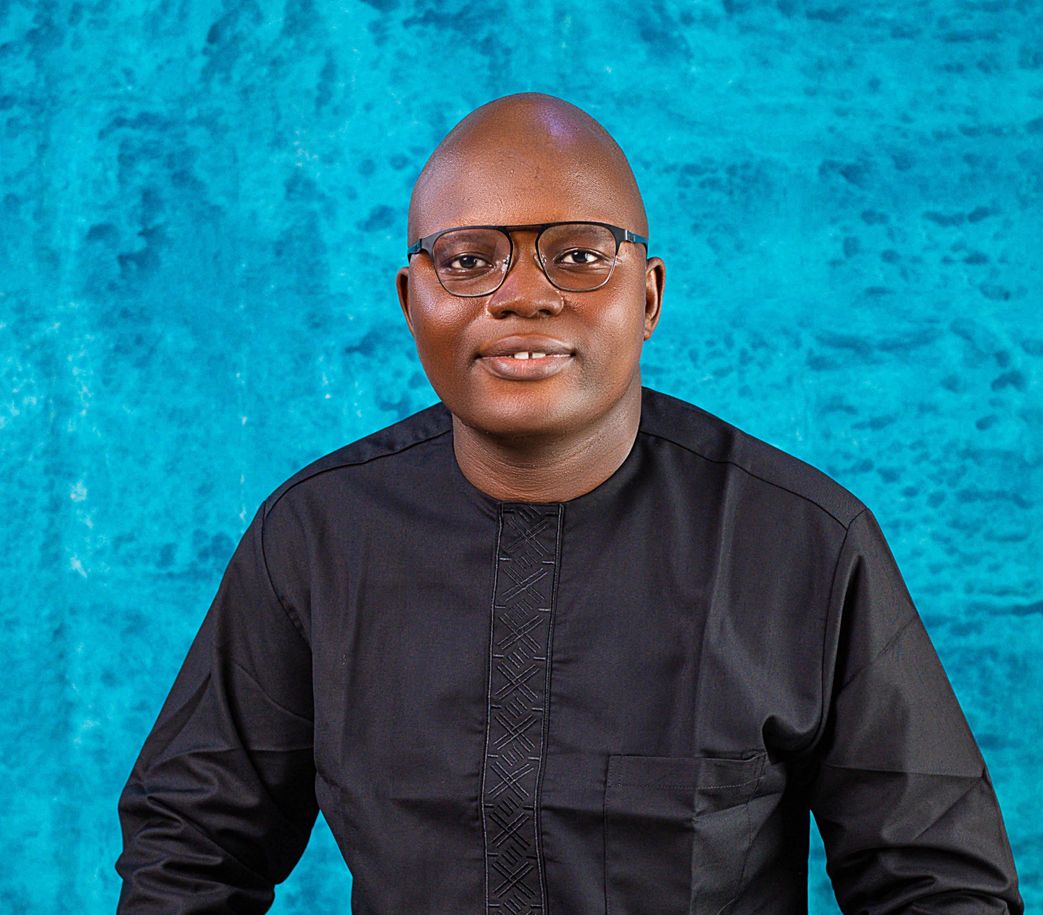
Interview with Augustus Osborne

The next few months we’ll be highlighting authors who have published in Culture, Medicine, and Psychiatry.

What is the article “Embracing Pluralism: Rethinking Western Psychiatric Models for Equitable Global Mental Health” about?

This article is fundamentally a challenge to one of global health’s most comfortable assumptions: that what works in Boston or London will work in Freetown or Kampala, provided we translate it carefully enough. The global mental health movement has done genuinely important work in drawing attention to the enormous burden of mental illness in low- and middle-income countries up to 85% of people with mental health conditions in these settings receive no treatment at all. But in its urgency to close that treatment gap, the movement has largely exported Western psychiatric frameworks wholesale: the DSM diagnostic categories, pharmaceutical-centred treatment protocols, and individual psychotherapy as the gold standard of care.

My article argues that this approach carries real risks that are too often ignored. It can produce cultural mismatch where diagnostic tools built on Euro-American concepts of depression and anxiety fail to capture how distress is experienced and expressed in other societies. It can medicalise what is fundamentally social suffering, framing poverty, displacement, and structural injustice as individual disorders amenable to a prescription. And it can marginalise or displace indigenous healing systems traditional practitioners, religious leaders, community elders that communities trust and turn to.

The paper is not an argument against biomedical psychiatry. It is an argument for pluralism: a framework that values multiple healing traditions as equally legitimate, prioritises cultural adaptation and local leadership, and insists that equity not just coverage must be the measure of success. I draw on evidence from Zimbabwe’s Friendship Bench, community-based programmes in India and Pakistan, and hybrid models from Nepal and Uganda to show that locally grounded approaches are not second-best alternatives they are often more effective, more sustainable, and more meaningful to the people they serve.

Tell us a little bit about yourself and your research interests.

I am a public health researcher based in Freetown, Sierra Leone, where I was born and trained. I hold an MSc in Public Health and a BSc in Biological Sciences from Njala University, and I have spent the past decade trying to understand and generate evidence about the structural forces that shape health and illness in Sierra Leone and across sub-Saharan Africa.

My research spans a wide range of topics: maternal and child health, health systems strengthening, infectious disease, health equity, and increasingly, the intersection of digital health and social determinants of wellbeing. I have authored and co-authored over 140 peer-reviewed publications, and I used to teach Epidemiology and Biostatistics at Njala

University, where I tried to pass on not just statistical methods but a way of thinking about evidence who produces it, who it serves, and whose experiences it tends to miss.

What connects all of my work is a preoccupation with equity with understanding why health outcomes are so unequally distributed, and with generating the kind of evidence that can actually move policy in the right direction. I use a range of tools ArcGIS for spatial analysis, machine learning for predictive modelling, NVivo and MAXQDA for qualitative work but the driving question is always the same: who is being left behind, and why?

Mental health sits at a particularly important intersection of these concerns. In Sierra Leone, the legacy of a decade-long civil war, the Ebola epidemic, and chronic poverty has created an enormous burden of psychological distress yet mental health services remain desperately under-resourced, and the frameworks imported to address the gap do not always fit the realities of the people they are meant to serve.

What drew you to this project?

Honestly, it was the gap between what I observed in practice and what the global mental health literature was telling me should work.

Working in Sierra Leone first as a surveillance officer during the Ebola outbreak, then in health systems research I repeatedly encountered situations where people in psychological distress were navigating between multiple systems of care simultaneously: visiting a biomedical clinic, consulting a traditional healer, seeking counsel from a religious leader. This was not confusion or ignorance. It was a rational response to a plural reality, where different systems offered different things and no single framework captured the full picture of suffering or healing.

Yet the global mental health literature I was reading largely treated this pluralism as a problem to be overcome, a sign of inadequate access to proper care rather than as a resource to be understood and built upon. I found that framing both empirically questionable and, frankly, troubling in its assumptions about whose knowledge counts.

I was also struck by the growing body of evidence from programmes like Zimbabwe’s Friendship Bench, which showed that community-embedded, culturally resonant interventions could achieve outcomes comparable to or better than imported Western protocols. That evidence deserved a more prominent place in the conversation about how global mental health should be organized and funded. Writing this paper was my attempt to make that argument systematically drawing together the critique, the evidence, and a concrete set of recommendations in a way that might be useful to researchers, practitioners, and policymakers working in this space.

What was one of the most interesting findings?

The finding that most stayed with me and that I think has the broadest implications is the evidence around stigma. The dominant narrative in global mental health has long been that the biomedical model reduces stigma by framing mental illness as a brain disease rather than a moral failing or spiritual affliction. The logic is intuitive: if depression is a chemical imbalance, not a character flaw, people should be less blamed for it.

But the evidence I reviewed tells a more complicated story. In several settings, the introduction of Western psychiatric labels increased stigma because these diagnoses were experienced as foreign, permanent, and frightening in ways that local idioms of distress were not. In rural China, medicalizing depression led to greater social distancing, not less. In Sri Lanka, Western diagnostic terms for schizophrenia were associated with new forms of social exclusion. The assumption that biomedical framing is universally destigmatizing turns out to be empirically unfounded and it is an assumption that has shaped enormous amounts of global mental health investment.

This matters because it illustrates a broader point: the risks of exporting Western models are not just theoretical. They play out in real people’s lives, in communities where the introduction of a foreign framework can disrupt existing social networks, undermine indigenous coping strategies, and create new forms of harm even while trying to help. That is a finding that should give the global mental health movement serious pause.

What are you reading, listening to, and/or watching right now?

I am currently reading The Wretched of the Earth by Frantz Fanon which feels more relevant than ever to the questions this paper raises about knowledge, power, and whose frameworks get to count as universal. Fanon’s analysis of colonial psychiatry is remarkably prescient, and I find myself returning to it as a grounding text for thinking about decolonial approaches to global health.

In terms of listening, I have been following the Global Health with Greg Martin podcast, which does a good job of bringing together researchers and practitioners from the Global South in conversations that do not always make it into mainstream journals. There is something valuable about hearing researchers from Sierra Leone, Uganda, and Nepal speak in their own voices about the challenges and opportunities in their contexts.

And I have been watching with great interest and some anxiety about the ongoing debates about artificial intelligence in healthcare. My own research has moved increasingly into machine learning applications for public health, and the questions about bias, equity, and whose data trains the models feel very continuous with the questions I am raising in this paper about whose knowledge shapes global mental health frameworks.

If there was one takeaway or action point you hope people will get from your work, what would it be?

The one thing I most want readers to take away is this: pluralism is not a compromise it is a superior framework.

I am aware that pluralism can sound like a polite way of saying “let’s include everyone and not make hard choices.” That is not what I mean. I mean something more specific and more demanding: that the most effective, most equitable, and most sustainable approaches to global mental health are those that genuinely value multiple healing traditions as legitimate on their own terms not as supplements to biomedical care, not as cultural window-dressing on Western protocols, but as systems of knowledge and practice that have evolved to address human suffering in specific social and historical contexts.

The practical implication is that funders, policymakers, and researchers need to stop treating the question “how do we scale up Western psychiatric models in low-income countries?” as the primary question of global mental health. The primary question should be: “How do we build mental health systems that are meaningful, accessible, and effective for the specific communities they serve?” Sometimes the answer will involve biomedical psychiatry. Often it will involve traditional healers, community volunteers, religious leaders, and social interventions that address the structural roots of distress. Almost always it will require local leadership, genuine community co-design, and the humility to recognize that the Global North does not have a monopoly on wisdom about how human beings heal.

That shift from export to partnership, from uniformity to pluralism is the action point I hope this paper contributes to.

2025 Early Career Development Award Winner

Congratulations to our 2025 Early Career Development Award winner, Harry Whittle, for his piece, Ronaldo on the Clapham Omnibus: Complex Recoveries in Complex Psychosis.

Harry is a psychiatrist and anthropologist in training. He is currently a doctoral researcher in the Department of Anthropology and Sociology at SOAS University of London, where he is part of the Centre for Anthropology and Mental Health Research in Action (CAMHRA). Harry’s research focuses on ideas of recovery, rehabilitation, and community in mental health and mental health services, particularly in relation to people living with more complex, severe, and enduring forms of psychosis.  

When asked about his article, Harry said:

In the article, I think critically about recovery in psychosis. I ask how it complicates our understanding of recovery if we consider the experiences of people with the most complex forms of psychosis, who have inadvertently been excluded from much debate on this topic. Drawing on six months of ethnography on an inpatient psychiatric rehabilitation unit, the article centres around a man I call Shepherd, whose journey to becoming a more confident, calmer, happier person was characterised by caution, masking, social withdrawal, and scepticism towards hope. These are embodied practices that seem incompatible with many portraits of recovery in the literature. Yet, here, they enabled—or even constituted—Shepherd’s recovery. The social complexities and ambivalences in his story reflect not only how complex recovery can be, but also how complex people’s relationships with mental health services can be. During his lengthy psychiatric admission, the coercive structures of the hospital were difficult to separate from the time, space, and relative safety they afforded Shepherd, which allowed him to figure out his recovery for himself. If we oversimplify recovery by missing people like Shepherd, we risk structurally undermining the interventions—like inpatient rehabilitation here—that may best support them to live well.

Congratulations, well earned!

Interview With Scott D Stonington

The next few months we’ll be highlighting authors who have published in Culture, Medicine, and Psychiatry.

Scott D Stonington, Associate Professor of Anthropology and Internal Medicine, University of Michigan Ann Arbor

Scott Stonington is a cultural anthropologist and internal medicine physician. His first book, The Spirit Ambulance, won awards from multiple academic societies for ethnographic writing. His two major current projects address affect in clinical practice in the U.S. and pain management in Thailand.

What is your article Hallucination’: Hospital Ecologies in COVID’s Epistemic Instabilityabout?

In early COVID in the hospital, clinicians were driven into scientific and data-hungry frenzy trying to understand the virus, making their clinical practice very unstable, changing dozens of times daily in response to tweets, texts and news articles. The article is a case study on the dependence of clinical knowledge and practice on context, in contrast to the usual assumption that it is the “view from nowhere.”

Tell us a little bit about yourself and your research interests.

I practice hospital and primary care medicine, which makes me constantly look at social theory and ethnographic concepts through the lens of lived experience. My research always seems to return to that.

What drew you to this project?

I was thrust into working in the hospital in early COVID, at a time when I thought there was a good chance that I would die if I became infected (due to comorbid illnesses). I simply had to study that experience.

What was one of the most interesting findings?

The most interesting finding was that clinicians, afraid and trying to sort through rapid-fire contradictory ideas about COVID, entered a kind of trance, a bad trip, needing to imagine (or “hallucinate”) virus distributed everywhere. It was interesting that the fear wasn’t simply formless emotion, but that it infiltrated the very scientific expertise that they had previously thought of as objective.

What are you reading, listening to, and/or watching right now? (Doesn’t have to be anthropological!)

I just finished Children of Time by Adrian Tchaikovsky. I thought it was just for pleasure, but there were so many wonderful ideas in it that it got my academic idea mill churning!

If there was one takeaway or action point you hope people will get from your work, what would it be?

I think that we fantasize that doctors should be completely objective, and it blinds us to some of the very important effects that their own emotion and experience injects into health systems.


Interview With Nora S. West

The next few months we’ll be highlighting authors who have published in Culture, Medicine, and Psychiatry.

Assistant Professor, University of California, San Francisco

I am a social scientist who uses qualitative and mixed methods within infectious disease screening, diagnostics, and therapeutics. My research interests focus on understanding mental health trajectories during diagnosis and treatment, the influence of mental health on engagement with infectious disease care cascades, and implementation science approaches for integrating mental health services into infectious disease care.

What is your article “Okweraliikirira and Okwenyamira: Idioms of Psychological Distress Among People Living with HIV in Rakai, Uganda” about?

This study explored how people living with HIV in rural Uganda understand and express psychological distress. Interviews were conducted with 42 people, including those living with HIV, healthcare workers, and community members. Two main local terms were used to describe mental distress: okweraliikirira (worry/apprehension) and okwenyamira (deep thoughts/many thoughts). These expressions of distress were specifically linked to HIV-related challenges like fear of death, stigma from family and community, disclosure concerns, and financial stress from managing HIV care. Both types of distress were said to worsen HIV medication adherence and could progress to more severe mental health problems if left unaddressed. Participants identified counseling and social support as key treatments. The study suggests that understanding culturally specific ways of expressing distress is important for healthcare provision. Using local terms rather than Western psychiatric labels like “depression” may help identify people who need psychosocial support and make screening culturally appropriate and effective.

Tell us a little bit about yourself and your research interests.

My research focuses on understanding the dynamics of mental health across care and treatment cascades for infectious diseases, primarily, TB and HIV.

What drew you to this project?

I worked on several studies that used mental health screeners among people living with infectious diseases, and from that work, I realized that the interpretation of the screeners and expressions of mental distress did not always map onto commonly used screeners.

What are you reading, listening to, and/or watching right now? (Doesn’t have to be anthropological!)

I have been reading Barbarian Days: A Surfing Life by William Finnegan and recently watched Downfall: The Case Against Boeing.

If there was one takeaway or action point you hope people will get from your work, what would it be?

Healthcare providers, mental health programs, and researchers should consider the relevance of incorporating culturally specific idioms of distress—like “okweraliikirira” (worry/apprehension) and “okwenyamira” (deep/many thoughts)—into their screening and treatment approaches rather than relying solely on Western diagnostic frameworks.

Other places to connect:

Website

Linkedin

Interview With Nathalia Costa

The next few months we’ll be highlighting authors who have published in Culture, Medicine, and Psychiatry.

Senior Research Fellow, University of Queensland

Nathalia Costa is passionate about deepening the understanding of healthcare issues through qualitative methods and methodologies, with a focus on theoretically grounded, critical, reflexive and collaborative approaches. She advocates for pluralist inquiries to achieve the intersubjective understandings needed for impactful collective action.

What is your article “Non-clinical Psychosocial Mental Health Support Programmes for People with Diverse Language and Cultural Backgrounds: A Critical Rapid Review” about?

This critical rapid review examined non-clinical psychosocial support services for culturally and linguistically diverse (CALD) populations delivered by lay health workers. Drawing on a critical realist framework and Brossard and Chandler’s taxonomy on culture and mental health, the review analysed 38 studies (10 quantitative, 7 mixed-methods, and 21 qualitative), mostly conducted in North America and Europe. While many interventions focused on specific populations (e.g., refugees, Latinx immigrants) and targeted outcomes like depression and trauma, fewer studies used multimodal approaches or focused on broad populations. Despite short intervention durations, most reported positive psychosocial outcomes. Qualitative findings underscored barriers such as inadequate resources and limited cultural alignment. The review found most studies operated within split-relativist paradigms, aiming to help participants navigate Eurocentric systems. Culturally responsive and context-sensitive models, prioritisation of social determinants of health and community engagement are likely to be critical to ensure best practice in non-clinical psychosocial support.

Tell us a little bit about yourself and your research interests.

I am a Brazilian scholar living and working in Australia, and committed to shaping, enhancing and transforming quantitative evidence through qualitative methods and methodologies to make research, practice and education more inclusive and nuanced. With postdoctoral studies in policy and at the interface of clinical science and sociology, I draw from these disciplines to explore healthcare challenges and generate insights that drive meaningful change.

What drew you to this project?

I was drawn to this project through my longstanding collaboration with A/Prof Rebecca Olson and Dr Jenny Setchell, with whom I share a commitment to social justice and critical approaches to health research. An opportunity to evaluate a service providing non-clinical psychosocial support for people from multicultural backgrounds came up, and we thought it was important to ground our evaluation in a rigorous and critical understanding of best practice in this area. Rebecca invited me to co-lead the rapid review with her, and I enthusiastically accepted, seeing it as a valuable opportunity to contribute to work that aligns with my values and interests in diversity and policy-informed research.

What are you reading, listening to, and/or watching right now? (Doesn’t have to be anthropological!)

I have been reading The view from Nowhere, by the philosopher Thomas Nigel. It is a book about subjectivity and objectivity – he argues that pure objectivity is impossible because we are embodied, situated beings. As far as I can tell from what I read so far, the book calls for a balance between subjectivity and (inherently limited) objectivity.

If there was one takeaway or action point you hope people will get from your work, what would it be?

It would be great if researchers and practitioners working in non-clinical psychosocial support for people from multicultural backgrounds to move beyond eurocentrism and individualistic understandings and approaches to mental ill-health, and instead adopt approaches that are grounded in an understanding of social, cultural, structural, historical and political contexts. 

Other places to connect:

Website

Linkedin

Interview With Agnes Ringer

The next few months we’ll be highlighting authors who have published in Culture, Medicine, and Psychiatry.

Editor, Hans Reitzels Forlag; Part-time Lecturer and Researcher, Roskilde University; Visiting Scholar, Vrije Universiteit Brussels

Agnes Ringer, is a clinical psychologist and interdisciplinary mental health researcher. She works as an editor in psychology and lectures part-time at Roskilde University. Her work centers on psychiatric practice, recovery, and the social dimensions of mental distress. Currently, she is a visiting scholar in Vrije Universiteit, Brussels.

What is your article Troublesome Bodies: How Bodies Come to Matter and Intrude in Eating Disorder Recovery about?

This article explores how the body becomes a site of tension and meaning in the process of recovery from eating disorders. Drawing on interviews with participants in a group therapy program, my co-authors, Mari Holen and Anne Mia Steno, and I show that recovery is not just about changing eating behavior or mindset—but about navigating how the body is viewed, judged, and experienced. We use theoretical perspectives from Sarah Ahmed and Analu Verbin to examine how bodies are shaped through social space and cultural paradoxes. The article introduces the concept of the ‘troublesome body’ to highlight how participants simultaneously seek and resist visibility, control and surrender,
and how their agency emerges through collective spaces like group therapy.

Tell us a little bit about yourself and your research interests.

I’m trained as a clinical psychologist and hold a PhD in interdisciplinary mental health.
My research focuses on psychiatric institutions, recovery, and how mental distress is
shaped by and expressed within social and institutional contexts. I’m especially interested
in how people respond to adversity—not as passive victims, but as meaning-making
agents who navigate their lives with dignity. My work draws on psychological,
sociological, and anthropological perspectives.

What drew you to this project?

The project grew out of my experience working in a clinic for eating disorders that used
group-based, narrative, and systemic therapy. I was struck by how transformative the
group process was, and how central the body became in participants’ stories. While my
co-authors and I set out to explore social aspects of recovery, we discovered that recovery
was deeply entangled with how participants experienced and navigated their bodies.

What are you reading, listening to, and/or watching right now? (Doesn’t have to be anthropological!)

Right now, I’m re-reading Agnes’s Jacket: A Psychologist’s Search for the Meanings of
Madness by Gail A. Hornstein. It’s a powerful exploration of first-person narratives in
mental health and what they can teach us about experience beyond diagnosis. I’m also
watching Hacks—a smart, sharp comedy that explores vulnerability, creativity, and
power dynamics.

If there was one takeaway or action point you hope people will get from your work, what would it be?

That recovery from eating disorders is not a linear, individual journey. It’s deeply social,
relational, and shaped by the environments we inhabit. We need spaces where people can
explore their paradoxes, be seen without judgment, and co-create new meanings together.

Other places to connect:

Website

Linkedin

Interview With Domonkos Sik 

The next few months we’ll be highlighting authors who have published in Culture, Medicine, and Psychiatry.

Associate Professor, Eötvös Loránd University, Budapest 

My research deals with various topics in critical theory including political culture and mental disorders in late modernity. My work has appeared in such venues as The Sociological Review, Theory, Culture & Society, European Journal of Social Theory, Thesis Eleven, Journal of Mental Health. Most recent books: Empty suffering (Routledge 2021) Salvaging modernity (Brill 2025).

What is your article Between Depression and Alienation: Burnout as a Translator Category for Critical Theories about?

The article explores the psychopathological and sociological discourses surrounding the contested notion of burnout, with the aim of reintroducing it as a ‘translator category’. Such concepts, which can translate between everyday language, medical language and critical language, are particularly important in cases which originate from both individual and social causes. Without these translator categories, biomedical and psychopathological interpretations veil the social components of suffering – therefore, inevitably mistreat it as an exclusively individual problem. Furthermore, attempts at social critique also remain inaccessible because they rely on their own set of diagnostic concepts (such as alienation), while lay actors interpret their suffering as an illness or mental disorder (such as depression). To avoid these dead ends, the article discusses how burnout as a translator category can link the discourses of alienation (as a cause of burnout) and depression (as a consequence of burnout) while remaining accessible as a lay category.

Tell us a little bit about yourself and your research interests.

I was trained as a sociologist and philosopher in post-socialist Hungary. Initially, my research focused on democratic transition, particularly its phenomenological features. Since 2010, however, my attention has shifted from the criteria of democratic culture to the personal consequences of failed democratization. This led me to explore the links between social suffering and mental health issues, a topic which has become my main area of expertise over the last decade.

What drew you to this project?

After exploring several clinical categories (e.g. depression, anxiety, addiction) from a critical theoretical-phenomenological perspective (see my book Empty Suffering) I became interested in a phenomenon located at the intersection of biomedical and lay discourses. This is how I found the topic of burnout, which is contested within the biomedical discourses, while being widely applied by the lay actors at the same time.

What are you reading, listening to, and/or watching right now? (Doesn’t have to be anthropological!)

I enjoy reading novels, viewing them not just as an excellent way to relax, but also as a constant source of inspiration for my social scientific work. As well as the better-known classics by authors such as Balzac and Dostoevsky, and contemporaries such as Ali Smith and Kazuo Ishiguro, I also enjoy the vivid Central European literary scene (authors such as Péter Nádas and Mircea Cărtărescu).

If there was one takeaway or action point you hope people will get from your work, what would it be?

Most mental health conditions are inextricably linked to social dysfunction and structural distortion. If we do not address the ‘social pathologies of contemporary civilization’ (that is also the name of a research network I am currently involved in: https://socialpath.org/), there is little hope of stopping the ‘epidemics’ of depression and burnout.

Other places to connect:

Website

Interview With Florin Cristea

The next few months we’ll be highlighting authors who have published in Culture, Medicine, and Psychiatry.

PhD candidate, Freie Universität Berlin

Florin Cristea is a PhD candidate in psychological and medical anthropology at the Freie Universität Berlin. His research focuses on understanding the moral world of people diagnosed with severe psychiatric disorders. In his work, he engaged with the social and clinical life worlds of people with a lived experience of psychiatric encounters in Romania, Tanzania, and Indonesia.

What is your article Navigating the Unknown: Mental Pain, Uncertainty, and Self-Isolation in Bali and Java about?

Suffering has long been a central theme in anthropology. Yet, despite growing interest in psychology and psychiatry, anthropological engagement with mental or emotional pain (as stand-alone concepts) has remained limited. In my article, based on fieldwork in Indonesia on severe psychiatric disorders, I tried to understand the impact of mental pain on the person experiencing it and their immediate environment. I first outlined the salient attributes of mental pain as they emerged during my conversations with patients and observations of their everyday lives. I then suggested that these attributes contributed to the uncertainties individuals faced as part of their experiences with severe psychiatric disorders. Finally, my main argument was that the interplay between mental pain and uncertainties informed certain illness behaviors, particularly tendencies toward self-isolation.     

Tell us a little bit about yourself and your research interests.

I am interested in the anthropology of mental health and illness, as well as in Global Health and Global Mental Health. I am fascinated by how different knowledge worlds come together and influence people’s understanding of what it means to be healthy, sick, and ultimately human. While my work has been strongly influenced by critical medical and psychological anthropology, I try to maintain an open engagement with the psy and biomedical sciences and seek venues of mutual understanding and collaboration.

What drew you to this project?

I initially was drawn to alternative understandings of the mind in Indonesia. However, mapping out these understandings proved far more complex than I had anticipated. Addressing mental pain was my way of making sense of the muddle that became my data.

What are you reading, listening to, and/or watching right now? (Doesn’t have to be anthropological!)

A friend recently recommended “Lightseekers” by Femi Kayode, and I am looking forward to reading it on my upcoming vacation. I am grateful to have time to enjoy something completely unrelated to work. 

If there was one takeaway or action point you hope people will get from your work, what would it be?

Isolation of people diagnosed with a severe psychiatric disorder is a fairly common problem, irrespective of where it occurs. It is important to note or to reiterate that isolation is not only the result of social attitudes toward mental illnesses, nor is it an individual issue. It is part and parcel of the intersubjective nature of the encounter between the social and the individual. We need to do better in understanding this relationship.  

Other places to connect:

Linkedin

Interview With Gitte Vandborg Rasmussen

The next few months we’ll be highlighting authors who have published in Culture, Medicine, and Psychiatry.

PhD, Department of Anthropology, Aarhus University, Denmark

Gitte holds a PhD in medical anthropology and is a former psychiatric nurse. Her research concerns mental health and family life and explores connections between time and ADHD from an everyday family perspective. She draws on long-term fieldwork conducted in Danish families.

What is your article “”I Do not have ADHD When I Drive My Truck” Exploring the Temporal Dynamics of ADHD as a Lived Experience” about?

Co-written with Per Hove Thomsen, Sanne Lemcke, and Rikke Sand Andersen, this paper explores cases where interlocutors make use of space—such as a truck, a horse stable, or a space capsule/flat—as a strategy for balancing ADHD symptoms. Methodologically, the article draws on Stevenson´s concept “imagistic thinking” as a way to approach creative sides of managing ADHD. The main contribution of the paper is the concept of “own-time spaces”: personal spaces driven by dreams and desires and characterized by rhythm. In own-time spaces, ADHD symptoms fade into the background. The article adds to the existing understanding of shielding as a pedagogical strategy in coping with ADHD. Own-time spaces are more than concrete shields; they are personal, dynamic, and imagistic spaces that reflect a lifetime perspective, such as for example childhood dreams. Put simply, attending to own-time spaces is a strategy for regulating ADHD-experiences and thereby reduce ADHD symptoms

Tell us a little bit about yourself and your research interests.

As both a medical anthropologist and psychiatric nurse, I seek to explore the entanglements between
biological and social experiences and explanations of living with ADHD. I approach this through the lens of time. Drawing on ethnographic fieldwork and conceptualizing ADHD as a bio-chrono-social condition, my research unfolds the temporal entanglements of ADHD in bodies and families.

What drew you to this project?

A concrete empirical case kickstarted the idea of writing this article.
I have known Kenny for 15 years, first as my patient, and now as a research participant. Kenny is diagnosed with a severe degree of ADHD and has always been obsessed with trucks. Ever since he was a kid, he told me that his ADHD disappears when he is in a truck. Now, when an adult, the same counts; he still tells me that his ADHD disappears when he drives his truck. Kenny´s experiences of ADHD as a condition that fluctuates contrasted with my primary understanding of ADHD a highly biological condition. This contradiction has been my main motivation to write this article. I invited a team of cross-disciplinary co-authors from anthropology and psychiatry because I wanted the article to explore this mystery in the broadest possible sense

What are you reading, listening to, and/or watching right now? (Doesn’t have to be anthropological!)

I defended my PhD dissertation three weeks ago, so right now I’m enjoying some downtime by watching a popular Netflix series called Sirenes.

If there was one takeaway or action point you hope people will get from your work, what would it be?

One key takeaway is that ADHD is a dynamic condition deeply entangled with time and space. People
actively engage in various forms of ‘time-work’ to manage their experiences and symptoms. Recognizing
these strategies can help us better understand ADHD beyond purely biomedical or social constructionist
frameworks.

Other places to connect:

Orchid

Linkedin

PURE