
The next few months we’ll be highlighting authors who have published in Culture, Medicine, and Psychiatry.
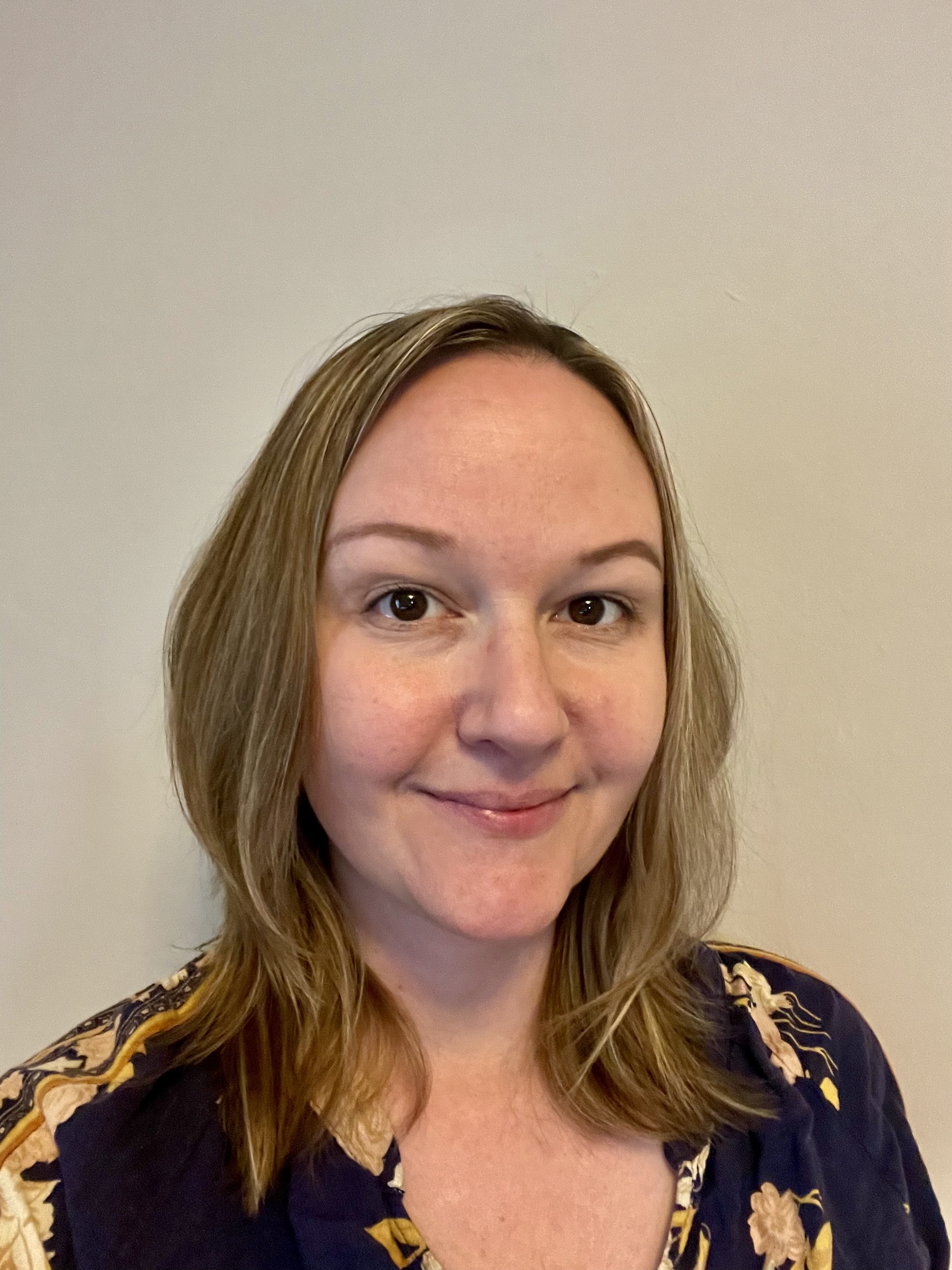
I am a social scientist who uses qualitative and mixed methods within infectious disease screening, diagnostics, and therapeutics. My research interests focus on understanding mental health trajectories during diagnosis and treatment, the influence of mental health on engagement with infectious disease care cascades, and implementation science approaches for integrating mental health services into infectious disease care.
What is your article “Okweraliikirira and Okwenyamira: Idioms of Psychological Distress Among People Living with HIV in Rakai, Uganda” about?
This study explored how people living with HIV in rural Uganda understand and express psychological distress. Interviews were conducted with 42 people, including those living with HIV, healthcare workers, and community members. Two main local terms were used to describe mental distress: okweraliikirira (worry/apprehension) and okwenyamira (deep thoughts/many thoughts). These expressions of distress were specifically linked to HIV-related challenges like fear of death, stigma from family and community, disclosure concerns, and financial stress from managing HIV care. Both types of distress were said to worsen HIV medication adherence and could progress to more severe mental health problems if left unaddressed. Participants identified counseling and social support as key treatments. The study suggests that understanding culturally specific ways of expressing distress is important for healthcare provision. Using local terms rather than Western psychiatric labels like “depression” may help identify people who need psychosocial support and make screening culturally appropriate and effective.
Tell us a little bit about yourself and your research interests.
My research focuses on understanding the dynamics of mental health across care and treatment cascades for infectious diseases, primarily, TB and HIV.
What drew you to this project?
I worked on several studies that used mental health screeners among people living with infectious diseases, and from that work, I realized that the interpretation of the screeners and expressions of mental distress did not always map onto commonly used screeners.
What are you reading, listening to, and/or watching right now? (Doesn’t have to be anthropological!)
I have been reading Barbarian Days: A Surfing Life by William Finnegan and recently watched Downfall: The Case Against Boeing.
If there was one takeaway or action point you hope people will get from your work, what would it be?
Healthcare providers, mental health programs, and researchers should consider the relevance of incorporating culturally specific idioms of distress—like “okweraliikirira” (worry/apprehension) and “okwenyamira” (deep/many thoughts)—into their screening and treatment approaches rather than relying solely on Western diagnostic frameworks.
Other places to connect:
 Culture, Medicine, and Psychiatry