Interview With Domonkos Sik 

The next few months we’ll be highlighting authors who have published in Culture, Medicine, and Psychiatry.
Associate Professor, Eötvös Loránd University, Budapest 

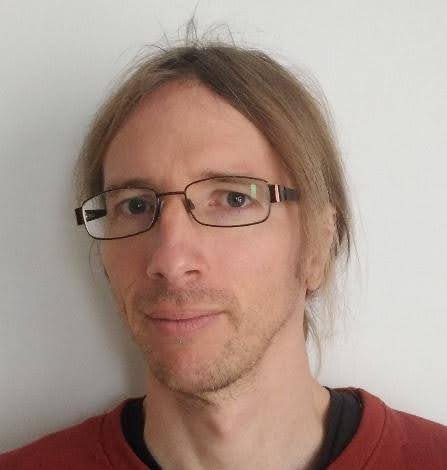
My research deals with various topics in critical theory including political culture and mental disorders in late modernity. My work has appeared in such venues as The Sociological Review, Theory, Culture & Society, European Journal of Social Theory, Thesis Eleven, Journal of Mental Health. Most recent books: Empty suffering (Routledge 2021) Salvaging modernity (Brill 2025).

What is your article Between Depression and Alienation: Burnout as a Translator Category for Critical Theories about?

The article explores the psychopathological and sociological discourses surrounding the contested notion of burnout, with the aim of reintroducing it as a ‘translator category’. Such concepts, which can translate between everyday language, medical language and critical language, are particularly important in cases which originate from both individual and social causes. Without these translator categories, biomedical and psychopathological interpretations veil the social components of suffering – therefore, inevitably mistreat it as an exclusively individual problem. Furthermore, attempts at social critique also remain inaccessible because they rely on their own set of diagnostic concepts (such as alienation), while lay actors interpret their suffering as an illness or mental disorder (such as depression). To avoid these dead ends, the article discusses how burnout as a translator category can link the discourses of alienation (as a cause of burnout) and depression (as a consequence of burnout) while remaining accessible as a lay category.

Tell us a little bit about yourself and your research interests.

I was trained as a sociologist and philosopher in post-socialist Hungary. Initially, my research focused on democratic transition, particularly its phenomenological features. Since 2010, however, my attention has shifted from the criteria of democratic culture to the personal consequences of failed democratization. This led me to explore the links between social suffering and mental health issues, a topic which has become my main area of expertise over the last decade.

What drew you to this project?

After exploring several clinical categories (e.g. depression, anxiety, addiction) from a critical theoretical-phenomenological perspective (see my book Empty Suffering) I became interested in a phenomenon located at the intersection of biomedical and lay discourses. This is how I found the topic of burnout, which is contested within the biomedical discourses, while being widely applied by the lay actors at the same time.

What are you reading, listening to, and/or watching right now? (Doesn’t have to be anthropological!)

I enjoy reading novels, viewing them not just as an excellent way to relax, but also as a constant source of inspiration for my social scientific work. As well as the better-known classics by authors such as Balzac and Dostoevsky, and contemporaries such as Ali Smith and Kazuo Ishiguro, I also enjoy the vivid Central European literary scene (authors such as Péter Nádas and Mircea Cărtărescu).

If there was one takeaway or action point you hope people will get from your work, what would it be?

Most mental health conditions are inextricably linked to social dysfunction and structural distortion. If we do not address the ‘social pathologies of contemporary civilization’ (that is also the name of a research network I am currently involved in: https://socialpath.org/), there is little hope of stopping the ‘epidemics’ of depression and burnout.

Other places to connect:

Website

Interview With Florin Cristea

The next few months we’ll be highlighting authors who have published in Culture, Medicine, and Psychiatry.

PhD candidate, Freie Universität Berlin

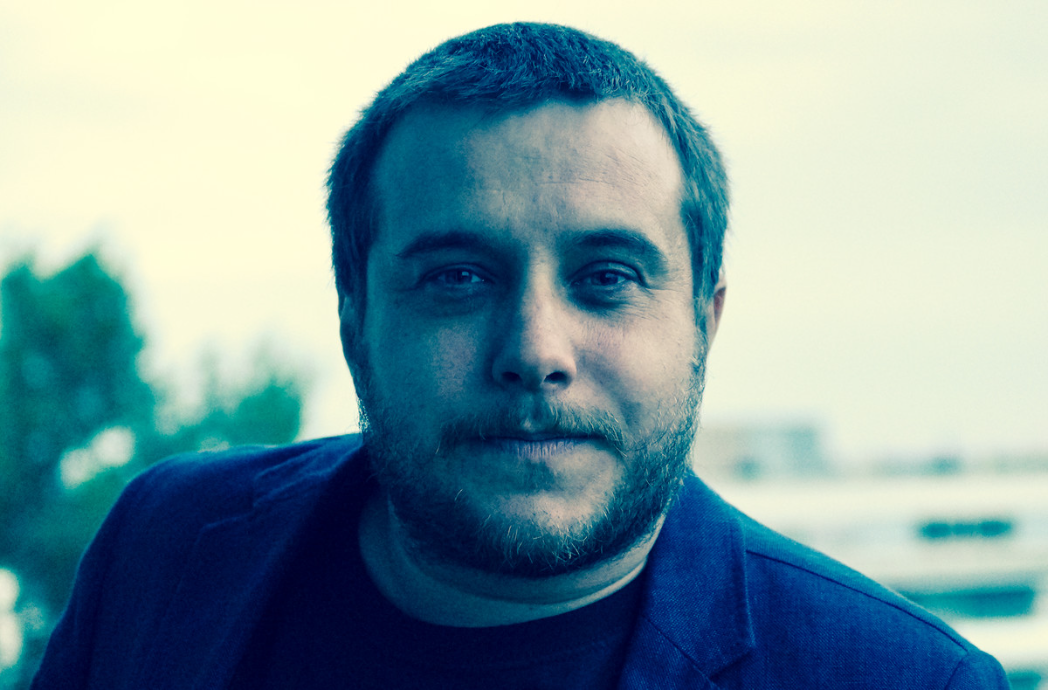
Florin Cristea is a PhD candidate in psychological and medical anthropology at the Freie Universität Berlin. His research focuses on understanding the moral world of people diagnosed with severe psychiatric disorders. In his work, he engaged with the social and clinical life worlds of people with a lived experience of psychiatric encounters in Romania, Tanzania, and Indonesia.

What is your article Navigating the Unknown: Mental Pain, Uncertainty, and Self-Isolation in Bali and Java about?

Suffering has long been a central theme in anthropology. Yet, despite growing interest in psychology and psychiatry, anthropological engagement with mental or emotional pain (as stand-alone concepts) has remained limited. In my article, based on fieldwork in Indonesia on severe psychiatric disorders, I tried to understand the impact of mental pain on the person experiencing it and their immediate environment. I first outlined the salient attributes of mental pain as they emerged during my conversations with patients and observations of their everyday lives. I then suggested that these attributes contributed to the uncertainties individuals faced as part of their experiences with severe psychiatric disorders. Finally, my main argument was that the interplay between mental pain and uncertainties informed certain illness behaviors, particularly tendencies toward self-isolation.     

Tell us a little bit about yourself and your research interests.

I am interested in the anthropology of mental health and illness, as well as in Global Health and Global Mental Health. I am fascinated by how different knowledge worlds come together and influence people’s understanding of what it means to be healthy, sick, and ultimately human. While my work has been strongly influenced by critical medical and psychological anthropology, I try to maintain an open engagement with the psy and biomedical sciences and seek venues of mutual understanding and collaboration.

What drew you to this project?

I initially was drawn to alternative understandings of the mind in Indonesia. However, mapping out these understandings proved far more complex than I had anticipated. Addressing mental pain was my way of making sense of the muddle that became my data.

What are you reading, listening to, and/or watching right now? (Doesn’t have to be anthropological!)

A friend recently recommended “Lightseekers” by Femi Kayode, and I am looking forward to reading it on my upcoming vacation. I am grateful to have time to enjoy something completely unrelated to work. 

If there was one takeaway or action point you hope people will get from your work, what would it be?

Isolation of people diagnosed with a severe psychiatric disorder is a fairly common problem, irrespective of where it occurs. It is important to note or to reiterate that isolation is not only the result of social attitudes toward mental illnesses, nor is it an individual issue. It is part and parcel of the intersubjective nature of the encounter between the social and the individual. We need to do better in understanding this relationship.  

Other places to connect:

Linkedin

Interview With Henry J. Whittle

The next few months we’ll be highlighting authors who have published in Culture, Medicine, and Psychiatry.

Doctoral researcher, Department of Anthropology and Sociology & Centre for Anthropology and Mental Health Research in Action (CAMHRA), SOAS University of London

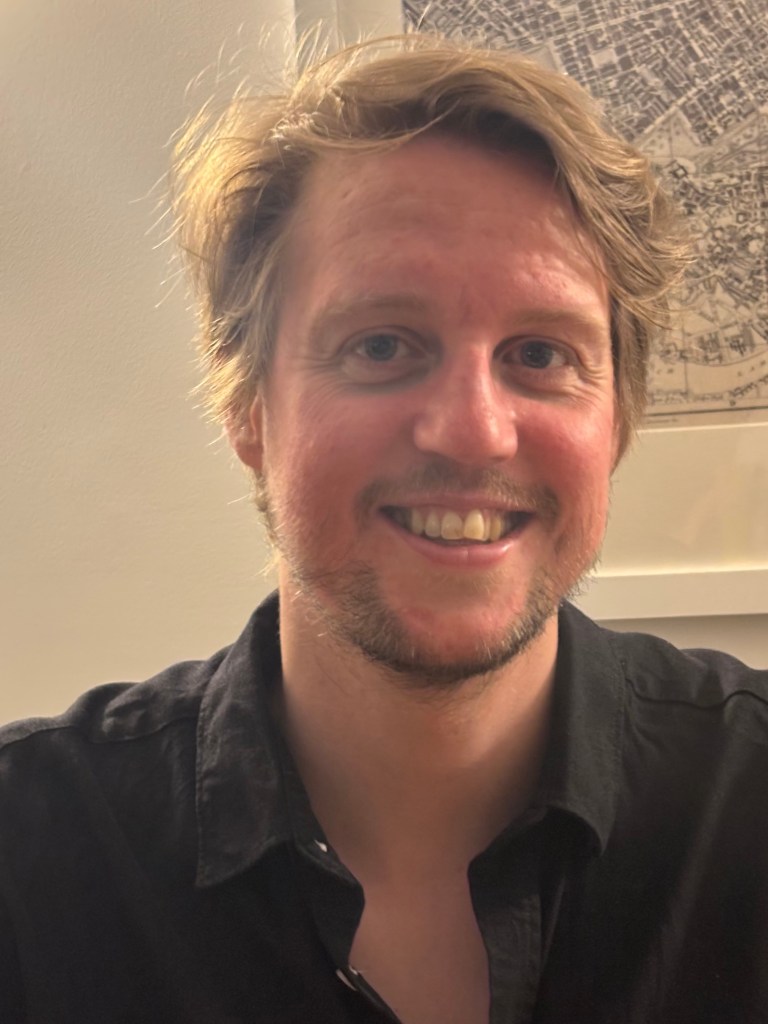
Dr Henry Whittle is a psychiatrist and anthropologist in training. He began his research career using mixed methods to study food insecurity, before pivoting towards mental health rehabilitation after specialising in psychiatry. Following further training in medical anthropology, he is currently working towards a PhD at SOAS University of London.

What is your article Ronaldo on the Clapham Omnibus: Complex Recoveries in Complex Psychosis about?

In the article, I think about what we mean by recovery in psychosis. I ask how it complicates our current understanding of recovery if we consider the experiences of people with the most complex forms of psychosis. These people are inadvertently excluded from much debate on this topic. Ethnography is one of the few ways that their experiences can be incorporated meaningfully. Drawing on six months of ethnography on an inpatient psychiatric rehabilitation unit, the article centres around a man I call Shepherd, whose journey to becoming a more confident, calmer, happier person looked very different to most portraits of recovery in the existing literature. This is important because our understanding of recovery shapes mental health policy in material ways. If we oversimplify recovery by missing people like Shepherd, we risk structurally undermining the interventions—including inpatient rehabilitation—that may be most effective in supporting them to live well.

Tell us a little bit about yourself and your research interests.

I am a psychiatrist and anthropologist, still working through my training in both disciplines. I currently work in an Early Intervention in Psychosis service in London and I will be part of the new Centre for Anthropology and Mental Health Research in Action (CAMHRA) at SOAS University of London. My research interests broadly relate to the social, cultural, and structural influences on mental health care and recovery, particularly for people living with more severe and enduring mental illnesses. Above all, I am an advocate for using applied social science as a basis for dialogue with service users, clinicians, practitioners, relatives, carers, and everyone else invested in improving mental health services.

What drew you to this project?

I have been intrigued by inpatient units ever since I first started working in psychiatry. Even though things are a little different now from how they were in Goffman’s time, the ‘total institution’ was still the main conceptual apparatus I received from my professional training to think through these places. Contributing towards addressing that gap, even slightly, was part of my motivation for taking on this project. The other part was that I have always been drawn to working with people with complex psychosis. I have learned so much from them, mainly about the limits of my own frameworks and my own imagination, but also about the complex, conflicting, and sometimes unexpected roles that institutions play in their lives. This is poorly captured in a clinical evidence base that, on the whole, tends to privilege streamlined understandings and analytic closure. I thought that ethnography could be particularly useful here—to help us hold onto that complexity as we make pragmatic decisions about care.

What are you reading, listening to, and/or watching right now? (Doesn’t have to be anthropological!)

Music and sport are big parts of my life. Both were important for this study. I bonded with Shepherd over a shared love of sport, and when I think of Apollo Ward I mainly think of playing pool and taking requests to play music on my phone—Orbital, Ed Sheeran, the Darkness, and the Rolling Stones were the soundtrack to this study. So now I’m watching my beloved Liverpool play football again after celebrating England Lionesses win the European Championship, and I’m listening to a lot of exciting British and Irish post-punk bands—Big Special, Wet Leg, and Sprints at the moment. I also recently started reading The Brown Sahib Revisited by Tarzie Vittachi, a searing takedown of the legacies of British colonialism in South Asia that was a wonderful gift given to me by my mentor and friend Sushrut Jadhav.

If there was one takeaway or action point you hope people will get from your work, what would it be?

That we need to take people’s ambivalent feelings and contradictory dispositions towards mental health services seriously in imperfect systems, even if it makes us uncomfortable. These contradictions may be our only glimpses of the life-sustaining roles that some institutions play in people’s lives. That is not to say that we should avoid radical critique, just that we need to proceed with caution. It is easy to miss complexity in this field, and missing complexity has material consequences that tend to impact the most marginalised people disproportionately.

Interview With Jennifer Karlin

The next few months we’ll be highlighting authors who have published in Culture, Medicine, and Psychiatry.

Associate Professor, University of California-San
Francisco

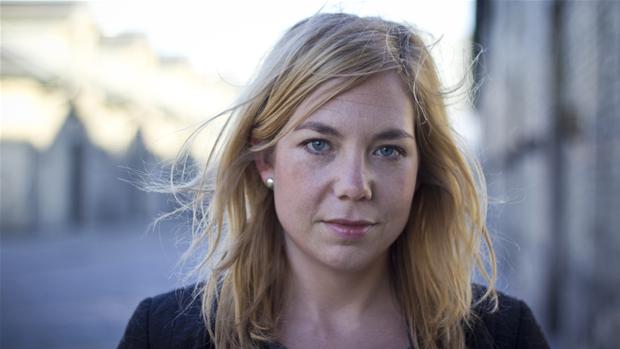
Dr. Jennifer Karlin is an Associate Professor at UCSF. With fellowship
training in family planning and clinical medical ethics and a PhD in anthropology and history of medicine, Dr. Karlin is a researcher and full-scope family physician whose work aims to find ways to empower people through their healthcare experiences.

What is your article “Intimacy, Anonymity, and “Care with Nothing in the Way” on an Abortion Hotline” about?

The article explores the operations and emotional dynamics of a reproductive health hotline. It examines how the hotline offers intimate, yet anonymous support to individuals seeking information about miscarriages and abortion. This support system is characterized by a non-judgmental and compassionate approach, providing “care with nothing in the way.” The hotline serves as a crucial lifeline, offering both emotional support and vital information during a potentially distressing time for callers. Despite the anonymity, the interactions create a safe and supportive environment where callers can freely express their concerns and receive guidance without the fear of stigma or judgment. Volunteers on the hotline often find the experience more rewarding and impactful compared to in-clinic care, as they can connect deeply with callers in a unique and supportive manner without having the regulatory climate that often can cause additional trauma to people seeking in-person care through more formal networks.

Tell us a little bit about yourself and your research interests.

As a board-certified family physician and fellowship-trained family-planning specialist, my research bridges clinical practice with anthropological inquiry to enhance person-centered care for historically underserved populations. My background in anthropology and history of medicine informs my understanding of how social, political, and institutional structures shape health care experiences. I investigate a range of topics, including rheumatoid arthritis, grief, end-stage renal disease, reproductive and sexual health, and community engagement in medical research. My work emphasizes ethically informed care, empowering individuals through biopsychosocial analysis, patient-care team dynamics, and structural aspects of health systems. In reproductive health, I focus on de-medicalizing contraceptive methods and abortion care to reduce stigma. Additionally, I examine access to care for vulnerable populations and the incorporation of DEI initiatives in medical education. Through interdisciplinary research, I aim to improve complex disease management and promote equitable health care by challenging and reimagining traditional norms and structures.

What drew you to this project?

I was inspired by this project because of my long-standing interest in understanding and improving person-centered care for historically underserved populations. This was a natural field site to explore my commitment to de-medicalized and de-stigmatized care. This hotline offered an invaluable opportunity to examine how intimate, anonymous support can profoundly impact individuals seeking abortions, providing insights into creating more compassionate and accessible reproductive health services in all settings. Additionally, my interest in how social, political, and institutional structures affect health care experiences motivated me to think about how hotlines can serve as crucial resources within these contexts.

What are you reading, listening to, and/or watching right now? (Doesn’t have to be anthropological!)

I just started reading ‘High Magick’ by Damien Echols, which explores the spiritual practices Echols
developed while wrongfully imprisoned for murder. A marathon swim group recommended it to me for
its mental training techniques, as I am currently preparing for a 21-mile open water swim.

If there was one takeaway or action point you hope people will get from your work, what would it be?

A main action takeaway from the paper “Intimacy, Anonymity, and ‘Care with Nothing in the Way’ On an
Abortion Hotline” is the recommendation to support and expand support for informal structures of care.
The hotline provides a crucial space for individuals to receive compassionate, non-judgmental support
and guidance in a stigmatized and often challenging context. The anonymity and intimacy offered by
these services can significantly improve the quality of care and emotional support for those pregnant
people, emphasizing the importance of such resources in reproductive health care systems.

Other places to connect:

Website

Linkedin