
The following article is part of the Culture, Medicine & Psychiatry March 2024 special issue, “Student Experiences of Covid-19 around the Globe: Insights from the Pandemic Journaling Project” which is guest edited by Heather M. Wurtz, Katherine A. Mason, and Sarah S. Willen.
This special issue explores how the Covid-19 pandemic has impacted the mental health and wellbeing of high school and college students in diverse locations around the world. The collection analyzes data collected by the Pandemic Journaling Project, a combined research study and online journaling platform that ran on a weekly basis from May 2020 through May 2022, and from complementary projects. Contributions draw on a range of data including PJP journal entries, semi-structured interviews with PJP participants, autobiographical writing by students, and conversations about engagement with PJP in classroom and community-based settings. This week we feature a brief blog post by the authors of “Thriving Despite the Odds: Digital Capital and Reimagined Life Projects Among Mexican College Students During COVID-19”.
This article is by:
Heather M. Wurtz, Post-doctoral Research Fellow, Pandemic Journaling Project, University of Connecticut/Brown University.
Maria Hernandez, MA, El Instituto: Institute of Latina/o, Caribbean, and Latin American Studies, University of Connecticut
Madeline Baird, PhD Candidate, Department of Anthropology, University of Connecticut
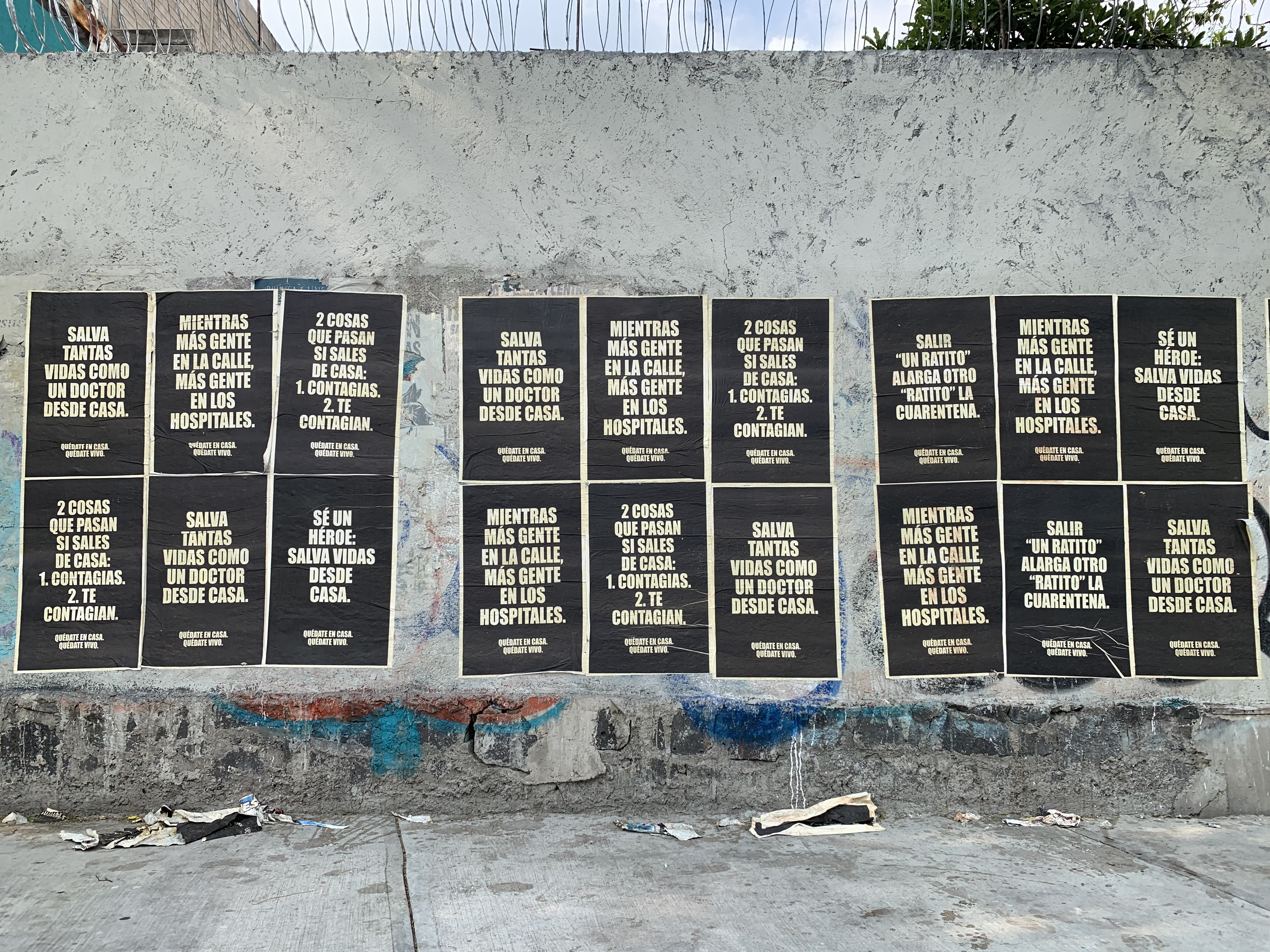
Photo 1: “Quédate en casa. Mayo de 2020” (Stay at home. May 2020) / José Antonio Cervera Jiménez / May 2020 – Mexico City. Photo from Picturing the Pandemic photo exhibition in Mexico City, MX.
What is your article “Thriving Despite the Odds: Digital Capital and Reimagined Life Projects Among Mexican College Students During COVID-19” about?
Our article, “Thriving Despite the Odds,” examines ways that Mexican college students leveraged technology to cope with and overcome challenges related to prolonged school closures and other hardships during the pandemic. The study draws on in-depth interviews with and journals of 12 college students who participated in the Pandemic Journaling Project (PJP) – an online journaling platform and research study that chronicles everyday life during COVID-19. We found that by using technology to support their current and future endeavors, such as finding new ways to connect with others and to expand their professional skills, students experienced a renewed sense of purpose in their educational activities. For many, their engagement with technology also provided a source of coping with emotional distress, particularly in the way that it supported their ability to imagine a positive post-pandemic future – for both themselves and broader society.
Tell us about how this project came to fruition.
In the early months of the pandemic, nearly 50 college students from Mexico joined PJP and journaled periodically on the PJP platform for a time period spanning a few weeks to over 50 weeks, for some students. Their journals provided an important window onto the everyday experiences of students as they coped with the rapid transition to online learning along with a host of new challenges created by the pandemic, such as intensified caretaking roles and the illness and loss of loved ones. These insights raised compelling new questions for us about how students’ educational trajectories shifted or were reworked over time as a result of the pandemic and continuing hardships. All three of the authors have regional expertise in Latin America and recognized a unique opportunity for exploring changes in Mexican students’ lives and educational paths through follow-up interviews with PJP participants. The combined use of journals and interviews paints an illustrative picture of students’ experiences over the first two years of the pandemic, shedding light on the key role that technology played in students’ ability to adapt to and overcome adversity during a time of crisis.
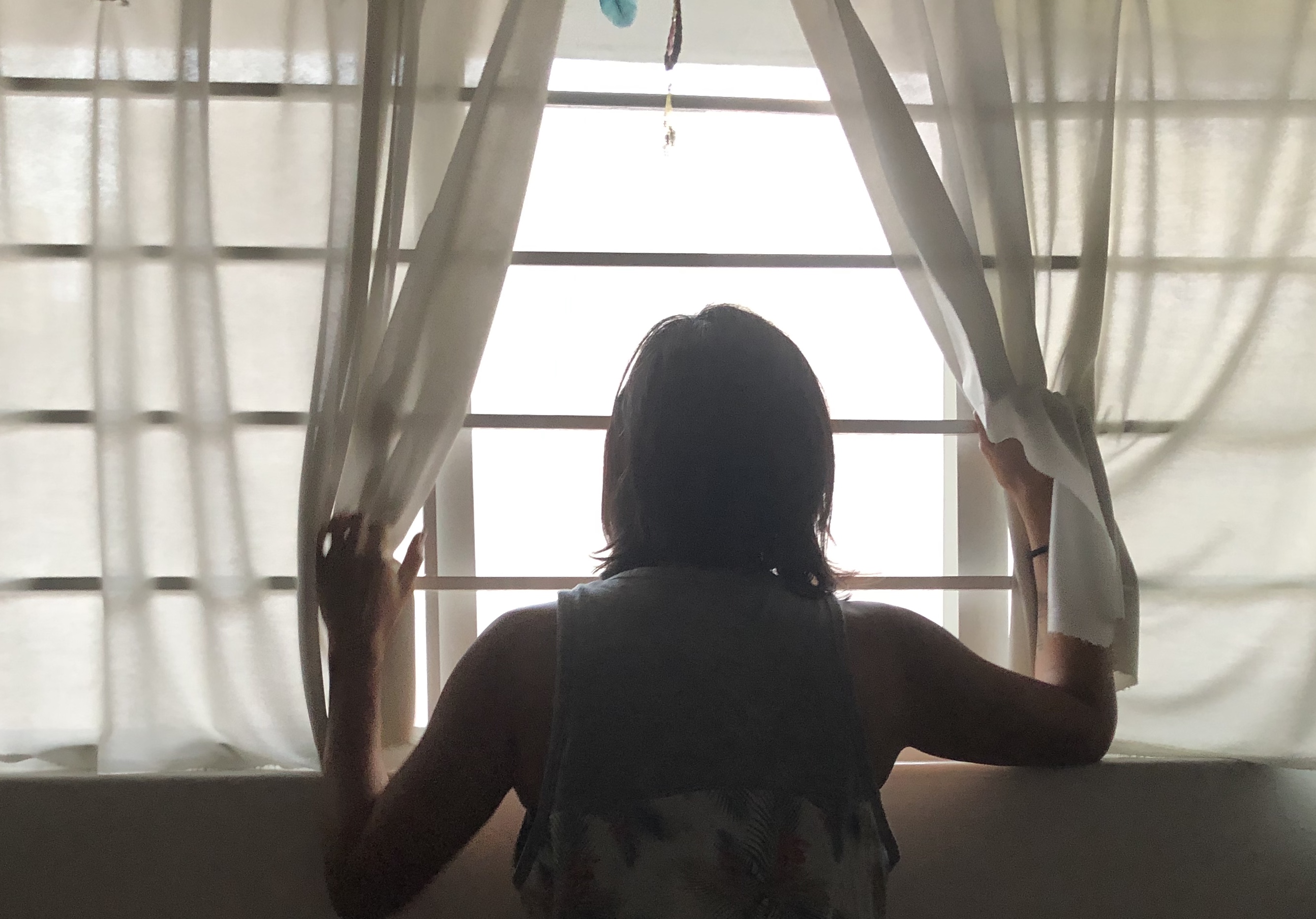
Photo 2: “Staring at Doves” / Yolanda A. González G / April – June, 2020 – Mexico City. Photo from Picturing the Pandemic photo exhibition in Mexico City, MX.
What was one of the most interesting findings?
Some of our most surprising findings from our longitudinal interviews two years after initial student journaling included the multiple ways that students adapted and thrived over the period of the pandemic and the benefits to university learning that many students identified that could be applied to improve access to higher education throughout Mexico. Numerous participants described the personal benefits of the adaptability of virtual learning that allowed for greater exploration of personal and professional projects while also allowing students to have greater flexibility with fulfilling their university coursework. Many participants emphasized the potential for virtual learning platforms to play a key role in overcoming social inequalities within access to higher education in Mexico. They identified that virtual platforms could potentially improve opportunities for some students to access a broader range of specialties and coursework, particularly for students living in rural parts of Mexico.
Who might be interested in reading your piece?
Our article is written for anyone seeking to understand students’ experience during the global pandemic. Students worldwide experience a drastic shift from in-person to online learning. However, many students also found ways to cope and cultivate new ways of learning. Anyone reading this article will find that while many students struggled to adapt to online learning, some also found ways to develop and leverage their digital competencies for their future and to create a more equitable society. In addition, our educational leaders and policy readers may find these articles insightful in finding ways to promote and develop educational policies that support students’ online learning.
If there was one takeaway or action point you hope people will get from this work, what would it be?
For the students in our study, levering digital competencies and resources played an important role in their ability to maintain and adapt their life plans during a time of crisis. Their use of technology buffered their life plans not only in terms of expanding possibilities for future careers, but also for enriching their present lives – for example, by fostering their relations with others. These findings suggest that digital capital may promote college perseverance, especially in conditions that place constraints on in-person interaction. Digital competencies may also provide a source of coping with mental health distress by helping students cultivate a sense of human connection and belonging. While this is promising for some students, it also points to the potential role of technological disparities in intensifying social and health inequalities. These findings underscore the importance of closing digital divides, especially among marginalized communities already facing structural inequity.
 Culture, Medicine, and Psychiatry