
The following article is part of the Culture, Medicine & Psychiatry March 2024 special issue, “Student Experiences of Covid-19 around the Globe: Insights from the Pandemic Journaling Project” which is guest edited by Heather M. Wurtz, Katherine A. Mason, and Sarah S. Willen.
This special issue explores how the Covid-19 pandemic has impacted the mental health and wellbeing of high school and college students in diverse locations around the world. The collection analyzes data collected by the Pandemic Journaling Project, a combined research study and online journaling platform that ran on a weekly basis from May 2020 through May 2022, and from complementary projects. Contributions draw on a range of data including PJP journal entries, semi-structured interviews with PJP participants, autobiographical writing by students, and conversations about engagement with PJP in classroom and community-based settings. This week we feature a brief blog post by the authors of “‘You would think she would hug me’: Micropractices of Care Between First-Generation College Students and Their Parents During Covid-19”
This article is by:
Andrea Flores, Vartan Gregorian Assistant Professor of Education, Brown University
Kate Mason, Associate Professor of Anthropology, Brown University
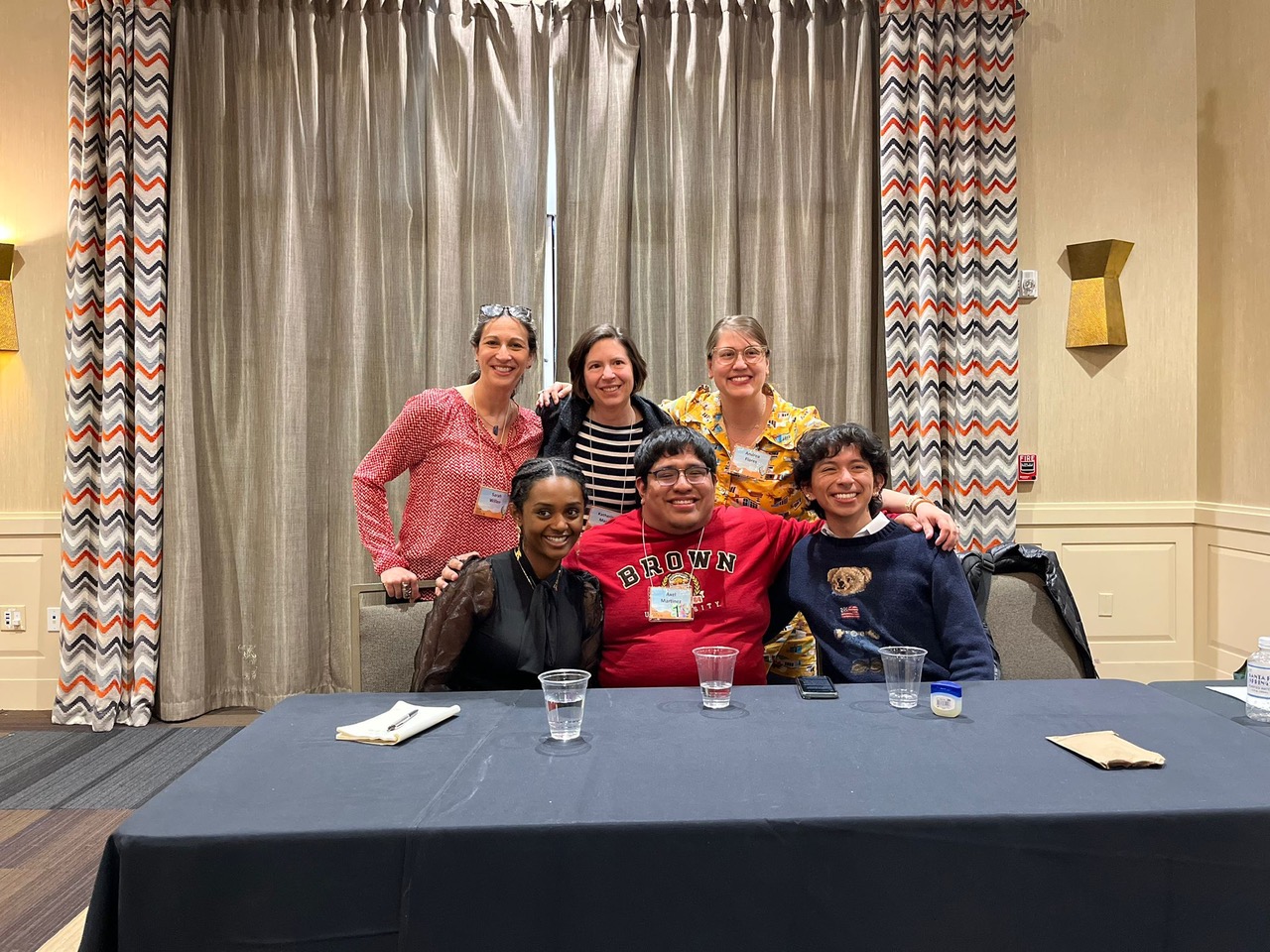
Photo 1: The first gen research team presents their work at the Society for Applied Anthropology annual conference in Santa Fe, New Mexico.
What is your article “‘You would think she would hug me’: Micropractices of Care Between First-Generation College Students and Their Parents During Covid-19” about?
Our article is about first-generation college-going families’ attempts to care for each other’s mental well-being during the pandemic. We call these efforts “micropractices” of care, or the “little things” we do for each other like offering a drive, buying a small “treat,” listening, or offering a kind word. Sometimes these micropractices had the desired effect, and sometimes they did not. By closely examining these micropractices, we show how mental wellness is formed in the space between people in everyday, but critical ways.
Tell us about how this project came to fruition.
This project was a small pilot we conducted to see how parents and first-gen college students navigated the balance between the immediate challenges of the pandemic and long-term educational plans. Coming out of the pilot, we more closely examined how mental wellness in the present was tied to keeping the family aligned on shared future goals.
What was one of the most interesting findings?
Some of our most surprising findings from our longitudinal interviews two years after initial student journaling included the multiple ways that students adapted and thrived over the period of the pandemic and the benefits to university learning that many students identified that could be applied to improve access to higher education throughout Mexico. Numerous participants described the personal benefits of the adaptability of virtual learning that allowed for greater exploration of personal and professional projects while also allowing students to have greater flexibility with fulfilling their university coursework. Many participants emphasized the potential for virtual learning platforms to play a key role in overcoming social inequalities within access to higher education in Mexico. They identified that virtual platforms could potentially improve opportunities for some students to access a broader range of specialties and coursework, particularly for students living in rural parts of Mexico.
Who might be interested in reading your piece?
Our most interesting finding was the importance of matched expectations regarding a given micropractice. We found that when there was alignment and understanding between the motivations behind a caretaker’s efforts and the cared-for’s response, mental wellness was preserved. When there was disjuncture and misunderstanding, mental wellness was harmed.
If there was one takeaway or action point you hope people will get from this work, what would it be?
We hope that folks who work with first-gen students—as instructors, deans, counselors, physicians—would be interested in reading this piece, as well as first-gens themselves!
University staff who work with first-gens need to integrate understanding about the webs of relationships first-gens manage into their practice. Understanding students’ progress in school cannot be separated from their family ties.
 Culture, Medicine, and Psychiatry