
The next few months we’ll be highlighting authors who have published in Culture, Medicine, and Psychiatry.
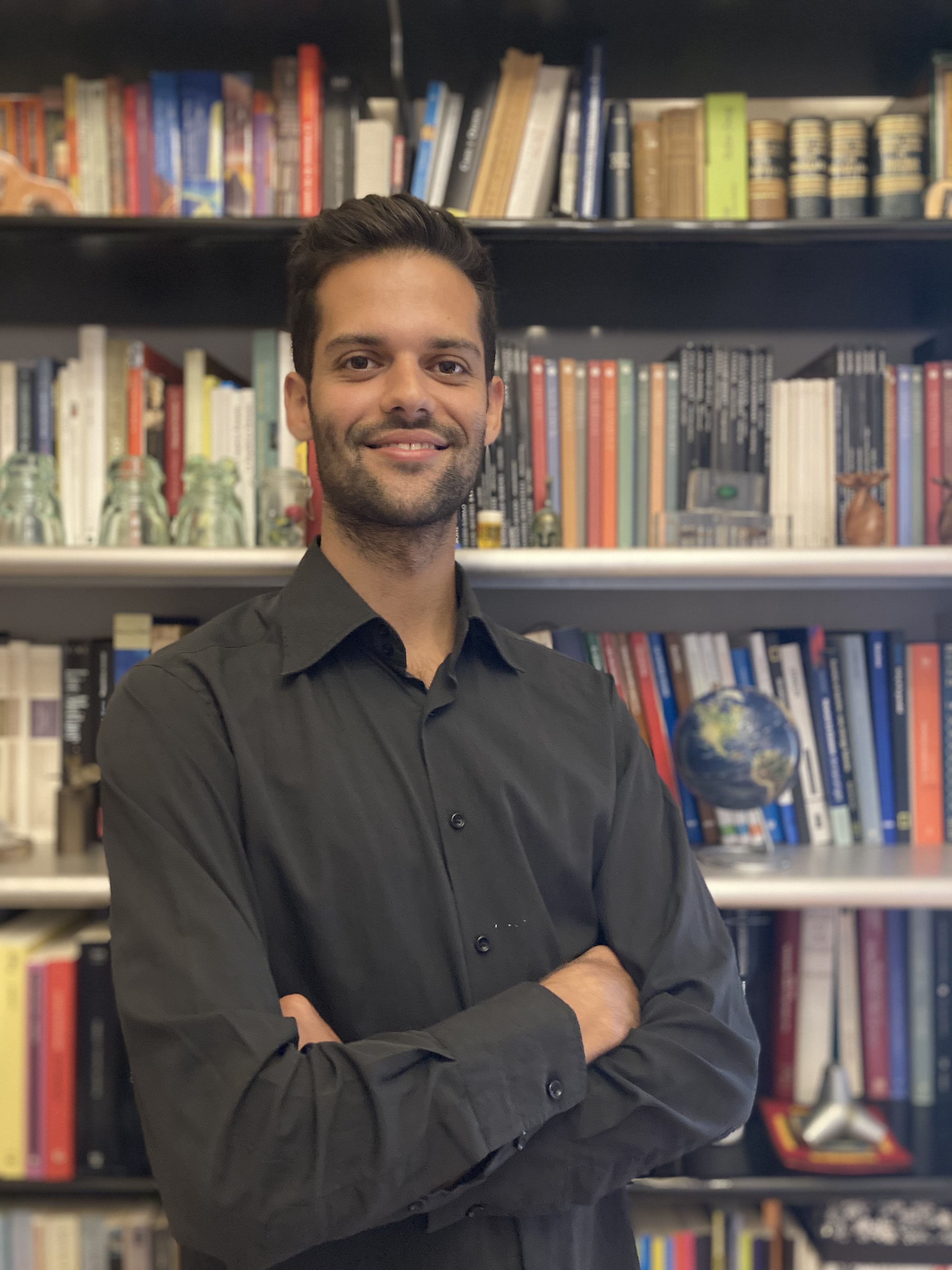
Tomás de la Rosa completed his doctorate in neuroscience at Federal University of São Paulo (Brazil) and is now a postdoctoral fellow at neuropsychopharmacology research group at the University of Cadiz (Spain). From his biological background, he also brings a particular interest in the philosophical and sociological dimensions of neuroscientific research, through the lens of critical and decolonial theory.
What is your article “Necropolitics of Death in Neurodegeneration” about?
Neurodegenerative diseases are becoming more common as the global population ages, posing significant challenges for medicine. These diseases are progressive, long-lasting, and often lead to higher death rates. Research and medical practices are often influenced by power and politics, which can impact patient care. Drawing on ideas from philosophers Foucault and Mbembe, our article examines how aging, neurodegeneration, and death are managed. We argue that power dynamics shape the way knowledge about these diseases is produced, often overlooking the role of mortality. We also highlight the impact of colonialism on this knowledge, emphasizing its importance when considering death in these contexts.
Tell us a little bit about yourself and your research interests.
My primary training and research have focused on neuroscience and animal models of neuropsychiatric disorders. However, despite my background in basic biological and experimental research, I have been interested in the sociological and epistemological aspects of our laboratory practices since my PhD. It was during this time that I began to conceptualize a project exploring the politics of neurodegeneration.
What drew you to this project?
During my thesis in the neuroscience department at Universidade Federal de São Paulo, I studied cardiac and respiratory functions in an animal model of Parkinson’s Disease. The main goal was to explore the connection between neurodegenerative processes and these vital functions. This idea stemmed from epidemiological observations of increased sudden cardiac death in this population, an issue often neglected in neurological research. At that time, I began to familiarize myself with the work of Nikolas
Rose, who explores the politics of modern biotechnology. His work inspired me to investigate the formation of the discourse around neurodegeneration, from in vitro studies to clinical practice and broader societal implications.
What was one of the most interesting findings?
One of the most intriguing findings was the contrast between biopolitical and necropolitical deployments within biomedicine, highlighting different individuals and discourses. This phenomenon is not exclusive to neurodegenerative diseases or neurology. Through our study, we observed how some biopower mechanisms, designed to increase life expectancy, are developed within the same epistemological biomedical framework and spaces, such as hospitals, as necropower mechanisms aimed at erasing certain populations. In our view, this heterogeneous nature of power reflects the territorial and social organization and governance in liberal and colonial societies.
What are you reading, listening to, and/or watching right now?
I am currently immersed in Ana Maria Gonçalves “Um defeito de cor.” It offers a profound exploration of the Brazilian experience of slavery, told not through official historiography but through the perspective of an African woman searching for her long-lost son. This narrative exemplifies storytelling from the periphery, a theme we emphasize in the final section of our article.
If there was one takeaway or action point you hope people will get from your work, what would it be?
Recognizing how biomedical technologies are developed and articulated within a monolithic narrative of health and disease, that is necessarily incomplete and partial. A decolonial turn may help us decenter this narrative and include new ways of knowing and doing, accordingly to the multiple ways of being that exist.
Other places to connect:
Website
 Culture, Medicine, and Psychiatry