
As part of our ongoing content, we feature authors who have published in Culture, Medicine, and Psychiatry.
Today, we are excited to bring you our interview with Meghna Girish!
What is your article “‘But Thanks to God, I Learned to Forgive Them and Work on Myself and Things That I Love’: Revenge Fantasies of Indian Muslim Women through Drawings and Narratives“ about?
The article explores how Indian Muslim women, primarily from the southern state of Kerala, expressed revenge fantasies related to injustices they had experienced through drawings and narratives about their drawings.
Tell us a little bit about yourself and your research interests.
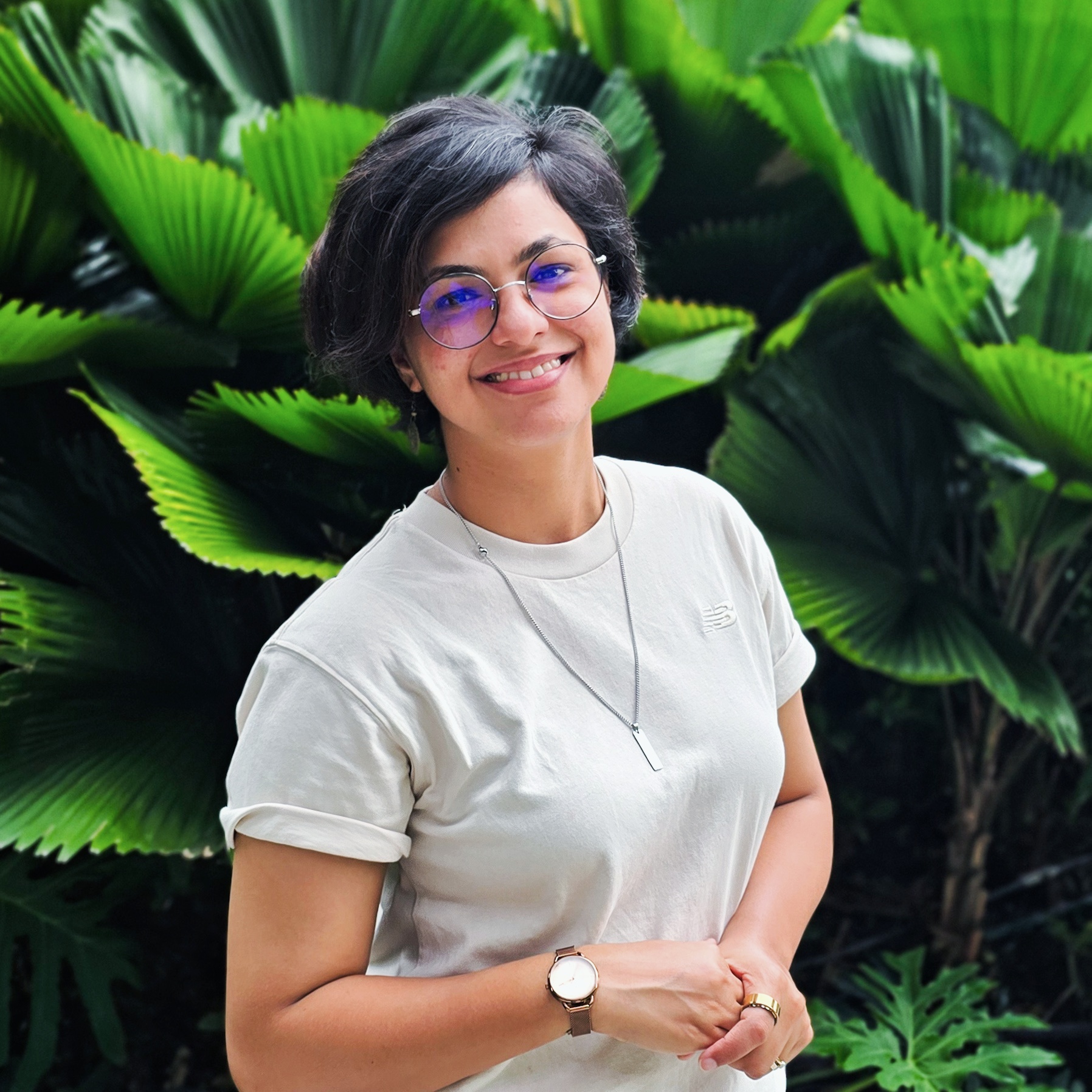
I’m Meghna, a trauma-informed Art Therapist, PhD in Creative Arts Therapies (specialising in Art Therapy), self-taught artist, and avid researcher based in Kochi, Kerala. I enjoy anything and everything connected to art, and I love how creativity, mental health, and non-verbal forms of expression can create meaningful possibilities in the therapy space. My doctoral research focused on validating art-based assessments in the Indian population, mainly with children from vulnerable and difficult backgrounds. My other research interests include revenge fantasies, cross-cultural comparisons of drawings, and qualitative research with individuals who have experienced trauma.
What drew you to this project?
There is a need for culturally appropriate non-verbal forms of expression, especially when exploring issues such as revenge fantasies in India, where expressing such thoughts and feelings may be considered inappropriate or taboo. This can be particularly limiting for people from communities who experience discrimination or may not have the freedom to express themselves openly. This inspired me to explore and research this topic among Indian Muslim women.
What was one of the most interesting findings?
One of the most interesting findings, I think, was the difference between what emerged through the drawings and what was expressed through the narratives. The way language may have influenced the extent of expression also stood out to me. The drawings appeared to contain more affective content, whereas the narratives were more structured and socially mediated.
What are you reading, listening to, and/or watching right now?
Currently, I’m reading The Fourth Dimension by Dr. Paul Yonggi Cho. The most recent movie I watched was the Indian film ASI Babita Singh Reporting, about a woman who emerges as a strong and independent police officer after solving the mystery surrounding the death of her childhood friend and standing up against patriarchal indifference. It was very moving, especially because I watched it during Suicide Prevention Week.
If there was one takeaway or action point you hope people will get from your work, what would it be?
One of the aims of this research was to highlight the importance of allowing culturally appropriate ways of expressing difficult feelings, emotions, and thoughts. This has been a particularly important consideration for me because of the collectivist culture I come from. I hope readers will empathise with and understand that when difficult feelings connected to personal injustices remain unaddressed, people may struggle to find ways to acknowledge and express them. Creating safe and culturally appropriate avenues for expression can therefore be an important way of giving people space to have a voice.

