
As part of our ongoing content, we feature authors who have published in Culture, Medicine, and Psychiatry.
Today, we are excited to bring you our interview with Dominika Jegen!
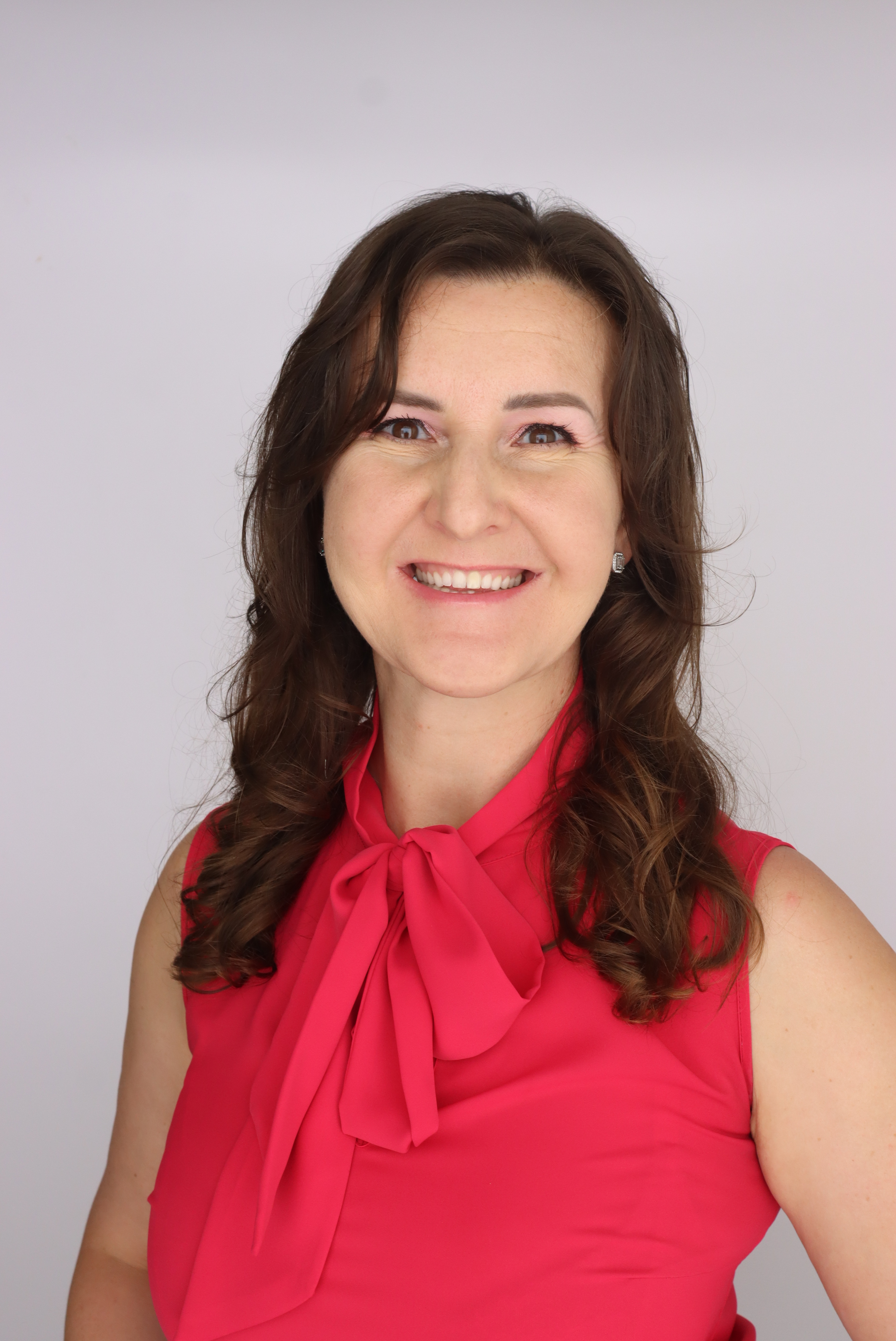
What is your article “The Past in the Exam Room: Intergenerational Memory, Moral Ambiguity, and the Work of Empathy“ about?
The article is about something we do not always talk about in medicine: clinicians bring their own histories into the exam room, just as patients do.
I reflect on an otherwise routine clinical encounter in which something a patient shared unexpectedly brought forward memories and emotions connected to my family’s experiences of war and displacement in Europe. The encounter made me think more carefully about how histories that we inherit, not only those we experience ourselves, can shape how we perceive and respond to patients.
Using ideas from medical anthropology, narrative medicine, and the concept of postmemory, I explore what this means for empathy and professionalism. I argue that professionalism does not require us to be untouched by our own histories. Rather, it asks us to recognize those histories, understand when they are influencing us, and remain attentive to the person in front of us.
Tell us a little bit about yourself and your research interests.
I am a family physician and Assistant Professor of Family Medicine at Mayo Clinic in Rochester, Minnesota. Before studying medicine, I studied biology and sociology and completed a master’s degree in medical sociology. That background has stayed with me throughout my medical career and continues to influence the kinds of questions that interest me, and the questions that I pose to those I encounter.
I have practiced medicine in a wide range of settings, including remote communities in Northern Canada, rural Mississippi, urban Seattle, and now Minnesota. My research interests include environmental health, rural and underserved health, social determinants of health, and medical education. I am particularly interested in the ways that people’s environments, histories, communities, and lived experiences affect health and the care we provide.
I also enjoy writing about the human side of medicine, the parts of clinical practice that are important but sometimes difficult to measure or even name. This is not something that I see academic medicine often touching on.
What drew you to this project?
The project began with the clinical encounter described in the article. It was an ordinary visit until, quite unexpectedly, it wasn’t.
Something the patient shared brought forward feelings connected to stories I had heard growing up in Poland about my family’s experiences during and after World War II. I was surprised by the immediacy of my own response. I remained the patient’s physician and continued the visit, but afterward I kept thinking about what had happened internally.
That experience stayed with me because it raised a question I had not considered deeply enough before: we spend a great deal of time in medicine learning how to understand our patients’ histories, but how often do we examine the histories that we ourselves bring into an encounter?
Writing the article became a way of thinking through that question. I began writing the first draft as soon as the patient left the office.
What was one of the most interesting findings?
For me, the most interesting realization was that empathy and professionalism do not necessarily require emotional distance.
Medicine teaches us, appropriately, not to allow our personal feelings to interfere with patient care. But that does not mean those feelings or histories disappear or are magically erased when you arrive at work that morning. Sometimes they are present before we are even consciously aware of them.
The important work, then, may be learning to recognize what belongs to our own history and what belongs to the patient in front of us. That distinction can help us remain both compassionate and ethically attentive without assuming that being a good clinician means being unaffected.
What are you reading, listening to, and/or watching right now?
I recently finished Anthony Bourdain’s Kitchen Confidential and am just starting A Cook’s Tour. I love to travel, so I enjoy the way Bourdain writes about food as an entry point into places, cultures, and people. I am also looking forward to traveling to Malaysia and Singapore for a professional conference in 2027, so perhaps I am already thinking a little about the next journey. Prior to that I enjoyed Dania Idriss’ Tales of the Mountains and the Sea, featuring stories that weave together Middle Eastern folklore, myth, superstition, and modern Lebanese history.
I frequently stream The Grand Tour, partly for the featured cars, but mostly for the travel and amazing cinematography.
As for what I listen to, I love stadium rock, sometimes the best counterbalance to medicine and academic work is simply great music played loudly.
If there was one takeaway or action point you hope people will get from your work, what would it be?
I hope readers come away with a willingness to be curious about their own reactions.
When a clinical encounter unexpectedly makes us uncomfortable, emotional, or unsettled, our first instinct may be to suppress that response in the name of professionalism. Sometimes, however, it is worth asking where the response came from.
Our histories do not have to determine how we care for patients. But recognizing that we have histories, and that they sometimes enter the exam room with us, can make us more reflective clinicians. To me, empathy is not about erasing ourselves and our past from the encounter. It is about knowing ourselves well enough to remain genuinely present for someone else.

