Interview With Lesley Jo Weaver

The next few months we’ll be highlighting authors who have published in Culture, Medicine, and Psychiatry.
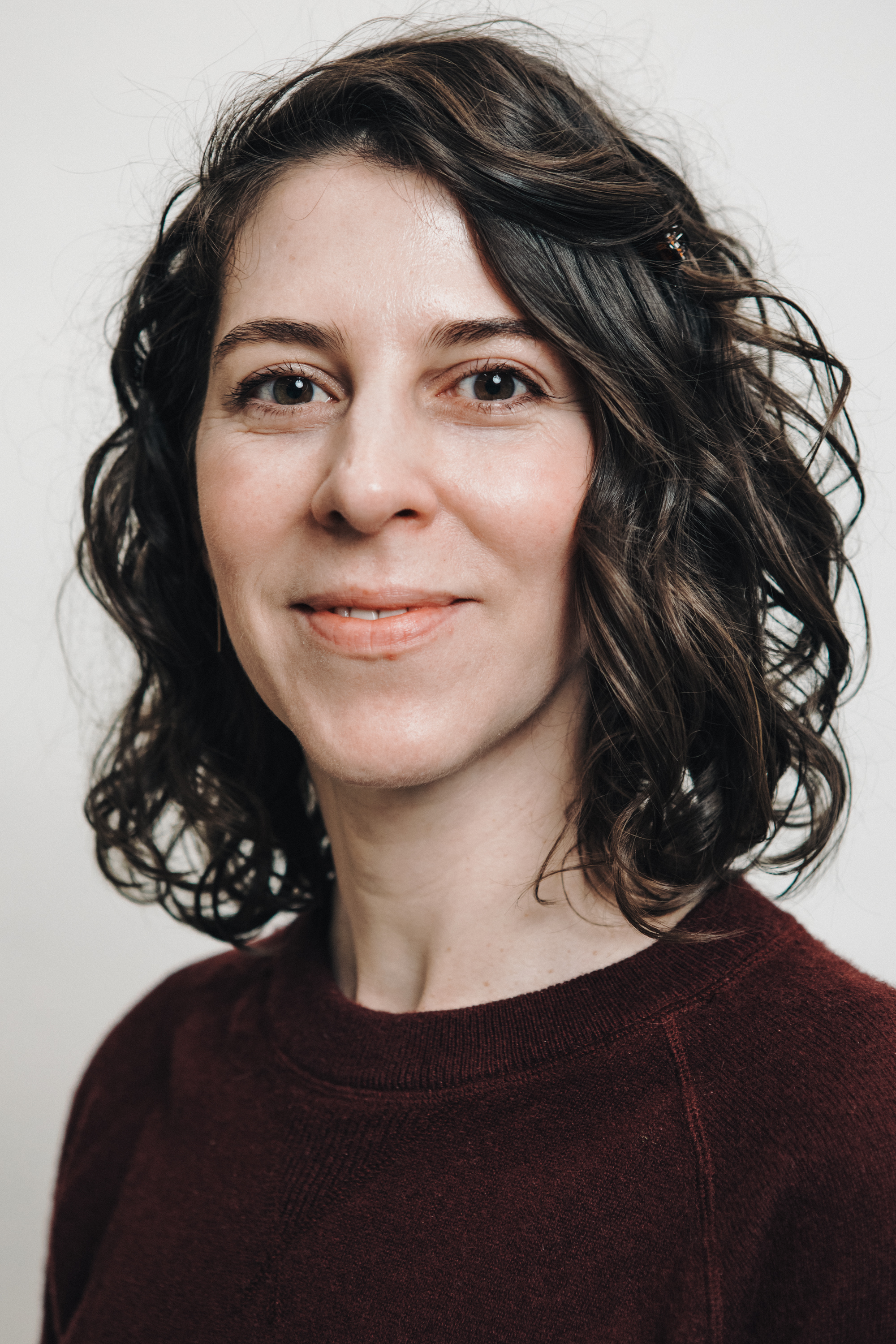
Weaver is a medical and biocultural anthropologist who teaches in the Global Health and Global Studies programs at the University of Oregon. Her research addresses the social determinants of chronic diseases, stress, and housing insecurity in India, Brazil, and the USA.

What is your article “A Glossary of Distress Expressions Among Kannada-Speaking Urban Hindu Women” about?

This article documents how women Kannada speakers talk about distress in the South Indian state of Karnataka. Kannada is a Dravidian language spoken by over 44 million people inside and outside the Indian subcontinent, making it one of the 30 most commonly spoken languages in the world. Yet very little work on cross-cultural understandings of mental health and illness has been done among Kannada speakers in the last 30 years. Since we know that language shapes experience, it is important to understand how people discuss distress in non-psychiatric terms in languages other than English. These results could be used to improve research about mental health as well as clinical tools for assessing mental health and illness among Kannada-speaking populations.

Tell us a little bit about yourself and your research interests.

I’m one of those people who studies lots of different things. Sometimes people ask me what’s the “throughline” that holds all my work together, and I’d say that it is an interest in (and a concern with) the things that create long-term suffering and disadvantage in people’s lives. I want to know why some people end up suffering so much, while others don’t. Long-term interests of mine include distress, food insecurity, chronic diseases, and more recently, housing insecurity, which is a big problem in the community where I live. I want to understand those experiences of disadvantage and hopefully do work that contributes toward solutions.

What drew you to this project?

One of the foundational studies in psychological and medical anthropology was done in the early 80s by Mark Nichter in the same region where I am working in India. That work established the concept of idioms of distress, which are culturally specific ways of communicating stress, distress, and frustration. This work has influenced me and many people who work in the transcultural translation of psychiatric symptom scales. Part of the goal here was to lay the groundwork for future development of more culturally sensitive psychiatric symptom scales, which to my knowledge don’t really exist in Kannada.

What was one of the most interesting findings?

I found it really interesting that most women understood the Kannada translation of the English term for depression (khinnate), but they described it as a technical term that didn’t really speak to their own experiences.

What are you reading, listening to, and/or watching right now? (Doesn’t have to be anthropological!)

I’m a big lover of fiction and belong to multiple book clubs. Right now, I’m reading The Dictionary of Lost Words for one of my book clubs. I’m also watching The Bear (though it will take me forever to get through it because I don’t watch much TV). Academically, I’m reading up on the social science of houselessness. There hasn’t been as much in anthropology about this in the last 10 years as there has been in other disciplines like sociology or urban studies, so it’s making me stretch disciplinary boundaries.

If there was one takeaway or action point you hope people will get from your work, what would it be?

I think it’s really important that we recognize that distress is subjective, and also culturally mediated. Therefore, too, are its treatments. Many psychiatrists and psychologists I know are so invested in the approach of biomedical psychiatry that they truly believe it is objective. They aren’t able to entertain the idea that other ways of understanding and treating distress exist, and that those might be viable. It makes sense; that’s their training. But for the women I work with, there could be other things that would help them manage their distress much better than a diagnosis of depression or anxiety, and that’s really what I am hoping to convey.  


Other places to connect:
Website
Interview With Galia Plotkin-Amrami

The next few months we’ll be highlighting authors who have published in Culture, Medicine, and Psychiatry.

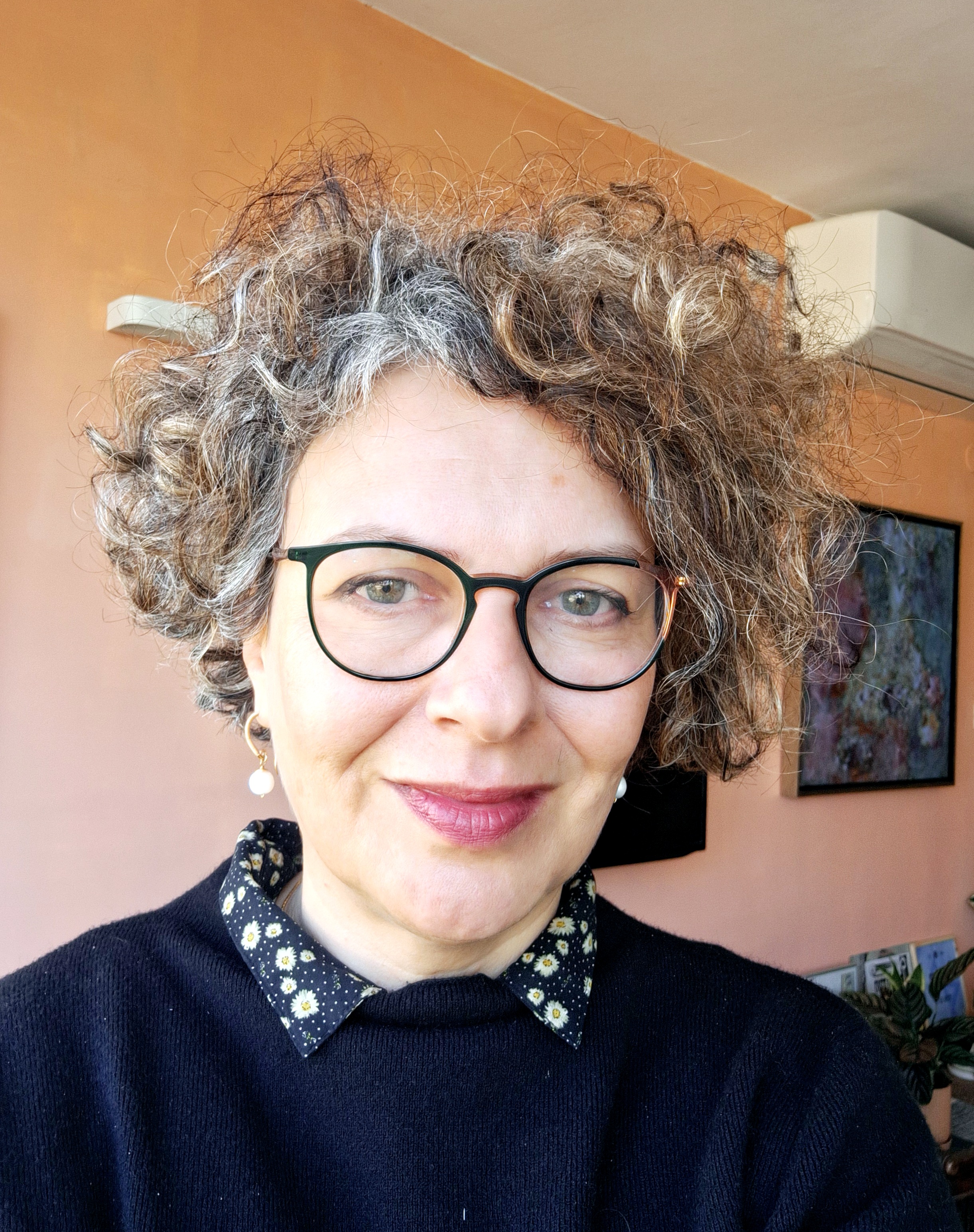
Galia Plotkin-Amrami, Senior Lecturer (Assistant Professor) in the School of Education, University of Ben-Gurion in the Negev, Israel

Galia Plotkin-Amrami’s academic track began with training in anthropology and school counseling and evolved into historical anthropological research on therapeutic discourse during her PhD and several years thereafter. Her more recent research focuses on the medicalization of childhood, parental subjectivity, and stigma in relation to neurodevelopmental disorders and atypical gender performance.

What is your article “Sensitive Child, Disturbed Kid: Stigma, Medicalization, and the Interpretive Work of Israeli Mothers of Children with ADHD” about?

The article focuses on Israeli mothers of children with ADHD. We explored how mothers understand the category of ADHD, their children’s experiences, and their own role over the course of their children’s lives. Our analysis of mothers’ narratives revealed they did not experience the formal diagnosis as an endpoint that settled the understanding of the child’s condition. Rather, they continued to revisit their perceptions of ADHD and their own responsibilities. As an invisible, yet socially disturbing disability, the diagnosis of ADHD does not bring relief from blame. We discuss some features of the Israeli cultural portrait of the child with ADHD that differ from aspects of the ADHD life experience that are emphasized in ethnographies in North American families. We show that emotional vulnerability and risk of social isolation of the child reflect cultural notions of Israeli childhood and shape Israeli mothers’ experiences and decisions related to the child.

Tell us a little bit about yourself and your research interests.

For several years, my main research interest was mental health knowledge and practices in the areas of immigration, trauma treatment, and resilience education. I explored the interrelations between professional knowledge, national ethos, religious narratives, and ethics in the Israeli cultural and political context.

I have begun exploring a different topic—the medicalization of childhood. My recent project focuses on how parents and teachers understand and apply the ADHD category within the school and family context in Israel. In addition, I conduct research with colleges on homeroom teachers’ roles and perceptions of mainstreaming students with emotional-behavioral difficulties within the regular school setting.

Another research project focuses on the parenting of transgender and gender-variant children. It examines how children’s atypical gender performance and gender transition are navigated in the family and school arenas within different educational settings in Israel: Jewish state (secular) schools, Jewish state-religious schools, and independent schools.

What drew you to this project?

The idea of this project emerged from my teaching. My general interest in diagnostic categories and “making up people” led me to teach on the subject. Based on discussions with my students and the understanding that there is no anthropological-historical research in Israel, a highly medicalized society, on medicalization of childhood, I thought it would be appropriate to study the topic. The project focuses on the knowledge and practices of mothers of children with ADHD and teachers who meet such children in the school arena, but I intend to continue to study medicalization, this time by exploring the epistemic culture of the experts involved in diagnosing and treating the disorder among children in Israel. My previous projects on professional discourses in the field of trauma or immigration showed the importance of an anthropological examination of processes of knowledge–generation on mental phenomena. After studying the narratives of mothers and teachers, I see great value in research on medicalization at different levels, macro and micro, institutional and interactive, through the knowledge of formal experts and the expertise of laypeople. Ultimately, the role of mothers or teachers is critical in medicalization processes and, more generally, in the way we understand the concept of disability, norm, and pathology and perceive personal and social responsibility. I hope to continue this research in order to produce additional insights into the uniqueness of the globalized tendency of medicalization in a local context. 

What was one of the most interesting findings?

One of the interesting findings for me was the variety of the effects of diagnoses and biomedical explanations on people’s lives and subjectivity and how important it is to pay attention to the narrative, institutional, and moral effects of the diagnosis. For the mothers in our study, the diagnosis of ADHD allowed them to achieve very different goals and was translated into very different decisions, moral experiences, and practices. In addition, we saw the extent to which local perceptions of childhood, well-being, and normative functioning shaped mothers’ decisions to diagnose their children and influenced their interactions with professionals and educators.

What are you reading, listening to, and/or watching right now?

I’ve been listening to a local podcast “On Life and Death.” This podcast is built on an Israeli journalist’s in-depth interviews with people of different ages, mostly writers or those who write, about their experiences of loss at different stages of their lives, their insights around grieving, commemoration, and life, and their moral significance. I began to listen this podcast after a loss in my personal life. I find it sensitive, humane, wise, and entertaining.

I am also listening to an audio book by Svetlana Alexievich, Secondhand Time: The Last of the Soviets. I was born in the Former Soviet Union and left a few years after Perestroyka. I find this to be a fascinating chronicle about how everyday Russian citizens recount their past: what life was like during the fall of the Soviet Union and what it was like to live in the new, post-Soviet Russia.

If there was one takeaway or action point you hope people will get from your work, what would it be?

In the uncertain spaces of controversial diagnostic categories, such as ADHD, there is a need to respect and take into account mothers’ daily experiences and knowledge to create and maintain an inclusive environment for “troubled” children, on the one hand, and to challenge common cultural expectations from mothers, on the other.

Other places to connect:
Website


Interview With Tomás de la Rosa

The next few months we’ll be highlighting authors who have published in Culture, Medicine, and Psychiatry.

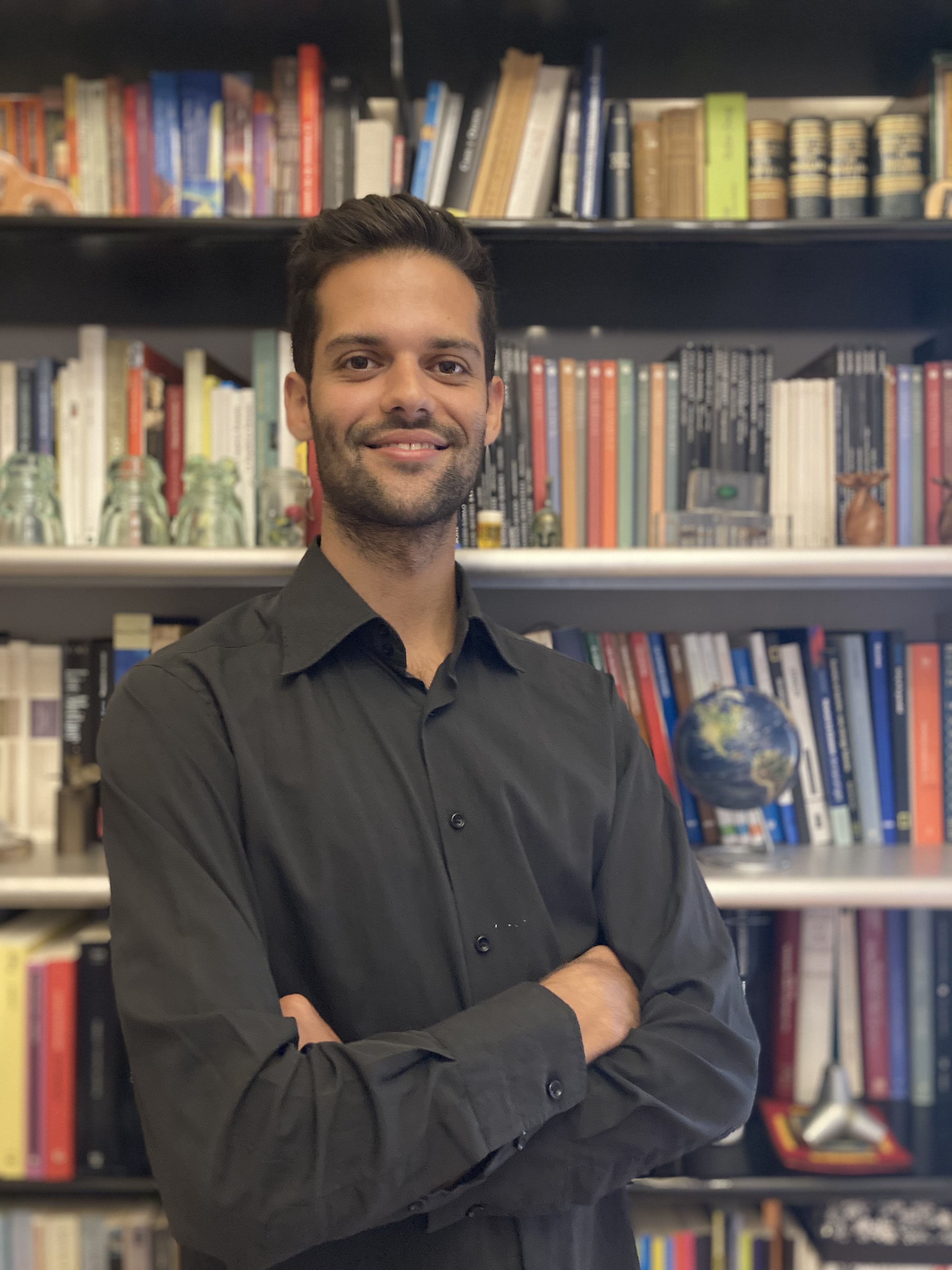
Tomás de la Rosa completed his doctorate in neuroscience at Federal University of São Paulo (Brazil) and is now a postdoctoral fellow at neuropsychopharmacology research group at the University of Cadiz (Spain). From his biological background, he also brings a particular interest in the philosophical and sociological dimensions of neuroscientific research, through the lens of critical and decolonial theory.

What is your article “Necropolitics of Death in Neurodegeneration” about?

Neurodegenerative diseases are becoming more common as the global population ages, posing significant challenges for medicine. These diseases are progressive, long-lasting, and often lead to higher death rates. Research and medical practices are often influenced by power and politics, which can impact patient care. Drawing on ideas from philosophers Foucault and Mbembe, our article examines how aging, neurodegeneration, and death are managed. We argue that power dynamics shape the way knowledge about these diseases is produced, often overlooking the role of mortality. We also highlight the impact of colonialism on this knowledge, emphasizing its importance when considering death in these contexts.

Tell us a little bit about yourself and your research interests.

My primary training and research have focused on neuroscience and animal models of neuropsychiatric disorders. However, despite my background in basic biological and experimental research, I have been interested in the sociological and epistemological aspects of our laboratory practices since my PhD. It was during this time that I began to conceptualize a project exploring the politics of neurodegeneration.

What drew you to this project?

During my thesis in the neuroscience department at Universidade Federal de São Paulo, I studied cardiac and respiratory functions in an animal model of Parkinson’s Disease. The main goal was to explore the connection between neurodegenerative processes and these vital functions. This idea stemmed from epidemiological observations of increased sudden cardiac death in this population, an issue often neglected in neurological research. At that time, I began to familiarize myself with the work of Nikolas

Rose, who explores the politics of modern biotechnology. His work inspired me to investigate the formation of the discourse around neurodegeneration, from in vitro studies to clinical practice and broader societal implications.

What was one of the most interesting findings?

One of the most intriguing findings was the contrast between biopolitical and necropolitical deployments within biomedicine, highlighting different individuals and discourses. This phenomenon is not exclusive to neurodegenerative diseases or neurology. Through our study, we observed how some biopower mechanisms, designed to increase life expectancy, are developed within the same epistemological biomedical framework and spaces, such as hospitals, as necropower mechanisms aimed at erasing certain populations. In our view, this heterogeneous nature of power reflects the territorial and social organization and governance in liberal and colonial societies.

What are you reading, listening to, and/or watching right now?

I am currently immersed in Ana Maria Gonçalves “Um defeito de cor.” It offers a profound exploration of the Brazilian experience of slavery, told not through official historiography but through the perspective of an African woman searching for her long-lost son. This narrative exemplifies storytelling from the periphery, a theme we emphasize in the final section of our article.

If there was one takeaway or action point you hope people will get from your work, what would it be?

Recognizing how biomedical technologies are developed and articulated within a monolithic narrative of health and disease, that is necessarily incomplete and partial. A decolonial turn may help us decenter this narrative and include new ways of knowing and doing, accordingly to the multiple ways of being that exist.

Other places to connect:
Website

Twitter

Linkedin