
The next few months we’ll be highlighting authors who have published in Culture, Medicine, and Psychiatry.
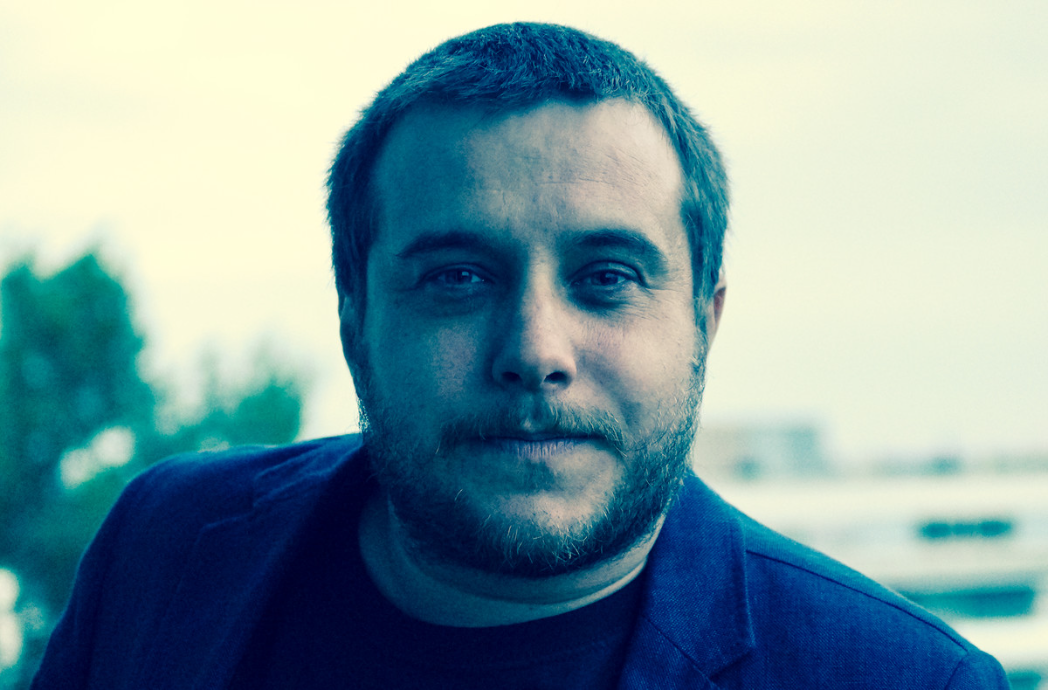
Shai Satran is a Postdoc at MIT in the program of Science, Technology, and Society. His research lies at the intersection of Anthropology, Psychology and Technology. His dissertation, Couch to Keyboard: Patients, Labor and Data in the Age of Psychotherapy Automation, is an ethnography of computerized therapy, its development and its dissemination in Israel’s public mental health system. He is also trained as a psychotherapist.
What is your article “From Craft to Labor: How Automation is Transforming the Practice of Psychotherapy“ about?
My article is about a novel form of therapist-assisted computerized therapy and how it is changing the ways in which therapists do psychotherapy. I argue that computerized therapy introduces what is a major change to how psychotherapy is conducted, namely, that it constitutes a shift in psychotherapy’s status as a profession, from craft to labor. I use these terms in the Marxist sense, but basically what I mean to say is that therapists today usually still retain a very high level of control over the content and form of their therapeutic work, and that this is now changing in significant ways. I detail how computerized psychotherapy’s ‘division of labor’ is minimizing the control and influence of the therapists conducting therapy, while introducing a new and powerful level of management, and potentially degrading therapists’ status – but, and this is important, that it is also potentially of real value for patients.
Tell us a little bit about yourself and your research interests.
I was trained as a psychotherapist in Israel, and as a trainee I began practicing therapy. At a certain point I understood that I might find therapy more interesting to think about than to actually do, and decided to pursue a PhD through which I would be able to think deeply about issues related to psychotherapy. I think psychotherapy is fascinating and in my eyes still mysterious; how does it work? What is actually happening there? Beyond psychotherapy I have an interest in technology and its seemingly ever-growing role in our everyday life, dreams and fears.
What drew you to this project?
In one of the monthly seminars in the public clinic in which I was practicing, a psychology professor came to introduce a digital ‘gamified’ therapeutic app he developed as a supplement to face-to-face therapy. He presented the app, and a plethora of accompanying empirical evidence of its efficacy. After the lecture was over and the professor left, the head psychologist asked who would like to use the app with their patients. Over thirty therapists in the room, and not one raised their hand. I remember thinking “well, that’s interesting!”
What was one of the most interesting findings?
One thing that I found interesting, and this really came from ‘the field’ and not at all something that I expected to encounter, was the disparity in the experiences of computerized therapy between patients and therapists. While patients’ reactions were mixed of course, many of them describe the course of online therapy as a very positive, and beneficial, experience. Therapists, on the other hand, recognized the utility of this therapy but invariably described the experience as unfulfilling, and emphasized how they do not want to continue working as online therapists. I have come to realize that this gap between the experience of ‘service providers’ and ‘customers’ has become exceedingly common (e.g. Amaozn), and is in itself indicative of neoliberal trends and the professional shift I describe in the article.
What are you reading, listening to, and/or watching right now?
Unfortunately, I barely read for fun anymore! My next research project is a history of computer scientist Joseph Weizenbaum and his ELIZA computer program (1966) which famously impersonated a Rogerian (Carl Rogers’ client centered therapy) psychotherapist. So, I am reading through some of the seminal early texts of artificial intelligence; the things I imagine Weizenbaum must have been reading back then…
If there was one takeaway or action point you hope people will get from your work, what would it be?
That it would be a mistake to blindly vilify technology while romanticizing face to face interactions. I can understand, and even relate to, a certain disdain for the very idea of automating psychotherapy, but I think its worth remembering two things: First, there are real world constraints to providing quality care at scale and that different things work for different people. While many people may need a human relationship and a face to face encounter to experience positive change, others might actually do well with less than that. Second, not all in-person therapy is good therapy. Some of the patients I met during my research actually arrived at computerized therapy in order to avoid a face to face encounter with a therapist. It is painful but important to acknowledge that the very worst things that happen in therapy (malpractice, emotional abuse or sexual assault), even if they are rare, happen in face to face therapy.
Other places to connect:





 Culture, Medicine, and Psychiatry