
The following article is part of the Culture, Medicine & Psychiatry March 2024 special issue, “Student Experiences of Covid-19 around the Globe: Insights from the Pandemic Journaling Project” which is guest edited by Heather M. Wurtz, Katherine A. Mason, and Sarah S. Willen.
This special issue explores how the Covid-19 pandemic has impacted the mental health and wellbeing of high school and college students in diverse locations around the world. The collection analyzes data collected by the Pandemic Journaling Project, a combined research study and online journaling platform that ran on a weekly basis from May 2020 through May 2022, and from complementary projects. Contributions draw on a range of data including PJP journal entries, semi-structured interviews with PJP participants, autobiographical writing by students, and conversations about engagement with PJP in classroom and community-based settings. This week we feature a brief blog post by the authors of “Cultivating Voice and Solidarity in Times of Crisis: Ethnographic Online Journaling as a Pedagogical Tool”.
This article is by:
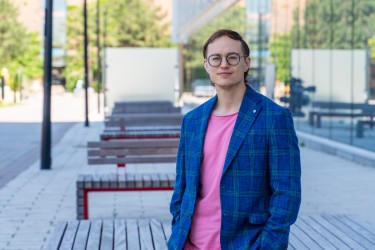
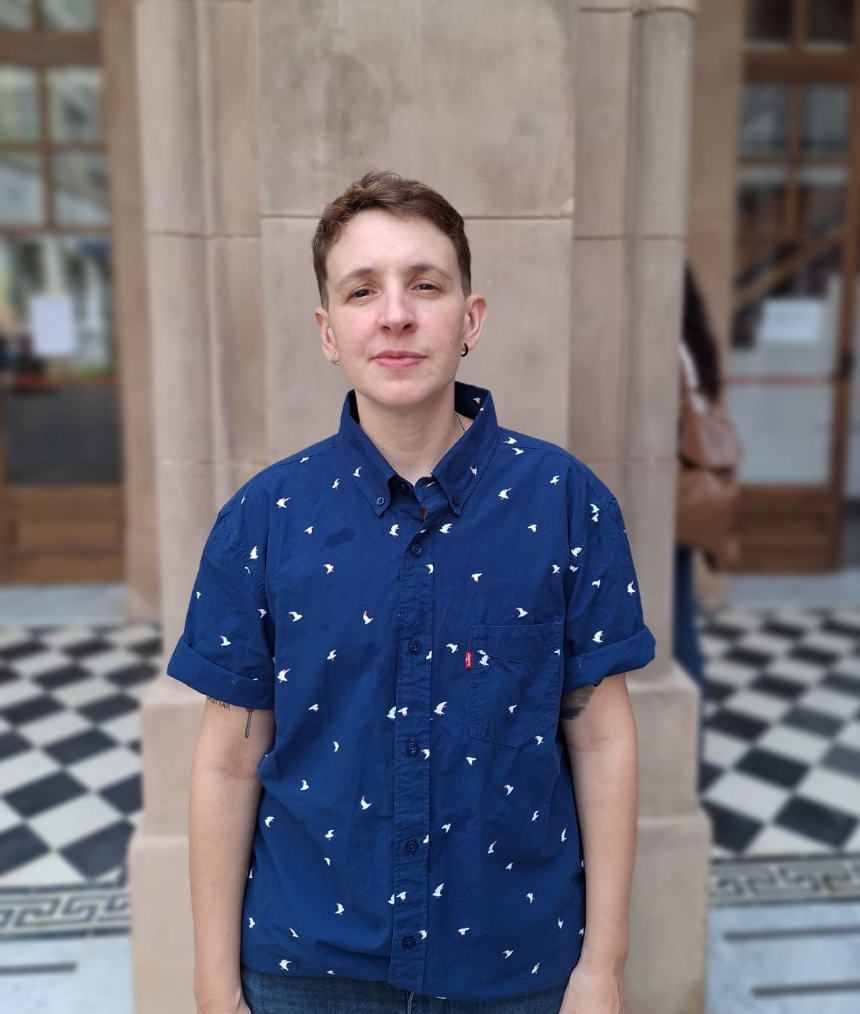
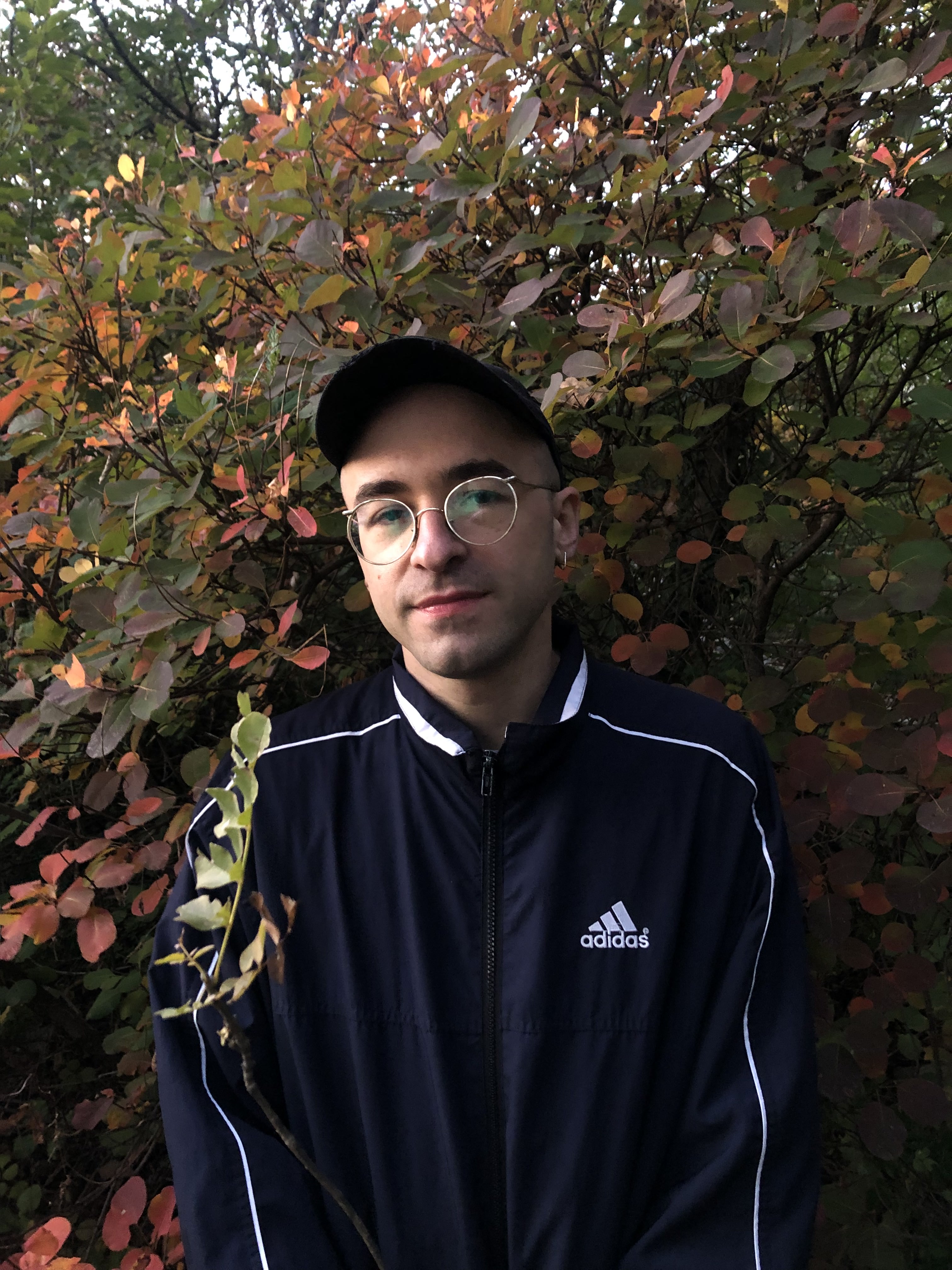
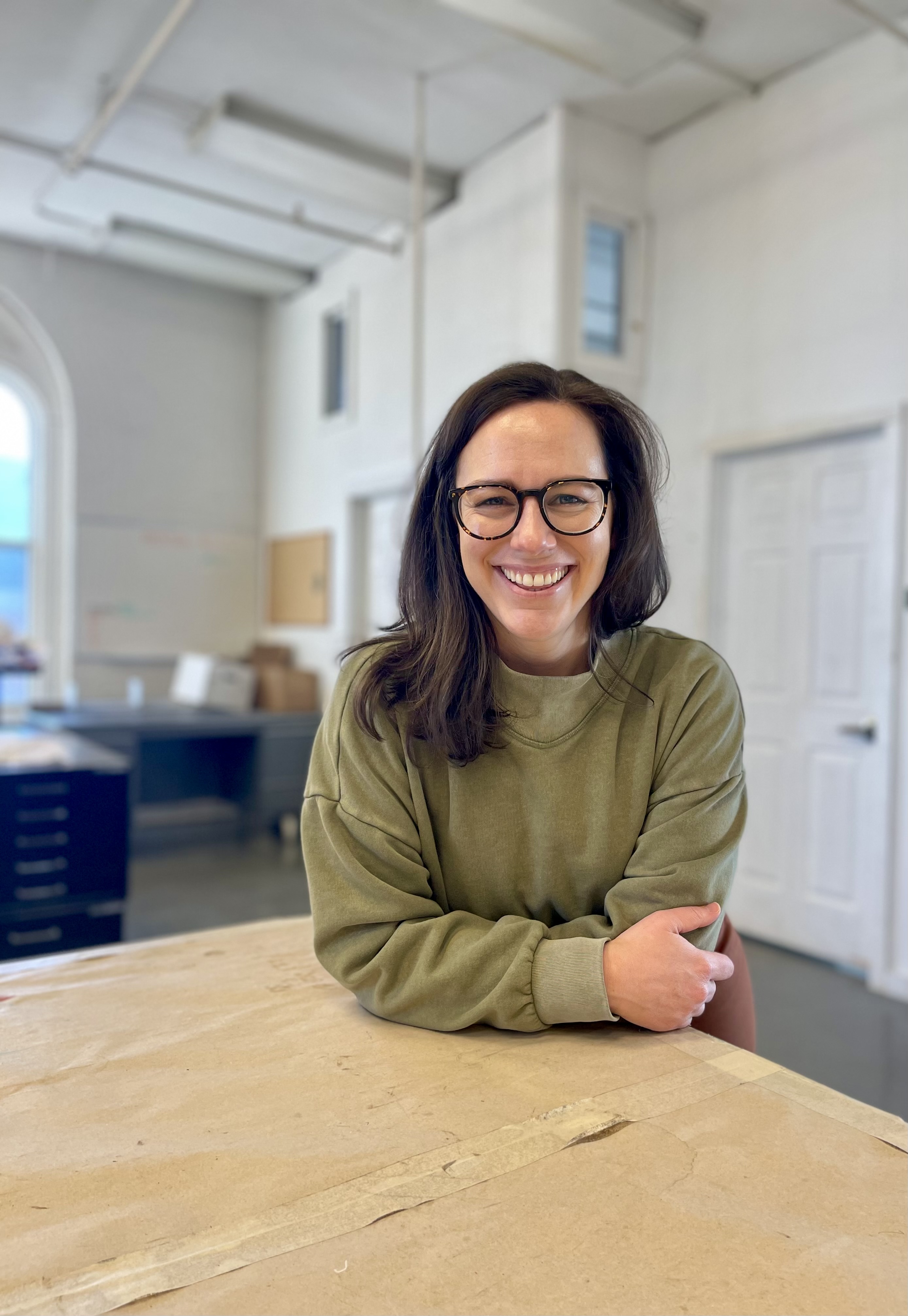
Sarah S. Willen, Associate Professor of Anthropology, University of Connecticut
Kristina Baines, Associate Professor of Anthropology at the City University of New York (CUNY) Guttman Community College and affiliated faculty at the CUNY Graduate School of Public Health and Health Policy
Michael C. Ennis-McMillan, Associate Professor of Anthropology at Skidmore College
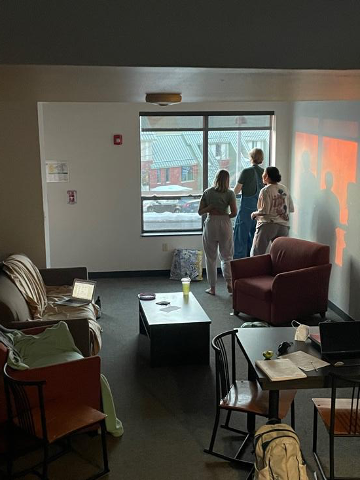
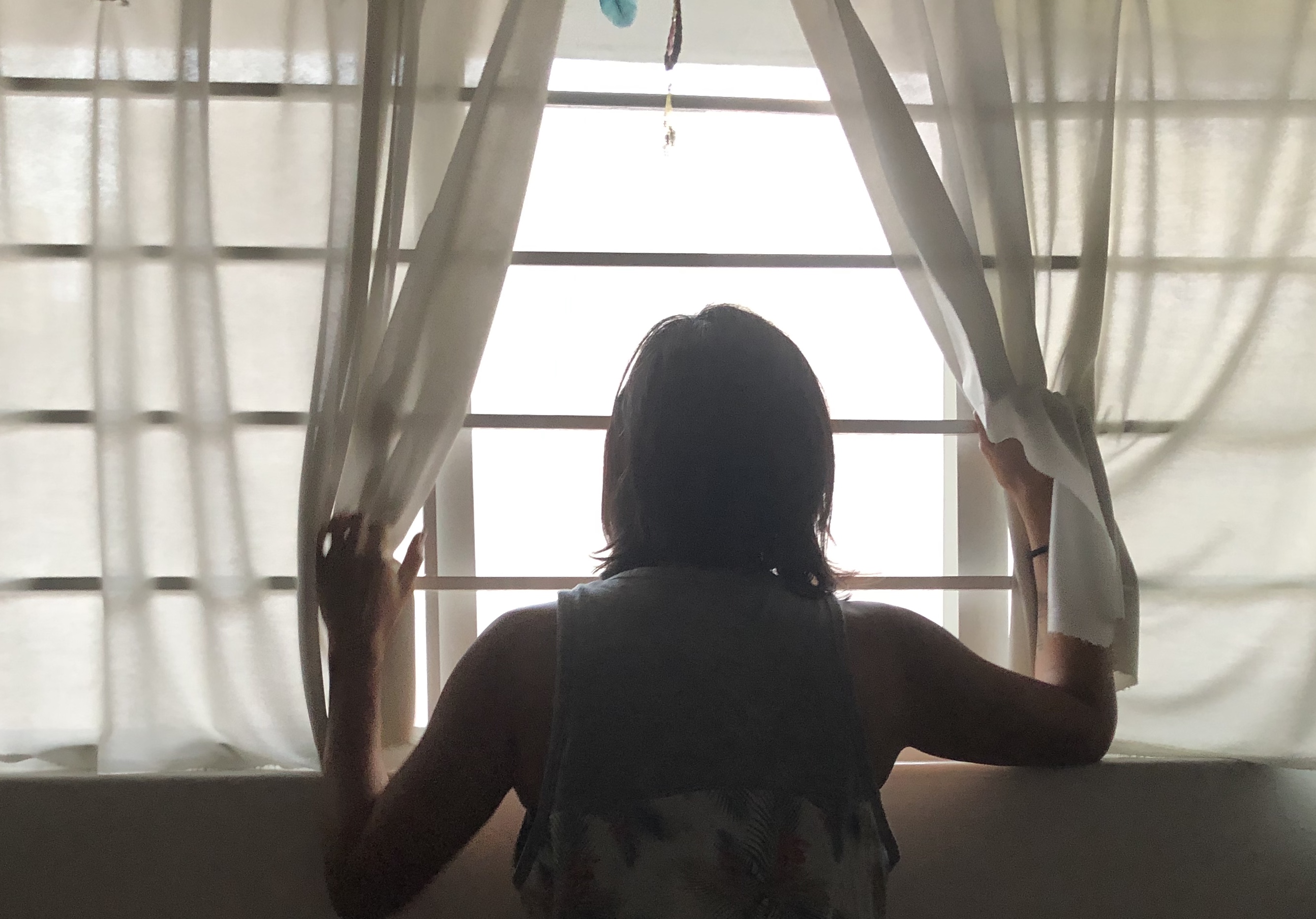
Photo 1: Skidmore College students, isolated in quarantine, viewing campus activities from a window (2022).
What is your article “Cultivating Voice and Solidarity in Times of Crisis: Ethnographic Online Journaling as a Pedagogical Tool” about?
In our piece, we discuss how online journaling – in general, and using the Pandemic Journaling Project (PJP) platform in particular – became useful for teachers and students at the height of the COVID-19 pandemic. Our essay synthesizes a series of conversations among three educators who specialize in medical anthropology: one of PJP’s co-founders and two anthropology faculty who taught with PJP in multiple classes at their respective institutions. We show how PJP gave students a chance to use ethnographic approaches to document their pandemic experiences – not just for themselves, but also as a forward-looking form of “archival activism.” At a time when participant-observation and other traditional teaching strategies had become impossible, PJP helped students learn from, connect with, and think critically and analytically about the pandemic experiences of people who were both similar to and also very different from them.
Tell us about how this project came to fruition.
After learning that both Kristina and Michael had begun teaching with PJP, Sarah brought the crew together for a sustained conversation that started with one-on-one conversations, followed by an online panel about the pedagogical value of online ethnographic journaling (at the 2021 Society for Applied Anthropology Annual Meetings) and eventually the three-way dialogue that became this co-authored essay.
What was one of the most interesting findings?
We were struck by the ways in which ethnographic journaling can help students appreciate what it means to bring your “whole self” to your ethnographic work – and how doing so can create new forms of data and insight, challenge mainstream misconceptions, help ease distress, and even – in some instance, have therapeutic benefit. Students documented a range of critical and creative pandemic responses that broaden understanding of a global health emergency.
Who might be interested in reading your piece?
We expect that anyone who lived through the first years of the COVID-19 pandemic, and especially people who were either students or educators (or both) during that time, will see aspects of their experience reflected in the piece. We hope that students who read it will come away with a better understanding of how much teachers scrambled to understand students’ experiences, connect with their students, and teach well under extraordinarily difficult circumstances. And we hope that educators who read the piece, especially those in anthropology and other qualitative social sciences, will see how online ethnographic journaling can serve as a valuable teaching and learning tool and that students’ voices offer valuable contributions to studies of pandemics.
If there was one takeaway or action point you hope people will get from this work, what would it be?
We recognize that lots of people don’t want to think about COVID anymore, or think about it right now. But when you are ready to think about it, we think our piece can offer useful insights on the value of online journaling in classroom settings. We also think it can help folks see the value of bringing PJP’s searchable Featured Entries page into your own teaching and learning experiences. In addition, our article will orient future scholars now that the PJP archive (housed at the Qualitative Data Repository) is open to external researchers.

 Culture, Medicine, and Psychiatry