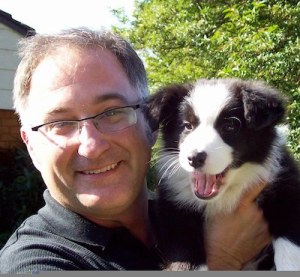
Interview With Dr. Fahimeh Mianji

The next few months we’ll be highlighting authors who have published in Culture, Medicine, and Psychiatry.

Fahimeh Mianji (Ph.D., R Psych) is a transcultural clinical psychologist and global mental health researcher in the Division of Social and transcultural Psychiatry, McGill University. Dr. Mianji’s research is on globalization of American psychiatric diagnoses and treatments; sociocultural, structural, and political determinants of mental illness; and access and barriers to mental health services for refugees and immigrant populations. As a clinical psychologist, she currently works with minoritized populations in Quebec and British Colombia.

What is your article “Women as Troublemakers”: The Hard Sociopolitical Context of Soft Bipolar Disorder in Iran” about?

Despite the promising trend of women’s health in Iran over the past four decades, there is still a significant difference between women and men with respect to mental, physical, and social health. Among women’s burden of disease, psychological disorders ranked first in this country. We used multi-sited focused ethnography and archive analysis to explore the sociocultural and political dynamics of the over-use of bipolar spectrum disorder (BSD) diagnosis among women in Iran. The dominant biological psychiatry system in Iran has led many psychiatrists to frame sociopolitically and culturally rooted forms of distress in terms of biomedical categories like soft bipolarity and to limit their interventions to medication. This bioreductionist approach silences the voices of vulnerable groups, including those of women, and marginalizes discussions of problematic institutional and social power. To understand the preference for biomedical explanations, we need to consider not only the economic interests at play in the remaking of human identity in terms of biological being and the globalization of biological psychiatry, but also the resistance to addressing the sociocultural, political, and economic determinants of women’s mental suffering in particular contexts.

Tell us a little bit about yourself and your research interests.

I am a clinical psychologist and global mental health researcher. My clinical work is influenced by my training in transcultural psychiatry at McGill university where ecosocial, anti-oppressive, and community-based perspectives to individual’s mental wellbeing are promoted in both research and clinical domains. My published works focus on the vicissitudes of Bipolar Spectrum Disorder diagnosis and treatment in Iran, medicalization of women’s social and political conflicts in Iran, and cultural and linguistic barriers to access mental health services among refugees and immigrants in Quebec.

What drew you to this project?

When I was a psychology graduate student from 2006 to 2008, I noticed that my psychiatry and psychology professors and colleagues spoke passionately about finding features of “bipolarity” in their patients. And, over the subsequent few years, this diagnosis has become so common that a group of psychiatrists who disagreed with the dramatic increase in bipolar diagnosis started calling their colleagues, “bipolar-minded” psychiatrists. The term “bipolar-minded psychiatrist”—that is, a psychiatrist who looks at everyone through bipolar glasses—has become a popular professional label in Iran. It was at about the same time that I noticed a related jargon of “bipolarity” was being used by friends and families as well. But in this case, it was more than just talking about their bipolarity as a metaphor for emotional ups and downs; it was lay people, mostly women, talking about taking mood stabilizers and antipsychotic medication as easily as taking acetaminophen for the common cold! It appeared the professional embrace of bipolarity was penetrating far into society to affect everyday discourse about emotional distress and the ways that people handled such problems. So, in a way, my first idea for this study came from my experience as trainee in psychology and an observer of the ongoing emergence of new psychiatric disorders. Since then, I have developed a broader interest in the anthropology of psychiatry and in the cultural analysis and critique of the institutions and practices of psychiatry itself.

What was one of the most interesting findings?

To me, understanding how psychiatric institutions can collude with the political and ideological agendas in oppressing voices (particularly youth’s and women’s) that confront the sociocultural and structural factors involved in the violation of individual’s rights and freedom was an interesting finding of this study.

What are you reading, listening to, and/or watching right now?

In the past two months, I have spent most of my spare time on reading and watching how young women and youth in Iran are using their great energy of injustice anger to break down the walls of a patriarchal and oppressive state; and how these people enact their agency through repositioning their bodies in a society where the state has practiced his power through controlling women’s bodies for over four decades. The videos and stories of the current feminist revolution in Iran as well as people’s resistance and hope are great means for reorienting my research and clinical knowledge, my values, and my first-hand experiences as a woman who had to work hard to protect her beliefs over “knowing what she knows” in the context of a patriarchal and oppressive political, social, and cultural climate in Iran.

If there was one takeaway or action point you hope people will get from your work, what would it be?

As mental health clinicians and researchers, we must not forget that our responsibility is to be invested in truth and to protect our patients from the social, cultural, and structural defects instead of colluding with the rigid and oppressive institutions through normalizing and individualizing such defects which affect people’s wellbeing on different levels.


Interview with Mattias Strand

The next few months we’ll be highlighting authors who have published in Culture, Medicine, and Psychiatry.

Mattias Strand, M.D. Ph.D, (Region Stockholm & Karolinska Institutet) is a post-doctoral researcher at the Centre for Psychiatry Research at the Karolinska Institute and senior psychiatrist at the Transcultural Centre in Stockholm, Sweden. His main research areas are cultural psychiatry, medical humanities, trauma, and eating disorders.

What is your article “Could the DSM-5 Cultural Formulation Interview Hold Therapeutic Potential? Suggestions for Further Exploration and Adaptation Within a Framework of Therapeutic Assessment about?

Our paper is about the so-called Cultural Formulation Interview (CFI) in the DSM-5, which is a person-centered clincial tool for assessing and discussing the importance of cultural issues in health and illness with your patient—a kind of “mini-ethnography” if you will. In the paper, we discuss how the use of the CFI could be further developed by applying a Therapeutic Assessment approach. In brief, Therapeutic Assessment is a collaborative approach to psychological assessment in which the assessment procedure itself is meant to induce therapeutic change. This is achieved by explicitly focusing on the particular questions and queries that patients have about themselves with respect to their mental health or psychosocial well-being, rather than on those issues that the clinician is primarily interested in. We do not offer any definitive answers on how to integrate these models but hope to further the discussion of a therapeutic potential of the CFI.

Tell us a little bit about yourself and your research interests.

I am a psychiatrist and a postdoctoral researcher based in Stockholm, Sweden. I work at the Transcultural Centre, which is a public health resource centre for issues related to migrant health and cultural psychiatry run by Region Stockholm. Before that, I worked for many years as a psychiatrist at the Stockholm Centre for Eating Disorders, which is one of the largest specialist services for eating disorders in the world. Eating disorders are still very much a main focus of my research—my postdoctoral work is about eating disorders in migrant populations and experiences in treatment in these groups.

What drew you to this project?

I was actually introduced to the Therapeutic Assessment framework by a patient of mine a few years ago, and although I am certainly not an expert in that field I see clear similarities to the concept behind the Outline for Cultural Formulation and the CFI in the DSM-5 that I thought would be interesting to explore.

What was one of the most interesting findings?

To me, one of the most interesting similarities between the CFI and Therapeutic Assessment that we stumbled upon in our exploration is that they both start from what we call a “second-person perspective”, in contrast to a narrative first-person perspective or a supposedly obejctive third-person clinician perspective. The second-person outlook acknowledges that in any clinical encounter, or pretty much any situation in which there are two or more people involved, there are inherent limits to how much we can understand about ‘‘the Other’’—100% empathy can never be achieved.

Rather than mere analogy between the world of the clinician and that of the patient, this perspective presupposes difference that cannot fully be overcome. Importantly, however, instead of resignation, these limits of empathy call for greater efforts in jointly exploring the patient’s world and co-constructing meaningful understanding. All of this may perhaps sound self-evident, but in my experience it is very rarely an explicit starting point in psychiatric assessment.

What are you reading, listening to, and/or watching right now?

I am reading an old Swedish book on icons in the Russian Orthodox church. I am mostly watching various rock climbing videos on YouTube and trying to catch at least one movie at the Stockholm International Film Festival this month.

If there was one takeaway or action point you hope people will get from your work, what would it be?

I would hope that the fields of cultural psychiatry and Therapeutic Assessment, which are now fairly distant, could learn from each other. Not least, there are a lot of case studies describing the use of Therapeutic Assessment in situations in which the cultural backgrounds of the patient and the therapist differ in important ways, and I just wish that therapists working within a Therapeutic Assessment framework would also discover the CFI and incorporate it as part of their toolbox.

Thank you for your time!


Other places to connect:
Website
Transkulturellt Centrum
LinkedIn

Interview with Mar Rosàs Tosas

The next few months we’ll be highlighting authors who have published in Culture, Medicine, and Psychiatry.

Mar Rosàs Tosas is a full-time lecturer at Blanquerna School of Health Sciences at Ramon Llull University, Barcelona, Spain.

She specializes in how illness narratives are shaped by (and reproduce) mainstream economic, political and cultural logics at stake in that context. She previously coordinated the research on applied ethics of Ethos Chair (Ramon Llull University, Barcelona, 2014-2022) and was the editor in chief of its Ramon Llull Journal of Applied Ethics, was a full-time lecturer at the Department of Romance Languages at the University of Chicago (2012-2014), and held a doctoral scholarship at Pompeu Fabra University (Barcelona, 2008-2011).

What is your articleInterrupting Patients in Healthcare Settings: What is Being Interrupted?about?

Scientific literature since the 1980s examines the phenomenon of healthcare professionals interrupting patients: at which second patients opening expositions are interrupted and how long they take if unrestrained. Although the goal of this literature is strictly numerical—determining interventions’ length—, it reveals several its authors’ views and preferences. Our discourse analysis reveals, first, that, often in between the lines, this literature suggests reasons for letting patients speak freely and tries to dismantle the myth of the overly-loquacious patient. Second, by turning to some philosophical inquiries into the notion of ‘‘interruption,’’ we explore how, within this literature, the ultimate reason for interrupting patients and silencing several of their concerns is often the fear of a certain medical logic being interrupted—a logic that dates back to Vesalius and Bichat, and that informs nowadays biomedicine: patients’ speech is valuable as long as it contributes to a diagnosis in the form of the identification of an underlying tissue damage. This literature presents the interruption of patients as a device of claiming power on the part of an eminently biomedical approach to illness. The paper provides further reasons for not interrupting patients proposed by the biopsychosocial model, ‘‘narrative medicine,’’ and anthropologists who study the functions of illness narratives.

Tell us a little bit about yourself and your research interests.   

I specialize in how illness narratives are shaped by (and reproduce) mainstream economic, political and cultural logics at stake in that context. I hold a PhD in Philosophy in the role that the Jewish messianic tradition plays in philosophy of Jacques Derrida and other contemporary philosophers, such as Rosenzweig, Lévinas, Taubes, Agamben, Badiou, and Zizek.

What drew you to this project?

The frequency with which patients complain that physicians do not listen to them, as well as the training physicians receive to conduct patients’ interviews (which, in my view, all too often does not allow them to become better listeners, but worse listeners).

What was one of the most interesting findings?

 My review of the existing literature since the 1980s on how and why patients are interrupted allows us to conclude that there have been no major changes since then: even those who advocate for listening more to patients seem to suggest that this extra attention is necessary in order to guarantee that the healthcare professional does not miss any ‘‘useful’’ information for diagnosis or in assessing the effect of a previously prescribed treatment. This clashes with the trends in medical humanities in the last four decades that value patients’ speech and narrative for several reasons beyond the contribution to a diagnosis. Within this literature, the ultimate reason for interrupting patients and silencing several of their concerns is often the fear of a certain medical logic being interrupted—a logic that dates back to Vesalius and Bichat, and that informs nowadays biomedicine: patients’ speech is valuable as long as it contributes to a diagnosis in the form of the identification of an underlying tissue damage.   

What are you reading, listening to, and/or watching right now?

The last book that I read was Idaho by Ruskovich.

If there was one takeaway or action point you hope people will get from your work, what would it be?

Don’t be afraid to listen to everything your patients want to say. Your schedule will not collapse. And your work will be clinically and morally better.

Thank you for your time!


Interview With Sydney M. Silverstein

The next few months we’ll be highlighting authors who have published in Culture, Medicine, and Psychiatry.

Sydney Silverstein is an Assistant Professor at the Center for Interventions, Treatment, and Addictions Research/Department of Population & Public Health Sciences, Boonshoft School of Medicine. She is an anthropologist and filmmaker with a mixed-methods, multimedia research practice. Her scholarship explores the diverse social worlds that come together around the production, circulation, and use of illicit drugs. She conducts research in both Peru and North America.

What is your article “‘Visualizing a Calculus of Recovery: Calibrating Relations in an Opioid Epicenter” about?

This article uses participatory visual methods (photo elicitation) to explore barriers to, and motivators for recovery from drug addiction among a group of people with opioid use disorder living in Dayton, Ohio, an epicenter of overdose death.

Tell us a little bit about yourself and your research interests.

I came to anthropology later in life – I was nearly 30 and working full-time at a non-profit when I took my first anthropology class at a community college. But after that I was hooked! I have pretty diverse research interests, but mostly I love the research practice of being an anthropologist. Being employed at a medical school—and often the only person advocating for qualitative, let alone ethnographic methods to be incorporated into research design—I have only come to appreciate my training more. For me, there is no substitute for the holistic approach that anthropology brings to studying the human experience.

What drew you to this project?

I got interested in this project because I was trying to carve out a space for my visual and ethnographic research praxis amidst my work on a study that was much more straightforward public health. As an anthropologist, I often felt limited by the kinds of insights I could gather from a one-time qualitative interview. I was constantly trying to figure out ways to develop relationships I was building with participants in the longitudinal, federally funded study that I had been hired on to as the project ethnographer. I thought that the photo-elicitation project would be a good excuse to follow up with some of the study participants that I found interesting and learn more about their worlds.

Another special thing about this project is that my co-authors included three undergraduate students who worked with me as part of a virtual internship over the Summer of 2020. Because I work in a medical school, I don’t often have contact with undergraduate students, but when COVID hit I saw a post from a colleague asking if anyone new of virtual internship opportunities for students who were now unable to complete their summer plans due to the pandemic. So, I created one, and very much enjoyed collaborating with these outstanding and highly motivated students even though we have not, to this day, ever met IRL!

What was one of the most interesting findings?

The profound ambivalence of things in the context of recovery. For instance, I have heard people tell me how their children have been a huge motivator in their recovery, but just as often (perhaps more) participants described how a deep sense of shame over losing custody of their children kept them in their addiction. Same with money. In early stages of recovery, participants described feeling helpless when they did not have enough money to buy a bus pass to get to work, or pay rent, but others told me that they were petrified to start earning money, and especially to have cash in their pocket, lest they get the urge to use and have the resources to do so.

What are you reading, listening to, and/or watching right now?

I keep track of the all the books I read each year on the last page of my planner, so my book list is available upon request – ha! One of my favorite books that I read this year is called Hostal Amor, by Cayo Vásquez, although this may only appeal to those who have spent time in the beautiful city of Iquitos. I have a long commute, so I listen to a lot of podcasts—All the Smoke, Radio Ambulante, El Hilo, Fresh Air, Ear Hustle, and Mad in America are in the heavy rotation.

As for moving pictures, I just finished the last season of Atlanta and am kind of at a loss for what to watch next. I think that the third season of Atlanta (when Paper Boi is on tour in Europe) was some of the best TV I have ever seen. For now, I’m mostly watching NBA basketball. It is frustrating because I have League Pass, which lets me watch all the games except the ones that are broadcast locally, but my local team (the Cavaliers) are really, really good. But I refuse to get cable just to have Fox Sports!

If there was one takeaway or action point you hope people will get from your work, what would it be?

Just how hard and all-encompassing recovery can be. I think that this is not unique to recovery from addiction, but there are consequences that people who use drugs suffer more so that people dealing with other kinds of chronic illnesses. For instance, the fact that so many people who use drugs over a long period of time end up entangled in the criminal justice system makes recovery about a lot more than reckoning with one’s relationship with a substance. Many times, you are also trying to navigate the world with a felony on your record, a wrecked credit score, no employment history, etc. It’s just a lot to deal with, and I think it is hard to understand unless you have direct experience. And treatment centers don’t often help with this. Their goal is to help an individual stop using drugs, but recovery is much more than that. The good news is that there is a growing movement to incorporate peer supporters—individuals with direct, lived experience—into treatment and recovery systems, which I think is a step in the right direction. Shout out to all the amazing peer supporters in Montgomery County who have given me hope during dark times.


Other places to connect:
Wright State University

Interview with Ronita Mahilall and Leslie Swartz

The next few months we’ll be highlighting authors who are in the December 2022 issue of Culture, Medicine, and Psychiatry.

Dr. Ronita Mahilall is a PhD at Stellenbosch University, the CEO of St Luke’s Combined Hospices and a Research Fellow at NIH, Clinical Centre, Bethesda, Maryland, USA.

Professor Leslie Swartz is a Distinguished Professor of Psychology at Stellenbosch University and Editor-in-Chief at both the Scandinavian Journal of Disability Research and the South African Journal of Science.

What is your articleI am Dying a Slow Death of White Guilt’: Spiritual Carers in a South African Hospice Navigate Issues of Race and Cultural Diversityabout?

This article focuses on the complex and painful question of whiteness in relation to spiritual care in a diverse country.  We show that volunteer spiritual counsellors working at a hospice in Cape Town, South Africa are acutely aware of and sensitive to issues of diversity and privilege when engaging with clients from a range of backgrounds. Though South Africa has been a nonracial democracy since 1994, the long shadow of apartheid and continuing inequality profoundly affect contemporary palliative care.  Our participants discussed the ways in which they work to create common ground and inclusion, but also how they acknowledge and continue to struggle with challenges related to difference and privilege. In health care work, cultural competence is commonly trumpeted as the solution to working with difference and inequality; our participants show that the issues are not just questions of competence or knowledge but include deeply felt emotional responses to inequality.

Tell us a little bit about yourself and your research interests.

Ronita Mahilall: I am a social worker by training and my career trajectory focused on health and disability. I am the Chief Exec Office of St Luke’s Combined Hospices (SLCH) and came to this work with an established and personal interest in spirituality. Reviewing the palliative care programmes and interventions that are offered by the Inter-Disciplinary Team (IDT) at SLCH, I have noted a significant absence of formal guidelines that shape spiritual care interventions. For a long time in my organization there was a felt need to develop a national spiritual care curriculum which I learned from many discussions with members of the IDT, and with hospice management. This led me to ask the questions: what are the current spiritual care practices within hospice palliative care settings in SA? What are the spiritual care training needs of hospices in SA? Is there a need to develop a national curriculum for spiritual care intervention? To ask those questions, I needed to establish if there is in fact an appetite, wider than expressed at SLCH, for such a curriculum. 

Leslie Swartz: I have spent much of my career thinking about the politics of culture and mental health, and about access to services and participation by people who are marginalized.  One of the first articles I ever published, in 1985, was on race, politics, and mental health care in apartheid South Africa – this was my first publication in Culture, Medicine and Psychiatry.  There is for me a direct line from that publication of 37 years ago to this article, in which we show that the concerns I raised in the apartheid context have not magically disappeared with the end of apartheid. For me, one thing which tends to distinguish South African mental health researchers from those from countries in the global north, is how embedded we are in thinking about racial and class privilege and how this affects every aspect of our work, including work we do to change things for the better

What drew you to this project?

Ronita Mahilall: My fascination with spirituality was heightened after the loss of my beloved husband and son in 2007; five months apart from each other. While they did not suffer from any longstanding terminal illness, having experienced such deep losses left me questioning life, and death, and the after-death phenomenon. Being a devout Hindu, I am also a believer in reincarnation; yet I found that religion alone did not provide me with the broader existential answers I was seeking. With that as a backdrop and having joined St Luke’s Combined Hospices (SLCH) as CEO, I was introduced more meaningfully to palliative care work, and more in-depth to the spiritual care services offered. I was struck by the scale and scope of the spiritual care services on offer. I was somewhat saddened that, as I and others saw it, spiritual care was not recognised and prioritised as it deserved to be. I was impressed by the work of the spiritual care team at SLCH, and by the spiritual care services provided by other hospices in the Western Cape, and hospices throughout SA. I became interested in questions of why spiritual care services were not given the prominence and recognition that spiritual carers and others in my organization believed they deserved, as part of the overall palliative care service package. Through this research project, I set out to understand how spiritual care is practiced in hospices in SA and crucially if there is a need for a national spiritual care training curriculum. This was accomplished through a three-tiered study.

I was grateful to have in Leslie Swartz a supervisor who is not only an accomplished academic but someone who has an intimate knowledge and firsthand experience with and of death, dying and issues of palliative care and spirituality. Under his mentorship and guidance not only did I grow as an academic, but I also grew emotionally.

Leslie Swartz: This paper comes out of the PhD work of Ronita Mahilall, the first author. Ronita is CEO of the largest hospice organization in Cape Town. I became interested in palliative care through my experiences caring for my mother while she was dying. I have described these experiences in my memoir How I lost my mother (Wits University Press, 2021) – the hospice which Ronita heads was central in helping my family through this process, and after my mother died, I started doing bits of work for the hospice as a way of trying to pay back. Part of this was agreeing to supervise Ronita’s PhD. I honestly did not realise when I started working with Ronita that our work together would lead me back to considering the same issues of privilege and exclusion in health and social care which have preoccupied me throughout my career. I was very lucky to work with Ronita on this.

What was one of the most interesting findings?

Ronita Mahilall: Complex issues of privilege and power, and the emotional effects of these, do not disappear – they are with us always. We need to continually shine a light on these issues and unpack them as they present themselves. 

What are you reading, listening to, and/or watching right now?

Ronita Mahilall: Alice in Wonderland by Lewis Carroll. It’s my 8th read. I love how I take away something different each time I read it. Reading it now with the hindsight of my PhD work is almost like a spiritual journey to a form of wisdom and understanding and more critically I realize that my work on this subject is not over yet. I have accepted an offer to undertake a 2-year post-doctoral fellowship at National Institutes of Health, Clinical Center (NIH), Bethesda, USA where I seek to advance my work on this subject. This takes place in December 2022.   

Leslie Swartz: I have just started following a wonderful podcast called The Academic Citizen, curated by two South African academics, Nosipho Mngomezulu and Mehita Iqani (available on Apple Podcasts and elsewhere) – a fabulous example of science communication and centered academic citizenship – well worth checking out!

If there was one takeaway or action point you hope people will get from your work, what would it be?

Ronita Mahilall: Never think that difficult social problems are ‘solved’- everything is a complex and challenging work in progress!

Thank you for your time!


Other places to connect:
LinkedIn
St. Luke’s Combined Hospice

Interview With Hanna Kienzler

The next few months we’ll be highlighting authors who have published in Culture, Medicine, and Psychiatry.

Hanna Kienzler is Professor of Anthropology and Global Health at the Department of Global Health and Social Medicine and co-director of the ESRC Centre for Society and Mental Health at King’s College London. She investigates how systemic violence, ethnic conflict and complex emergencies intersect with health and mental health outcomes in the occupied Palestinian territory, Kosovo, and, among refugees, in the UK.

What is your article “SymptomSpeak: Women’s Struggle for History and Health in Kosovo” about?

My article contributes to a new understanding of pain as a shareable language. Fundamentally, I ask: Can we feel the pain of others? How does pain connect and reach across histories, gendered realities, and social politics? How is illness shaped by context, and what kind of life worlds rise from it? I explore these questions among women in Kosovo who use a unique symptomatic language to communicate their pain and suffering about the Kosovo War and post-war hardships. I call this language SymptomSpeak. SymptomSpeak consists of a detailed symptom vocabulary which women variously assemble to exchange concerns about their country’s recent violent past; current local, national, and international political and economic agendas; and dominant power hierarchies. Such exchanges are hard physical and emotional labour. They are exhausting as the language of pain intensifies and, thereby, materializes not only in the speaker’s body, but in the bodies of the listeners. In the article I show that pain straddles a fine line between socio-political commentary and illness; produces gendered political realities; and challenges the status quo through its communicative power.

Tell us a little bit about yourself and your research interests.

I completed my PhD in cultural and medical anthropology in the Departments of Anthropology and Social Studies of Medicine at McGill University in Montreal. My dissertation explored the impact of war and violence on women survivors of the Kosovo War. Conducting ethnographic research, I lived with a war widow and her children in Krusha e Made and observed and listened to women’s painful expressions as they unfolded in the everyday and were reflected upon by different groups of people including the women themselves, but also by other villagers, aid providers, and health professionals including traditional healers.

Later, I worked as a Postdoctoral Fellow in the Department of Psychiatry and the Psychosocial Research Division at the Douglas Mental Health University Institute at McGill University. This is when I began to conduct research on humanitarian and mental health interventions in fragile states with a particular focus on Kosovo and Palestine, and started a project to explore expressions of distress among torture survivors in Nepal. In 2012, I became Assistant Professor in the newly founded Department of Global Health and Social Medicine at King’s College London. I had the privilege to help build an entirely new department with colleagues from different parts of the world. I also built my own interdisciplinary research programme in the field of war and mental health.

In Palestine, I explore what it means for persons with severe mental illness to live and participate in their communities; wellbeing and access to education among young people with disabilities living in refugee camps; and the association between uncertainty and mental health. In the UK, I co-founded the Refugee Mental Health and Place network to better understand how the hostile environment affects mental health and wellbeing of refugees, asylum seekers and undocumented migrants. I also strengthen research capacity of mental health providers and researchers in the MENA region to contribute to efforts of building a locally driven and locally relevant evidence base.

On top of this, I am co-director of the ESRC Centre for Society and Mental Health where I work with inspiring colleagues to shift public debate about mental health away from a focus on individualised interventions, towards social practices and policies that promote and sustain good mental health in communities.

What drew you to this project?

There is a long story and a short story. The short story is that I had undertaken an internship with the International Committee of the Red Cross in Kosovo in 2004. I shadowed newly trained community mental health workers in the Peja region learning about the horrors of the Kosovo War, their impact on people’s lives and the long-term mental health consequences of violence and deprivation. I wanted to know more about how women expressed their distress in culturally resonant ways and how this led to particular help and health-seeking and evaluation of treatment. This then led me to do my PhD under the supervision of Professor Alan Young and Dr Duncan Pedersen and a long-term engagement with life in Kosovo that lasts until this day. The more personal story is less straightforward and career driven.

As part of my Master’s dissertation, I carried out ethnographic research among Hutterites in the US and Canada. Living on Hutterite colonies for over 6 months, I learned about historical trauma and its effects on community life, community longevity, and identity. This interested me considering that my own family carries a complex history of war and refuge, of perpetrating violence and losing everything. Growing up there was a lot of silence around certain issues and a demand to speak up in the face of injustice. Trying to make sense of these seeming contradictions and complexities was confusing and not easy. To this day, I am learning, slowly and carefully. Most of us who research war, trauma, and mental health don’t come to it from a purely scientific angle. There is always a personal story

What was one of the most interesting findings?

One of my most interesting and maybe important findings was that pain is not unspeakable. Pain itself is a means of communication that brings, in combination with other forms of articulation, complex truths to the fore. It incites memories and enables us to exchange stories. As part of my research, I began compiling lists of symptoms as they arose in conversations, situations and social interactions among women who had survived the Kosovo War. I jotted the symptoms down in notebooks and on scraps of papers before ordering them. The developing “inventory” was obviously fragmented, but it permitted me to shift my attention to the creative interpretation and use of symptoms as something else. Symptoms, I learned were connected to the status of widowhood, which was often experienced as oppressive leading to feelings of nervousness, worry, sadness and pain.

Yet, social and economic insecurities and family conflicts could be just as triggering for symptoms to surface. With time, I became to realize that symptoms were a communicative vehicle through which women connected inner and outer worlds and were able to make claims upon their listeners for recognition of their past and present hardship. It was through such symptomatic exchanges that new framings of the past and novel ways for engaging in the present moment could be created with the power to reveal both uncomfortable truths concerning social inequities, lack of communal support and failing political commitment and imaginaries for a better future filled with possibilities and prosperity. Accordingly, the women’s symptom lexicon was not just about personal trauma and hardship, but a vehicle through which to make visible what needs changing on familial, communal and political levels so as to rebuild their country in the aftermath of war.

What are you reading, listening to, and/or watching right now?

I always have a novel on the go. Right now, I am reading In the Ditch by Buchi Emecheta. It’s a semi-autobiographical account of a young Nigerian woman living with her children in the slums of North London sometime in the mid-1960s. It’s beautifully written. I just finished watching “Once upon a time in Iraq” on BBC iPlayer – the series shook me, so I am still processing. I am listening to Wheel of Misfortune – it’s very funny and makes me laugh..

If there was one takeaway or action point you hope people will get from your work, what would it be?

Action points sounds maybe a bit too technical for my work related to SymptomSpeak. But I wish we paid more attention to the pain of others by giving it, to use Veena Das’ words, a home in our bodies. Thereby, we might be able to hear more clearly and, yes painfully, what people have to tell us and start acting to make the world a better, less painful place. In my article, I write that Barbara Prainsack suggested to me in a personal conversation to think of such exchanges as an act of “conspirare”. I love this idea – conspirare means ‘‘breathing together’’ and is also the foundation of the word to ‘‘conspire,’’ that is, the act of collusion between people who secretly plan to do something against someone else’s wishes. I don’t think that we will change the world for the better by acting according to the wishes of those in power. Rather, we need to conspire to question, complicate, destabilize, and eventually topple the status quo and its dominant versions of history, social structures, and power dynamics.


Other places to connect:
Website
Twitter
Mastodon
Symptom Speak on Twitter and Facebook
ESRC Centre for Society and Mental Health
Refugee Mental Health and Place Network
Get to know us! Our lives with mental illness in the Palestinian community: www.get-to-know-us.com

Announcing our new Editor in Chief and Associate Editor

Hello!

We are excited to announce Culture, Medicine, and Psychiatry‘s new EIC and Associate Editor. You can read Springer’s entire announcement here.

We are pleased to announce that Rebecca’s successors are Neely Myers as Editor-in-Chief and Julia Brown as Associate Editor. Neely has already been involved with the journal for several years as a member of the editorial board and brings both a familiarity with the journal’s core values and a new vision for how to take the journal forward with Julia’s help. Please read the bios they have provided below and join us in welcoming them both. In the weeks and months to come, keep an eye out for additional introductory materials from our new editors.

Springer Announcement

We look forward to bringing back blog posts and connecting with our readers.

SPA Interview with Dr. Greg Downey and Dr. Daniel Lende

cropped-cropped-2009cover-copy1.jpg

This week on the blog we are featuring a partial summary of an interview with Dr. Greg Downey and Dr. Daniel Lende, conducted by Kathy Trang, as part of the Society for Psychological Anthropology “Voices of Experience” series. In this audio conversation, available in full here, the doctors discuss their work establishing the field of nueroanthropology. Together, they served as co-editors of The Encultured Brain: an Introduction to Neuroanthropology, available from MIT Press.

The SPA “Voices of Experience” series is a venue to showcase the range of work that psychological anthropologists engage in, and to give listeners, virtually attending the live events, the opportunity to ask prominent scholars in the field about their work.

spa voices logoThe interview begins with an introduction of the authors and an acknowledgement of the wide diversity of interests and geographic locations of the audience. Then, Kathy Trang launches into a general discussion about the academic frustrations that led to the foundation of neuroanthropology.

Kathy Trang: We’ll start with the origins of neuroanthropology. As you guys detailed in the nueroanthroplogy book which was published in 2015, as well as various other platforms, such as the blog, one of the impetus behind nueroanthropology was the dissatisfaction that you both felt with either sociocultural theory or with biological anthropology. Could you tell us a little bit more about your frustration at that time? And what you felt from the standpoint of your research was missing?

Dr. Greg Downey: My dissatisfaction was really quite simple. When I was in Brazil, I was working on with Capoeira practitioners, practitioners of this Afro-Brazilian martial art. It’s pretty arduous, pretty demanding, like a lot of martial arts and acrobatics. This was a physical discipline. And the people there were claiming that it has all these effects. And I was trained straight up cultural anthropology, University of Chicago, They would say, the people I was interviewing were always working and learning alongside, would say “Oh, it changes the way you move, it changes the way you perceive. You see differently, you balance differently.”

I kept writing this down, good classic social constructionist, interpretive anthropology. At some point, I was like “is this plausible?” I mean, could it really do this? I realize that it was an empirical question that in fact I had to look outside the culture anthropology I had been taught to find out. As I started to explore sort of the neuropsychology of skill acquisition and training and sports, I found out that not only was it plausible but there were all kinds of interesting documented effects. I realized the culture theory, in this sense, around the question of embodiment, I’ll come back to the word embodiment at some point, it was pointing in the direction of neurological change without actually attempting to theorize about neurological change or explore neurological change. In a sense, I kind of felt like the cultural theory I had been taught was under ambitious. There was a clear boundary with the biological and they didn’t want to cross it, but in the process that meant that they were ignoring a lot of the effects of the enculturation I was seeing.

In a sense, it was feeling like I was up against an artificial boundary that had been drawn for me by my training, and I was dissatisfied with that. Maybe I should hand that over to Daniel. Where were you?

Dr. Daniel Lende: I would more emphasize the excitement of trying to combine neuroscience and anthropology. In my case, I had worked as a councilor to kids that had drug problems in Colombia prior to starting grad school. And then I went to grad school in the biocultural program at Emory University, and so it was an integrative program but nonetheless there was a biological/cultural split there.

I didn’t find ways to always connect what I was learning with social theory or from evolutionary theory to what I already knew about these kids’ lives in Bogata, Colombia.

For example, addiction is often referred to in shorthand as “queire mas y mas” – to want more and more – in Colombia. I came across a paper, a 1993 paper by Kent Berridge and Ann Robinion, that talked about addiction and correspondence between neuroscience and anthropology. I wanted to pursue that more.

Trang: Coming in pursuit of neuroanthropology, to you guys what really defines neuroanthropology? That is, how do you demarcate neuroanthropology from closely related disciplines, such as psychological anthropology, for instance, or cultural neuroscience, and/or population neuroscience?


Daniel  Lende

Dr. Daniel Lende, via the University of Southern Florida Department of Anthropology

Lende: I’m going to tackle the first part of that, more in relation to psychological anthropology. I think Greg and I have always been pretty clear that neuroanthropology is what it says, the combination of neuroscience and anthropology. The word anthropology is full, so it’s more emphasis on anthropology than neuroscience. We’re both anthropologists.


It is an approach that aims to, at the one hand permit anthropologists to draw cognitive science broadly, I would say, in pursing their own research questions, specifically questions they have that are field-based, get data in field-based settings. But as an outcome of doing that type of work, suddenly we have a rich appreciation of what we call “brains in the wild.” That then can provide feedback to neuroscientists, cognitive scientists working in laboratory settings, and also, in both our cases, but for example in my case, clinicians working with addiction, or in Greg’s case, coaches and other people working in applied sciences. So our field-based approach is something that makes neuroanthropology distinctive from some of the other traditions that emphasize the nuero side.

In terms of psychological anthropology, I think we drew a lot on how psychological anthropology recognizes cross cultural variation and mental processes and how psychological anthropology emphasizes the individual in context. But I would say that we have found more inspiration in neuroscience in the third way of cognitive science as a way to really try to grapple with empirical questions that came up during fieldwork. Now today we can develop it differently and take that integration of neuroscience and anthropology to sort of develop new framework to examine patterns of human variation in more naturalistic settings.

Downey: I’m going to pick up the cultural neuroscience side of this, because I end up talking to a lot of cultural neuroscientists and I really admire their work but one of the things they run against is they are neuroscientists first, not cultural theorists first. They work with a cultural model they can operationalize quite easily. That’s often a very limited model. Frankly, it looks very old fashioned; it often looks like it’s just running the same tests on different what are basically ethnic groups, wherever they have an fMRI machine and comparing the results and calling the differences the culture. There’s all kinds of intellectual problems with that, but it shows that if you put the experimental design first and the cultural theory kind of a distant, last place, you can wind up with some very unsophisticated accounts of what you’re actually getting in the fMRI, especially when you’re just contrasting populations that we know that there’s a long history of drawing these very blunt comparisons between, say Asians and Westerners. Cultural neuroscience I think in some ways there’s a good conversation to have but we have to bring an operationalizable cultural theory to that.

Lende: Similarly, the whole population neurosciences or population-based epidemiological models for thinking about neurological variation, they’re really interesting but they’re very much based on a kind of exposure-epidemiological demographic model.  I think they’re a little less developed than the cultural neurosciences, so there’s an idea of exposures.  We can talk about brain differentiation as a result of exposure. Culture isn’t just an exposure, like being exposed to an environment insult or a pathogen of some sort. The danger of medicalization in this case is that it removes a lot of the most interesting interesting phenomena. Certainly, my work in skill acquisition and sensory training, it’s very difficult to model this as exposure because it’s this really, really long term projects that unfold over time and stages to enculture the brain in a particular way. We have a lot of conversation with all three of those, but there’s limits that we run up against.

TrangI know that in one of your publications, Greg, you had critiqued this sort of return to cultural dimensions. What to you guys is culture for neuroanth? What is the best take, or an adequate take, of culture for neuroanthros?

GregandLouis

Dr. Greg Downey, via his personal website

Downey: Daniel and I have been arguing about this for the past week, just so you realize. I just think of culture as a really lousy ptolemaic kind of category, a pre-Copernicus category in which people slap on any difference between groups and they’re often times applying it to completely different sorts of things. They’re using a Parsonian model of what’s causing it, a pure symbolic layer of existence. To me, every time I read cultural theory it’s like we’re theorizing fifteen different things at once. And it’s no wonder we have a morass. What people are getting at with culture is just the idea that there are some differences between groups, between peoples, that are induced, that are not innate in their biology. How do we think about that pattern of both similarity with group and differences between group? The whole sort of hermeneutic model that culture is interpretation is part of what limits us from seeing the neurological impacts of enculturation process. I think we’re going to have to disassemble culture into pieces to figure out how to theorize it.


LendeI have a more pragmatic approach to how to think about culture as neuroscientist and anthropologist. One of the first things is to recognize that most of the models of human variation used in psychology and cognitive science broadly, are models of individual variation, often based on the idea of a bell curve. Whereas most of the phenomena anthropologists, particularly cultural anthropologists, study are shared phenomena. In other words, most people share the same amount of variation, which is why on the individual basis approach of assessing culture doesn’t necessarily get at the shared depth that can tie a group together and make them distinctive from other groups, whatever level you’re talking about. In Greg’s case it can be the Capoeira practitioners, in my case it can be people who gather together in certain scenes, drug use scenes in Bogata, up to talking about much broader things, in my case for example, why Colombia might have had, at the time of doing research there, lower drug use rates than the United States. What sort of sociocultural reasons explain that? It’s not necessarily an exposure because the epidemiological exposures are actually quite similar between the United States and Colombia.

From that recognition of looking at the shared aspect of human life, I would just outline that those series of different types of cultural approaches that can be useful to different types of research questions. I think in many ways the interpretive approach, coming from Geertz, can be quite useful in understanding certain things that people report. For example, a lot of the interpretation of what drug use meant to my informants were accessible to using psychological anthropology approaches. But that’s a different type of culture theory than one that’s more place-based, that would have drawn ritual or what’s happening in a particular scene. That’s different from an approach that might emphasized by the idealogical dimensions that surround our understanding of neuroscience and the production of neuroscience. Those are also different from more practice-based approaches which Greg engages with more than I do. I think there’s a variety of types of culture theory and they can be useful in different ways and at different times just as there’s a  variety of neuroscientific approaches out there.


The interview with Dr. Downey and Dr. Lende continues, and concludes with a question and answer session with listeners who were virtually tuned in during the live recording of the interview. The full audio interview recording is available here.


Dr. Greg Downey is a Professor of Anthropology at Macquarie University in Sydney, Australia. He attended the University of Chicago. His work is focused in Brazil, the Pacific, and the United States and his research interests include the census, sports, dance, and skill acquisition. His current project is human echolocation among the blind.  Dr. Downey is the author of several books, including Frontiers of Capital: Ethnographic Reflections on the New Economy (2006) from Duke University Press and Learning Capoeira: Lessons in Cunning from an Afro-Brazilian Art (2005) from Oxford University Press.

Dr Daniel Lende is an Associate Professor of Anthropology at the University of South Florida. He trained at Emory University. His research interests include substance use and abuse, stress and resilience, the intersection of anthropology and nueroscience, and public and applied anthropology. He has done work in Colombia and the United States. His book, Addiction: A Search for Understanding, is currently in preparation.

Kathy Trang is the Electronic Publications Editor and Anthropology New co-Editor for SPA.


SaveSave

SaveSaveSaveSave
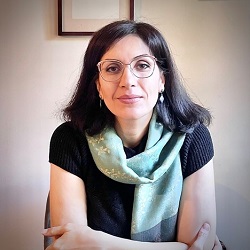
Interview with Incoming Social Media Editor: Monica Windholtz

This week on the blog we are featuring an interview with our newest addition to the Culture, Medicine, and Psychiatry editorial team, Monica Windholtz. Monica will be joining us as a Social Media Editor on the journal’s blog, Twitter, and Facebook accounts this month. Monica has already been featured on the blog in July with her article highlight of “Engaging with Dementia: Moral Experiments in Art and Friendship,” available here. In this post, we learn about Monica’s background, academic interests, and her ideas for expanding the Culture, Medicine, and Psychiatry blog. 


  1. What is your academic background? How did you become interested in medical anthropology, medical humanities, and interdisciplinary cross-society research?

Currently I am a student at Case Western Reserve University in the Integrated Graduate Studies (IGS) program, working on both a Bachelor of Arts in Medical Anthropology, and a Master of Arts in Bioethics with a special focus on the Medicine, Society, and Culture track. I also will graduate with a minor in Sociology and a certificate in Global Health. My interest in these fields began with a study of Dr. C.W. Lillehei, an American heart surgeon who helped break ground in American heart surgery and the invention of the pacemaker. As I explored the connections between health care and people, I became fascinated with the intersections of policy, procedure, and the individuals they affect. I hope to use my knowledge of these intersections to promote people-oriented policy after attending law school.

       2. What are your research interests?

My research interests include post-mortem uses of bones, cultural perceptions of death, health care policy and practice, the differences and inequalities in societal roles across the genders, and reproductive health. I am currently working on my senior capstone project: a literary review of the death rites of several cultures that considers the changes local rituals have undergone due to health problems, such as the effect of Ebola on Liberian burial.

 3. What is your favorite running feature on the blog?

My favorite running feature on the blog is the “From the Archive” series, which features article highlights and from previous CMP journal issues. It is an interesting way to highlight what types of articles have been published in the journal that are still relevant for current readers, and connects blog followers with articles they may not have previously seen.

4. What new features or ideas will you bring to the blog?

I am looking forward to expanding on Sonya’s work connecting the journal’s articles to current events. As health is an ever-changing field and its interactions with society are always shifting, it will be exciting to highlight these connections. I would also like to provide blog readers with more external content from our contributing journal authors, such as with the University of Washington Today: Q and A with Janelle Taylor post, available here, that featured a video interview with Janelle Taylor, the author of the article Engaging with Dementia: Moral Experiments in Art and Friendship.

 5. How does your unique perspective integrate with the goals of CMP?

People need to have access to relevant and validated knowledge, and a curious mind, before they can effectively implement positive and meaningful policy changes. CMP promotes the study and exploration of the types of knowledge vital to these goals. As a reader of the journal, I continue to learn a great deal about various cultures and their interaction with, and impacts on, health care. I am excited to help connect others with the articles and ideas published in CMP, and looking forward to working with the rest of the CMP editorial team!

SPA Interview with Dr. Rebecca Lester

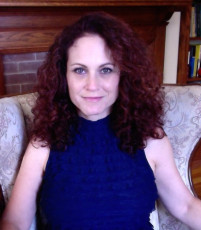
This week on the blog we are featuring a partial summary of an interview with Dr. Rebecca Lester, conducted by Ellen Kozelka, as part of the Society for Psychological Anthropology “Voices of Experience” series. In this audio conversation, available in full here, Dr. Lester discusses her newest book project, Famished: Eating Disorders in the Era of Managed Care, focusing on the conditions and experience of eating disorders treatment in the United States. Also discussed in the interview is Dr. Lester’s research interests, reflections on her personal experience experience with an eating disorder, and the linking of anthropology to advocacy. Dr. Lester’s book is not yet for sale.

The SPA “Voices of Experience” series is a venue to showcase the range of work that psychological anthropologists engage in, and to give listeners, virtually attending the live events, the opportunity to ask prominent scholars in the field about their work.


The interview begins with a reading of the book’s preface by Dr. Lester herself. The recitation narrates the experience of an insertion of a nasogastric (NG) tube and subsequent first “feeding” of an 11-year-old girl with anorexia. Capturing the anxiety and fear of being forcibly held down for the insertion of the NG tube, and yet still being terrified of eating, Dr. Lester describes the instructions given by the doctor before inserting the NG tube. “We are going to put it in. You can either cooperate with me here, or we can take you to a seclusion room and put you in restrains and do it there. It’s your choice,” the doctor says to the girl.
The process of having an NG tube placed is extremely uncomfortable. Feeling disconnected from the world around her, exhausted from the painful NG tube ordeal, and distraught from watching “so many calories” being pumped into her body while she is unable to do anything about it, the young girl is then further mentally assaulted by another patient nearby asking her questions about her new feeding tube.

“Is [anorexia] the thing where you’re scared of getting fat so you starve yourself and you get real skinny? Hell, I wish I could have anorexia for a day,” the older patient states while laughing and grabbing at her own stomach fat. The young girl is then left to make sense of her situation while listening to the woman and another patient chatting about how much they wish they had the willpower to starve themselves as the holiday season approached.

This preface sets the tone for what it is like to be a patient in an eating disorders clinic. This reading then transitions the conversation into the interview between Dr. Lester and Ellen Kozelka.

Ellen Kozelka: What is the managed care system as it relates to eating disorders treatment, and why is it so important to understand its moral dimensions?

Dr. Lester: Managed care operates as a moral system in our society. So in terms of eating disorders, we are in a situation where our healthcare system is really predicated on a certain kind of understanding of what health is and what a person is. This is foundationally oriented to the splitting off of behavioral health and medical care.

Managed care plans have a pot of money that goes to medical care, and another pot of money is set aside for mental health, behavioral, or psychiatric care, depending on how insurance companies classify it. What’s challenging in terms of eating disorders is that they are conditions that bridge both of those domains. Certainly there are medical complications to other things, such as addictions, but we find in eating disorders this bridging of the medical and of mental health in terms of the symptomatology.

Trying to get an integrated treatment approach for eating disorders is really difficult. Clinicians are left to try and piece together care, but getting that care reimbursed is extremely difficult. Often times managed care companies will pay for the acute medical issues, such as an inpatient hospitalization because of a cardiac incident, but you then cannot also get mental health care at the same time. Or you can go to an outpatient clinic for the psychiatric concerns, but you then are not able to also be treated for the physical complication that might be going on too. Thus it is very difficult to provide a full spectrum of care to someone in a way that is actually going to treat the problem.

Kozelka: The foundation of the system in the US is that physical medical care and mental health care are two separate things, which based on this idea of what health is and what the person is. So would that make managed care in the US a type of cultural system?

Dr. Lester: Absolutely. One of the things I’ve been interested in is what kind of philosophies of the person are embedded in our healthcare system and how is that structuring or impacting the way that clinicians are perceiving what’s going on with clients, what the problem is, or how to best intervene with them. It’s a whole epistemological and world view about humans and what motivates humans, and what the appropriate end goal of that behavior should be.

Kozelka: In your book you provide an overarching definition of care. Care “orchestrates cognitive and sensory attunement, practical agency, and affective imagination into a disposition to the ‘other’ which comes to organize attention, doing, and feeling in locally meaningful ways.” This definition of care combines two previously separate conceptual definitions of care as practical or political action, and care as affective concern. How do you see this combination linking to your understanding of care in relation to power?

Dr. Lester: Something that many of us as psychological anthropologists struggle to do in our work is try to illuminate the ways that these are not different domains. When we talk about political or practical action, and we talk about affective experience or subjective experience, they are not separate domains. We can separate them ideologically, but in terms of the way people live their lives, the domains are intertwined.

Part of what I’ve been interested in is how these structures of power operate across multiple levels of analysis at once. Care in all of the senses of the definition above, is a way of constituting not only an object of concern, but who the subject of care is, and how that person is constituted as a moral agent, or not, in a given circumstance. We have to look at how political and practical components of care are connecting and interacting with the affective dimensions and the subjective experience of care. That is where you see psychological anthropology coming in and trying to theorize about what these connections are in a way that’s rigorous and ethnographically grounded.

Kozelka: How do these moral dimensions of care, in terms of whether the or not the individual is considered to be a “good patient,” relate to the actions that these managed care systems either take or don’t take?

Dr. Lester: There are different ways of thinking about a patient, such as framing the patient as a moral actor, or discussing the patient in relation to her own quest for health, whatever that is. In the case of eating disorders, it can become a situation where it almost does not matter what the patient does. It does matter, but the same action can be interpreted in a variety of ways depending on how you are thinking about that actor as a moral agent or not.

Compliance and non-compliance are big concerns in all of healthcare, certainly in behavioral health, but particularly in the field of eating disorders where patients are historically thought to be non-compliant, resistant, or really difficult to work with. Managed care companies have concerns about patient complying with the treatment recommendations. What I saw again and again is that it almost did not matter what the patient did. There would be times where they were complying, following the regulations and meal plans, and doing what they were supposed to do. But the insurance companies were skeptical of the motivations for this behavior, so that even when clients were complying with treatment, their compliance was sometimes read as manipulation. That’s just an example of how these moral dimensions, or how you constitute the recipient of care as a moral agent or not, affects the way that care is delivered, almost regardless of what the person is actually doing.

Kozelka: In this system were patients are constantly being scrutinized, how do you think these factors affect their experience of treatment?

Dr. Lester: It’s horrible. It would be miserable for any of us to be in that circumstance. This is particularly challenging for these patients because a lot of the dynamics experienced during the course of treatment itself are the exact same issues that they are already struggling with. These are questions like, “Are you worthy of care,” “Are you worthy of attention,” “Are you worthy of time,” and “Do you matter?” These questions are really at the core of eating disorders for a lot of people.

Dr. Rebecca Lester, via Washington University in St. Louis Dept of Anthropology website

Patients are being told they should not always be monitoring or surveying themselves, yet at the same time, because of the kinds of things that the insurance companies care about in order to make their decisions, patients are being constantly monitored and evaluated. There is a constant, pervasive insecurity that pervades that clinic where you do not know from one day to the next if someone is going to be deemed “sick enough” to still need care, “too sick” to remain there, “invested enough” in her recovery, or “invested too much in her recovery” and thus deemed as manipulative. It is this constant uncertainty and people trying to make themselves into appropriate patients just so that they can get care.

This does not address the underlying issues that are going on. So this scrutiny affects them a lot, especially when clients want treatment, doctors say they need treatment, but insurance companies say “No.” There are even discussions among the clinicians, expressing that “if only she were cutting, because then we could get her treatments.”

Further, the patients may not even be able to deal with some of the underlying things that possibly got them to the eating disorder because they are so busy dealing with the feelings around not being worthy of getting treatment. If the insurance companies deny them, they cannot get treatment. There is a case I discuss in the book of a 14 year-old teenager who was struggling with anorexia in the clinic. Her weight had gone up a bit during the two or three weeks she was admitted and making progress. But then her insurance ran out, and the family did not have the financial resources to afford the $1,200 a day price tag. Their only option was to get the teenager into a research study going on at a local university where a randomly assigned treatment group would get free therapy. The problem was that she had gained too much weight for the regulations of the study, forcing the clinic staff to put her on a diet at the treatment center in order to get her down in weight enough so that she could get free treatment. That was the only option besides merely discharging her with no support.

Kozelka: What do you think the study of self brings to anthropology as a whole?

Dr. Lester: It’s absolutely critical. The self as a general category is about why people do what they do. We cannot understand why, or effectively theorize about why, unless we are willing to engage with questions about parts of experience that we cannot directly observe. We have to be open and flexible enough to understand different ways that different groups of people comprehend the components of what makes up a person, how to understand motivation, or whatever we want to call why people do things. It is imperative if we, as a field, want to have something useful to say.


The interview with Dr. Lester continues, and concludes with a question and answer session with listeners who were virtually tuned in during the live recording of the interview. The full audio interview recording is available here.


Dr. Rebecca Lester is an Associate Professor of Sociocultural Anthropology at Washington University in St. Louis, and a practicing clinical social worker. Her interests include how individuals experience existential distress, and how this distress manifests as psychiatric symptoms, religious angst, somatic pain, and other culturally informed bodily conditions.  Specifically, she considers how bodily practices deemed “deviant,” “extreme,” or “pathological” – and local responses to such practices – make visible competing cultural logics of acceptable moral personhood. Along with her many publications and previous book, Jesus in our Wombs: Embodying Modernity in a Mexican Convent (2005) from the University of California Press, Dr. Lester is also the founder, Executive Director, and a psychotherapist of the non-profit Foundation for Applied Psychiatric Anthropology.

Ellen Kozelka is a graduate student at University of California, San Diego.