
The next few months we’ll be highlighting authors who have published in Culture, Medicine, and Psychiatry.
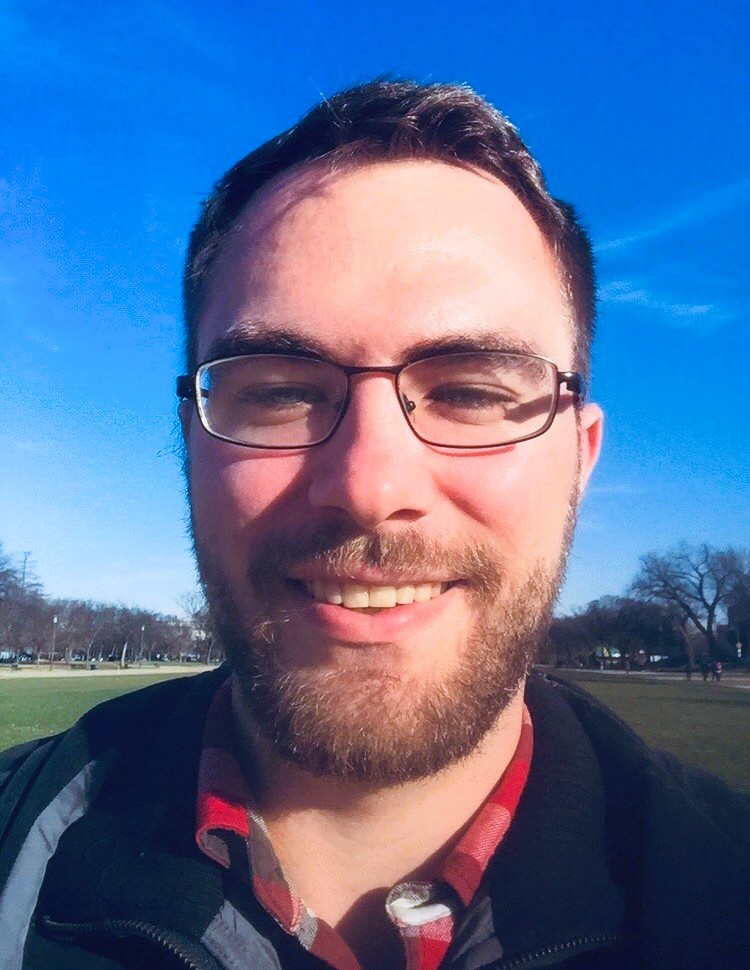
of Oxford
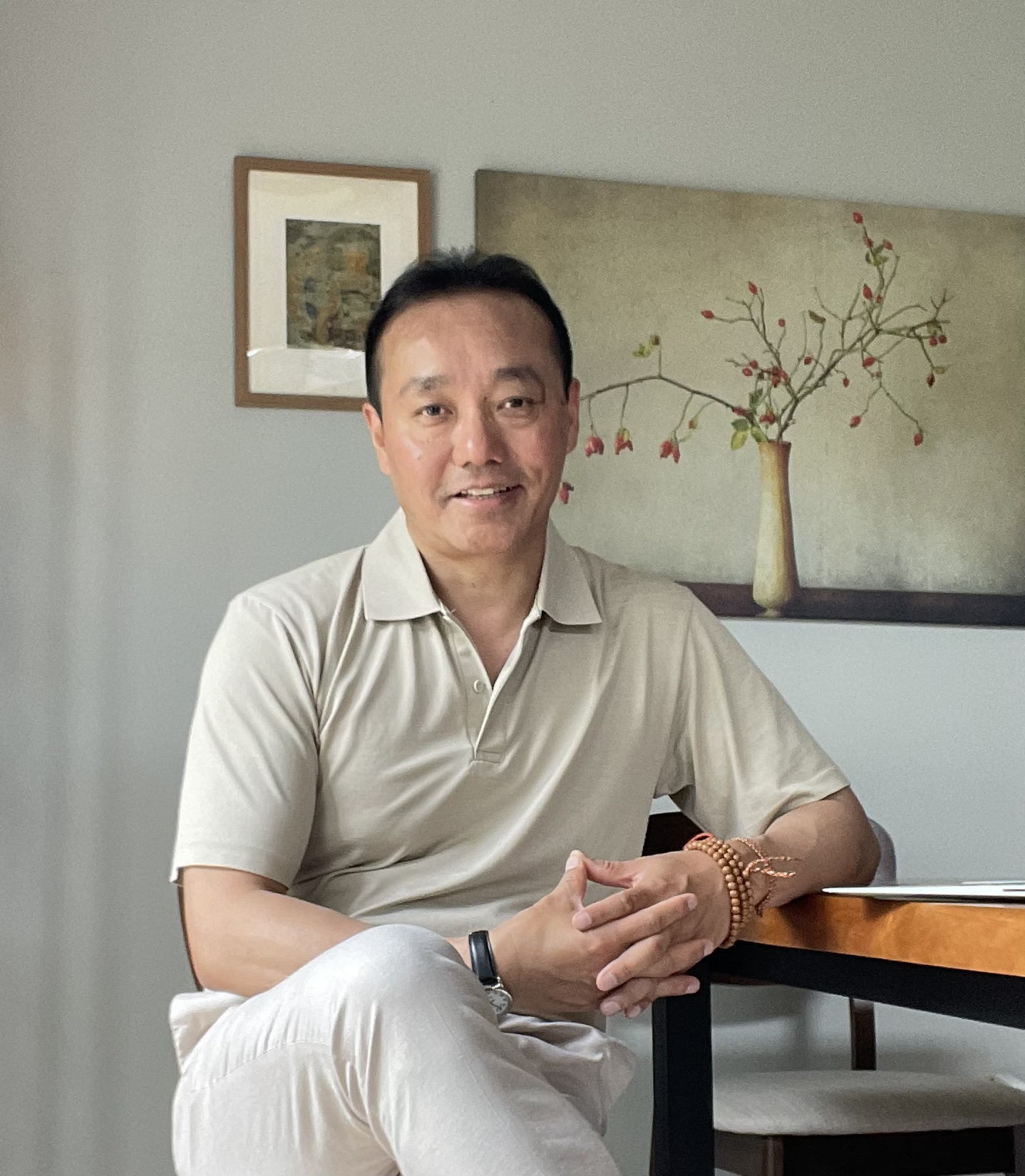
I am a medical anthropologist and sociologist. My work explores the intricacies of health and medicine in the Asia-Pacific, focusing on how people care for each other and how these practices intersect with medical and social service systems.
What is your article “Yuri’s Story: Memory, Relational Healing, and the Reflexive Logics of Art Therapy in Japanese Clinical Psychology” about?
Child protection systems around the world utilize mental health professionals to conduct assessments and provide children with therapeutic care. Japan is no exception. But thinking about child welfare and mental health cross-culturally helps us appreciate the
social side of practices that are commonly seen as (or hoped to be) objective, technical, and universal. My article details how clinical psychologist Yuri learned how to use art therapy to improve her professional work with abused or neglected children. Yuri’s story inadvertently dug up her own painful memories. Her return to childhood through art therapy unsettled her worldview: was her clinical work actually for the children, or was it just for herself? Yet, Yuri renewed her sense of clinical will. Cathartic resolutions of distress may help care practitioners develop empathy and become better carers. This is how Yuri thought art therapy was innovative for mental health care.
Tell us a little bit about yourself and your research interests.
While I am originally from a small, rural town in the Northwestern U.S., my research training has taken me across the world, from Hawai‘i and Japan to the U.K. and Thailand. My experiences in these places shape my interests in how people think about and enact care—and the lived realities of how caregiving plays out.
What drew you to this project?
I always find myself drawn to the ‘in-between’ things, especially in medicine and culture. Child protection does not immediately bring things like clinics and hospitals to mind, but it is a critically important arena where decisions and actions have dire consequences for one’s health and well-being. Japan’s child protection system has been undergoing significant reform throughout the past decade, providing an even more complicated space to think about care and culture.
What are you reading, listening to, and/or watching right now? (Doesn’t have to be anthropological!)
While I am reading (and re-reading) chapters from my in-progress book, I also recently started re-reading the Expanse series by James S. A. Corey. It is a fun hobby, but for my work, it is also helpful in seeing how writers in other genres craft an argument, describe social life, and present information to the reader.
If there was one takeaway or action point you hope people will get from your work, what would it be?
I cannot stress enough the value of strong and long-term relationships in ethnographic work. Yuri’s story was not a single moment, but conversations at the office, meetings in the therapy room, and chats in coffee shops over a year. I learned some of the most moving parts of her life quite late into my fieldwork. It can take time to appreciate another person’s life, but taking small steps toward making a person feel wanted can go a long way in building a rewarding connection (like inviting someone to a cup of
coffee/tea).

 Culture, Medicine, and Psychiatry