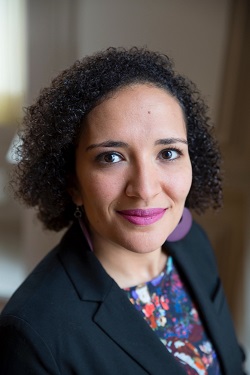
Interview with Elisa Alegre-Agis

The next few months we’ll be highlighting authors who have published in Culture, Medicine, and Psychiatry.
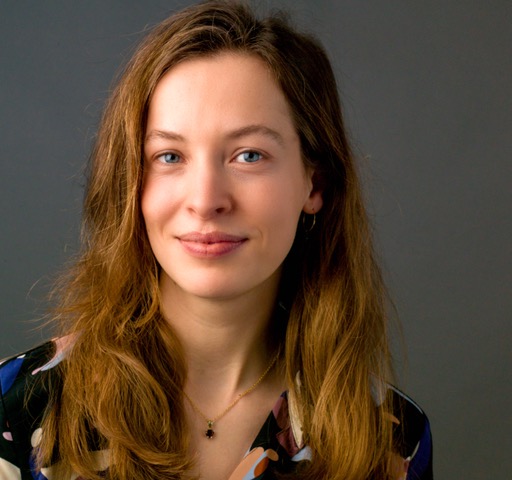
Elisa holds a Ph.D., MSc, BA, and Bachelors in Social Work. She is a Postdoctoral Researcher at the Medical Anthropology Research Center at the Rovira i Virgili University. Her doctoral thesis focused on severe mental disorders and family care in the domestic space. Her research activity and interests are mental health, history of mental institutions, care, gender inequalities, and youth and drug addictions., Elisa is an Associate professor at the Universitat Rovira i Virgili, located in Tarragona, Spain RV.

What is your article Unraveling Reactionary Care: The Experience of Mother-Caregivers of Adults with Severe Mental Disorders in Cataloniaabout?

In this article we looked at how many undocumented migrants visiting a low-threshold free non-governmental health service had mental health problems. Undocumented migrants are a diverse group comprised of amongst others rejected asylum seekers or labor migrants without a visa. They do not exist officially, cannot work legally, often have poor and uncertain housing conditions, and have in practice a restricted access to health care due to logistical and cultural barriers.

Tell us a little bit about yourself and your research interests.

I am Argentine, I was born in Buenos Aires, and for almost 20 years I have lived in Spain, where I received a degree in Social Work, a bachelor’s degree in Social Anthropology, a master’s degree in Medical Anthropology, and a year ago I finished my doctorate specializing in mental health. In my thesis, I compare the old asylum system of the total institution type and the domestic space, specifically with people diagnosed with SMI (especially schizophrenia), caring families, and mental health professionals.

In recent years I have worked on various topics, from LGBTIQ rights to religious confessions in Catalonia. My interests have also always been focused on health, specifically mental health, either from the history of mental institutions, as well as the work on schizophrenia, and drug use in adolescents, as well as the application of feminism and gender perspective in research projects. In recent times I have focused a lot on the analysis of care for people with SMD. On the other hand, I am also a social worker, so it is very important to me that the research is designed to transform reality, and that it has a real social impact on people’s lives; I place myself in applied and critical medical anthropology.

What drew you to this project?

I have been interested in this project because it involved participatory qualitative research with patients’ users of medication, caring families, and mental health professionals. In this sense, both the study subjects and the research topic were very close and connected to my doctoral research.

It was the first initiative in Europe of the “collaborative management of medication” (CMM), a cultural adaptation of Gaining Autonomy and Medication Management, developed in Quebec (Canada) and Brazil. The most attractive and important thing about this project is its real capacity to have an impact on the well-being of patients, in fact, some evaluations of the GAM initiative in Canada have found benefits such as rationalization of spending on anti-psychotics, reduced risks derived from overmedication, and improved patient satisfaction.

What was one of the most interesting findings?

In this project, we established three clear dimensions that, due to how they are experienced by the three agents in question (the patient, the caregivers, and the professionals), pose obstacles to the collaborative management of medication: the secondary effects of mediation, the (un)awareness of the disorder, and coercive models of communication.

We found it interesting that there is a palpable problem of indeterminacy surrounding the medication, the disorder, and the patient’s self that depicts a scenario of anticipation, suspicion, and mistrust. This setting paves the way for coercive practices and hinders the collaborative management of anti-psychotic medication.

The patients highlighted a social and clinical failure to recognize them as individuals with autonomy and agency. Caregivers’ perceptions of those affected as “vegetables”, “pieces of furniture”, including claims that they are grieving because their previous child has died (prior to diagnosis), all of them are expressions of structural coercion.

This coercion is found in the practice of care by the mothers or other relatives. One of the points we analyze in this article is that gender mandates on mothers’ caregivers promote coercion, surveillance, and control of their children. For this reason, we cannot understand institutional violence, that project some ways of coercion to domestic space, without gender-based violence. We analyzed how gender mandate and institutional violence operate in the ways that care is given in the domestic space.

If we want to promote a model of collaborative management of antipsychotic medication, we must encourage a new culture of care and recovery with all the actors involved, including taking into consideration the multiplicity of voices and perspectives among patients, caregivers, and clinicians. And, if we also want a change in care culture, we need to break the dual relationship between the two parties and the responsibility that it entails must be opened up to other actors and consequently to collective care.

What are you reading, listening to, and/or watching right now?

Now I’m finishing the book by Marcos Obregón, “Contra la diagnóstico” (Against The Diagnostic). It is an autobiographical book that narrates the entire process, not only of the illness, but also the relationship with the clinic and institutions, and with its closest networks as relatives and friends. I think it is a brilliant book because it is also an ethnography, the author interviews various close people, some psychiatrists, psychologists, etc. who lived with or close to him through his bipolar crisis. It is a highly reflective, sensitive book, but above all, it is a necessary book, not only for people who are going through or have gone through an episode of subjective suffering, it is a book for life that everyone should read.

If there was one takeaway or action point you hope people will get from your work, what would it be?

The most important of this research is the “Guide for the Collaborative Management of medication” http://llibres.urv.cat/index.php/purv/catalog/book/477 (open access an English translation). It provides tools for greater empowerment of patients, as well as is an element to think about and analyze their personal and contextual situation, enhance self-knowledge, as well as be a guide to promote greater dialogue and negotiation with professionals. It also accompanies a whole reflection on the side effects of medication and the emotional, social, and physical health consequences that these may have. They are also invited to think about their support network and assess the close networks they have, for example, if they wanted to undertake a process of discontinuation, change, or reduction of medication with the professional’s accompaniment. Although the guide is designed for medication users, it is also a tool for professionals who want to transform their ways of relating to patients and practice a more horizontal, less hierarchical, more dialogical, and negotiating clinical attention. It is also a useful tool for caregivers who want to accompany their relative in processes that may involve changes in medication but also to better understand the discomfort and suffering that surrounds drug use, the side effects, and their consequences. In summary, the guide promotes that the agents involved have active and respectful listening and that they can better attend to the needs that drug users have, and aim for a better being in health, social, emotional, and relational life, among others.

Thank you for your time!


Other ways to connect:
Twitter
ResearchGate
Orcid
Interview With Burcu Mutlu

The next few months we’ll be highlighting authors who have published in Culture, Medicine, and Psychiatry.

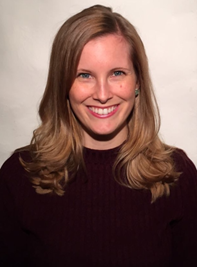
Burcu Mutlu is an assistant professor in the Department of Humanities and Social Sciences at Özyeğin University. She completed my Ph.D. in 2019 in History, Anthropology, and Science, Technology & Society at MIT. She has published on trans/national politics of assisted reproductive technologies, reproductive labor, abortion politics, reproductive justice, and migration.

What is your article “Between Solidarity and Conflict: Tactical Biosociality of Turkish Egg Donors” explores the complex and ambivalent aspects of Turkish egg donors” about?

My article explores the complex and ambivalent aspects of Turkish egg donors’ involvement in transnational egg donation between Turkey and Northern Cyprus. The article drew on ethnographic fieldwork and interviews I conducted with Turkish egg donors at a private Northern Cypriot fertility clinic from November 2014 until January 2016. In this article, I investigate how young Turkish women tactically manage social relations and orient themselves in this morally ambivalent and precarious bioeconomy of egg donation. To do so, I particularly focus on possibilities of cooperation and conflict among egg donors who are part of a specific form of biomedical sociality. I argue that cross-border egg donation retains both gendered moral and economic concerns for these young women that must be tactically negotiated not only to protect this new (clandestine) realm of financial opportunity but also to navigate the wider context of heteropatriarchal sexual culture and restrictive reproductive biopolitics.

Tell us a little bit about yourself and your research interests.

I completed my Ph.D. in 2019 with a dissertation entitled “Transnational Biopolitics and Family-Making in Secrecy: An Ethnography of Reproductive Travel from Turkey to Northern Cyprus.” In the dissertation, I investigated the transgressive cross-border reproductive travels between Turkey and Northern Cyprus that are stimulated by legal restrictions in Turkey, from a cultural anthropological and feminist STS perspective. I obtained my B.A. degree in Political Science and International Relations from Marmara University and my M.A. degree in Sociology from Boğaziçi University. Currently I am working on informal breast milk sharing practices via online platforms in times of politicized reproduction and a global pandemic. My research areas include: anthropology of reproductive technologies and biobanking; medical anthropology; feminist science & technology studies; family, kinship and gender; and transnational mobilities.

What drew you to this project?

My research interest in cross-border gamete donation is related to my M.A. project. In my thesis, I examined the local practice of assisted reproduction as a global biotechnology and its reflections on the lives and bodies of married heterosexual Turkish women (since assisted reproduction is only accessible to married heterosexual couples using their own gametes) as an intimately gendered and embodied reproductive experience. For the thesis, I conducted semi-structures interviews with married Turkish women as past or current fertility patients, and I also collected and discursively analyzed a variety of ethnographic materials including legal documents, religious discourses, economic policies, and media representations corcerning IVF in Turkey. I found that the “appropriate” and “inappropriate” forms of assisted reproduction are simultaneously configured in and through these local socio-technical articulations within and beyond the labs and clinics; transnational gamete donation thus emerges as a site of “reproductive excess” that is left outside the sphere of legality.

In my M.A. project, I investigated complex socio-technical processes that produce this excess in Turkey, with particular focus on the “appropriate” uses of assisted reproduction. In my PH.D. study, I studied this excess itself, by particularly focusing on the clandestine network of transnational gamete donation between Turkey and Northern Cyprus that includes the circulation of recipient couples, gamete donors, medical experts and technology, expertise, and capital. My article on Turkish egg donors resulted from this wider disseration project.

What was one of the most interesting findings?

I found interesting that although most Turkish egg donors I talked to said that they would support the legalization of egg donation in Turkey for recipients, they did not want donating eggs to be legally permissible for donors owing to their suspicions about the health sector in the country as well as their concerns about the possibility of higher competition (and therefore lower payment) among egg donors. So, they were willing to keep this new realm of financial opportunity secret, while undertaking all risks involved.  

What are you reading, listening to, and/or watching right now?

Recently I am watching Pantheon, animated sci-fi TV series on uploaded intelligence. It raises interesting questions on what it means to be human, how the boundaries between life and death get blurred beyond the limits of corporeality, and what social, economic, political, and intimate implications technologies have for both individuals and wider society. I also enjoy reading short stories by Turkish writers and my recent favorites are Melisa Kesmez, Aylin Balboa and Burçin Tetik. Finally, I would like to mention a podcast that I recently discovered on the weather changers/ weather modification on BBC (https://www.bbc.co.uk/programmes/p0ddvpy2?utm_source=aposto ), thanks to Zappa Zamanlar, a blog curated by two Turkish sociologists, Biray Kırlı and Zafer Yenal from Boğaziçi University.

If there was one takeaway or action point you hope people will get from your work, what would it be?

One takeaway or action point people can get from my work would be to criticize and challenge states’ efforts of criminalizing or banning gamete donation that drive such practices further underground within and beyond the national borders and put both recipients and donors at risk for victimization and exploitation. Bottom-up efforts or regulations are needed that would not only guarantee safe medical practice but also address underlying social processes and inequalities, with a critical perspective that accurately captures diverse voices and experiences of involved actors.


Other places to connect:
Website
Academia.edu

Interview with Soha Bayoumi

The next few months we’ll be highlighting authors who have published in Culture, Medicine, and Psychiatry.

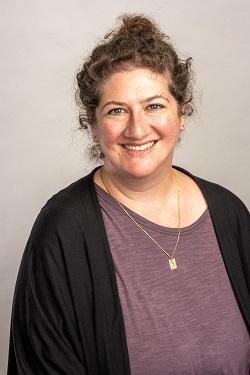
Soha Bayoumi is a Senior Lecturer in the Medicine, Science, and the Humanities Program at the Johns Hopkins University. She is presently completing two book projects, one (with Sherine Hamdy) on the work of doctors in the Egyptian uprising, and the other on the social and political roles of doctors in relation to health and justice in postcolonial Egypt. 

What is your article “Nationalism, Authoritarianism, and Medical Mobilization in Post-revolutionary Egypt” about?

This article explores the links between medical practice and expertise, on the one hand, and nationalist discourses, on the other, in the context of the 2011 Egyptian uprising and the years that followed, which witnessed a consolidation of political authoritarianism. It investigates how doctors played a significant role in countering political regimes’ acts of violence and denial. It traces the trajectory of the doctors’ mobilization in the 2011 uprising and beyond and demonstrates how the doctors drew on their professional expertise and nationalist sentiment in their struggles against a hypernationalistic military state. It contrasts activist doctors’ idea of nationalism with the state’s and shows how medicine has served as a site of awakening, conversion narratives, and building of bridges in a polarized society where the doctors were able to rely on their “neutral” expertise to present themselves as reliable witnesses, narrators, and actors.

Tell us a little bit about yourself and your research interests.

I work at the intersection of the history of medicine, science and technology studies, and political theory. My work is informed by postcolonial studies, gender studies, and social justice, and centers the ways in which medical expertise is shaped by and deployed in different political contexts.

What drew you to this project?

This research is part of a book-length project that I have been working on for the good part of the last decade with Sherine Hamdy. We were both amazed and intrigued by the different roles played by doctors in the Egyptian uprising and its aftermath and felt compelled to document that episode of the Egyptian revolution and ask questions related to what motivates doctors to engage in politics, especially during such volatile political moments.  

What was one of the most interesting findings?

We were really struck by how doctors reliance on their “neutral” expertise and their attempts to efface the political in their work actually reinscribe the political in different ways, in ways that both allow doctors to either resist state violence or abet it.

What are you reading, listening to, and/or watching right now?

I’m currently watching the Netflix show, Mo, which is, as far as I know, the first mainstream show about a Palestinian-American to ever make it to streaming screens in the US. I’m reading Oliver Sacks’ first memoir, A Leg to Stand On, which is focused on an accident that caused him to lose the use of one of his legs and his reflections on being patient, after a long career of being a doctor. And I’ve just finished listening to the audiobook, Born a Crime: Stories from a South African Childhood, by Trevor Noah. I love Trevor Noah’s style of comedy, and I think his autobiography book, which contains a lot of comedy, is best enjoyed performed by Noah himself.

If there was one takeaway or action point you hope people will get from your work, what would it be?

I think it is the idea that very few things in life are actually politically “neutral”—that what we take for granted as apolitical or technical or neutral has so many ramifications on politics, writ large. Many of the daily actions we take and the statements we make are inscribed in a political context and often function to reproduce and perpetuate that context or to subvert and change it, if we so choose.

Thank you for your time!


Other places to connect:
Website
Twitter
LinkedIn
Academia.edu

Interview With Lamia Moghnieh

The next few months we’ll be highlighting authors who have published in Culture, Medicine, and Psychiatry.

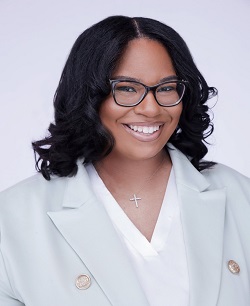
Lamia Moghnieh (Postdoctoral Fellow, University of Copenhagen) is an anthropologist and mental health practitioner. Her research looks at the impact of psychiatry on understandings of self and illness in postcolonial and postconflict societies of the MENA/SWANA. She is interested in exploring the relationship between psychiatry and subject formation in the context of global mental health and patient subjectivities.

What is your article “The Broken Promise of Institutional Psychiatry: Sexuality, Women and Mental Illness in 1950s Lebanon” about?

I am an anthropologist, psychologist, and a social worker, and more recently, I am also a patient of analytical therapy. I try to let my research be informed from all of these positionalities together or provide insights from all of these places (as a researcher, practitioner and from the more intimate and vulnerable position of being a patient). I work in the field of mental health, and I do research on the histories and ethnographies of psychiatry, tracing various discourses on mental health from the Middle East and North Africa/ Southwest Asia and North Africa). I am currently writing my book manuscript provisionally entitled “Psychiatric Afterlives: Narrating Illness, Gender and Violence in Lebanon”. The book builds on multi-disciplinary frameworks from medical humanities to examine the role of psychiatric expertise in shaping patient and social imaginaries of madness and violence in Lebanon.

What drew you to this project?

I always wanted to be a clinical psychologist until I enrolled in the MAPSS program (Masters’ in the Social Sciences) at the university of Chicago. There, I was introduced to the various historical, philosophical and political critiques of psychology and I was drawn to medical anthropology. After I finished my PhD, which focused on trauma, humanitarianism and the politics of suffering in Lebanon, I was interested in learning more about the history of psychiatry in Lebanon and the region. My background and research interests are interdisciplinary. I am lucky to be in an academic position (at the upcoming research center “Culture and the Mind” head by Ana Antić at the University of Copenhagen) that welcomes and values this interdisciplinarity in the study of psy disciplines.

What was one of the most interesting findings?

One of the findings that interest me is the ways in which the family acts as an equal diagnoser of mental illness to psychiatric expertise. As shown in the article, the story of Hala invites more attention to the ways in which women (and maybe non-normative persons) become chronically institutionalized by institutional psychiatry and the family. This is not to dismiss the psychological and financial effects that mental illness might have on family members. The article rather approaches the family as a sociological unit that governs and defines normality, and is interested in the dialogue, tensions and challenges of care and normality between the family and institutional psychiatry, as shown in the story of Hala.

What are you reading, listening to, and/or watching right now?

Audre Lorde’s Zami: A New Spelling of My Name
Roberto Bolaño’s Cowboy Graves
سارة اب وغزال “احلمي يا سيدي
هلال شومان “حزن في قلبي
Couch Fiction: A Graphic Tale of Psychotherapy
Jonathan Sadowsky’s Empire of Depression: A New History

If there was one takeaway or action point you hope people will get from your work, what would it be?

That psychiatry is both a form of governance and a mode of healing whose authority and reach transforms and changes over time. That patient voices and narratives are a crucial part of the history of psychiatry and of its contemporary practices. And that medical humanities, including anthropology, is a field that can offer useful and critical insights on the status of global mental health.

Other places to connect:
Website
Twitter
LinkedIn

Interview with Michael Galvin

The next few months we’ll be highlighting authors who have published in Culture, Medicine, and Psychiatry.

Dr. Michael Galvin is a Global Psychiatry Clinical Research Fellow and in the Department of Psychiatry at Harvard University and the Department of Psychiatry at Boston University. Dr. Michael Galvin is a global health researcher and psychotherapist.  His primary research interests center on mental health and the role that one’s environment, culture, and belief systems play in mental illness and treatment.  In particular, his work focuses on elucidating cultural models of mental illness and exploring relationships to pathways to care, with the goal of improving cultural adaptation of mental health interventions.  

What is your article “Examining the Etiology and Treatment of Mental Illness Among Vodou Priests in Northern Haiti about?

This article is about the way that traditional healers (ougan) conceptualize and treat mental illness in rural Northern Haiti.  While the vast majority of people with mental illness seek treatment from ougan in this region – as few biomedical services exist – very little research has examined what ougan actually do when treating patients.  The article also tries to understand how mental illness is viewed from the healer’s perspective, delving into the broader Vodou cosmology which remains very influential in rural parts of Haiti.

Tell us a little bit about yourself and your research interests.

My interests mostly center around mental illness and how we conceptualize it in different cultures and settings.  Historically, mental illness has always been hard for people to understand, getting wrapped up in ideas of spirit and demon possession.  Rarely have people thought it was something to treat like a broken leg or even a bacterial infection.  This is partly because there are no biomarkers to test for it thus patients recount what they are experiencing solely via self-report.  But it’s also because mental illness affects the basic ways in which people act and simply exist in the world.  When our loved ones have significant behavioral changes without physical symptoms of illness or infection it can often lead us to suspect the supernatural.

What drew you to this project?

I have been working and living in Haiti on and off since 2012 and knew I wanted to focus my dissertation research in Cap-Haïtien.  I found out about the Mental Health Center at Morne Pelé in 2018 and spent the entire summer of 2019 volunteering with them so we could get to know each other, for me to better understand what their work was like, and to start exploring different angles for my dissertation research which I conducted in the second half of 2020.  It was during the summer of 2019 that I learned about the extent to which patients held explanatory models based in Vodou and I knew that had to become a significant part of my research there.  I’m currently the director of the Mental Health Center at Morne Pelé’s new Research Laboratory so it’s very exciting to continue to collaborate together.

What was one of the most interesting findings?

One of the most interesting findings was this treatment called fiksyon that almost all the healers I interviewed used.  Barely anything has been written about these concoctions so this was really one of the first times they’ve been explored.  Fiksyon are different liquids – usually rum mixed with ground plants and animals – that are kept in large unmarked semi-transparent plastic bottles.  There’s a lot of mystery surrounding fiksyon with many people saying they have mystical properties.  It would be interesting to explore more about what is actually in them and the places where they are manufactured

What are you reading, listening to, and/or watching right now?

I’m reading a really interesting book that was written in the 1970s called Plagues and Peoples.  It’s a great dive into the history of pandemics over the centuries.  It’s not a hard read at all, very enjoyable and easy to understand with lots of nice anecdotes.  Apparently the findings have held up really well over the last 50 years too.

If there was one takeaway or action point you hope people will get from your work, what would it be?

That religion and culture have deep impacts in the way we conceive of mental illness.  That we still know relatively little about how mental illness develops, manifests, and is best treated.  That the relationship between our minds and our bodies is exceedingly complex and there are often no easy solutions.

Thank you for your time!


Interview with Katarzyna Szmigiero

The next few months we’ll be highlighting authors who have published in Culture, Medicine, and Psychiatry.

Katarzyna Szmigiero is a graduate of the University of Łódź, Poland. She is an Associate Professor at the Institute of Literary Studies and Linguistics of the of University of Jan Kochanowski, Poland (Branch in Piotrków Trybunalski). Her research interests concentrate on medical humanities, especially cultural representations of psychiatry and gender, and genre fiction.

What is your article “We All Go a Little Mad Sometimes:” Representations of Insanity in the Films of Alfred Hitchcock about?

The article deals with the way motifs connected with psychiatry (doctors/treatment/people diagnosed with mental illness or individuals displaying disturbing behavior/attitudes to mental psychopathology) are used in the films of Alfred Hitchcock. First of all, it tries to answer the questions why the director so often presented mentally unstable characters in his works. It also looks at how Hitchcock gently questioned the assumptions about mental illnesses and its origins that were dominant in his times. Finally, it briefly mentions the legacy of Hitchcock if the cinematic portrayals of insanity are concerned.

Tell us a little bit about yourself and your research interests.

I am interested in cultural representations of madness, gender studies, and popular literature.

What drew you to this project?

I have always loved Hitchcock’s films and saw Frenzy in my early teens, as it was my dad’s favourite. It was one of the most unpleasant and, simultaneously, hilarious film I have ever seen since.

What was one of the most interesting findings?

On the surface, Hitchcock appears to be following the psychoanalytic approach, especially in his American movies. However, he always undermines the official discourse on madness, proving that we are all, sometimes, a little mad and there’s nothing wrong about it.

What are you reading, listening to, and/or watching right now?

I am currently an avid reader of the retellings of the Medusa myth (as well as other chick lit fantasy books about antiquity).

Watch Hitchcock! Old films may seem dated, especially if you are not used to them. But his dialogues, designs, cast is often genius.

Thank you for your time!


Interview with Sandrine Vollebregt

The next few months we’ll be highlighting authors who have published in Culture, Medicine, and Psychiatry.

Sandrine Vollebregt, MD, is affiliated with Doctors of the World in Amsterdam, the Netherlands. Sandrine is a 30-year old medical doctor from the Netherlands, based in Amsterdam. She has worked in a primary health clinic for refugees on the Greek island Samos, and in acute psychiatry and the emergency department in the Netherlands. In her free time, she likes to listen to podcasts, cycle and write. 

What is your article Help-Seeking Undocumented Migrants in the Netherlands: Mental Health, Adverse Life Events, and Living Conditionsabout?

In this article we looked at how many undocumented migrants visiting a low-threshold free non-governmental health service had mental health problems. Undocumented migrants are a diverse group comprised of amongst others rejected asylum seekers or labor migrants without a visa. They do not exist officially, cannot work legally, often have poor and uncertain housing conditions, and have in practice a restricted access to health care due to logistical and cultural barriers.

Tell us a little bit about yourself and your research interests.

I am 30 years old and I live in Amsterdam, the Netherlands, in a living community. I am a medical doctor and I have a specific interest in psychiatry. Currently, I am doing a course on global health and tropical medicine at the Royal Tropical Institute. I am very interested in migrant and refugee health, as I believe dealing with migration in a way that respects human rights is one of the great issues of our time. I hope that studying the health of migrants, and looking at how this connects to migration policies, can contribute to this discussion in a positive way by providing evidence based arguments.

What drew you to this project?

I was still a medical student when I saw a call for a student to analyze data on mental health of undocumented migrants in the Netherlands. At the time I just came back from volunteering for the first time in a refugee camp on the island Lesbos in Greece, and I was shocked by the conditions that refugees live in at the borders of Europe. I wanted to learn more about the situation of refugees and undocumented migrants in the Netherlands, my own country. When I started working on this study, I also became a volunteer doctor in a mobile clinic for undocumented migrants that visits certain neighborhoods, squats and shelters. By doing this, I gained deeper connection to and understanding of the people I was studying.

What was one of the most interesting findings?

Mental health problems are very common amongst the group of undocumented migrants we studied. In our study, 81% of the people scored above a threshold for common mental disorders. Common mental disorders are anxiety disorder, depression and psychosomatic disorders. We saw that having traumatic experiences was strongly linked to mental health issues and also to psychotic phenomena, like hearing voices. The traumatic experiences that were documented in the medical files were often severe, like torture and rape.

What are you reading, listening to, and/or watching right now?

I am currently reading a Dutch book of Lieke Marsman which would in English be called ‘The opposite of a human being’, a poetic novel on climate change. I just started the podcast ‘Burn It Down’, an American podcast about a discriminatory and masculine culture at the Amsterdam Fire Department.

If there was one takeaway or action point you hope people will get from your work, what would it be?

Mental health problems are common in undocumented migrants. Health care professionals should be aware of this, explore problems actively and refer to psychological help when necessary. But on a deeper level, I hope that we start asking each other critical questions about how our policies shape the health of undocumented migrants.

Thank you for your time!


Other ways to connect:
LinkedIn

Interview with Clare Killikelly

The next few months we’ll be highlighting authors who have published in Culture, Medicine, and Psychiatry.

Dr. Clare Killikelly is a Post-Doctoral Research Fellow in the Department of Psychiatry, University of British Columbia, and Department of Psychology, University of Zurich. Dr. Kilikelly’s research group examines the clinical utility and global applicability of the new Prolonged Grief Disorder. Her research seeks to better understand the nature of suffering and distress in different communities to develop accessible and culturally informed assessments and interventions.

What is your article “The New ICD-11 Prolonged Grief Disorder Guidelines in Japan: Findings and Implications from Key Informant Interviews” about?

Symptoms of mental disorder, including grief reactions, are found to differ across cultures. There are several examples where misdiagnosis of mental disorders, treatment gaps, and reduced help seeking occurs when culturally sensitive assessments are lacking. The identification of culturally unique symptoms of grief can improve the validity of mental health assessment.

We are the first to explore PGD symptoms in Japan from the perspective of frontline health care workers. We conducted in depth key informant interviews with cultural brokers (e.g. individuals who are part of the health care system but also have lived experience of the cultural group).

We had two main aims: first to explore experiences of grief to define both normal and abnormal reactions. Secondly, we assessed the acceptability of the ICD-11 guidelines to identify areas where cultural information is lacking. This would provide a unique viewpoint that is often overlooked in larger qualitative studies.

Tell us a little bit about yourself and your research interests.

I am interested in the role of culture in the presentation and treatment of mental health disorders. I believe that there may be cultural concepts that when unlocked can provide a key to better therapeutic outcomes.

After completing a PhD in Cognitive Neuroscience at the University of Cambridge, UK, I became interested in the core cognitive processes underlying psychopathology and the development of targeted psychotherapeutic interventions. I completed a Doctorate in Clinical Psychology at the Institute of Psychiatry, Psychology and Neuroscience, UK and explored the use of innovative mobile technologies to improve the acceptability and efficacy of therapeutic interventions for people with psychosis. Working as a psychologist with refugees in South London I became interested in the different cultural experiences and presentations of distress.

Currently, I have been awarded a Swiss National Science Foundation (SNSF) Post-Doc Mobility grant to work at the University of British Columbia to examine the relationship between grief, indicators of mental health and post migration living difficulties in refugees in Canada in comparison with Swiss, Dutch and German cultural contexts.

If you are interested in learning more about this research project, or possibly participating please check out the website.

What drew you to this project?

Prolonged grief disorder is the only mental disorder where people are expected to suffer. However, the intensity and duration of this suffering is bound by different cultural norms. For example, in German speaking countries it is common to observe a Trauerjahr (year of mourning) whereas in Syria there are 40 days of mourning. The new ICD-11 definition of PGD states that individuals must experience intense and prolonged symptoms of grief for over 6 months. Although there is robust research evidence that supports this time criteria in the Global North (e.g. North America and Europe), the current definition of PGD may be missing key symptom items and features that are more representative in different cultures.

Ultimately, we would like to develop a catalogue of culture concepts of distress (CCD) that could be accessed worldwide to help clinicians more accurately assess and diagnose PGD in different cultural groups.

What was one of the most interesting findings?

Part of the analysis focused on establishing common grief symptoms for disordered grief in Japanese bereaved. Participants described a range of emotional responses that are associated with both normal and abnormal grief responses. One unique emotional response was identified related to sadness: The sense of loss was described using a metaphor for distress ‘as a hole opening up inside the kokoro (heart).’

The in-depth qualitative analysis provided insight for clinical application, for example, due to

prominent values of emotional control, stigma towards mental illness, or lack of somatic items in the assessment measure, PGD may be underestimated in Japanese culture with the current ICD-11 PGD guidelines.

What are you reading, listening to, and/or watching right now?

I am currently re-reading ‘Snow Falling on Cedars’ by David Guterson which takes place on the islands neighbouring Vancouver and UBC. It is an excellent book but a harrowing story about the Japanese internment camps during World War II. This is also an often overlooked part of Canadian history.

If there was one takeaway or action point you hope people will get from your work, what would it be?

We were able to identify new symptoms that are very relevant for the Japanese context that are currently missing from the ICD-11 PGD definition. For example, somatic symptoms are robustly endorsed in the Japanese context, however, these are largely missing from the PGD ICD-11 definition. On the other hand, yearning and longing for the deceased (a core symptom of PGD ICD-11) is considered a normal and encouraged process, related to the emphasis on continuous bonds. Clinicians will need to consider these possible cultural differences before diagnosing PGD in the Japanese context. Considering the deeper beliefs and values of a culture and how this may impact on the assessment of grief is of great importance.

Thank you for your time!


Other places to connect:
Website
International Counseling
LinkedIn

Interview with Sarah Rubin and Joselyn Hines

The next few months we’ll be highlighting authors who have published in Culture, Medicine, and Psychiatry.

Sarah Rubin is an Associate Professor at the Ohio University Heritage College of Osteopathic Medicine at the Cleveland campus. She is a medical anthropologist who studies motherhood in the US and South Africa. She’s an advocate for health equity and reproductive justice. She lives in rural northeast Ohio with her family.

Joselyn Hines is a fourth-year medical student at the Ohio University Heritage College of Osteopathic Medicine at the Cleveland campus and psychiatry residency applicant. She has held many leadership positions within her medical school and local community. She is an active advocate and leader for underrepresented minority medical students and marginalized patient populations. She is passionate about destigmatizing mental illnesses and connecting the community to proper psychiatric care.

What is your article As Long as I Got a Breath in My Body’’: Risk and Resistance in Black Maternal Embodimentsabout?

This article explores the everyday experiences of Black mothers in Cleveland, OH as they navigate pregnancy and postpartum in the context of the racially disparate risk of infant death due to structural racism. These mothers articulated awareness of ways that racism causes them stress as they strive to have a healthy pregnancy and birth and raise their children well. We describe an embodied orientation toward motherhood that we call “betterment” where women attempt to overcome the disadvantages and oppressions of structural racism by centering their children, reconsidering and reconfiguring the social support they need to raise them, and by focusing on the future.

Tell us a little bit about yourself and your research interests.

Rubin: I’ve always been fascinated by reproduction and motherhood and understanding “what it’s like” to mother in different contexts and circumstances. I work with mothers in South Africa as well as the US.  Ethnography is my favorite way of engaging in research, but I also enjoy the breadth and multidimensionality of interdisciplinary collaborations. My favorite way to do research, though, is by engaging and mentoring students.

Hines: I am passionate about research on chronic stress in Black woman and its impact on the maternal and infant mortality health disparity in Cleveland, Ohio. I am interested in women’s mental health, reproductive psychiatry and child and adolescent psychiatry.

What drew you to this project?

Rubin: When I learned about the great racial disparity in infant mortality around our campus in Cleveland, OH and the role of chronic stress in creating and maintaining that disparity, I wondered what it looked like and felt like to mother under those conditions. We started with that phenomenological question, and it led us to an understanding of how structural racism is experienced and resisted by Black mothers.

Hines: Black women’s voices are often silenced and objectified in medicine. This project amplifies the voices and stories of Black women and sheds light on the struggles and obstacles that black women face and overcome to successfully parent.

What was one of the most interesting findings?

The Black mothers in our study demonstrate a love and commitment to their children that defy pathologizing discourses like “Welfare Queen;” but they also disrupt the positive trope of the “Superstrong Black mother,” which renders invisible the hardship and grief of living and mothering in a racist society. Our findings forge a middle path by showing how Black mothers’ bodies are shaped by the chronic stressors of structural racism but are also a source of resistance, especially in service to their children.

What are you reading, listening to, and/or watching right now?

Rubin: I’m reading Birthing Black Mothers by Jennifer C Nash. It’s a fascinating analysis of “Black motherhood” as a political symbol. It’s prompting me to reconsider my own analysis of Black motherhood, and also my positionality as a scholar. I’m also watching Season 10 of the Great British Baking Show. It’s a hug, nap, and cup of tea all rolled into one flaky pie crust. A working mother’s salve.

Hines: The Deepest Well: Healing the Long-Term Effects of Childhood Adversity by Dr. Nadine Burke Harris

If there was one takeaway or action point you hope people will get from your work, what would it be?

Rubin: Listen to Black Mothers!

Hines: This project shows how social determinants of health are lived and embodied by vulnerable populations. Readers can use this information to better understand their perspective, provide holistic quality care, and to better advocate for systemic changes in society that can ultimately provide better health outcomes for and save the lives of Black mothers and babies.

Thank you for your time!


Other ways to connect:
Twitter: Sarah Rubin | Joselyn Hines
LinkedIn: Sarah Rubin
Other applicable website: Sarah Rubin

Interview with Anaïs Ogrizek

The next few months we’ll be highlighting authors who have published in Culture, Medicine, and Psychiatry.

Anaïs Ogrizek is a psychiatrist, M.D, Ph.D and Fellow in Child an Adolescent Psychiatry at the Cohin Hospital in Paris, France. She received her MD at Paris V University and did her residency in Psychiatry at the University Hospitals of French West Indies, and holds a Master’s degree in Transcultural Psychology from Paris XIII University. She focuses her research on often overlooked communities of vulnerable populations in order to raise the scientific community’s concern on their condition and suggest ways to improve them.

What is your article “The Cultural Hybridization of Mothering in French Prison Nurseries: A Qualitative Study about?

My article is about how women incarcerated during pregnancy or along with their babies in French prison nurseries are being deprived from their original cultural environment. They go through a process close to creolization regarding their maternal cultural habits, with in the end the emergence of a specific hybrid culture around motherhood, even though they gather multiple factors of vulnerability for full prisonization, as a form of forced assimilation to prison culture. The results originate from a qualitative study led in 13 different prison nurseries in France: 25 mothers and 5 pregnant women were interviewed and interpretative phenomenological analysis was used to explore the data.

Tell us a little bit about yourself and your research interests.

Passionate about traveling, I became interested in transcultural psychiatry early on in my career. After a successful education some of which was spent in London and New York, I decided to pursue my medical studies at Paris V Descartes University in France. During my six years of study there I completed internships in both India and Canada, as well as a one-year Erasmus exchange in Hungary. After completing my general medical curriculum, I decided to specialize in psychiatry and travelled to French overseas territories to complete my residency. In French Guyana I took part in child psychiatric missions in Amerindian villages and worked in general psychiatry in Martinique.

Following my return to Paris, I achieved a master’s degree in transcultural psychology before completing a PhD research in psychology on the theme of the “motherhood in prison”, with a specific focus on cultural traditions around motherhood. Since then, I have been taking on a fellowship training program in Child and Adolescent psychiatry at the Maison de Solenn, Cochin Hospital in Paris, known worldwide as a place of expertise in transcultural psychiatry.

I am currently working on mothers that have left prison with their children after spending some time with them in prison nurseries, in order to explore how they readjust to their lives as free mothers on every level (on personal and domestic ones as well as social and cultural ones of course). On cultural aspects, our main hypothesis based on our prior results is that the cultural gap created by prison between these women and their outside community regarding traditions around motherhood could lead, at their release, to issues similar to those faced by migrant mothers: they might become migrant mothers from an inner to an outside prison world.

Based on my prior results of motherhood in prison nurseries, I am also working on a new and more general concept of “the baby function” – as a parallel to the term of “maternal function” commonly used – in the sense of what the baby can offer to his mother, or at contrariwise what he fails to offer. I intend to develop this innovative concept in a future article.

What drew you to this project?

I have always found the carceral environment very intriguing, with often multiple entanglements with psychiatric problematics, regarding the endorsement of responsibility for one’s personal action but also regarding institutional organization that have been put forward by the emblematic Goffman in his book “Asylums”. When I randomly discovered that babies were born and raised by their mothers in such an institution I immediately wanted to know more about these mothers’ experience as it aroused so many questions regarding so many different fields of research: personal, domestic, social, cultural, judicial, and ethical.

What was one of the most interesting findings?

The most interesting finding was to observe that no matter where in France these mothers were incarcerated (Metropolitan France or French oversea territory), they all seemed to show a similar cultural hybridization to some kind of ‘‘motherhood prison culture’’ regarding motherhood habits.

I am currently reading the thrilling work by Orna Donarth “Regretting Motherhood: a study” I recently watched and loved “Woman” a film by Anastasia Mikova, and Yann Arthus-Bertrand. I also very much enjoyed Yann Arthus-Bertand’s previous film “Human”.

What are you reading, listening to, and/or watching right now?

I am currently re-reading ‘Snow Falling on Cedars’ by David Guterson which takes place on the islands neighbouring Vancouver and UBC. It is an excellent book but a harrowing story about the Japanese internment camps during World War II. This is also an often overlooked part of Canadian history.

If there was one takeaway or action point you hope people will get from your work, what would it be?

I would say that this work shows once again how culture is a fundamental need for every human being, and how no matter how hard an ethnic group is oppressed, he will put all its strength in making some of its culture survive in some way or another.

Thank you for your time!


Other places to connect:
LinkedIn