Interview With Jesse Proudfoot

The next few months we’ll be highlighting authors who have published in Culture, Medicine, and Psychiatry.
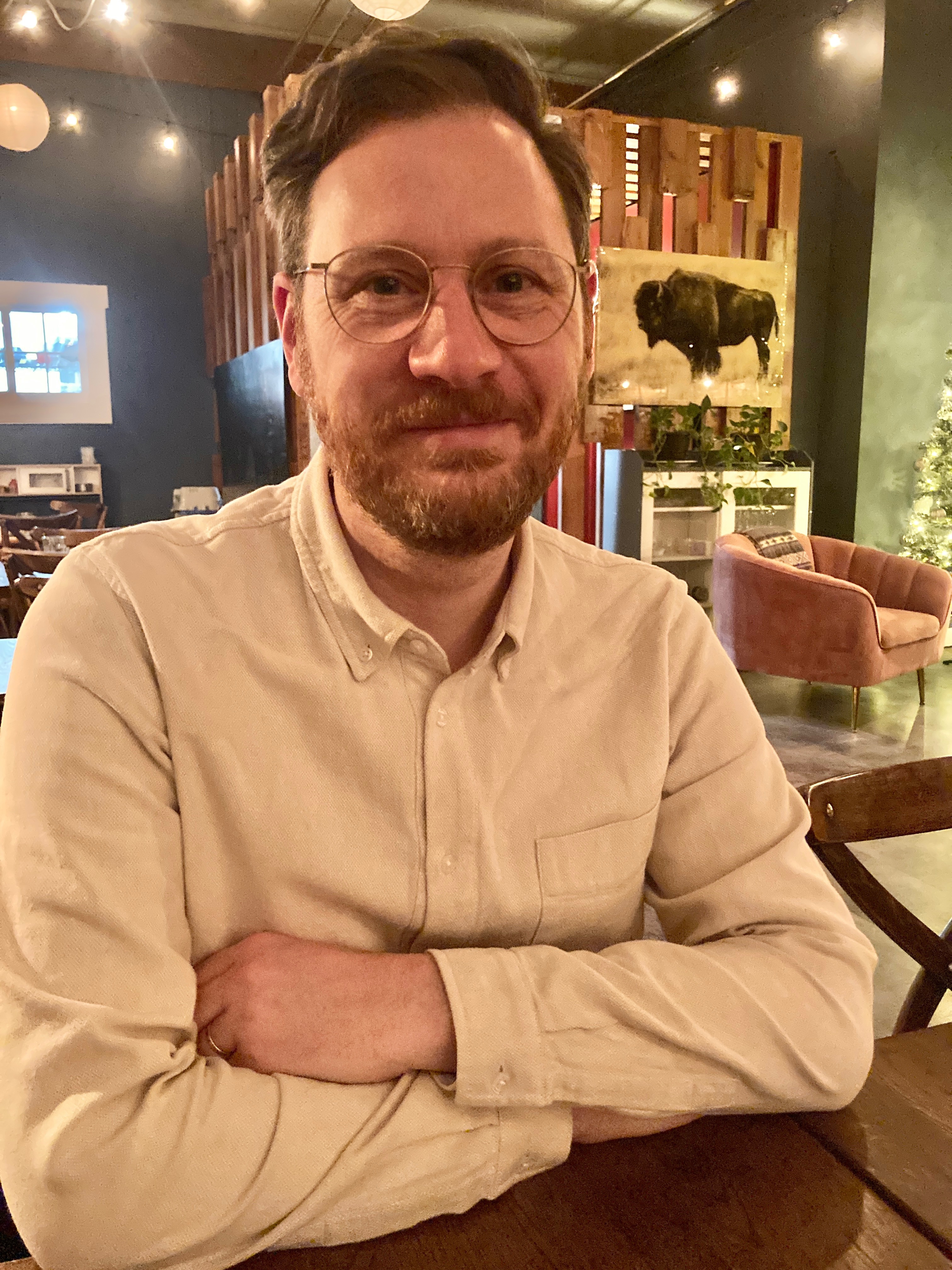
Jesse Proudfoot is an Assistant Professor in the Department of Sociology at Durham University. His research focuses on drug use among marginalized and racialized people, the politics of drug policy and treatment, and the relationship between addiction and structural violence.

What is your article “The Dreamwork of the Symptom: Reading Structural Racism and Family History in a Drug Addiction” about?

This article is about the relationship between oppressive social forces and illnesses like drug addiction. It’s common in medical anthropology to argue that seemingly individual illnesses need to be understood as shaped, and often produced, by social forces, but the precise ways that these forces produce illness is difficult to chart in concrete terms. In this article, I try to analyze this process, by looking at the case of one person I interviewed: Leon, an African American man from Chicago who had an addiction to crack cocaine. Drawing on psychoanalysis, and in particular, Freud’s idea of the dreamwork, I attempt to show how latent social forces like structural racism can find expression in symptoms such as drug addiction, but only through the mediation of other proximate layers—in Leon’s case, his complex relationship with his family and his own radical politics.

Tell us a little bit about yourself and your research interests.

I’ve been interested in drug use and addiction since my PhD, which was an ethnographic study of homeless drug users in Vancouver’s Downtown Eastside. I charted their experiences as the neighbourhood underwent rapid changes due to progressive developments in drug policy, as well as gentrification. My earlier work was more concerned with the politics of harm reduction drug policy, but over the years, I’ve become more interested in the broader question of addiction and the subjective experience of people with problematic relationships to substances. I’m most interested in thinking about symptoms—like addiction—as sites of connection between the social, the political, and the subjective.

What drew you to this project?

This research grew out of an 18 month period of fieldwork I conducted in Chicago in 2012-13. I was working in a halfway house for people being released from prison who were struggling with drug addictions. I was struck by the diversity of people’s experiences of addiction, which ranged from what we might call acute self-medication, in order to deal with intolerable life circumstances, to much more complex, unconscious dynamics related to childhood trauma. Having written about these different forms of addiction in an earlier paper (‘Traumatic Landscapes’, 2019), I became interested in understanding what else we can read in addictions and the broader question of how to understand the relationship between politics and symptoms.

What was one of the most interesting findings?

The hook of this paper is that understanding the causes of your illness is not the same as treating it. Critical medical anthropology places a lot of emphasis on the demystification of symptoms, implicitly arguing that by uncovering the social causes of illnesses, we can alleviate them. Even though it now sounds obvious, I was struck during this research by the gap between demystification and therapeutics. My interlocutor Leon had a very well-developed political analysis of his addiction, grounded in critical political economy and anti-racism, and we talked about this often. But these insights failed him where he needed them most, in changing his own relationship to drugs. Making sense of this gap was what prompted me to think more deeply about how we approach the question of demystification.

What are you reading, listening to, and/or watching right now?

I started running last year, which means I’m listening to a lot of podcasts. My current favorites are Know Your Enemy, which is a deep dive into American conservative thought for people on the Left, and Love is the Message by Tim Lawrence and Jeremy Gilbert, which is focused on dance music, counterculture, and collective joy—things I’ve spent a lot of time thinking about. The most recent novel I read was A Gate at the Stairs, by Lorrie Moore; a very funny and sad book about going to college, grief, and loss.

If there was one takeaway or action point you hope people will get from your work, what would it be?

The demystification of illness is a complex business and our critical efforts must be attentive to the highly particular ways that people experience and embody those social forces that medical anthropologists are often interested in. As I hope to show in the article, this is essential not only to more accurately theorize illness, but also to help people with addictions to make sense of their lives and navigate their recoveries. Care must be ‘structurally competent’ in Jonathan Metzl and Helena Hansen’s terms, but also—in the spirit of the best traditions within psychoanalysis—grounded in the particularities of life histories.

Other places to connect:
Website
Interview With Hanne Apers

The next few months we’ll be highlighting authors who have published in Culture, Medicine, and Psychiatry.

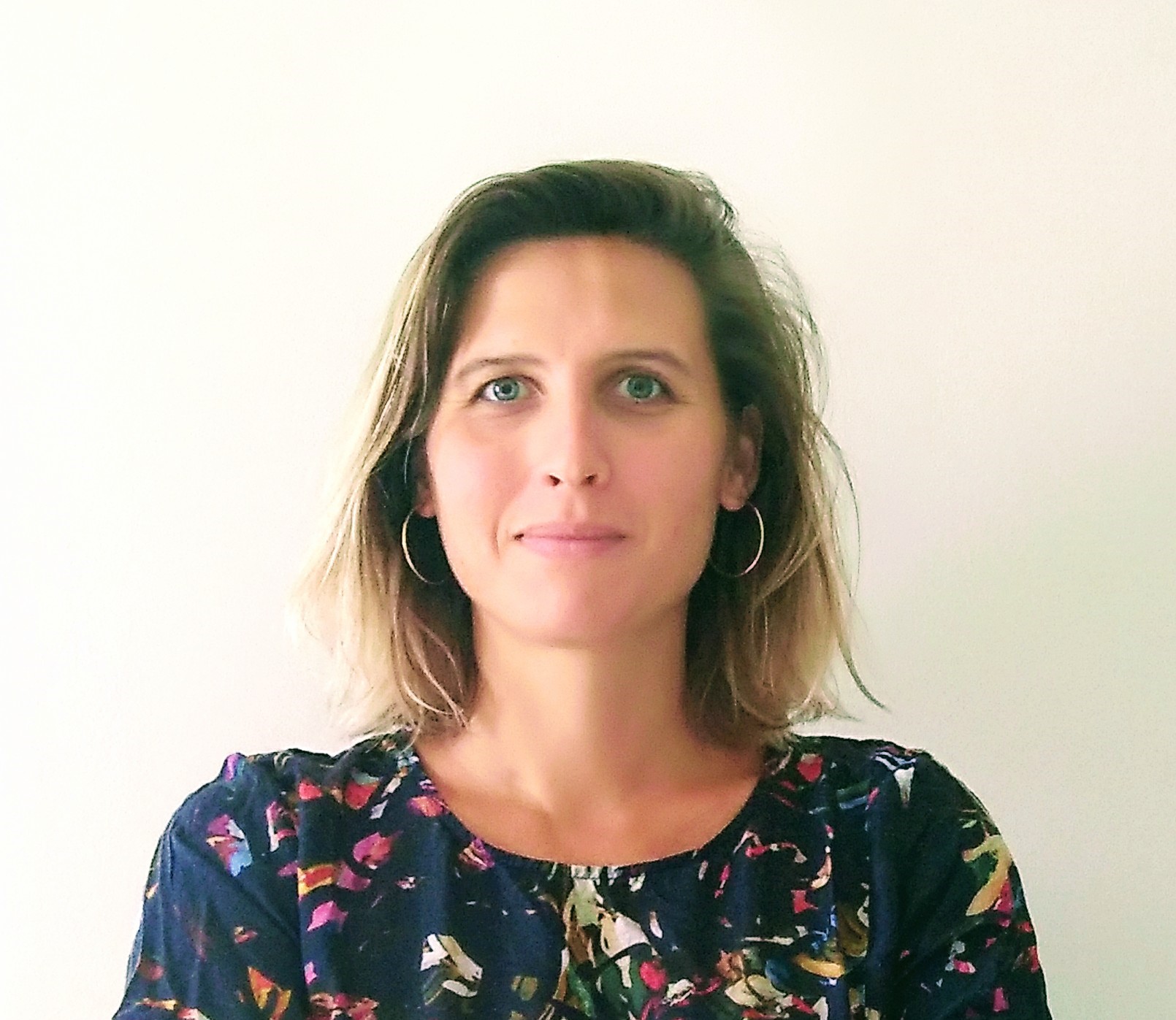
Hanne Apers, a female PhD candidate at the University of Antwerp’s Centre for Population, Family, and Health, specializes in mental health and migration. With a background in psychology and anthropology, she is currently completing her PhD-research on the explanatory models of mental health among East-African migrants in Belgium.

What is your article “Explanatory Models of (Mental) Health Among Sub-Saharan African Migrants in Belgium: A Qualitative Study of Healthcare Professionals’ Perceptions and Practices” about?

This study explores how mental health professionals in Belgium perceive the mental health understandings of their patients with a sub-Saharan African (SSA). 22 professionals were interviewed, including ten who also have a SSA migration background. The study explores three main aspects. Firstly, it examines how professionals perceive their SSA patients’ explanatory models of mental health. Secondly, it investigates the impact of these perceptions on their treatment approaches. Lastly, it considers the influence of professionals’ cultural backgrounds, comparing those with and without an SSA background.

The findings highlight noticeable differences in explanatory models, the main distinction was found in the beliefs about what causes mental health issues. Professionals’ understanding of SSA models affects their treatment practices, those familiar with SSA views faced fewer language and interpretation challenges. Non-migrant professionals emphasized cultural sensitivity and SSA-background professionals adopted an integrated approach. These findings contribute to discussions about what it means to be “culturally competent” in mental health care.

Tell us a little bit about yourself and your research interests.

With a background in psychology and anthropology, my interest lies in exploring how different cultural views on mental health affect how people live, seek and prefer healthcare. As an anthropologist, I focus on qualitative research, favoring participatory, community-based methods to better understand the impact of cultural perspectives on healthcare dynamics.

What drew you to this project?

Numerous barriers and factors continue to hinder migrants’ access to healthcare. My aim was to contribute to lowering these barriers by comprehending the role of cultural understandings and illustrating how the organization of healthcare systems can be adapted to these differing understandings, and contribute to closing the treatment gap.

What was one of the most interesting findings?

The comparison between professionals with and without a similar migration background yielded intriguing insights, advocating for improved representation within healthcare systems.

What are you reading, listening to, and/or watching right now?

The book ‘Crazy Like Us’ by Ethan Watters provides a compelling non-academic exploration of how global mental healthcare is shaped by a prevailing Global North perspective, sometimes with detrimental effects.

If there was one takeaway or action point you hope people will get from your work, what would it be?

I hope to underscore the significance of recognizing cultural understandings and conceptualizations of health. It’s a crucial factor to consider if we aspire to develop and advocate for healthcare approaches that are truly inclusive.

Other places to connect:
Website
LinkedIn

Interview With Mary Hawk

The next few months we’ll be highlighting authors who have published in Culture, Medicine, and Psychiatry.

Mary Hawk (DrPH) is the LSW professor and chair at the University of Pittsburgh School of Public Health, Department of Behavioral and Community Health Science. Dr. Hawk’s work includes the implementation and assessment of structural interventions to improve health outcomes for oppressed populations and the development of community-engaged approaches to optimize public health. She is co-founder of The Open Door, a harm reduction housing program created to improve health outcomes for chronically homeless people with HIV.

What is your article “Harm Reduction Principles in a Street Medicine Program: A Qualitative Study” about?

In this study we partnered with Operation Safety Net (OSN), a nonprofit that provides street medicine services to rough sleepers – people who are unhoused. We conducted qualitative interviews with OSN providers to pinpoint ways that street medicine differs from other kinds of healthcare and what elements of care were most helpful to patients.  We learned this care is built on relational harm reduction, which centers the patient-provider relationship. Ways that harm reduction played out included meeting patients where there are (both emotionally and practically, in this case on the street), offering genuine concern and dignity to patients, and supporting patients them in non-judgmental ways were found to be important aspects of this work. We hope these findings help others who care for marginalized patients consider how they can engage them in care and bridge them to other healthcare services, and ultimately help expand the field of street medicine.

Tell us a little bit about yourself and your research interests.

I worked in nonprofit settings for many years, mostly providing services to people with HIV (PWH) who experience oppression and marginalization. This community-based work is the foundation of my research. I’m interested in building evidence for community-driven approaches that advance health equity for historically excluded populations.  All my work centers on harm reduction, especially as a relational approach to care, which considers ways that patient-provider relationships can improve care outcomes. At the moment, I am working on a National Institute of Mental Health (NIMH)-funded study that explores the impact of a harm reduction-based financial management intervention on adherence among unstably housed PWH, as well as a National Institute of Drug Abuse-funded study using mixed methods to investigate experiences of stigma in healthcare settings by PWH who use drugs.

What drew you to this project?

Operation Safety Net is an amazing organization.  When we first started meeting with Dr. Jim Withers, who has made an immeasurable impact on rough sleepers and street medicine providers across the world, we had an “aha moment” and realized that an essential piece of his work seemed to be rooted in relational harm reduction. It was exciting to explore these ideas with OSN providers. At the core of relational harm reduction is the idea that all patients are worthy of respect and autonomy, and we really saw that play out with the OSN team.

What was one of the most interesting findings?

In our planning meetings with Dr. Withers and other OSN leadership we could hear the genuine care they have for their patients, but seeing this through the interview data was very compelling. But the loss and grief they experience when their patients die was also clear. We talk about burnout in healthcare, but don’t often think about that in terms of grief experienced by providers.

What are you reading, listening to, and/or watching right now?

I’m right in the middle of “The Call,” an episode of This American Life that details an overdose prevention hotline, which is a great example of how we can show care for people who are too often stigmatized through harm reduction work.  I’m also a diehard Survivor fan!

If there was one takeaway or action point you hope people will get from your work, what would it be?

Humanism is at the heart of harm reduction approaches to care, including street medicine.  Affording people dignity and genuine concern is the jumping off point for engaging anyone in care, but especially those who regularly experience trauma and systematic oppression. It can make all the difference to not only their experiences of care but also their retention in care and, ultimately, clinical outcomes. 

Other places to connect:
Website
Twitter
LinkedIn
Instagram

Interview with Danya Fast

The next few months we’ll be highlighting authors who have published in Culture, Medicine, and Psychiatry.

Danya Fast is an Assistant Professor in the Department of Medicine at the University of British Columbia (UBC) and an Associate Member of UBC’s Department of Anthropology. Her research focuses on tracing the substance use and care trajectories of young people who use drugs in Greater Vancouver, as these individuals navigate ongoing overdose and housing crises. 

What is your article Staying Together No Matter What: Becoming Young Parents on the Streets of Vancouver” about?

Among young people who use drugs and are experiencing poverty and homelessness, pregnancy is often viewed as an event that can meaningfully change their lives. In this way, youth’s perspectives seem to align with those of various healthcare, criminal justice, and child protection professionals. However, in our article we also describe moments when youth’s desires and decision-making are powerfully at odds with the perspectives of these professionals. For example, we describe how youth’s romantic relationships can shape understandings of right and wrong and the decision to “stay together no matter what” during pregnancy and early parenting, clashing with the demands of professionals that young couples separate for periods of time to attend residential drug treatment prior to or following childbirth. The result among young people can be painful and confusing cycles of loss, defeat, and harm. For Indigenous youth, these cycles often extend across generations.

Tell us a little bit about yourself and your research interests.

I am a medical anthropologist who has spent the past 15 years working closely with young people who use drugs in the context of unstable housing and homelessness in Vancouver, Canada. Across this period, I have been interested in how youth’s possibilities unfold through – but also around – an ever burgeoning and contracting care assemblage (to borrow a term from Andrea López) in the city, as individuals engage with, evade, and refuse state-sponsored programs and services. In my new book The Best Place, I trace the affective intensities that animate these moments of engagement, evasion, and refusal, as well as substance use itself.    

What drew you to this project?

Over the past decade and a half, I have worked closely with many young couples who use drugs, and always been eager to undertake a project focused on their perspectives and experiences surrounding pregnancy and early parenting. It was a pleasure to work with my Master’s student and co-author Reith Charlesworth on this project, which incorporated insights from both my own long-term fieldwork and Reith’s Master’s research with a distinct group of young people and couples.

What was one of the most interesting findings?

The most interesting, or perhaps important, finding in my view is how powerfully romantic relationships anchored young people’s moral worlds and decision-making regarding what was right and wrong in particular moments. The imperative to “stay together no matter what” among young couples was so powerful that it almost always overrode even the strongest warnings from social workers, probation officers, and others that youth must separate from each other for periods of time so that custody of a child could be maintained. This mis-match of perspectives was painfully confusing and frustrating for young people, and had heartbreaking consequences.

What are you reading, listening to, and/or watching right now?

Reservation Dogs (Disney+)

Crackdown Podcast

Johnny Appleseed by Joshua Whitehead

Habeas Viscus by Alexander Weheliye

If there was one takeaway or action point you hope people will get from your work, what would it be?

Young people who use drugs are enmeshed in elaborate moral worlds often anchored by relationships to place and to each other. It is critical that programs and services for pregnant and parenting youth are not just focused on reducing risks and harms, but also on supporting young people’s full humanity and desires for love, family, and homemaking.

Thank you for your time!


Other ways to connect:
Website
Twitter
LinkedIn

Interview with Carina Heckert

The next few months we’ll be highlighting authors who have published in Culture, Medicine, and Psychiatry.

Carina Heckert is an Associate Professor of Anthropology in Department of Sociology and Anthropology at The University of Texas at El Paso. Her research focuses on how policies shape illness experiences and experiences seeking healthcare. Her forthcoming book Birth in Times of Despair: Sociopolitical Crises and Maternal Harm on the US Mexico Border (NYU Press) shows how longstanding unjust immigration, health, and social policies both before and during the height of the COVID-19 pandemic produce various forms of maternal harm in the border region.

What is your article Recalibrating the Scales: Enhancing Ethnographic Uses of Standardized Mental Health Instruments about?

We intended for “Recalibrating the Scales” to serve as a way to think about the ways standardized scales are incorporated into anthropological research. Often, anthropologists use scales as a means to generate quantitative data that facilitates conversations in public health and medicine. Through our own use of scales in multiple projects, we found that how people choose to respond to closed ended questions – which often included detailed elaborations, especially when their response could not fit into the confines of a scale – show that scales have more ethnographic potential than what has typically been recognized. The projects informing this article include the Dallas Translating Affect Project, which documented the emotional trajectories of recovery for survivors of intimate partner violence, and the El Paso Maternal Health and Emotional Distress Study, which explored the emotional experience of pregnancy among first- and second-generation immigrants in the US-Mexico border region.

Tell us a little bit about yourself and your research interests.

I am a medical anthropologist with interests in global health, health policy, immigration, reproductive health, gender, and Latin America. My earlier work focused on experiences of navigating global health HIV programs in Bolivia in the context of a national agenda aimed at decolonizing health services. More recently, my work focuses on pregnancy, birth, and postpartum experiences during a series of overlapping public health and social crises in the US-Mexico border region, including draconian enforcement of immigration policies, a mass shooting, and the COVID-19 pandemic.

What drew you to this project?

This current piece draws from multiple projects, including one that I collaborated on with my graduate mentor, Dr. Nia Parson. For me, this article was a fun way for us to bring together multiple projects that shared common themes related to emotions, immigration, and gender inequities. In both of the projects that we discuss, we incorporated standardized mental health scales as a way to produce quantitative data that we could put into conversation with interview narratives. We quickly noticed that many women were not content with providing a Likert-scale response to questions, and instead often provided detailed responses to closed-ended questions. We decided it was worth exploring the content of these responses and how ethnographers might use scales to actively elicit this complementary narrative data.

What was one of the most interesting findings?

I was initially very surprised that closed ended questions were eliciting details that often did not emerge in the interviews where we were actively soliciting longer detailed responses. As we discuss in the article, at times, simply asking questions in a different way can potentially lead to different ways for people to share their experiences.

What are you reading, listening to, and/or watching right now?

My guilty pleasure is Colombian telenovelas on Netflix. I recently finished watching Season 2 of The Queen of Flow. I’m not happy with how that show ended.

If there was one takeaway or action point you hope people will get from your work, what would it be?

As ethnographers are well aware, our interlocutors often have things to say about the research instruments that we are using. The nature of standardized closed ended scales often makes these comments and mutterings invisible, when they should be treated as ethnographic data in their own right.

Thank you for your time!


Other ways to connect:
Website
LinkedIn

Interview With Neil Armstrong

The next few months we’ll be highlighting authors who have published in Culture, Medicine, and Psychiatry.

Neil Armstrong is a Student Mental Health Research Associate, Kings College London and Fellow in Harris Manchester College at University of Oxford. He has a Bachelor of Arts in Philosophy and Theology. Additionally, he has a Master of Science in Teaching and Doctor of Philosophy in Social Anthropology.

What is your article Is it Still Ok to be Ok? Mental Health Labels as a Campus Technology” about?

Is it Still Ok to be Ok? Mental Health Labels as a Campus Technology is about how students engage with mental health labels in new ways. Our ethnographic data show that although labels can still be a source of stigma, they are also something students use. Labels can facilitate interaction with academics and administrators; be used as a pliable means of negotiating social interaction; be creatively directed towards self-discovery; and can even be a means of promoting sexual capital and of finessing romantic encounters. So rather than being fixed and burdensome, labels emerge as flexible, fluid and contextual. To try to capture the usefulness of labels, we call them ‘campus technologies.’ Our findings give pause to quantitative mental health research that relies on labels having clear and simple meanings. But, equally, concerns about the power of labels to medicalize students also appear undermined.

Tell us a little bit about yourself and your research interests.

I am a medical anthropologist who uses ethnographic methods to make lived experience of mental health problems legible to clinically engaged research.  I am interested in mental health bureaucracy, in particular how ideas like accountability might conflict with care quality. Currently, I am researching student mental health and assessing what it might mean for universities to become compassionate. Collaborative Ethnographic Working in Mental Health was published by Routledge in December 2023.

What drew you to this project?

I became concerned that the social science literature on mental health labels was out of date. Looking around on campus I could see that students engage with labels in creative and productive ways and that the literature had not caught up. The SMarTeN project provided me with an opportunity to work with students to coproduce a paper exploring their experiences with labels and relating this to ideas in the academic literature (https://www.smarten.org.uk/).

What was one of the most interesting findings?

A lot of research into student mental health assumes we can easily understand what people mean when they fill out questionnaires that use mental health labels. Perhaps this was true in the past. But our ethnographic work suggests that today, the meanings of key terms like ‘depression’, ‘anxiety’ and ‘wellbeing’ are not fixed but fluid. Students actively engage with mental health labels to negotiate their life on campus. This suggests we might need to rethink how we conduct research, and particularly our reliance on quantitative data.

What are you reading, listening to, and/or watching right now?

I recently finished John Burnside’s beautiful and heartbreaking memoirs A Lie About My Father and Waking Up in Toytown. I’ve been listening to Blaze Foley and watching Severance.

If there was one takeaway or action point you hope people will get from your work, what would it be?

We need to revisit what we think we know about young people and mental health. Things may not be as they appear.


Interview With Cíntia Engel

The next few months we’ll be highlighting authors who have published in Culture, Medicine, and Psychiatry.

Cíntia Engel is a Visitor Scholar at the Institute for Bioethics & Health Humanities, University of Texas Medical Branch. She is a Brazilian medical and social anthropologist working at the intersection of the anthropology of care, Feminist Science and Technology Studies and Health Humanities. Her research interests include geriatric care, dementia, drug complexity in treating dementia, and policies of care in Brazil.

What is your article “Dementia, a Polypharmaceutical Phenomenon: The Intimate Combinations of Dementia Drugs in Brazil” about?

The paper discusses how symptoms of dementia entangle with the multitude of drugs used to treat it. To state that dementia is a complex condition is commonplace. The medical literature typically explains it by the disease characteristics, and social sciences highlight its multiple social and affective consequences. In the paper, I discuss how the complexity also relates to the treatment. Based on an ethnography of one year and a half (2017–2018) in a Brazilian metropolis, within a Public Geriatric center and the households of three families, I argue that dementia is a phenomenon enmeshed in polypharmacy. I open the text presenting the universe of drug consumption and its variety, then, through ethnography, I observe different levels of combination between medication in this complex treatment: (i) between themselves, (ii) with time, and (iii) with social relations, politics, and care practices.

Tell us a little bit about yourself and your research interests.

For as long as I can remember, I have been curious about how life and death keep happening as they do. I grew up in a small town in the interior of southern Brazil. Following the advice of a teacher, I went to the Federal District and graduated in social sciences at the University of Brasilia, where I did my Master’s in Sociology and my Ph.D. in Anthropology. My research intersects medical anthropology, care anthropology, and feminist science and technology studies. I believe that ethnography can enrich exchanges between these fields, expanding the analysis of the socio-material health phenomena, which is my main area of research. In this area, my topics of interest are the socio-material body, dementia, care practices, intersectionality in health, and the drug complexity of chronic treatments. The methodological perspectives of Annemarie Mol and Veena Das and the philosophical imagination of Donna Haraway inspire my thinking and writing.

What drew you to this project?

During my Master’s degree, I researched care and Alzheimer’s disease, observing the exchanges and conversations of support groups for caregivers and newly diagnosed people. The topics of conversations covered dilemmas such as managing symptoms, finding acceptance, and dealing with the challenges of daily care. To my surprise, a recurring theme was drugs prescribed by physicians to deal with dementia and other comorbidities. Caregivers used to mention many drug names and share experiences and agonies about them. The mediators of the groups were social workers, psychologists, and occupational therapists. Despite being very familiar with drug conversations, they did not feel in the proper position to advise about it, so they organized the presence of a pharmacist at a meeting. It was one of the most crowded meetings I witnessed, and many participants spoke that day. At that moment, I was not able to discuss the role of medication in care, but I decided I should study it for my Ph.D.

What was one of the most interesting findings?

Once I started my research with geriatricians, I introduced myself as an anthropologist interested in studying Alzheimer’s disease and its medical treatment. However, they told me that perceiving medicines and diagnoses in isolation were insufficient. They taught me I needed to know the combination of diseases and substances used in each situation to discuss the medical treatment. One of their challenges was to deal with ‘drug interactions’: combinations of substances that could modify effects by intensifying, decreasing, or generating a dangerous side effect. They also taught me that caring for the ‘interactions’ was imperative in complex cases in which dementias combine with a series of other chronic diseases or even with social and financial dilemmas—and most dementia treated there were complex cases. I took this “native” notion of drug interaction and decided to play with it through its multiple consequences in care practice. There is more than one drug at work in most dementia cases, and they interact. By acknowledging the multitude of drug interactions, I argue that a polypharmaceutical phenomenon enacts dementia.

What are you reading, listening to, and/or watching right now?

I am reading a beautiful book that teaches me about vulnerability and the complex relationships of love and care. The Vietnamese American and Queer poet Ocean Vuong writes “On Earth, We’re Briefly Gorgeous” as if it was a letter to his mother, who cannot read. He harbors the violent outbursts of a mother traumatized by war and immigration while finding a way to embrace himself fully. It is a strong, sensitive, hurtful, and hopeful book.

I recently moved to the United States, and I am feeling a bit homesick, I have been listening on repeat the album Canto de Praya, by Hamilton de Holanda and Mestrinho. It is Chorinho, a musical genre that warms my heart.

If there was one takeaway or action point you hope people will get from your work, what would it be?

The most direct takeaway would be assuming that drugs are social beings that interact and probably rethinking dementia medical treatment to deal carefully with these relations.

I would also state the known yet necessary point that caring for dementia should be a collective concern, not centered on families, drugs, or institutions alone. We need more infrastructure of care and awareness for people with dementia to be themselves and live the best life possible.


Other places to connect:
Twitter
LinkedIn
ResearchGate

Interview With Ida Marie Lind Glavind

The next few months we’ll be highlighting authors who have published in Culture, Medicine, and Psychiatry.

Ida Marie Lind Glavind is a PhD candidate in Anthropology, at the Department of Anthropology at the University of Copenhagen and at the Danish Alzheimer Association. In her dissertation, Ida followed people with Alzheimer’s disease living in Denmark, exploring how the disease affected their social life.

What is your article “Temporal Belonging: Loss of Time and Fragile Attempts to Belong with Alzheimer’s Disease” about?

In the article, I explore how a changing conception of time affects the social relations of people with Alzheimer’s disease living in Denmark. I argue that although the loss of sense of time is clinically defined as a “subjective loss of time,” it is rather an intersubjective loss. As people with Alzheimer’s break out of the shared rhythms and pace of everyday life – due to difficulties keeping track of dates and managing numbers – they challenge their closest relations. Secondly, I argue that from studying the ruptures and conflicts arising from the different conceptions of time, we learn that belonging as a sense of attachment is very much contingent on temporality.

Tell us a little bit about yourself and your research interests.

In my research project, I explore the lifeworlds of people with Alzheimer’s disease and their families through ethnographic methods. I have found it exciting – and challenging –  to conduct research among people whose conception of time and vocabulary is undergoing a radical change due to their illness.

What drew you to this project?

Before starting my Ph.D. project, I worked at the Danish Alzheimer Association, a patient organization for people with dementia. Here, I was repeatedly struck by how media coverage of dementia often excluded or left out the patients’ experience and instead focused on the caregivers’ perspective. This motivated me to formulate a research project taking its point of departure in the lifeworlds of people with dementia.

What was one of the most interesting findings?

Paying attention to the experiences of people with dementia offers us surprising and nuanced insights into how dementia is not only about loss, decay, and death but also about continuing care and social relations.

What are you reading, listening to, and/or watching right now?

Currently, I am reading Anna Karenina by Leo Tolstoy.

If there was one takeaway or action point you hope people will get from your work, what would it be?

I hope the article can give scholarly attention to the role of temporality in social life and illness. For families affected by dementia, I hope the article can give a new perspective about how the loss of sense of time befalls not only the person with dementia but also the rest of the family.


Other places to connect:
LinkedIn

Interview With Iben M. Gjødsbøl

The next few months we’ll be highlighting authors who have published in Culture, Medicine, and Psychiatry.

Iben Gjødsbøl is Assistant Professor at University of Copenhagen, Denmark. In her PhD, she explored questions of life’s worth and personhood in the face of dementia. Her current research explores how data-intensive medical technologies transform care and clinical practices, and how health professionals, researchers, and patients experience these transformations.    

What is your article ‘Intangible Cultural Heritage: ‘Curating’ the Human‘ about?

My article is about the everyday care for people who suffer from very progressed dementia. It draws upon ethnographic fieldwork I did in a Danish nursing home specialized in dementia care as part of my PhD research. In the article, I attend to the ways in which nursing home staff care for residents who have lost their capacities for memory, agency, and communication and thus are pushed to the margins of conventional personhood. Demonstrating how caregivers during mundane care practices such as feeding and dressing uphold the residents as biographical human beings in belonging, I argue that dementia care should be recognized as a curatorial practice, preserving not only individual but also collective memories of what it takes to be human and belong in society.

Tell us a little bit about yourself and your research interests.

I’m employed as a Professor at the Department of Public Health, University of Copenhagen. Since my dementia care research, I have moved on to investigate how precision medicine is being realized in the field of cardiology in Denmark. Next year, I will do fieldwork to study how the clinical implementation of an algorithm as a support tool for decision-making transforms the care for patients with ischemic heart disease. I am always drawn to explore how the local practices and understandings, I study during my ethnographic engagements in clinical and care practices, should be understood in the context of the Danish welfare state.

What drew you to this project?

I was drawn into the project on dementia care through my outstanding research leader, Professor Mette Nordahl Svendsen. In 2013, she received a prestigious grant for a research project entitled: A Life Worth Living: Negotiating Worthiness in Human and Animal (LifeWorth). In this project, we collaboratively investigated questions of personhood and life’s worth across the very beginnings and ends of life and across human and animal with empirical fields as diverse as neonatology, dementia diagnostics and care, and experimental animal studies. Being raised as a scholar in the LifeWorth project was an invaluable experience for me.     

What was one of the most interesting findings?

I was so impressed by the skills and persistence of the staff in the nursing home’s specialized unit. Every day, they tirelessly upheld the life stories, the social relations, and the agency of the very fragile residents who could only minimally respond to their care. These caregivers did everything they could to create lives worth living for the residents. Yet in the face of the residents’ profound disabilities and too little time and resources to provide proper care, caregivers also endured moral perils by sustaining the lives of the residents. 

What are you reading, listening to, and/or watching right now?

I’ve just embarked on an ethnographic research project about the implementation of artificial intelligence in clinical care for patients with ischemic heart disease, so I’m trying to delve into the growing social science literature on AI and algorithms in healthcare.

If there was one takeaway or action point you hope people will get from your work, what would it be?

With my article and the argument that we should recognize dementia care as a curatorial practice, I hope to voice and draw attention to the impressive work carried out in nursing homes every day. Caregivers who care for people at the margins of conventional human personhood are constantly upholding culturally specific notions of what it takes to be human and to belong. Yet nursing home caregiving is poorly paid, and it remains some of the least acclaimed and appreciated professions in our society. With the article, I hope to flag up dementia care as an essential yet morally challenging task fundamental for curating our human heritage, and thus for maintaining the cultural and societal imaginaries of the Danish welfare state.


Other places to connect:
University of Copenhagen

Interview With Ben Belek

The next few months we’ll be highlighting authors who have published in Culture, Medicine, and Psychiatry.

Ben Belek, Head of Impact and Policy Analysis, Israel Society of Ecology and Environmental Science is a social and medical anthropologist with a PhD (2016) from the University of Cambridge.His research focused on identity, activism, and expertise among autistic adults. In a different project he explored the shifting economic and cultural values of blood constituents. Currently, he helps design sustainable, science based and climate conscious public policies.

What is your article “‘A Smaller Mask’: Freedom and Authenticity in Autistic Space” about?

The article is about the lengths some people go to present themselves in a certain way. Society has very strict expectations on how to behave, and many of us typically abide by these expectations, if only to keep ourselves out of trouble. But the case with many autistic people is that these expectations are completely out of synch with their natural inclinations. The result is that they need to work hard to appear to fit in; not even necessarily because they want to, but because the sanctions laid against those who don’t are often ruthless. Autscape is a distinctive social setting where the rules of social conduct are unusual because they were actively and explicitly designed for autistic people, by autistic people. I did fieldwork in Autscape and learned how its autistic attendees take advantage of this unique setting to reflect on such matters as autonomy, authenticity, and freedom.

Tell us a little bit about yourself and your research interests.

Since starting my PhD about ten years ago, my main research interest was autism. My vision was to make use of the tools and insights of social anthropology to explore the aspects of autism that aren’t usually talked about in other disciplines – like what it means for people on the spectrum to be autistic, what sense they make of it, and how their ideas about autism differ from those of experts. During my postdoc I began exploring quite a different topic, which is how the medical benefits of blood proteins make them the basis of economic exchange, despite the fact that in the most part they were given freely by blood donors. So these blood constituents constantly shift between being a gift and being a commodity, with all the cultural weight placed on blood – sanctity and defilement, strength and kinship, life and death. These days I’m doing something very different – I no longer do academic research, but work with the government to help it design public policies geared towards mitigating greenhouse gas emissions and adapting to climate change. It sounds technical but it’s not – public policy is the most applied form of social science, as it’s really just about people through and through.

What drew you to this project?

By now there are loads of exciting material about autism that take a critical perspective, but when I just got started, there honestly weren’t that many. My partner was a speech therapist, and she worked a lot with autistic children. She would tell me about her patients’ difficulties and preferences, which got me curious. But the only interpretations that were out there were those given by medical professionals and mental health experts. I found it to be a very medicalized and positivistic approach to human behavior, which did not sit right. Where were the subjective experiences? I wanted to understand how autistic people themselves make sense of their condition, and so I decided to go out and study it the way I thought was most appropriate – through ethnographic fieldwork.

What was one of the most interesting findings?

I’m not sure it’s a finding as such, but I thought my interlocutors’ frequent use of the mask motif was fascinating. A mask is of course a very rich metaphor, which is partly why masking is such a deep-rooted practice in so many cultural contexts around the world. Western social theory also has quite a rich tradition of musings over the meaning of masking in the more metaphorical sense, as with Goffman etc., and these infiltrated popular conceptions over impression management and the portrayal of oneself as if on a theatre stage. In that sense, there’s nothing particularly surprising about people invoking this image of unmasking. But what I thought was especially interesting in Autscape was the fact that the proverbial mask was not seen by its participants as a tool of self-expression, but rather as an instrument of oppression. So unlike in various festivals and carnivals where masks are donned to express freedom and rebellion, Autscape is a festival (arguably) where the removal of masks is what symbolizes liberation. I thought this was a very clever reversal of the typical mask metaphor on their part.

What are you reading, listening to, and/or watching right now? (Doesn’t have to be anthropological!)

I’m tempted to go on about House of the Dragon, but I’ll mention instead a book that I’m currently reading (well, listening; I have the audio version). This one is also about politics and governance, though it’s slightly less well-known than the HBO series. Admittedly, it does have fewer dragons. It’s a book titled The Sustainable State, by Chandran Nair. Nair offers a very well-argued and quite provocative roadmap for a sustainable economy, one in which consumption is reduced to a reasonable scale and where the state claims significantly higher authority over the free market. It’s a challenging read: Nair can be extremely persuasive, and while the enormous challenges of mitigating climate change and adapting to it undoubtedly require radical reforms in the economy, his proposition for a sustainable state goes against so many of the norms and values many of us currently live by. Listening through the book, I find myself shifting between enthusiastic support and stern objection to his ideas. To what extent does the climate crisis warrant taking risks with people’s rights and liberties? I don’t pretend to know the answer, but I definitely agree it’s a question worth asking.

If there was one takeaway or action point you hope people will get from your work, what would it be?

There are a lot of stereotypes about autism. Many of them are well meaning, but like all misconceptions, they ultimately do more harm than good. I think the main takeaway from my work is that autism is a very broad and diverse category, and upon meeting a person on the spectrum, it’s nearly impossible to know what to expect. But on top of that, autism is just a very dynamic concept, in the sense that it’s constantly ascribed different meanings by different people. And autistic people also do that work of charging the concept of autism with meaning, based on their own experiences, impressions, and ideas. The scientific discourse on autism is constantly pushing towards unambiguous claims and strict definitions; this has value, and it makes sense in some respects. But what my work demonstrates is that autism is as much a political category as it is a medical one. That’s not to say it’s any less real, or that the difficulties often endured by autistic people and those who love them are any less painful. It does however open up a space for a conversation about how changing the terms of the discussion on autism and designing appropriate accommodations might help make autistic people’s lives easier and more fulfilling. The way to do this is by listening to what people on the spectrum have to say, and taking that into account when decisions – about treatment, diagnosis, education, welfare, health, employment etc. – are made.


Other places to connect:
The Autism Anthropologist
LinkedIn
Twitter