
The next few months we’ll be highlighting authors who have published in Culture, Medicine, and Psychiatry.


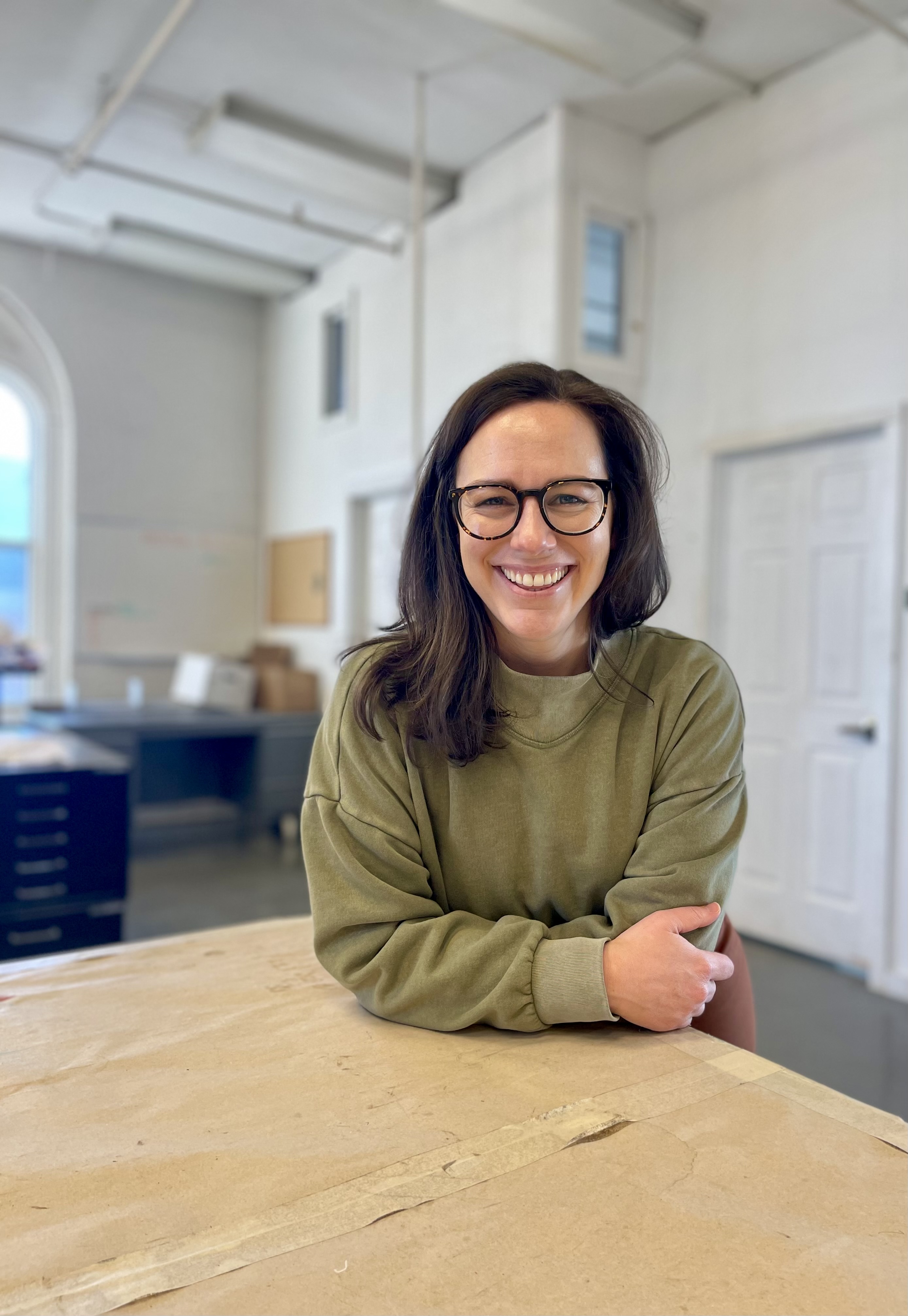
Wren Ariel Gould is a 3rd year PhD student at the Dalla Lana School of Public Health at the University of Toronto. They leverage critical theory, political economy, and critical psychiatry in considering LGBT mental health, with their research addressing this vital intersection (e.g., trans mental healthcare, anti-trans health legislation).
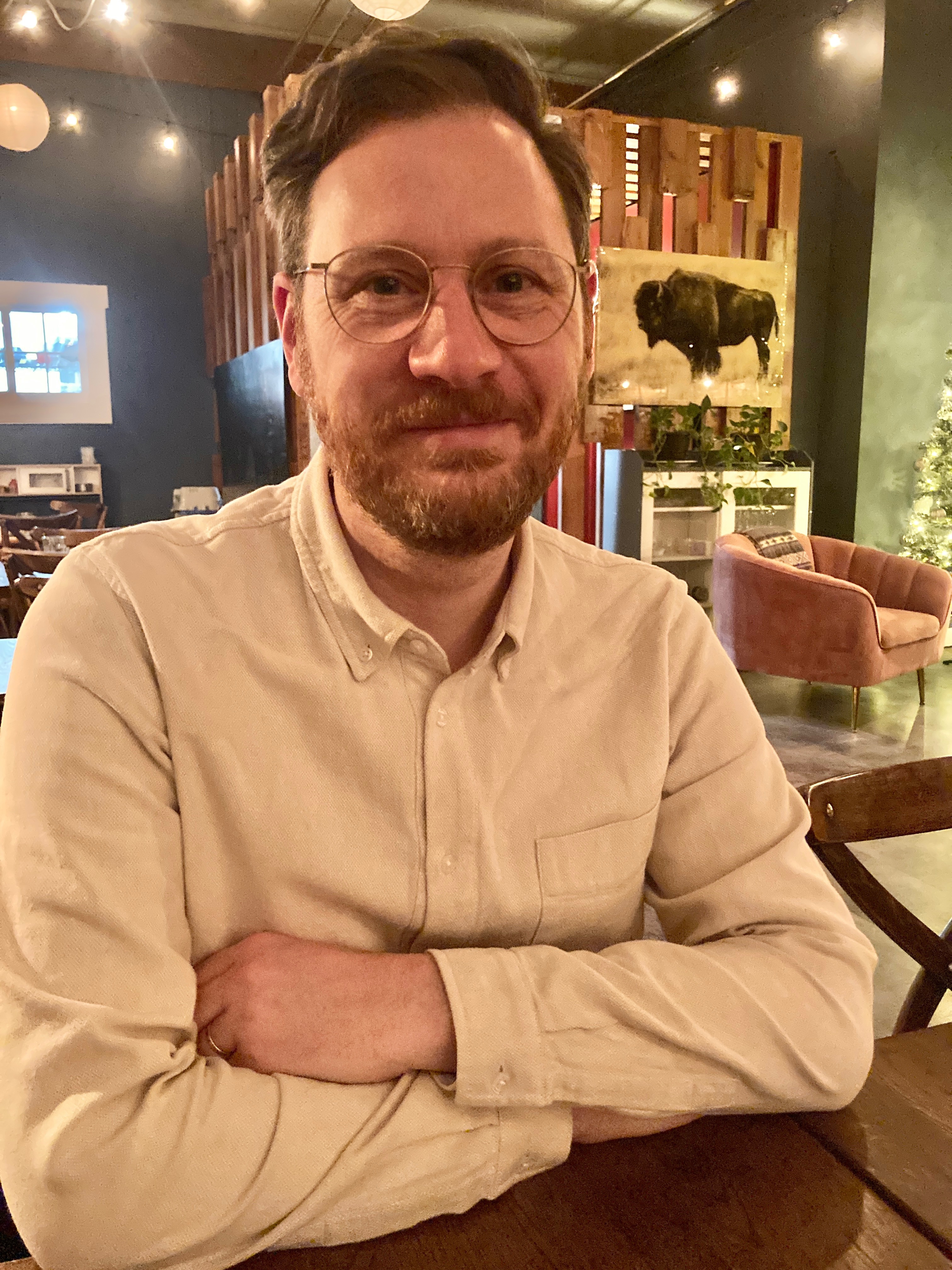
Kinnon Ross MacKinnon is an Assistant Professor in the School of Social Work. His research examines the socio-political dimensions of gender-affirming healthcare delivery and how sexual and gender minority individuals have experienced this care.
What is your article “Detransition Narratives Trouble the Simple Attribution of Madness in Transantagonistic Contexts: A Qualitative Analysis of 16 Canadians’ Experiences” about?
This article is about how accusations of “mental illness” are often used to undermine marginalized peoples, especially transgender, nonbinary, and gender-nonconforming people. One way accusations of mental illness can be leveraged to against gender minority people is through stories about how trans/nonbinary identities are not “real” because they are rooted in mental illness, and that some people detransition when they “realize” their transition was motivated by a mental illness. Our paper interviewed individuals whose personal stories reflects insights into this trajectory, highlighting that at the center of their narratives was resistance to the idea that mental illness made any part of their life story (or former trans identities) any less real or valid. These individuals sometimes reflected that earlier gender dysphoria was real, even if they have come to understand dysphoria as intersecting with mental illness or neurodivergence. Ultimately, these stories suggest that neurodivergence or mental health challenges are no reason to invalidate others and that providers of gender-affirming healthcare may look to develop approaches to care that are trauma-informed and can attend to madness.
Tell us a little bit about yourself and your research interests.
Wren: I’m interested in LGBT mental health viewed from a few critical perspectives, especially critical political economy. On the one hand, that means I’m interested in how states are trying to assume control over trans healthcare, especially from the perspective of a thorny political context in the U.S. But I’m also interested a broader U.S. political context and what it means for LGBT mental health, mainly U.S. divisions between rural and urban spaces. I’m particularly interested in ideas about how urban spaces are (relatively) safe for LGBT people, especially because I wonder if that holds for everyone. I grew up in a small town in the U.S., and at least my experience was a bit more complicated than that. I’m curious if those ideas are complicated for other people and what implications that holds for the U.S. political landscape.
What drew you to this project?
Wren: I was drawn to the project because I actually have a lived experience of detransition and also years of experience as a mental health provider (informed by
Recovery and critical psychiatry). My experience was that my story was really different from stories in the media that depict detransition as a unilateral failure and as negative, and I wanted to know what others’ perspectives were. I also try to think about “mental illness” outside of psychiatric frames, as part of human neurodiversity, so I was especially curious about how neurodiversity informed detransition and how that story may not be categorically negative and could look really differently from what I saw in the news.
Kinnon: I was the principal investigator of the Re/DeTrans Canada study that provided the qualitative data for this paper. The trajectory of my scholarship for the past decade has consistently included attention to the needs of sexual and gender minority people on the margins of society. Detransition is an experience that is becoming increasingly visibilized in society, yet it remains highly stigmatized, misunderstood, and a politicized experience. In the current socio-political context, there is extreme polarization and rigid ideas surrounding what it means to be transgender or detransitioned. As a trans scholar who transitioned 15 years ago, and who has supported friends to transition, and to detransition, I am curious about these phenomena and the narratives relating to both experiences, especially pertaining to mental health discourse.
What are you reading, listening to, and/or watching right now?
Wren: I’m currently reading Lent, by Jo Walton, an historical fantasy novel about the “mad” monk Girolamo Savonarola in Renaissance Italy and somewhere between re-watching Legion (about an X-men character with multiple personalities) and The Owl House (about learning how to be a witch in the Boiling Isles and how to embrace being a weirdo).
If there was one takeaway or action point you hope people will get from your work, what would it be?
When neurodivergent people speak, they deserve to be heard.
Other places to connect:
Website



 Culture, Medicine, and Psychiatry