SfAA 2017 Conference Feature Part 1: “Experiences and Identity in Long-term and Chronic Illnesses”

This week on the blog we are highlighting part one of a paper session from the 2017 Society for Applied Anthropology (SfAA) Annual Meeting which took place in Santa Fe, New Mexico from March 28th through April 1st. This session was entitled “Experiences and Identity in Long-term and Chronic Illnesses” and featured Beth Moretzsky, Karen Dyer, Marlaine Gray, and Ellen Rubinstein (full program from the SfAA meeting available here). Here, we present a summary of Beth Moretzsky and Ellen Rubinstein’s presentations. Next week we will feature part two with Karen Dyer and Marlaine Gray.

Beth Moretzsky (GSU) – Cancer Survivorship as Contested Category and Lived Reality

Moretzsky begins by maintaining the term “cancer survivor” is a social category and societal label which does not adequately represent the individuals it claims to include. The label does not encompass the multifaceted, lived experiences of those living with post-cancer treatment and instead conveys a cultural idea of what these individuals can represent to other people. In 2014 the American Cancer Society identified over 14 million living individuals in the United States who received a cancer diagnosis at some point in their lives. Moretzsky states that as we think about how to reach, support, and provide services for this population that has unique medical and social needs, we need to understand how this term “cancer survivor” is interpreted. We also need to appreciate how people who have had cancer respond to this label frequently used by non-profit organizations and the medical community.

Life after treatment for cancer is a period of complicated uncertainty. Rather than a unified “survivorship” experience which is often portrayed by the media, Moretzsky’s fieldwork examines how people characterize their own lives post-treatment. Between June and August of 2016 Moretzsky conducted 19 interviews with individuals who had completed treatment for several types of cancer. Her goal was to determine how participants conceptualize the idea of “cancer survivorship,” whether or not they thought of themselves as a “cancer survivor,” and how stories of experiences, treatments, and diagnoses were carried into the present.

Three main findings of Moretzsky’s research state that “cancer survivor” was rejected as a useful category because of (1) a confusing biological and medical usage, (2) a tendency to define people solely on their illness, and (3) because of various social implications of the term’s usage. Many people merged “cancer survivor” as a biomedical term, indicating a stage in the medical process, with a colloquial label for individuals who had undergone this diagnosis. The line between the social and medical categories often blurs, revealing a meaning- and value-laden term with little practical use. Yet no one can seem to agree upon who falls within the category. Moretzsky asks, who gets to define and speak about illness for these individuals?

In this research, the discomfort over the use of the “cancer survivor” term came up time and time again. Cancer “survivors” are represented as heroes who have triumphed over this illness, perpetuating problematic notions of who gets defined as a survivor, as well as the negative social impacts of applying this label. Moretzsky argues the label placed onto people disregards the experiences of those individuals. The public’s support of individuals battling cancer conjures up the image of a successful warrior rather than an individual with a complex daily experience. The models of success paints “survivors” as strong, optimistic, and successful, even if those individuals do not see themselves in those narratives of triumph. Moretzsky states that not all individuals with a history of cancer view themselves as the pink warriors that the media shares every October. While some participants stated they felt driven to become better people as a result of their cancer, almost as if they needed to fill our societal search for heroes, others strongly resisted this categorization as a “cancer survivor.” The latter often argued against problematic notions that there was something special about them that warranted their persistence, saying the model should instead be: “Don’t be a hero. Ask for the help you need.” These varying responses to treatment contradict the notions of “surviving heroically” and suggested complexity and diversity to human experiences.

Additionally, for many with lingering side effects, financial problems, and emotional complications, this term “cancer survivor” signified a success that may never be achieved, and misrepresented the challenges they continue to face long after treatment completion.

Moretzsky argues that subjectivity is a better model and representation of a person because it is an inherently dynamic concept. Subjectivity allows for agency in how people are self-identifying. To follow the lead of subjectivity would mean we could enable those who have completed cancer treatment to define themselves and categorize their own lives as they see fit. Rather than upholding the category of “cancer survivorship,” allowing individuals to self-identify according to their own experiences would enable other sentiments to be expressed. In Moretzsky’s research, nearly all those who did identify as a “cancer survivor” accepted the original definition of “cancer survivorship” as a biomedical phase of treatment, still expressing problems with some of the heroic language hidden in “survivorship.”

This research suggests that many organizations, particularly those providing post-treatment services for cancer, should critically assess their language. If “cancer survivors” do not identify in that way, it limits the reach of organization marketing to this population, potentially missing many of the people they are trying to help.


Ellen Rubinstein (and Benjamin Crabtree) (RWJMS) – Lost in Translation: The Perils of Prioritizing Cancer Survivorship in Primary Care

Rubinstein begins by describing “Parker” as a man in the Denver suburbs who had left Colorado many years ago to attend a Big 10 college and compete as a pole vaulter. In his sophomore year, after what was assumed to be pain and damage from a sports-related injury, blood tests revealed he had osteosarcoma, or bone cancer. “One day I’m on campus and literally the next day I was back in Denver searching for hospitals around the world.” After a brutal round of chemotherapy, Parker’s leg was amputated mid-thigh. Eight years later the pain started again “out of nowhere.” Even though Parker’s pain was directly related to his cancer-caused amputation, Parker disclosed that he felt it may be better not to tell his primary care physicians about his cancer history. “All of a sudden your treatment for what’s wrong stops right there… It can really take over medically.”

Rubinstein explains that Parker’s story provides us with an opportunity for critical reflection on the push to integrate “cancer survivorship” into routine primary care practice. For Parker, pain was a far more salient issue than cancer. Even though the two ailments were intertwined, he spoke of them as if they were separate entities with their own biography. Rubinstein states Parker did not like to identity himself as a “cancer survivor.”

The story of the “cancer survivor” is a story about the multiple translations, or semiotic events, that occur both within the context of an office visit and within the wider context of a patient’s life. The status of “survivorship” occurs at the moment of diagnosis, where a patient plays an active role as an embattled warrior who is supposed to emerge from the fight victorious. Yet as clinicians begin to recognize that cancer is a chronic condition, it becomes impossible to escape cancer’s existential clutches, leading to a problematic life sentence. Rubinstein quotes, “One cannot just live, but must always be not-dying.”

Further, there is a distinction between “I have” and “I am” diseases. “I am” encroaches on an individual’s self-identity categories. Cancer “survivorship” falls into a similar category: “I have” cancer during an active treatment, but “I am” a cancer survivor. In the transition from active treatment to follow-up care, going from having a disease as part of the body to occupying a medically and clinically delineated subject position, this one medical event now defined them. Rubinstein discusses that many people survive other sickness events yet are not referred to as “survivors.” One participant states she has a history of mononucleosis and hypertension, yet has never been referred to as a “mono survivor” or “hypertension survivor.” Identifying as a “cancer survivor” overshadows the remainder of individual complexity.

Rubinstein argues the medical community is so steeped in cancer rhetoric that when a patient complains of various maladies, such as sexual dysfunction or weight gain, the immediate or inevitable response is that “these are well-known late and long-term effects of cancer and its treatments.” In making this assumption however, clinicians have already ignored what the patient is saying. If the patient does not identify their symptoms as being related to their cancer, then what is the benefit of forcing them to interpret their symptoms in that way?

Part of this framing of symptoms stems from a political and economic necessity for identifying cancer “survivors” as a unique population with distinct medical needs. Making a kinship of individuals who have experienced cancer, contrasted against those who have not, makes them a large and powerful constituency. Yet cancer in reality is slippery, chaotic, and constantly being redefined. Experiences and outcomes vary widely, making it impossible to group together the vast array of subjectivities into one entity. Rubinstein argues that current biomedical discourse does a poor job of capturing complex and diverse lived experiences.

Rubinstein concludes by asking if an individual does not consider themselves as a “cancer survivor,” then what are the broader implications for their health and well-being when clinicians insist that their current problems are the direct result of their cancer or cancer treatment. How much does etiology matter in the moment of the clinical encounter, and how much does it influence a patient’s future relationship with their primary care physician? Rubinstein states that in de-emphasizing the “survivor” in primary care conversations, we recognize that a history of cancer is only one set of concerns among many.


Part two of “Experiences and Identity in Long-term and Chronic Illnesses” featuring Karen Dyer and Marlaine Gray will continue next week. 

Message from the Society for Applied Anthropology 2017 Annual Meeting

sfaa-2

“Like the roads to Rome, all trails lead to Santa Fe” (Ruth Laughlin, Caballeros, 1931)

The Culture, Medicine & Psychiatry editorial team sends our greetings this week from the Society for Applied Anthropology 2017 Annual Meeting in Santa Fe, New Mexico. This year’s meeting will be held March 28th – April 1st, with session listings and other helpful information available here. We hope all of our readers attending the conference have safe travels to– and many productive conversations at– this year’s meeting.

This year’s theme is “Trails, Traditions, and New Directions,” embracing the Santa Fe location as a place steeped in centuries of traditions, where Native histories reach back 10,000 years and follow paths through time and across geographical space. Metaphorically, this theme highlights the importance of understanding the history and intended destination of those “theoretical trails” that we follow when engaging our community partners, methodology, and active interpretations. Presentations that approach current issues from a historical perspective—including health disparities, energy and climate change, interpreting culture—or any of our broad concerns are encouraged, as is work that critically examines the motivations that have guided social science research and practice in the past.

Highlights from this conference will be featured on the blog next week.

Best wishes,

The CMP Editorial Team

SPA 2017 Biennial Meeting: Breakfast Lecture with Richard Shweder and Byron Good

This week we’re featuring a summary of The 2017 Biennial Meeting of The Society for Psychological Anthropology Breakfast Lecture. This year, the Breakfast Lecture presented a conversation with the 2016 Lifetime Achievement Awardee, Richard Shweder, and the 2017 Lifetime Achievement Awardee, Byron Good. In this event, Dr. Shweder and Dr. Good reflect on morality and “the mental” in both Cultural Psychology and Psychological Anthropology, discussing how profoundly different worlds still share some moralities and orientations. They also discuss some critical challenges and opportunities for psychological anthropology. By interviewing each other, a foundational technique in anthropology itself, Dr. Shweder and Dr. Good explore their past works, theoretical orientations, and their anticipation of where anthropological explorations of psychological processes are heading.

2016 SPA Lifetime Achievement Awardee Richard Shweder

The conversation begins with Dr. Good asking Dr. Shweder to “tell us about your history.” Dr. Shweder delves into his upbringing in Great Neck on the north shore of Long Island, at the time an emerging suburb with a very progressive, left-wing population. He discusses the first time he heard the word anthropology in his 11th grade English class when “Mr. Beal” said, “for any of you who don’t know what to do in life, there’s this thing called anthropology.” After graduation Dr. Shweder went to the University of Pittsburgh where Dr. Arthur Tuden, an Africanist and Cultural Anthropologist, taught his Introduction to Anthropology class, bringing in the study of culture with current events and ultimately solidifying Dr. Shweder’s path in Anthropology. From Pittsburgh, Dr. Shweder progressed to Harvard, where he states several figures had an impact on his intellectual growth, including Cora DuBois and John Whiting. After finishing his Ph.D. at Harvard, Dr. Shweder taught at the University of Nairobi in Kenya before finally landing at the University of Chicago.

Dr. Shweder then, discussing approaches and schools of thought in Cultural Psychology, defines Cultural Psychology as “the study of differences in mentalities across human populations.” Psychological Anthropology, for Dr. Shweder, has been more interested in taking universal psychological schemes and applying them to particular cultures to see whether or not different practices or beliefs were essentially manifestations of a broader psychological concept, such as a variation on an Oedipus complex. There is not a denial of universals in Cultural Psychology, however, since, to Dr. Shweder, there is not a way of studying differences without also studying universals. Dr. Shweder describes his way of defining the Cultural Psychology of Morality as “investigating the fates of moral absolutes in history and to show the way they get transformed, take on different content, and lead to different judgments.” To Dr. Shweder, behind a culture or individual is a set of moral absolutes, or rules of moral reason. Yet these moral absolutes and rules are abstract concepts which do not present determinations of actual cases, histories, or cultural contexts. Cultural Psychology is not about looking for likenesses, but looking for the differentiations and local adaptations that have taken place. For Dr. Shweder, the psychological means looking at differences in “the mental.” “The mental” refers to what people know, think, feel, want, and value as good and bad. Dr. Shweder states, “Anywhere you look in the world you’re going to find that people know, think, feel, want, and value things as good and bad. In some sense, that’s what it means to be a person.”

Dr. Shweder follows up with a discussion that anthropologists are supposed to fairly represent the groups they study; to try to portray their way of life in a way that the people the anthropologist is writing for might see them not as “exotic aliens,” but as morally sensitive persons who do things for recognizable reasons. Dr. Shweder proposes the conspicuous use of the notion of “oppression,” or seeing the social order as oppressive, combined with the now popular term “agency,” suggests that to have agency was to be opposed to culture. Thus, for Dr. Shweder, the concept that there might be people whose agency was used to carry forward a cultural tradition which was in a framework where they felt they could be fulfilled, was gone. “When I went to India I was in a world where if I approached it as ‘a good liberal,’ assuming everything is free choice and the world is there to satisfy my preferences, I would have seen it as an oppressive order. Yet the people who live there, for the most part, feel quite at home with rich, meaningful lives,” Dr. Shweder states.

Building off the discussion of morality, Dr. Good then engages with concepts of morality and oppression. Dr. Good states that for him, the experience of morality is often an experience of oppression. He expresses that many people spend at least parts of their lives resisting or fighting against morality, feeling that the moral system around them is actually an oppressive system causing them to live their lives “wrongly” within it. It seems to Dr. Good that reading ethics with a grand “they” or a grand “we” misses, ethnographically, another side of the story. Dr. Shweder responds that there is a multiplicity of the moral world. The moral world has many goods and desires that are in conflict with each other, and one cannot have them all. This sets up the dynamic of resistance since the system of conflict and prioritization pushes alternatives to the side. Dr. Shweder states that within any society there is the orthodox and the heterodox, that which is center stage and that which is done covertly. The mistake is to privilege one ethic over another, to act as if that privileging itself is not a choice or commitment, or to label the ethic of autonomy as the “natural way” in which anyone who is fully enlightened will ultimately go. Dr. Shweder cautions against the view of “liberalism as destiny,” where there are stages of moral development, the height of moral development being an autonomous, individualized person or society.

2017 SPA Lifetime Achievement Awardee Byron Good

Dr. Good then discusses his personal and academic history. He starts by commenting that his childhood and upbringing couldn’t have been more different than Dr. Shweder’s, growing up on a Mennonite farm in the Republican mid-west. Dr. Good spent much of his life feeling that religion and divinity grounded and oriented aspects of his academic life. “I don’t romanticize ethical norms if they, over time, have become more and more interested in controlling our lives in ways that we have very little direct knowledge of,” Dr. Good states. “I don’t romanticize suffering.” While at Goshen College in Goshen, Indiana, Dr. Good started studying mathematics before spending a year at the University of Nigeria. Dr. Good expressed this time as having a powerful impact which changed his life. “My worldview became profoundly different,” he states. Coming back from Africa convinced that there had to be something more than mathematics, Dr. Good decided to go to Harvard Divinity School. It was there that he began taking courses in anthropology and religion. Attending the University of Chicago for his Ph.D., Dr. Good states his first year at Chicago was Clifford Geertz’s last year. Yet even after Geertz left, Dr. Good still considered him a mentor and inspiration. This was also a very political moment for universities and the country in general. Dr. Good describes how he came of age in anthropology in a time of the Vietnam War, in a time of activism, and in the time of the Civil Rights Movement. These were all very powerful influences on how Dr. Good conceptualized the importance of anthropology.

Discussing his research, Dr. Good describes the time he spent in a genuinely post-colonial conflict setting of Aceh, Indonesia.  He became very aware of colonialism and its colonial history and how it had impacted political life along with a diverse set of religious and cultural influences. It was a setting that had a history of tremendous violence. “It was my first experience of working in areas of really intensive conflict,” Dr. Good states, “and I have to say that I went home from that experience very affected by listening to stories of violence.” Terms like “post-colonialism” and “post-colonial subjectivity,” and even terms like “haunting” and “hauntology” became central to his vision of what Psychological Anthropology can be today. Dr. Good poses the question of how one does Psychological Anthropology in settings of violence. “My thinking about hauntology started off with being in Aceh, and thinking about what Aceh was like post-tsunami and post-conflict,” Dr. Good remarks. Aceh was a place where ghosts and spirits of the dead were everywhere, alongside the ghosts of the recent violence and the emergence of political gorillas who had been previously hidden away. “Suddenly Aceh was no longer in the midst of a war and people who had been fighting were coming back and appearing in everyday life,” Dr. Good explains, “and I began thinking about post-authoritarian Indonesia and why it is that there are certain moments in a society that ghosts begin to appear in a very powerful way, and ghosts that are related to historical violence.” Dr. Good became fascinated with the relationship between historical memory, histories of violence, how they make themselves present, and how they reintroduce themselves in psychological experience.

To wrap up the Breakfast Lecture, Dr. Shweder discusses how the issue of nationalism is front and center in a very powerful way at the moment. He suggests that anthropologists should be qualified to talk about the ethno-national impulses people are facing and examine why it is that some people feel like their way of life, or their control over their life, is being threatened by globalization, for example. He calls on anthropologists to give a native point of view instead of simply reacting with fear and mainstream ideology. “This is anthropology. There are in-groups and there are out-groups. People have ways of life and traditions; they want to exercise control over their way of life. This has to be examined,” Dr. Shweder states. He further discusses that one of the things that’s exceptional to the United States is that we are a nation in which constitutional patriotism is the binding feature. In principle, that means there is space for cultural diversity. “The ways in which tyranny can be built up and balanced through distribution of power are all rich topics right now. Immigration. Making sure we represent minority views in a way that majority groups understand them and why the way they live is both meaningful and justifiable.” Dr. Shweder finishes by stating that there are also threats to anthropology from within. He warns against a “liberal tyranny” which can be compared to a “white-man’s-burden-style” of thinking with regard to cultural differences. Dr. Shweder sees this as using the notion of oppression or exploitation as an excuse for interventions into other people’s ways of life rather than starting by seeing whether or not one can understand other practices and social organizations in a morally-motivated way. Dr. Good closes the conversation session by encouraging anthropologists to be engaged in both theoretical debates within the discipline as well as policy and implementation projects and practices which can benefit the people in the communities we study.


Richard Shweder is the Harold H. Swift Distinguished Service Professor of Human Development in the Department of Comparative Human Development at the University of Chicago. He is the author of Thinking Through Cultures: Expeditions in Cultural Psychology (1991) and Why Do Men Barbecue? Recipes for Cultural Psychology (2003), both published by Harvard University Press. Dr. Shweder is also an editor or co-editor of many books in the areas of cultural psychology, psychological anthropology, and comparative human development. For more information on Dr. Shweder, visit his page at the University of Chicago here, as well as the Society for Psychological Anthropology 2017 Biennial Conference Breakfast Lecture website, available here.

Byron Good is a Professor of Medical Anthropology at, and former Chair (2000-2006) of, the Department of Social Medicine, Harvard Medical School, and Professor in the Department of Anthropology, Harvard University. Dr. Good is director of the International Mental Health Training Program, funded by the Fogarty International Center to train psychiatrists from China in mental health services research. Dr. Good’s broader interests focus on the theorization of subjectivity in contemporary societies, focusing on the relation of political, cultural, and psychological renderings of the subject and experience, with a special interest in Indonesia. He is the editor or co-editor of many significant volumes, books, and is a former editor-in-chief of our Culture, Medicine, and Psychiatry journal (1986-2004). For more information on Dr. Good, visit the Harvard Medical School Department of Global Health and Social Medicine website here, as well as the Society for Psychological Anthropology 2017 Biennial Conference Breakfast Lecture website, available here.

Guest Blog: “Telemedicine in Ghana”

This week on the blog we are hosting a guest post by Heather Baily, a Doctoral student in Anthropology at Case Western Reserve University. Here, she presents some of her research on telemedicine in Ghana.

cropped-2009cover-copy


In November 2015, Tanja Ahlin and Mark Nichter issued a “Take a Stand” statement in the Critical Anthropology for Global Health interest group (available here), calling for more anthropologists to study telemedicine. Telemedicine is the use of telecommunication tools, namely cell phones and computers, to exchange information regarding patient health. A recent report from the World Health Organization (2016) states that universal health coverage cannot be achieved without this form of e-health. Universal health coverage, as well as comprehensive primary health care, has been an overarching goal of the international health and global health community since the Alma Ata conference in 1978, but these goals are very difficult to achieve. Telemedicine is poised to help achieve greater health coverage and access, yet the field is still very new, particularly in resource-poor settings, and is evolving rapidly alongside cell phone technology.

In June of last year, I traveled to Ghana to investigate the ways in which telemedicine is being used there. Ghana is in the midst of scaling up a successful telemedicine pilot project into a national telemedicine program through Ghana Health Services. Public health administrators in the pilot project districts, as well as doctors and nurses who worked with the program, all spoke favorably of the new technology. Each clinic and hospital has a designated smartphone to be used for various medical communication purposes, including receiving calls from patients, over-the-phone consultation from doctors at the regional hospital call center, and direct contact with the other clinics and district health offices through encrypted instant messaging apps, such as WhatsApp.

Practitioners reported decreased maternal mortality since the implementation of this program, as well as an increase in utilization of local clinics and trust in the staff. In Ghana, once someone has completed medical training of any kind, such as a community health nurse or a registered midwife, they must complete their “national service,” a two-year contract in an assigned village. Typically, community health nurses are younger and not from the village in which they are assigned to work. A “small girl/boy” is a common term used in Ghana for a young person, indicating not only their age, but their social status and lack of social legitimacy. Thus, being able to access and connect a patient to a doctor at a hospital over the phone has helped the nurses achieve more legitimacy and overcome their “small girl/boy” status.

I draw from several areas of anthropological theory when examining the impacts of telemedicine in Ghana, specifically the anthropology of reproduction since my dissertation research focuses on obstetric care. The concept of authoritative knowledge is particularly useful in this case. Authoritative knowledge is knowledge that is given more weight than other types of knowledge, or ways of knowing, by collective assessment in a local setting and is displayed in everyday practices (Jordan, 1990; Davis-Floyd & Sargent, 1997; Ivry, 2010). This concept relates to legitimacy in the health care setting as authoritative knowledge shapes interactions between patients and caregivers, access to knowledge, and health care decision-making. Access to physicians may alter the hierarchy of who has authoritative knowledge, adjust healthcare seeking patterns, or disrupt local power structures and “knowing” about birth.

Science and Technology Studies provides a foundation from which to examine the historical contexts and meanings of technologies and how people interact with them. The introduction of a communication technology which links rural areas to clinicians at a regional hospital complicates questions of the way people interact with technology, especially as it regards obstetric care.  Rayna Rapp (1999) examined technologies used in assisting reproduction, which she calls “technologies of knowing.” In this study, she examined the production of knowledge as a result of new technology. Following this tradition, it is important to examine the intersections of technology, reproduction, and knowledge by investigating ways in which the introduction of a new technology changes how a patient might acquire and use knowledge.

Studying telemedicine from an anthropological perspective builds on our understanding of how people interact with technology, particularly when seeking healthcare treatments, and how technology can influence a universal human experience, such as pregnancy and childbirth. As telemedicine is widely regarded as the much-needed direction medical care is heading around the world, it is crucial to examine ways it can shape an individual’s interaction with a technology and with the community at large.


About Heather:

Heather Baily is a dual degree Ph.D./MPH student in Anthropology at Case Western Reserve University. She has a MA in Anthropology from CWRU and a BA in Anthropology and Sociology from Colorado State University. Her research investigates the intersections of new telecommunication technologies used in healthcare and local structures of reproductive knowledge and authority in Ghana.


References Cited:

Davis-Floyd, R., & Sargent, C. F. (1997). Childbirth and authoritative knowledge: Cross-cultural perspectives. Berkeley: University of California Press.

Ivry, T. (2010). Embodying culture: Pregnancy in Japan and Israel. New Brunswick, NJ: Rutgers University Press.

Jordan, B. (1990). Technology and the social distribution of knowledge: Issues for primary health care in developing countries. In J. Coreil and J. D. Mull, (Eds.), Anthropology and Primary Health Care pp. 98–120).

Rapp, R. (1999). Testing women, testing the fetus: The social impact of amniocentesis in America. New York: Routledge.

World Health Organization. (2016). Global diffusion of eHealth: making universal health coverage achievable. Report of the third global survey on eHealth. Geneva.


Books Received for Review: February 2017

This week we are featuring previews of four books received for review at Culture, Medicine, and Psychiatry (available here). These previews provide a snapshot of recent publications in medical anthropology, global health, and the history of medicine that we’re excited to discuss in our journal and with our followers on social media.


9780520282841

via UC Press

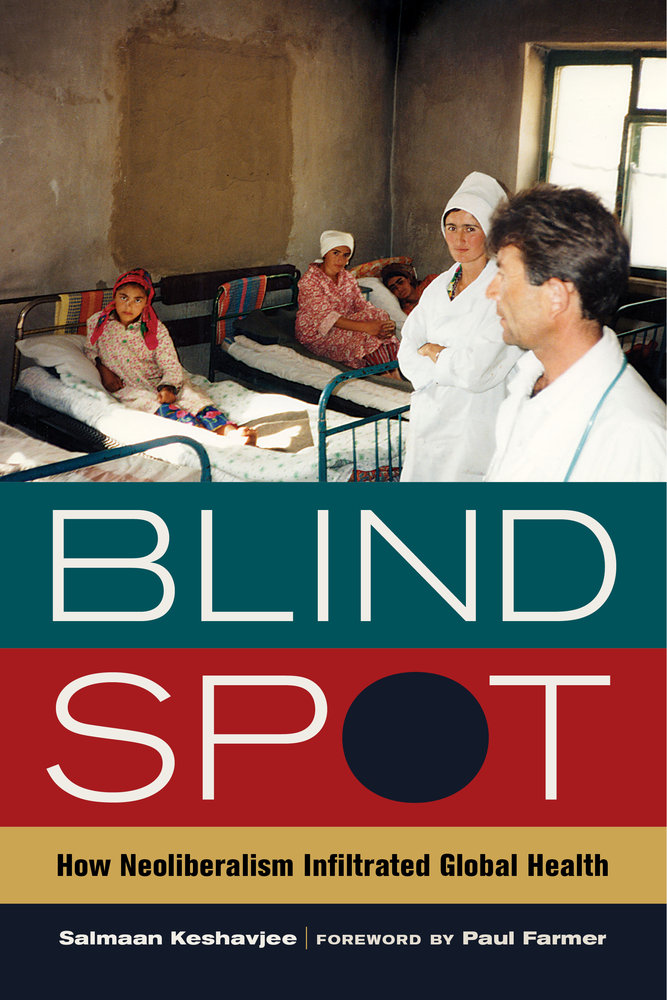
Blind Spot: How Neoliberalism Infiltrated Global Health

Salmaan Keshavjee

From the University of California Press, Blind Spot is a historical and anthropological case study of how market-based ideologies and neoliberal health policies impact global health and development programs. “A vivid illustration of the infiltration of neoliberal ideology into the design and implementation of development programs, this case study, set in post-Soviet Tajikistan’s remote eastern province of Badakhshan, draws on extensive ethnographic and historical material to examine a ‘revolving drug fund’ program — used by numerous nongovernmental organizations globally to address shortages of high-quality pharmaceuticals in poor communities.” The books discusses how the privatization of health care can impact outcomes for some of the world’s most vulnerable populations.

For more information, visit the University of California Press website here.


via Berghahn Books

via Berghahn Books

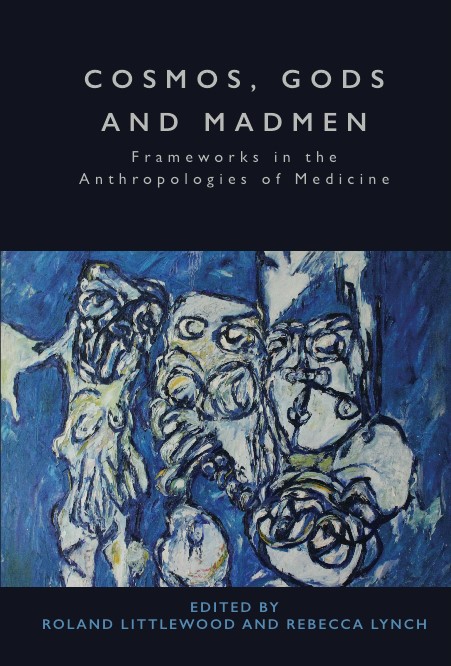
Cosmos, Gods, and Madmen: Frameworks in the Anthropologies of Medicine

Roland Littlewood and Rebecca Lynch, eds.

“The social anthropology of sickness and health has always been concerned with religious cosmologies: how societies make sense of such issues as prediction and control of misfortune and fate; the malevolence of others; the benevolence (or otherwise) of the mystical world; local understanding and explanations of the natural and ultra-human worlds. This volume presents differing categorizations and conflicts that occur as people seek to make sense of suffering and their experiences. Cosmologies, whether incorporating the divine or as purely secular, lead us to interpret human action and the human constitution, its ills and its healing and, in particular, ways which determine and limit our very possibilities.”

For more information, visit the Berghahn Books website here.


via UC Press

via UC Press

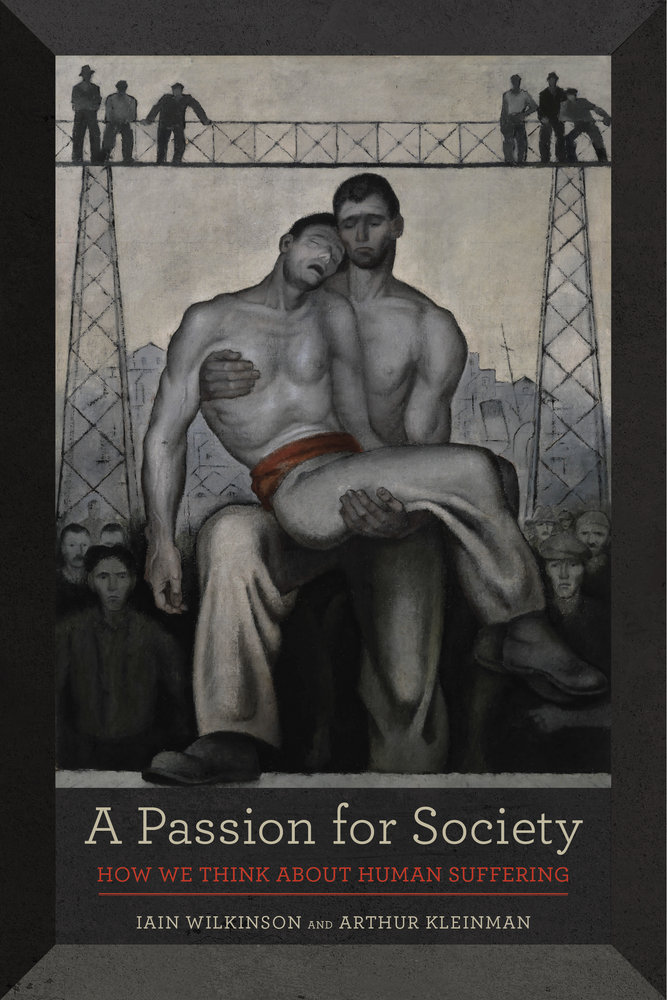
A Passion for Society: How We Think about Human Suffering

 Iain Wilkinson and Arthur Kleinman

“What does human suffering mean for society? And how has this meaning changed from the past to the present? In what ways does “the problem of suffering” serve to inspire us to care for others? How does our response to suffering reveal our moral and social conditions?” This highly anticipated book investigates how social science has been shaped by problems of social suffering. The authors discuss how social action, through caring for others, is reshaping the discipline of social science and offers a hopeful, intellectual basis for a fundamentally moral stance against indifference, cynicism, and inaction. They argue for an engaged social science that bridges critical thought with social action, seeking to learn through caregiving, and achieving greater understanding that operates with a commitment to establish and sustain compassionate forms of society.

For more information, visit the University of California Press website here.


via UC Press

via UC Press

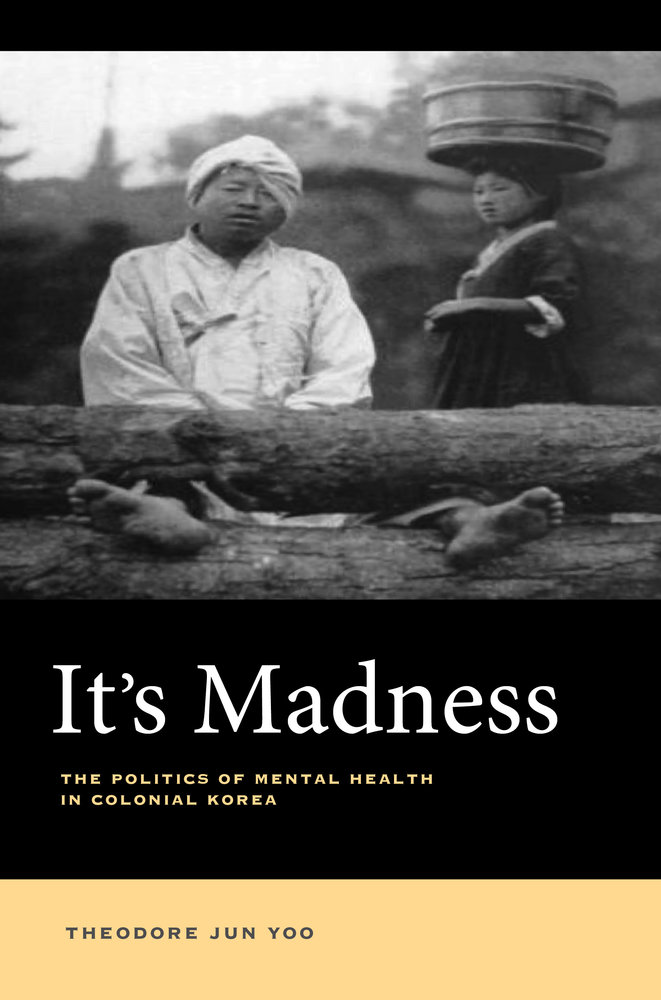
It’s Madness: The Politics of Mental Health in Colonial Korea

Theodore Jun Yoo

“This book examines Korea’s years under Japanese colonialism, when mental health first became defined as a medical and social problem. As in most Asian countries, severe social ostracism, shame, and fear of jeopardizing marriage prospects compelled most Korean families to conceal the mentally ill behind closed doors. This book explores the impact of Chinese traditional medicine and its holistic approach to treating mental disorders, the resilience of folk illnesses as explanations for inappropriate and dangerous behaviors, the emergence of clinical psychiatry as a discipline, and the competing models of care under the Japanese colonial authorities and Western missionary doctors. Drawing upon printed and unpublished archival sources, this is the first study to examine the ways in which “madness” was understood, classified, and treated in traditional Korea and the role of science in pathologizing and redefining mental illness under Japanese colonial rule.”

For more information, visit the University of California Press website here.

Interview: Jonathan Sadowsky and “Electroconvulsive Therapy in America”

9781138696969This week on the blog we’re highlighting an interview with Dr. Jonathan Sadowsky about his new book Electroconvulsive Therapy in America: The Anatomy of a Medical Controversy, released November 2016 by Routledge. The book (available here) follows the American history of one of the most controversial procedures in medicine, electroconvulsive therapy (ECT), and seeks to provide an explanation of why it has been so controversial, juxtaposing evidence from clinical science, personal memoir, and popular culture. ECT is widely demonized or idealized. Some detractors consider its very use to be a human rights violation, while some promoters depict it as a miracle, as the “penicillin of psychiatry.” Sadowsky contextualizes the controversies about ECT, instead of simply engaging in them, making the history of ECT more richly revealing of wider changes in culture and medicine. He shows that the application of electricity to the brain to treat illness is not only a physiological event, but also one embedded in culturally patterned beliefs about the human body, the meaning of sickness, and medical authority.

Dr. Sadowsky is the Theodore J. Castele Professor of Medical History at Case Western Reserve University in Cleveland, OH, the Associate Director of Medical Humanities and Social Medicine, the Medical Humanities and Social Medicine Initiative co-founder, the Associate Director of Medicine, Society, and Culture in the Bioethics department of the Case Western Reserve University School of Medicine, and on the Editorial Board here at Culture, Medicine, and Psychiatry. Sadowsky’s research concentrates largely on the history of medicine and psychiatry in Africa and the United States. His previous publications include Imperial Bedlam: Institutions of Madness in Colonial Southwest Nigeria (1999), available here from the University of California Press.

From all of us at CMP, we hope you enjoy our new interview category!

  1. For someone who is thinking about reading your book or about to start, is there anything you would like them to know beforehand?

I would urge everyone to understand that not everybody’s experience of a medical therapy is the same. People should be careful not to generalize from experiences they’ve had, or that loved ones have had, and assume everyone has had the same experience. People who’ve had bad experiences with ECT have criticized me for to wanting to pay attention to the voices of people who’ve had good experiences, and people who’ve have good experiences have wanted to say “oh sure that might have been true in the 1950s but everything’s fine now.” ECT has a complicated story. I have met people who have told me that this treatment saved their lives and that it did so with either none or only the most mild of adverse effects. Those people are very concerned to make sure that the therapy gets represented in positive light because there are so many negative depictions. At the same time I’ve heard from and spoken to people who say they’ve lost 20 points off their IQ after having this treatment, or who had huge gaps in memory, or that they know somebody who had killed themselves after an ECT treatment. And what I find a little bit puzzling still after all these years of working on this book, is the way people are so unwilling to see that other people might have had a different experience than their own. But it’s my feeling as a social and cultural historian that it’s my responsibility to take into account all voices. So that’s the main thing that I want people to know and think about, that experiences of this treatment do vary and people shouldn’t be too quick to generalize from their own experience.

  1. How did you become interested in ECT?

I was already several years into my career as a historian of medicine, and in particular psychiatry, and had no knowledge of the treatment other than the images that many of us have from movies like One Flew Over the Cuckoo’s Nest. Images that it was a highly frightening and abusive treatment. I was a well-trained student of medicine and psychiatry and I didn’t know anything more than that. And then I began to hear stories, both from patients and from clinicians, about it being a valuable treatment and that was just so intriguing to me. So I began to look at some of the clinical literature and it was represented in almost completely the opposite way, as this safe, effective, humane treatment that’s been unfairly stigmatized. I felt like these were two completely distinct realities. It wasn’t so much that I wanted to reconcile them, but I just wanted to understand how views of this treatment became so bifurcated. And that became the central goal of the project: to understand why it became a controversy and have such strongly held opinions on either side.

  1. What did you find most exciting to research and write about?

I worked on this project for a long time and one of the things that sustained me was that there are so many different angles to it. I was interested in learning about how it was used to treat homosexuals in 1950s, to see what the reaction of the psychoanalytic community was, and how it figured as a symbol for all that was worst in psychiatry in the antipsychiatry moment. And then there were all the debates going back to the inception of the treatment, ongoing continual debates about the extent of memory loss. Is it a serious problem? Is it a rare problem? These debates are still raging. All of this I found so intriguing. The history of ECT is also replete with ironies. Such as the irony that it was developed initially as a treatment for schizophrenia based on a hypothesis that schizophrenia has an inverse relationship with epilepsy. That hypothesis is no longer even believed in, and schizophrenia is not the main indication anymore, and yet it’s effective. That’s so weird and so seemly random! Another irony is that this treatment which become an icon for frightening medical treatment, and became almost like people’s haunting nightmare of how medicine could abuse you if you came into its clutches, was initially developed as a way to try to create a safer, less frightening treatment than chemical convulsive therapy. So it’s these layers of irony that I just found so interesting and kept me intrigued in the book.

  1. Did you come across anything unexpected?

Yes, I did come across things that were unexpected. I found the gender politics to be very elusive. I found very little evidence for the idea that women were given ECT for simply protesting against their social role as housewives, which was promoted in another book on ECT. But it does appear likely that over the course of the treatment’s history more women have gotten it than men, and there is likely a gender politics to this. Minimally it may mean simply that more women are getting diagnosed with depression, and that’s the main indication. And we know that. The diagnosis of depression has predominated among women. There is a darker possibility, which is that women’s cognitive abilities haven’t been as valued, and so doctors have been more willing to use a treatment that might damage cognitive abilities on women than they were on men. I didn’t see any proof for that. But I think there were suggestive circumstances that might indicate that that played a role. In many realms of medicine, and this has been really well documented by historians, anthropologists, and sociologists of medicine, women’s complaints about medical treatments are more quickly dismissed than men’s complaints. So it’s quite possible that some of the complaints about memory loss, which have persisted throughout the history of this treatment, have been taken less seriously because they were so often voiced by women. I’m not arguing that women had more memory loss than men, but if they predominated in the treatment, and there were complaints about memory loss, it is plausible to suggest that perhaps there has been too much dismissal. I didn’t have evidence such as clearly sexist language in clinical reports that would strengthen a speculation like that, but one thing I do argue in the book is that the history of ECT is filled with doctors dismissing patient complaints of adverse effects. There are a number of ECT providers now, however, who are trying to be very sensitive to these complaints about memory and cognitive deficits following the treatment, but there still exists in clinical manuals the claim that serious memory problems are extremely rare, and that rarity really hasn’t been proven. So it remains a problem. The history of ECT treatment has shown a tendency to dismiss patient complaints about adverse effects, and this has not served anyone well. If anything, the tendency to dismiss complaints has worsened the stigma attached to the treatment. It’s understandable that some clinicians might feel some defensiveness for a treatment they feel is helpful and safe, but the dismissal of complaints of adverse effects has led to embittered patients and worsened the stigma. In a recent piece in The Conversation (available here), I argued that if we wanted to spell the stigma attached to ECT, it’s going to take more than attesting to its therapeutic efficacy. It’s going to mean we have to reconcile with its full costs.

  1. Why was it important for you to try and remain neutral and not argue for or against ECT?

I’m not trying to presume objectivity. Everyone has a point of view. But I thought I could tell a more interesting story by taking a step back and making the controversy itself my study rather than becoming a disputant in the controversy. There’s some precedent for this. Didier Fassin, an anthropologist, did a book on AIDS in South Africa, When Bodies Remember (available here), in which he did the same thing; he tried to look at the structure of the controversy. He was trying to understand the medical controversy over HIV as an anthropologist, even though he did actually side more with one than the other. But I do argue in the book there are good reasons to attest to efficacy of ECT and it is a valuable part of psychiatry’s repertoire, that it has a place in medicine. But I also argue that there were good grounds for people to contest it and have fear of the treatment. I really try to resist the view, which is very common in clinical literature on ECT, that opposition to ECT is irrational. There are rational reasons for the resistance rooted in some of its historical uses, some of which were abusive, and rooted in the experiences of adverse effects. At the end of the book I lay it all out and I say exactly what I think about ECT after trying to look at it from a step back. I think it’s an invaluable part of psychiatry and could be very useful for many people. But I don’t think it should be used as a first or second resort; other things should be tried first because there are risks. I’m glad it’s there if I should ever need it, but I hope I never need it.

  1. Would ECT be perceived differently if it didn’t treat the brain but some other organ?

Probably. In our society now, more than any other organ your brain is you. It is the seed of the self in our self-conception. I would go beyond that. The side effects do occur, without making any kind of representation about how common these problems are, but at least some people do experience permanent memory losses. I used a lot of patient memoirs in the chapter on memory as my source material. And as one of the memoirists wrote: We are our pasts. You lose your memory it’s like you lose a part of yourself. I think in some ways people feel they lose a part of themselves if they lose their memories more than even if they were to lose a limb. Losing a limb is very traumatic, I don’t mean to minimize that. But in a way, you lose your leg and you say “I lost my leg.” It’s something that belongs to you, but it isn’t you in the same way that maybe you feel your memories are you. Memories are not just something that you have, they’re something that you are.

I think ECT is a treatment for the very ill and as a society we do generally accept that treatments for the very ill sometimes involve radical interventions. Chemotherapy for cancers for example. Most of us are glad we have it, and there isn’t a large anti-chemotherapy movement. My leading theory for why ECT treatment occasions this kind of resistance is because of depression’s uncertain status as illness. No one disagrees that cancer is an illness. When you have cancer you accept that you need surgery or radiation or chemotherapy. These are things that you normally wouldn’t do to your body if you were healthy and you didn’t need them. Cancer is clearly different from normal. But depression has this ambiguous status for two reasons. It is an ambiguous word in the English language because it refers both to an illness which can be extremely severe, yet it also refers to a mood that’s normal and that everybody at some point in their lives gets a little bit depressed. We might have disagreements about how long it has to go on and how severe it has to be to be considered an illness. But it becomes something different when we call it an illness. Secondly why I think depression’s status is a bit uncertain, is that there continue to be people who reject medical models for what we call mental illness altogether. Some might believe what people need is talk therapy and they shouldn’t have drugs or shock therapies or anything like that. Some might believe that they don’t need any treatment at all; they might want to de-medicalize the entire thing. For example, for something to qualify as disease, there has to be some kind of lesion, or something physical that can be identified. Since we don’t have the means to do that with depression, it should be removed from the medical realm. I argue against this view. The idea that there has to be some kind of visual marker is arbitrary. I do think what we consider an illness is a social decision. But if you look at it historically and anthropologically, the idea that things we call madness are medical problems is pretty widespread. And in some ways having to have something be visually identifiable is buying into a lot of biomedical hegemony. I just don’t see why that should be the criteria for illness. Ultimately it’s a philosophical question. Most people in our society do accept that severe depression actually constitutes an illness category, but I think these kinds of ambiguities leave people unsure whether this is something worthy of very strong medicine. ECT is strong medicine. It’s a big decision to undergo ECT and it’s the right decision for some people. It’s a decision that shouldn’t be made lightly and shouldn’t be treated like a trip to the dentist.

  1. Is there anything else you want to add?

I was really gratified by the number of anthropologists who read and used my first book on insanity in Nigeria, Imperial Bedlam (available here), and I would be thrilled if anthropologists gave this book the same attention. And I’d also like to add that Routledge says there will probably be a paperback within the next year and a half.

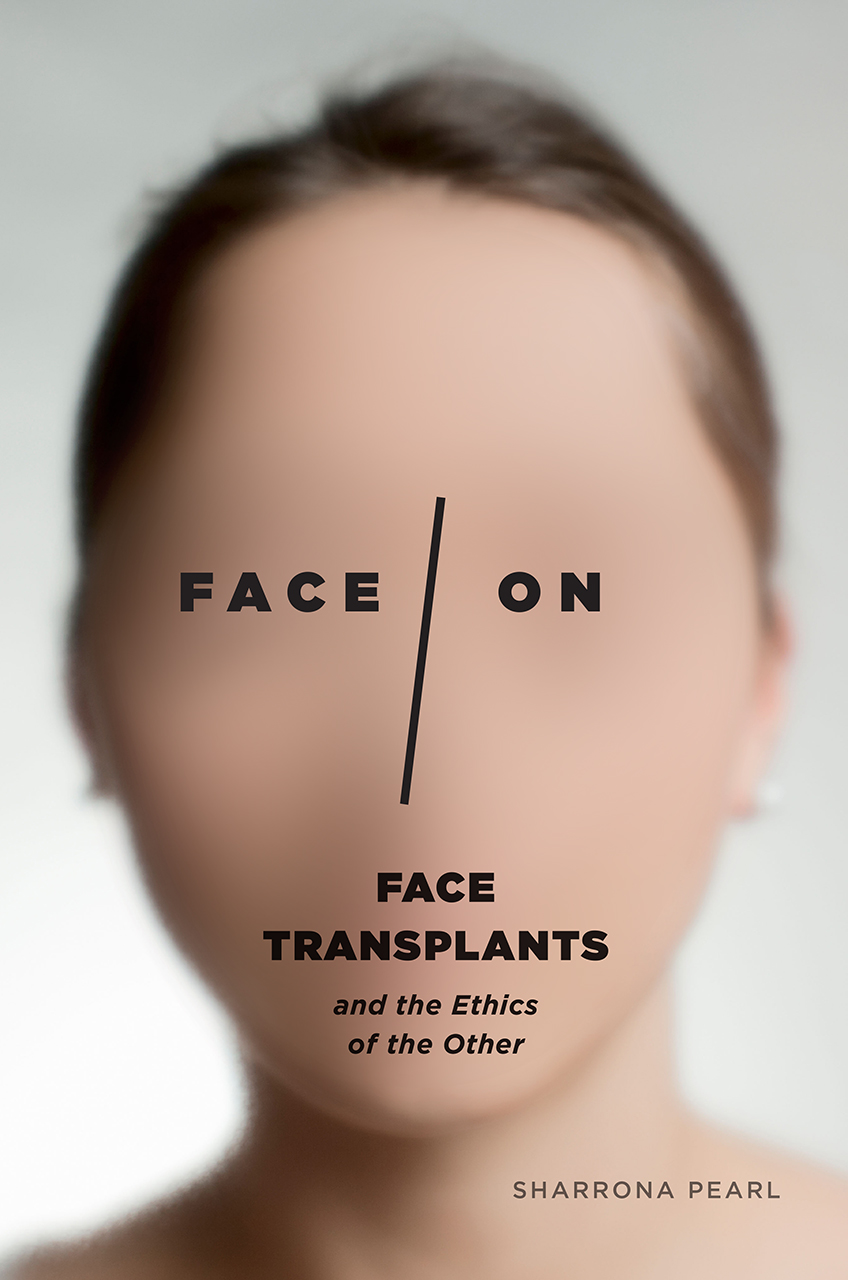
Book Release: Pearl’s “Face/ On”

FaceOn

Image via The University of Chicago Press website

Coming April 2017 from The University of Chicago Press is Sharrona Pearl’s Face/ On: Face Transplants and the Ethics of the Other. This engaging exploration of face transplantation is the first comprehensive cultural study of the surgical procedure. Using bioethical and medical reports, media coverage, hospital records, personal interviews, and more, this interdisciplinary study discusses the significance we place on facial manipulation, facelessness, reconstruction, identity, and sense of self. Are our identities attached to our faces? If so, what happens when the face connected to the self is gone or replaced? This book will be of interest to medical and psychological anthropologists, bioethicists, medical professionals, those in the media and beauty industries, and cross-disciplinary scholars in the medical humanities.

To learn more about this upcoming release, click here.

About the author: Sharrona Pearl is an Assistant Professor at the Annenberg School for Communication and the Gender, Sexuality, and Women’s Studies Program at the University of Pennsylvania. She is a theorist of the face and body, gender and sexuality, disability and critical race theory, and cinema and media studies. She has explored the meaning of the face previously in About Faces: Physiognomy in Nineteenth-Century Britain, released in 2010 by Harvard University Press (available here), and is the editor of Images, Ethics, Technology (Routledge, 2016), the latest volume in the Shaping Inquiry in Culture, Communication and Media Studies series.

Special Issue 2016: The Clinic in Crisis

cropped-2009cover-copy

To help kick off a new year of articles, books, and highlights, Springer is featuring the June 2016 special issue of Culture, Medicine & Psychiatry, The Clinic in Crisis: Medicine and Politics in the Context of Social Upheaval, as part of a larger group of Special Issues in Social Sciences. Each article in the special issue is available for free here until February 3, 2017.

Over the summer we spotlighted several original papers from this special issue:

  1. Salih Can Aciksoz’s Medical Humanitarianism Under Atmospheric Violence: Health Professionals in the 2013 Gezi Protests in Turkey
  2. Emma Varley’s Abandonments, Solidarities and Logics of Care: Hospitals as Sites of Sectarian Conflict in Gilgit-Baltistan
  3. Elly Teman, Tsipy Ivry, and Heela Goren’s Obligatory Effort [Hishtadlut] as an Explanatory Model: A Critique of Reproductive Choice and Control

Each highlighted article discusses medical neutrality in areas of political conflict and how clinical space can be an extension of violence. While many clinicians strive to maintain an environment of safety and neutrality in the hospitals and clinics, the locations are routinely entangled with positions of violent local and international political struggles. The ethnographic accounts in each of the featured articles address the concept of “medical neutrality” – the ethical norm that medicine should be practiced impartially – in the context of conflict and social unrest, and suggest medical neutrality may work as a tool that is deeply cultural, social, and political.

Posts to Resume Next Week

cropped-2009cover-copy


Dear readers,

Our holiday break will be coming to an end next week as we resume our weekly postings. As new Social Media Editor, I want to thank our readers and the Culture, Medicine, and Psychiatry team for welcoming me to my new position. I’m looking forward to the new year and new highlights in the journal and blog!

Happy New Year

The CMP Editorial Team

Winter 2016 Blog Hiatus

cropped-cropped-2009cover-copy1.jpg

Dear readers,

In light of the winter holidays, the blog will be taking a brief break from new updates. Posts will resume in January 2017, under the direction of the new Culture, Medicine & Psychiatry Social Media Editor, Sonya Petrakovitz. We welcome Sonya into her new position and look forward to seeing the features that she will debut on the blog in the coming months.

As another year draws to a close, we would like to thank all of you for your continued readership and engagement with the journal and our social media.

Warm wishes,

The CMP Editorial Team