Interview With Jesse Proudfoot

The next few months we’ll be highlighting authors who have published in Culture, Medicine, and Psychiatry.

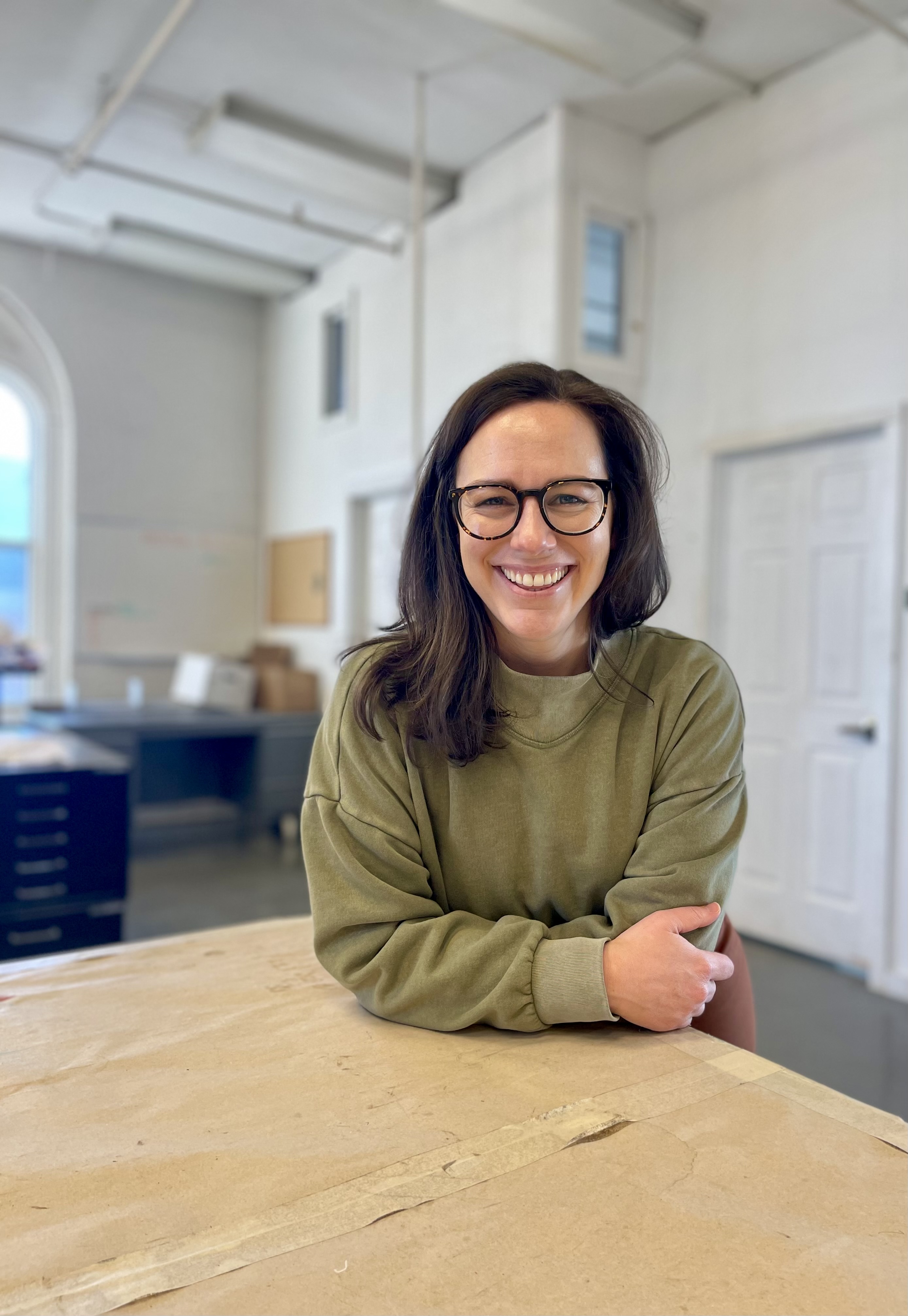
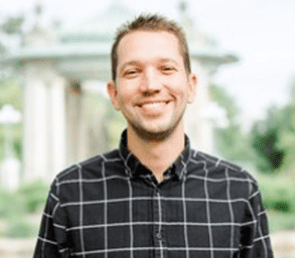
Jesse Proudfoot is an Assistant Professor in the Department of Sociology at Durham University. His research focuses on drug use among marginalized and racialized people, the politics of drug policy and treatment, and the relationship between addiction and structural violence.

What is your article “The Dreamwork of the Symptom: Reading Structural Racism and Family History in a Drug Addiction” about?

This article is about the relationship between oppressive social forces and illnesses like drug addiction. It’s common in medical anthropology to argue that seemingly individual illnesses need to be understood as shaped, and often produced, by social forces, but the precise ways that these forces produce illness is difficult to chart in concrete terms. In this article, I try to analyze this process, by looking at the case of one person I interviewed: Leon, an African American man from Chicago who had an addiction to crack cocaine. Drawing on psychoanalysis, and in particular, Freud’s idea of the dreamwork, I attempt to show how latent social forces like structural racism can find expression in symptoms such as drug addiction, but only through the mediation of other proximate layers—in Leon’s case, his complex relationship with his family and his own radical politics.

Tell us a little bit about yourself and your research interests.

I’ve been interested in drug use and addiction since my PhD, which was an ethnographic study of homeless drug users in Vancouver’s Downtown Eastside. I charted their experiences as the neighbourhood underwent rapid changes due to progressive developments in drug policy, as well as gentrification. My earlier work was more concerned with the politics of harm reduction drug policy, but over the years, I’ve become more interested in the broader question of addiction and the subjective experience of people with problematic relationships to substances. I’m most interested in thinking about symptoms—like addiction—as sites of connection between the social, the political, and the subjective.

What drew you to this project?

This research grew out of an 18 month period of fieldwork I conducted in Chicago in 2012-13. I was working in a halfway house for people being released from prison who were struggling with drug addictions. I was struck by the diversity of people’s experiences of addiction, which ranged from what we might call acute self-medication, in order to deal with intolerable life circumstances, to much more complex, unconscious dynamics related to childhood trauma. Having written about these different forms of addiction in an earlier paper (‘Traumatic Landscapes’, 2019), I became interested in understanding what else we can read in addictions and the broader question of how to understand the relationship between politics and symptoms.

What was one of the most interesting findings?

The hook of this paper is that understanding the causes of your illness is not the same as treating it. Critical medical anthropology places a lot of emphasis on the demystification of symptoms, implicitly arguing that by uncovering the social causes of illnesses, we can alleviate them. Even though it now sounds obvious, I was struck during this research by the gap between demystification and therapeutics. My interlocutor Leon had a very well-developed political analysis of his addiction, grounded in critical political economy and anti-racism, and we talked about this often. But these insights failed him where he needed them most, in changing his own relationship to drugs. Making sense of this gap was what prompted me to think more deeply about how we approach the question of demystification.

What are you reading, listening to, and/or watching right now?

I started running last year, which means I’m listening to a lot of podcasts. My current favorites are Know Your Enemy, which is a deep dive into American conservative thought for people on the Left, and Love is the Message by Tim Lawrence and Jeremy Gilbert, which is focused on dance music, counterculture, and collective joy—things I’ve spent a lot of time thinking about. The most recent novel I read was A Gate at the Stairs, by Lorrie Moore; a very funny and sad book about going to college, grief, and loss.

If there was one takeaway or action point you hope people will get from your work, what would it be?

The demystification of illness is a complex business and our critical efforts must be attentive to the highly particular ways that people experience and embody those social forces that medical anthropologists are often interested in. As I hope to show in the article, this is essential not only to more accurately theorize illness, but also to help people with addictions to make sense of their lives and navigate their recoveries. Care must be ‘structurally competent’ in Jonathan Metzl and Helena Hansen’s terms, but also—in the spirit of the best traditions within psychoanalysis—grounded in the particularities of life histories.

Other places to connect:
Website

Interview With Hanne Apers

The next few months we’ll be highlighting authors who have published in Culture, Medicine, and Psychiatry.

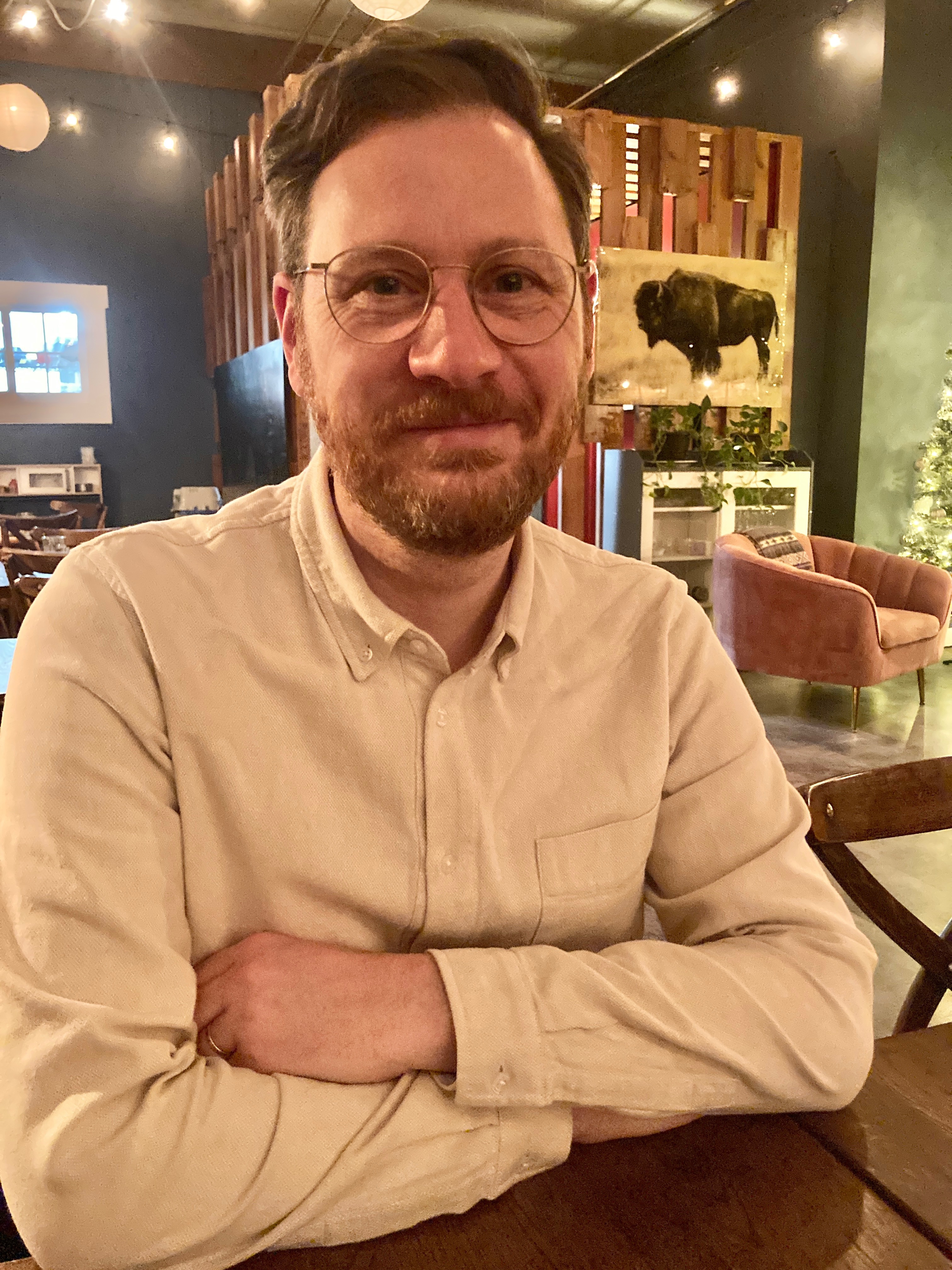
Hanne Apers, a female PhD candidate at the University of Antwerp’s Centre for Population, Family, and Health, specializes in mental health and migration. With a background in psychology and anthropology, she is currently completing her PhD-research on the explanatory models of mental health among East-African migrants in Belgium.

What is your article “Explanatory Models of (Mental) Health Among Sub-Saharan African Migrants in Belgium: A Qualitative Study of Healthcare Professionals’ Perceptions and Practices” about?

This study explores how mental health professionals in Belgium perceive the mental health understandings of their patients with a sub-Saharan African (SSA). 22 professionals were interviewed, including ten who also have a SSA migration background. The study explores three main aspects. Firstly, it examines how professionals perceive their SSA patients’ explanatory models of mental health. Secondly, it investigates the impact of these perceptions on their treatment approaches. Lastly, it considers the influence of professionals’ cultural backgrounds, comparing those with and without an SSA background.

The findings highlight noticeable differences in explanatory models, the main distinction was found in the beliefs about what causes mental health issues. Professionals’ understanding of SSA models affects their treatment practices, those familiar with SSA views faced fewer language and interpretation challenges. Non-migrant professionals emphasized cultural sensitivity and SSA-background professionals adopted an integrated approach. These findings contribute to discussions about what it means to be “culturally competent” in mental health care.

Tell us a little bit about yourself and your research interests.

With a background in psychology and anthropology, my interest lies in exploring how different cultural views on mental health affect how people live, seek and prefer healthcare. As an anthropologist, I focus on qualitative research, favoring participatory, community-based methods to better understand the impact of cultural perspectives on healthcare dynamics.

What drew you to this project?

Numerous barriers and factors continue to hinder migrants’ access to healthcare. My aim was to contribute to lowering these barriers by comprehending the role of cultural understandings and illustrating how the organization of healthcare systems can be adapted to these differing understandings, and contribute to closing the treatment gap.

What was one of the most interesting findings?

The comparison between professionals with and without a similar migration background yielded intriguing insights, advocating for improved representation within healthcare systems.

What are you reading, listening to, and/or watching right now?

The book ‘Crazy Like Us’ by Ethan Watters provides a compelling non-academic exploration of how global mental healthcare is shaped by a prevailing Global North perspective, sometimes with detrimental effects.

If there was one takeaway or action point you hope people will get from your work, what would it be?

I hope to underscore the significance of recognizing cultural understandings and conceptualizations of health. It’s a crucial factor to consider if we aspire to develop and advocate for healthcare approaches that are truly inclusive.

Other places to connect:
Website
LinkedIn

Interview With Mary Hawk

The next few months we’ll be highlighting authors who have published in Culture, Medicine, and Psychiatry.

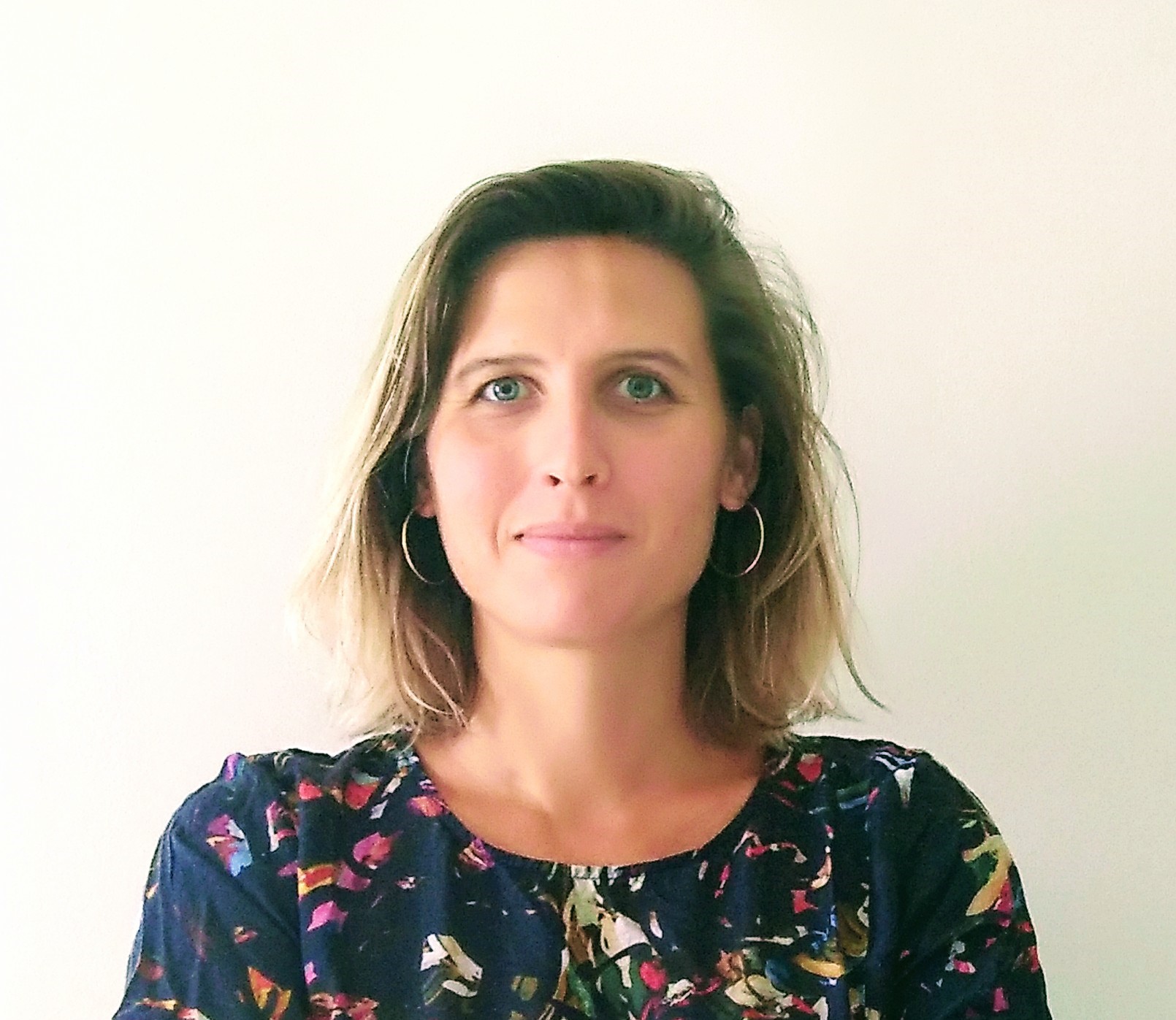
Mary Hawk (DrPH) is the LSW professor and chair at the University of Pittsburgh School of Public Health, Department of Behavioral and Community Health Science. Dr. Hawk’s work includes the implementation and assessment of structural interventions to improve health outcomes for oppressed populations and the development of community-engaged approaches to optimize public health. She is co-founder of The Open Door, a harm reduction housing program created to improve health outcomes for chronically homeless people with HIV.

What is your article “Harm Reduction Principles in a Street Medicine Program: A Qualitative Study” about?

In this study we partnered with Operation Safety Net (OSN), a nonprofit that provides street medicine services to rough sleepers – people who are unhoused. We conducted qualitative interviews with OSN providers to pinpoint ways that street medicine differs from other kinds of healthcare and what elements of care were most helpful to patients.  We learned this care is built on relational harm reduction, which centers the patient-provider relationship. Ways that harm reduction played out included meeting patients where there are (both emotionally and practically, in this case on the street), offering genuine concern and dignity to patients, and supporting patients them in non-judgmental ways were found to be important aspects of this work. We hope these findings help others who care for marginalized patients consider how they can engage them in care and bridge them to other healthcare services, and ultimately help expand the field of street medicine.

Tell us a little bit about yourself and your research interests.

I worked in nonprofit settings for many years, mostly providing services to people with HIV (PWH) who experience oppression and marginalization. This community-based work is the foundation of my research. I’m interested in building evidence for community-driven approaches that advance health equity for historically excluded populations.  All my work centers on harm reduction, especially as a relational approach to care, which considers ways that patient-provider relationships can improve care outcomes. At the moment, I am working on a National Institute of Mental Health (NIMH)-funded study that explores the impact of a harm reduction-based financial management intervention on adherence among unstably housed PWH, as well as a National Institute of Drug Abuse-funded study using mixed methods to investigate experiences of stigma in healthcare settings by PWH who use drugs.

What drew you to this project?

Operation Safety Net is an amazing organization.  When we first started meeting with Dr. Jim Withers, who has made an immeasurable impact on rough sleepers and street medicine providers across the world, we had an “aha moment” and realized that an essential piece of his work seemed to be rooted in relational harm reduction. It was exciting to explore these ideas with OSN providers. At the core of relational harm reduction is the idea that all patients are worthy of respect and autonomy, and we really saw that play out with the OSN team.

What was one of the most interesting findings?

In our planning meetings with Dr. Withers and other OSN leadership we could hear the genuine care they have for their patients, but seeing this through the interview data was very compelling. But the loss and grief they experience when their patients die was also clear. We talk about burnout in healthcare, but don’t often think about that in terms of grief experienced by providers.

What are you reading, listening to, and/or watching right now?

I’m right in the middle of “The Call,” an episode of This American Life that details an overdose prevention hotline, which is a great example of how we can show care for people who are too often stigmatized through harm reduction work.  I’m also a diehard Survivor fan!

If there was one takeaway or action point you hope people will get from your work, what would it be?

Humanism is at the heart of harm reduction approaches to care, including street medicine.  Affording people dignity and genuine concern is the jumping off point for engaging anyone in care, but especially those who regularly experience trauma and systematic oppression. It can make all the difference to not only their experiences of care but also their retention in care and, ultimately, clinical outcomes. 

Other places to connect:
Website
Twitter
LinkedIn
Instagram

Interview With Lamia Moghnieh

The next few months we’ll be highlighting authors who have published in Culture, Medicine, and Psychiatry.

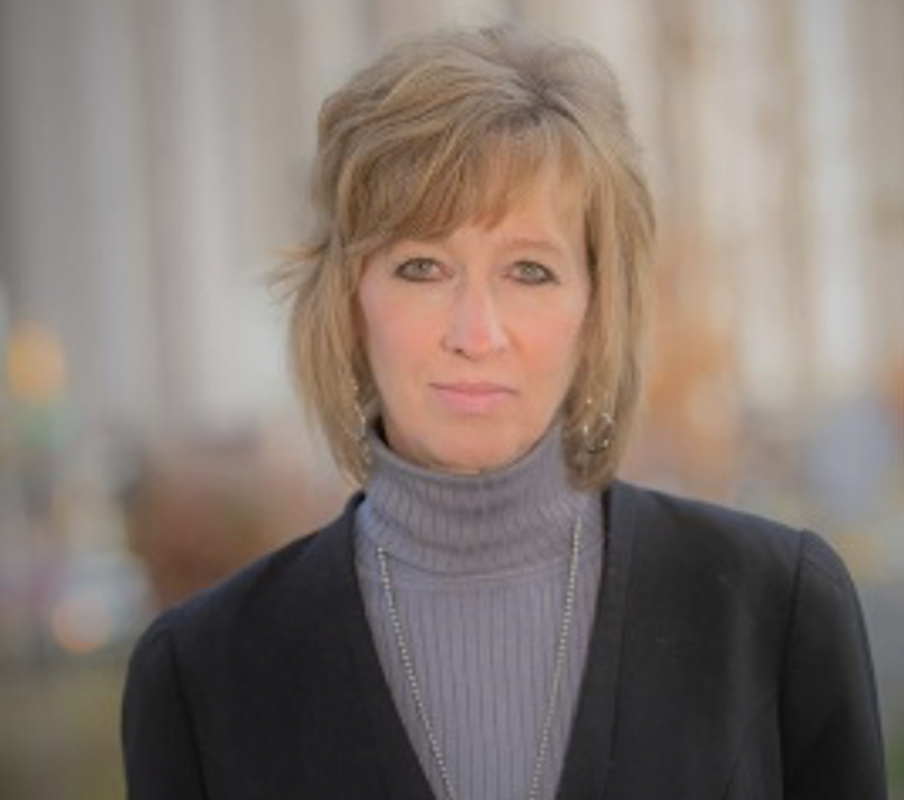
Lamia Moghnieh (Postdoctoral Fellow, University of Copenhagen) is an anthropologist and mental health practitioner. Her research looks at the impact of psychiatry on understandings of self and illness in postcolonial and postconflict societies of the MENA/SWANA. She is interested in exploring the relationship between psychiatry and subject formation in the context of global mental health and patient subjectivities.

What is your article “The Broken Promise of Institutional Psychiatry: Sexuality, Women and Mental Illness in 1950s Lebanon” about?

I am an anthropologist, psychologist, and a social worker, and more recently, I am also a patient of analytical therapy. I try to let my research be informed from all of these positionalities together or provide insights from all of these places (as a researcher, practitioner and from the more intimate and vulnerable position of being a patient). I work in the field of mental health, and I do research on the histories and ethnographies of psychiatry, tracing various discourses on mental health from the Middle East and North Africa/ Southwest Asia and North Africa). I am currently writing my book manuscript provisionally entitled “Psychiatric Afterlives: Narrating Illness, Gender and Violence in Lebanon”. The book builds on multi-disciplinary frameworks from medical humanities to examine the role of psychiatric expertise in shaping patient and social imaginaries of madness and violence in Lebanon.

What drew you to this project?

I always wanted to be a clinical psychologist until I enrolled in the MAPSS program (Masters’ in the Social Sciences) at the university of Chicago. There, I was introduced to the various historical, philosophical and political critiques of psychology and I was drawn to medical anthropology. After I finished my PhD, which focused on trauma, humanitarianism and the politics of suffering in Lebanon, I was interested in learning more about the history of psychiatry in Lebanon and the region. My background and research interests are interdisciplinary. I am lucky to be in an academic position (at the upcoming research center “Culture and the Mind” head by Ana Antić at the University of Copenhagen) that welcomes and values this interdisciplinarity in the study of psy disciplines.

What was one of the most interesting findings?

One of the findings that interest me is the ways in which the family acts as an equal diagnoser of mental illness to psychiatric expertise. As shown in the article, the story of Hala invites more attention to the ways in which women (and maybe non-normative persons) become chronically institutionalized by institutional psychiatry and the family. This is not to dismiss the psychological and financial effects that mental illness might have on family members. The article rather approaches the family as a sociological unit that governs and defines normality, and is interested in the dialogue, tensions and challenges of care and normality between the family and institutional psychiatry, as shown in the story of Hala.

What are you reading, listening to, and/or watching right now?

Audre Lorde’s Zami: A New Spelling of My Name
Roberto Bolaño’s Cowboy Graves
سارة اب وغزال “احلمي يا سيدي
هلال شومان “حزن في قلبي
Couch Fiction: A Graphic Tale of Psychotherapy
Jonathan Sadowsky’s Empire of Depression: A New History

If there was one takeaway or action point you hope people will get from your work, what would it be?

That psychiatry is both a form of governance and a mode of healing whose authority and reach transforms and changes over time. That patient voices and narratives are a crucial part of the history of psychiatry and of its contemporary practices. And that medical humanities, including anthropology, is a field that can offer useful and critical insights on the status of global mental health.

Other places to connect:
Website
Twitter
LinkedIn

Interview with Michael Galvin

The next few months we’ll be highlighting authors who have published in Culture, Medicine, and Psychiatry.

Dr. Michael Galvin is a Global Psychiatry Clinical Research Fellow and in the Department of Psychiatry at Harvard University and the Department of Psychiatry at Boston University. Dr. Michael Galvin is a global health researcher and psychotherapist.  His primary research interests center on mental health and the role that one’s environment, culture, and belief systems play in mental illness and treatment.  In particular, his work focuses on elucidating cultural models of mental illness and exploring relationships to pathways to care, with the goal of improving cultural adaptation of mental health interventions.  

What is your article “Examining the Etiology and Treatment of Mental Illness Among Vodou Priests in Northern Haiti about?

This article is about the way that traditional healers (ougan) conceptualize and treat mental illness in rural Northern Haiti.  While the vast majority of people with mental illness seek treatment from ougan in this region – as few biomedical services exist – very little research has examined what ougan actually do when treating patients.  The article also tries to understand how mental illness is viewed from the healer’s perspective, delving into the broader Vodou cosmology which remains very influential in rural parts of Haiti.

Tell us a little bit about yourself and your research interests.

My interests mostly center around mental illness and how we conceptualize it in different cultures and settings.  Historically, mental illness has always been hard for people to understand, getting wrapped up in ideas of spirit and demon possession.  Rarely have people thought it was something to treat like a broken leg or even a bacterial infection.  This is partly because there are no biomarkers to test for it thus patients recount what they are experiencing solely via self-report.  But it’s also because mental illness affects the basic ways in which people act and simply exist in the world.  When our loved ones have significant behavioral changes without physical symptoms of illness or infection it can often lead us to suspect the supernatural.

What drew you to this project?

I have been working and living in Haiti on and off since 2012 and knew I wanted to focus my dissertation research in Cap-Haïtien.  I found out about the Mental Health Center at Morne Pelé in 2018 and spent the entire summer of 2019 volunteering with them so we could get to know each other, for me to better understand what their work was like, and to start exploring different angles for my dissertation research which I conducted in the second half of 2020.  It was during the summer of 2019 that I learned about the extent to which patients held explanatory models based in Vodou and I knew that had to become a significant part of my research there.  I’m currently the director of the Mental Health Center at Morne Pelé’s new Research Laboratory so it’s very exciting to continue to collaborate together.

What was one of the most interesting findings?

One of the most interesting findings was this treatment called fiksyon that almost all the healers I interviewed used.  Barely anything has been written about these concoctions so this was really one of the first times they’ve been explored.  Fiksyon are different liquids – usually rum mixed with ground plants and animals – that are kept in large unmarked semi-transparent plastic bottles.  There’s a lot of mystery surrounding fiksyon with many people saying they have mystical properties.  It would be interesting to explore more about what is actually in them and the places where they are manufactured

What are you reading, listening to, and/or watching right now?

I’m reading a really interesting book that was written in the 1970s called Plagues and Peoples.  It’s a great dive into the history of pandemics over the centuries.  It’s not a hard read at all, very enjoyable and easy to understand with lots of nice anecdotes.  Apparently the findings have held up really well over the last 50 years too.

If there was one takeaway or action point you hope people will get from your work, what would it be?

That religion and culture have deep impacts in the way we conceive of mental illness.  That we still know relatively little about how mental illness develops, manifests, and is best treated.  That the relationship between our minds and our bodies is exceedingly complex and there are often no easy solutions.

Thank you for your time!


Interview with Katarzyna Szmigiero

The next few months we’ll be highlighting authors who have published in Culture, Medicine, and Psychiatry.

Katarzyna Szmigiero is a graduate of the University of Łódź, Poland. She is an Associate Professor at the Institute of Literary Studies and Linguistics of the of University of Jan Kochanowski, Poland (Branch in Piotrków Trybunalski). Her research interests concentrate on medical humanities, especially cultural representations of psychiatry and gender, and genre fiction.

What is your article “We All Go a Little Mad Sometimes:” Representations of Insanity in the Films of Alfred Hitchcock about?

The article deals with the way motifs connected with psychiatry (doctors/treatment/people diagnosed with mental illness or individuals displaying disturbing behavior/attitudes to mental psychopathology) are used in the films of Alfred Hitchcock. First of all, it tries to answer the questions why the director so often presented mentally unstable characters in his works. It also looks at how Hitchcock gently questioned the assumptions about mental illnesses and its origins that were dominant in his times. Finally, it briefly mentions the legacy of Hitchcock if the cinematic portrayals of insanity are concerned.

Tell us a little bit about yourself and your research interests.

I am interested in cultural representations of madness, gender studies, and popular literature.

What drew you to this project?

I have always loved Hitchcock’s films and saw Frenzy in my early teens, as it was my dad’s favourite. It was one of the most unpleasant and, simultaneously, hilarious film I have ever seen since.

What was one of the most interesting findings?

On the surface, Hitchcock appears to be following the psychoanalytic approach, especially in his American movies. However, he always undermines the official discourse on madness, proving that we are all, sometimes, a little mad and there’s nothing wrong about it.

What are you reading, listening to, and/or watching right now?

I am currently an avid reader of the retellings of the Medusa myth (as well as other chick lit fantasy books about antiquity).

Watch Hitchcock! Old films may seem dated, especially if you are not used to them. But his dialogues, designs, cast is often genius.

Thank you for your time!


Interview with Clare Killikelly

The next few months we’ll be highlighting authors who have published in Culture, Medicine, and Psychiatry.

Dr. Clare Killikelly is a Post-Doctoral Research Fellow in the Department of Psychiatry, University of British Columbia, and Department of Psychology, University of Zurich. Dr. Kilikelly’s research group examines the clinical utility and global applicability of the new Prolonged Grief Disorder. Her research seeks to better understand the nature of suffering and distress in different communities to develop accessible and culturally informed assessments and interventions.

What is your article “The New ICD-11 Prolonged Grief Disorder Guidelines in Japan: Findings and Implications from Key Informant Interviews” about?

Symptoms of mental disorder, including grief reactions, are found to differ across cultures. There are several examples where misdiagnosis of mental disorders, treatment gaps, and reduced help seeking occurs when culturally sensitive assessments are lacking. The identification of culturally unique symptoms of grief can improve the validity of mental health assessment.

We are the first to explore PGD symptoms in Japan from the perspective of frontline health care workers. We conducted in depth key informant interviews with cultural brokers (e.g. individuals who are part of the health care system but also have lived experience of the cultural group).

We had two main aims: first to explore experiences of grief to define both normal and abnormal reactions. Secondly, we assessed the acceptability of the ICD-11 guidelines to identify areas where cultural information is lacking. This would provide a unique viewpoint that is often overlooked in larger qualitative studies.

Tell us a little bit about yourself and your research interests.

I am interested in the role of culture in the presentation and treatment of mental health disorders. I believe that there may be cultural concepts that when unlocked can provide a key to better therapeutic outcomes.

After completing a PhD in Cognitive Neuroscience at the University of Cambridge, UK, I became interested in the core cognitive processes underlying psychopathology and the development of targeted psychotherapeutic interventions. I completed a Doctorate in Clinical Psychology at the Institute of Psychiatry, Psychology and Neuroscience, UK and explored the use of innovative mobile technologies to improve the acceptability and efficacy of therapeutic interventions for people with psychosis. Working as a psychologist with refugees in South London I became interested in the different cultural experiences and presentations of distress.

Currently, I have been awarded a Swiss National Science Foundation (SNSF) Post-Doc Mobility grant to work at the University of British Columbia to examine the relationship between grief, indicators of mental health and post migration living difficulties in refugees in Canada in comparison with Swiss, Dutch and German cultural contexts.

If you are interested in learning more about this research project, or possibly participating please check out the website.

What drew you to this project?

Prolonged grief disorder is the only mental disorder where people are expected to suffer. However, the intensity and duration of this suffering is bound by different cultural norms. For example, in German speaking countries it is common to observe a Trauerjahr (year of mourning) whereas in Syria there are 40 days of mourning. The new ICD-11 definition of PGD states that individuals must experience intense and prolonged symptoms of grief for over 6 months. Although there is robust research evidence that supports this time criteria in the Global North (e.g. North America and Europe), the current definition of PGD may be missing key symptom items and features that are more representative in different cultures.

Ultimately, we would like to develop a catalogue of culture concepts of distress (CCD) that could be accessed worldwide to help clinicians more accurately assess and diagnose PGD in different cultural groups.

What was one of the most interesting findings?

Part of the analysis focused on establishing common grief symptoms for disordered grief in Japanese bereaved. Participants described a range of emotional responses that are associated with both normal and abnormal grief responses. One unique emotional response was identified related to sadness: The sense of loss was described using a metaphor for distress ‘as a hole opening up inside the kokoro (heart).’

The in-depth qualitative analysis provided insight for clinical application, for example, due to

prominent values of emotional control, stigma towards mental illness, or lack of somatic items in the assessment measure, PGD may be underestimated in Japanese culture with the current ICD-11 PGD guidelines.

What are you reading, listening to, and/or watching right now?

I am currently re-reading ‘Snow Falling on Cedars’ by David Guterson which takes place on the islands neighbouring Vancouver and UBC. It is an excellent book but a harrowing story about the Japanese internment camps during World War II. This is also an often overlooked part of Canadian history.

If there was one takeaway or action point you hope people will get from your work, what would it be?

We were able to identify new symptoms that are very relevant for the Japanese context that are currently missing from the ICD-11 PGD definition. For example, somatic symptoms are robustly endorsed in the Japanese context, however, these are largely missing from the PGD ICD-11 definition. On the other hand, yearning and longing for the deceased (a core symptom of PGD ICD-11) is considered a normal and encouraged process, related to the emphasis on continuous bonds. Clinicians will need to consider these possible cultural differences before diagnosing PGD in the Japanese context. Considering the deeper beliefs and values of a culture and how this may impact on the assessment of grief is of great importance.

Thank you for your time!


Other places to connect:
Website
International Counseling
LinkedIn

AAA 2017 Session Highlight: Jonathan Metzl, “Negroes With Guns: Mental Illness, Gun Violence, and the Racial Politics of Firearms”

This week on the blog we are highlighting an oral presentation given at this year’s annual American Anthropological Association conference in Washington D.C. by Jonathan Metzl entitled Negroes With Guns: Mental Illness, Gun Violence, and the Racial Politics of Firearms. The session was named “Critical Inquiries: Violence, Trauma, and the Right to Health” on Thursday, November 30, 2017. Metzl combined historiographical and ethnographic analysis to explore the connections between gun violence, mental illness, and shifting anxieties about race in the United States. Metzl discussed how decisions about which crimes American culture diagnoses as “crazy,” and which crimes it deems as “sane,” are driven as much by the politics and anxieties of particular cultural moments as by the innate neurobiologies of particular assailants. The presentation concluded by describing how racialized questions of whether “the insane” should be allowed to bear arms become the only publicly permissible way to talk about questions of gun control while other narratives, such as the mass psychology of needing so many guns in the first place or the anxieties created by being surrounded by them, remain silenced.



Metzl began his presentation by stating that after the recent and tragic Las Vegas mass shooting, he gave 58 interviews in only two days on “the insane politics of mass shootings.” The two main questions that get asked after each mass shooting are: “Is mental illness the cause of mass shootings?” and, “Will treating mental illness stop gun crime?” Both conservative and liberal media analyses include these types of questions, whether or not they ultimately claim mental illness as the answer (for example: NPR’s On Point, Politico, and Fox News). 

Yet Metzl asked, why do these mental illness questions follow after mass shootings? “Aren’t these questions starting to be ridiculous?” Metzl asked, after referring to a study published in the journal Aggression and Violent Behavior which found some mass murderers and serial killers have something in common: autism and head injury. Yet this study was criticized for fueling judgments about an entire section of society and further contributing to the mental illness-gun violence debate.

In some ways, linking mass shootings and mental illness makes sense. Mass shootings are beyond the realm of “sanity” and understanding. Metzl stated that constructing a binary of sane vs. insane, good vs. evil, may be a means of processing grief and uncertainty. Further, many of the mass shooting perpetrators in the last decades have displayed some kind of mental illness symptomatology before their crimes. Mother Jones published an investigation of US mass shootings from 1982-2017 including information on the shooter’s race, gender, prior signs of mental health issues, mental health details, and whether or not the weapons were obtained legally. But this information cannot lead to a causal argument.

These types of questions have ideological and political roots, and focusing exclusively on issues of mental health force other concerns out of the debate. At a National Rifle Association (NRA) press conference in December 2012, chief executive Wayne LaPierre suggested having “an active national database for the mentally ill” would help prevent gun violence. In 2013, Ann Coulter wrote a Sound Off on Fox Nation entitled “Guns Don’t Kill People, The Mentally Ill Do.” After the 2015 Planned Parenthood shooting in Colorado Springs, Paul Ryan called for a need to look at fixing our nation’s mental illness health system, not it’s gun legislation. Most recently, following news of the mass shooting of parishioners at a Sunday service at a small Baptist church in Texas, Trump proclaimed mental health was the overarching issue, not gun control, even before complete details of the shooter were known. 

Following this overview of political ideologies shaping the mental illness conversation, Metzl then asks, “What can reasonably minded people do to push back?”

Metzl then presented five talking points about important ways to push back against the mental-illness-and-mass-shooting account while still remaining respectful of mental illness, treatments, and medications. These talking points discuss why this association is problematic.

1. “It’s sample bias – and dangerously so…”: Mass shootings come to stand for all shootings. But mass shootings are not the only time we need to talk about gun violence, Metzl stated. When we talk about mass shootings, we are not talking about policy implications for everyday gun death. Every day gun violence, gun proliferation, the ability to buy guns through loop holes should all be part of the national conversation. Worryingly, Metzl states, the situation is about to get much worse. Today (Wednesday, December 6, 2017) the House will vote on a “concealed carry reciprocity” bill, creating a national blanket right to carry a concealed weapon across state lines. For Metzl, the point overall is that the mental illness narrative distracts from daily gun violence and the political negotiations behind gun regulations. 

2. “It’s stigmatizing and misrepresentative…”: Fewer crimes involve people with mental illness. People with sanity are much more dangerous, Metzl stated. People diagnosed with a mental illness are less likely to shot other people, therefore we should really be restricting guns from the sane. Further, Metzl stated that statistically there is no predictive value in using a mental illness diagnosis for gun crime. Individuals with mental illness are more likely to be shot by police than to do the shooting themselves. 

3. “It constructs false psychiatric expertise…”: Psychiatrists are being told they should be able to predict which of their patients may commit violent act. Yet the pool of people they see are not a high risk population. Metzl stated the public culture of fear may lead psychiatrists to feel culpable for the actions of their patients, over-report their concerns, and complicates the doctor-patient confidentiality bond. In the weeks before the Aurora, Colorado movie theater shooting, shooter James Holmes was seeing a psychiatrist specializing in schizophrenia. In June 2012 The Brian Lehrer Show discussed how psychiatrists determine red flags with their patients and when behavior is concerning enough to warrant further action with Columbia University Director of Law, Ethics, and Psychiatry Paul Appelbaum

4. “It detracts from awareness of true predictive factors for everyday gun violence…”: The mental illness narrative also detracts from other risk factors for everyday gun violence and mass shootings. Substance use or abuse, past history of violence, lack of gun training, social networks, and access to firearms are all important predictive factors for gun violence.
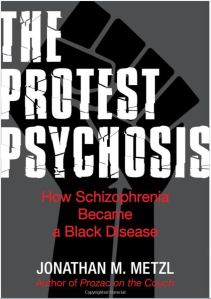
5. “It’s racist…”: Last but certainly not least, the construction of a mentally ill, dangerous, white, male, gun-owning “loner” is a political choice. The intentional presentation of the individual-isolated-from-society is not supposed to be representative of white culture. Yet in the 1960s, the FBI openly blamed “crazy” black “culture” for the rise of public black activist groups. In debates leading up to the Gun Control Act of 1968, the U.S. Government and mainstream US culture proclaimed links between African American political protest, guns, and mental illness in ways that intensified fears about black activist groups. For example, FBI profilers diagnosed Malcolm X with “pre-psychotic paranoid schizophrenia” and with membership in the “Muslim Cult of Islam” while highlighting his militancy and his “plots” to overthrow the government. The FBI also hung “Armed and Dangerous” posters throughout the southern states warning citizens about Robert Williams, the controversial head of the Monroe, North Carolina chapter of the NAACP author of a manifesto, Negroes With Guns, that advocated gun rights for African Americans. According to the posters, “Williams allegedly has possession of a large quantity of firearms, including a .45 caliber pistol… He has previously been diagnosed as schizophrenic and has advocated and threatened violence.”

These historical narratives were linked to black culture, not black individuals. Issues of race and insanity produced black male bodies coded as insane. This association fostered fears that helped mobilize significant public and political sentiment for gun control. Yet there are very different politics of the present day. Metzl states were are in a time when white shooters with mental illness beget reaffirmations of gun rights and groups that advocate anti-government platforms and support broadening of gun rights, such as the Tea Party, take seats in Congress rather than being subjected to police scrutiny. For much of our country’s history, guns marked whiteness. 

Metzl concluded his presentation with a discussion of a helplessness narrative. There is a kind of inaction about calling mass shootings and gun violence part of mental illness. Since we can not do anything about whether or not individuals have mental illness, it allows us to ignore the other issues and risk factors. This further constructs a kind of persons, not a composition of something larger and more systemic. The learned helplessness surrounding gun crime in the US makes hard rhetorical work to not look at whiteness and mass culture as part of the problem. 


Jonathan Metzl, MD, PhD is the Frederick B. Rentschler II Professor of Sociology and Medicine, Health, and Society, Director for the Center for Medicine, Health, and Society, and Professor of Psychiatry at Vanderbilt University. He is also the Research Director of the Safe Tennessee Project, a non-partisan, volunteer-based organization that is concerned with gun-related injuries and fatalities in the United States and in the state of Tennessee. His areas of expertise include mental illness and gun violence with a particular focus on gender and race.

Learn more about Jonathan Metzl at his website, available here.
Interview with Incoming Social Media Editor: Monica Windholtz

This week on the blog we are featuring an interview with our newest addition to the Culture, Medicine, and Psychiatry editorial team, Monica Windholtz. Monica will be joining us as a Social Media Editor on the journal’s blog, Twitter, and Facebook accounts this month. Monica has already been featured on the blog in July with her article highlight of “Engaging with Dementia: Moral Experiments in Art and Friendship,” available here. In this post, we learn about Monica’s background, academic interests, and her ideas for expanding the Culture, Medicine, and Psychiatry blog. 


  1. What is your academic background? How did you become interested in medical anthropology, medical humanities, and interdisciplinary cross-society research?

Currently I am a student at Case Western Reserve University in the Integrated Graduate Studies (IGS) program, working on both a Bachelor of Arts in Medical Anthropology, and a Master of Arts in Bioethics with a special focus on the Medicine, Society, and Culture track. I also will graduate with a minor in Sociology and a certificate in Global Health. My interest in these fields began with a study of Dr. C.W. Lillehei, an American heart surgeon who helped break ground in American heart surgery and the invention of the pacemaker. As I explored the connections between health care and people, I became fascinated with the intersections of policy, procedure, and the individuals they affect. I hope to use my knowledge of these intersections to promote people-oriented policy after attending law school.

       2. What are your research interests?

My research interests include post-mortem uses of bones, cultural perceptions of death, health care policy and practice, the differences and inequalities in societal roles across the genders, and reproductive health. I am currently working on my senior capstone project: a literary review of the death rites of several cultures that considers the changes local rituals have undergone due to health problems, such as the effect of Ebola on Liberian burial.

 3. What is your favorite running feature on the blog?

My favorite running feature on the blog is the “From the Archive” series, which features article highlights and from previous CMP journal issues. It is an interesting way to highlight what types of articles have been published in the journal that are still relevant for current readers, and connects blog followers with articles they may not have previously seen.

4. What new features or ideas will you bring to the blog?

I am looking forward to expanding on Sonya’s work connecting the journal’s articles to current events. As health is an ever-changing field and its interactions with society are always shifting, it will be exciting to highlight these connections. I would also like to provide blog readers with more external content from our contributing journal authors, such as with the University of Washington Today: Q and A with Janelle Taylor post, available here, that featured a video interview with Janelle Taylor, the author of the article Engaging with Dementia: Moral Experiments in Art and Friendship.

 5. How does your unique perspective integrate with the goals of CMP?

People need to have access to relevant and validated knowledge, and a curious mind, before they can effectively implement positive and meaningful policy changes. CMP promotes the study and exploration of the types of knowledge vital to these goals. As a reader of the journal, I continue to learn a great deal about various cultures and their interaction with, and impacts on, health care. I am excited to help connect others with the articles and ideas published in CMP, and looking forward to working with the rest of the CMP editorial team!

SPA Interview with Dr. Rebecca Lester

This week on the blog we are featuring a partial summary of an interview with Dr. Rebecca Lester, conducted by Ellen Kozelka, as part of the Society for Psychological Anthropology “Voices of Experience” series. In this audio conversation, available in full here, Dr. Lester discusses her newest book project, Famished: Eating Disorders in the Era of Managed Care, focusing on the conditions and experience of eating disorders treatment in the United States. Also discussed in the interview is Dr. Lester’s research interests, reflections on her personal experience experience with an eating disorder, and the linking of anthropology to advocacy. Dr. Lester’s book is not yet for sale.

The SPA “Voices of Experience” series is a venue to showcase the range of work that psychological anthropologists engage in, and to give listeners, virtually attending the live events, the opportunity to ask prominent scholars in the field about their work.


The interview begins with a reading of the book’s preface by Dr. Lester herself. The recitation narrates the experience of an insertion of a nasogastric (NG) tube and subsequent first “feeding” of an 11-year-old girl with anorexia. Capturing the anxiety and fear of being forcibly held down for the insertion of the NG tube, and yet still being terrified of eating, Dr. Lester describes the instructions given by the doctor before inserting the NG tube. “We are going to put it in. You can either cooperate with me here, or we can take you to a seclusion room and put you in restrains and do it there. It’s your choice,” the doctor says to the girl.

The process of having an NG tube placed is extremely uncomfortable. Feeling disconnected from the world around her, exhausted from the painful NG tube ordeal, and distraught from watching “so many calories” being pumped into her body while she is unable to do anything about it, the young girl is then further mentally assaulted by another patient nearby asking her questions about her new feeding tube.

“Is [anorexia] the thing where you’re scared of getting fat so you starve yourself and you get real skinny? Hell, I wish I could have anorexia for a day,” the older patient states while laughing and grabbing at her own stomach fat. The young girl is then left to make sense of her situation while listening to the woman and another patient chatting about how much they wish they had the willpower to starve themselves as the holiday season approached.

This preface sets the tone for what it is like to be a patient in an eating disorders clinic. This reading then transitions the conversation into the interview between Dr. Lester and Ellen Kozelka.

Ellen Kozelka: What is the managed care system as it relates to eating disorders treatment, and why is it so important to understand its moral dimensions?

Dr. Lester: Managed care operates as a moral system in our society. So in terms of eating disorders, we are in a situation where our healthcare system is really predicated on a certain kind of understanding of what health is and what a person is. This is foundationally oriented to the splitting off of behavioral health and medical care.

Managed care plans have a pot of money that goes to medical care, and another pot of money is set aside for mental health, behavioral, or psychiatric care, depending on how insurance companies classify it. What’s challenging in terms of eating disorders is that they are conditions that bridge both of those domains. Certainly there are medical complications to other things, such as addictions, but we find in eating disorders this bridging of the medical and of mental health in terms of the symptomatology.

Trying to get an integrated treatment approach for eating disorders is really difficult. Clinicians are left to try and piece together care, but getting that care reimbursed is extremely difficult. Often times managed care companies will pay for the acute medical issues, such as an inpatient hospitalization because of a cardiac incident, but you then cannot also get mental health care at the same time. Or you can go to an outpatient clinic for the psychiatric concerns, but you then are not able to also be treated for the physical complication that might be going on too. Thus it is very difficult to provide a full spectrum of care to someone in a way that is actually going to treat the problem.

Kozelka: The foundation of the system in the US is that physical medical care and mental health care are two separate things, which based on this idea of what health is and what the person is. So would that make managed care in the US a type of cultural system?

Dr. Lester: Absolutely. One of the things I’ve been interested in is what kind of philosophies of the person are embedded in our healthcare system and how is that structuring or impacting the way that clinicians are perceiving what’s going on with clients, what the problem is, or how to best intervene with them. It’s a whole epistemological and world view about humans and what motivates humans, and what the appropriate end goal of that behavior should be.

Kozelka: In your book you provide an overarching definition of care. Care “orchestrates cognitive and sensory attunement, practical agency, and affective imagination into a disposition to the ‘other’ which comes to organize attention, doing, and feeling in locally meaningful ways.” This definition of care combines two previously separate conceptual definitions of care as practical or political action, and care as affective concern. How do you see this combination linking to your understanding of care in relation to power?

Dr. Lester: Something that many of us as psychological anthropologists struggle to do in our work is try to illuminate the ways that these are not different domains. When we talk about political or practical action, and we talk about affective experience or subjective experience, they are not separate domains. We can separate them ideologically, but in terms of the way people live their lives, the domains are intertwined.

Part of what I’ve been interested in is how these structures of power operate across multiple levels of analysis at once. Care in all of the senses of the definition above, is a way of constituting not only an object of concern, but who the subject of care is, and how that person is constituted as a moral agent, or not, in a given circumstance. We have to look at how political and practical components of care are connecting and interacting with the affective dimensions and the subjective experience of care. That is where you see psychological anthropology coming in and trying to theorize about what these connections are in a way that’s rigorous and ethnographically grounded.

Kozelka: How do these moral dimensions of care, in terms of whether the or not the individual is considered to be a “good patient,” relate to the actions that these managed care systems either take or don’t take?

Dr. Lester: There are different ways of thinking about a patient, such as framing the patient as a moral actor, or discussing the patient in relation to her own quest for health, whatever that is. In the case of eating disorders, it can become a situation where it almost does not matter what the patient does. It does matter, but the same action can be interpreted in a variety of ways depending on how you are thinking about that actor as a moral agent or not.

Compliance and non-compliance are big concerns in all of healthcare, certainly in behavioral health, but particularly in the field of eating disorders where patients are historically thought to be non-compliant, resistant, or really difficult to work with. Managed care companies have concerns about patient complying with the treatment recommendations. What I saw again and again is that it almost did not matter what the patient did. There would be times where they were complying, following the regulations and meal plans, and doing what they were supposed to do. But the insurance companies were skeptical of the motivations for this behavior, so that even when clients were complying with treatment, their compliance was sometimes read as manipulation. That’s just an example of how these moral dimensions, or how you constitute the recipient of care as a moral agent or not, affects the way that care is delivered, almost regardless of what the person is actually doing.

Kozelka: In this system were patients are constantly being scrutinized, how do you think these factors affect their experience of treatment?

Dr. Lester: It’s horrible. It would be miserable for any of us to be in that circumstance. This is particularly challenging for these patients because a lot of the dynamics experienced during the course of treatment itself are the exact same issues that they are already struggling with. These are questions like, “Are you worthy of care,” “Are you worthy of attention,” “Are you worthy of time,” and “Do you matter?” These questions are really at the core of eating disorders for a lot of people.

Dr. Rebecca Lester, via Washington University in St. Louis Dept of Anthropology website

Patients are being told they should not always be monitoring or surveying themselves, yet at the same time, because of the kinds of things that the insurance companies care about in order to make their decisions, patients are being constantly monitored and evaluated. There is a constant, pervasive insecurity that pervades that clinic where you do not know from one day to the next if someone is going to be deemed “sick enough” to still need care, “too sick” to remain there, “invested enough” in her recovery, or “invested too much in her recovery” and thus deemed as manipulative. It is this constant uncertainty and people trying to make themselves into appropriate patients just so that they can get care.

This does not address the underlying issues that are going on. So this scrutiny affects them a lot, especially when clients want treatment, doctors say they need treatment, but insurance companies say “No.” There are even discussions among the clinicians, expressing that “if only she were cutting, because then we could get her treatments.”

Further, the patients may not even be able to deal with some of the underlying things that possibly got them to the eating disorder because they are so busy dealing with the feelings around not being worthy of getting treatment. If the insurance companies deny them, they cannot get treatment. There is a case I discuss in the book of a 14 year-old teenager who was struggling with anorexia in the clinic. Her weight had gone up a bit during the two or three weeks she was admitted and making progress. But then her insurance ran out, and the family did not have the financial resources to afford the $1,200 a day price tag. Their only option was to get the teenager into a research study going on at a local university where a randomly assigned treatment group would get free therapy. The problem was that she had gained too much weight for the regulations of the study, forcing the clinic staff to put her on a diet at the treatment center in order to get her down in weight enough so that she could get free treatment. That was the only option besides merely discharging her with no support.

Kozelka: What do you think the study of self brings to anthropology as a whole?

Dr. Lester: It’s absolutely critical. The self as a general category is about why people do what they do. We cannot understand why, or effectively theorize about why, unless we are willing to engage with questions about parts of experience that we cannot directly observe. We have to be open and flexible enough to understand different ways that different groups of people comprehend the components of what makes up a person, how to understand motivation, or whatever we want to call why people do things. It is imperative if we, as a field, want to have something useful to say.


The interview with Dr. Lester continues, and concludes with a question and answer session with listeners who were virtually tuned in during the live recording of the interview. The full audio interview recording is available here.


Dr. Rebecca Lester is an Associate Professor of Sociocultural Anthropology at Washington University in St. Louis, and a practicing clinical social worker. Her interests include how individuals experience existential distress, and how this distress manifests as psychiatric symptoms, religious angst, somatic pain, and other culturally informed bodily conditions.  Specifically, she considers how bodily practices deemed “deviant,” “extreme,” or “pathological” – and local responses to such practices – make visible competing cultural logics of acceptable moral personhood. Along with her many publications and previous book, Jesus in our Wombs: Embodying Modernity in a Mexican Convent (2005) from the University of California Press, Dr. Lester is also the founder, Executive Director, and a psychotherapist of the non-profit Foundation for Applied Psychiatric Anthropology.

Ellen Kozelka is a graduate student at University of California, San Diego.