
As part of our ongoing content, we feature authors who have published in Culture, Medicine, and Psychiatry.
Today, we are excited to bring you our interview with José Palacios Ramírez, Joaquín Rodes García, and Antonio M. Nogués Pedregal!
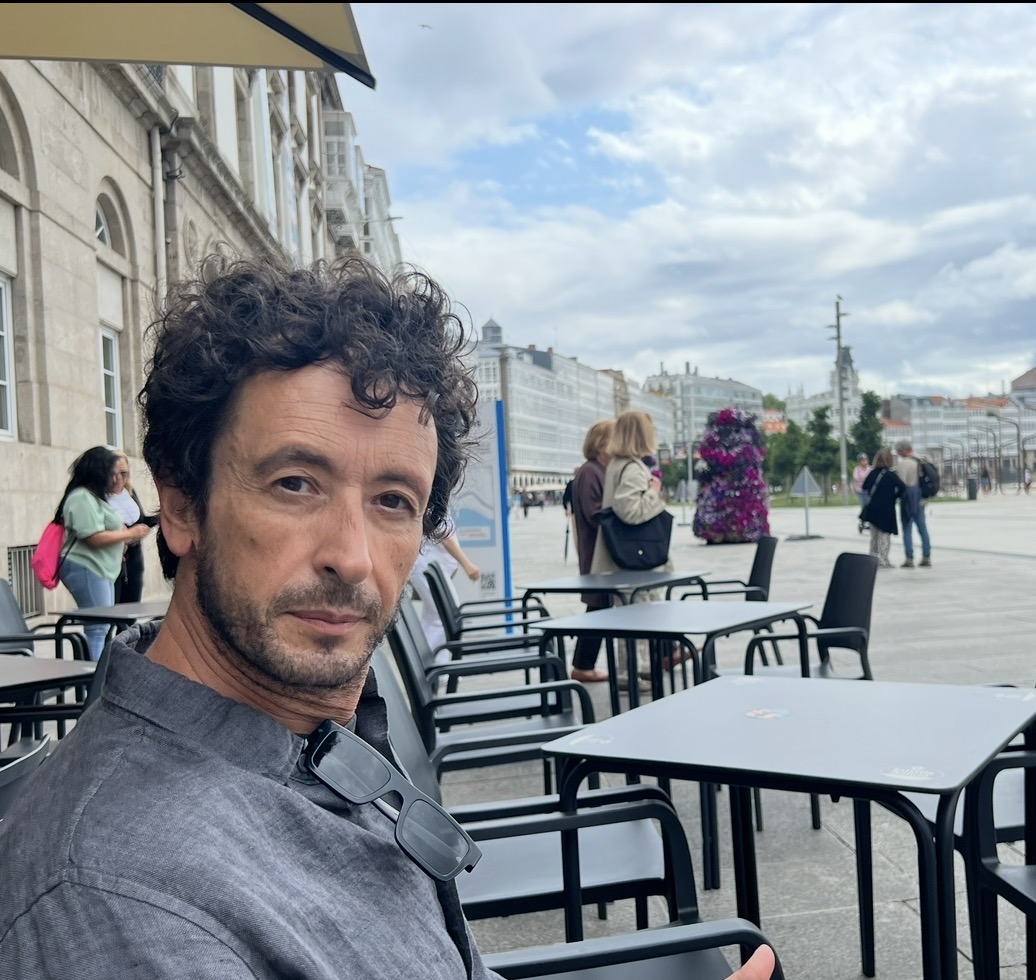

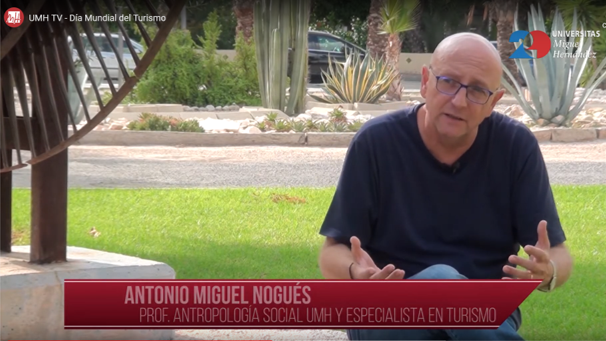
Note from the Author: Before diving into the questions, I would like to clarify that although I spearheaded the project and conducted the interview, the work reflected in this article was developed by a three-person team: my colleagues Joaquín Rodes (Sociologist), Antonio M. Nogués (Anthropologist), and myself. Without my colleagues’ support, these findings would have been impossible.
What is your article “Abusive Practices, Self-regulation Strategies, and the Language of Addiction: Narratives Surrounding Problematic Smartphone Use in Southeastern Spanish Youth“ about?
Well, the article presents findings from a broader project focused on the assemblage of what is popularly known as “technological addictions”. In this project, we sought to triangulate several perspectives:
Young people without any diagnosed issues.
Youth who have received some form of diagnosis or treatment for this type of problem.
Professionals from the “psy” disciplines who address it through treatment or prevention.
Specifically, the article examines how different youth profiles—differentiated by age, gender, and risk level—narrate the day-to-day management of their relationship with smartphones. Essentially, it looks at how they strive for a balance between abusive practices (such as excessive screen time, digital bingeing, late-night use affecting daily activities, and constant distraction) and forms of self-regulation (including brief periods of abstinence, maternal assistance, and digital apps) to gain a sense of control over their digital habits.
It is within this search for balance that we noticed many of them—especially those reporting the most difficulty finding equilibrium—referred to themselves as “addicts”. They frequently used metaphors related to substance abuse, such as “being hooked” or “going through withdrawal”. Drawing on authors like Raikhel and Vrecko, we have termed this the “language of addiction”.
Tell us a little bit about yourself and your research interests.
I am a social anthropologist, and for the past 20 years, my teaching and research have focused on areas within psychological and medical anthropology. Specifically, and following the works of authors like I. Hacking or M. Foucault, I study how individuals perceive themselves in relation to expert knowledge and institutions that label and classify them.
While I have also worked on topics like childhood obesity and alternative therapies, over the years I have been particularly drawn to issues tied to addiction. This includes the transformation process of individuals within the Alcoholics Anonymous program in Mexico, or recreational substance use among youth in Spain.
What drew you to this project?
For quite some time, I have been fascinated by the paradoxical relationship that we, as a society, are developing with digital technologies. On one hand, we are increasingly concerned about the power these devices have to control us or our children. On the other hand, these digitalization processes seem non-negotiable. Even though we lack public transparency regarding the internal design of these devices, voicing any concern often brands us as romantically opposed to progress.
It is precisely within this framework that the topic intersects with my research interests in addiction. I believe that applying this concept to the abuse of digital technologies allows us to draw conclusions about the present while offering a glimpse into how addictions will be governed in the near future. This upcoming governance will likely operate under a logic very similar to today’s “responsible gaming” frameworks in gambling. I am referring to dynamics such as moving away from the war on drugs, the liberalization of evasion and therapeutic markets (as noted by D. Schüll), or an exclusively individualized framing of responsibility for these processes.
What was one of the most interesting findings?
For me, the most compelling finding is the idea that the unstable balances between abusive practices and self-control solidify into more or less problematic usage profiles depending on contextual factors.
In that regard, the emergence of the “language of addiction” within these narratives provided the clue to theorize that this framework of balance between abuse and self-control—shot through with constant questioning about whether one is engaging in addictive behavior—can be interpreted as a “culture of addiction”.
What are you reading, listening to, and/or watching right now?
For some time now, I have been reading futuristic and dystopian novels where technology plays a central role. I find classics by authors like A. Huxley, G. Orwell, U. Le Guin, or P.K. Dick highly engaging. I am also watching movies and TV series that explore this theme, as I would like to write an essay on the human relationship with technology and the concept of imagining the future.
When it comes to music, I am quite eclectic. I really enjoy the 1970s post-hippie scene and love Neil Young. However, I also listen to contemporary music, such as the latest work by Uruguayan singer-songwriter Jorge Drexler, or young Spanish musicians who are updating traditional folk music, like Carlos Ares or Rodrigo Cuevas.
If there was one takeaway or action point you hope people will get from your work, what would it be?
Using the concept of addiction in relation to digital technologies can initially serve as a useful tool to draw public and political attention to the need for design transparency or regulating children’s access.
However, in the long run, this framework is problematic because it individualizes responsibility and stigmatizes people. In a way, it can mask a widespread societal trend of technological abuse, when what is truly needed is political regulation, transparency, and education for mindful usage. The call to action here is that achieving this more desirable socio-political framework—one that avoids offloading all responsibility onto parents and youth—is only possible if we mobilize social movements to push in that direction.

