
As part of our ongoing content, we feature authors who have published in Culture, Medicine, and Psychiatry.
Today, we are excited to bring you our interview with Casey Golomski!
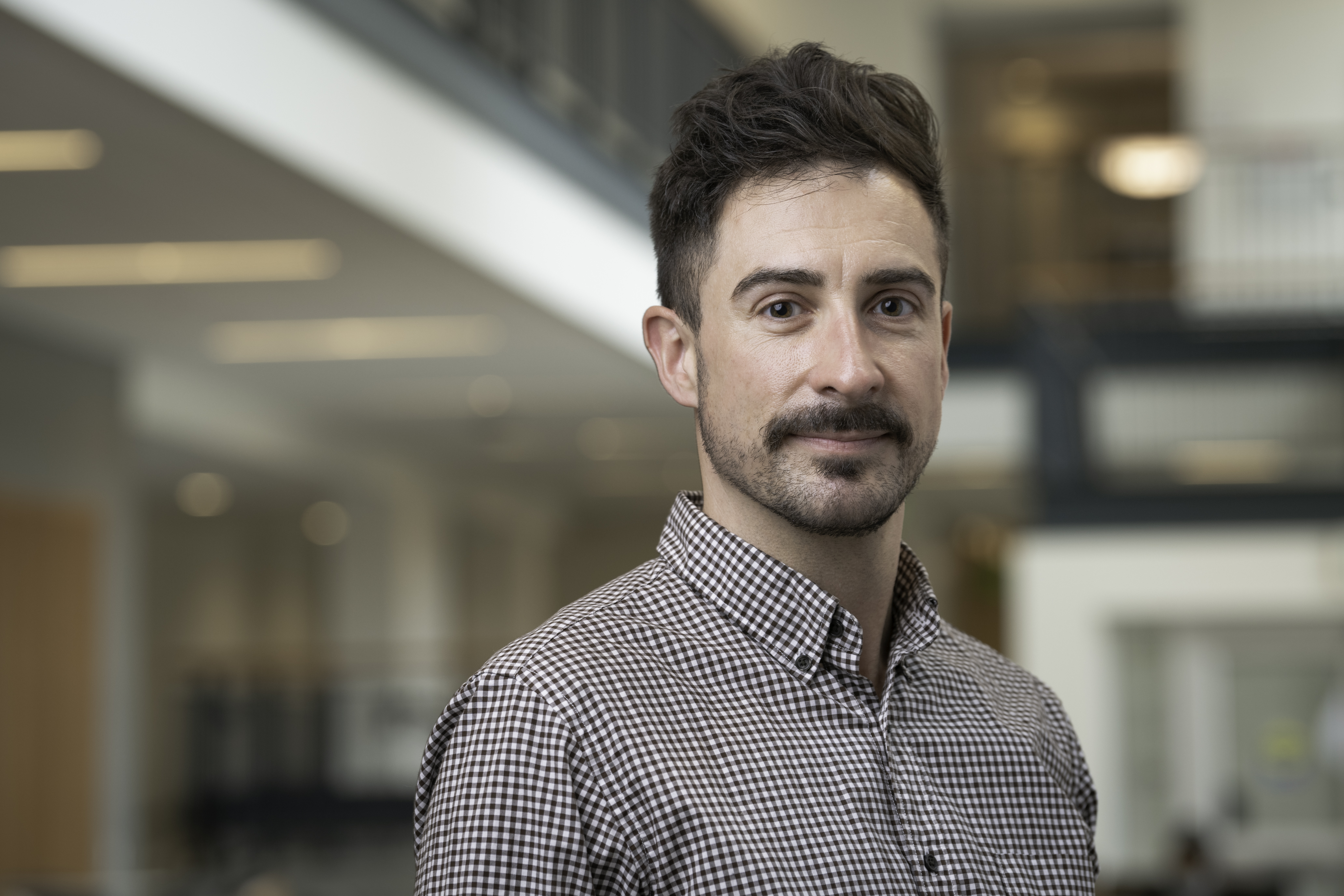
What is your article “Dementia Diagnosis in Postapartheid South Africa: Providers’ Perspectives in Ethnographic Context“ about?
This article unpacks how providers make sense of dementia among their client-patients, or what they presume to be dementia. Mostly these are people who live and work in residential long-term care or “old age” homes, and most providers and patients are not working with a formal diagnosis, hence the “sense making” they do with some of the disease’s tell-tale clinical indicators and their cultural and historic context of postapartheid South Africa.
Tell us a little bit about yourself and your research interests.
I’m a cultural and medical anthropologist who likes to experiment with the range, scope and possibilities of ethnography in creative, literary, and poetic forms. I’ve worked mostly in Southern Africa (Eswatini, South Africa) for almost twenty years on projects about mortality, gender-sexuality, and spirituality. I completed books about HIV/AIDS funerals, long-term care, culture and nationalism, and, soon, a critical edition of the work of a trailblazing African anthropologist-journalist named Regina Gelana Twala.
What drew you to this project?
At first, I was interested the changing national health care policies – a compare and contrast of South Africa’s National Health Insurance (NHI) program and the US’ Patient Protection and Affordable Care Act (Obamacare). The stories I heard from care providers and patients themselves inspired me to explore how they navigate this changing landscape and make meaning of mental health and illness.
What was one of the most interesting findings?
To me, that providers saw or believed there were intra-racial differences in care seeking among white clientele, that families of British and other European descent contrasted to Afrikaans families. For the providers I met, the former group was more active in seeking dementia diagnoses for their older relatives and accepting of a diagnosis, whereas the latter somehow construed dementia in shameful terms as something to be hidden.
What are you reading, listening to, and/or watching right now?
These days I’m reading and thinking a lot about angels. I’m interested in why, how and when we culturally characterize other people as angelic. As it is also now nearing Halloween, I am watching plenty of scary movies and television shows.
If there was one takeaway or action point you hope people will get from your work, what would it be?
From my work more broadly, I hope that people (readers, researchers) will give themselves grace in the face of difficult circumstances (personal troubles, writing block, research issues), namely some partial acceptance that you’ve done your best or at least as much as you could’ve done with what you’ve had at hand. I learned this lesson from many patients and providers like those you meet in this article.

