Book Release: Jenkin’s “Extraordinary Conditions: Culture and Experience in Mental Illness”

Via UC Press website

Via UC Press website

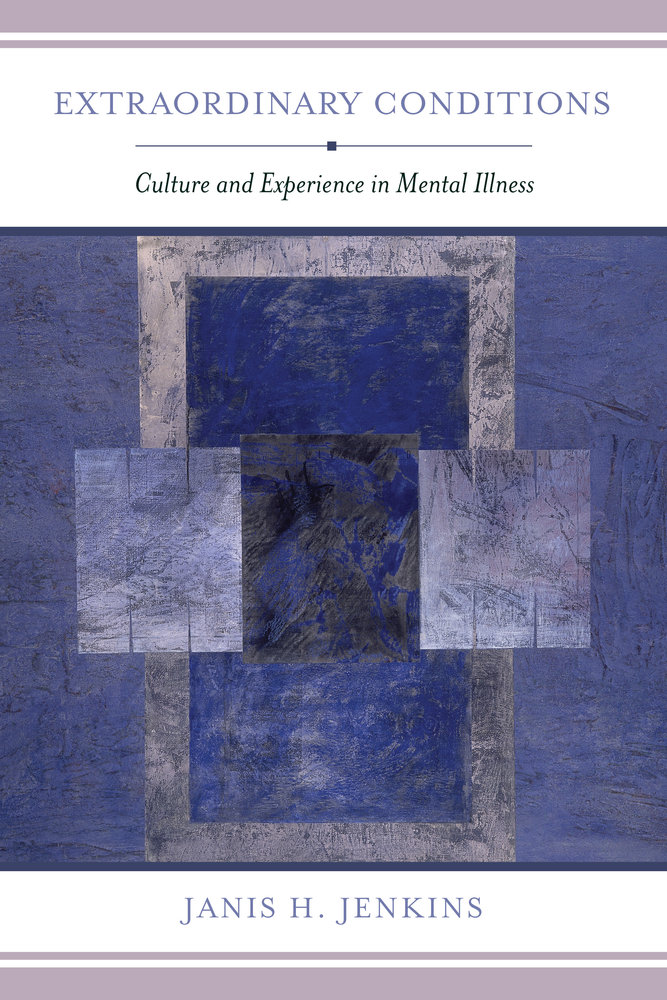
Out this August 2015 from the University of California Press is Janis H. Jenkin’s Extraordinary Conditions: Culture and Experience in Mental Illness. This ethnographic text explores the lives of patients of diverse ethnic and cultural backgrounds experiencing trauma, depression, and psychosis, taking into account the identity, self, desires, gender, and cultural milieu of the participants. Jenkins’ text pays special attention to the reduction of the severely mentally ill to a subhuman status, and the nature of this social repression.

Jenkins argues for a new, dynamic model of mental illness as a struggle rather than a constellation of discrete symptoms, noting that such a model should consider the ways that culture is implicated in mental illness experience from onset through recovery. The book posits that inclusion of culture into the clinical practice of psychiatry is crucial to the successful treatment of patients, and that anthropologists must not only consider the normative, day-to-day lives of participants but also the “extraordinary” and uncommon conditions regularly faced by those with mental illness.

This book will be of interest to psychological and psychiatric anthropologists, as well as those studying mental health care delivery systems. It will also shed light on medical narratives in mental health, and on generating new theories of human experience and medicalization.

For more information about this book, click on the publisher’s website here: http://www.ucpress.edu/book.php?isbn=9780520287112

News: Home Health Care for the Elderly in the United States

Culture, Medicine & Psychiatry, and the medical anthropological community at large, is committed to understanding the changing landscape of aging as both developed and developing countries experience demographic shifts, social change, and economic transformations that have impacted the way older adults receive care and treatment. Our December 1999 special issue addressed the anthropological complexity of family care dynamics, dementia, and global aging, and our journal continues to publish articles on this pressing theme in the field.[1]

In recent news, there has been a flurry of articles that address the variety of new programs across the United States that strive to address this timely and critical issue in the field of medicine and care delivery. Mount Sinai Hospital in New York City, for example, has initiated a home hospitalization program for elderly patients.[2] The program recognizes the desire of older adult patients to heal in their home environment, and visiting clinicians employed by the program are able to perform basic tests as well as deliver IV medications at the patient’s home in what is called a “mobile acute care” model.

This shift does, of course, benefit the hospital: it opens valuable bed space for other patients and allows staff to focus on the management of more serious cases. But it also has advantages for the patient, including reduced cost, the comfort of healing in the home, reduction in hospital-borne infections and symptoms of delirium in the unfamiliar hospital environment (common amongst older patients), and the ability for family members to be available at all times of the day to supplement care rather than being strictly permitted during visitation hours. A similar program for treating acute conditions in the elderly at home was instated in New Mexico, with promising results and improved patient outcomes.

Another piece in The Atlantic, however, outlines the difficulties of receiving extended at-home medical care for older adults with chronic illnesses like Parkinson’s.[3] As children of the elderly generation continue to work longer, and in married families both spouses are employed, there is no one at home to deliver lasting care to older family members who have chronic rather than acute conditions. Visiting home health aides, who are equipped to assist with basic tasks such as helping older adults shower and get in and out of bed, are typically underpaid and do not service outlying suburban or rural areas in the United States where many older individuals now live. Although the majority of elderly individuals prefer to live at home and not enter an assisted care facility, without consistent home care delivery available, it becomes extraordinarily difficult to do so.

Other organizations are generating creative solutions to delivering at-home care assistance for the elderly, particularly those without debilitating health conditions but who nevertheless require other forms of assistance. As NPR reports, many older adults struggle with the physical tasks required to cook healthy meals, such as lifting heavy pots and preparing fresh ingredients.[4] Some rely on microwaveable dinners, and do not get the nutrients they need to support their health. The company “Chefs for Seniors” has met this need in the Madison, Wisconsin area by sending professional chefs to older adults’ homes, where they cook a week’s worth of healthy meals for the resident. To ensure the plan is affordable for seniors, the company charges $15 for groceries and $30 per hour for the chef to prepare the meals: on average, this costs the customer $45 to $75 per week. The meals can also be personalized to the customer’s dietary preferences and needs.

While the United States faces numerous struggles to provide inclusive and accessible elderly care to an expanding older adult population, these smaller changes to the dynamics of caregiving—however flawed, as in the case of limited home health aides—demonstrates a broader recognition of this vital social and medical concern.

For another piece on elderly caregiving, be sure to check out this “From the Archive” blog post on dementia and family caregiving in urban India: https://culturemedicinepsychiatry.com/2014/11/19/from-the-archive-caregiving-and-dementia-in-urban-india/


Sources

[1] http://link.springer.com/journal/11013/23/4/page/1

[2] http://well.blogs.nytimes.com/2015/04/27/admitted-to-your-bedroom-some-hospitals-try-treating-patients-at-home/?smid=tw-share&_r=0

[3] http://www.theatlantic.com/business/archive/2015/04/who-will-care-for-americas-seniors/391415/

[4] http://www.npr.org/blogs/health/2015/04/27/401749819/drop-in-home-chefs-may-be-an-alternative-to-assisted-living

June 2015 Issue Preview: Guest Editor M. Ariel Cascio, on Global Autism Studies

Culture, Medicine & Psychiatry’s second installment of the year arrives June 2015. This special issue will address anthropological studies of autism throughout the world. To give our readers a preview of the upcoming issue, special issue guest editor M. Ariel Cascio, PhD joined our social media editor for an interview to discuss compiling the issue, what topics the articles will address, and new themes in the study of autism.


Can you tell us a little about the upcoming June 2015 special issue?

The special issue, “Conceptualizing autism around the globe,” shares anthropological (and allied field) research on autism in Brazil, India, Italy, and the United States. We talk about “conceptualizing” autism as a way to counter the idea that autism “is” or “means” one specific thing. Sometimes autism means the diagnosis measured by a certain instrument (such as ADOS), sometimes it means a more broadly defined set of characteristics (such as those in the DSM), sometimes it means an individual identity, and so many more things. The articles in this issue explore how autism is conceptualized at several different levels: in national policy, in treatment settings, and in the home.

What’s been your favorite part of working on the special issue?

I’ve just enjoyed the opportunity to greater familiarize myself with the group of scholars who are pursuing the anthropology of autism, and to work alongside scholars whose work I have long followed.

So how did you become interested in the study of autism?

I’ve been studying autism since 2008. I actually came to anthropology before I came to autism, and when I first began learning about autism, I saw it as rich for anthropological inquiry (isn’t everything!) because of anthropology’s strengths in focusing on lived experience, challenging deficit narratives of so-called “disorders,” and placing medicine and psychiatry in sociocultural context.

What was it like doing fieldwork in Italy? How do Italians see autism differently than other places in the world?

I’ve studied the autism concept more in Italy than in any other place in the world, and I’m very grateful to everyone there from whom I learned – autism professionals, family members of people with autism, and people on the spectrum themselves. I could hazard comparisons with the literature that address perceptions in other parts of the world – and some of these comparisons come through in the special issue – but for now I would like to focus on the strength of the rich description of the Italian context without external comparison. As my article in the special issue shows, autism professionals tended to take a social model of autism, focusing on creating environments that were tailored to the needs of people on the spectrum and structured to help them learn.

What are some of the challenges you’ve faced in studying autism?

As in many areas of inquiry familiar to readers of CMP, it can be challenging to communicate information about my study to people who study autism in other fields (clinical, psychological, social work, etc.). A lot of research about autism takes a positivist stance, whereas my research takes an interpretivist stance and focuses on autism as a concept whose meaning may vary rather than a diagnosis measured in a particular way. Nonetheless, I love talking about my research interests with a broad audience because in many contexts (especially in the U.S.), so many people have personal or professional interest in autism and we can always have interesting and stimulating conversations.

What’s something you think would surprise non-anthropologists about the anthropology of autism?

I would imagine non-anthropologists would be surprised by the anthropology of autism for the same reasons they might be surprised by anthropology (or medical anthropology) in general. For example, they might be surprised that anthropologists study autism all over the world, particularly if they think of the autism concept as something that represents a universal set of characteristics and experiences that are unaffected by context. The articles in this special issue really show that context matters in all conceptualizations of autism, from Brazil to the United States, from national policy to the family home.

Where do you see the anthropology of autism heading next?

I see the anthropology of autism becoming more inclusive. In her commentary, Pamela Block expresses optimism that the anthropology of autism will increasingly include researchers who identify as autistic themselves, and I agree. In addition to including more researchers with autism, I anticipate that the anthropology of autism will increasingly work to include participants with higher levels of support needs (those whom some people call “people with low-functioning autism”), and delve deeper into their lived experiences as well.


Many thanks to Dr. Cascio for sharing her insights! Look for the special issue on conceptualizing autism in June 2015, and be sure to check back for more previews of the issue, article features, and other blog entries about the new installment here on our website.

Book Release: Wailoo’s “Pain: A Political History”

Image via JHU Press

Image via JHU Press

This October 2015, Johns Hopkins University Press is slated to release Keith Wailoo’s Pain: A Political History. Wailoo’s book examines how the definition of chronic pain in the United States developed and changed alongside broader political and economic changes. The book begins with the culture of treatment following World War II, when public and political attitudes towards pain considered physical suffering real and potentially disabling. With decreasing support of disability programs throughout the 1980s, however, the validity and legitimacy of chronic pain came under question.

New conversations beginning in the 1990s about euthanasia reinvigorated the conversation surrounding pain, no doubt bolstered today by current discussions of medical marijuana laws and the burgeoning use of prescription painkillers for recreation purposes. This renewed interest in the nature and the extent of pain have enlivened the debate around who experiences pain, how we certify pain, and at what point pain requires medical intervention.

The book strives to illuminate the historical foundations of today’s contemporary pain medication and treatment market, particularly in terms of the liberal and conservative political trends between the 1950s and today. Wailoo’s account culminates with an exploration of the contemporary state of pain care: a severe imbalance between the overmedicated and the underserved who cannot access treatment for their chronic pain. Pain: A Political History will certainly prove insightful for historians of medicine as well as political-economic medical anthropologists, theorists of neoliberalism, and medical anthropologists carrying out research in the United States.

Wailoo is Professor of History and Public Affairs as well as the Vice Dean of the Woodrow Wilson School of Public and International Affairs at Princeton University.


To learn more about the book, click on JHU Press’ page here: https://jhupbooks.press.jhu.edu/content/pain

From the Archive: Eating Disorders Amongst Japanese Women

In our “From the Archive” series, we revisit an article published in past issues of Culture, Medicine & Psychiatry. This week, we’re highlighting a piece on eating disorders in Japan, originally featured in our December 2004 issue.

cropped-cropped-2009cover-copy1.jpg

Kathleen Pike and Amy Borovoy’s article “The Rise of Eating Disorders in Japan: Issues of Culture and Limitations of the Model of ‘Westernization'” makes a poignant case for the importance of context when examining eating disorders across the world. In this piece, they argue that studies of eating disorders abroad have often attributed the etiology of these illnesses to an increasing visibility and presence of Western beauty standards that accompany the spread of new technologies, medias, and communication tools. While Western beauty ideals have been problematically exported to the non-Western and developing worlds in other cases, Pike and Borovoy suggest that this model does not account for the experience of eating disorders in Japan.

Westernization and modernization, they note, are two distinct processes: and Japan, which has developed economically but retained many of its traditional social roles, exemplifies this difference. Modernization is the process of economic and technological development as a nation shifts from traditional to modern (often, mechanized). Westernization may be defined as the process of integrating the lifestyle, values, and experiences of Western cultures into the fabric of society, especially during periods of modernization and economic change.

Despite the drive for modernization, Japanese women are still expected to be homemakers and mothers rather than career women in the new economy. The Japanese have not adopted the individualistic and feministic sensibilities of the Western world, and the domestic burden– both caring for the home and children, and tending to older family members– squarely falls upon wives and mothers. This creates enormous stress for young women, who wish to extend their adolescent years and savor the freedom between childhood and their adult lives, as defined by marrying and becoming a homemaker. Modernization allows young Japanese women to obtain jobs, travel widely, and earn an education, but traditional social roles do not create a space for women to enjoy such a designated period of freedom without familial commitment. The inevitability of domestic life, then, is ever-present in the lives of women who yearn for fewer responsibilities– even if just for a time. This creates feelings of distress, unease, or unhappiness in many young women.

Pike and Borovoy observe that Japanese women do not reject food (anorexic behavior) or induce vomiting (bulimic behavior) out of a desire for thinness or due to fat phobia, as women with eating disorders almost universally experience in Western nations. Rather, Japanese women stress that they reject food because it worsens their digestive complaints, which are connected to the anxiety and stress they feel out of dissatisfaction with their social role (or lack thereof.) The tension between women’s expected social functions, and their desire to live and work in some other way, therefore spurs disordered eating within this broader frame of mental distress.

As we see, women’s experiences of Japanese eating disorders are entwined in the fabric of traditional social life, and not rooted exclusively in imported ideas of the body, independence, and individualism per the Western way of life. Indeed, the non-fat phobic symptomatology of eating disorders reflects the essential differences between Japanese women with eating disorders and their peers in Western nations. The study highlights the centrality of culture in studies of mental illness, and the way that these conditions emerge out of a local social world.


To find the full article online, click here: http://link.springer.com/article/10.1007/s11013-004-1066-6

Vol. 39 Issue 1 March 2015: Medicalizing Heroin

In addition to our From the Archive series, where we highlight past articles in the journal’s history, the CMP blog features selected previews of our latest issue. This week, we again take a sneak peek into an article from the March issue: the first installment of 2015’s Volume 39 of Culture, Medicine & Psychiatry.


Heroin: From Drug to Ambivalent Medicine

On the Introduction of Medically Prescribed Heroin and the Emergence of a New Space for Treatment

Birgitte Schepelern Johansen • Katrine Schepelern Johansen. Pages 75-91. Link to article: http://link.springer.com/article/10.1007/s11013-014-9406-7

This article examines the reintroduction of heroin as a medicine, as opposed to illicit drug, in the treatment of substance abuse patients. Unlike existing research on this topic, the authors here emphasize the exchanges between the users, the staff, and the material space of the implementation of heroin: the built and organizational environments of the clinic, rather than just the actors in this space alone.

Heroin exists in a complicated place in these clinics: it is (paradoxically) utilized to minimize addiction to it. Rather than marginalizing the drug, this process of managed heroin prescription lends the drug a central place in the lives of users and staff, albeit a place that ambivalently lies between drug use as pleasure and drug injection as a form of medicalized control.

cards3

When considering the rooms in the clinic where the staff injects heroin into clients, the authors note that the space is strictly regulated. Staff observe incoming clients, while those who carry out injections do not permit the patients from selecting where the drug is administered. Likewise, this clinical space is not used for socializing: clients don’t casually talk while waiting, and typically depart this area and linger in the facility’s more casual cafe after receiving their injection. The clinical space removes the use of heroin from the context of pleasure-seeking, and assumes control for the drug’s use. Although the substance is the same, heroin users’ experiences of the drug in recreational settings is deliberately set apart from its use in the clinic.

Yet distinguishing the clinical space where heroin is injected, while no doubt increasing medicalized control over the substance, also complicates the notion of the drug as unquestionably destructive. Clients move into a social, casual environment in the cafe after initial injection. Even the clinical space itself underscores the intimacy of intravenous drug use, as staff and clients engage one-on-one during the injections. The staff similarly struggle with the complex nature of heroin as an illegal drug, made most evident by the strict safeguarding of the location where heroin is stored.

Although the medicalization of heroin abuse may serve to diminish the criminal stigma surrounding use of the drug, medical models of treatment remain entangled in older ideas of substance illegality, criminality, and the stringent enforcement of substance abuse policies. Conversely, the clinical treatment space and its organization is arranged in such a way that muddies the boundary between pleasure and treatment. The authors thereby illustrate the complexity of moving towards a medical model of heroin treatment, and how notions of control evolve with the changing landscape of substance abuse policy.

Vol. 39 Issue 1 March 2015: Ethnography & Clinical Practice

In addition to our From the Archive series, where we highlight past articles in the journal’s history, the CMP blog features selected previews and sneak peeks into our latest issue. This week, we gain a glimpse into an article from the March issue: the first installment of 2015’s Volume 39 of Culture, Medicine & Psychiatry.


A Model for Translating Ethnography and Theory into Culturally Constructed Clinical Practices

Bonnie Kaul Nastasi, et al. Pages 92-120. Link to article: http://link.springer.com/article/10.1007/s11013-014-9404-9

In this article, Nastasi and colleagues have developed a new model for preventative care of HIV and STIs over the course of a 6-year research project in Mumbai, India. This clinical approach, called the Narrative Intervention Model (NIM), implores married men in Mumbai to construct narratives around their sexual health and related problems. With the clinician, patients then deconstruct the narrative to locate discrepancies between their accounts of sexual health and their desired health status. The last stage of the preventative approach entails clinicians coaching patients on how to minimize risk while meeting patient expectations surrounding sexual health. In this way, health counseling becomes a more dynamic process than medical history taking alone.

cropped-cards.jpgThe NIM model in this initial study was employed by both allopathic physicians and traditional Indian medical practitioners. By analyzing patients’ accounts and creating models for health behavior that minimized risks of HIV or STIs, caregivers were able to blend an anthropological and public health approach to preventative medicine. Likewise, the model drew on principles of cognitive behavioral psychology: inquiring about patients’ logic in rationalizing health choices, and intervening in this narrative to display where risks might be prevalent.

In the NIM model, the clinician’s interview with the patient takes on a semi-structured form (which the authors assert is “ethnographic” in nature.) Rather than traditional history-taking, which is an elicitation of information from the patient rather than a more fluid conversation, the NIM encourages patients to make connections between their cultural beliefs, behaviors, and their health.

Given the widespread interest in both medicine and anthropology on patient-clinician communication, this case presents an informative glance into how caregivers might draw on ethnographic practices to improve patient health. NIM offers one methodology for meaningful exchanges between clinicians and patients, and unites the aims of medicine and anthropology in illuminating culturally specific health behaviors, beliefs, and practices for the direct benefit of patients.

Guest Blog: Culture, Medicine, and Neuropsychiatry

This week, we are featuring a special guest blog post by M. Ariel Cascio, PhD. Here, she discusses neuropsychiatry in the Italian context and within the United States.

In the 21st century, anthropologists and allied scholars talk frequently of the biologization, cerebralization or neurologization of psychiatry. Many make reference to the 1990s, the “Decade of the Brain” that closed out the last century. They talk about “brain diseases” as a dominant discourse in discussions of mental illness. The 2014 Annual Meeting of the American Anthropological Association hosted a panel on “reflections on mind and body in the era of the ‘cerebral subject.’” In these and other ways, scholars write and talk about increasing dominance of brain discourses in discussion of psychological and psychiatric topics. This dominance has historical roots, for example in German (Kraepelinian) psychiatry, and authors in Culture, Medicine & Psychiatry and elsewhere have written about the historical context and local manifestations of this dominance of the neurological in the psy- sciences.

In this blog post I explore a situation in which neurology and psychiatry have long co-existed: the Italian field of neuropsychiatry. While the field “neuropsychiatry” is not unknown in the United States, and similar terms are used in other countries as well, I offer some comments specifically on the Italian context. The example of Italian neuropsychiatry provides one case of a particular historical relationship between neurology, psychiatry, and psychology that would be of interest to any historical or anthropological scholars of psychiatry.

The Italian medical system distinguishes between neuropsychiatry and psychiatry, neuropsichiatria infantile and psichiatria. Neuropsichiatria infantile (child neuropsychiatry), abbreviated NPI but sometimes referred to simply as neuropsichiatria (neuropsychiatry), addresses neurological, psychiatric, and developmental problems in children under age 18. Psichiatria (psychiatry) treats adults starting at age 18. As such, it is tempting to simply distinguish child and adult psychiatry. However, neuropsychiatry and psychiatry actually have distinct origins and practices. As the names imply, neuropsychiatry links neurology and psychiatry. Adult psychiatry, however, does not.

While Italian psychiatry has its roots in early 19th century organicist and biological approaches, in the 1960s a younger generation of psychiatrists, most prominently Franco Basaglia, aligned themselves with phenomenology and existential psychiatry. These psychiatrists crystallized their ideas into the ideology of Psichiatra Democratica (Democratic Psychiatry) and the initiative of “Basaglia’s Law,” the 1978 Law 180 which began Italy’s process of deinstitutionalization, generally considered to be very successful (Donnelly 1992). While childhood neuropsychiatry is indeed the counterpart to adult psychiatry, more than just the age group served differentiates these fields. If Italian psychiatry has its roots in Basaglia and the ideology of democratic psychiatry, neuropsychiatry has its roots at the turn of the 20th century, in the works of psychiatrist Sante de Sanctis, psychopedagogue Giuseppe F. Montesano, and pedagogue Maria Montessori.

In this way, neuropsychiatry’s origins bridged psychiatry and pedagogy (Bracci 2003; Migone 2014). Giovanni Bollea has been called the father of neuropsychiatry for his role in establishing the professional after World War II (Fiorani 2011; Migone 2014). Fiorani (2011) traces the use of the term neuropsychiatry (as opposed to simply child psychiatry, for example) to Bollea’s desire to honor the distinctly Italian tradition and legacy following Sante de Sanctis.

Several features distinguish psychiatry and neuropsychiatry. Migone (2014) argues that child neuropsychiatry has taken more influence from French psychoanalytic schools, whereas adult psychiatry has taken more influence from first German and then Anglo-Saxon psychiatries. Migone further explains:

Child and adolescent psychiatry in Italy is therefore characterized by a reduced use of medications (if compared to the United States), and by a diffuse use of dynamic psychotherapy, both individual and family therapy (from the mid-1970s systemic therapy spread). The attention to the family and the social environment is extremely important for understand the clinical case during the developmental years. [My translation]

Moreover, neuropsychiatry is known for being multidisciplinary and working in equipe, teams of psychiatrists, psychologists, social workers and so on. It incorporates psychoanalysis, psychotherapy, dynamic psychology, psychological testing, social interventions, and more (Fiorani 2011).

This extremely brief overview outlines key characteristics of Italian neuropsychiatry and the ways it is distinguished from Italian psychiatry, as well as from U.S. psychiatry. Italian neuropsychiatry provides one example of a long-standing relationship between neurology, psychiatry, psychology, philosophy, and pedagogy. By drawing attention to this medical specialty and the complexities of the different fields it addresses, I hope to have piqued the interest of historical and anthropological scholars. I include English and Italian language sources for further reading below.


References and Further Reading – English

Donnelly, Michael. 1992. The Politics of Mental Health in Italy. London ; New York: Routledge.

Feinstein, Adam. 2010. A History of Autism: Conversations with the Pioneers. Malden, MA: Wiley-Blackwell.

Levi, Gabriel, and Paola Bernabei. 1997. Italy. In Handbook of Autism and Pervasive Developmental Disorders. 2nd edition. Donald J. Cohen and Fred R. Volkmar, eds. New York, NY: John Wiley & Sons.

Nardocci, Franco. 2009. The Birth of Child and Adolescent Neuropsychiatry: From Rehabilitation and Social Inclusion of the Mentally Handicapped, to the Care of Mental Health during Development. Ann Ist Super Sanità 45: 33–38.

References and Further Reading – Italian

Bracci, Silvia. 2003. Sviluppo della neuropsichiatria in Italia ed Europa. Storia delle istituzioni psichiatriche per l’infanzia. In L’Ospedale psichiatrico di Roma. Dal Manicomio Provinciale alla Chiusura. Antonio Iaria, Tommaso Losavio, and Pompeo Martelli, eds. Pp. 145–161. Bari: Dedalo.

Fiorani, Matteo. 2011. Giovanni Bollea, 1913-2011: Per Una Storia Della Neuropsichiatria Infantile in Italia. Medicina & Storia 11(21/22): 251–276.

Migone, Paolo. 2014. Storia Della Neuropsichiatria Infantile (prima Parte). Il Ruolo Terapeutico 125: 55–70.

Russo, Concetta, Michele Capararo, and Enrico Valtellina. 2014. A sé e agli altri. Storia della manicomializzazione dell’autismo e delle altre disabilità relazionali nelle cartelle cliniche di S. Servolo. 1. edizione. Milano etc.: Mimesis.


ABOUT THE AUTHOR

M. Ariel Cascio is an anthropologist specializing in the cultural study of science and biomedicine, psychological anthropology, and the anthropology of youth. She recently successfully defended her dissertation on autism in Italy at Case Western Reserve University. She can be reached at ariel.cascio@case.edu. Her blog, written in Italian and English, can be viewed here: https://arielcascio.wordpress.com/.

March 2015: Preview of Books Received

This week, we are featuring previews of five books received for review at Culture, Medicine, and Psychiatry. Be sure to check out more articles, reviews, commentaries, and case studies published in the first issue of volume 39 (2015) here: http://link.springer.com/journal/volumesAndIssues/11013

via Westview Press

via Westview Press

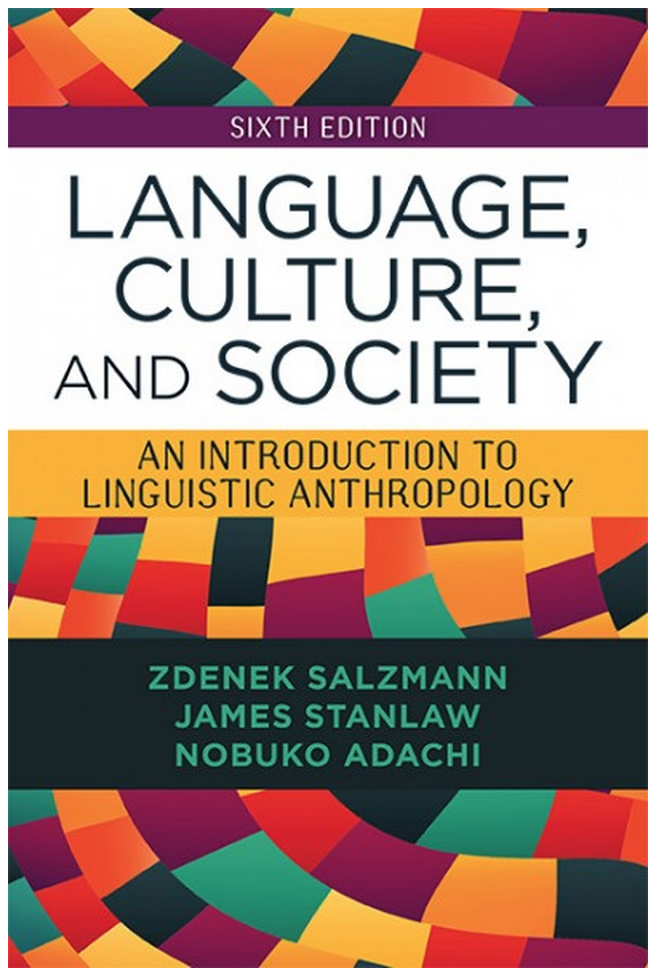
Language, Culture, and Society: An Introduction to Linguistic Anthropology

Zdenek Salzmann, James Stanlaw, and Nobuko Adachi, eds.

This textbook was first published in 1993, and this is the book’s sixth edition. The new incarnation of Language, Culture, and Society features has been revised and expanded with further explanation of the sociocultural context of language. It is also complete with class exercises, discussion questions, and other student resources. The book pays special attention to multilingual and transnational linguistic anthropology.

More details from Westview Press here: http://westviewpress.com/books/language-culture-and-society/

Via UC Press

Via UC Press

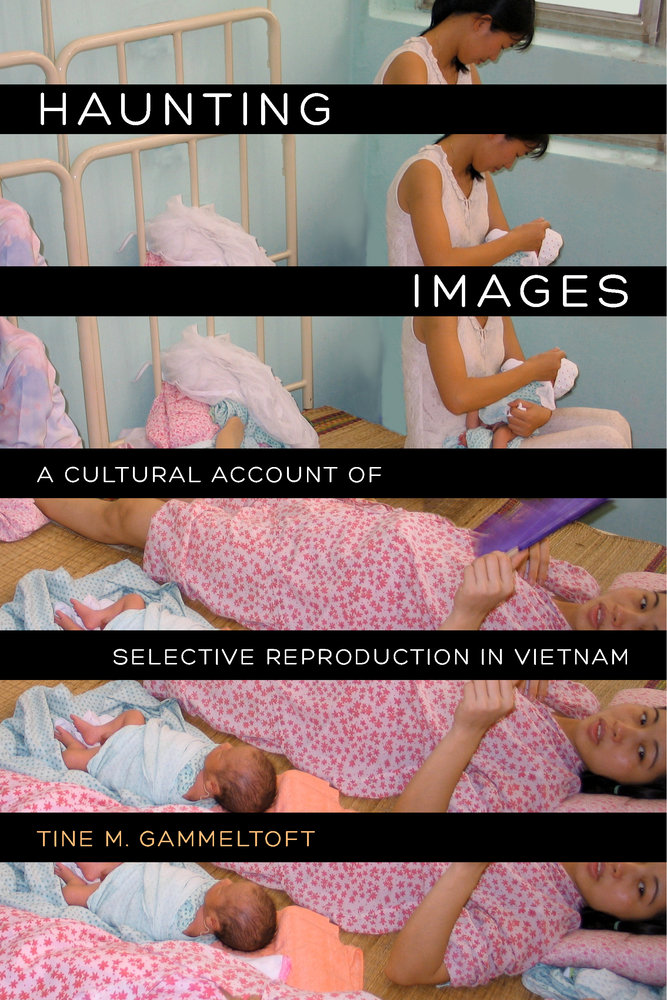
Haunting Images: A Cultural Account of Selective Reproduction in Vietnam

Tine M. Gammeltoft

This ethnographic account explores the lives of pregnant women in Hanoi, Vietnam whose fetuses were deemed biologically abnormal after ultrasound examinations. Gammeltoft considers the moral dilemmas these women face against the backdrop of their everyday lives and the roles of their family members in reproductive decision-making.

More details from UC Press here: http://www.ucpress.edu/book.php?isbn=9780520278431

Via UC Press

Via UC Press

Can’t Catch a Break: Gender, Jail, and the Limits of Personal Responsibility

Susan Starr Sered and Maureen Norton-Hawk

This ethnographic work traces Boston women’s experiences of sexual abuse, violence, inadequate social and therapeutic programs, and the impacts of local and federal policies on incarceration and criminal punishment. The authors consider how these women’s struggles are cast aside as the consequences of “bad choices” and “personal flaws,” and how marginalized women make their way in this “unforgiving world.”

More details from UC Press here: http://www.ucpress.edu/book.php?isbn=9780520282797

Via Duke UP

Via Duke UP

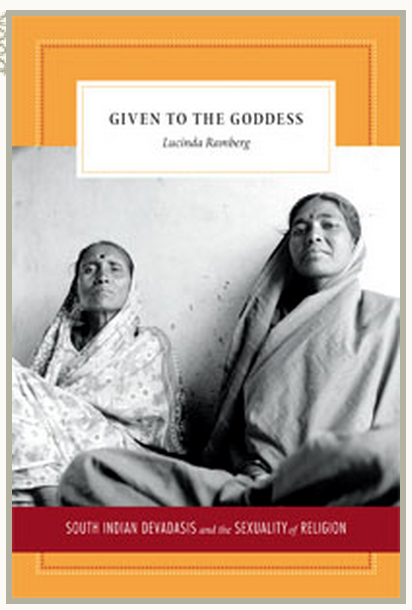
Given to the Goddess: South Indian Devadasis and the Sexuality of Religion

Lucinda Ramberg

Ramberg’s account addresses a unique cultural tradition in South India, where girls and sometimes boys are married to a goddess. They have sex with partner outside of traditional marriage and conduct holy rites outside of the goddess’ temple, and complicate the boundaries between what is male and female. The author argues that goddess marriages challenge existing notions of gender, marriage, and religious practice.

More details from Duke UP here: https://www.dukeupress.edu/Given-to-the-Goddess/index-viewby=subject&categoryid=27&sort=newest.html

Via Johns Hopkins UP

Via Johns Hopkins UP

Generic: The Unbranding of Modern Medicine

Jeremy Greene

This text is a social, political, and cultural history of the rise in generic pharmaceuticals. It tracks the development of modern generic drugs from early 20th century hacks who counterfeited popular medications through the growth in powerful corporations who first produced un-branded drugs. Greene describes generic drugs as a seminal movement towards more equitable, affordable medical care by giving patients quality medicines at a reduced price.

More details from Johns Hopkins UP here: https://jhupbooks.press.jhu.edu/content/generic

Upcoming Conferences in Social Studies of Science/Medicine: Fall 2015

If you have an event to add to this list, please contact Julia Balacko at jcb193@case.edu with the name of the event/conference, date(s), location, and a link to the event page or a brief description. This list is for conference in the Fall of 2015 (August-December.) All conferences/events are organized chronologically by date.


 Seventh International Conference on Science in Society: “Educating Science”

October 1-2 2015 – Chicago, Illinois

http://science-society.com/the-conference/call-for-papers

A Critical Moment: Sex/Gender Research at the Intersection of Culture, Brain, & Behavior Conference

October 23-24 2015 – Los Angeles, California

http://www.thefprconference2015.org/

Society for Social Studies of Science (4S) Annual Meeting

November 11-14 2015 – Denver, Colorado

http://www.4sonline.org/meeting

American Anthropological Association 2015 Annual Meeting: “Familiar/Strange”

November 18-22 2015 – Denver, Colorado

http://www.aaanet.org/meetings/

Logo via AAA website

Logo via AAA website

History of Science Society Annual Meeting

November 19-22 – San Francisco, California

http://hssonline.org/meetings/annual-meeting-archive/