Interview With Christopher Chapman

The next few months we’ll be highlighting authors who have published in Culture, Medicine, and Psychiatry.
Assistant Professor, Nanyang Technological University; Postdoctoral Affiliate, University
of Oxford

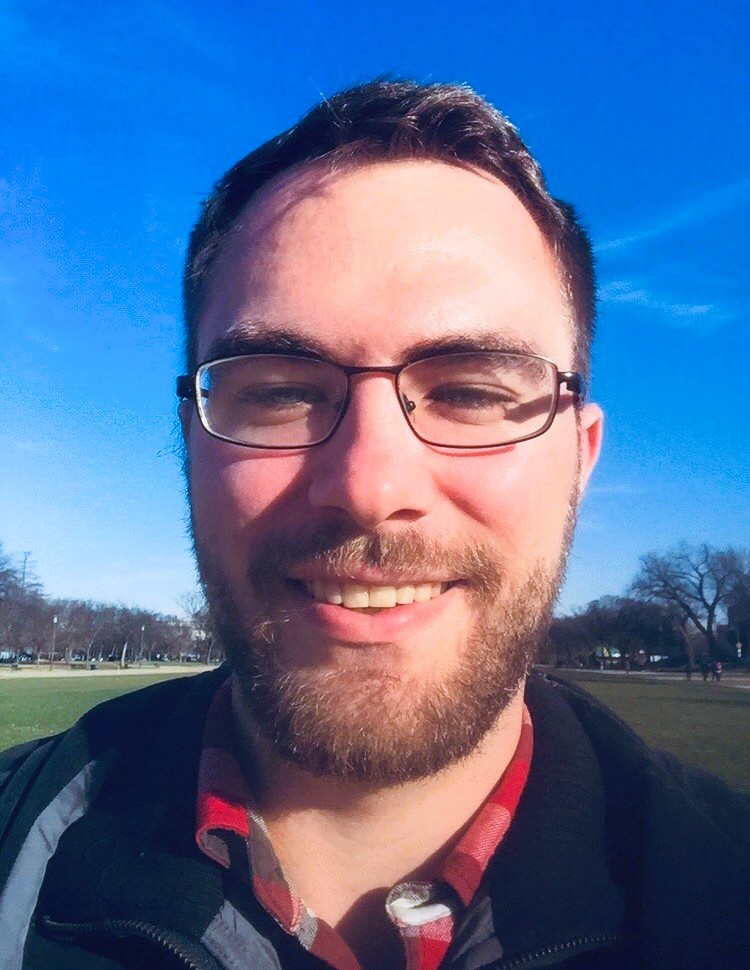
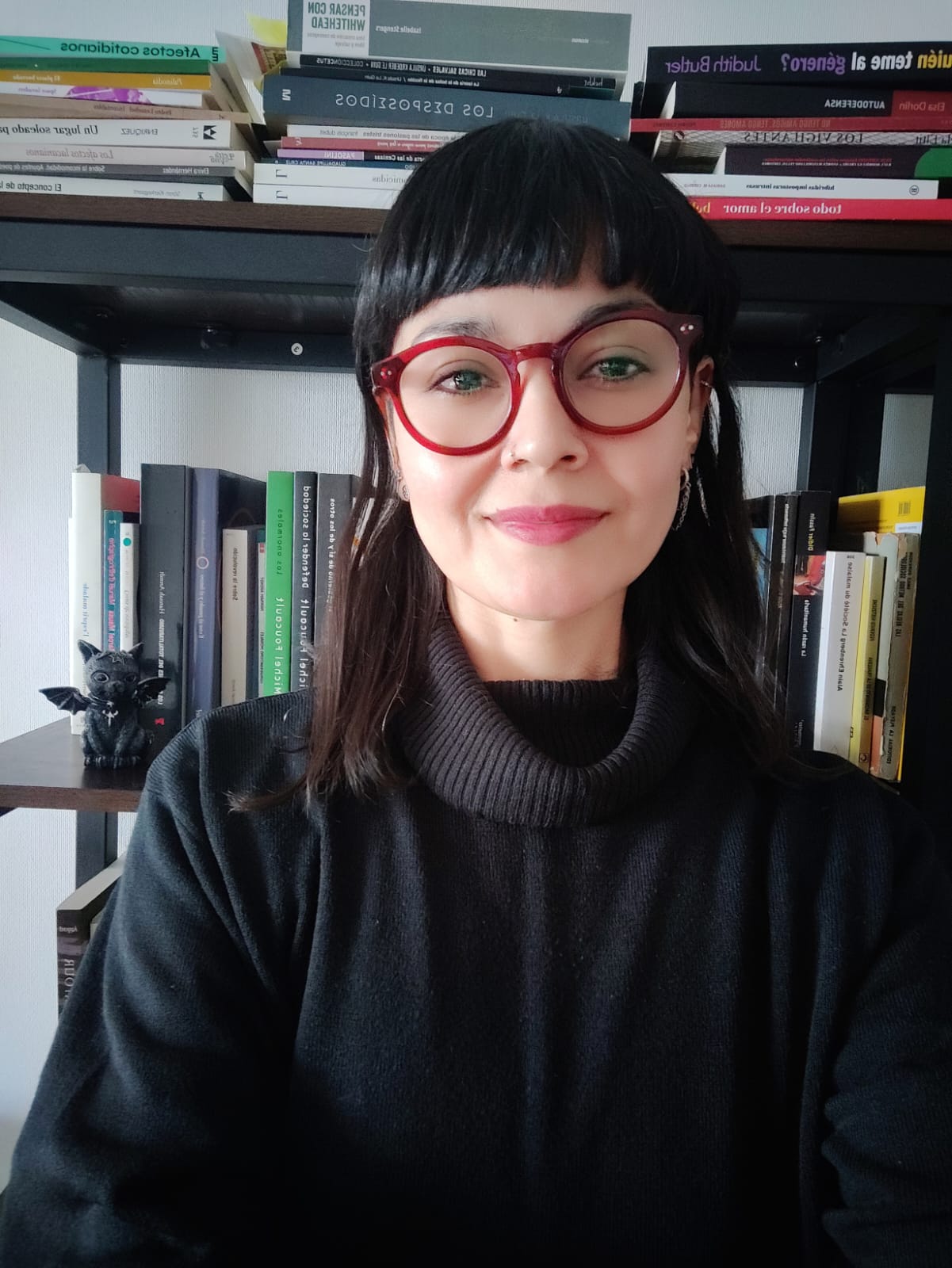
I am a medical anthropologist and sociologist. My work explores the intricacies of health and medicine in the Asia-Pacific, focusing on how people care for each other and how these practices intersect with medical and social service systems.

What is your article “Yuri’s Story: Memory, Relational Healing, and the Reflexive Logics of Art Therapy in Japanese Clinical Psychology” about?

Child protection systems around the world utilize mental health professionals to conduct assessments and provide children with therapeutic care. Japan is no exception. But thinking about child welfare and mental health cross-culturally helps us appreciate the
social side of practices that are commonly seen as (or hoped to be) objective, technical, and universal. My article details how clinical psychologist Yuri learned how to use art therapy to improve her professional work with abused or neglected children. Yuri’s story inadvertently dug up her own painful memories. Her return to childhood through art therapy unsettled her worldview: was her clinical work actually for the children, or was it just for herself? Yet, Yuri renewed her sense of clinical will. Cathartic resolutions of distress may help care practitioners develop empathy and become better carers. This is how Yuri thought art therapy was innovative for mental health care.

Tell us a little bit about yourself and your research interests.

While I am originally from a small, rural town in the Northwestern U.S., my research training has taken me across the world, from Hawai‘i and Japan to the U.K. and Thailand. My experiences in these places shape my interests in how people think about and enact care—and the lived realities of how caregiving plays out.

What drew you to this project?

I always find myself drawn to the ‘in-between’ things, especially in medicine and culture. Child protection does not immediately bring things like clinics and hospitals to mind, but it is a critically important arena where decisions and actions have dire consequences for one’s health and well-being. Japan’s child protection system has been undergoing significant reform throughout the past decade, providing an even more complicated space to think about care and culture.

What are you reading, listening to, and/or watching right now? (Doesn’t have to be anthropological!)

While I am reading (and re-reading) chapters from my in-progress book, I also recently started re-reading the Expanse series by James S. A. Corey. It is a fun hobby, but for my work, it is also helpful in seeing how writers in other genres craft an argument, describe social life, and present information to the reader.

If there was one takeaway or action point you hope people will get from your work, what would it be?

I cannot stress enough the value of strong and long-term relationships in ethnographic work. Yuri’s story was not a single moment, but conversations at the office, meetings in the therapy room, and chats in coffee shops over a year. I learned some of the most moving parts of her life quite late into my fieldwork. It can take time to appreciate another person’s life, but taking small steps toward making a person feel wanted can go a long way in building a rewarding connection (like inviting someone to a cup of
coffee/tea).

Interview With Henry J. Whittle

The next few months we’ll be highlighting authors who have published in Culture, Medicine, and Psychiatry.

Doctoral researcher, Department of Anthropology and Sociology & Centre for Anthropology and Mental Health Research in Action (CAMHRA), SOAS University of London

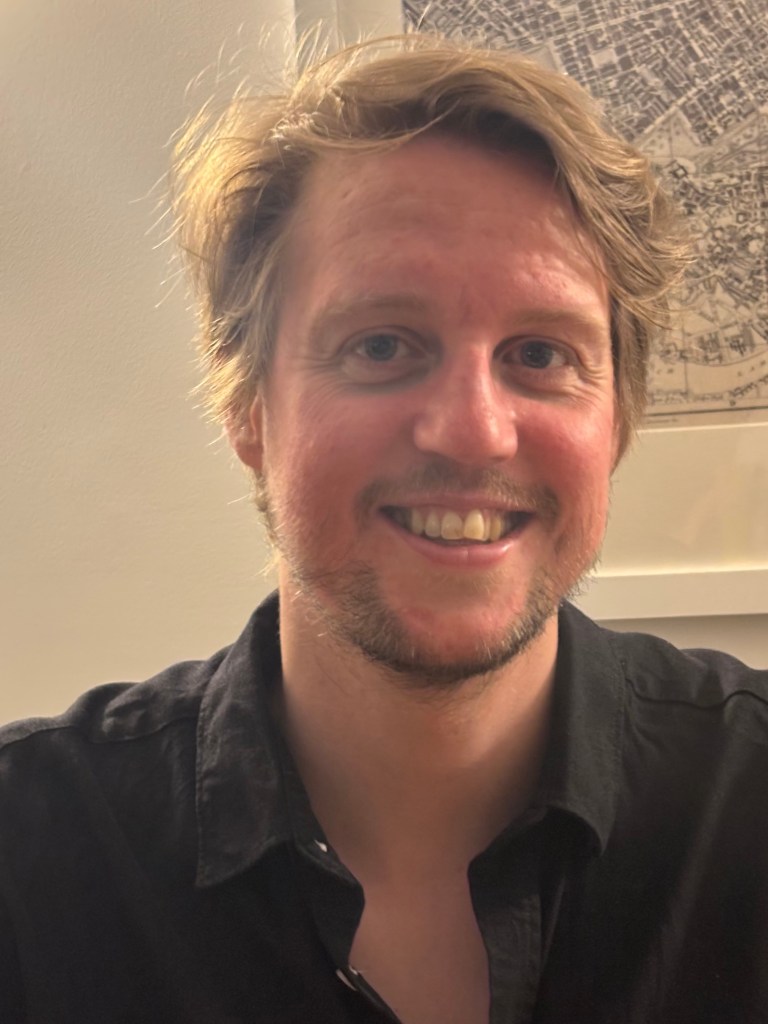
Dr Henry Whittle is a psychiatrist and anthropologist in training. He began his research career using mixed methods to study food insecurity, before pivoting towards mental health rehabilitation after specialising in psychiatry. Following further training in medical anthropology, he is currently working towards a PhD at SOAS University of London.

What is your article Ronaldo on the Clapham Omnibus: Complex Recoveries in Complex Psychosis about?

In the article, I think about what we mean by recovery in psychosis. I ask how it complicates our current understanding of recovery if we consider the experiences of people with the most complex forms of psychosis. These people are inadvertently excluded from much debate on this topic. Ethnography is one of the few ways that their experiences can be incorporated meaningfully. Drawing on six months of ethnography on an inpatient psychiatric rehabilitation unit, the article centres around a man I call Shepherd, whose journey to becoming a more confident, calmer, happier person looked very different to most portraits of recovery in the existing literature. This is important because our understanding of recovery shapes mental health policy in material ways. If we oversimplify recovery by missing people like Shepherd, we risk structurally undermining the interventions—including inpatient rehabilitation—that may be most effective in supporting them to live well.

Tell us a little bit about yourself and your research interests.

I am a psychiatrist and anthropologist, still working through my training in both disciplines. I currently work in an Early Intervention in Psychosis service in London and I will be part of the new Centre for Anthropology and Mental Health Research in Action (CAMHRA) at SOAS University of London. My research interests broadly relate to the social, cultural, and structural influences on mental health care and recovery, particularly for people living with more severe and enduring mental illnesses. Above all, I am an advocate for using applied social science as a basis for dialogue with service users, clinicians, practitioners, relatives, carers, and everyone else invested in improving mental health services.

What drew you to this project?

I have been intrigued by inpatient units ever since I first started working in psychiatry. Even though things are a little different now from how they were in Goffman’s time, the ‘total institution’ was still the main conceptual apparatus I received from my professional training to think through these places. Contributing towards addressing that gap, even slightly, was part of my motivation for taking on this project. The other part was that I have always been drawn to working with people with complex psychosis. I have learned so much from them, mainly about the limits of my own frameworks and my own imagination, but also about the complex, conflicting, and sometimes unexpected roles that institutions play in their lives. This is poorly captured in a clinical evidence base that, on the whole, tends to privilege streamlined understandings and analytic closure. I thought that ethnography could be particularly useful here—to help us hold onto that complexity as we make pragmatic decisions about care.

What are you reading, listening to, and/or watching right now? (Doesn’t have to be anthropological!)

Music and sport are big parts of my life. Both were important for this study. I bonded with Shepherd over a shared love of sport, and when I think of Apollo Ward I mainly think of playing pool and taking requests to play music on my phone—Orbital, Ed Sheeran, the Darkness, and the Rolling Stones were the soundtrack to this study. So now I’m watching my beloved Liverpool play football again after celebrating England Lionesses win the European Championship, and I’m listening to a lot of exciting British and Irish post-punk bands—Big Special, Wet Leg, and Sprints at the moment. I also recently started reading The Brown Sahib Revisited by Tarzie Vittachi, a searing takedown of the legacies of British colonialism in South Asia that was a wonderful gift given to me by my mentor and friend Sushrut Jadhav.

If there was one takeaway or action point you hope people will get from your work, what would it be?

That we need to take people’s ambivalent feelings and contradictory dispositions towards mental health services seriously in imperfect systems, even if it makes us uncomfortable. These contradictions may be our only glimpses of the life-sustaining roles that some institutions play in people’s lives. That is not to say that we should avoid radical critique, just that we need to proceed with caution. It is easy to miss complexity in this field, and missing complexity has material consequences that tend to impact the most marginalised people disproportionately.

Interview with Sandrine Vollebregt

The next few months we’ll be highlighting authors who have published in Culture, Medicine, and Psychiatry.

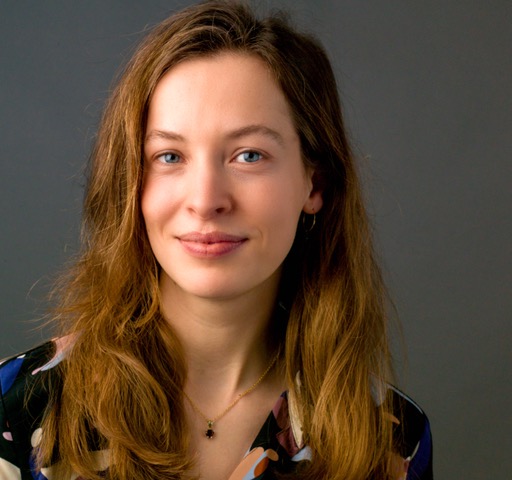
Sandrine Vollebregt, MD, is affiliated with Doctors of the World in Amsterdam, the Netherlands. Sandrine is a 30-year old medical doctor from the Netherlands, based in Amsterdam. She has worked in a primary health clinic for refugees on the Greek island Samos, and in acute psychiatry and the emergency department in the Netherlands. In her free time, she likes to listen to podcasts, cycle and write. 

What is your article Help-Seeking Undocumented Migrants in the Netherlands: Mental Health, Adverse Life Events, and Living Conditionsabout?

In this article we looked at how many undocumented migrants visiting a low-threshold free non-governmental health service had mental health problems. Undocumented migrants are a diverse group comprised of amongst others rejected asylum seekers or labor migrants without a visa. They do not exist officially, cannot work legally, often have poor and uncertain housing conditions, and have in practice a restricted access to health care due to logistical and cultural barriers.

Tell us a little bit about yourself and your research interests.

I am 30 years old and I live in Amsterdam, the Netherlands, in a living community. I am a medical doctor and I have a specific interest in psychiatry. Currently, I am doing a course on global health and tropical medicine at the Royal Tropical Institute. I am very interested in migrant and refugee health, as I believe dealing with migration in a way that respects human rights is one of the great issues of our time. I hope that studying the health of migrants, and looking at how this connects to migration policies, can contribute to this discussion in a positive way by providing evidence based arguments.

What drew you to this project?

I was still a medical student when I saw a call for a student to analyze data on mental health of undocumented migrants in the Netherlands. At the time I just came back from volunteering for the first time in a refugee camp on the island Lesbos in Greece, and I was shocked by the conditions that refugees live in at the borders of Europe. I wanted to learn more about the situation of refugees and undocumented migrants in the Netherlands, my own country. When I started working on this study, I also became a volunteer doctor in a mobile clinic for undocumented migrants that visits certain neighborhoods, squats and shelters. By doing this, I gained deeper connection to and understanding of the people I was studying.

What was one of the most interesting findings?

Mental health problems are very common amongst the group of undocumented migrants we studied. In our study, 81% of the people scored above a threshold for common mental disorders. Common mental disorders are anxiety disorder, depression and psychosomatic disorders. We saw that having traumatic experiences was strongly linked to mental health issues and also to psychotic phenomena, like hearing voices. The traumatic experiences that were documented in the medical files were often severe, like torture and rape.

What are you reading, listening to, and/or watching right now?

I am currently reading a Dutch book of Lieke Marsman which would in English be called ‘The opposite of a human being’, a poetic novel on climate change. I just started the podcast ‘Burn It Down’, an American podcast about a discriminatory and masculine culture at the Amsterdam Fire Department.

If there was one takeaway or action point you hope people will get from your work, what would it be?

Mental health problems are common in undocumented migrants. Health care professionals should be aware of this, explore problems actively and refer to psychological help when necessary. But on a deeper level, I hope that we start asking each other critical questions about how our policies shape the health of undocumented migrants.

Thank you for your time!


Other ways to connect:
LinkedIn