Guest Blog: “Telemedicine in Ghana”

This week on the blog we are hosting a guest post by Heather Baily, a Doctoral student in Anthropology at Case Western Reserve University. Here, she presents some of her research on telemedicine in Ghana.

cropped-2009cover-copy


In November 2015, Tanja Ahlin and Mark Nichter issued a “Take a Stand” statement in the Critical Anthropology for Global Health interest group (available here), calling for more anthropologists to study telemedicine. Telemedicine is the use of telecommunication tools, namely cell phones and computers, to exchange information regarding patient health. A recent report from the World Health Organization (2016) states that universal health coverage cannot be achieved without this form of e-health. Universal health coverage, as well as comprehensive primary health care, has been an overarching goal of the international health and global health community since the Alma Ata conference in 1978, but these goals are very difficult to achieve. Telemedicine is poised to help achieve greater health coverage and access, yet the field is still very new, particularly in resource-poor settings, and is evolving rapidly alongside cell phone technology.

In June of last year, I traveled to Ghana to investigate the ways in which telemedicine is being used there. Ghana is in the midst of scaling up a successful telemedicine pilot project into a national telemedicine program through Ghana Health Services. Public health administrators in the pilot project districts, as well as doctors and nurses who worked with the program, all spoke favorably of the new technology. Each clinic and hospital has a designated smartphone to be used for various medical communication purposes, including receiving calls from patients, over-the-phone consultation from doctors at the regional hospital call center, and direct contact with the other clinics and district health offices through encrypted instant messaging apps, such as WhatsApp.

Practitioners reported decreased maternal mortality since the implementation of this program, as well as an increase in utilization of local clinics and trust in the staff. In Ghana, once someone has completed medical training of any kind, such as a community health nurse or a registered midwife, they must complete their “national service,” a two-year contract in an assigned village. Typically, community health nurses are younger and not from the village in which they are assigned to work. A “small girl/boy” is a common term used in Ghana for a young person, indicating not only their age, but their social status and lack of social legitimacy. Thus, being able to access and connect a patient to a doctor at a hospital over the phone has helped the nurses achieve more legitimacy and overcome their “small girl/boy” status.

I draw from several areas of anthropological theory when examining the impacts of telemedicine in Ghana, specifically the anthropology of reproduction since my dissertation research focuses on obstetric care. The concept of authoritative knowledge is particularly useful in this case. Authoritative knowledge is knowledge that is given more weight than other types of knowledge, or ways of knowing, by collective assessment in a local setting and is displayed in everyday practices (Jordan, 1990; Davis-Floyd & Sargent, 1997; Ivry, 2010). This concept relates to legitimacy in the health care setting as authoritative knowledge shapes interactions between patients and caregivers, access to knowledge, and health care decision-making. Access to physicians may alter the hierarchy of who has authoritative knowledge, adjust healthcare seeking patterns, or disrupt local power structures and “knowing” about birth.

Science and Technology Studies provides a foundation from which to examine the historical contexts and meanings of technologies and how people interact with them. The introduction of a communication technology which links rural areas to clinicians at a regional hospital complicates questions of the way people interact with technology, especially as it regards obstetric care.  Rayna Rapp (1999) examined technologies used in assisting reproduction, which she calls “technologies of knowing.” In this study, she examined the production of knowledge as a result of new technology. Following this tradition, it is important to examine the intersections of technology, reproduction, and knowledge by investigating ways in which the introduction of a new technology changes how a patient might acquire and use knowledge.

Studying telemedicine from an anthropological perspective builds on our understanding of how people interact with technology, particularly when seeking healthcare treatments, and how technology can influence a universal human experience, such as pregnancy and childbirth. As telemedicine is widely regarded as the much-needed direction medical care is heading around the world, it is crucial to examine ways it can shape an individual’s interaction with a technology and with the community at large.


About Heather:

Heather Baily is a dual degree Ph.D./MPH student in Anthropology at Case Western Reserve University. She has a MA in Anthropology from CWRU and a BA in Anthropology and Sociology from Colorado State University. Her research investigates the intersections of new telecommunication technologies used in healthcare and local structures of reproductive knowledge and authority in Ghana.


References Cited:

Davis-Floyd, R., & Sargent, C. F. (1997). Childbirth and authoritative knowledge: Cross-cultural perspectives. Berkeley: University of California Press.

Ivry, T. (2010). Embodying culture: Pregnancy in Japan and Israel. New Brunswick, NJ: Rutgers University Press.

Jordan, B. (1990). Technology and the social distribution of knowledge: Issues for primary health care in developing countries. In J. Coreil and J. D. Mull, (Eds.), Anthropology and Primary Health Care pp. 98–120).

Rapp, R. (1999). Testing women, testing the fetus: The social impact of amniocentesis in America. New York: Routledge.

World Health Organization. (2016). Global diffusion of eHealth: making universal health coverage achievable. Report of the third global survey on eHealth. Geneva.


Books Received for Review: February 2017

This week we are featuring previews of four books received for review at Culture, Medicine, and Psychiatry (available here). These previews provide a snapshot of recent publications in medical anthropology, global health, and the history of medicine that we’re excited to discuss in our journal and with our followers on social media.


9780520282841

via UC Press

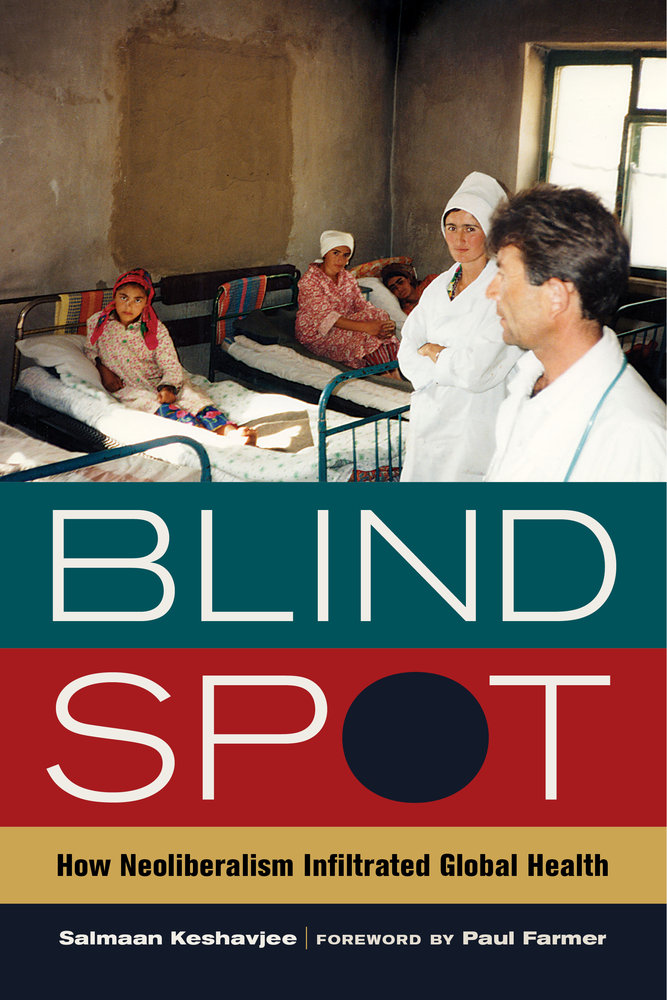
Blind Spot: How Neoliberalism Infiltrated Global Health

Salmaan Keshavjee

From the University of California Press, Blind Spot is a historical and anthropological case study of how market-based ideologies and neoliberal health policies impact global health and development programs. “A vivid illustration of the infiltration of neoliberal ideology into the design and implementation of development programs, this case study, set in post-Soviet Tajikistan’s remote eastern province of Badakhshan, draws on extensive ethnographic and historical material to examine a ‘revolving drug fund’ program — used by numerous nongovernmental organizations globally to address shortages of high-quality pharmaceuticals in poor communities.” The books discusses how the privatization of health care can impact outcomes for some of the world’s most vulnerable populations.

For more information, visit the University of California Press website here.


via Berghahn Books

via Berghahn Books

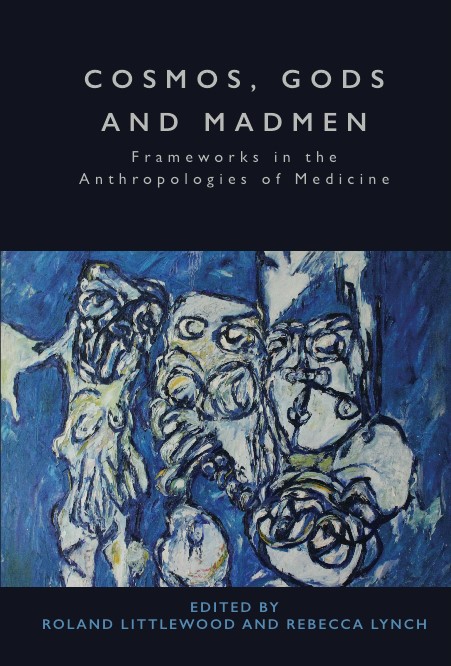
Cosmos, Gods, and Madmen: Frameworks in the Anthropologies of Medicine

Roland Littlewood and Rebecca Lynch, eds.

“The social anthropology of sickness and health has always been concerned with religious cosmologies: how societies make sense of such issues as prediction and control of misfortune and fate; the malevolence of others; the benevolence (or otherwise) of the mystical world; local understanding and explanations of the natural and ultra-human worlds. This volume presents differing categorizations and conflicts that occur as people seek to make sense of suffering and their experiences. Cosmologies, whether incorporating the divine or as purely secular, lead us to interpret human action and the human constitution, its ills and its healing and, in particular, ways which determine and limit our very possibilities.”

For more information, visit the Berghahn Books website here.


via UC Press

via UC Press

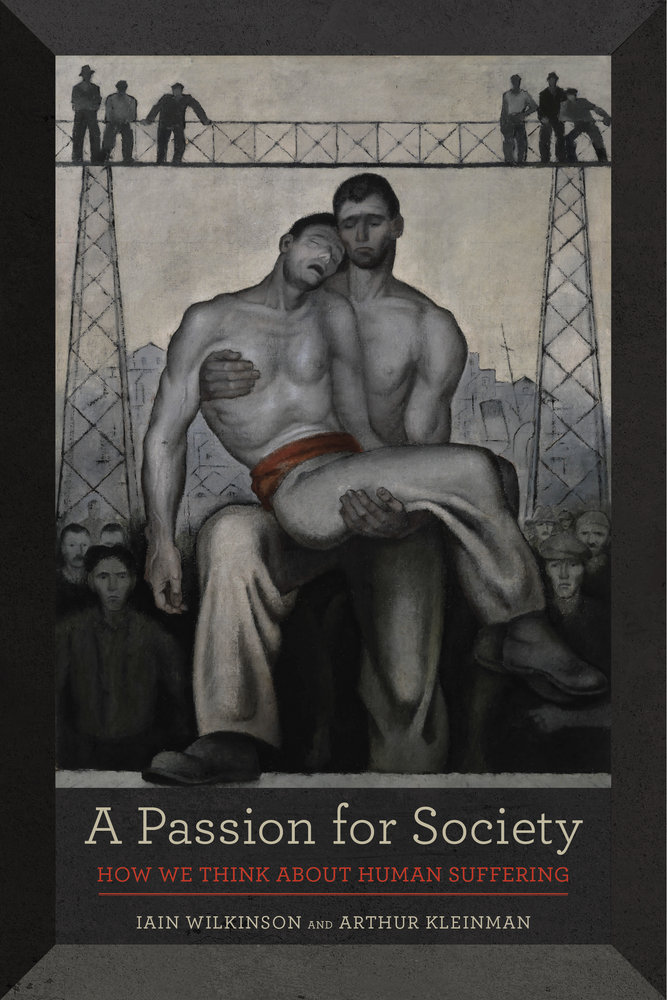
A Passion for Society: How We Think about Human Suffering

 Iain Wilkinson and Arthur Kleinman

“What does human suffering mean for society? And how has this meaning changed from the past to the present? In what ways does “the problem of suffering” serve to inspire us to care for others? How does our response to suffering reveal our moral and social conditions?” This highly anticipated book investigates how social science has been shaped by problems of social suffering. The authors discuss how social action, through caring for others, is reshaping the discipline of social science and offers a hopeful, intellectual basis for a fundamentally moral stance against indifference, cynicism, and inaction. They argue for an engaged social science that bridges critical thought with social action, seeking to learn through caregiving, and achieving greater understanding that operates with a commitment to establish and sustain compassionate forms of society.

For more information, visit the University of California Press website here.


via UC Press

via UC Press

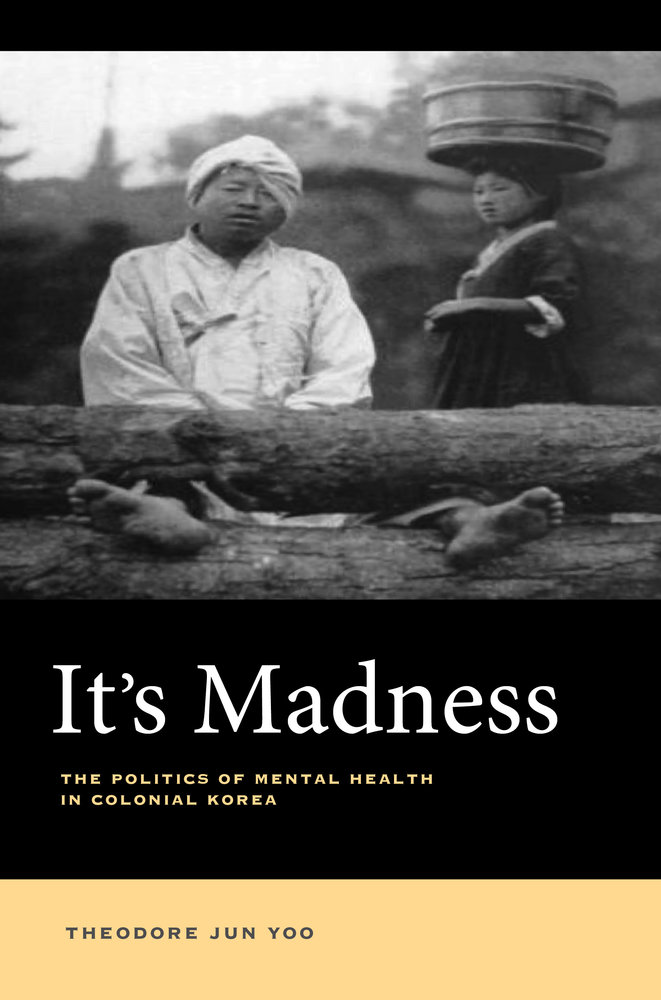
It’s Madness: The Politics of Mental Health in Colonial Korea

Theodore Jun Yoo

“This book examines Korea’s years under Japanese colonialism, when mental health first became defined as a medical and social problem. As in most Asian countries, severe social ostracism, shame, and fear of jeopardizing marriage prospects compelled most Korean families to conceal the mentally ill behind closed doors. This book explores the impact of Chinese traditional medicine and its holistic approach to treating mental disorders, the resilience of folk illnesses as explanations for inappropriate and dangerous behaviors, the emergence of clinical psychiatry as a discipline, and the competing models of care under the Japanese colonial authorities and Western missionary doctors. Drawing upon printed and unpublished archival sources, this is the first study to examine the ways in which “madness” was understood, classified, and treated in traditional Korea and the role of science in pathologizing and redefining mental illness under Japanese colonial rule.”

For more information, visit the University of California Press website here.

From the Archive: “A Mother’s Heart is Weighed Down with Stones”

In our “From the Archive” series, we highlight an article from a past issue of the journal. In this installment, we explore Sarah Horton’s “A Mother’s Heart is Weighed Down with Stones: A Phenomenological Approach to the Experience of Transnational Motherhood,” available here. This article was featured in Volume 33, Issue 1 (March 2009).


cropped-cards.jpg

While there is still considerable confusion and uncertainty surrounding the current state of immigration in the United States and the international movements of people, our journal article authors have continually acknowledged the importance of focusing on the lived experience of individuals within these larger political contexts. In her article, Horton discusses transnational motherhood through the embodied distress of mothers and children, showing that their suffering cannot be examined separately. Through her analysis of the narratives of undocumented Salvadoran mothers living in the United States, Horton explains the pain of these mothers’ undocumented status is experienced within the intersubjective space of the family.

Horton begins by describing Elisabeta, a Salvadoran mother working in the United States while her young son and elderly mother remain in El Salvador. Elisabeta was part of Horton’s research at a Latino mental health clinic in a New England city. Since Elisabeta was unable to hold or touch her young son, Carmelo, she instead carried his photo with her wherever she went. Elisabeta described her life as divided, “I work here but my heart lives there.” This division of “here” and “there” in transnational motherhood is not uncommon for undocumented immigrants who left their children in their home countries.

As the postindustrial, technology-based economy has grown within the U.S., women are increasingly migrating alone to find work in the high-tech sector, reshaping the immigrant family and trans-nationalizing the meaning of motherhood. At the same time, the 1996 Illegal Immigration Reform and Immigrant Responsibility Act (IIRIRA) increased both border policing and militarization as well as deportation and family separation in border communities. This meant that mothers working in the U.S. have found it more difficult to be reunited with their children, fearful of the dangerous and expensive crossing for their undocumented children, and the inability of the women to return home to visit. Thus, while many women had originally imagined their separations would be only temporary, the transnational relationship between mother and children can last years.

Horton explains that even though family separation has long been a reality for immigrants, scholarship has often ignored this lived experience as an independent factor of stress and trauma. Further, mental health analyses are frequently positioned at the individual level, and neglect the larger context of how such familial changes and separations are experienced and endured in the inter-subjective space between parents and children. Elisabeta described the aching in her chest when she would speak to her son on the phone each weekend. Later, when her son became seriously ill, Elisabeta felt an acute sense of failure – as both a mother unable to care for her ill son, and as a provider unable to pay for the operation he needed. Elisabeta was often unable to sleep at night, surrounded by thoughts of Carmelo’s words and tears. Horton explains Elisabeta’s vivid narrative expressed her embodied distress of being a transnational mother and the relational nature of the family’s suffering.

Gloria, another immigrant from El Salvador, left to find better economic opportunities after a series of devastating earthquakes in her home town. Gloria decided to leave her birthplace after it had become a space of death and scarcity, and the small business she and her husband had established had been destroyed. “There wasn’t enough food to give the kids. There was no way for me to keep them alive. And so I came here,” she said. For Gloria, and other women Horton interviewed, traumatic events reshaped familiar places and people, and triggered their decisions to migrate. Further trauma of the women having to explain their departures to their children were overwhelming.

The paradox of parenthood for these mothers is often having to choose between either financially supporting their children from a distance or physically being their caretakers. Horton explains that these parents have a profound sense of moral failing, perceiving that their inability to serve as “proper parents” is compounded by the difficulties of succeeding economically. Horton argues that placing these issues of “choice” and “decision making” against the backdrop of limited agency and “illegality” in the U.S. causes the parents’ immobility and powerlessness to reverberate through the space of a family stretched across international borders.

Children left behind in El Salvador often shoulder adult burdens, attempting to either prevent their mothers’ departure or requesting to join their mothers on the dangerous journey to the U.S. According to Horton, when the realization of the uncertainty in their separation becomes overwhelming, children respond to what they perceive as their mothers’ withdrawal of love with their own form of withdrawal. “My daughter then told me she had erased me from her heart, and that she didn’t love me anymore,” Gloria recounted. “El corazon de madre es un monton de piedras.” (“A mother’s heart is weighed down with a mountain of stones.”) This “weighing-down” is the burden Gloria had assumed in suffering the anger of her children while she only wished to protect them from hunger. Horton explains Gloria’s narrative demonstrates that suffering is relational, experienced through social connections and threats of uncertain future relationships. Horton says this transnational separation strains the bond between mother and child, as their distance is experienced both physically and emotionally.

Horton discusses strategies these transnational mothers undertake in order to attempt to substitute their parental presence. One strategy of sending gifts and luxury items, such as a color T.V. or special toys, is a way of feeling as if they are giving their children love and support. Yet this happiness from the fulfillment of financial support is temporary, and quickly overshadowed with sadness as children will often ask when they will be reunited again. Both the mothers and children know the gifts are double-edged, symbolizing the mothers’ love yet justifying their absence.

Horton concludes by calling for researchers to bridge the gap between subjective experiences of families living with separation and objective analyses of structure “illegality” and immigration policies. In hoping for more phenomenological accounts of transnational family life, Horton shows how sociopolitical inequality shapes individual experience and produces patterns of social suffering. She also places transnational mothers’ distress within a larger framework of social conditions that reproduce powerlessness and disadvantage. The sophistication of phenomenological approaches illustrates the ways that undocumented immigrants may experience embodied stress of strained family ties.

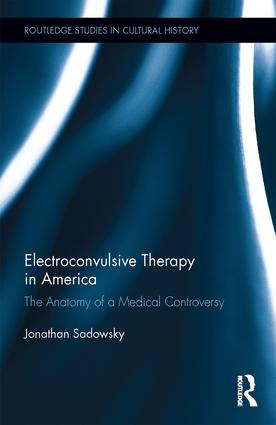
Interview: Jonathan Sadowsky and “Electroconvulsive Therapy in America”

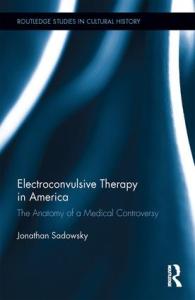
9781138696969This week on the blog we’re highlighting an interview with Dr. Jonathan Sadowsky about his new book Electroconvulsive Therapy in America: The Anatomy of a Medical Controversy, released November 2016 by Routledge. The book (available here) follows the American history of one of the most controversial procedures in medicine, electroconvulsive therapy (ECT), and seeks to provide an explanation of why it has been so controversial, juxtaposing evidence from clinical science, personal memoir, and popular culture. ECT is widely demonized or idealized. Some detractors consider its very use to be a human rights violation, while some promoters depict it as a miracle, as the “penicillin of psychiatry.” Sadowsky contextualizes the controversies about ECT, instead of simply engaging in them, making the history of ECT more richly revealing of wider changes in culture and medicine. He shows that the application of electricity to the brain to treat illness is not only a physiological event, but also one embedded in culturally patterned beliefs about the human body, the meaning of sickness, and medical authority.

Dr. Sadowsky is the Theodore J. Castele Professor of Medical History at Case Western Reserve University in Cleveland, OH, the Associate Director of Medical Humanities and Social Medicine, the Medical Humanities and Social Medicine Initiative co-founder, the Associate Director of Medicine, Society, and Culture in the Bioethics department of the Case Western Reserve University School of Medicine, and on the Editorial Board here at Culture, Medicine, and Psychiatry. Sadowsky’s research concentrates largely on the history of medicine and psychiatry in Africa and the United States. His previous publications include Imperial Bedlam: Institutions of Madness in Colonial Southwest Nigeria (1999), available here from the University of California Press.

From all of us at CMP, we hope you enjoy our new interview category!

  1. For someone who is thinking about reading your book or about to start, is there anything you would like them to know beforehand?

I would urge everyone to understand that not everybody’s experience of a medical therapy is the same. People should be careful not to generalize from experiences they’ve had, or that loved ones have had, and assume everyone has had the same experience. People who’ve had bad experiences with ECT have criticized me for to wanting to pay attention to the voices of people who’ve had good experiences, and people who’ve have good experiences have wanted to say “oh sure that might have been true in the 1950s but everything’s fine now.” ECT has a complicated story. I have met people who have told me that this treatment saved their lives and that it did so with either none or only the most mild of adverse effects. Those people are very concerned to make sure that the therapy gets represented in positive light because there are so many negative depictions. At the same time I’ve heard from and spoken to people who say they’ve lost 20 points off their IQ after having this treatment, or who had huge gaps in memory, or that they know somebody who had killed themselves after an ECT treatment. And what I find a little bit puzzling still after all these years of working on this book, is the way people are so unwilling to see that other people might have had a different experience than their own. But it’s my feeling as a social and cultural historian that it’s my responsibility to take into account all voices. So that’s the main thing that I want people to know and think about, that experiences of this treatment do vary and people shouldn’t be too quick to generalize from their own experience.

  1. How did you become interested in ECT?

I was already several years into my career as a historian of medicine, and in particular psychiatry, and had no knowledge of the treatment other than the images that many of us have from movies like One Flew Over the Cuckoo’s Nest. Images that it was a highly frightening and abusive treatment. I was a well-trained student of medicine and psychiatry and I didn’t know anything more than that. And then I began to hear stories, both from patients and from clinicians, about it being a valuable treatment and that was just so intriguing to me. So I began to look at some of the clinical literature and it was represented in almost completely the opposite way, as this safe, effective, humane treatment that’s been unfairly stigmatized. I felt like these were two completely distinct realities. It wasn’t so much that I wanted to reconcile them, but I just wanted to understand how views of this treatment became so bifurcated. And that became the central goal of the project: to understand why it became a controversy and have such strongly held opinions on either side.

  1. What did you find most exciting to research and write about?

I worked on this project for a long time and one of the things that sustained me was that there are so many different angles to it. I was interested in learning about how it was used to treat homosexuals in 1950s, to see what the reaction of the psychoanalytic community was, and how it figured as a symbol for all that was worst in psychiatry in the antipsychiatry moment. And then there were all the debates going back to the inception of the treatment, ongoing continual debates about the extent of memory loss. Is it a serious problem? Is it a rare problem? These debates are still raging. All of this I found so intriguing. The history of ECT is also replete with ironies. Such as the irony that it was developed initially as a treatment for schizophrenia based on a hypothesis that schizophrenia has an inverse relationship with epilepsy. That hypothesis is no longer even believed in, and schizophrenia is not the main indication anymore, and yet it’s effective. That’s so weird and so seemly random! Another irony is that this treatment which become an icon for frightening medical treatment, and became almost like people’s haunting nightmare of how medicine could abuse you if you came into its clutches, was initially developed as a way to try to create a safer, less frightening treatment than chemical convulsive therapy. So it’s these layers of irony that I just found so interesting and kept me intrigued in the book.

  1. Did you come across anything unexpected?

Yes, I did come across things that were unexpected. I found the gender politics to be very elusive. I found very little evidence for the idea that women were given ECT for simply protesting against their social role as housewives, which was promoted in another book on ECT. But it does appear likely that over the course of the treatment’s history more women have gotten it than men, and there is likely a gender politics to this. Minimally it may mean simply that more women are getting diagnosed with depression, and that’s the main indication. And we know that. The diagnosis of depression has predominated among women. There is a darker possibility, which is that women’s cognitive abilities haven’t been as valued, and so doctors have been more willing to use a treatment that might damage cognitive abilities on women than they were on men. I didn’t see any proof for that. But I think there were suggestive circumstances that might indicate that that played a role. In many realms of medicine, and this has been really well documented by historians, anthropologists, and sociologists of medicine, women’s complaints about medical treatments are more quickly dismissed than men’s complaints. So it’s quite possible that some of the complaints about memory loss, which have persisted throughout the history of this treatment, have been taken less seriously because they were so often voiced by women. I’m not arguing that women had more memory loss than men, but if they predominated in the treatment, and there were complaints about memory loss, it is plausible to suggest that perhaps there has been too much dismissal. I didn’t have evidence such as clearly sexist language in clinical reports that would strengthen a speculation like that, but one thing I do argue in the book is that the history of ECT is filled with doctors dismissing patient complaints of adverse effects. There are a number of ECT providers now, however, who are trying to be very sensitive to these complaints about memory and cognitive deficits following the treatment, but there still exists in clinical manuals the claim that serious memory problems are extremely rare, and that rarity really hasn’t been proven. So it remains a problem. The history of ECT treatment has shown a tendency to dismiss patient complaints about adverse effects, and this has not served anyone well. If anything, the tendency to dismiss complaints has worsened the stigma attached to the treatment. It’s understandable that some clinicians might feel some defensiveness for a treatment they feel is helpful and safe, but the dismissal of complaints of adverse effects has led to embittered patients and worsened the stigma. In a recent piece in The Conversation (available here), I argued that if we wanted to spell the stigma attached to ECT, it’s going to take more than attesting to its therapeutic efficacy. It’s going to mean we have to reconcile with its full costs.

  1. Why was it important for you to try and remain neutral and not argue for or against ECT?

I’m not trying to presume objectivity. Everyone has a point of view. But I thought I could tell a more interesting story by taking a step back and making the controversy itself my study rather than becoming a disputant in the controversy. There’s some precedent for this. Didier Fassin, an anthropologist, did a book on AIDS in South Africa, When Bodies Remember (available here), in which he did the same thing; he tried to look at the structure of the controversy. He was trying to understand the medical controversy over HIV as an anthropologist, even though he did actually side more with one than the other. But I do argue in the book there are good reasons to attest to efficacy of ECT and it is a valuable part of psychiatry’s repertoire, that it has a place in medicine. But I also argue that there were good grounds for people to contest it and have fear of the treatment. I really try to resist the view, which is very common in clinical literature on ECT, that opposition to ECT is irrational. There are rational reasons for the resistance rooted in some of its historical uses, some of which were abusive, and rooted in the experiences of adverse effects. At the end of the book I lay it all out and I say exactly what I think about ECT after trying to look at it from a step back. I think it’s an invaluable part of psychiatry and could be very useful for many people. But I don’t think it should be used as a first or second resort; other things should be tried first because there are risks. I’m glad it’s there if I should ever need it, but I hope I never need it.

  1. Would ECT be perceived differently if it didn’t treat the brain but some other organ?

Probably. In our society now, more than any other organ your brain is you. It is the seed of the self in our self-conception. I would go beyond that. The side effects do occur, without making any kind of representation about how common these problems are, but at least some people do experience permanent memory losses. I used a lot of patient memoirs in the chapter on memory as my source material. And as one of the memoirists wrote: We are our pasts. You lose your memory it’s like you lose a part of yourself. I think in some ways people feel they lose a part of themselves if they lose their memories more than even if they were to lose a limb. Losing a limb is very traumatic, I don’t mean to minimize that. But in a way, you lose your leg and you say “I lost my leg.” It’s something that belongs to you, but it isn’t you in the same way that maybe you feel your memories are you. Memories are not just something that you have, they’re something that you are.

I think ECT is a treatment for the very ill and as a society we do generally accept that treatments for the very ill sometimes involve radical interventions. Chemotherapy for cancers for example. Most of us are glad we have it, and there isn’t a large anti-chemotherapy movement. My leading theory for why ECT treatment occasions this kind of resistance is because of depression’s uncertain status as illness. No one disagrees that cancer is an illness. When you have cancer you accept that you need surgery or radiation or chemotherapy. These are things that you normally wouldn’t do to your body if you were healthy and you didn’t need them. Cancer is clearly different from normal. But depression has this ambiguous status for two reasons. It is an ambiguous word in the English language because it refers both to an illness which can be extremely severe, yet it also refers to a mood that’s normal and that everybody at some point in their lives gets a little bit depressed. We might have disagreements about how long it has to go on and how severe it has to be to be considered an illness. But it becomes something different when we call it an illness. Secondly why I think depression’s status is a bit uncertain, is that there continue to be people who reject medical models for what we call mental illness altogether. Some might believe what people need is talk therapy and they shouldn’t have drugs or shock therapies or anything like that. Some might believe that they don’t need any treatment at all; they might want to de-medicalize the entire thing. For example, for something to qualify as disease, there has to be some kind of lesion, or something physical that can be identified. Since we don’t have the means to do that with depression, it should be removed from the medical realm. I argue against this view. The idea that there has to be some kind of visual marker is arbitrary. I do think what we consider an illness is a social decision. But if you look at it historically and anthropologically, the idea that things we call madness are medical problems is pretty widespread. And in some ways having to have something be visually identifiable is buying into a lot of biomedical hegemony. I just don’t see why that should be the criteria for illness. Ultimately it’s a philosophical question. Most people in our society do accept that severe depression actually constitutes an illness category, but I think these kinds of ambiguities leave people unsure whether this is something worthy of very strong medicine. ECT is strong medicine. It’s a big decision to undergo ECT and it’s the right decision for some people. It’s a decision that shouldn’t be made lightly and shouldn’t be treated like a trip to the dentist.

  1. Is there anything else you want to add?

I was really gratified by the number of anthropologists who read and used my first book on insanity in Nigeria, Imperial Bedlam (available here), and I would be thrilled if anthropologists gave this book the same attention. And I’d also like to add that Routledge says there will probably be a paperback within the next year and a half.


Book Release: Pearl’s “Face/ On”

FaceOn

Image via The University of Chicago Press website

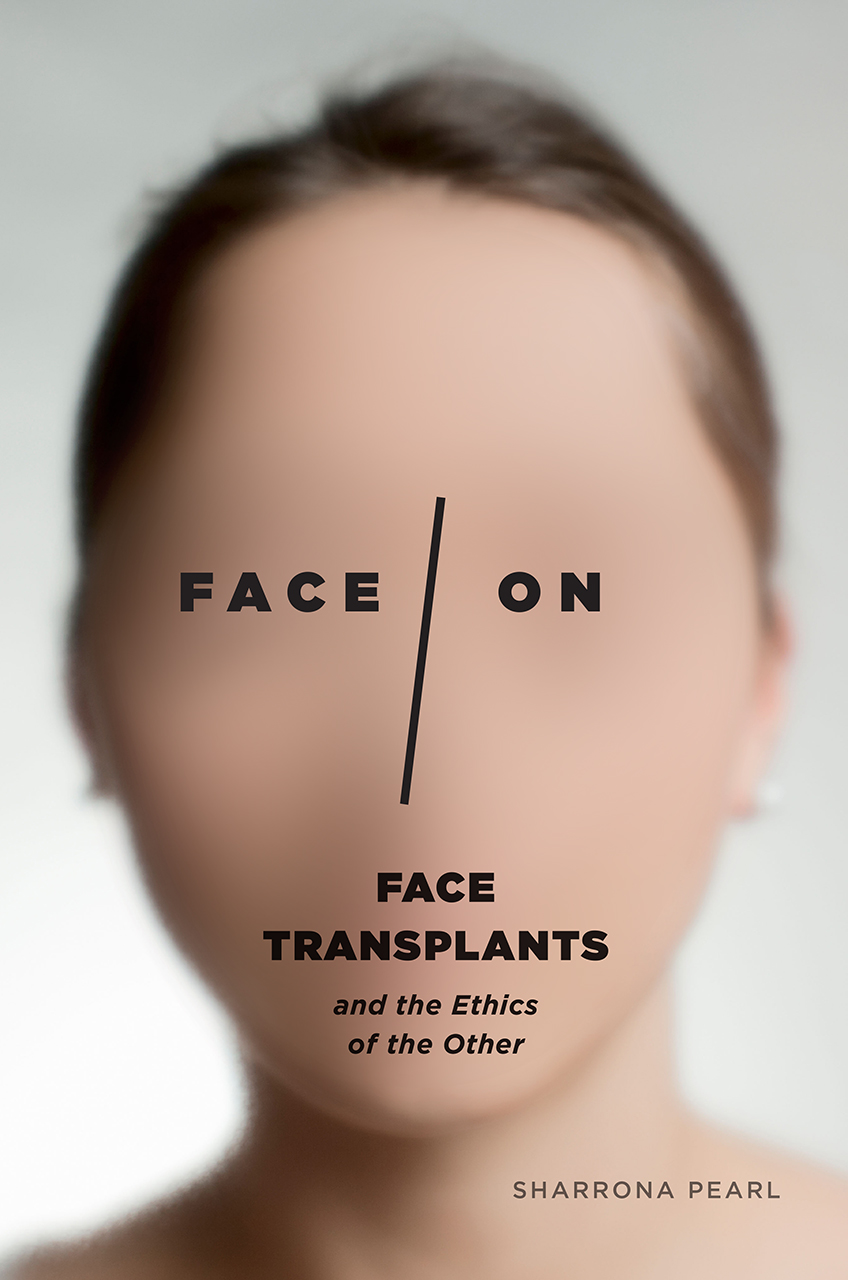
Coming April 2017 from The University of Chicago Press is Sharrona Pearl’s Face/ On: Face Transplants and the Ethics of the Other. This engaging exploration of face transplantation is the first comprehensive cultural study of the surgical procedure. Using bioethical and medical reports, media coverage, hospital records, personal interviews, and more, this interdisciplinary study discusses the significance we place on facial manipulation, facelessness, reconstruction, identity, and sense of self. Are our identities attached to our faces? If so, what happens when the face connected to the self is gone or replaced? This book will be of interest to medical and psychological anthropologists, bioethicists, medical professionals, those in the media and beauty industries, and cross-disciplinary scholars in the medical humanities.

To learn more about this upcoming release, click here.

About the author: Sharrona Pearl is an Assistant Professor at the Annenberg School for Communication and the Gender, Sexuality, and Women’s Studies Program at the University of Pennsylvania. She is a theorist of the face and body, gender and sexuality, disability and critical race theory, and cinema and media studies. She has explored the meaning of the face previously in About Faces: Physiognomy in Nineteenth-Century Britain, released in 2010 by Harvard University Press (available here), and is the editor of Images, Ethics, Technology (Routledge, 2016), the latest volume in the Shaping Inquiry in Culture, Communication and Media Studies series.

Special Issue 2016: The Clinic in Crisis

cropped-2009cover-copy

To help kick off a new year of articles, books, and highlights, Springer is featuring the June 2016 special issue of Culture, Medicine & Psychiatry, The Clinic in Crisis: Medicine and Politics in the Context of Social Upheaval, as part of a larger group of Special Issues in Social Sciences. Each article in the special issue is available for free here until February 3, 2017.

Over the summer we spotlighted several original papers from this special issue:

  1. Salih Can Aciksoz’s Medical Humanitarianism Under Atmospheric Violence: Health Professionals in the 2013 Gezi Protests in Turkey
  2. Emma Varley’s Abandonments, Solidarities and Logics of Care: Hospitals as Sites of Sectarian Conflict in Gilgit-Baltistan
  3. Elly Teman, Tsipy Ivry, and Heela Goren’s Obligatory Effort [Hishtadlut] as an Explanatory Model: A Critique of Reproductive Choice and Control

Each highlighted article discusses medical neutrality in areas of political conflict and how clinical space can be an extension of violence. While many clinicians strive to maintain an environment of safety and neutrality in the hospitals and clinics, the locations are routinely entangled with positions of violent local and international political struggles. The ethnographic accounts in each of the featured articles address the concept of “medical neutrality” – the ethical norm that medicine should be practiced impartially – in the context of conflict and social unrest, and suggest medical neutrality may work as a tool that is deeply cultural, social, and political.

Interview: Incoming Social Media Editor Sonya Petrakovitz

This week on the blog, we are featuring an interview with Culture, Medicine & Psychiatry social media intern Sonya Petrakovitz. Sonya will begin her tenure as the new social media editor on the journal’s blog, Twitter, and Facebook accounts in January 2017. As an intern, she has written an article highlight on Asperger’s syndrome, a conference feature, and a news piece on the Rio 2016 Summer Olympics.

Here, we discuss Sonya’s background, research interests, and vision for the journal in the months to come.

cards3

  1. What is your academic background? How did you become interested in medical anthropology and humanities?

I began my interdisciplinary training in the humanities with Classical History, studying both the historical complexities of the Greco-Roman period, and the French war icons of the 1400s. While historical analysis is crucial to contextualizing culture and social change, I wanted to focus my studies more on the personal, individual aspects of daily experience in contemporary life. I then completed a second Bachelor’s in Photojournalism, bringing together intimate stories and visual narratives. I next spent a year working at an acute, inpatient psychiatric hospital for children and adolescents in Maine, mostly working with girls ages 12-18. Witnessing adolescents’ experience of illness and suffering further motivated me to want to understand subjectivity, personhood, and suffering in the context of medicine. I began my PhD studies in medical anthropology at Case Western Reserve University to pursue these interests. Both history and photojournalism seek to understand human experience, but anthropology has given me the theoretical frameworks and methodology that now characterize my research.

  1. What are your research interests as a PhD student in medical anthropology?

My research is located at the intersection of globalization, decolonization, ethnomedical systems, identity, and tourism. Specifically, I study native medical systems in the context of tourism and modernization on the island of Rapa Nui (Easter Island, Chile.) Rapa Nui is an excellent place to study these intersecting processes and phenomena, particularly due to an unusual juxtaposition of simplistic tourist discourses of a fabricated “Easter Island” with the internal narrative of a historical struggle for self-determination. Situated on the most remote, inhabited island in the world, my research will investigate whether the ancestral medicine on Rapa Nui– practiced in indigenous exclusivity– could not only bolster health: its use may also be a symbolic form of resistance against post-colonial development. Expanding upon anthropological theories of identity, decolonization, globalization, and medical pluralism within a healthcare setting, combined with an environment of rapid cultural change and commodification, I hope to investigate whether the ancestral medicine on Rapa Nui could be a symbolic gesture of resistance to the historical and residual present restrictions on their self-determination while an international tourism economy destabilizes the meaning of being Rapanui.

  1. What is your favorite running feature on the blog?

My favorite running features on the blog are Guest Blogs and Conference Features. It’s important to connect with current scholars and researchers in the medical humanities and share their work. Guest Blogs such as ‘In-Betweenness’: Liminality, Legality, and migrant Health in Siracusa, Italy with Adam Kersch (available here) highlights the importance of validating the suffering of migrants and how policies can impact health status. Conference Features, such as the latest American Anthropological Association Session Highlights (Part 1 and Part 2) also connect the Culture, Medicine, and Psychiatry Journal to a wider academic community and emphasizes interdisciplinary collaboration.

  1. What new features or ideas will you bring to the blog in the coming year?

I am looking forward to encouraging more guest posts and bringing together current events with article highlights and book releases. I am also hoping to introduce a new type of interview feature to the blog. My hope is to present the perspectives of experts from various disciplines to explore connections between current events and articles within CMP, fostering interdisciplinary communication. I am very much looking forward to joining the Culture, Medicine, and Psychiatry team!

Issue Highlight Vol 40 Issue 3: Asperger’s Syndrome, Subjectivity and the Senses

This week, we will highlight an Illness Narrative from the September 2016 issue of the journal (available here). Here we feature Ellen Badone, David Nicholas, Wendy Roberts, and Peter Kien’s article “Asperger’s Syndrome, Subjectivity and the Senses.” To read the full article, click here.


cards

As previous blog highlights suggest, the intersections of research and illness narratives are important to an anthropological perspective on subjectivity and experience. Badone and colleagues situate their article within narrative phenomenology. They discuss how constructing an illness narrative gives patients and families hope, and frames their experiences in a positive direction. The personal narrative, then, allows individuals to express their agency in hostile structural and environmental settings. The narrative also serves as a valuable first-hand account from which medical anthropologists can learn more about the subjective experience of illness.

The authors perform a close reading of an autobiographical narrative recounted by Peter, a young man diagnosed with Asperger’s Syndrome, a type of autism spectrum disorder (ASD.) Badone and colleagues aim to describe Peter’s case to widen understandings of the lived experience of people with autism. Responding to Olga Solomon’s 2010 article “Sense and the Senses: Anthropology and the Study of Autism,” this paper calls into question key assumptions in the clinical and popular literature about ASD relating to theory of mind, empathy, capacity for metaphorical thinking, and ASD as a life-long condition.

Badone and colleagues begin with a brief history of the diagnostic label of ASD, then describe the ethnographic-autobiographical process. Peter, the pseudonym chosen by the young man whose story is told in this article, reflects on his life experiences and articulates his awareness of autism and its impact on his life. An important recognition that Peter makes is that he senses many of the places he encountered were characterized by the “opposite of accommodation.” In the context of his elementary and high school for example, Peter describes how his need for calm and respite were disregarded in the noisy, abrasive environments. But it is Peter’s mother who is his metaphorical, and social, link to the world he felt dislocated from. Peter describes how it was his mother’s love and guidance which kept him alive and motivated to improve his life.

As Peter continues to narrate his experiences, however, he begins to intentionally seek out interactions in unwelcoming social environments. To Badone, Peter’s later decisions to submerse himself in activities that he found difficult, such as unexpected social situations and interactions, was an unconscious therapeutic response. This response mirrored the principles of cognitive behavioral therapy (CBT). To Badone’s astonishment, Peter had unintentionally started a treatment regimen to gradually lessen his anxiety, decrease his “meltdowns,” and become more independent. But to do so, Peter had to alter his own connection to a social environment that initially felt closed to him.

Badone and colleagues conclude, upon analyzing Peter’s narrative, that quality of life improves when individuals with autism are allowed to flourish in a social milieu of acceptance and understanding. Through the narrative, and through phenomenological examination of moments in Peter’s life, Badone and Peter hope to foster understanding and to urge others to create inclusive communities where social interaction is supported and individuals are not made to feel unwelcome. They seek to make autism more coherent to the non-autistic world and thereby to promote the larger ethical goal of creating flexible communities open to accommodating neurodiversity.

In the News: Health Disparities and Water Quality in the 2016 Rio Summer Olympics


August 2016 – The 2016 Summer Olympic games in Rio de Janeiro, Brazil has dominated news headlines in recent weeks. The athletics event, taking place from August 5 to August 21, featured 207 countries in the Parade of Nations as well as the first ever Refugee Olympic Team. It is the first time the games have been held in South America. But besides highlights on the events and spotlights on athletes’ training regimens and backgrounds, there is another stream of news stories surrounding the Olympic Games. These stories have focused on two key public health issues related to this year’s Games: health disparities and water quality issues.

ap_16221704995649-2a9b5ac7291dd20a71781f18eaca8c4d3edb888a-s800-c85

Rio’s Olympic beach volleyball venue is on Copacabana Beach. Photo from Marcio Jose Sanchez for AP.

Only two years ago the FIFA World Cup was making similar headlines in Brazil. As reported in 2014, and highlighted in this blog[1], there have been past concerns about access to quality healthcare despite the surge of funds for the World Cup event. These reports unmasked a problematic system of health disparities to a global audience. The Daily Californian[2] stated that many Brazilians were “unhappy that their government [was] funding stadium renovations instead of spending on more instrumental matters like improved health care and emergency services.” Reports relating to the current Olympics have painted a similar picture for the present health scene. As Reuters[3] reported in December 2015, the governor of Rio de Janeiro declared a state of emergency “as hospitals, emergency rooms and health clinics cut services or closed units throughout the state as money ran out for equipment, supplies and salaries.” According to CNN[4], the financial crisis has been causing difficulties in the “provision of essential public services and can even cause a total breakdown in public security, health, education, mobility and environmental management.”. While the state of emergency declaration provides a critical 45 million reais ($25.3 million) in federal aid and may facilitate the transfer of future funds, estimates state that Rio de Janeiro owes approximately $355 million to employees and suppliers in the healthcare sector alone, and the state needs over $100 million to reopen the closed hospital units and clinics.[5] While the city of Rio spent approximately $7.1 billion on improving toll roads, ports and other infrastructure projects, the Brazil Ministry of Health devoted only $5.7 million to address health concerns[6].

rio-favelas--joao-velozo-9_custom-84b1822885fc72f97f7e9084730eb4397aa48b6e-s1300-c85

The Christ the Redeemer statue is visible above the Santa Marta favela in Rio de Janeiro. Photo from Joao Velozo for NPR. 

In addition to these issues (and the high-profile Zika virus, which is causing health concerns in multiple countries[7]), concerns surrounding water quality and cleanliness in Brazil has garnered considerable attention. A recent scene involving the diving and water polo pools turning a swamp-green color because of an algae bloom left some athletes complaining of itchy eyes.[8] While the Olympic Games have brought international attention to the impact of water quality on the athletes and visitors, the residents of Rio have been dealing with theses concerns on a daily basis for much longer. With almost 13 million people living in and around Rio, the current sewage system is struggling to cope. One news report[9] notes that “about 50 percent of what Brazilians flush down the toilet ends up in the country’s waterways. Diseases related to contaminated water are the second leading cause of death for children under five in Brazil.” Tests performed in a variety of areas, including the sailing venue of Guanabara Bay, over the course of a year found high levels of “superbugs of the sort found in hospitals on the shores of the bay.” The possibility of hospital sewage entering the municipal sewage system remains a concern.[10]

An economic recession, compounded by water concerns, political unrest, and a presently faltering healthcare system all leave many Cariocas— citizens of Rio– who rely on the public health system in a challenging and hazardous situation across the social, medical, and political spheres. With hopes of local profits from the Olympic Games ranging in the billions of dollars, much is at stake for both residents and investors.[11] Despite the risks and tribulations, many residents welcome the international event and attention, and credit the Olympics for cultivating “several underutilized, often abandoned spaces have been transformed to ones that appeal and cater to local residents”. Many “beautification” projects leave residents hoping the installation of new art and the newly constructed spaces will leave a lasting impression on its residents and visitors long after the games end.[12]  Despite this optimism, the citizens of Rio are not impacted equally by the Games.[13] The improved infrastructures will likely benefit those who already have access to services. Tourism, and tourism cash, has been weak in the favelas, or shantytowns, which house at least 25% of the population in Rio. The infrastructure inequities have even bypassed some neighborhoods entirely, leaving those residents out of the celebrations.[14]

Overall, these Olympic Games promise once again to bring the world’s cultures together in competition and camaraderie, yet they do not do so without controversy. This global spectacle illuminates athletics and sportsmanship, as well as the intersections between cultural events, politics and nationalism, power and profit, and community health. These larger issues lead to questions about what will happen to the residents of Rio after the Games have drawn to a close.


[1] https://culturemedicinepsychiatry.com/2014/07/11/news-the-2014-world-cup-and-healthcare-in-brazil/

[2] http://www.dailycal.org/2014/07/08/uc-berkeley-faculty-graduate-students-look-world-cup-different-light/

[3] http://www.reuters.com/article/us-brazil-health-emergency-idUSKBN0U716Q20151224

[4] http://www.cnn.com/2016/06/18/americas/brazil-rio-state-emergency-funding-olympics/

[5]http://www.reuters.com/article/us-brazil-health-emergency-idUSKBN0U716Q20151224

[6] http://wuwm.com/post/let-s-do-numbers-money-spent-rio-olympics#stream/0

[7] http://www.nytimes.com/2016/01/29/world/americas/brazil-zika-rio-olympics.html?_r=0

[8] http://uk.reuters.com/article/uk-olympics-rio-diving-pool-idUKKCN10O0UW?feedType=RSS&feedName=sportsNews

[9] http://wuwm.com/post/rios-water-problems-go-far-beyond-olympics#stream/0

[10] http://edition.cnn.com/2016/08/02/sport/rio-2016-olympic-games-water-quality-sailing-rowing/index.html

[11] http://www.newsweek.com/rio-2016-who-stands-benefit-successful-olympics-453094

[12] http://www.kvia.com/news/rio-olympics-bring-beautification-projects/40884340

[13] http://www.npr.org/sections/thetorch/2016/08/11/487769536/in-rios-favelas-hoped-for-benefits-from-olympics-have-yet-to-materialize

[14] http://www.reuters.com/video/2016/08/14/olympic-infrastructure-causes-suffering?videoId=369565427

2016 Preview: Books Received at the Journal

First made available online last month, Culture, Medicine & Psychiatry has released its most recent lists of books received for review at the journal (which you can access on our publisher’s website at this link.) These books include Carlo Caduff’s The Pandemic Perhaps: Dramatic Events in a Public Culture of Danger and Janis Jenkins’ Extraordinary Conditions: Culture and Experience in Mental Illness. Last year, we featured Caduff’s text (here) and Jenkin’s text (here) in book release features here on the blog.

The journal has also received the following two books for review. Here are the two releases:

15407

Image via UPenn Press website

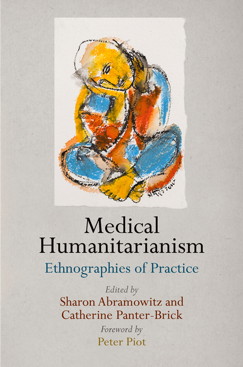
New from the University of Pennsylvania Press is a collection of essays entitled Medical Humanitarianism: Ethnographies of Practice (available here.) Edited by Sharon Abramowitz and Catherine Panter-Brick, with a foreword by Peter Piot, the book explores the experiences of health workers and other practitioners who deliver humanitarian medical aid throughout the world. The book promises a “critical” yet “compassionate” account of humanitarian projects spanning Indonesia, Ethiopia, Haiti, Liberia, and other nations.

80140100970020M

Image via Cornell UP website.

From Cornell University Press comes Gabriel Mendes’ Under the Strain of Color:
Harlem’s Lafargue Clinic and the Promise of an Antiracist Psychiatry (available here.) This historical text examines a mental health clinic in the 1940s established to treat psychiatric complaints amongst a primarily black, urban, underserved population. Unlike other treatment centers for mental illness at the time, the Lafargue Clinic was unique in its emphasis on the medical as well as the social contexts in which its patients experienced distress. The clinic challenged existing notions of “color-blind” psychiatry and became both a scientific and equally political institution, highlighting the “interlocking relationships” between biomedicine, the state, racial inequity, and community-based health care.