Guest Blog: ‘In-Betweenness’: Liminality, Legality, and Migrant Health in Siracusa, Italy

This week on the blog, we are hosting a guest post by Adam Kersch, an MA Candidate who will begin his PhD in anthropology at the University of California – Davis this fall. Here, he presents findings from his ethnographic research on the health and wellbeing of migrants entangled in the legal webs of relocation in southern Italy.

cropped-cropped-2009cover-copy1.jpg


In January to July 2015, I conducted ethnographic research at a reception center for migrants in Siracusa, Italy, focusing on the struggles they faced upon arrival. Although the legal difficulties and hurdles that migrants faced were readily apparent, the toll that these policies took on the health and well-being of these migrants became increasingly visible during my research. Migrants coming to Italy and to Europe have often endured traumatic events resulting from war, violence, and poverty. Once migrants come to Europe, this crucial period of psychological and physical recovery is marked by ongoing anxiety and hardship as they navigate a complex web of legal processes as they seek asylum. That is, procedures and policies that compose the migration reception apparatus commonly have direct and deleterious effects on migrants’ health.

Abraham was one such migrant whose mental well-being was harmed by slow moving legislative mechanisms. Abraham, a 25 year-old Pakistani man, had been waiting in Umberto I, a primary reception center for migrants in Siracusa, Italy, for nearly six weeks and had heard nothing regarding the status of his asylum request. The poorly-supplied center was only designed to hold migrants for 72 hours, and no legal information was provided to its residents, leaving the migrants waiting in Umberto I without a clue as to their futures in Italy. Abraham left Pakistan fleeing sectarian violence and lack of economic opportunity. After some travel, he found himself in Libya, seeking passage to Europe. Like many other migrants, he was tortured and robbed by militias while in Libya as he worked to pay for his passage to Europe. Reeling from torture, the stress of his liminal status in Italy became unbearable. The center had given him no idea as to when he would be transferred, why he was there, or what his future might be like. Like many others before him, one day Abraham had enough of the waiting and clandestinely left the reception center. He contacted me a few days after leaving, begging for help. He was in Northern Italy, trying to cross the border into France to meet with a friend in Spain, but he kept getting caught and sent back to Italy. “I want to die,” he confessed, “I am a failure. I cannot support myself, I cannot support my family. No money, no work.” Having come to Europe for safety and to help support his family back in Pakistan, the painfully lethargic process of legal recognition prevented Abraham from being able to achieve his goals. His lack of documents prevented him from legally seeking work, but the longer he waited for these documents, the longer his family in Pakistan went hungry, unable to support themselves. Trying to seek asylum elsewhere seemed to him the only logical choice.

During my fieldwork in 2015, I found that migrants waiting to hear about their legal status in Italy had little to no access to legal information, and that this state of liminality facilitated social, psychological, and somatic trauma. Centers like Umberto I function as a part of the migrant reception apparatus in Italy that treats migrants with spotty assistance at best, and absolute negligence at worst. This lack of legal knowledge contributes to an environment of anxiety and leads to the physical and mental suffering of the hundreds of thousands of migrants who have come to Italy in recent years. This dearth of information violates United Nations and European Union (EU) policies on migrant reception, both of which stress that migrants should have access to any legal personnel willing to provide services. In this way, these policies suspend migrants in an ambiguous, unresolved legal status that both directly and indirectly impacts the psychological and somatic health of the migrants and their families.

Lamin, a 20-year-old migrant from Gambia, was another temporary resident of Umberto I. He, like Abraham, experienced deteriorating health as a result of the migrant reception policies and procedures in Siracusa. He had unknowingly agreed to serve as a legal witness for the state against the captain of the boat that brought him across the Mediterranean, who was being charged with human trafficking. The police had effectively coerced Lamin to sign the papers, which were in Italian. They assured him the papers were for his own benefit as they would secure him legal protection. However, since signing them, he had no updates about the court proceedings or about his own legal status. Lamin languished in Umberto I for the moment that he might be transferred or summoned, all the while ignoring the severe pain he was experiencing as a result of holes that had been drilled into his teeth when he was tortured in Libya. He refused to seek medical help, fearing that he may miss his chance to leave Umberto I and finally move forward while getting his teeth fixed. It was only after significant encouraging that he finally sought care from Emergency, a local medical NGO. Thankfully, Lamin successfully recovered and was finally transferred a few weeks later.

In cases such as Lamin’s, legal liminality takes priority over physical suffering. As a result, the slow and onerous migrant reception apparatus exacerbates and prolongs the wounds of migration, whether they are psychological, physical, or social. Those in Umberto I are far from the only sufferers of legal liminality. Cutiyo and her daughter, both refugees from Somalia, came into the legal office late one night in Siracusa. Cutiyo had regularly been coming to speak with Giulia, a local legal activist, to help file a family reunification to bring her husband living in Somalia to Italy. She often saw Giulia simply to ask about the progress of her husband’s case, wondering when she might finally see him again and when he would finally be safe from the violence in Somalia. Cutiyo spoke softly and left quietly after speaking to Giulia. Giulia turned to me, on the verge of tears, and explained that Cutiyo’s husband had been shot in the head five times by militants the night before in Somalia. This happened only a day or two before Cutiyo’s husband was finally to be brought to Italy to be with his wife and daughter. If the sluggish process had been streamlined, perhaps the family could have been reunited. Instead, Cutiyo was now alone in Italy with her daughter, faced with both an uncertain legal status and the social distress and strain caused by the death of her husband. The slow-moving Italian legal system had produced another casualty.

These moments of “in-betweenness” that migrants experience are crucial periods of temporal and social displacement that exacerbate the traumas from which many migrants are attempting to recover. As migrants wait to receive documentation or for their families to be reunited, the physical and psychological risks inherent to seeking a new future in Europe are placed in migrants’ peripheries as they seek legal recognition. As observed by anthropologists Cristiana Giordano (2014) and Miriam Ticktin (2011), granting asylum is often a process of recognizing and validating the suffering migrants experience before arriving in Europe. In circumstances such as these, suffering can become a migrant’s path to legal protection, functioning as a perverse currency that promises security and safety. But during the period in Europe preceding asylum decisions, migrants’ pains are perhaps ironically exacerbated by obtuse and labyrinthine legal processes in the very countries they have come to for protection. Whether it be by anxiety that defers attention to health issues, an uncertain future prompting a rejection of the reception apparatus, or documentation that arrives too late, migrant legislation and reception procedures in Siracusa, Italy have severe consequences for the well-being of people seeking a new future in Europe.

Sources Cited

Giordano, Cristiana. (2014). Migrants in Translation: Caring and the Logics of Difference in Contemporary Italy. Berkeley: University of California Press.

Ticktin, Miriam. (2011). Casualties of Care: Immigration and the Politics of Humanitarianism in France. Berkeley: University of California Press.


About the Author: Adam Kersch is currently a MA Candidate at the University of Central Florida and in September 2016 will begin his first year of PhD studies in Sociocultural Anthropology at the University of California, Davis as a Mellon Institute Comparative Border Studies Fellow. His research is focused on provision of health and legal services to migrants in Italy. He is particularly interested in human rights, imaginaries of Europe, and the politics of care in the context of austerity.

Blog Archive: Neuropsychiatry and Culture

This week on the blog, we revisit a guest commentary piece written last year by M. Ariel Cascio, PhD (originally posted here.) Dr. Cascio is an anthropologist specializing in the cultural study of science and biomedicine, psychological anthropology, and the anthropology of youth. Her research explores the biopolitical dimensions of autism and autism-related services in northern Italy. She can be reached at ariel.cascio@case.edu.

cropped-2009cover-copy.jpg


In the 21st century, anthropologists and allied scholars talk frequently of the biologization, cerebralization or neurologization of psychiatry. Many make reference to the 1990s, the “Decade of the Brain” that closed out the last century. They talk about “brain diseases” as a dominant discourse in discussions of mental illness. The 2014 Annual Meeting of the American Anthropological Association hosted a panel on “reflections on mind and body in the era of the ‘cerebral subject.’” In these and other ways, scholars write and talk about increasing dominance of brain discourses in discussion of psychological and psychiatric topics. This dominance has historical roots, for example in German (Kraepelinian) psychiatry, and authors in Culture, Medicine & Psychiatry and elsewhere have written about the historical context and local manifestations of this dominance of the neurological in the psy- sciences.

In this blog post I explore a situation in which neurology and psychiatry have long co-existed: the Italian field of neuropsychiatry. While the field “neuropsychiatry” is not unknown in the United States, and similar terms are used in other countries as well, I offer some comments specifically on the Italian context. The example of Italian neuropsychiatry provides one case of a particular historical relationship between neurology, psychiatry, and psychology that would be of interest to any historical or anthropological scholars of psychiatry.

The Italian medical system distinguishes between neuropsychiatry and psychiatry, neuropsichiatria infantile and psichiatria. Neuropsichiatria infantile (child neuropsychiatry), abbreviated NPI but sometimes referred to simply as neuropsichiatria (neuropsychiatry), addresses neurological, psychiatric, and developmental problems in children under age 18. Psichiatria (psychiatry) treats adults starting at age 18. As such, it is tempting to simply distinguish child and adult psychiatry. However, neuropsychiatry and psychiatry actually have distinct origins and practices. As the names imply, neuropsychiatry links neurology and psychiatry. Adult psychiatry, however, does not.

While Italian psychiatry has its roots in early 19th century organicist and biological approaches, in the 1960s a younger generation of psychiatrists, most prominently Franco Basaglia, aligned themselves with phenomenology and existential psychiatry. These psychiatrists crystallized their ideas into the ideology of Psichiatra Democratica (Democratic Psychiatry) and the initiative of “Basaglia’s Law,” the 1978 Law 180 which began Italy’s process of deinstitutionalization, generally considered to be very successful (Donnelly 1992). While childhood neuropsychiatry is indeed the counterpart to adult psychiatry, more than just the age group served differentiates these fields. If Italian psychiatry has its roots in Basaglia and the ideology of democratic psychiatry, neuropsychiatry has its roots at the turn of the 20th century, in the works of psychiatrist Sante de Sanctis, psychopedagogue Giuseppe F. Montesano, and pedagogue Maria Montessori.

In this way, neuropsychiatry’s origins bridged psychiatry and pedagogy (Bracci 2003; Migone 2014). Giovanni Bollea has been called the father of neuropsychiatry for his role in establishing the professional after World War II (Fiorani 2011; Migone 2014). Fiorani (2011) traces the use of the term neuropsychiatry (as opposed to simply child psychiatry, for example) to Bollea’s desire to honor the distinctly Italian tradition and legacy following Sante de Sanctis.

Several features distinguish psychiatry and neuropsychiatry. Migone (2014) argues that child neuropsychiatry has taken more influence from French psychoanalytic schools, whereas adult psychiatry has taken more influence from first German and then Anglo-Saxon psychiatries. Migone further explains:

Child and adolescent psychiatry in Italy is therefore characterized by a reduced use of medications (if compared to the United States), and by a diffuse use of dynamic psychotherapy, both individual and family therapy (from the mid-1970s systemic therapy spread). The attention to the family and the social environment is extremely important for understand the clinical case during the developmental years. [My translation]

Moreover, neuropsychiatry is known for being multidisciplinary and working in equipe, teams of psychiatrists, psychologists, social workers and so on. It incorporates psychoanalysis, psychotherapy, dynamic psychology, psychological testing, social interventions, and more (Fiorani 2011).

This extremely brief overview outlines key characteristics of Italian neuropsychiatry and the ways it is distinguished from Italian psychiatry, as well as from U.S. psychiatry. Italian neuropsychiatry provides one example of a long-standing relationship between neurology, psychiatry, psychology, philosophy, and pedagogy. By drawing attention to this medical specialty and the complexities of the different fields it addresses, I hope to have piqued the interest of historical and anthropological scholars. I include English and Italian language sources for further reading below.

References and Further Reading – English

Donnelly, Michael. 1992. The Politics of Mental Health in Italy. London ; New York: Routledge.

Feinstein, Adam. 2010. A History of Autism: Conversations with the Pioneers. Malden, MA: Wiley-Blackwell.

Levi, Gabriel, and Paola Bernabei. 1997. Italy. In Handbook of Autism and Pervasive Developmental Disorders. 2nd edition. Donald J. Cohen and Fred R. Volkmar, eds. New York, NY: John Wiley & Sons.

Nardocci, Franco. 2009. The Birth of Child and Adolescent Neuropsychiatry: From Rehabilitation and Social Inclusion of the Mentally Handicapped, to the Care of Mental Health during Development. Ann Ist Super Sanità 45: 33–38.

References and Further Reading – Italian

Bracci, Silvia. 2003. Sviluppo della neuropsichiatria in Italia ed Europa. Storia delle istituzioni psichiatriche per l’infanzia. In L’Ospedale psichiatrico di Roma. Dal Manicomio Provinciale alla Chiusura. Antonio Iaria, Tommaso Losavio, and Pompeo Martelli, eds. Pp. 145–161. Bari: Dedalo.

Fiorani, Matteo. 2011. Giovanni Bollea, 1913-2011: Per Una Storia Della Neuropsichiatria Infantile in Italia. Medicina & Storia 11(21/22): 251–276.

Migone, Paolo. 2014. Storia Della Neuropsichiatria Infantile (prima Parte). Il Ruolo Terapeutico 125: 55–70.

Russo, Concetta, Michele Capararo, and Enrico Valtellina. 2014. A sé e agli altri. Storia della manicomializzazione dell’autismo e delle altre disabilità relazionali nelle cartelle cliniche di S. Servolo. 1. edizione. Milano etc.: Mimesis.


Book Release: Lasker’s “Hoping to Help: The Promises and Pitfalls of Global Health Volunteering”

80140100785730L.jpg

Image via Cornell UP website.

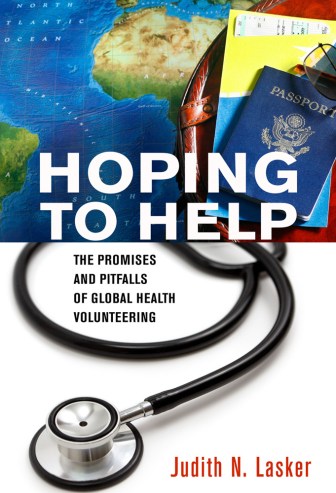
Released this January 2016 from Cornell University Press is Judith Lasker’s Hoping to Help: The Promises and Pitfalls of Global Health Volunteering (available for purchase here.) Lasker’s book examines the phenomenon of overseas medical volunteering, wherein individuals from wealthier countries travel for short periods to the developing world to offer humanitarian aid and medical services. These volunteers are sponsored by churches, non-profit organizations, or arrive in poorer countries via for-profit “voluntourism” companies that plan such travel.

Through participant observation, surveys, and interviews with volunteers, key figures in humanitarian organizations, and volunteer staff members native to developing nations, Lasker examines the impact of these ventures on host communities. She weighs present arguments that suggest that global health volunteering is a form of neo-colonialism, that this form of humanitarianism may cross ethical boundaries in the host community, and that volunteers’ need to “give back” may be otherwise misguided and harmful. Lasker places special emphasis on how volunteer organizations themselves benefit from the work of volunteers in developing countries. She likewise addresses whether or not these organizations’ objectives are truly responsive to the needs of the host community, or to what the host community identifies as a concern. She then weighs whether such aims place the volunteer’s experience ahead of the needs of the people who are the perceived recipients of aid.

Lasker’s text will be of equal interest to global health scholars and medical anthropologists and sociologists. Its attention to neo-colonialism and themes of globalization and power will likewise interest scholars who study global development and cross-cultural biomedicine.


About the author: Judith N. Lasker is N.E.H. Distinguished Professor of Sociology in the Department of Sociology and Anthropology at Lehigh University in Pennsylvania.

Issue Highlight Vol 40 Issue 1: Regulating Anger in Urban China

The March 2016 issue of Culture, Medicine & Psychiatry is here! Over the coming weeks, we will feature article highlights from a selection of the newest research published at our journal. To access the full issue, click here.

cards3

In today’s article highlight, we examine Jie Yang’s research in “The Politics and Regulation of Anger in Urban China” (accessible here.) Yang’s article ethnographically maps the connections between statewide therapeutic programs and the management and expression of anger amongst largely working-class, urban Chinese men and women.

Yang begins by noting that urban social workers and other clinicians place a strong emphasis on the treatment of negative psychosocial symptoms, and frequently relate poor physical health– as well as social unrest– to unmanaged expressions of anger. Their agenda reflects that of the Chinese state, which simultaneously values individuals’ happiness and pathologizes anger. Amongst the working class and the poor in China, however, some social ills which lead to detrimental emotional outbursts are indeed related to the state’s management of social life. Yang cites one example in which a Chinese man masterminded a bus explosion which resulted in numerous fatalities. His outburst was a heated response to the government, which repeatedly failed to approve his pension and dismantled his street stall: his only source of income. Thus anger proves to be a harmful, yet powerful, mechanism for the working class to vocalize frustrations with the government and injustices stemming from the failings of the state.

The author continues by describing a range of anger “genres” employed by the Chinese working class. These “genres” describe performative types of anger expression that have different roles depending on the nature of the injustice one is responding to. One form of expression, maije, is a form of public cursing– often on the street– to widely verbalize one’s frustrations and vulnerability due to poor working conditions. Another form, xiangpi
ren, refers to “a human punching bag,” or someone who does not outwardly respond to an injustice and seems to passively internalize their negative emotions. The advantage to this form, however, is that such individuals may be preparing for a specific opportunity to “rise up” in protest.

In addition to the array of expressions and forms that anger may take, Chinese individuals have an equally pluralistic selection of therapeutic interventions to manage or alleviate their anger. This includes Confucian, Daoist, Western, and folk Chinese remedies for psychological distress. Conversely, therapists who serve the state have social access to this range of modalities and psychological concepts, thus arming them with various mechanisms for managing and controlling “angry” individuals.

After exploring genres of anger in greater detail, both from the individual and clinical perspectives, Yang closes by positing that “the domestication of anger is key to sustaining
stability in the Changping factory and in China at large. It contributes to the relative
peacefulness in China amidst widespread socioeconomic transformation.” As therapists and state-employed clinicians seek to tame anger, so too do they attempt to recast anger as a personal expression of injustice rather than a social symptom of widespread unrest. Anger thus remains a prominent vehicle for the expression of individual as well as social injustice across a shifting socio-economic landscape.


Issue Highlight Vol 40 Issue 1: Depression, Gender & Power

The March 2016 issue of Culture, Medicine & Psychiatry has recently debuted. Over the coming weeks, we will feature article highlights from a selection of the newest research published at our journal. To access the full issue, click here.

cards3

This week’s article highlight examines Alex B. Nietzke’s piece “An Illness of Power: Gender and the Social Causes of Depression” (accessible here.) Nietzke argues that a mechanistic and biological model of depression overlooks the extent to which women across the world are frequently diagnosed with the disorder at a higher rate than men. When bioscience and biomedicine fail to attend to underlying social and gendered dimensions of depression as a diagnosis, the author holds, they are “silencing women” and “marginalizing” a discourse surrounding the problematic social power of the biomedical model.

The article opens with a review of the literature on medicalization, which describes the shift from a psychodynamic model (where external factors were typically considered the source of reactive mental distress) to a biopsychiatric one (where, given the development of medications for mental disorders, mental illness was increasing viewed as seated within the patient’s biology.) The DSM-III later “eliminated” the categories for “reactive” mental illness, and placed physical symptoms (like weight loss) alongside psychological ones (like feelings of hopelessness) such that both expressions of illness were physiologically equated to one another.

Upon biologizing symptoms, the causes of depression thus fall wholly within the realm of biomedicine to diagnose and to treat. This leads to a nearly unilateral assumption of control over depression by psychiatrists and clinicians, even if other individuals such as family and friends– and the patient herself– has insights into the social determinants of a psychological condition. Furthermore, when biomedicine interests itself only in the biological and not social basis of women’s mental illness, it delegitimizes the very roots of many women’s distress and reinforces their inability to verbalize forms of oppression. Nietzke thus adds that “what begins to emerge here is that the psychiatric disease model of depression may actually be disempowering women by legitimizing the pathologies of a social system of gender as it delimits one’s expression of suffering and testimony to its causes.”

When biopsychiatry quiets the discussion of social determinants of mental illness, so too does it lend power to the systems of oppression that enable women’s suffering to continue, and limits their ability to express their psychological state. Put another way, by biologizing rather than contextualizing depression, women are inherently marginalized because they may have few other recourses outside of biomedicine for ameliorating the psychological ramifications of social disenfranchisement. The “silencing” Nietzke cues in the early paragraphs of the article returns here, as the author reminds readers that biomedicine’s biologizing of depression may problematically close the conversation around the social situatedness of women’s psychological experience and social status.

Issue Highlight Vol 40 Issue 1: Hope, Despair, and Chronic Pain

The first 2016 issue of Culture, Medicine & Psychiatry has arrived! Over the coming weeks, we will feature article highlights from a selection of the newest research published at our journal. To access the full issue, click here.

cards3

In this week’s blog, we visit Eaves, Nichter, and Ritenbaugh’s article “Ways of Hoping: Navigating the Paradox of Hope and Despair in Chronic Pain” (accessible here.) The authors carried out a series of qualitative interviews with patients experiencing temporomandibular disorders (TMDs) throughout a clinical trial where these patients received traditional Chinese medical treatments (TCM.) The authors’ research with 44 patients in the clinical trial highlight the paradoxical nature of hope: that is, a tendency to both place faith in the possible efficacy of a treatment, while cautiously gauging these expectations to avoid feelings of despair should treatment fail to produce a positive result. The authors argue that hope serves as a complex placebo, in that while not itself being an active pharmaceutical or other intervention, it can have significant implications for a patients’ course of care.

Following a review of methodology and the theoretical basis of medical “hope,” the authors present a diverse array of examples from their interviews that illustrate the range of expectations, beliefs, and experiences of the chronic pain patients. For some patients, hope is secular: related to realistic treatment goals (such as a small reduction in overall pain), or to utopian ideas about the treatment’s future potential for other patients. For others, hope is an expression of spiritual faith, or a form of almost religious belief in the effectiveness of bioscientific breakthroughs, or even a belief that biomedicine has failed the patient and a remedy for their pain can only be found in other medical systems (like TCM.) Other patients described an embodied response to the treatment that, the authors comment, underscores the relationship between placebo and (psycho)somatic healing.

In all these examples, however, what is perennially apparent is the patients’ tenuous balancing of hope with tempered expectations for a cure. However it comes to be framed, hope both enhances and complicates the treatment of chronic pain. In some cases, hope acts as a “positive” placebo in that it bolsters the patients’ faith or trust in the potential (or even observable) efficacy of the treatment. In other instances, hope can prove to be a harmful placebo in that it may promise beneficial change and render any failing of an experimental treatment more troubling for the patient. Because hope offers such conflicting possibilities for patients’ satisfaction and trust in a treatment modality, it is essential for both anthropologists and clinicians to consider the cultural, cognitive, embodied, and religious frameworks in which a patient conceptualizes and subsequently approaches treatment.

Book Releases: New Texts on Sex Tourism, Biotechnology

This week, we are featuring two book releases from the University of Chicago Press. The first book is Gregory Mitchell’s Tourist Attractions: Performing Race and Masculinity in Brazil’s Sexual EconomyThis new book, published in December 2015, presents an ethnographic perspective on gay sex tourism in Rio de Janeiro, Salvador de Bahia, and the Amazon. Mitchell examines issues of race, masculinity, and sexual identity amongst both sex workers and sex tourists. In particular, he asks how men of various racial, cultural, and national backgrounds come to understand their own identities and one another’s within this complex series of commercial, sexual, and cultural exchanges. Details about the book can be found here.

About the author: Gregory Mitchell is assistant professor at Williams College, where he teaches in the Women’s, Gender and Sexuality Studies program and in the Department of Anthropology and Sociology.

9780226309101

Image via UC Press website

The second book, debuting in September 2016, is Hallam Stevens’ Biotechnology and Society: An Introduction (cover image not yet available.) Each chapter of the text will address a different topic in the cultural and historical study of biotechnology, from gene patents, to genetically-modified foods, to genetic testing and disability, assisted reproductive technologies (ARTs), and the intersections of race, diversity, and biotechnologies. The text will be of equal interest to scholars of science and technology studies (STS), posthuman theory, and the history and culture of medical technology. Details about the book can be found here.

About the author: Hallam Stevens is assistant professor at Nanyang Technological University in Singapore. He teaches courses in the history of the life sciences and information technologies. He is the author of Life Out of Sequence: A Data-Driven History of Bioinformatics, also available here via the University of Chicago Press.


Spring 2016 Blog Hiatus & Update

cards

This week, we are taking a one-week Spring hiatus on the blog. In our coming installments, we will return to highlight articles published in the first issue of Culture, Medicine & Psychiatry for 2016. You can access the full March 2016 issue here from our publisher’s website.

As always, we continue to accept guest submissions to our blog showcasing research and recent projects by our readers. We are also pleased to invite authors of newly-published books in medical anthropology, sociology, history of medicine, and medical humanities to contact us with publication information so that these new works can be featured here on the blog. For details on guest submissions and book features, please contact our social media editor Julia Knopes at jcb193@case.edu.

In the meantime, we look forward to sharing previews of the latest research in our journal in the coming weeks.

Best wishes from the Editorial Staff at Culture, Medicine & Psychiatry

From the Archive: Revisiting Neurasthenia in Japan

cards3

In 1989, our June special issue centered on the theme of neurasthenia: an illness category made most recognizable in current medical anthropology by Arthur Kleinman in his book Social Origins of Stress and Disease: Depression, Neurasthenia, and Pain in Modern China (1988.) Neurasthenia is a flexible diagnosis that encompasses a set of broad psychosomatic symptoms: fatigue, emotional unease, irritability, and bodily pains. It has fallen in and out of favor throughout history, yet in China and other Asian countries, it continues to be used to describe psychiatric distress. The special issue was published during the final year of Kleinman’s tenure as the editor-in-chief of Culture, Medicine & Psychiatry, and represents the culmination of research carried out throughout Asia on the diagnosis and treatment of the illness. You can access the full issue here.


The focus of this From the Archive feature is Tomonori Suzuki’s article on the diagnosis and treatment of neurasthenia in Japan. Unlike China, where neurasthenia continued to be clinically relevant through Kleinman’s research in the 1980s-1990s, the disease category fell out of its original use in Japan following World War II. Suzuki writes that this shift was not directly due to changes in Western psychiatry, in which European and American physicians replaced ‘neurasthenia’ with new categories under the umbrellas of neuroses, depression, or anxiety. These shifts may have influenced psychiatric disease models elsewhere, but in Japan, neurasthenia was instead rebranded and treated via a different historical pathway.

Morita, a renowned Japanese psychiatrist who lived in the late nineteenth and early twentieth centuries, was the first to suggest that neurasthenia was not exogenous: in other words, it did not stem from social disorder on the outside, but from psychological unrest within the mind. His therapeutic regimen for this newly-conceived “neurasthenia” became widely adopted, even into the contemporary age. Thus neurasthenia– while formally removed from the diagnostic lexicon– took a new form with an accompanying treatment as proposed by Morita.

Following WWII, when Japanese medical practitioners did begin to employ American principles of psychiatry, clinicians began to replace “neurasthenia” with the new category “neurosis.” Although this aligned with shifts in the nature of treatment that occurred in other places where biomedicine was practiced, Japan was unique in that many patients labeled as neurotic nevertheless sought out Morita therapy: a treatment initially designed to ameliorate an illness closer to the original form of neurasthenia. Some patients also opted for Naikan therapy, another indigenous psychotherapy based on Buddhist principles similar to those woven into the practice of Morita therapies. While the importation of “Western” diagnoses of neurosis brought with it accompanying forms of therapy native to Europe and North American, Morita and Naikan proved to be durable therapies equipped to treat Japanese patients with illnesses somewhere within the neuroses-neurasthenia spectrum.

Although the author notes that the use of these therapies (in the 1980s) could decline as Western models of psychotherapy continue to spread, Suzuki’s research into Japanese psychiatry practice revealed that many patients continued to seek out indigenous Morita and Naikan therapies. The two treatments’ focus on inner self-mastery, connectedness to the social and physical worlds, and the minimization rather than elimination of symptoms echo native Japanese spiritual beliefs, making these therapies legitimate alternatives to imported models of treatment. In sum, though the category for neurasthenia changed across time, foreign models for the conceptualization of mental illness did not always neatly correspond to foreign models for treatment. For the Japanese, local therapies such as Morita and Naikan proved to be quite resilient, as the therapies adapted to address psychiatric disorders despite the repackaging of mental illness into new forms.


2016 Preview: Books Received at the Journal

First made available online last month, Culture, Medicine & Psychiatry has released its most recent lists of books received for review at the journal (which you can access on our publisher’s website at this link.) These books include Carlo Caduff’s The Pandemic Perhaps: Dramatic Events in a Public Culture of Danger and Janis Jenkins’ Extraordinary Conditions: Culture and Experience in Mental Illness. Last year, we featured Caduff’s text (here) and Jenkin’s text (here) in book release features here on the blog.

The journal has also received the following two books for review. Here are the two releases:

15407

Image via UPenn Press website

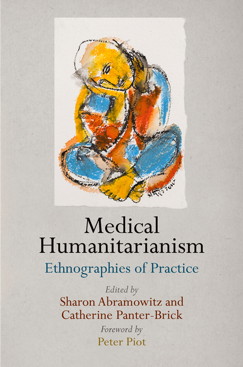
New from the University of Pennsylvania Press is a collection of essays entitled Medical Humanitarianism: Ethnographies of Practice (available here.) Edited by Sharon Abramowitz and Catherine Panter-Brick, with a foreword by Peter Piot, the book explores the experiences of health workers and other practitioners who deliver humanitarian medical aid throughout the world. The book promises a “critical” yet “compassionate” account of humanitarian projects spanning Indonesia, Ethiopia, Haiti, Liberia, and other nations.

80140100970020M

Image via Cornell UP website.

From Cornell University Press comes Gabriel Mendes’ Under the Strain of Color:
Harlem’s Lafargue Clinic and the Promise of an Antiracist Psychiatry (available here.) This historical text examines a mental health clinic in the 1940s established to treat psychiatric complaints amongst a primarily black, urban, underserved population. Unlike other treatment centers for mental illness at the time, the Lafargue Clinic was unique in its emphasis on the medical as well as the social contexts in which its patients experienced distress. The clinic challenged existing notions of “color-blind” psychiatry and became both a scientific and equally political institution, highlighting the “interlocking relationships” between biomedicine, the state, racial inequity, and community-based health care.