Books Received for Review: February 2017

This week we are featuring previews of four books received for review at Culture, Medicine, and Psychiatry (available here). These previews provide a snapshot of recent publications in medical anthropology, global health, and the history of medicine that we’re excited to discuss in our journal and with our followers on social media.


9780520282841

via UC Press

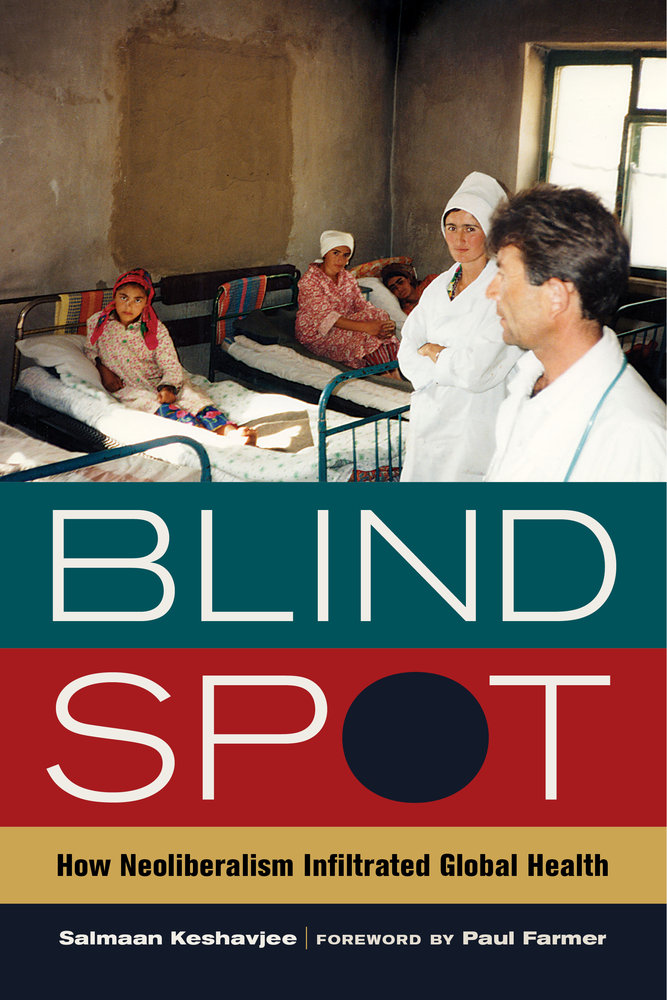
Blind Spot: How Neoliberalism Infiltrated Global Health

Salmaan Keshavjee

From the University of California Press, Blind Spot is a historical and anthropological case study of how market-based ideologies and neoliberal health policies impact global health and development programs. “A vivid illustration of the infiltration of neoliberal ideology into the design and implementation of development programs, this case study, set in post-Soviet Tajikistan’s remote eastern province of Badakhshan, draws on extensive ethnographic and historical material to examine a ‘revolving drug fund’ program — used by numerous nongovernmental organizations globally to address shortages of high-quality pharmaceuticals in poor communities.” The books discusses how the privatization of health care can impact outcomes for some of the world’s most vulnerable populations.

For more information, visit the University of California Press website here.


via Berghahn Books

via Berghahn Books

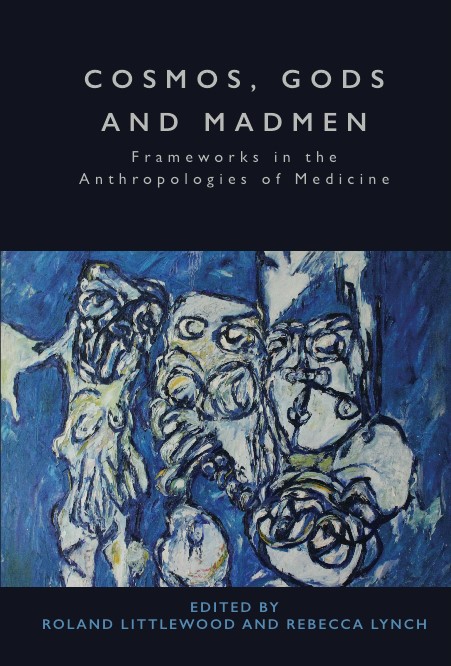
Cosmos, Gods, and Madmen: Frameworks in the Anthropologies of Medicine

Roland Littlewood and Rebecca Lynch, eds.

“The social anthropology of sickness and health has always been concerned with religious cosmologies: how societies make sense of such issues as prediction and control of misfortune and fate; the malevolence of others; the benevolence (or otherwise) of the mystical world; local understanding and explanations of the natural and ultra-human worlds. This volume presents differing categorizations and conflicts that occur as people seek to make sense of suffering and their experiences. Cosmologies, whether incorporating the divine or as purely secular, lead us to interpret human action and the human constitution, its ills and its healing and, in particular, ways which determine and limit our very possibilities.”

For more information, visit the Berghahn Books website here.


via UC Press

via UC Press

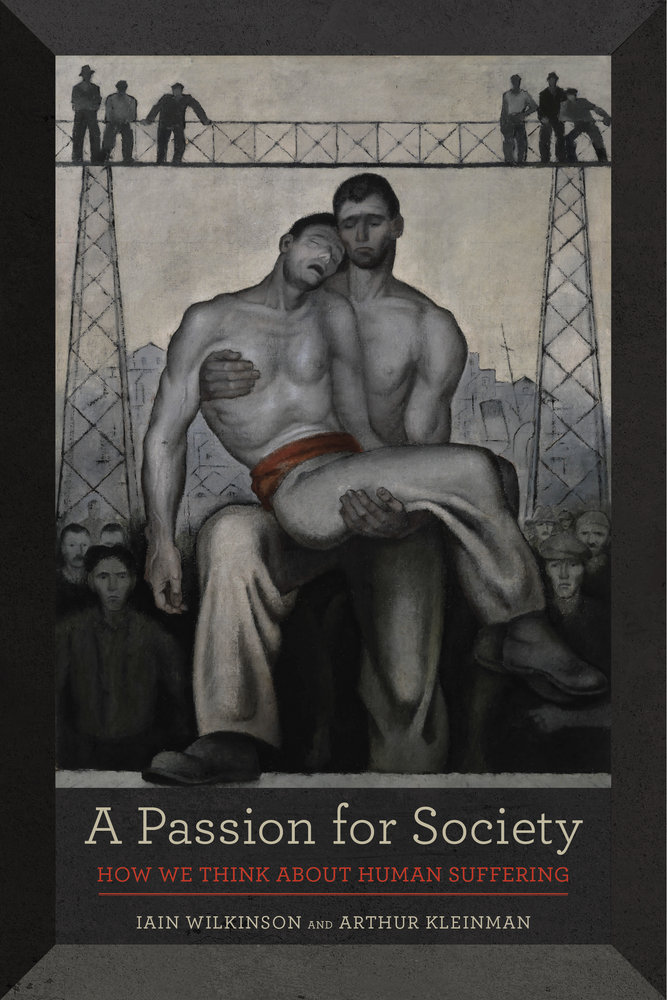
A Passion for Society: How We Think about Human Suffering

 Iain Wilkinson and Arthur Kleinman

“What does human suffering mean for society? And how has this meaning changed from the past to the present? In what ways does “the problem of suffering” serve to inspire us to care for others? How does our response to suffering reveal our moral and social conditions?” This highly anticipated book investigates how social science has been shaped by problems of social suffering. The authors discuss how social action, through caring for others, is reshaping the discipline of social science and offers a hopeful, intellectual basis for a fundamentally moral stance against indifference, cynicism, and inaction. They argue for an engaged social science that bridges critical thought with social action, seeking to learn through caregiving, and achieving greater understanding that operates with a commitment to establish and sustain compassionate forms of society.

For more information, visit the University of California Press website here.


via UC Press

via UC Press

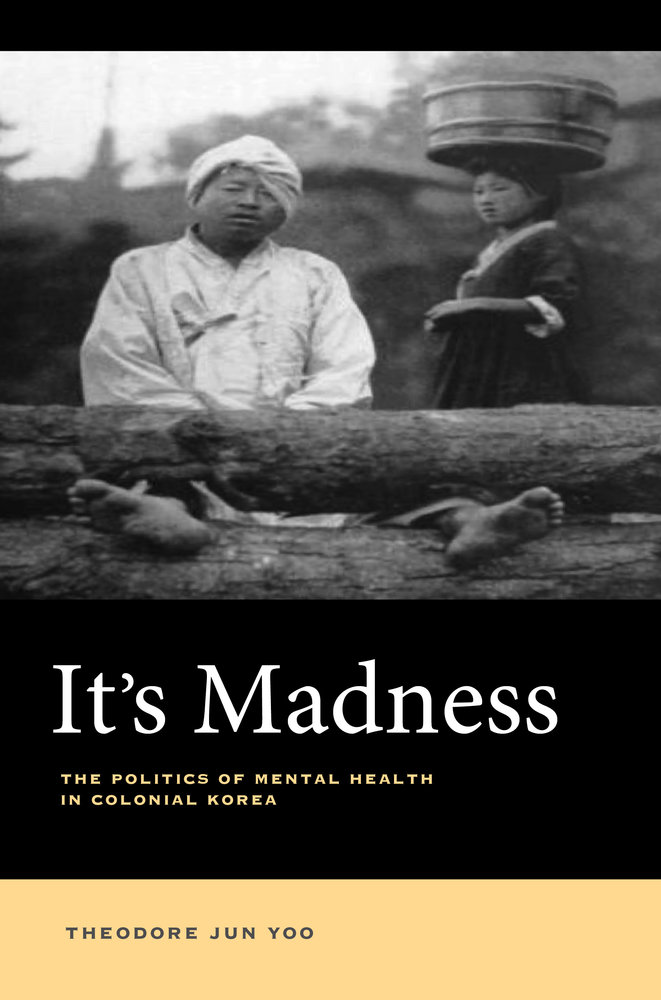
It’s Madness: The Politics of Mental Health in Colonial Korea

Theodore Jun Yoo

“This book examines Korea’s years under Japanese colonialism, when mental health first became defined as a medical and social problem. As in most Asian countries, severe social ostracism, shame, and fear of jeopardizing marriage prospects compelled most Korean families to conceal the mentally ill behind closed doors. This book explores the impact of Chinese traditional medicine and its holistic approach to treating mental disorders, the resilience of folk illnesses as explanations for inappropriate and dangerous behaviors, the emergence of clinical psychiatry as a discipline, and the competing models of care under the Japanese colonial authorities and Western missionary doctors. Drawing upon printed and unpublished archival sources, this is the first study to examine the ways in which “madness” was understood, classified, and treated in traditional Korea and the role of science in pathologizing and redefining mental illness under Japanese colonial rule.”

For more information, visit the University of California Press website here.

Interview: Jonathan Sadowsky and “Electroconvulsive Therapy in America”

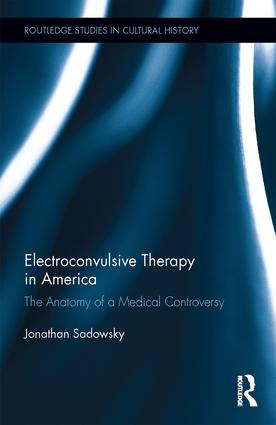
9781138696969This week on the blog we’re highlighting an interview with Dr. Jonathan Sadowsky about his new book Electroconvulsive Therapy in America: The Anatomy of a Medical Controversy, released November 2016 by Routledge. The book (available here) follows the American history of one of the most controversial procedures in medicine, electroconvulsive therapy (ECT), and seeks to provide an explanation of why it has been so controversial, juxtaposing evidence from clinical science, personal memoir, and popular culture. ECT is widely demonized or idealized. Some detractors consider its very use to be a human rights violation, while some promoters depict it as a miracle, as the “penicillin of psychiatry.” Sadowsky contextualizes the controversies about ECT, instead of simply engaging in them, making the history of ECT more richly revealing of wider changes in culture and medicine. He shows that the application of electricity to the brain to treat illness is not only a physiological event, but also one embedded in culturally patterned beliefs about the human body, the meaning of sickness, and medical authority.

Dr. Sadowsky is the Theodore J. Castele Professor of Medical History at Case Western Reserve University in Cleveland, OH, the Associate Director of Medical Humanities and Social Medicine, the Medical Humanities and Social Medicine Initiative co-founder, the Associate Director of Medicine, Society, and Culture in the Bioethics department of the Case Western Reserve University School of Medicine, and on the Editorial Board here at Culture, Medicine, and Psychiatry. Sadowsky’s research concentrates largely on the history of medicine and psychiatry in Africa and the United States. His previous publications include Imperial Bedlam: Institutions of Madness in Colonial Southwest Nigeria (1999), available here from the University of California Press.

From all of us at CMP, we hope you enjoy our new interview category!

  1. For someone who is thinking about reading your book or about to start, is there anything you would like them to know beforehand?

I would urge everyone to understand that not everybody’s experience of a medical therapy is the same. People should be careful not to generalize from experiences they’ve had, or that loved ones have had, and assume everyone has had the same experience. People who’ve had bad experiences with ECT have criticized me for to wanting to pay attention to the voices of people who’ve had good experiences, and people who’ve have good experiences have wanted to say “oh sure that might have been true in the 1950s but everything’s fine now.” ECT has a complicated story. I have met people who have told me that this treatment saved their lives and that it did so with either none or only the most mild of adverse effects. Those people are very concerned to make sure that the therapy gets represented in positive light because there are so many negative depictions. At the same time I’ve heard from and spoken to people who say they’ve lost 20 points off their IQ after having this treatment, or who had huge gaps in memory, or that they know somebody who had killed themselves after an ECT treatment. And what I find a little bit puzzling still after all these years of working on this book, is the way people are so unwilling to see that other people might have had a different experience than their own. But it’s my feeling as a social and cultural historian that it’s my responsibility to take into account all voices. So that’s the main thing that I want people to know and think about, that experiences of this treatment do vary and people shouldn’t be too quick to generalize from their own experience.

  1. How did you become interested in ECT?

I was already several years into my career as a historian of medicine, and in particular psychiatry, and had no knowledge of the treatment other than the images that many of us have from movies like One Flew Over the Cuckoo’s Nest. Images that it was a highly frightening and abusive treatment. I was a well-trained student of medicine and psychiatry and I didn’t know anything more than that. And then I began to hear stories, both from patients and from clinicians, about it being a valuable treatment and that was just so intriguing to me. So I began to look at some of the clinical literature and it was represented in almost completely the opposite way, as this safe, effective, humane treatment that’s been unfairly stigmatized. I felt like these were two completely distinct realities. It wasn’t so much that I wanted to reconcile them, but I just wanted to understand how views of this treatment became so bifurcated. And that became the central goal of the project: to understand why it became a controversy and have such strongly held opinions on either side.

  1. What did you find most exciting to research and write about?

I worked on this project for a long time and one of the things that sustained me was that there are so many different angles to it. I was interested in learning about how it was used to treat homosexuals in 1950s, to see what the reaction of the psychoanalytic community was, and how it figured as a symbol for all that was worst in psychiatry in the antipsychiatry moment. And then there were all the debates going back to the inception of the treatment, ongoing continual debates about the extent of memory loss. Is it a serious problem? Is it a rare problem? These debates are still raging. All of this I found so intriguing. The history of ECT is also replete with ironies. Such as the irony that it was developed initially as a treatment for schizophrenia based on a hypothesis that schizophrenia has an inverse relationship with epilepsy. That hypothesis is no longer even believed in, and schizophrenia is not the main indication anymore, and yet it’s effective. That’s so weird and so seemly random! Another irony is that this treatment which become an icon for frightening medical treatment, and became almost like people’s haunting nightmare of how medicine could abuse you if you came into its clutches, was initially developed as a way to try to create a safer, less frightening treatment than chemical convulsive therapy. So it’s these layers of irony that I just found so interesting and kept me intrigued in the book.

  1. Did you come across anything unexpected?

Yes, I did come across things that were unexpected. I found the gender politics to be very elusive. I found very little evidence for the idea that women were given ECT for simply protesting against their social role as housewives, which was promoted in another book on ECT. But it does appear likely that over the course of the treatment’s history more women have gotten it than men, and there is likely a gender politics to this. Minimally it may mean simply that more women are getting diagnosed with depression, and that’s the main indication. And we know that. The diagnosis of depression has predominated among women. There is a darker possibility, which is that women’s cognitive abilities haven’t been as valued, and so doctors have been more willing to use a treatment that might damage cognitive abilities on women than they were on men. I didn’t see any proof for that. But I think there were suggestive circumstances that might indicate that that played a role. In many realms of medicine, and this has been really well documented by historians, anthropologists, and sociologists of medicine, women’s complaints about medical treatments are more quickly dismissed than men’s complaints. So it’s quite possible that some of the complaints about memory loss, which have persisted throughout the history of this treatment, have been taken less seriously because they were so often voiced by women. I’m not arguing that women had more memory loss than men, but if they predominated in the treatment, and there were complaints about memory loss, it is plausible to suggest that perhaps there has been too much dismissal. I didn’t have evidence such as clearly sexist language in clinical reports that would strengthen a speculation like that, but one thing I do argue in the book is that the history of ECT is filled with doctors dismissing patient complaints of adverse effects. There are a number of ECT providers now, however, who are trying to be very sensitive to these complaints about memory and cognitive deficits following the treatment, but there still exists in clinical manuals the claim that serious memory problems are extremely rare, and that rarity really hasn’t been proven. So it remains a problem. The history of ECT treatment has shown a tendency to dismiss patient complaints about adverse effects, and this has not served anyone well. If anything, the tendency to dismiss complaints has worsened the stigma attached to the treatment. It’s understandable that some clinicians might feel some defensiveness for a treatment they feel is helpful and safe, but the dismissal of complaints of adverse effects has led to embittered patients and worsened the stigma. In a recent piece in The Conversation (available here), I argued that if we wanted to spell the stigma attached to ECT, it’s going to take more than attesting to its therapeutic efficacy. It’s going to mean we have to reconcile with its full costs.

  1. Why was it important for you to try and remain neutral and not argue for or against ECT?

I’m not trying to presume objectivity. Everyone has a point of view. But I thought I could tell a more interesting story by taking a step back and making the controversy itself my study rather than becoming a disputant in the controversy. There’s some precedent for this. Didier Fassin, an anthropologist, did a book on AIDS in South Africa, When Bodies Remember (available here), in which he did the same thing; he tried to look at the structure of the controversy. He was trying to understand the medical controversy over HIV as an anthropologist, even though he did actually side more with one than the other. But I do argue in the book there are good reasons to attest to efficacy of ECT and it is a valuable part of psychiatry’s repertoire, that it has a place in medicine. But I also argue that there were good grounds for people to contest it and have fear of the treatment. I really try to resist the view, which is very common in clinical literature on ECT, that opposition to ECT is irrational. There are rational reasons for the resistance rooted in some of its historical uses, some of which were abusive, and rooted in the experiences of adverse effects. At the end of the book I lay it all out and I say exactly what I think about ECT after trying to look at it from a step back. I think it’s an invaluable part of psychiatry and could be very useful for many people. But I don’t think it should be used as a first or second resort; other things should be tried first because there are risks. I’m glad it’s there if I should ever need it, but I hope I never need it.

  1. Would ECT be perceived differently if it didn’t treat the brain but some other organ?

Probably. In our society now, more than any other organ your brain is you. It is the seed of the self in our self-conception. I would go beyond that. The side effects do occur, without making any kind of representation about how common these problems are, but at least some people do experience permanent memory losses. I used a lot of patient memoirs in the chapter on memory as my source material. And as one of the memoirists wrote: We are our pasts. You lose your memory it’s like you lose a part of yourself. I think in some ways people feel they lose a part of themselves if they lose their memories more than even if they were to lose a limb. Losing a limb is very traumatic, I don’t mean to minimize that. But in a way, you lose your leg and you say “I lost my leg.” It’s something that belongs to you, but it isn’t you in the same way that maybe you feel your memories are you. Memories are not just something that you have, they’re something that you are.

I think ECT is a treatment for the very ill and as a society we do generally accept that treatments for the very ill sometimes involve radical interventions. Chemotherapy for cancers for example. Most of us are glad we have it, and there isn’t a large anti-chemotherapy movement. My leading theory for why ECT treatment occasions this kind of resistance is because of depression’s uncertain status as illness. No one disagrees that cancer is an illness. When you have cancer you accept that you need surgery or radiation or chemotherapy. These are things that you normally wouldn’t do to your body if you were healthy and you didn’t need them. Cancer is clearly different from normal. But depression has this ambiguous status for two reasons. It is an ambiguous word in the English language because it refers both to an illness which can be extremely severe, yet it also refers to a mood that’s normal and that everybody at some point in their lives gets a little bit depressed. We might have disagreements about how long it has to go on and how severe it has to be to be considered an illness. But it becomes something different when we call it an illness. Secondly why I think depression’s status is a bit uncertain, is that there continue to be people who reject medical models for what we call mental illness altogether. Some might believe what people need is talk therapy and they shouldn’t have drugs or shock therapies or anything like that. Some might believe that they don’t need any treatment at all; they might want to de-medicalize the entire thing. For example, for something to qualify as disease, there has to be some kind of lesion, or something physical that can be identified. Since we don’t have the means to do that with depression, it should be removed from the medical realm. I argue against this view. The idea that there has to be some kind of visual marker is arbitrary. I do think what we consider an illness is a social decision. But if you look at it historically and anthropologically, the idea that things we call madness are medical problems is pretty widespread. And in some ways having to have something be visually identifiable is buying into a lot of biomedical hegemony. I just don’t see why that should be the criteria for illness. Ultimately it’s a philosophical question. Most people in our society do accept that severe depression actually constitutes an illness category, but I think these kinds of ambiguities leave people unsure whether this is something worthy of very strong medicine. ECT is strong medicine. It’s a big decision to undergo ECT and it’s the right decision for some people. It’s a decision that shouldn’t be made lightly and shouldn’t be treated like a trip to the dentist.

  1. Is there anything else you want to add?

I was really gratified by the number of anthropologists who read and used my first book on insanity in Nigeria, Imperial Bedlam (available here), and I would be thrilled if anthropologists gave this book the same attention. And I’d also like to add that Routledge says there will probably be a paperback within the next year and a half.

Issue Highlight Vol 40 Issue 3: Contradictory Notions of Violence and Trauma in the Military

This is the second post in a series of article highlights from our new September 2016 issue, available here. In this installment, we explore Tine Molendijk, Eric-Hans Kramer, and Désirée Verweij’s article “Conflicting Notions on Violence and PTSD in the Military: Institutional and Personal Narratives of Combat-Related Illness.” To read the full article, click here.


cards

Molendijk, Kramer, and Verweij observe that contemporary quantitative research reports that members of the military tend to underuse mental health services, most notably for PTSD. The reports note that soldiers’ beliefs about these services may be hindering utilization: however, existing studies have not specifically identified the beliefs or cultural factors that lead to under-utilization. Through a qualitative analysis of the literature, the authors argue that existing mental health interventions carry contradictory statements about violence and PTSD that may be casting particular social and moral frames onto mental illness. These interventions thus situate PTSD within a pre-figured framework, rather than presenting PTSD and trauma in a manner that individualizes and “decontextualizes” its presentation amongst members of the military: whose personal narratives also offer a distinct perspective on the experience of PTSD. The study focuses on PTSD and its treatment namely amongst the US, UK, and Dutch contexts.

To begin, the authors state that the diagnostic category of PTSD per the DSMV (and its implementation in practice) itself imposes a particular cadence on the disorder, stipulating that it emerges in response to an isolated or otherwise triggering single event, rather than to a diffuse string of violent occurrences or social disruptions. The diagnosis also pathologizes the degree of transition between military and civilian life which, to some degree, must and does occur for all soldiers. “The current mainstream PTSD-concept, with its focus on trauma exposure and individual susceptibilities,” the authors argue, “frames PTSD as the response of an individual to an event,” rather than an individual to a series of events, or many people to a range of traumas.

Beyond the diagnostic category, the “infrastructure” surrounding PTSD and its treatment in the military also impacts the way the illness is conceived and given meaning. The authors “divided the PTSD-infrastructure into five categories: pre-enlistment screening, basic training programs, counseling during deployment and pre- and post-deployment psycho-education, post-deployment screening through a survey and a meeting, and therapy.” In the earliest stages, potential military recruits are screened for existing mental illness, while those who pass screening are then subjected to psychological conditioning in their training intended to bolster soldiers’ emotional and psychological fortitude against combat scenarios. Throughout and after deployment, soldiers are also counseled and receive mental health guidance intended to ease adjustments between the “battlemind” state and the “civilian” mindset. These numerous institutional mechanisms indicate that the military infrastructure situates PTSD as a dysfunctional “deviation” from the ‘functional’ “battlemind,” rather than a natural response to trauma. Thus PTSD is cast as the failure of an individual to integrate and compartmentalize a traumatic event within the mental frameworks for coping that they have already been given, even though the military has already anticipated trauma and attempted to prepare soldiers in the event of psychological disturbance.

From the personal perspective of soldiers, however, the experience of PTSD is presented in a different but equally conflicting light. The authors note that soldiers are expected to psychologically identify and process traumatic events, but are also instructed to resist considering the emotional impact of these events: thereby cognitively preventing them from narrating, contextualizing, and giving meaning to traumatic instances. Furthermore, as violence is a routine aspect of military labor, responses to it are not necessarily “exceptional.” Entire squads may experience the same trauma, although they may not all be later diagnosed with PTSD, or share the belief that mental health care is appropriate for overcoming psychological trauma. Indeed, in military culture, many soldiers may not perceive violence as a trigger, but– as noted earlier– an expected and normal part of daily work. Additionally, acts of military violence may not be perceived as traumatic if they are viewed as necessary, just, or appropriate. Amongst soldiers themselves, PTSD therefore carries conflicting and multiple meanings. The authors summarize that “soldiers have learned that exposure to violence can harm a soldier, and that PTSD-like symptoms are not unusual. However, at the same time, they have learned that violence and stress are inherent to a soldier’s job, and that ‘good soldiers’ should be able to deal with it.” Soldiers who struggle with trauma, therefore, are given resources to address it, but may suspect that it is normal and does not (or should not) require medical intervention. Thus both the institution and the nature of the profession generate conflicting messages about the etiology and treatment of PTSD amongst soldiers.

To some degree, the authors remark, the transition from active deployment (and its related trauma or exposure to violence) to civilian life contains unavoidable contradictions, as the psychological mindset needed for combat versus the mindset for civilian life differ greatly, and the adjustments between them may be difficult. However, the contradictions within the institutional narrative of PTSD– that it is dysfunctional, yet expected, and provided with interventions–may be preventing soldiers from understanding whether or not their response to violence requires treatment, or if seeking help is a stigmatized act. Ultimately, the authors conclude, “the [existing institutional] PTSD-narrative can give soldiers the feeling that important elements of their problems are not taken into account, or that they are translated into an individual problem. If so, soldiers then hear no narrative through which they can understand and articulate their experiences and potential inner struggles about the meaning of these experiences.” The authors’ findings therefore indicate that there are significant and potentially problematic conceptual rifts in the understanding of PTSD between soldiers and institutions, and amongst soldiers acting within the military infrastructure.


Issue Highlight Vol 40 Issue 3: The Mental Health Treatment Gap Across Africa

In the coming weeks, we will be presenting special highlights of our latest installment of the journal, released September 2016 (accessible here.) This week, we explore Sara Cooper’s article “‘How I Floated on Gentle Webs of Being’: Psychiatrists’ Stories About the Mental Health Treatment Gap in Africa.” The full article is available here.


cards3

As Cooper notes in the outset of her article, clinicians and global health workers have identified a “gap” in available mental health services in Africa, and developed programs targeted at the resolution of lacking mental health services across the continent. Despite widespread attempts to research and resolve this gap, however, there remains concern about the problems that arise when a global, top-down approach to mental health services is applied in African contexts. Responding to this concern, Cooper sought out views on the treatment gap at the local level, specifically amongst African psychiatrists. Cooper gathered and analyzed narratives from twenty-eight psychiatrists from South Africa, Uganda, Nigeria, and Ethiopia. She found that while a biomedical, rationalistic narrative about the gap was certainly present, another, more phenomenological understanding of the “gap” emerged from the narratives of three of her participants, which urged a more sensitive approach to the implementation of mental health services in Africa.

Cooper first found that some of the psychiatrists in her study repeatedly turned to a dominant (or master) biomedical narrative to explain why the mental health treatment gap existed in their respective countries. In other words, the psychiatrists relied on a rationalistic, deductive, and material explanation that accounted for the mental health treatment landscapes across Africa. For instance, many of the psychiatrists argued that the lack of physical resources– hospitals, beds, clinicians to staff treatment centers– led patients to seek out non-biomedical interventions like prayer-based or spiritual-based care. The participants agreed that if there were enough services available, patients would not turn to complementary or religious forms of treatment. In their perspective, alternative forms of care were a substitute for biomedicine, rather than a legitimate venue for patients to seek mental health assistance in the absence of (or even alongside) biomedical resources.

Indeed, the act of seeking out these alternative treatments was viewed by the psychiatrists as a rational response: one borne out of the creativity of patients who weighed available options and selected the most appropriate, present service (rather than a complex response to a pluralism of local medical systems.) Conversely, however, the psychiatrists also argued that patients underutilized health services and lacked “mental health literacy,” or the knowledge needed to preface the choice to seek out biomedical assistance. Through these examples, and others, Cooper observes that this sub-cohort of psychiatrists tended to return to a rationalistic understanding of medical treatment that may not always have been sensitive to other means of medical decision-making or to the scope of biomedical interventions.

Yet Cooper also discovered that there were notable fractures in the biomedical “master narrative,” wherein psychiatrists’ narratives reveal concerns about the role of biomedical mental health services in addressing treatment gaps. Three psychiatrists admitted that biomedicine might not necessarily address the full scope of a patient’s mental illness or health concerns in the broader context of their lives or personal needs. For example, these three participants noted that the psychiatrist might have to explain that available treatments could potentially fail to fully resolve a patient’s complaint, or that they might have to accept that a patient’s past traumas, or troubling social circumstances, were beyond that which the psychiatrist could ameliorate through medical means. Here, the treatment “gap” is conceptual: the ideological place where a patient’s hopes, experiences, and expectations about their care may not be perfectly matched to the psychiatrist’s available treatments and medical diagnoses.

In this sub-cohort, one psychiatrist remarked that the “paternalistic” method of biomedical treatment could be unproductive, as the clinician may not be able to fully mend the patient’s health due to the social, personal, and individual complexities of the patient case. Another psychiatrist recounted a patient’s case in detail, noting that while he believed this person suffered from delusions, it was his responsibility to help the patient by trying to understand his view of reality, suffering, and personal struggle. Yet another psychiatrist recounted equally challenging cases, where they recognized that patients often were not satisfied with simply a cleanly-defined diagnosis or treatment plan, but required a more robust means of reordering and improving their lives with the psychiatrist’s guidance.

Cooper states that “for these psychiatrists, in taking people’s experiences and meanings seriously, on their own terms, one comes to appreciate that their understandings and behaviours are deeply complex and varied, affected by all sorts of social, cultural and emotional realities and rationalities.” Though the master narrative of biomedical rationality remained prominent, these alternative narratives were sensitive to the lived experiences and individual realities of the patient. They also explored the treatment gap, but viewed the “gap” as the product of complex interactions between psychiatrists and their patients. For the latter three participants, the “gap” was caused not by a lack of resources or knowledge, but by the friction between practitioners’ and patients’ expectations about the treatment of mental illness, and a mismatch between practitioners’ medical skills and the self-professed needs and understandings of patients. “According to the three psychiatrists in this [part of the] study,” Cooper concludes, “increasing the availability of services necessitates first and foremost rethinking the nature of the kinds of services that are expanded, and the associated epistemologies upon which these are based.”

Book Release: Eigen’s “Mad-Doctors in the Dock”

Screen Shot 2016-06-28 at 4.00.17 PM

Image via JHU Press website

To be published this November 2016 from Johns Hopkins University Press is Joel Peter Eigen’s Mad-Doctors in the Dock: Defending the Diagnosis, 1760-1913. This medical history examines the foundations and early development of the criminal insanity defense in England. Drawing on testimony and documents from almost 1,000 trials, this text examines how physicians, surgeons, and other health care providers connected diagnosis with legal culpability.  The text promises to carefully assess the dynamic relationships between criminal justice, mental health, medicine, and the emergent disciplines of forensic psychology and psychiatry. This book will be of equal interest to anthropologists of medicine and law, as well as psychological anthropologists, historians and sociologists of medicine, and cross-disciplinary scholars in the medical humanities.

To learn more about this upcoming release, click here.

About the Author: Joel Peter Eigen serves as the Charles A. Dana Professor of Sociology at Franklin and Marshall College as well as Principal Fellow (Honorary) at the University of Melbourne. This text is the third in a series that Eigen has published on the history of the insanity defense. The first book, Witnessing Insanity: Madness and Mad-Doctors in the English Court, was released in 1995 by Yale University Press and is available here. The second book, Unconscious Crime: Mental Absence and Criminal Responsibility in Victorian London, was published in 2003 by Johns Hopkins University Press. It can be purchased here.

From the Archive: Revisiting Neurasthenia in Japan

cards3

In 1989, our June special issue centered on the theme of neurasthenia: an illness category made most recognizable in current medical anthropology by Arthur Kleinman in his book Social Origins of Stress and Disease: Depression, Neurasthenia, and Pain in Modern China (1988.) Neurasthenia is a flexible diagnosis that encompasses a set of broad psychosomatic symptoms: fatigue, emotional unease, irritability, and bodily pains. It has fallen in and out of favor throughout history, yet in China and other Asian countries, it continues to be used to describe psychiatric distress. The special issue was published during the final year of Kleinman’s tenure as the editor-in-chief of Culture, Medicine & Psychiatry, and represents the culmination of research carried out throughout Asia on the diagnosis and treatment of the illness. You can access the full issue here.


The focus of this From the Archive feature is Tomonori Suzuki’s article on the diagnosis and treatment of neurasthenia in Japan. Unlike China, where neurasthenia continued to be clinically relevant through Kleinman’s research in the 1980s-1990s, the disease category fell out of its original use in Japan following World War II. Suzuki writes that this shift was not directly due to changes in Western psychiatry, in which European and American physicians replaced ‘neurasthenia’ with new categories under the umbrellas of neuroses, depression, or anxiety. These shifts may have influenced psychiatric disease models elsewhere, but in Japan, neurasthenia was instead rebranded and treated via a different historical pathway.

Morita, a renowned Japanese psychiatrist who lived in the late nineteenth and early twentieth centuries, was the first to suggest that neurasthenia was not exogenous: in other words, it did not stem from social disorder on the outside, but from psychological unrest within the mind. His therapeutic regimen for this newly-conceived “neurasthenia” became widely adopted, even into the contemporary age. Thus neurasthenia– while formally removed from the diagnostic lexicon– took a new form with an accompanying treatment as proposed by Morita.

Following WWII, when Japanese medical practitioners did begin to employ American principles of psychiatry, clinicians began to replace “neurasthenia” with the new category “neurosis.” Although this aligned with shifts in the nature of treatment that occurred in other places where biomedicine was practiced, Japan was unique in that many patients labeled as neurotic nevertheless sought out Morita therapy: a treatment initially designed to ameliorate an illness closer to the original form of neurasthenia. Some patients also opted for Naikan therapy, another indigenous psychotherapy based on Buddhist principles similar to those woven into the practice of Morita therapies. While the importation of “Western” diagnoses of neurosis brought with it accompanying forms of therapy native to Europe and North American, Morita and Naikan proved to be durable therapies equipped to treat Japanese patients with illnesses somewhere within the neuroses-neurasthenia spectrum.

Although the author notes that the use of these therapies (in the 1980s) could decline as Western models of psychotherapy continue to spread, Suzuki’s research into Japanese psychiatry practice revealed that many patients continued to seek out indigenous Morita and Naikan therapies. The two treatments’ focus on inner self-mastery, connectedness to the social and physical worlds, and the minimization rather than elimination of symptoms echo native Japanese spiritual beliefs, making these therapies legitimate alternatives to imported models of treatment. In sum, though the category for neurasthenia changed across time, foreign models for the conceptualization of mental illness did not always neatly correspond to foreign models for treatment. For the Japanese, local therapies such as Morita and Naikan proved to be quite resilient, as the therapies adapted to address psychiatric disorders despite the repackaging of mental illness into new forms.


Issue Highlight: Vol 39 Issue 3, Suicide in Rural Kenya

When a new issue of Culture, Medicine & Psychiatry is released, we feature a series of blog posts that highlight these latest publications in our journal. The current September issue includes articles that address psychiatric conditions and the experiences of people with mental illness across cultures. Readers may access the full issue at Springer here: http://link.springer.com/journal/11013/39/3/page/1. In this issue highlight, we will discuss an article on ethnographic analyses of suicide and distress amongst three communities in northern Kenya.


cards3

Suicide in Three East African Pastoralist Communities and the Role of Researcher Outsiders for Positive Transformation: A Case Study

Bilinda Straight, Ivy Pike, Charles Hilton, and Matthias Oesterle – Pages 557-578

http://link.springer.com/article/10.1007/s11013-014-9417-4

The authors of this article strive to establish a nuanced and ethnographically rich understanding of suicide and mental distress in an under-studied population of three distinct, yet interacting, pastoral communities in northern central Kenya. These three groups– the Pokot, Samburu, and Turkana– are engaged in intercommunity conflicts over territory and land use agreements, despite the communities’ shared and entangled oral histories. Such tensions are only exacerbated by mutual fear of raids by other groups, dearths in food available for forage, and the theft of livestock from individuals who sell the animals to finance political campaigns. Poverty is likewise aggravated by these patterns of loss and violence.

This turbulent social environment creates widespread mental distress amongst the three communities, yet individuals from each group stressed to the research team that they felt obligated to persevere despite these pressures, making admitting psychological suffering (and especially confessing thoughts about suicide) deeply taboo. Therefore, any mental health intervention would have to be responsive to the extent to which Pokot, Samburu, and Turkana culture disallow individuals from discussing or even thinking about suicide: an act which could create even more social strain on the family of the person who committed it. The researchers confirmed this inability to discuss suicide by the high rates of non-response on a survey question which asked participants whether or not they had experienced suicidal thoughts.

Suicide thus proves to be a unique case for anthropological analysis because it is both driven by the social conditions of those who take their own lives, as well as disruptive to the communities in which these people lived. Its treatment by global health workers must in turn be sensitive to cultural beliefs that forbid conversation about suicide, especially in communities where the death of an individual may contribute to already extraordinary social distress.

Issue Highlight: Vol 39 Issue 3, Maya Mental Disorders in Belize

With each new issue of Culture, Medicine & Psychiatry, we feature a series of blog posts that highlight the latest publications in our journal. This September’s issue includes articles that address psychiatric conditions and the experiences of people with mental illness across numerous cultures. Readers may access the full issue at Springer here: http://link.springer.com/journal/11013/39/3/page/1. In today’s issue highlight, we will examine a study on indigenous nosologies of mental illness amongst the Maya of Belize.


cropped-cards.jpg

Narrative Structures of Maya Mental Disorders

Andrew R. Hatala, James B. Waldram, and Tomas Caal – Pages 449-486

http://link.springer.com/article/10.1007/s11013-015-9436-9

To understand the compatibility of divergent medical traditions, it is first essential to describe how medical systems classify and interpret disorders in particular ways. With this aim in mind, the authors of this ethnographic study sought to develop an picture of indigenous mental illness nosology amongst the Q’eqchi’ Maya of southern Belize. They also asked how this knowledge may alternatively coexist, or compete, with biomedical concepts of suffering.

In order to learn about this indigenous medical epistemology, the authors worked with the Maya Healers’ Association, a professional, self-regulated group of twelve healers who maintain a garden of medicinal plants for research and who strive to reinvigorate traditional medical practice in Belize. Across ninety-four interviews with healers, the authors uncovered four illness categories that the participants used to describe the roots of mental illnesses: “thinking too much,” fright, the day of birth, and spirit “attacks.”

These descriptions are sometimes cross-compatible with DSM-V nosologies, as the researchers discovered that “thinking too much” was also listed as a symptom in biomedical models of mental illness. However, unlike the DSM-V, Maya healers tended to characterize overthinking as a “genre” of illness experience rather than as a discrete symptom. Maya healers also characterize mental illnesses as existing within the heart, the mind, and the spirit: thereby expanding the implications of mental illness beyond brain physiology, the proximate explanation employed by biomedical psychiatry.

The authors conclude that it is essential to understand the similarities in the two nosologies to facilitate collaboration between indigenous and biomedical healers, but add that both groups must also be aware of the differences in classificatory schemes that they use to interpret mental illness. In this way, people with mental disorders in Belize may best receive care that accounts for all of the ways they might seek care and understand their illness across the boundaries of medical systems.

Guest Blog: The Autism Spectrum, Anorexia, and Gender

This week on the blog, we are hosting a guest post by Carolyn Smith, MA, a third-year PhD student in medical anthropology at Case Western Reserve University. Carolyn studies the intersections of mental health, eating, and the body, blending biological and cultural approaches. This blog post complements our July 2015 issue on autism, which you can read more about in the links provided at the end of the guest post.


In Autism spectrum disorders: Toward a gendered embodiment model, Cheslack-Postava and Jordan-Young[1] argue the importance of gender theory in understanding the preponderance of male cases with autism spectrum disorders (ASD) in the United States. In addition to evidence of autism as sex-linked, the authors argue that there is evidence as well for biases in diagnosing autism, and that social environment likely plays a role in male susceptibility. The literature on anorexia nervosa offers a parallel argument: anorexia nervosa, like autism, is often described in terms of biological risk factors[2] yet it remains a socially charged, deeply gendered diagnosis. In the USA and other societies with thin female beauty ideals, for instance, anorexia nervosa is most widely attributed to women.[3]

Both anorexia nervosa and ASD are recognized by the American Psychological Association (APA) and have specific criteria. While these categorizations are justifiably scrutinized by medical anthropologists, here I use the APA criteria as a cultural document that reflect what conditions that biomedical practitioners in the United States are cataloguing when they demarcate mental conditions. Anorexia nervosa is an eating disorder characterized as one of the most fatal mental illnesses in the United States.[4] Diagnostic criteria in the Diagnostic and Statistical Manual of Mental Disorders, Fifth Edition (DSM-V) includes restrictive eating and an intense fear of gaining weight/persistent behaviors to prevent weight gain. [5] One key criterion for anorexia is being of low body weight with the absence of any other pathology. The inclusion criteria have changed over the years, as have social ideas about the disorder and who suffers from it. Meanwhile, autism is classified as a neurodevelopmental disorder with social deficits and rigid behaviors.[6] The understandings of autism, like anorexia nervosa, have also changed over time in the United States.
cards3

Yet gendered categories for these conditions persist. In the realm of psychiatric health, autism is assumed to be a male disorder, and anorexia nervosa, a woman’s diagnosis. This simple categorization overlooks the extent to which anorexia and autism are demonstrably comorbid in studies carried out in the USA and the UK.[7] [8] [9] One study from the UK, in fact, found that anorexics, restrictive-type were five times more likely than the general population to score as high on the Autism Questionnaire as someone with an ASD. 9 This finding offers no simple cause-and-effect explanation for how the two disorders are linked. However, this new data suggests that the body, the mind, gender roles, and dieting behaviors may be entwined in ways that resonate with cultural beliefs and categories.

There are competing theories about the etiologies of anorexia as well as autism, each with gendered overtones that do not reflect the findings of associations between the two psychiatric conditions. One theory of autism is that it is linked to a “hypermasculinized” brain.[10] Meanwhile, in a 2012 article for Psychology Today, Maestripieri argues that anorexia may be due to a “hyperfeminine” brain. The two conditions, it seems, appear to be “oppositional.”[11] However, these theories do not capture the wide diversity of cultural perspectives within the USA or UK, meaning there may be unique gendered understandings of psychiatric disorders between social groups that are not accounted for in existing research. In either case, what is clear is that cultural categories of psychiatric conditions in the US and UK may be missing how patients (of any gender, from numerous cultural backgrounds) live and seek care with either condition.

These gendered categories become even more complex for individuals diagnosed as both autistic and anorexic. The comorbidity of ASD and anorexia is complicated by the fact that restrictive dieting in anorexia may lead to cognitive impairment, which subsequently causes behaviors that might be confused with cognitive patterns on the autism spectrum. However, people with anorexia do report having autistic traits prior to the onset of their eating disorder, and people recovering from anorexia appear more often than non-anorexics to fall along the autism spectrum. 6,7 Thus, the two illnesses co-produce one another in ways that cross traditional gender lines (autism as male, anorexia as female) while also making it difficult, if not impossible, to isolate each condition from the other. Here medical anthropologists can offer valuable perspectives from the view of patients, who may describe their eating patterns and body image in terms that span and challenge existing diagnostic divisions.

Though there may be no empirical means to measure the extent to which ASD and anorexia overlap, existing theories about socialization may shed some light on how these two illnesses co-occur. There are numerous common traits between anorexia nervosa and ASD, including perfectionism, social withdrawal, and obsessive thinking.6 Girls and women with anorexia appear to have other similar traits to boys and men with autism: systematizing, a fascination with details, and resistance to change. Anorexic individuals with these autistic traits, Baron-Cohen hypothesizes, could become fixated on the systemic relationships behind body weight, shape, and food intake.[12]Of course, this would depend on whether or not the person with autism was brought up in a cultural environment where food intake and body shape are viewed as something that can and should be regulated at all. Here is where socialization may play a crucial role in the development of anorexia nervosa out of behavioral patterns attributed most often to autism.

The comorbidity of ASD and anorexia nervosa presents an anthropologically complex case where discrete classifications of mental illness may not reflect the connectedness of the two conditions. Likewise, the gendering of each illness as dualistic male-autistic and female-anorexic overlooks the extent to which the conditions share behaviors, tendencies, and thought patterns. Though national clinical studies in the USA and the UK suggest a connection between autism and anorexia, cultural readings of gender, eating, and self-regulation amongst patients with comorbid cases might better illuminate how these conditions manifest on the local scale, and between cultural groups.


Additional Reading

Publications:

Jaffa, T., Davies, S., Auyeung, B., Allison, C., & Wheelwright, S. (2013). Do girls with anorexia nervosa have elevated autistic traits. Mol Autism, 4(1), 24.

Nilsson, E. W., Gillberg, C., Gillberg, I. C., & Raastam, M. (1999). Ten-year follow-up of adolescent-onset anorexia nervosa: personality disorders. Journal of the American Academy of Child & Adolescent Psychiatry, 38(11), 1389-1395.

Oldershaw, A., Treasure, J., Hambrook, D., Tchanturia, K., & Schmidt, U. (2011). Is anorexia nervosa a version of autism spectrum disorders?. European Eating Disorders Review, 19(6), 462-474.

Websites: 

ASD and Autism

https://www.psychologytoday.com/blog/games-primates-play/201208/the-extreme-female-brain

http://www.medicalnewstoday.com/articles/264666.php

https://books.google.com/books?hl=en&lr=&id=iPGFAgAAQBAJ&oi=fnd&pg=PR10&dq=malson+the+thin+woman&ots=sQPGnzOFN1&sig=ZSv8OMyuNAFQ3UgBOWZTEX5lHAg#v=onepage&q=malson%20the%20thin%20woman&f=false

CMP Special Issue Features: July 2015 Issue on Autism

https://culturemedicinepsychiatry.com/2015/07/08/special-issue-highlight-the-anthropology-of-autism-part-1/

https://culturemedicinepsychiatry.com/2015/07/22/special-issue-highlight-the-anthropology-of-autism-part-2/

https://culturemedicinepsychiatry.com/2015/08/05/autism-in-brazil-and-italy-two-cases-from-the-june-2015-special-issue/


References Cited

[1] Cheslack-Postava, K., & Jordan-Young, R. M. (2012). Autism spectrum disorders: toward a gendered embodiment model. Social science & medicine, 74(11), 1667-1674. “Our argument is fully biosocial, and our main points in advancing it are to articulate a model for autism, specifically for explaining the male-female disparities in prevalence, that does not exclude social environmental variables, and is therefore more biologically satisfying; and to demonstrate concrete mechanisms whereby autism may become more prevalent in males as a result of social structures and processes related to gender (p. 1673).”

[2] Bulik, C. M., Slof-Op’t Landt, M. C., van Furth, E. F., & Sullivan, P. F. (2007). The genetics of anorexia nervosa. Annu. Rev. Nutr., 27, 263-275.

[3] Malson, H. (2003). The thin woman: Feminism, post-structuralism and the social psychology of anorexia nervosa. Routledge.

[4] Arcelus J, Mitchell AJ, Wales J, Nielsen S. Mortality Rates in Patients With Anorexia Nervosa and Other Eating Disorders: A Meta-analysis of 36 Studies. Arch Gen Psychiatry. 2011;68(7):724-731.

[5] IBD

[5] IBD

[6] American Psychiatric Association. (2013). Diagnostic and statistical manual of mental disorders: DSM-5 (5th ed.).

[7] Zucker, N. L., Losh, M., Bulik, C. M., LaBar, K. S., Piven, J., & Pelphrey, K. A. (2007). Anorexia nervosa and autism spectrum disorders: guided investigation of social cognitive endophenotypes. Psychological bulletin, 133(6), 976.

[8] Nilsson, E. W., Gillberg, C., Gillberg, I. C., & Raastam, M. (1999). Ten-year follow-up of adolescent-onset anorexia nervosa: personality disorders. Journal of the American Academy of Child & Adolescent Psychiatry, 38(11), 1389-1395.

[9] Baron-Cohen., Jaffa, T., Davies, S., Auyeung, B., Allison, C., & Wheelwright, S. (2013). Do girls with anorexia nervosa have elevated autistic traits. Mol Autism, 4(1), 24.

[10] Baron-Cohen, S. (2002). The extreme male brain theory of autism. Trends in cognitive sciences, 6(6), 248-254.

[11] Maestripieri, D. (2012 August 23). The Extreme Female Brain: Where eating disorders really come from. Psychology Today. Retrieved from https://www.psychologytoday.com “Therefore, just like Autism Spectrum Disorders may be the product of the combination of the extremely high systemizing and low empathizing tendencies that characterize the extreme male brain, eating disorders may be a manifestation of high negative evaluation anxiety that originates from the combination of the extremely high empathizing and low systemizing characteristics of the extreme female brain.”

[12] (2013 August 10). Anorexia and autism – are they related? Medical News Today. Retrieved from http://www.medicalnewstoday.com


Book Release: Jenkin’s “Extraordinary Conditions: Culture and Experience in Mental Illness”

Via UC Press website

Via UC Press website

Out this August 2015 from the University of California Press is Janis H. Jenkin’s Extraordinary Conditions: Culture and Experience in Mental Illness. This ethnographic text explores the lives of patients of diverse ethnic and cultural backgrounds experiencing trauma, depression, and psychosis, taking into account the identity, self, desires, gender, and cultural milieu of the participants. Jenkins’ text pays special attention to the reduction of the severely mentally ill to a subhuman status, and the nature of this social repression.

Jenkins argues for a new, dynamic model of mental illness as a struggle rather than a constellation of discrete symptoms, noting that such a model should consider the ways that culture is implicated in mental illness experience from onset through recovery. The book posits that inclusion of culture into the clinical practice of psychiatry is crucial to the successful treatment of patients, and that anthropologists must not only consider the normative, day-to-day lives of participants but also the “extraordinary” and uncommon conditions regularly faced by those with mental illness.

This book will be of interest to psychological and psychiatric anthropologists, as well as those studying mental health care delivery systems. It will also shed light on medical narratives in mental health, and on generating new theories of human experience and medicalization.

For more information about this book, click on the publisher’s website here: http://www.ucpress.edu/book.php?isbn=9780520287112