Interview with Incoming Social Media Editor: Monica Windholtz

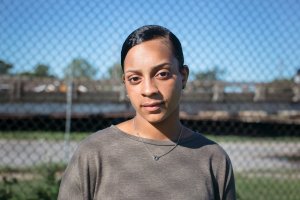
This week on the blog we are featuring an interview with our newest addition to the Culture, Medicine, and Psychiatry editorial team, Monica Windholtz. Monica will be joining us as a Social Media Editor on the journal’s blog, Twitter, and Facebook accounts this month. Monica has already been featured on the blog in July with her article highlight of “Engaging with Dementia: Moral Experiments in Art and Friendship,” available here. In this post, we learn about Monica’s background, academic interests, and her ideas for expanding the Culture, Medicine, and Psychiatry blog. 


  1. What is your academic background? How did you become interested in medical anthropology, medical humanities, and interdisciplinary cross-society research?

Currently I am a student at Case Western Reserve University in the Integrated Graduate Studies (IGS) program, working on both a Bachelor of Arts in Medical Anthropology, and a Master of Arts in Bioethics with a special focus on the Medicine, Society, and Culture track. I also will graduate with a minor in Sociology and a certificate in Global Health. My interest in these fields began with a study of Dr. C.W. Lillehei, an American heart surgeon who helped break ground in American heart surgery and the invention of the pacemaker. As I explored the connections between health care and people, I became fascinated with the intersections of policy, procedure, and the individuals they affect. I hope to use my knowledge of these intersections to promote people-oriented policy after attending law school.

       2. What are your research interests?

My research interests include post-mortem uses of bones, cultural perceptions of death, health care policy and practice, the differences and inequalities in societal roles across the genders, and reproductive health. I am currently working on my senior capstone project: a literary review of the death rites of several cultures that considers the changes local rituals have undergone due to health problems, such as the effect of Ebola on Liberian burial.

 3. What is your favorite running feature on the blog?

My favorite running feature on the blog is the “From the Archive” series, which features article highlights and from previous CMP journal issues. It is an interesting way to highlight what types of articles have been published in the journal that are still relevant for current readers, and connects blog followers with articles they may not have previously seen.

4. What new features or ideas will you bring to the blog?

I am looking forward to expanding on Sonya’s work connecting the journal’s articles to current events. As health is an ever-changing field and its interactions with society are always shifting, it will be exciting to highlight these connections. I would also like to provide blog readers with more external content from our contributing journal authors, such as with the University of Washington Today: Q and A with Janelle Taylor post, available here, that featured a video interview with Janelle Taylor, the author of the article Engaging with Dementia: Moral Experiments in Art and Friendship.

 5. How does your unique perspective integrate with the goals of CMP?

People need to have access to relevant and validated knowledge, and a curious mind, before they can effectively implement positive and meaningful policy changes. CMP promotes the study and exploration of the types of knowledge vital to these goals. As a reader of the journal, I continue to learn a great deal about various cultures and their interaction with, and impacts on, health care. I am excited to help connect others with the articles and ideas published in CMP, and looking forward to working with the rest of the CMP editorial team!

SPA Interview with Dr. Rebecca Lester

This week on the blog we are featuring a partial summary of an interview with Dr. Rebecca Lester, conducted by Ellen Kozelka, as part of the Society for Psychological Anthropology “Voices of Experience” series. In this audio conversation, available in full here, Dr. Lester discusses her newest book project, Famished: Eating Disorders in the Era of Managed Care, focusing on the conditions and experience of eating disorders treatment in the United States. Also discussed in the interview is Dr. Lester’s research interests, reflections on her personal experience experience with an eating disorder, and the linking of anthropology to advocacy. Dr. Lester’s book is not yet for sale.

The SPA “Voices of Experience” series is a venue to showcase the range of work that psychological anthropologists engage in, and to give listeners, virtually attending the live events, the opportunity to ask prominent scholars in the field about their work.


The interview begins with a reading of the book’s preface by Dr. Lester herself. The recitation narrates the experience of an insertion of a nasogastric (NG) tube and subsequent first “feeding” of an 11-year-old girl with anorexia. Capturing the anxiety and fear of being forcibly held down for the insertion of the NG tube, and yet still being terrified of eating, Dr. Lester describes the instructions given by the doctor before inserting the NG tube. “We are going to put it in. You can either cooperate with me here, or we can take you to a seclusion room and put you in restrains and do it there. It’s your choice,” the doctor says to the girl.

The process of having an NG tube placed is extremely uncomfortable. Feeling disconnected from the world around her, exhausted from the painful NG tube ordeal, and distraught from watching “so many calories” being pumped into her body while she is unable to do anything about it, the young girl is then further mentally assaulted by another patient nearby asking her questions about her new feeding tube.

“Is [anorexia] the thing where you’re scared of getting fat so you starve yourself and you get real skinny? Hell, I wish I could have anorexia for a day,” the older patient states while laughing and grabbing at her own stomach fat. The young girl is then left to make sense of her situation while listening to the woman and another patient chatting about how much they wish they had the willpower to starve themselves as the holiday season approached.

This preface sets the tone for what it is like to be a patient in an eating disorders clinic. This reading then transitions the conversation into the interview between Dr. Lester and Ellen Kozelka.

Ellen Kozelka: What is the managed care system as it relates to eating disorders treatment, and why is it so important to understand its moral dimensions?

Dr. Lester: Managed care operates as a moral system in our society. So in terms of eating disorders, we are in a situation where our healthcare system is really predicated on a certain kind of understanding of what health is and what a person is. This is foundationally oriented to the splitting off of behavioral health and medical care.

Managed care plans have a pot of money that goes to medical care, and another pot of money is set aside for mental health, behavioral, or psychiatric care, depending on how insurance companies classify it. What’s challenging in terms of eating disorders is that they are conditions that bridge both of those domains. Certainly there are medical complications to other things, such as addictions, but we find in eating disorders this bridging of the medical and of mental health in terms of the symptomatology.

Trying to get an integrated treatment approach for eating disorders is really difficult. Clinicians are left to try and piece together care, but getting that care reimbursed is extremely difficult. Often times managed care companies will pay for the acute medical issues, such as an inpatient hospitalization because of a cardiac incident, but you then cannot also get mental health care at the same time. Or you can go to an outpatient clinic for the psychiatric concerns, but you then are not able to also be treated for the physical complication that might be going on too. Thus it is very difficult to provide a full spectrum of care to someone in a way that is actually going to treat the problem.

Kozelka: The foundation of the system in the US is that physical medical care and mental health care are two separate things, which based on this idea of what health is and what the person is. So would that make managed care in the US a type of cultural system?

Dr. Lester: Absolutely. One of the things I’ve been interested in is what kind of philosophies of the person are embedded in our healthcare system and how is that structuring or impacting the way that clinicians are perceiving what’s going on with clients, what the problem is, or how to best intervene with them. It’s a whole epistemological and world view about humans and what motivates humans, and what the appropriate end goal of that behavior should be.

Kozelka: In your book you provide an overarching definition of care. Care “orchestrates cognitive and sensory attunement, practical agency, and affective imagination into a disposition to the ‘other’ which comes to organize attention, doing, and feeling in locally meaningful ways.” This definition of care combines two previously separate conceptual definitions of care as practical or political action, and care as affective concern. How do you see this combination linking to your understanding of care in relation to power?

Dr. Lester: Something that many of us as psychological anthropologists struggle to do in our work is try to illuminate the ways that these are not different domains. When we talk about political or practical action, and we talk about affective experience or subjective experience, they are not separate domains. We can separate them ideologically, but in terms of the way people live their lives, the domains are intertwined.

Part of what I’ve been interested in is how these structures of power operate across multiple levels of analysis at once. Care in all of the senses of the definition above, is a way of constituting not only an object of concern, but who the subject of care is, and how that person is constituted as a moral agent, or not, in a given circumstance. We have to look at how political and practical components of care are connecting and interacting with the affective dimensions and the subjective experience of care. That is where you see psychological anthropology coming in and trying to theorize about what these connections are in a way that’s rigorous and ethnographically grounded.

Kozelka: How do these moral dimensions of care, in terms of whether the or not the individual is considered to be a “good patient,” relate to the actions that these managed care systems either take or don’t take?

Dr. Lester: There are different ways of thinking about a patient, such as framing the patient as a moral actor, or discussing the patient in relation to her own quest for health, whatever that is. In the case of eating disorders, it can become a situation where it almost does not matter what the patient does. It does matter, but the same action can be interpreted in a variety of ways depending on how you are thinking about that actor as a moral agent or not.

Compliance and non-compliance are big concerns in all of healthcare, certainly in behavioral health, but particularly in the field of eating disorders where patients are historically thought to be non-compliant, resistant, or really difficult to work with. Managed care companies have concerns about patient complying with the treatment recommendations. What I saw again and again is that it almost did not matter what the patient did. There would be times where they were complying, following the regulations and meal plans, and doing what they were supposed to do. But the insurance companies were skeptical of the motivations for this behavior, so that even when clients were complying with treatment, their compliance was sometimes read as manipulation. That’s just an example of how these moral dimensions, or how you constitute the recipient of care as a moral agent or not, affects the way that care is delivered, almost regardless of what the person is actually doing.

Kozelka: In this system were patients are constantly being scrutinized, how do you think these factors affect their experience of treatment?

Dr. Lester: It’s horrible. It would be miserable for any of us to be in that circumstance. This is particularly challenging for these patients because a lot of the dynamics experienced during the course of treatment itself are the exact same issues that they are already struggling with. These are questions like, “Are you worthy of care,” “Are you worthy of attention,” “Are you worthy of time,” and “Do you matter?” These questions are really at the core of eating disorders for a lot of people.
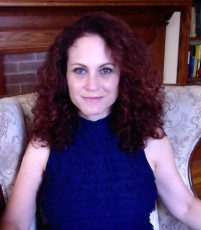
Dr. Rebecca Lester, via Washington University in St. Louis Dept of Anthropology website

Patients are being told they should not always be monitoring or surveying themselves, yet at the same time, because of the kinds of things that the insurance companies care about in order to make their decisions, patients are being constantly monitored and evaluated. There is a constant, pervasive insecurity that pervades that clinic where you do not know from one day to the next if someone is going to be deemed “sick enough” to still need care, “too sick” to remain there, “invested enough” in her recovery, or “invested too much in her recovery” and thus deemed as manipulative. It is this constant uncertainty and people trying to make themselves into appropriate patients just so that they can get care.

This does not address the underlying issues that are going on. So this scrutiny affects them a lot, especially when clients want treatment, doctors say they need treatment, but insurance companies say “No.” There are even discussions among the clinicians, expressing that “if only she were cutting, because then we could get her treatments.”

Further, the patients may not even be able to deal with some of the underlying things that possibly got them to the eating disorder because they are so busy dealing with the feelings around not being worthy of getting treatment. If the insurance companies deny them, they cannot get treatment. There is a case I discuss in the book of a 14 year-old teenager who was struggling with anorexia in the clinic. Her weight had gone up a bit during the two or three weeks she was admitted and making progress. But then her insurance ran out, and the family did not have the financial resources to afford the $1,200 a day price tag. Their only option was to get the teenager into a research study going on at a local university where a randomly assigned treatment group would get free therapy. The problem was that she had gained too much weight for the regulations of the study, forcing the clinic staff to put her on a diet at the treatment center in order to get her down in weight enough so that she could get free treatment. That was the only option besides merely discharging her with no support.

Kozelka: What do you think the study of self brings to anthropology as a whole?

Dr. Lester: It’s absolutely critical. The self as a general category is about why people do what they do. We cannot understand why, or effectively theorize about why, unless we are willing to engage with questions about parts of experience that we cannot directly observe. We have to be open and flexible enough to understand different ways that different groups of people comprehend the components of what makes up a person, how to understand motivation, or whatever we want to call why people do things. It is imperative if we, as a field, want to have something useful to say.


The interview with Dr. Lester continues, and concludes with a question and answer session with listeners who were virtually tuned in during the live recording of the interview. The full audio interview recording is available here.


Dr. Rebecca Lester is an Associate Professor of Sociocultural Anthropology at Washington University in St. Louis, and a practicing clinical social worker. Her interests include how individuals experience existential distress, and how this distress manifests as psychiatric symptoms, religious angst, somatic pain, and other culturally informed bodily conditions.  Specifically, she considers how bodily practices deemed “deviant,” “extreme,” or “pathological” – and local responses to such practices – make visible competing cultural logics of acceptable moral personhood. Along with her many publications and previous book, Jesus in our Wombs: Embodying Modernity in a Mexican Convent (2005) from the University of California Press, Dr. Lester is also the founder, Executive Director, and a psychotherapist of the non-profit Foundation for Applied Psychiatric Anthropology.

Ellen Kozelka is a graduate student at University of California, San Diego.

In the News: “Life After the Storm” and the Psychological Impacts of Hurricane Survivorship

In our In the News post this week, we are discussing the lasting psychological impacts people face after surviving a large natural disaster event, such as the string of recent hurricanes battering the United States and the Caribbean. Building from a recent New York Times article by Benedict Carey entitled Life After the Storm: Children Who Survived Katrina Offer Lessons, available here, this post discusses how lasting damage from natural disasters can be much more than physical and economic.


September 2017. Benedict begins his article by sharing the story of Craig Jones, now 22 years old, who was in fifth grade when Hurricane Katrina in 2005 devastated his neighborhood of Pigeon Town in New Orleans. After spending years on the move, living between hotel rooms, Jones returned to New Orleans in his late teens. He remembers that “home” was not the same place he had left, and his “homesickness” became troubling anxiety and seemingly random panic attacks.

Lacey Lawrence, 22, at work in New Orleans. She escaped the floods of Hurricane Katrina on an air mattress. Now she teaches children coping skills. Credit: Annie Flanagan for The New York Times

Another survivor, Lacey Lawrence, now 22, escaped the water of Hurricane Katrina on an air mattress. Lawrence recalls the experience of seeing police officers pushing away floating bodies with oars, missing and uncle who presumably drowned, and wondering where a young cousin disappeared to for several hours. Later, at a new school, Lawrence was ill-equipped to deal with her experience. “I was getting into fights; real fights, violent ones. That was something I never did before, ever. But you lose everything and you don’t know how to deal with it – no one prepares you for that” (Benedict 2017).

Studying the psychological impacts from previous hurricanes may offer hints of what may be to come for those who have survived Hurricane Harvey, Irma, and most recently, Maria. Mental health providers and social scientists are acutely aware of the unpredictable traumatic consequences which can emanate from surviving natural disasters. Yet the impacts of surviving a hurricane may be unique.

Benedict (2017) writes, “Unlike an earthquake or a fire, flooding from a storm like Katrina or Harvey leaves many houses and buildings still physically standing but uninhabitable, simultaneously familiar and strange, like a loved one sinking into dementia.”

In a series of publications from the Stress & Development Laboratory at the University of Washington, the research teams concluded that the prevalence of “serious emotional disturbance” (SED) in young adults after exposure to Hurricane Katrina remained significantly elevated several years after their experience of the storm (McLaughlin et al. 2010). The prevalence of SED among young adults who experienced Hurricane Katrina was considerably greater than the pre-hurricane prevalence. According to a 2010 study, approximately 8% of youths were estimated to have SED that is directly attributable to their experience of the hurricane. Further, the majority of adults who developed posttraumatic stress disorder (PTSD) after Katrina, including delayed onset PTSD, did not recover within 18-27 months (McLaughlin et al. 2011).

Prior to Hurricane Katrina, the majority of the literature focuses on the prevalence of and risk for the development of mental health problems following a storm or hurricane. For example, a study of the presence of PTSD symptoms after Hurricane Mitch in 1998 in a low-income area of Nicaragua found that the occurrence of PTSD in the areas with the least damage was 4.5%, while the most damaged areas was 9% (Davis, Tarcza, and Munson 2009). Variables such as low social support, prior exposure to traumas, and poor health status were found to be universally predictive of psychopathology symptoms (Davis, Tarcza, and Munson 2009).

A 2005 study by Fried, Domino, and Shadle looked at the use of mental health services after Hurricane Floyd in 1999 and found that visits to psychologists, licensed clinical social workers, and physicians for mental health reasons were higher in affected areas after the hurricane. However, inpatient admissions and the money spent on anti-anxiety medications decreased, indicating that there were likely problems with service delivery for those that did seek help (Davis, Tarcza, and Munson 2009).

Flooded homes are shown near Lake Houston on Aug. 30 after Hurricane Harvey hit the Houston area.
Photo from NPR: Win McNamee/Getty Images

In the aftermath of Hurricane Harvey, Texas officials were “scrambling to coordinate mental health support” and the state’s psychology board issued temporary practice licenses for out-of-state therapists (Benedict 2017).

In a recent CNN article, Jesse Cougle, an associate professor of psychology at Florida State University, said that the people who stared and witnessed the destruction of Hurricane Irma will likely experience worse mental health problems than those who evacuated (Scutti 2017).

Chief of emergency mental health and traumatic stress services branch at the Substance Abuse and Mental Health Services Administration, Capt. Maryann Robinson, stated that “when you go home and now you are actually faced with what has happened — the devastation that has occurred in your home — it really does re-traumatize the individual” (Scutti 2017).

Overall, anticipating the consequences for major hurricanes should encompass more than disaster preparedness schemes and evacuations routes. Multi-state collaborations

Katrina’s young survivors, now older and reflecting on their experiences, say that “overcoming the mental strain of displacement is like escaping the rising water itself – a matter of finding something to hold onto, one safe place or reliable person, each time you move” (Benedict 2017).


References Cited:

Davis T.E., Tarcza E.V., Munson M.S. (2009) The Psychological Impact of Hurricanes and Storms on Adults. In: Cherry K. (eds) Lifespan Perspectives on Natural Disasters. Springer, New York, NY. Pp. 97-112. (Available here: http://stressdevelopmentlab.org/publications)

McLaughlin, K. A., Berglund, P., Gruber, M. J., Kessler, R. C., Sampson, N. A., & Zaslavsky, A. M. (2011). Recovery from PTSD following Hurricane Katrina. Depression and anxiety, 28(6):439-446. (Available here: http://stressdevelopmentlab.org/publications)

McLaughlin, K. A., Fairbank, J. A., Gruber, M. J., Jones, R. T., Osofsky, J. D., Pfefferbaum, B., … & Kessler, R. C. (2010). Trends in serious emotional disturbance among youths exposed to Hurricane Katrina. Journal of the American Academy of Child & Adolescent Psychiatry, 49(10):990-1000. (Available here: http://stressdevelopmentlab.org/publications)

Carey, Benedict. (September 8, 2017) Life After the Storm: Children Who Survived Katrina Offer Lessons. The New York Times. Available here: https://www.nytimes.com/2017/09/08/health/katrina-harvey-children.html?rref=collection%2Fsectioncollection%2Fhealth&_r=0

Scutti, Susan. (September 20, 2017) Resilience, suffering and silver liniings after a disaster. CNN. Available here: http://www.cnn.com/2017/09/19/health/psychological-aftermath-hurricanes-harvey-irma/index.html


Further Reading:

Davis III, Thompson, Amie Grills-Taquechel, and Thomas Ollendick. (2010) The Psychological Impact From Hurricane Katrina: Effects of Displacement and Trauma Exposure on University Students. Behav Ther 41(3):340-349.

Domonoske, Camila. (September 26, 2017) Long After The Hurricanes Have Passes, Hard Work – And Hazards – Remain. NPR. Available here: http://www.npr.org/sections/thetwo-way/2017/09/26/552063244/long-after-the-hurricanes-have-passed-hard-work-and-hazards-remain

Fothergill, Alice, and Lori Peek (2015) Children of Katrina. Austin: University of Texas Press. Available here https://utpress.utexas.edu/books/fothergill-peek-children-of-katrina

McLaughlin, K.A., Fairbanks, J.A., Gruber, M., Jones, R.T., Pfefferbaum, B., Sampson, N., & Kessler, R.C. (2009). Serious emotional disturbance among youth exposed to Hurricane Katrina two years post-disaster. Journal of the American Academy of Child and Adolescent Psychiatry, 48:1069-1078. (Available here: http://stressdevelopmentlab.org/publications)

Shear, M. K., McLaughlin, K. A., Ghesquiere, A., Gruber, M. J., Sampson, N. A., & Kessler, R. C. (2011). Complicated grief associated with Hurricane Katrina. Depression and Anxiety, 28(8):648-657. (Available here: http://stressdevelopmentlab.org/publications)

From the Archive: “On the Social Constructionist Approach to Traumatized Selves in Post-disaster Settings: State-Induced Violence in Nandigram, India”

This week we are highlighting an article from September 2015 (Vol. 39, Issue 3) entitled On the Social Constructionist Approach to Traumatized Selves in Post-disaster Settings: State-Induced Violence in Nandigram, India by Kumar Ravi Priya. The article discusses how a social-constructionist analysis into exploring how the continuity of self-hood is threatened or altered within socio-political and cultural contexts generates the experiences of suffering and healing. Through an ethnographic study conducted among the survivors of political violence in Nandigram, India, Dr. Priya aims to study the experiences of suffering and healing among the traumatized selves.

Priya states that the distressing experiences of survivors are understood in psychology and psychiatry principally as the behavioral symptoms resulting from an “incomplete emotional and cognitive processing of traumatic events.” With such an exclusive focus on the intra-psychic processes, trauma-related distress associated with the cultural interpretation of loss is largely ignored. Through an ethnographic study among the poor farmers of Nandigram, India, subjected to violence from the state government as it tried to forcibly acquire their land, Priya discusses the utility of the social constructionist paradigm in understanding the survivors’ experiences of suffering and healing within the cultural and sociopolitical context of violence.

Multidisciplinary approaches to subjective experiences of trauma state that a complete focus on posttraumatic stress disorder (PTSD) may be ontologically irrelevant in cultures that do not value the notions of an individualistic self. Priya states that unlike the positivist tradition of research within mainstream psychology and psychiatry, the social-constructionist paradigm opens up the scope for psychological understanding of human experiences in their sociocultural and historical contexts. Alternative conceptualizations of the psychological impact of trauma must incorporate the cultural notions of self and how its coherence is threatened and re-negotiated amidst the traumatic events and their sociopolitical consequences.

For Priya, people can suffer from what they have lost of themselves in relation to the world of objects, events, and relationships. Such suffering occurs because an intactness of person, a coherence and integrity, comes not only from intactness of the body, but also from the wholeness of the web of relationships with self and others. The wholeness that a person experiences may be threatened if they not able to uphold the culturally valued aspects of self-definition. Yet it is the social world, even when mutilated in war or violent events, that holds the key to recovery or healing. Healing can be described as the process of restoring the experience of wholeness by reformulating aspects of person in a new way.

Priya uses themes of suffering and healing to highlight how the traumatized selves experience intense distress resulting from disruptions to a sense of wholeness. Yet this wholeness may also be reformulated through culturally valued beliefs. Themes include “experience of PTSD symptoms,” “betrayed self,” “overwhelmed by loss,” “biographical disruption,” “moral reaffirmation,” “sense of togetherness,” and “sense of security due to change in political environment.”

Aman, a 36-year-old man who worked as a daily-wage laborer, lost his teenage son in an attack on a political demonstration he was participating in. Aman’s account often reflected his distress due to sorrow and grief, as well as his inability to comfort his inconsolable wife. “At 12 midnight or 1 a.m., I am reminded of my [deceased] child, I start crying. I do not know when I fall asleep while crying.”

In the case of Aman, such an experience of loss of relationship may have an overpowering or overwhelming impact. This impact may render the past and immediate future difficult to be comprehended by the survivors. In Priya’s analysis, despite being overwhelmed, Aman also shared a sense of fulfilment over the martyrdom of his son. He also shared a new enabling meaning in life through culturally valued beliefs of taking care of one’s family.

For Priya, a social-constructionist analysis into exploring how trauma in post-disaster settings affects the continuity of selfhood goes beyond the traditional psychological PTSD diagnosis and generates the experiences of suffering and healing.

Books for Review: Vol 41, Issue 2

In our June 2017 issue, we received these two books for review at Culture, Medicine, and Psychiatry. These previews provide a snapshot of recent publications in medical anthropology, global health, and the history of medicine that we’re excited to discuss in our journal and with our followers on social media.


Living Faithfully in an Unjust World: Compassionate Care in Russia (2016)

Melissa L. Caldwell

In this book, Caldwell asks, “What does it mean to be a compassionate, caring person in Russia, which has become a country of stark income inequalities and political restrictions? How might ethics and practices of kindness constitute a mode of civic participation in which “doing good”—helping, caring for, and loving one another in a world marked by many problems and few easy solutions—is a necessary part of being an active citizen?”

Living Faithfully in an Unjust World explores how, following the retreat of the Russian state from social welfare services, Russians’ efforts to “do the right thing” for their communities have forged new modes of social justice and civic engagement. Through vivid ethnography based on twenty years of research within a thriving Moscow-based network of religious and secular charitable service providers, Caldwell examines how community members care for a broad range of Russia’s population, in Moscow and beyond, through programs that range from basic health services to human rights advocacy.

As the experiences of assistance workers, government officials, recipients, and supporters reveal, their work and beliefs are shaped by a practical philosophy of goodness and kindness. Despite the hardships these individuals witness on a regular basis, there is a pervasive sense of optimism that human kindness will prevail over poverty, injury, and injustice. Ultimately, what connects members of this diverse group is a shared belief that caring for others is not simply a practical matter or an idealistic vision but a project of faith and hope. Together care-seekers and care-givers destabilize and remake the meaning of “faith” and “faith-based” by putting into practice a vision of humanitarianism that transcends the boundaries between state and private, religious and secular.

For more information, visit the University of California Press website, available here.


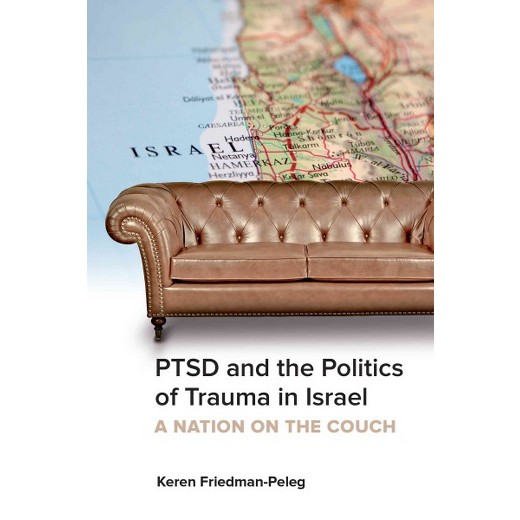
PTSD and the Politics of Trauma in Israel: A Nation on the Couch (2017)

Keren Friedman-Peleg

Post-Traumatic Stress Disorder, or PTSD, has long been defined as a mental trauma that solely affects the individual. However, against the backdrop of contemporary Israel, what role do families, health experts, donors, and the national community at large play in interpreting and responding to this individualized trauma?

In PTSD and the Politics of Trauma in Israel, Friedman-Peleg sheds light on a new way of speaking about mental vulnerability and national belonging in contemporary Israel. Based on ethnographic fieldwork conducted at The Israel Center for Victims of Terror and War and The Israel Trauma Coalition between 2004 and 2009, Friedman-Peleg’s rich ethnographic study challenges the traditional and limited definitions of trauma. In doing so, she exposes how these clinical definitions have been transformed into new categories of identity, thereby raising new dynamics of power, as well as new forms of dialogue.

Chapters include:

  1. Birth of Agencies, Birth of an Interpretative Framework
  2. Trauma and Capital: Bearers of Knowledge, Keepers of Cashboxes
  3. Trauma and the Camera: Labeling Stress, Marketing the Fear
  4. They Shoot, Cry and Are Treated: The “Clinical Nucleus” of Trauma among IDF Soldiers
  5. Woman, Man and Disorder: Trauma in the Intimate Sphere of the Family
  6. Wandering PTSD: Ethnic Diversity and At-Risk Groups across the Country
  7. Taking Hold: Resilience Program in the Southern Town of Sderot
  8. Treading Cautiously around Sensitive Clinical and Political Domains

For more information, visit the University of Toronto Press website, available here.

Book Release: “Fat Planet: Obesity, Culture, and Symbolic Body Capital”

This week we are highlighting a recent book release from the University of New Mexico Press entitled Fat Planet: Obesity, Culture, and Symbolic Body Capital (2017), edited by Eileen Anderson-Fye and Alexandra Brewis. As a reminder, in June the CMP blog will be switching to our bi-weekly summer schedule.

Photo via UNM Press

The average size of human bodies all over the world has been steadily rising over recent decades. The total count of people clinically labeled “obese” is now at least three times what it was in 1980. Around the world, governments and other organizations are deploying urgent anti-obesity initiatives. However, one unintended consequence of these efforts to tackle the “obesity epidemic” has been the increasing stigmatization of “fat” people. This rapid proliferation of fat stigma has profound implications for both human suffering and disease. Fat Planet represents a collaborative effort to consider at a global scale what fat stigma is and what it does to people.

Making use of an array of social science perspectives applied in multiple settings, the authors examine the interplay of weight, wealth, history, culture, and meaning to fat and its social rejection. They explore the notion of symbolic body capital — the power of non-fat bodies to do what people need or want. They also investigate how fat stigma relates to other forms of bias and intolerance, such as sexism and racism. In so doing, they illustrate the complex and quickly shifting dynamics in thinking about fat — often considered deeply personal yet powerfully influenced by and influential upon the broader world in which we live. They reveal the profoundly nuanced ways in which people and societies not only tolerate, but even sometimes embrace, new forms of stigma in an increasingly globalized planet.

Chapters include:

  • Making Sense of the New Global Body Norms. Alexandra Brewis
  • From Thin to Fat and Back Again: A Dual Process Model of the Big Body Mass Reversal. Daniel J. Hruschka
  • Managing Body Capital in the Fields of Labor, Sex, and Health. Alexander Edmonds and Ashley Mears
  • Fat and Too Fat: Risk and Protection for Obesity Stigma in Three Countries. Eileen P. Anderson-Fye, Stephanie M. McClure, Maureen Floriano, Arundhati Bharati, Yunzhu Chen, and Caryl James
  • Excess Gaines and Losses: Maternal Obesity, Infant Mortality, and the Biopolitics of Blame. Monica J. Casper
  • Symbolic Body Capitol of an “Other” Kind: African American Females as a Bracketed Subunit in Female Body Valuation. Stephanie M. McClure
  • Fat Is a Linguistic Issue: Discursive Negotiation of Power, Identity, and the Gendered Body among Youth. Nicole L. Taylor
  • Body Size, Social Standing, and Weight Management: The View from Fiji. Anne E. Becker
  • Glocalizing Beauty: Weight and Body Image in the New Middle East. Sarah Trainer
  • Fat Matters: Capitol, Markets, and Morality. Rebecca J. Lester and Eileen Anderson-Fye

For more information, visit the University of New Mexico Press website, available here.


Dr. Eileen Anderson-Fye is a medical and psychological anthropologist, and the founding director of the Medicine, Society, and Culture (MSC) Master’s Degree track in Bioethics at Case Western Reserve University School of Medicine. Drawn to interdisciplinary study as an undergraduate, Dr. Anderson-Fye developed the MSC degree track for students to explore how factors beyond biomedical science contribute to health and wellness. Social and cultural constructs, historical and rhetorical influences, literature, and philosophy all shape perceptions of health, illness, and recovery, which in turn affect choices, beliefs, and behaviors. Those who appreciate this complex and multi-layered interplay will be able to play pivotal roles in enhancing how care is delivered – and the outcomes it yields.

Dr. Anderson-Fye’s perspective on these issues has been informed by extensive research on the mental health and well-being of adolescents and young adults in contexts of socio-cultural change. Her most enduring project is an ongoing longitudinal study of how subjective perceptions of current and future well-being allowed the first mass-educated cohort of Belizean schoolgirls to overcome severe threats to their mental and physical health. More recently, she led a team’s study of the psychiatric medication experiences of undergraduates at North American university campuses, where a mix of quantitative and qualitative methods revealed stark differences between reported and actual usage. Dr. Anderson-Fye is writing a book about the findings and their implications; it is tentatively titled, Young, Educated and Medicated. Dr. Anderson-Fye has an A.B. From Brown University in American Civilization.  She earned her M.Ed. and Ed.D. in Human Development and Psychology from Harvard University. Her training has included work at Harvard Medical School in the Department of Social Medicine and Massachusetts General Hospital, and postdoctoral fellowships in Interdisciplinary Studies of Culture and Neuroscience and Culture, Brain and Development at the Semel Institute for Neuroscience in the David Geffen School of Medicine at UCLA.

Dr. Alexandra Brewis is a President’s Professor and Distinguished Sustainability Scientist at Arizona State University, where she also co-leads the translational Mayo Clinic-ASU Obesity Solutions initiative and serves as the associate vice president of Social Sciences. Her research interests includes how and why effective obesity solutions are undermined by weight stigma, damaging and distressing for millions of people and is rapidly spreading globally.

Dr. Brewis has a PhD in Anthropology from University of Arizona and was an Andrew W. Mellon Foundation postdoctoral fellow in anthropological demography at the Population Studies and Training Center at Brown University. Before joining ASU, she taught at the University of Auckland in New Zealand and University of Georgia. At ASU, Dr. Brewis served as Director of the School of Human Evolution and Social Change from 2009-2017.

Article Highlight: Vol. 41, Issue 1, “‘I Don’t Have Time for an Emotional Life’: Marginalization, Dependency and Melancholic Suspension in Disability”

This week on the blog we are highlighting Brian Watermeyer’s article “I Don’t Have Time for an Emotional Life”: Marginalization, Dependency and Melancholic Suspension in Disability. Watermeyer provides an introduction to key aspects of the social and economic marginalization of the disability minority experienced globally. He then explores and compares the complex debates surrounding materialist and psychological approaches and accounts of racism and disablism, particularly with reference to the place of grief and loss in disability discourse. Finally, Watermeyer considers how Cheng’s engagement with racial melancholia may help illuminate how disability inequality, like that of race, may remain a stubborn reality.

Watermeyer begins by discussing some theoretical orientations of social inequality. In the discipline of disability studies, it is a historical materialist (Marxian) approach which has dominated, with particular attention to psychological aspects of disability oppression. Disablism can be defined as discrimination based on physical, sensory, cognitive, or psychiatric impairment. Combined with critical and liberatory theory of racial inequalities, Watermeyer states it is reasonable to assume that living in the face of discrimination and marginalization will create feelings of grief, withdrawal, and suffering, as harms are sustained at both the physical and psychological levels.

In her book, The Melancholy of Race: Psychoanalysis, Assimilation and Hidden Grief, Ann Cheng (2000) presents a psychological model of racial inequality with loss at its center. For Cheng, racial inequality persists within the United States because it forbids grief. The larger, societal demand for every individual to strive for an ideal cultural whiteness continually pulls individuals away from an emotional center, creating ambivalence, a lack of self-empathy, and distortions of ideology.

Building off of Cheng’s argument, Watermeyer discusses the shared characteristics of racism and disablism. Prejudice and stigma are the ever-present companions of structural inequalities for both forms of disparity. Disabled people, especially those in low income countries, are the most vulnerable of the vulnerable, as most societies are designed with only the needs of the non-disabled majority in mind. There are formidable barriers to housing, transportation, and freedom of movement, as well as exclusion or segregation in education and other public accommodations.

Additionally, Watermeyer states the cultural embeddedness of making sense of disability via a “medical model” has reinforced the marginal position of disabled people. In this institutional view, social disadvantage is understood as a simple consequence of bodily difference or dysfunction, portraying disabled people as “damaged invalids” who are unable to contribute in community life. This view negates any consideration of discrimination’s role in inequality.

While the historical materialist view recognizes the role of biomedicine in justifying the marginalization of disabled people, it is the quantifiable, visible reality of exclusion from the workplace, and other “barriers to participation,” as its primary focus. Yet Watermeyer recognizes the analysis of oppression should not just be in the public, institutional spheres, but should also include private domains. Social exhaustion and scarcity have a psychological component, and it is important to understand the ways in which ongoing assaults on identity limit the imaging of different social organization.

For Watermeyer, there are several problems with describing feelings of damage and tragedy as arising from both congenital and adventitious impairment, with little or no attention to structural or contextual factors. This viewpoint positions impairment of the body as the central disadvantage faced by disabled people, ignoring injustices such as discrimination and rejection. Further, attaching narratives of tragedy to disabled people has been loudly rejected by the international disability movement. According to Kleinman, Das, and Lock (1997), if there is loss or grief in the lives of disabled people, it has to do with social suffering, not bodily “flaws.”

While discussing oppression and melancholia, Watermeyer describes an encounter with “J,” a male psychotherapy client living with tetraplegia (paralysis of the lower limbs and partial paralysis of the upper). A South African man in his mid-twenties, J lived a life of profound structural exclusion, unemployment, physical dependency, a poor social network, and imprisonment in his mother’s residence by poverty and poor public transportation. In his limited engagements with the world, indications that he was “broken” were commonplace.

When questioned about his emotional experience of these circumstances, J’s reply was, “I don’t have time for an emotional life.” At the subjective level, being trapped in an immovable system of structural exclusion meant being equally controlled by an “emotional economy,” with its own rules on what could be felt, loved, hated, or hoped for. In J’s life, these constraints appeared to limit emotional freedom as definitively as unreachable buses limited his movement. Emotional care, guilt, and limited space were the constant followers of his physical dependency, transferring feelings of sadness, frustration, or rage to unconsciousness. Simply, “not having time for an emotional life” meant not having the resources to overcome prohibitions on feelings and expressions of grief.

Melancholic systems deal with difference by maintaining existing racialized and discriminatory structures. This disjuncture produces a detrimental position involving both alienation from one’s emotional self, and experiences in the social world which repeatedly point to one’s failure to assume the ideals which secure real belonging. Watermeyer states that dominant culture presents disabled people with a paradox: while reaffirming the message that the disabled figure is dismal and broken, the world demands that he or she not grieve, as this would be a submission to the passivity, pessimism, and invalid status that pervade the disabled stereotype. As in the case of race, the ruling is “prove to me that you are not what I know you to be.”

Watermeyer’s perspective reframes lives of disabled people as basic to the universal human condition. The stereotype which attaches loss simplistically to impairment is rejected, and replaced by a more nuanced picture of struggle relating to discrimination, structural exclusion, pain, fatigue, and the host of everyday miseries that punctuate any human life.


References Cited:

Cheng, Ann A. (2000) The Melancholy of Race: Psychoanalysis, Assimilation, and Hidden Grief. Berkley: Oxford University Press.

Kleinman, A., V. Das, and M. Lock. (1997) Social Suffering. Berkeley: University of California Press.

Article Highlight: Vol. 41, Issue 1, “‘Hunger Hurts, but Starving Works.’ The Moral Conversion to Eating Disorders”

This week we’re highlighting Gisella Orsini’s “Hunger Hurts, but Starving Works.” The Moral Conversion to Eating Disorders article. Orsini suggests that eating disorders are the result of moral self-transformative processes. Women in Malta and Italy with anorexia, bulimia, and binge eating disorders are thus actively and deliberately engaged with cultural moral values embodied in thinness and the control of bodily needs and pleasure. Thus, the more control over hunger, the higher the level of satisfaction and the degree of moral conversion achieved.

Orsini begins by discussing the history of eating disorders within the Diagnostic and Statistical Manual of Mental Disorders (DSM), highlighting that the explanations of onset, classification, and treatment has often been, and to a large extent remains, unclear. Yet before the medical category of “eating disorders,” behaviors which would now be considered symptoms of pathology had different meanings, often characterized as holy behavior or as a wonder of nature. Medieval European nuns often adopted strict starvation practices in order to reach unity with Christ. Pre-Victorian and Victorian era “fasting women” were admired by the rest of society and were considered curiosities by scientists and doctors. Orsini narrows the modern gap between the biomedical construction of illness and the self-perception of patients through an understanding of the narratives of people with eating disorders and framing it as a process of self-transformation.

Between 2012 and 2014, Orsini conducted comparative qualitative research in Malta and Italy. Even though the prevalence of eating disorders was relatively similar between the two countries, the social reactions to eating disorders were markedly different. The Italian government considers eating disorders to be a “social epidemic, which leads to serious problems in terms of public health.” Malta, by contrast, has almost no concern with eating disorders at the public level as well as a lack of public and private treatment institutions. Both countries aligned with the international trend of eating disorders being mostly female.

In framing eating disorders as a moral conversion, on the basis of the interview narratives she collected, Orsini suggests that eating disorders could be considered as the body becoming a physical symbol of an attempt to redefine their lives. Yet the biomedical approach views the behavior of people with an eating disorder as stemming from a mental condition. Orsini states, “anorexics, bulimics and binge eaters actively and deliberately adopt behaviors in relation to food and their own bodies in order to morally improve themselves.” All of Orsini’s participants sought to dominate their bodily needs in order to improve themselves morally. Furthermore, all recalled negative moral feelings, such as guilt and shame, when their behavior was not in line with their moral values of purity and control. In this way, moral values became moral imperatives.

Yet not all people with eating disorders reacted to their diagnosis’ pathologization in the same way. Anorexics tended to be the most resistant to their newly achieved satisfactory personhood with illness. Bulimics and people with binge eating disorder, on the other hand, tended to experience relief at being labeled “ill,” identifying more with their condition as a disorder rather than a moral conversation.

Orsini states that although the main objective of people with eating disorders is thinness, this thinness is simply the end result of several behaviors that aim to ameliorate one’s self in highly moral terms. The process of a moral conversion requires an individual to adopt views, attitudes, or patterns of behavior that are generally thought of as morally better than their previous views. Orsini then further divides the three discussed eating disorders into levels of conversion: achieved moral conversion for anorexia nervosa, attempting moral conversion for bulimia nervosa, and rejecting moral conversion for binge eating disorder.

In the case of anorexia nervosa, Orsini presents the circumstances of Elisa, a 28-year-old woman in residential treatment in Italy. Elisa’s narrative of transforming her body from being “sinful and dirty,” to a “pure and sinless body” through her anorexia is an example of an achieved moral conversion. Yet she was forced to abandon her new perspectives and values in order to live. Elisa had to decide if the costs of her anorexic beliefs justified the benefits, leading to a painful moral choice.

For bulimia nervosa, Orsini discusses that people who are diagnosed with bulimia after having had a history with anorexia can be said to have lost the ability to practice the core values associated with anorexia, even though they still consider such values (such as controlling hunger and thinness) to be core values in their lives. Orsini’s participants who were not diagnosed previously with anorexia often spoke of their daily frustrating struggle to control their hunger; while they are unable to totally control their eating, the compensatory behavior of self-induced vomiting, laxative use, or over-exercising was still an attempt at thinness. This continuous attempt to control their hunger, followed by “repairing the damage caused by their moments of weakness,” is an example of how they are attempting moral conversion.

Finally, for Orsini, binge eating disorder is seen as a case of rejecting moral conversion. While the people in Orsini’s research diagnosed with binge eating disorder still described thinness and control over food as a core value in their lives, unlike the anorexics and bulimics, people with binge eating disorder did not believe they deserved to ameliorate themselves. Their self-transformative process can be understood as a form of self-punishment as well as a statement of their perceived failure in being the person they want to be.

Michelle, a 34-year-old Maltese woman, spoke of her body as a sign of failure after gaining a significant amount of weight during and after pregnancy. Orsini states Michelle never referred to her body in aesthetic terms, such as “ugly,” but instead as a mark of her inabilities and moral dissatisfaction. She states, “If I was slimmer, if I am slimmer, I would be a better person” (p. 134). For Michelle, bingeing was a manifestation of her moral failures.

In conclusion, Orsini reiterates that only viewing people with eating disorders as having a physiological or psychological dysfunction underestimates the active role their conditions and cultural meanings of their behaviors. Through her analysis of the narratives of people with an eating disorder in Malta and Italy, she reveals how anorexics, bulimics, and binge eaters deliberately engage in a number of practices aimed at losing weight in order to improve themselves in moral terms. Their actions are further divided into an unofficial moral hierarchy, wherein anorexics embody an ideal moral-selfhood.

Message from the Society for Applied Anthropology 2017 Annual Meeting

sfaa-2

“Like the roads to Rome, all trails lead to Santa Fe” (Ruth Laughlin, Caballeros, 1931)

The Culture, Medicine & Psychiatry editorial team sends our greetings this week from the Society for Applied Anthropology 2017 Annual Meeting in Santa Fe, New Mexico. This year’s meeting will be held March 28th – April 1st, with session listings and other helpful information available here. We hope all of our readers attending the conference have safe travels to– and many productive conversations at– this year’s meeting.

This year’s theme is “Trails, Traditions, and New Directions,” embracing the Santa Fe location as a place steeped in centuries of traditions, where Native histories reach back 10,000 years and follow paths through time and across geographical space. Metaphorically, this theme highlights the importance of understanding the history and intended destination of those “theoretical trails” that we follow when engaging our community partners, methodology, and active interpretations. Presentations that approach current issues from a historical perspective—including health disparities, energy and climate change, interpreting culture—or any of our broad concerns are encouraged, as is work that critically examines the motivations that have guided social science research and practice in the past.

Highlights from this conference will be featured on the blog next week.

Best wishes,

The CMP Editorial Team

Article Highlight: Vol. 41, Issue 1, “Innocent or Intentional?: Interpreting Oppositional Defiant Disorder in a Preschool Mental Health Clinic”

To begin article highlights from our latest edition of Culture, Medicine, and Psychiatry (Vol. 41, Iss. 1), this week we are featuring Christine El Ouardani’s Innocent or Intentional?: Interpreting Oppositional Defiant Disorder in a Preschool Mental Health Clinic. This article examines contradictions clinicians face when attempting to identify and interpret “intentionality” in young children with oppositional defiant disorder (ODD). El Ouardani argues that conceptualizing intentionality as a developmental, interpersonal process may help to make sense of the multiple discourses and practices clinicians use to try to reconcile the contradictions inherent in diagnosing ODD.

El Ouardani begins by introducing “Carla,” a three-year-old who arrived for evaluation and clinical diagnostic determination at the Preschool Behavior Disorder Clinic (PBDC). At first Carla appears as any typical preschooler, energetic and affectionate, but the care team quickly learns she would frequently have violent outbursts and tantrums, lashing out at her family members, other children, or even nearby animals. This type of aggressive, disruptive behavior represents the main reason for the referral of preschoolers to mental health clinics. Early intervention into and treatment of such behaviors is thus of great interest to researchers and clinicians in the field of child mental health care in hopes of helping the young children adapt and cope with life more effectively and prevent the development of later, more destructive behaviors.

El Ouardani discusses that many of the children seen in the PBDC were given a diagnosis of oppositional defiant disorder (ODD), defined in the Diagnostic and Statistical Manual IV (DSM-IV) as “a recurrent pattern of negativistic, defiant, disobedient, and hostile behavior toward authority figures that persists for at least 6 months” that impairs a child’s social and/or academic functioning. Yet with very young, preschool-aged children, the diagnosis is controversial. Many children displaying aggressive behavior come from chaotic or otherwise problematic social environments in which this kind of behavior is a reasonable reaction. El Ouardani states that clinicians “must reconcile their characterization of disruptive behavior as a matter of ‘self,’ with the social environments that seem to be producing this kind of behavior.” El Ouardani also draws attention to the values and assumptions of current treatment models and diagnostic procedures. These modules are often based on white, middle-class norms of a “proper” family, moral assumptions of how parents should discipline their children, and the assumed role of a child in social institutions. Many patients at the PBDC did not fall into those characterizations; the reality of their lives are much different.

Moving to a discussion of agency and intentionality, El Ouardani then examines the biomedical, disease model of mental illness, which attempts to remove the blame for the illness from the individual. “Ideologically, then, those afflicted with mental disorders bear no responsibility for the behaviors that directly result from their disorders,” El Ouardani writes, since the biological processes of mental illness are taken out of the patient’s control. Thus, ODD as a category defined by “intentional” defiance conflicts with the disease model of mental illness. “A central concern of psychiatric therapeutics is to motivate and use the intentionality of a patient to regain control over the self.” Yet the idea that preschool-aged children are fully capable of acting with this type of intention, and possess the capacity to do so, is disputed. Therefore clinicians diagnosing a young child with ODD are forced to face the disparities between what is out of the child’s control, and what is the “will” of the child.

While discussing the diagnostic criteria for ODD as described in the DSM-IV, El Ouardani emphasizes the criteria for an ODD diagnosis requires the child to be aware of his or her own behavior and is purposely trying to upset or defy the person with whom they are interacting. From this criteria, ODD-labeled children are manipulative and spiteful, qualities that require a degree of intentional malice and deception. These characteristics are not thought to be present in other kinds of childhood mental disorders, such as depression, anxiety, neurodevelopmental disorders, and attention-deficit hyperactivity disorder (ADHD). Clinicians also attribute ODD children with controlling their behavior to influence “weaker” adults, depicting these children as culpable and intentional in their attempts to “confuse and subvert the efforts of their caretakers who are trying to control their behavior.”

El Ouardani discuses that determining intentionality is a complex process, especially because of a child’s limited verbal capacity for expressing internal states. “In order to identify intentional defiance and diagnose ODD, clinicians had to delineate authentic displays of emotion from those that are inauthentic and manipulative.” El Ouardani explains that nuanced, intersubjective exchanges between the children and the clinicians are not captured within the DSM-IV diagnosis. Clinicians often feel frustrated when they perceive a child is trying to manipulate them. This can be compared to clinicians stating “that they feel bad for children with depressive symptoms. They theorized that disruptive behavior in depressed children is a way to cope with internal pain.” This difference means the clinicians feel less personally attacked by children without the ODD diagnosis, becoming less frustrated. Further, by diagnosing a child with multiple disorders the clinicians can discursively split the child’s “self” into different intentional and non-intentional parts. However, this leads to ODD being categorized as a feature of the individual’s character, who that child is as an individual, rather than as a biological disease.

Explanations for why a particular child’s behavior were not always attended to within the PBDC. “Clinicians tended to rely upon the widely accepted idea that behavior and psychopathology is a result of interactions between biological temperament and the social environment. According to this model of developmental psychopathology, innate temperament interacts with problematic interpersonal relationships and chaotic household environments, causing the child to react to these negative circumstances with disruptive behavior.” Yet this strategy still leaves ambiguities over etiology and treatment.

El Ouardani concludes her article with a discussion of the treatment modality. Clinicians regularly spend the majority of the treatment focused on teaching caretakers how to more effectively discipline and relate to the children. The clinicians primarily focus on a lack of consistency in discipline and structure in both interactions and routines, thus, if the caretakers correctly implement strategic routines, the child will then change their behavior over time. “However, clinicians also informally acknowledged these techniques, which took time and energy that many of the caretakers coming from stressful, low-income, single-caretaker families did not necessarily have.”


Dr. Christine El Ouardani is an Assistant Professor in the Department of Human Development at California State University, Long Beach. She is a cultural, medical, and psychological anthropologist who focuses on the anthropology of childhood and lifecourse in Morocco and in North America. El Ouardani’s current book project, Discipline and Development: Negotiating Childhood, Authority, and Violence in Rural Morocco, examines the everyday lives of children and youth in a Moroccan village as they move through their families, classrooms, and medical clinics. She analyzes disciplinary interactions between children and caretakers in their extended families and local schools that were often both violent and playful, demonstrating how local conceptions of authority, care, pain, and violence are constructed and enacted in everyday life at different points throughout childhood, and in different institutions.  El Ouardani shows how examining the nuances of child socialization practices over time and children’s roles in family and community life provides a sharp lens through which to consider larger-scale political, economic, and social change, in this case, contested norms of authority and violence in Moroccan families. For more information, visit her information page on the Department of Human Development, California State Universtity, Long Beach, available here.