Interview With Tawni L. Tidwell

The next few months we’ll be highlighting authors who have published in Culture, Medicine, and Psychiatry.
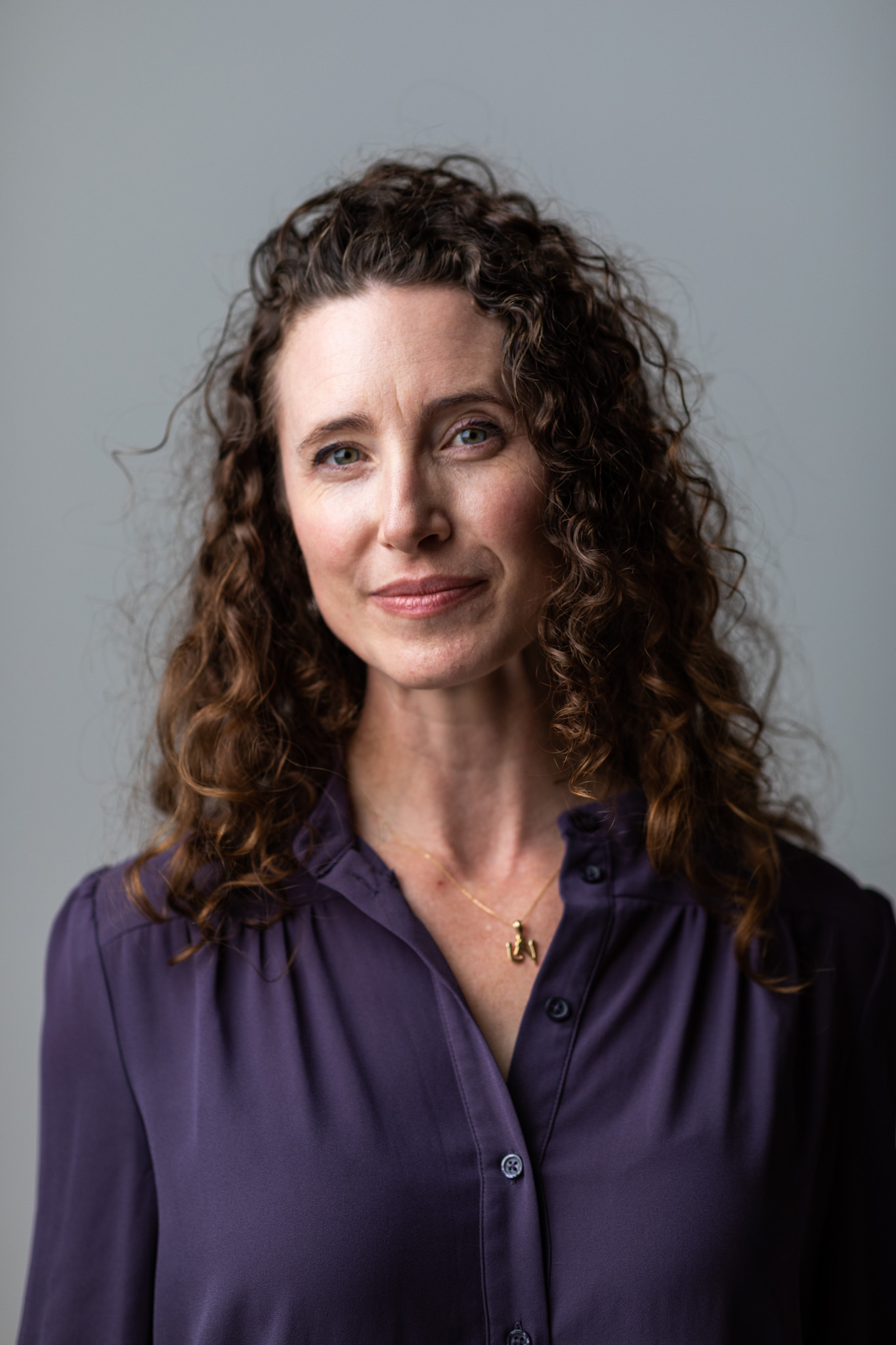
Research Assistant Professor, Center for Healthy Minds, University of Wisconsin-Madison

Tawni Tidwell is a biocultural anthropologist and Tibetan medical doctor. She has served as Project Lead for the Tukdam Study since 2020. Her research explores cultural practices for differential wellbeing and resilience, especially those cultivated over the life course from Tibetan medical and Buddhist approaches. She maintains a private clinic.

What is your article “Life in Suspension with Death: Biocultural Ontologies, Perceptual Cues, and Biomarkers for the Tibetan Tukdam Postmortem Meditative State” about?

This article presents two cases from the Tukdam Study, an international collaboration with Tibetan monastic populations in India on the post-death meditative state called tukdam. Entered by advanced Tibetan Buddhist practitioners through a variety of different practices, this state provides an ontological frame that is investigated by two distinct intellectual traditions—the Tibetan Buddhist and medical tradition on one hand and the Euroamerican biomedical and scientific tradition on the other— using their respective means of inquiry. This article explores how the two traditions enact distinct views of the body at the time of death alongside their respective conceptualizations of what constitutes life itself. It examines when the two investigative paradigms might converge, under what contexts, and through which correlating means of evidence to understand the varied physiological changes exhibited in the context of dying and their implications for conceptualizing different states of being.

Tell us a little bit about yourself and your research interests.

Tidwell’s interest in becoming an aerospace medical doctor and studying the body in extreme conditions took an unconventional path to eventually lead her to pursue Tibetan medical education in India and Tibet concurrent with doctoral training in anthropological inquiry as to how culture gets under the skin. Her current research facilitates bridges across the Euroamerican scientific tradition and the Tibetan medical tradition for illness contexts such as cancer, infectious disease and chronic inflammatory disorders along with the attendant epistemologies and ontologies related to embodiment, ecological approaches to health, body-substance dynamics in Tibetan pharmacology, and diagnostic/treatment paradigms. She investigates cultural practices over lifetime trajectories that affect mind-body outcomes derived from Buddhist contemplative and Tibetan medical approaches.

What drew you to this project?

This project is a deeply collaborative project with the Tibetan community in which we are co-developing research aims, constructs, and measures to mutually inform each intellectual tradition. With some of the most accomplished practitioners of the Tibetan Buddhist world, we have the opportunity to understand not only the life stories of these remarkable individuals but how they have used their lives to engage practices that transform their minds, bodies and experiences. We are fortunate to work with such a dedicated field team who are deeply devoted to the XIV Dalai Lama’s engagement with science and facilitating understandings of wellbeing with colleagues from the Russian Academy of Sciences and India-based National Institute for Mental Health and Neurosciences.

What are you reading, listening to, and/or watching right now? (Doesn’t have to be anthropological!)

Gül Dölen’s work on consciousness among octopus species, social cognition and critical periods. E.g., here is her interview with Being Patient, which focuses on innovative work on brain health, cognitive science, and neurodegenerative diseases.

If there was one takeaway or action point you hope people will get from your work, what would it be?

How we die speaks volumes about how we live. In this short life we share on this planet, our collective capacity to transform ourselves, our communities and our global condition is emphasized through the extraordinary exemplars and intrepid cultural practices of many from whom we still have opportunities to learn.

Other places to connect:

Twitter: @Tawni Tidwell

Instagram: tawnitidwell

LinkedIn

Interview with Simon van der Weele

The next few months we’ll be highlighting authors who have published in Culture, Medicine, and Psychiatry.

Assistant professor, University of Humanistic Studies, Utrecht, the Netherlands

Simon van der Weele is a moral philosopher and ethnographer. He tries to make sense of ethical life by combining philosophical and social-scientific methods and frameworks. His research engages with care and caring, particularly for people with intellectual disabilities.

What is your article “‘Why Bother?’ Skeptical Doubt and Moral Imagination in Care for People with Profound Intellectual Disabilities” about?

People with profound intellectual disabilities are completely dependent on care from others to survive and thrive. But since they are non-verbal, interpreting their needs and preferences is difficult. As a result, caregivers experience constant uncertainty about whether or not their care is good and appropriate. In this article I try to understand how care professionals maintain faith in the meaning of their care, despite this uncertainty.

Tell us a little bit about yourself and your research interests.

I am fascinated by care and how we care for each other. I am trained as a philosopher, and I enjoy thinking philosophically about care. But I’ve come to believe that such philosophical thinking requires ethnographic texture for it to have bearing on our experiences. That’s why I try to bring ethnography to philosophy, and vice-versa.

What drew you to this project?

I’ve been entranced with the care for people with profound intellectual disabilities ever since I first set foot in a group home where a few of such people lived. Make no mistake, there’s nothing romantic about this care: it’s hard physical labour, day after day, often under precarious conditions. But I was deeply moved by the patience, intelligence and creativity I witnessed in the interactions between people with profound intellectual disabilities and their caregivers. I just had to move closer to this.

What are you reading, listening to, and/or watching right now? (Doesn’t have to be anthropological!)

Lately, I keep reaching for more stories by Ursula K. Le Guin. I just finished reading her collection A Fisherman of the Inland Sea. The titular story’s emotional impact hinges on ‘sedoretu’, a complicated polyamorous marriage system conjured up by Le Guin. There’s a strikingly ethnographic quality to her science fiction – it often reads like a kind of speculative anthropology, clothed in deeply human storytelling.

If there was one takeaway or action point you hope people will get from your work, what would it be?

I want to show my readers that imagination and creativity are at the heart of care. We often think of care as monotonous, even tedious work. The creative energy caregivers put into their work is seldom noticed. I hope my work provides some concepts to recognize and bolster this creativity.

Other places to connect:

Linkedin

Website

Books Received for Review: May 2017

This week we are featuring previews of three books received for review at Culture, Medicine, and Psychiatry (available here). These previews provide a snapshot of recent publications in medical anthropology, global health, and the history of medicine that we’re excited to discuss in our journal and with our followers on social media. If you would like to review a recently received book, please contact Brandy Schillace, Managing Editor. If you have a book you would like us to review, contact the Managing Editor via email, but please send books to the office of Culture, Medicine, and Psychiatry, care of the Anthropology Department, Case Western Reserve University.


via The University of Chicago Press

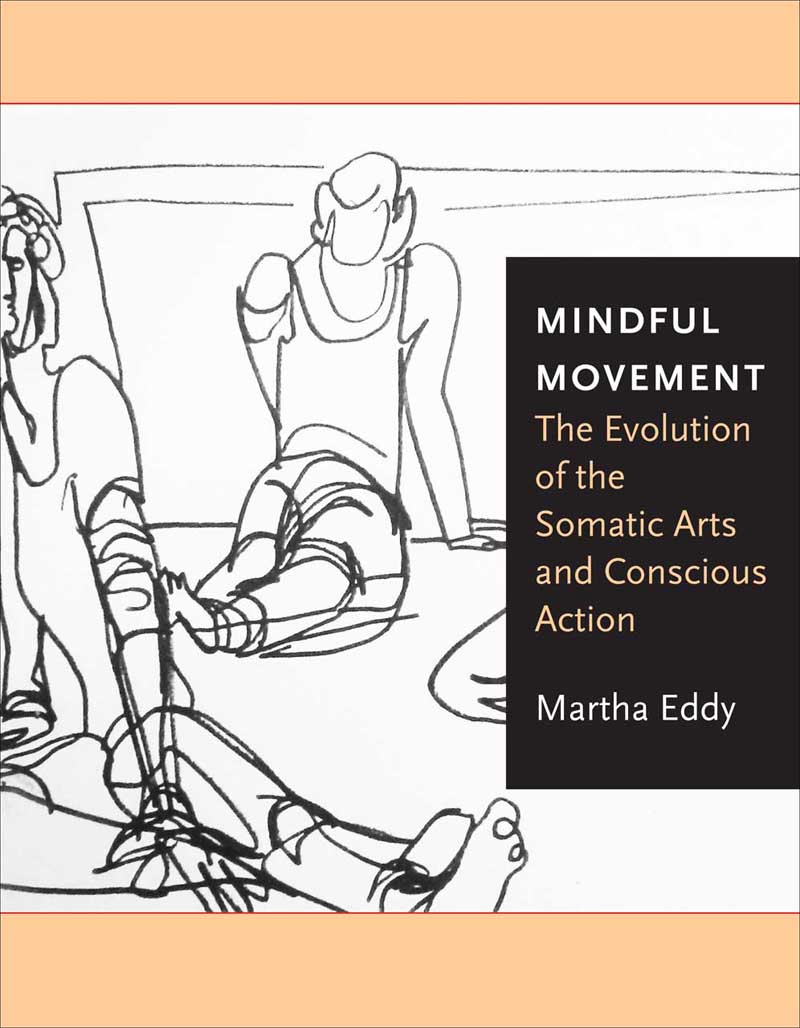
Mindful Movement: The Evolution of the Somatic Arts and Conscious Action (2016)

Eddy, Martha

In Mindful Movement, exercise physiologist, somatic therapist, and advocate Martha Eddy uses original interviews, case studies, and practice-led research to define the origins of a new holistic field—somatic movement education and therapy­—and its impact on fitness, ecology, politics, and performance. The book reveals the role dance has played in informing and inspiring the historical and cultural narrative of somatic arts. Providing an overview of the antecedents and recent advances in somatic study and with contributions by diverse experts, Eddy highlights the role of Asian movement, the European physical culture movement and its relationship to the performing arts, and female perspectives in developing somatic movement, somatic dance, social somatics, somatic fitness, somatic dance and spirituality, and ecosomatics. Mindful Movement unpacks and helps to popularize awareness of both the body and the mind.

For more information, check out The University of Chicago Press, available here.


via Routledge

Religion and Psychotherapy in Modern Japan (2015)

Christopher Harding, Iwata Fumiaki, and Yoshinaga Shin’ichi, eds.

Since the late nineteenth century, religious ideas and practices in Japan have become increasingly intertwined with those associated with mental health and healing. This relationship developed against the backdrop of a far broader, and deeply consequential meeting: between Japan’s long-standing, Chinese-influenced intellectual and institutional forms, and the politics, science, philosophy, and religion of the post-Enlightenment West. In striving to craft a modern society and culture that could exist on terms with – rather than be subsumed by – western power and influence, Japan became home to a religion–psy dialogue informed by pressing political priorities and rapidly shifting cultural concerns.

This book provides a historically contextualized introduction to the dialogue between religion and psychotherapy in modern Japan. In doing so, it draws out connections between developments in medicine, government policy, Japanese religion and spirituality, social and cultural criticism, regional dynamics, and gender relations. The chapters all focus on the meeting and intermingling of religious with psychotherapeutic ideas and draw on a wide range of case studies including: how temple and shrine ‘cures’ of early modern Japan fared in the light of German neuropsychiatry; how Japanese Buddhist theories of mind, body, and self-cultivation negotiated with the findings of western medicine; how Buddhists, Christians, and other organizations and groups drew and redrew the lines between religious praxis and psychological healing; how major European therapies such as Freud’s fed into self-consciously Japanese analyses of and treatments for the ills of the age; and how distress, suffering, and individuality came to be reinterpreted across the twentieth and early twenty-first centuries, from the southern islands of Okinawa to the devastated northern neighbourhoods of the Tohoku region after the earthquake, tsunami, and nuclear disasters of March 2011.

Religion and Psychotherapy in Modern Japan will be welcomed by students and scholars working across a broad range of subjects, including Japanese culture and society, religious studies, psychology and psychotherapy, mental health, and international history.

For more information, visit the Routledge website here.


via Johns Hopkins

Still Down: What to do when Antidepressants Fail (2016)

Dean F. MacKinnon

Thirty medications are classified as antidepressants in the United States—and that’s not counting drugs that might prove effective in treating major depressions but aren’t officially designated as antidepressants.

That formulary’s length is not surprising. As veteran Johns Hopkins psychiatrist Dean MacKinnon notes, major depressive disorder is one of the most common and debilitating conditions, annually causing some 1 million people worldwide to commit suicide. In a concise, clearly written and exceptionally helpful book, he provides insights and advice on what to do if those medications don’t work initially.

The brain is a complex organ, and what transpires within it often is mysterious. Every one of the drugs classified as an antidepressant helps in about 60 to 70 percent of cases, MacKinnon writes. They do so by increasing the amount of the neurotransmitters serotonin and/or norepinephrine, and possibly dopamine, in the space between neurons in the brain. Yet it isn’t known why this change in neurotransmitters effectively treats major depressions.

What’s more, when an antidepressant doesn’t work, physicians and psychiatrists often don’t ask why it failed, MacKinnon says. Usually, they just try a different medication. MacKinnon has spent the past two decades trying to determine why some patients do not respond well to antidepressant medications and how to address that treatment failure.

Creating nine patient composites based on many cases he has handled, he uses their stories to describe why an antidepressant treatment “for some unknown biological reason” sometimes “goes awry.” He also tells how he has sought to understand the wide variety of causes for such failure and what to do for those who do not respond to antidepressant treatment.

Brief summaries, case notes and excellent appendices make this a useful book for practitioners and patients alike.

For more information, visit the Johns Hopkins Medicine website, available here.

Book Release: “The Law of Possession: Ritual, Healing, and the Secular State”

Screen Shot 2015-09-13 at 7.10.00 PM

Image via Oxford UP website

Out this November 2015 from Oxford University Press is an edited collection by William S. Sax and Helene Basu entitled The Law of Possession: Ritual, Healing, and the Secular State. The text presents both contemporary and historical case studies of the relationship between spiritual conflict and judicial exchanges across cultures. While rituals to exorcise spirits from the afflicted are typically characterized solely as acts of healing, they are also scenarios in which spirit healers do justice by the possessed by driving out a spirit who has committed an act of evil against the person they inhabit. Spirit possession may similarly provide valuable opportunities for members of a community to contact restless spirits through a human oracle. These otherworldly entities may then offer evidence to the living as to how to avenge or appease them, thereby restoring social harmony. Healing, justice, cosmic order, and religion are thus closely integrated within these culturally meaningful negotiations.

The authors of the text challenge the assumption that these spiritual encounters– which have consequences for both medicine and the law in many societies– are antiquated and do not belong in modern societies or in secular governments. By drawing on examples from East Asia, South Asia, and Africa, the authors assert that spiritual healing and law nevertheless persist in the contemporary age as a way to meet social and religious needs in many cultures.

Learn more about the book (in paperback) by clicking here.

Link to the hardcover copy: https://global.oup.com/academic/product/the-law-of-possession-9780190275747?cc=us&lang=en

About the editors: William Sax teaches at the University of Heidelberg, where he serves as the Chair of Cultural Anthropology at the South Asia Institute. Helene Basu is the director of the Institute of Social Anthropology at Münster University.

March 2015: Preview of Books Received

This week, we are featuring previews of five books received for review at Culture, Medicine, and Psychiatry. Be sure to check out more articles, reviews, commentaries, and case studies published in the first issue of volume 39 (2015) here: http://link.springer.com/journal/volumesAndIssues/11013

via Westview Press

via Westview Press

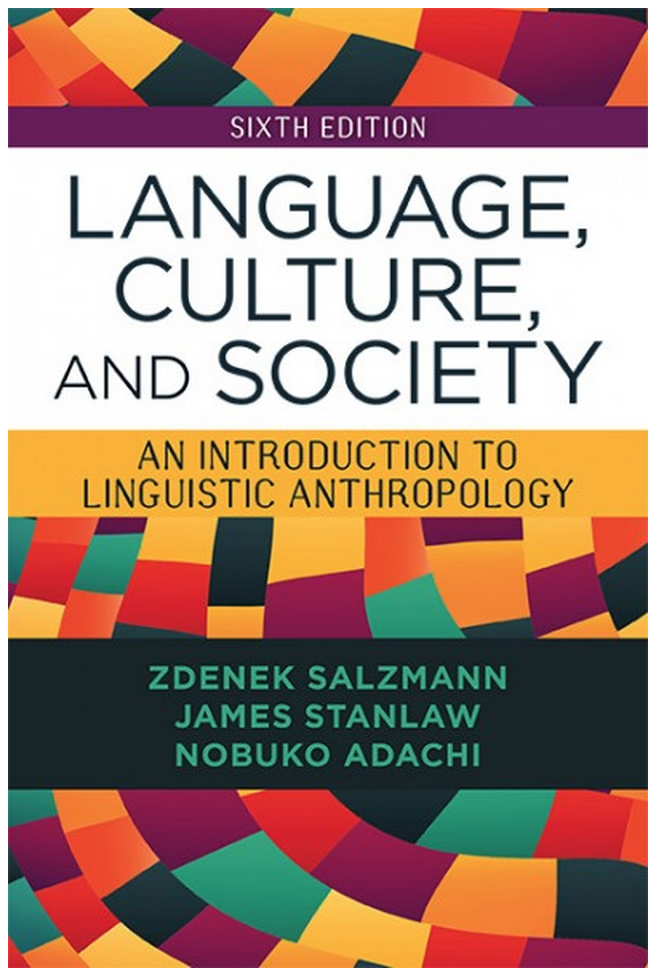
Language, Culture, and Society: An Introduction to Linguistic Anthropology

Zdenek Salzmann, James Stanlaw, and Nobuko Adachi, eds.

This textbook was first published in 1993, and this is the book’s sixth edition. The new incarnation of Language, Culture, and Society features has been revised and expanded with further explanation of the sociocultural context of language. It is also complete with class exercises, discussion questions, and other student resources. The book pays special attention to multilingual and transnational linguistic anthropology.

More details from Westview Press here: http://westviewpress.com/books/language-culture-and-society/

Via UC Press

Via UC Press

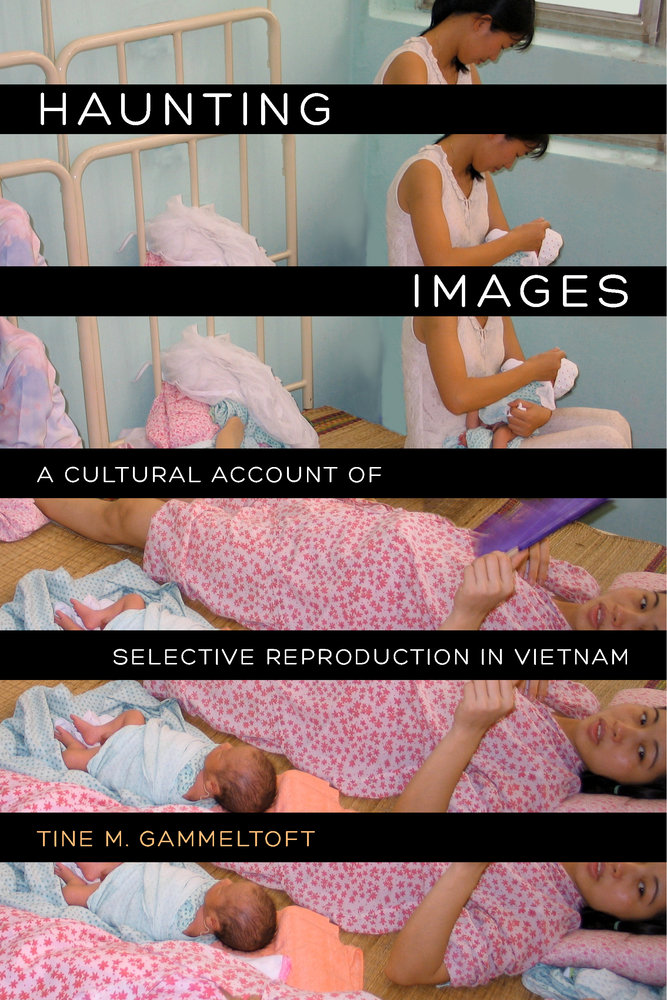
Haunting Images: A Cultural Account of Selective Reproduction in Vietnam

Tine M. Gammeltoft

This ethnographic account explores the lives of pregnant women in Hanoi, Vietnam whose fetuses were deemed biologically abnormal after ultrasound examinations. Gammeltoft considers the moral dilemmas these women face against the backdrop of their everyday lives and the roles of their family members in reproductive decision-making.

More details from UC Press here: http://www.ucpress.edu/book.php?isbn=9780520278431

Via UC Press

Via UC Press

Can’t Catch a Break: Gender, Jail, and the Limits of Personal Responsibility

Susan Starr Sered and Maureen Norton-Hawk

This ethnographic work traces Boston women’s experiences of sexual abuse, violence, inadequate social and therapeutic programs, and the impacts of local and federal policies on incarceration and criminal punishment. The authors consider how these women’s struggles are cast aside as the consequences of “bad choices” and “personal flaws,” and how marginalized women make their way in this “unforgiving world.”

More details from UC Press here: http://www.ucpress.edu/book.php?isbn=9780520282797

Via Duke UP

Via Duke UP

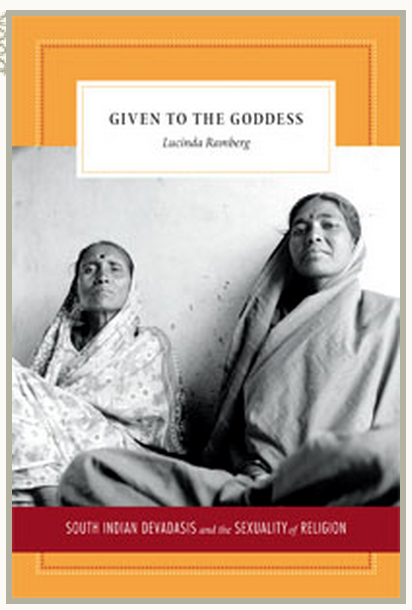
Given to the Goddess: South Indian Devadasis and the Sexuality of Religion

Lucinda Ramberg

Ramberg’s account addresses a unique cultural tradition in South India, where girls and sometimes boys are married to a goddess. They have sex with partner outside of traditional marriage and conduct holy rites outside of the goddess’ temple, and complicate the boundaries between what is male and female. The author argues that goddess marriages challenge existing notions of gender, marriage, and religious practice.

More details from Duke UP here: https://www.dukeupress.edu/Given-to-the-Goddess/index-viewby=subject&categoryid=27&sort=newest.html

Via Johns Hopkins UP

Via Johns Hopkins UP

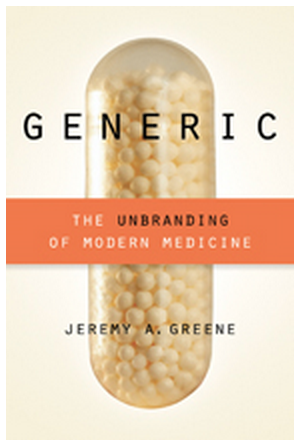
Generic: The Unbranding of Modern Medicine

Jeremy Greene

This text is a social, political, and cultural history of the rise in generic pharmaceuticals. It tracks the development of modern generic drugs from early 20th century hacks who counterfeited popular medications through the growth in powerful corporations who first produced un-branded drugs. Greene describes generic drugs as a seminal movement towards more equitable, affordable medical care by giving patients quality medicines at a reduced price.

More details from Johns Hopkins UP here: https://jhupbooks.press.jhu.edu/content/generic