In the News: Telemedicine in the United States

cropped-2009cover-copy

The intersections between technology, medicine, and health are a frequent site of discussion at Culture, Medicine & Psychiatry. In our last issue of 2015, for instance, Yael Hashiloni-Dolev[1] examined the role of new medical technologies that enable posthumous reproduction, while Petersen and Traulsen[2] shed light on the nuanced social uses of psychoactive medications amongst university students. These articles underscore the centrality of technology in everyday human health behaviors, and on the cultural meaning of these new tools in local medical landscapes.

Another technological innovation altering the social world of medicine—one making headlines in recent months—is telemedicine. In the Journal of the American Medical Association[3] (JAMA), telemedicine has been described as “the use of telecommunications technologies to provide medical information and services,” often a shorthand “for remote electronic clinical consultation” via phones and internet applications.

In the December 2015 AARP Bulletin, author Charlotte Huff[4] remarked that over 1 million patients will use telemedicine services this year, and remote access to physicians by phone, video chat, and email is more and more commonly covered by American employers’ health insurance packages. A Reuters article[5] adds that in Texas, a telemedicine company is working to block a state law that would require physicians to see a patient in-person before consulting with them via phone, email, or other means. And in the New York Times[6], a physician observed that telemedicine may prove a useful tool for children and adolescents: many of whom have grown up in a digital culture of “oversharing” and would not balk at texting their physicians images of strange rashes or lesions on their bodies. As this new tool of health care delivery is negotiated in different societal arenas, so too are its implications increasingly worthy of anthropological attention.

Telemedicine is altering the social fabric of medicine in a number of significant ways. Here, we will outline two potential outcomes of telemedicine on medical exchanges facilitated by technology. First, telemedicine extends the professional reach of biomedical clinicians. Areas where biomedical care is inaccessible, or where only indigenous medical systems exist, may now fall under the electronic eye of a faraway practitioner. This has extraordinary consequences for the ubiquity of biomedicine and the consolidation of biomedical power. Second, and rather conversely, telemedicine empowers the patient in the clinical encounter. Because the physician or clinician is not physically present to examine the patient’s body, the patient themself is the one who touches a swollen throat, or flexes a stiff joint, and relays their response through phone or web camera. In sum, the patient gains greater control over bodily (and verbal) narratives that, unlike an in-person exam, the clinician does not have total access to.

The rise of telemedicine speaks to medical anthropologists, certainly, but it also presents a fascinating case more broadly for science and technology theorists and scholars in health communication. As the topic of telemedicine continues to capture the interest of medicine and the media, so too will it fall under the consideration of researchers piecing together the networks that bring patients and their caregivers together in novel ways.

[1] http://link.springer.com/article/10.1007/s11013-015-9447-6

[2] http://link.springer.com/article/10.1007/s11013-015-9457-4

[3] http://jama.jamanetwork.com/article.aspx?articleid=386892

[4] http://www.aarp.org/health/conditions-treatments/info-2015/telemedicine-health-symptoms-diagnosis.html#slide1

[5] http://www.reuters.com/article/health-case-to-watch-teladoc-idUSL1N14H0CT20151228

[6] http://well.blogs.nytimes.com/2016/01/18/using-phones-to-connect-children-to-health-care/?ref=health


Book Release: Tomes’ “Remaking the American Patient”

9781469622781

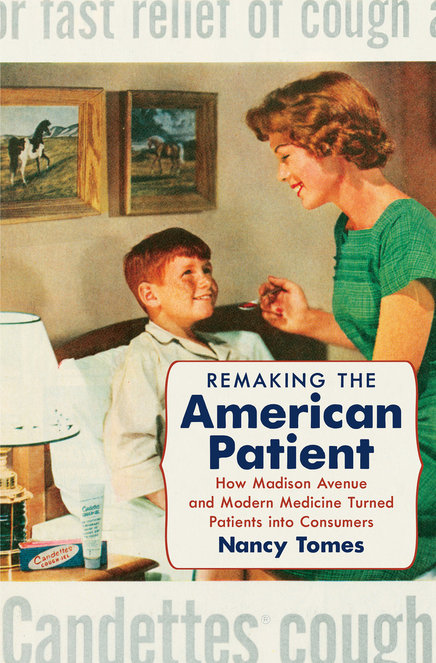
Images via UNC Press website

Released in January 2016 from the University of North Carolina Press is Nancy Tomes’ Remaking the American Patient: How Madison Avenue and Modern Medicine Turned Patients into Consumers. Through historical and cultural analysis, Tomes illuminates the threads between public relations and marketing in medicine, asking throughout: how have patients in the United States come to view health care as a commodity to be “shopped” for? What connections are shared between the history of medicine and the growth of consumer culture? Likewise, Tomes investigates what it means to be a “good patient” in this system of marketed care, and how “shopping” for care can both empower and disorient patients in the contemporary age. She also reviews the resistance, and ultimate yielding, of the medical profession to this model of care seeking. The book was recently reviewed in the New York Times (read the article here.)

The book will prove insightful for both historians of medicine and medical anthropologists who study the political-economic landscape of biomedicine and patienthood in the United States. It will also speak to conversations in bioethics about patient autonomy, choice, and medical decision-making.

About the Author

Nancy Tomes serves as professor of history at Stony Brook University. She is also the author of The Gospel of Germs: Men, Women, and the Microbe in American Life, published by Harvard University Press (details here.)

Have you published a recent book in medical anthropology, history of medicine, social medicine, or medical humanities? Email our blog editor (Julia Knopes) at jcb193@case.edu with a link to the book’s page at the academic publisher’s website, and we will feature it here.

Book Release: Kleinman and Wilkinson’s “A Passion for Society”

To herald in the New Year 2016, today we feature a book publication highlight of a new text in medical anthropology co-authored by Culture, Medicine & Psychiatry‘s 2016 Honoree, Arthur Kleinman. Read our editor-in-chief Atwood Gaines’ announcement of the annual honoree here.

9780520287235

Image via UC Press website.

Out this month from the University of California Press is Arthur Kleinman and Iain Wilkinson’s A Passion for Society: How We Think About Human Sufferin(paperback edition details here.) The book examines the concept of suffering as a broader social “problem,” both in the contemporary age and through history. The authors explore how notions of suffering and care are reflective of present social and moral conditions, and how social science as a profession responds to “social suffering.” They argue that enlivened discussions about care have invigorated a new approach to the study of suffering by social scientists, who no longer engage with human suffering dispassionately. This shift has widespread implications for an “engaged social science” that takes a humanitarian approach to analyzing, understanding, and ameliorating human suffering. The text will interest applied social scientists as well as medical anthropologists and scholars of social medicine, who study illness and social inequities both across time and in cross-cultural contexts. The book can be purchased in hardcover here.

About the Authors: Arthur Kleinman is a medical anthropologist and psychiatrist who serves as professor in the departments of Anthropology, Social Medicine, and Psychiatry, and Director of the Asia Center, at Harvard University. Iain Wilkinson is a sociologist and Reader in Sociology in the School of Social Policy, Sociology and Social Research at the University of Kent.

Issue Highlight: Vol 39 Issue 4, Stimulant Use in the University

This blog post is the last in a three-part series highlighting our newest installment of Culture, Medicine & Psychiatry (released December 2015) which readers can access here. This week, we explore Petersen, Nørgaard, and Traulsen’s research on the use of prescription stimulants amongst university students in New York City. The full article is available here.


cropped-cards.jpg

In recent dialogues on the widespread use of prescription stimulants amongst university students, drugs are often described as enhancing productivity or a student’s ability to successfully focus on academic work. However, Petersen, Nørgaard, and Traulsen found that university students in New York City often cited the use of these drugs as rendering their work more pleasurable, “fun,” and “rewarding.” Their study included 20 students spanning BA, MA, and PhD programs: representing a diverse sample that, in the aggregate, universally suggested that the use of stimulants in an educational setting was not centrally connected to academic output or production. This outcome, the researchers assert, complicates existing neoliberal readings of American personhood, premised on the idea that the self is primarily cultivated and disciplined through labor and individual productivity.

For example, rather than feeling shameful about using stimulants to improve study skills or produce better work, the students instead expressed guilt for enjoying their academic labors and for transforming “monotonous” and “boring” activities into an engaging experience. The “optimization” of the mind to perform intensive intellectual labor was not related strictly to productivity, which would evoke traditional neoliberal notions of the person-as-producer. Instead, the students described the drugs as optimizing pleasure first, which rendered them more productive as a secondary consequence.

Take this instance: a 32-year old PhD student, identified as Ben, reported using Adderall when he felt too “lazy” to initiate work. Rather than continuing by discussing the extent of his productivity while on the drug, he instead explains that the drug makes him eager “to tackle” his projects. This is often the case for students who struggle to find the desire to complete academic tasks that are not interesting enough to begin without being made pleasurable through stimulant use. Further, another student added that using stimulants helped him to “reconnect” with his interest in sociology during a difficult class on social science theory. In other cases, using Adderall kept students from being distracted from social media or entertainment websites: not because they lacked the inherent ability to be productive, but because without the drug, these sources of interest were simply more engaging than the work at hand. In other instances, students noted that stimulants made them feel more secure and positive about the quality of their work, and helped them to diminish the physical and mental stresses that came with “all-nighters,” or extended overnight studying stints.

Throughout all these cases, enhancement is not described as a means to make the human brain meet the demands of a “high-speed society.” Instead, “enhancement” relates to students’ satisfaction with their resulting work, to their enjoyment of otherwise “boring” tasks, and to reduced the negative psychosomatic effects of studying or working on a limited time frame.

The authors do not eschew the neoliberal model through these cases: indeed, they suggest that the use of stimulants does have cognitive effects that bolster students’ abilities to produce academic work. However, they note that we must complicate a strictly neoliberal model that would indicate that stimulants are employed by students strictly in order to achieve a certain amount of studying or to complete an assigned amount of work. Enhancement may include productivity, but for students who use stimulant drugs, it also involves increasing the pleasure of finishing intellectual labors, and decreasing the negative consequences of engaging in challenging or otherwise tedious academic work.

In this way, cognitive-enhancing drugs indeed fortify the mind and the conception of the self as a producer and academic laborer. However, they also shape human experience by altering students’ sense of confidence, their satisfaction with academic work, and their passion for their chosen topics of study. In these ways, enhancement drugs not only increase productivity in the neoliberal sense: they also broadly impact notions of pleasure and individual ability related to students’ quest to heighten academic production.


Issue Highlight: Vol 39 Issue 4, Incarceration & Medical Anthropology

This blog post is the second installment of our three-part issue highlight on the new December 2015 issue of Culture, Medicine & Psychiatry (the full issue is accessible here.) In this week’s blog, we examine Carolyn Sufrin’s article on the shared roles of clinicians and anthropologists working with incarcerated women in the United States.


cropped-cards.jpg

Clinician-anthropologists are in a unique position to lend voice to their participants and to care for their medical needs. For Carolyn Sufrin, who served both as a physician and an ethnographic researcher for incarcerated women in the United States, the clinical and anthropological roles intersected in deeply meaningful ways. Sufrin notes that in these dual roles, she observed with female prisoners and analyzed their experiences, and provided reproductive health care and delivering the same women’s babies in a county hospital, where imprisoned women gave birth. The women were alternately enrolled in Sufrin’s study upon ceasing to officially be her patients, or were individuals that Sufrin cared for during her tenure as their OB/GYN.

Sufrin uses her case as an example of how to interpret the ethical consequences of working as a clinician-anthropologist. Part of the challenge she faced as both a physician and anthropologist to the women was that IRB and HIPAA regulations divided the types of data she could use in her anthropological research. Though some details of her participants’ lives, such as past trauma or childhood abuse, were essential to their experiences as mothers and as incarcerated women, she could not use this data inasmuch as it had been shared with her in the context of a patient-practitioner interaction: in other words, it was considered classified personal health information that could not be subsequently utilized in her ethnographic research. These methodological hurdles, Sufrin explains, shed light on the complexities of what constitutes “sacrosanct” data. It also suggests how the safeguarding of medical data does not necessarily translate to the “protective” collection of ethnographic data which is not isolated to the case of individual patients, and which relies on knowledge of participants and their connections to other people (in this instance, to individuals in the participant’s life who had caused past psychological harm.)

Likewise, as stated earlier, relationships between the participant/patient and the clinician/anthropologist are another form of interpersonal connection which must be reconfigured depending on the nature of the exchange taking place. In Sufrin’s case, this meant being clear with her participants that– upon entry into her anthropological study– she was no longer their physician, and that the nature of their exchanges and their professional relationship would take a new form. She could share their information (albeit de-identified), unlike information drawn solely from their medical records or from an examination.

Yet here, Sufrin notes that the anthropologist– like the clinician– is still engaged in an ethic of care. For example, one of Sufrin’s former patients in the prison was charged with child endangerment after giving birth in an alley and handing her child to a stranger, unable to afford treatment at a hospital following her release from prison. The story made news headlines, and as public knowledge, was within the realm of information that Sufrin employed in her ethnographic analysis of reproductive health in the American prison system. However, Sufrin knew an added piece of information that was not already publicized from her interaction with the woman in prison: a clinical detail that she understood as a physician, but was shared during her time as an ethnographic researcher. This detail would have enhanced her analysis of the situation, but she chose to omit it out of concern that to publicize the detail would be to betray the woman’s trust in her as a researcher and as someone who served in the prison as a physician.

In other instances that Sufrin discusses, her role as both an anthropologist and clinician led the women she worked with in each capacity to feel as if she was especially attentive and caring. Rather than always relying on her medical authority, Sufrin underscores her decision to remain non-judgmental and supportive even when the women in her study had made potentially harmful choices; for example, she chose not to openly admonish a woman who was continuing to use crack upon release from jail, despite being thirty-two weeks pregnant. Sufrin notes that her silence hid her own frustration with this choice, but it strengthened the woman’s trust in her as an anthropologist and “as a doctor.”

In sum, these dual roles ultimately bolstered her relationships to the incarcerated and formerly incarcerated women that she served. Thus, the author argues that both anthropologists and clinicians share an “ethic of care” in their relationships with research subjects or patients. This ethic involves a careful fostering of the professional, interpersonal connections that ethnographers make with research participants, or that physicians make with their patients. This care entails the protection of private information and the researcher/clinician’s conscious attendance to interpersonal exchanges that bolster the patient/participant’s trust in the clinician/anthropologist. Likewise, an analysis of the clinician role alongside the anthropological one demonstrates both the delineations between multiple forms of care and social connection, as well as the shared commitment in medicine and anthropology to the sensitive attendance to patient and participant experiences.

Issue Highlight: Vol 39 Issue 4, Posthumous Reproduction

Our final issue of the year– Volume 39 Issue 4 December 2015– has just arrived. In our last blog post series for 2015, we begin with a three-part feature of the latest publications at the journal in this new issue. In addition to the article previews in this series, our readers can access the full issue here. In this post, we explore Yael Hashiloni-Dolev’s preliminary research on posthumous reproduction in Israel (full article accessible here.)


cropped-cards.jpg

Biomedicine, through its innovative application of technology, can reconfigure biological experiences in ways that alter or reinforce cultural beliefs surrounding life, death, reproduction, kinship, parenthood, and social roles. Most recently, this has become a central issue in the field of assisted reproductive technologies: where biomedical interventions potentiate new relationships between parents, families, and children. But while assisted reproductive medicine is often discussed in terms of generating life, these new generative technologies may also intersect with death in novel ways that challenge existing understandings of kinship and familial relationships.

Hashiloni-Dolev article studies Israeli lay perceptions of a new concept in assisted reproductive medicine called posthumous reproduction (PHR.) In sum, PHR entails the use of genetic material from deceased parents to conceive children after their deaths. This usually means a woman will opt to become artificially inseminated with a husband or partner’s sperm retrieved while the man was in a coma or vegetative state: however, it may also include the fertilization of a woman’s eggs, frozen while she was alive, and gestated in a surrogate mother. Even frozen embryos of two deceased parents (a mother and father) might be “adopted” and implanted into a female relative or another recipient, who subsequently gives birth to a child whose biological parents are no longer alive. This process also facilitates the possibility of posthumous grandparenthood, and indeed, some parents whose adult children have died may seek out PHR technologies (include allied technologies such as surrogacy) to produce grandchildren.

Israel is one of the few countries that permits some forms of PHR, and it is a progressive nation in terms of reproductive technologies: its state health system covers the costs of ARTs (assisted reproductive technologies) for couples who have difficulty conceiving. Although Israel does not permit all forms of PHR, it does allow for the collection of a man’s sperm upon a wife’s request to carry his child upon his death (what the author calls the “prototype scenario.”) In this regard, Israel served as a prime location for surveying participants and testing initial ideas about the public perception of PHR: a new frontier of ARTs yet to be studied in the anthropological literature.

Through 26 semi-structured interviews with newlywed or childless couples, Hashiloni-Dolev discovered that there were some inconsistencies between the Israeli PHR policies and the participants’ understanding of PHR technologies. For instance, the government stipulated that PHR could occur via the retrieval of sperm from a dying or recently deceased father upon the wife or female partner’s instruction. The policy states that the retrieval could occur given evidence of a man’s “presumed wish” that he would want his spouse or partner to carry his child after death. However, “wish” and “consent” were interpreted differently by men interviewed for the study. The men typically stated that while they would defer to their partner’s wishes to have a child after their death, they themselves were uncomfortable with the possibility of their partners having the child and being unable to “move on” should they pass away. In this instance, while the man’s presumed “wish” might not change a woman’s decision to retrieve his sperm posthumously, it does not mean the man would “consent” to the process if he were not already dead.

Conversely, consent becomes more complicated given the circumstances that typically surround the use of PHR. The man is presumably young, such that his female partner would be able to carry his child, and would have died suddenly: thus making it nearly impossible to obtain his consent unless he had already affirmatively offered it while still alive and healthy.

There were also issues related to the family life of a child born through PHR techniques. Both male and female participants worried about the emotional stability and security of children born out of such conditions, and expressed their concern with new policies being proposed that would allow for expanded posthumous grandparenthood rights. The participants believed that the decision to have children following the death of a spouse was between the couple, and was not between other family members. Likewise, many participants worried about the birth of a child as a living shrine to the deceased, rather than as a new and autonomous member of the family.

In these responses, it is clear that while both biomedical technologies and governmental policies may enable PHR to occur, the process is not always viewed in such liberal terms by individuals who could be most likely to use it. Posthumous reproduction thus supplies medical anthropologists and scholars of social medicine with a nuanced case of the cultural position of new technologies, and the concerns that individuals across cultures have with these new reproductive tools: particularly as they relate to consent, kinship, and the roles of parents.


AAA 2015 Sessions: Food Sovereignty and Food Economies

Last Fall 2014, we featured a series of blog entries highlighting sessions at the AAA 2014 Annual Meeting on topics of interest to our readers. This year, we feature sessions from this year’s AAA 2015 Annual Meeting, to be held November 18-22 in Denver, Colorado (more information here.) You can also browse another past installment of the blog, where we highlighted sessions on biomedicine and the body at the upcoming Society for Social Studies of Science (4S) meeting, also in Denver, to be held November 11-14 (details here.)

This week, we present three paper sessions on anthropological approaches to food sovereignty and food economies: topics that have been increasingly of interest to medical anthropologists who study related issues such as body image, preventative care, nutrition, and well-being. The sessions are organized chronologically by date.

Image via AAA Website

Image via AAA Website

Food Values in Europe: Sustainable Economies, Power, and Activism

Thursday, November 19th 8:00am-9:45am (details here.)

Topics in this session will include the decommodification of food and organic food supplies; organic food provisioning in Catalonia; food values amongst British-born African Caribbean peoples in the United Kingdom; food waste and recycling in southern Spain; food politics, communities, and the garden in the Czech Republic; sustainability in a Galician dairy farm; and food ideologies in an urban Portuguese garden. The session crosses numerous topics of study including European cultures, sustainability and the environment, cross-cultural food practices, green space and the role of the garden, and global nutrition.

Critical Perspectives on Food Sovereignty, Food Justice, and Food Citizenship

Friday, November 20th 1:45pm-3:30pm (details here.)

This session will include presentations on the following topics: agricultural activism in Cuba; food access amongst migrant farm laborers; food justice at the border of the United States and Mexico; food sovereignty in Mexico in popular narratives; food literacy amongst women in a food-insecure neighborhood; and an analysis of divergent perspectives on food justice. These papers will offer valuable perspectives on the role of food in disparities across economic classes and across national borders.

New Directions in Agriculture and Culture: The Convergences of Food, Labor, and Neoliberalism

Saturday, November 21st 8:00am-9:45am (details here.)

Presenters in this session will address: a case study in sustainable entrepreneurship; food sovereignty and food landscapes in Detroit, Michigan; labor and food in a Wisconsin farm-to-table network; Haitian farmers and socioeconomic change; technoscience, translation, and olive oil; seeds and labor on the shorelines of Turkey; and an ecological study of resistance and labor on a South African plantation. These sessions will appeal to scholars who work on economic anthropology, nutrition, or political ecology.

4S 2015: Sessions on Biomedicine, the Body, and Knowledge

Last year, we featured blog posts that highlighted paper sessions on various topics in medical anthropology and social medicine presented at the annual AAA (American Anthropological Association) meeting in Washington, DC. This year, we are heralding in conference season by featuring details on two upcoming events: the AAA meeting and the annual meeting of the Society for Social Studies of Science (4S). Both conferences will be held in November 2015 in Denver, CO. You can find out more about the AAA Meeting here (http://www.aaanet.org/meetings/) and the 4S Meeting here (http://www.4sonline.org/meeting.)

Logo of 4S via the organization's website

Logo of 4S via the organization’s website

The 4S organization brings together researchers whose works span all aspects of scientific research, production, and the impact of science on society. Despite the organization’s breadth of represented interests, many scholars of social medicine take a science and technology studies (STS) approach and are active in 4S. This week, we highlight sessions at the 4S Meeting that emphasize their research and paper sessions on biomedicine. Sessions are organized chronologically by date and time.


Sex and Gender in Biomedicine

Thursday, November 12th 8:30-10:00am

Click here for details on this session.

This session will feature three presentations on sex and gender in biomedicine focused on the following topics: cosmetic surgery in South Korea and the United States, the history of biological sex as defined by the sciences, and the role of a parasite transmitted through sex on the reproductive lives of humans. The papers propose new understandings of sex and gender as constructed through scientific knowledge and practice.

Examining the Exceptional: Case Studies of Knowledge Production in Biomedicine and Science

Thursday, November 12th 10:30am-12:00pm

Click here for details on this session.

Topics in this session will address: microevolution and genetic science on indigenous men in Brazil; the definition of crisis in emergency medicine in the United States; sickle cell patient advocacy in Brazil; a comparative case of pregnancy monitoring in the USA and the United Kingdom; and immigrant physicians and medical professionals arriving in the United States as an “exceptional” population. These papers will offer various examples of the way that science constructs meaning for patients and practitioners of biomedicine alike.

Biomedicine and Difference

Thursday, November 12th 2:00-3:30pm

Click here for details on this session.

In this session, presenters will explore: human microbiome research; astronauts, race, and physical preparation for conditions in outer space; representations of race in a stroke awareness campaign; past technologies for measuring skin color; and the breakdown of ethnic origin by genetic percentages. These papers will scrutinize the complex and often problematic relationships between race, science, medicine, and the body.

The Body in Biomedical Knowledge

Friday, November 13th 4:00-5:30pm

Click here for details on this session.

This session will address the following topics: food insecurity, the use of inmates as test subjects, obesity, and anatomical and physiological representations in 20th century Chinese medicine. The session will also feature the work of our blog editor, Julia Knopes, on the ontological status of cadavers as objects in Western medical traditions.

Replaceable Parts: Prosthetic Technologies in Biomedicine 

Saturday, November 14th 10:30am-12:00pm

Click here for details on this session.

Presenters in this session will speak about new surgical robots, the role of prosthetic limbs amongst wounded military veterans, cross-cultural readings of prosthetic making in Canada and Uganda, 3D organ printing and facial transplants, and the experiences of amputees in an ever-changing landscape of prosthetic and bionic technologies. The sessions in this paper panel will offer fresh perspectives on the meaning of the cyborg, a continued area of interest for many medical anthropologists and researchers in social medicine.

Guest Blog: The Autism Spectrum, Anorexia, and Gender

This week on the blog, we are hosting a guest post by Carolyn Smith, MA, a third-year PhD student in medical anthropology at Case Western Reserve University. Carolyn studies the intersections of mental health, eating, and the body, blending biological and cultural approaches. This blog post complements our July 2015 issue on autism, which you can read more about in the links provided at the end of the guest post.


In Autism spectrum disorders: Toward a gendered embodiment model, Cheslack-Postava and Jordan-Young[1] argue the importance of gender theory in understanding the preponderance of male cases with autism spectrum disorders (ASD) in the United States. In addition to evidence of autism as sex-linked, the authors argue that there is evidence as well for biases in diagnosing autism, and that social environment likely plays a role in male susceptibility. The literature on anorexia nervosa offers a parallel argument: anorexia nervosa, like autism, is often described in terms of biological risk factors[2] yet it remains a socially charged, deeply gendered diagnosis. In the USA and other societies with thin female beauty ideals, for instance, anorexia nervosa is most widely attributed to women.[3]

Both anorexia nervosa and ASD are recognized by the American Psychological Association (APA) and have specific criteria. While these categorizations are justifiably scrutinized by medical anthropologists, here I use the APA criteria as a cultural document that reflect what conditions that biomedical practitioners in the United States are cataloguing when they demarcate mental conditions. Anorexia nervosa is an eating disorder characterized as one of the most fatal mental illnesses in the United States.[4] Diagnostic criteria in the Diagnostic and Statistical Manual of Mental Disorders, Fifth Edition (DSM-V) includes restrictive eating and an intense fear of gaining weight/persistent behaviors to prevent weight gain. [5] One key criterion for anorexia is being of low body weight with the absence of any other pathology. The inclusion criteria have changed over the years, as have social ideas about the disorder and who suffers from it. Meanwhile, autism is classified as a neurodevelopmental disorder with social deficits and rigid behaviors.[6] The understandings of autism, like anorexia nervosa, have also changed over time in the United States.
cards3

Yet gendered categories for these conditions persist. In the realm of psychiatric health, autism is assumed to be a male disorder, and anorexia nervosa, a woman’s diagnosis. This simple categorization overlooks the extent to which anorexia and autism are demonstrably comorbid in studies carried out in the USA and the UK.[7] [8] [9] One study from the UK, in fact, found that anorexics, restrictive-type were five times more likely than the general population to score as high on the Autism Questionnaire as someone with an ASD. 9 This finding offers no simple cause-and-effect explanation for how the two disorders are linked. However, this new data suggests that the body, the mind, gender roles, and dieting behaviors may be entwined in ways that resonate with cultural beliefs and categories.

There are competing theories about the etiologies of anorexia as well as autism, each with gendered overtones that do not reflect the findings of associations between the two psychiatric conditions. One theory of autism is that it is linked to a “hypermasculinized” brain.[10] Meanwhile, in a 2012 article for Psychology Today, Maestripieri argues that anorexia may be due to a “hyperfeminine” brain. The two conditions, it seems, appear to be “oppositional.”[11] However, these theories do not capture the wide diversity of cultural perspectives within the USA or UK, meaning there may be unique gendered understandings of psychiatric disorders between social groups that are not accounted for in existing research. In either case, what is clear is that cultural categories of psychiatric conditions in the US and UK may be missing how patients (of any gender, from numerous cultural backgrounds) live and seek care with either condition.

These gendered categories become even more complex for individuals diagnosed as both autistic and anorexic. The comorbidity of ASD and anorexia is complicated by the fact that restrictive dieting in anorexia may lead to cognitive impairment, which subsequently causes behaviors that might be confused with cognitive patterns on the autism spectrum. However, people with anorexia do report having autistic traits prior to the onset of their eating disorder, and people recovering from anorexia appear more often than non-anorexics to fall along the autism spectrum. 6,7 Thus, the two illnesses co-produce one another in ways that cross traditional gender lines (autism as male, anorexia as female) while also making it difficult, if not impossible, to isolate each condition from the other. Here medical anthropologists can offer valuable perspectives from the view of patients, who may describe their eating patterns and body image in terms that span and challenge existing diagnostic divisions.

Though there may be no empirical means to measure the extent to which ASD and anorexia overlap, existing theories about socialization may shed some light on how these two illnesses co-occur. There are numerous common traits between anorexia nervosa and ASD, including perfectionism, social withdrawal, and obsessive thinking.6 Girls and women with anorexia appear to have other similar traits to boys and men with autism: systematizing, a fascination with details, and resistance to change. Anorexic individuals with these autistic traits, Baron-Cohen hypothesizes, could become fixated on the systemic relationships behind body weight, shape, and food intake.[12]Of course, this would depend on whether or not the person with autism was brought up in a cultural environment where food intake and body shape are viewed as something that can and should be regulated at all. Here is where socialization may play a crucial role in the development of anorexia nervosa out of behavioral patterns attributed most often to autism.

The comorbidity of ASD and anorexia nervosa presents an anthropologically complex case where discrete classifications of mental illness may not reflect the connectedness of the two conditions. Likewise, the gendering of each illness as dualistic male-autistic and female-anorexic overlooks the extent to which the conditions share behaviors, tendencies, and thought patterns. Though national clinical studies in the USA and the UK suggest a connection between autism and anorexia, cultural readings of gender, eating, and self-regulation amongst patients with comorbid cases might better illuminate how these conditions manifest on the local scale, and between cultural groups.


Additional Reading

Publications:

Jaffa, T., Davies, S., Auyeung, B., Allison, C., & Wheelwright, S. (2013). Do girls with anorexia nervosa have elevated autistic traits. Mol Autism, 4(1), 24.

Nilsson, E. W., Gillberg, C., Gillberg, I. C., & Raastam, M. (1999). Ten-year follow-up of adolescent-onset anorexia nervosa: personality disorders. Journal of the American Academy of Child & Adolescent Psychiatry, 38(11), 1389-1395.

Oldershaw, A., Treasure, J., Hambrook, D., Tchanturia, K., & Schmidt, U. (2011). Is anorexia nervosa a version of autism spectrum disorders?. European Eating Disorders Review, 19(6), 462-474.

Websites: 

ASD and Autism

https://www.psychologytoday.com/blog/games-primates-play/201208/the-extreme-female-brain

http://www.medicalnewstoday.com/articles/264666.php

https://books.google.com/books?hl=en&lr=&id=iPGFAgAAQBAJ&oi=fnd&pg=PR10&dq=malson+the+thin+woman&ots=sQPGnzOFN1&sig=ZSv8OMyuNAFQ3UgBOWZTEX5lHAg#v=onepage&q=malson%20the%20thin%20woman&f=false

CMP Special Issue Features: July 2015 Issue on Autism

https://culturemedicinepsychiatry.com/2015/07/08/special-issue-highlight-the-anthropology-of-autism-part-1/

https://culturemedicinepsychiatry.com/2015/07/22/special-issue-highlight-the-anthropology-of-autism-part-2/

https://culturemedicinepsychiatry.com/2015/08/05/autism-in-brazil-and-italy-two-cases-from-the-june-2015-special-issue/


References Cited

[1] Cheslack-Postava, K., & Jordan-Young, R. M. (2012). Autism spectrum disorders: toward a gendered embodiment model. Social science & medicine, 74(11), 1667-1674. “Our argument is fully biosocial, and our main points in advancing it are to articulate a model for autism, specifically for explaining the male-female disparities in prevalence, that does not exclude social environmental variables, and is therefore more biologically satisfying; and to demonstrate concrete mechanisms whereby autism may become more prevalent in males as a result of social structures and processes related to gender (p. 1673).”

[2] Bulik, C. M., Slof-Op’t Landt, M. C., van Furth, E. F., & Sullivan, P. F. (2007). The genetics of anorexia nervosa. Annu. Rev. Nutr., 27, 263-275.

[3] Malson, H. (2003). The thin woman: Feminism, post-structuralism and the social psychology of anorexia nervosa. Routledge.

[4] Arcelus J, Mitchell AJ, Wales J, Nielsen S. Mortality Rates in Patients With Anorexia Nervosa and Other Eating Disorders: A Meta-analysis of 36 Studies. Arch Gen Psychiatry. 2011;68(7):724-731.

[5] IBD

[5] IBD

[6] American Psychiatric Association. (2013). Diagnostic and statistical manual of mental disorders: DSM-5 (5th ed.).

[7] Zucker, N. L., Losh, M., Bulik, C. M., LaBar, K. S., Piven, J., & Pelphrey, K. A. (2007). Anorexia nervosa and autism spectrum disorders: guided investigation of social cognitive endophenotypes. Psychological bulletin, 133(6), 976.

[8] Nilsson, E. W., Gillberg, C., Gillberg, I. C., & Raastam, M. (1999). Ten-year follow-up of adolescent-onset anorexia nervosa: personality disorders. Journal of the American Academy of Child & Adolescent Psychiatry, 38(11), 1389-1395.

[9] Baron-Cohen., Jaffa, T., Davies, S., Auyeung, B., Allison, C., & Wheelwright, S. (2013). Do girls with anorexia nervosa have elevated autistic traits. Mol Autism, 4(1), 24.

[10] Baron-Cohen, S. (2002). The extreme male brain theory of autism. Trends in cognitive sciences, 6(6), 248-254.

[11] Maestripieri, D. (2012 August 23). The Extreme Female Brain: Where eating disorders really come from. Psychology Today. Retrieved from https://www.psychologytoday.com “Therefore, just like Autism Spectrum Disorders may be the product of the combination of the extremely high systemizing and low empathizing tendencies that characterize the extreme male brain, eating disorders may be a manifestation of high negative evaluation anxiety that originates from the combination of the extremely high empathizing and low systemizing characteristics of the extreme female brain.”

[12] (2013 August 10). Anorexia and autism – are they related? Medical News Today. Retrieved from http://www.medicalnewstoday.com

Book Release: Carlo Caduff’s “The Pandemic Perhaps”

Image via UC Press site

Image via UC Press site

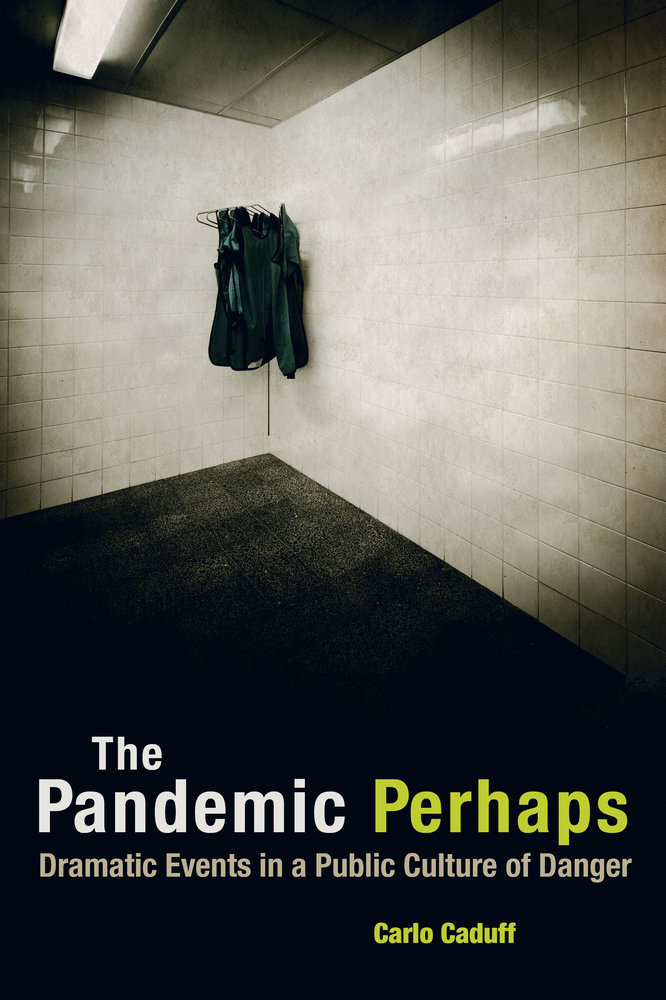
Released this August 2015 from University of California Press is Carlo Caduff’s The Pandemic Perhaps: Dramatic Events in a Public Culture of Danger. In the text, Caduff focuses on alerts in 2005 posted by American experts about a deadly, approaching influenza outbreak. These urgent messages warned that the outbreak would have crippling effects on the economy and potentially end the lives of millions of people. Even though this potentially-catastrophic outbreak ultimately never occurred, preparedness efforts for the slated pandemic carried on.

The text is the product of anthropological fieldwork carried out amongst public health agents, scientists, and other key players in New York City surrounding the influenza scare. Caduff demonstrates how these figures framed the potential outbreak, and how they sought to capture the public’s attention regarding the disease. The book grapples with questions about information, perceived danger, and the meaning of safety in the face of large-scale epidemics. Likewise, Caduff examines how institutions and individuals come to cope with the uncertainty of new outbreaks.

The book will be of interest to cultural medical anthropologists as well as epidemiologists and scholars in public health. Caduff’s work will no doubt shed a timely new light on the way that the threat of epidemics shapes health policy and public perceptions of disease and security.

Caduff is Lecturer in the Department of Social Science, Health, and Medicine at King’s College London. His research addresses the anthropology of science, technology, and medicine, as well as issues surrounding knowledge, expertise, safety, and disease.


For more information on the book, visit the publisher’s website here: http://www.ucpress.edu/book.php?isbn=9780520284098