2016 Preview: Books Received at the Journal

First made available online last month, Culture, Medicine & Psychiatry has released its most recent lists of books received for review at the journal (which you can access on our publisher’s website at this link.) These books include Carlo Caduff’s The Pandemic Perhaps: Dramatic Events in a Public Culture of Danger and Janis Jenkins’ Extraordinary Conditions: Culture and Experience in Mental Illness. Last year, we featured Caduff’s text (here) and Jenkin’s text (here) in book release features here on the blog.

The journal has also received the following two books for review. Here are the two releases:
15407

Image via UPenn Press website

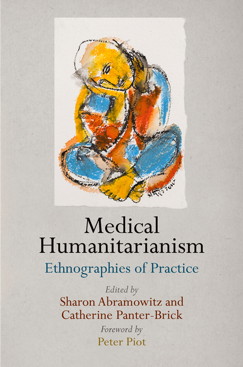
New from the University of Pennsylvania Press is a collection of essays entitled Medical Humanitarianism: Ethnographies of Practice (available here.) Edited by Sharon Abramowitz and Catherine Panter-Brick, with a foreword by Peter Piot, the book explores the experiences of health workers and other practitioners who deliver humanitarian medical aid throughout the world. The book promises a “critical” yet “compassionate” account of humanitarian projects spanning Indonesia, Ethiopia, Haiti, Liberia, and other nations.
80140100970020M

Image via Cornell UP website.

From Cornell University Press comes Gabriel Mendes’ Under the Strain of Color:
Harlem’s Lafargue Clinic and the Promise of an Antiracist Psychiatry (available here.) This historical text examines a mental health clinic in the 1940s established to treat psychiatric complaints amongst a primarily black, urban, underserved population. Unlike other treatment centers for mental illness at the time, the Lafargue Clinic was unique in its emphasis on the medical as well as the social contexts in which its patients experienced distress. The clinic challenged existing notions of “color-blind” psychiatry and became both a scientific and equally political institution, highlighting the “interlocking relationships” between biomedicine, the state, racial inequity, and community-based health care.
Issue Highlight: Vol 39 Issue 4, Incarceration & Medical Anthropology

This blog post is the second installment of our three-part issue highlight on the new December 2015 issue of Culture, Medicine & Psychiatry (the full issue is accessible here.) In this week’s blog, we examine Carolyn Sufrin’s article on the shared roles of clinicians and anthropologists working with incarcerated women in the United States.


cropped-cards.jpg

Clinician-anthropologists are in a unique position to lend voice to their participants and to care for their medical needs. For Carolyn Sufrin, who served both as a physician and an ethnographic researcher for incarcerated women in the United States, the clinical and anthropological roles intersected in deeply meaningful ways. Sufrin notes that in these dual roles, she observed with female prisoners and analyzed their experiences, and provided reproductive health care and delivering the same women’s babies in a county hospital, where imprisoned women gave birth. The women were alternately enrolled in Sufrin’s study upon ceasing to officially be her patients, or were individuals that Sufrin cared for during her tenure as their OB/GYN.

Sufrin uses her case as an example of how to interpret the ethical consequences of working as a clinician-anthropologist. Part of the challenge she faced as both a physician and anthropologist to the women was that IRB and HIPAA regulations divided the types of data she could use in her anthropological research. Though some details of her participants’ lives, such as past trauma or childhood abuse, were essential to their experiences as mothers and as incarcerated women, she could not use this data inasmuch as it had been shared with her in the context of a patient-practitioner interaction: in other words, it was considered classified personal health information that could not be subsequently utilized in her ethnographic research. These methodological hurdles, Sufrin explains, shed light on the complexities of what constitutes “sacrosanct” data. It also suggests how the safeguarding of medical data does not necessarily translate to the “protective” collection of ethnographic data which is not isolated to the case of individual patients, and which relies on knowledge of participants and their connections to other people (in this instance, to individuals in the participant’s life who had caused past psychological harm.)

Likewise, as stated earlier, relationships between the participant/patient and the clinician/anthropologist are another form of interpersonal connection which must be reconfigured depending on the nature of the exchange taking place. In Sufrin’s case, this meant being clear with her participants that– upon entry into her anthropological study– she was no longer their physician, and that the nature of their exchanges and their professional relationship would take a new form. She could share their information (albeit de-identified), unlike information drawn solely from their medical records or from an examination.

Yet here, Sufrin notes that the anthropologist– like the clinician– is still engaged in an ethic of care. For example, one of Sufrin’s former patients in the prison was charged with child endangerment after giving birth in an alley and handing her child to a stranger, unable to afford treatment at a hospital following her release from prison. The story made news headlines, and as public knowledge, was within the realm of information that Sufrin employed in her ethnographic analysis of reproductive health in the American prison system. However, Sufrin knew an added piece of information that was not already publicized from her interaction with the woman in prison: a clinical detail that she understood as a physician, but was shared during her time as an ethnographic researcher. This detail would have enhanced her analysis of the situation, but she chose to omit it out of concern that to publicize the detail would be to betray the woman’s trust in her as a researcher and as someone who served in the prison as a physician.

In other instances that Sufrin discusses, her role as both an anthropologist and clinician led the women she worked with in each capacity to feel as if she was especially attentive and caring. Rather than always relying on her medical authority, Sufrin underscores her decision to remain non-judgmental and supportive even when the women in her study had made potentially harmful choices; for example, she chose not to openly admonish a woman who was continuing to use crack upon release from jail, despite being thirty-two weeks pregnant. Sufrin notes that her silence hid her own frustration with this choice, but it strengthened the woman’s trust in her as an anthropologist and “as a doctor.”

In sum, these dual roles ultimately bolstered her relationships to the incarcerated and formerly incarcerated women that she served. Thus, the author argues that both anthropologists and clinicians share an “ethic of care” in their relationships with research subjects or patients. This ethic involves a careful fostering of the professional, interpersonal connections that ethnographers make with research participants, or that physicians make with their patients. This care entails the protection of private information and the researcher/clinician’s conscious attendance to interpersonal exchanges that bolster the patient/participant’s trust in the clinician/anthropologist. Likewise, an analysis of the clinician role alongside the anthropological one demonstrates both the delineations between multiple forms of care and social connection, as well as the shared commitment in medicine and anthropology to the sensitive attendance to patient and participant experiences.

Vol. 39 Issue 1 March 2015: Ethnography & Clinical Practice

In addition to our From the Archive series, where we highlight past articles in the journal’s history, the CMP blog features selected previews and sneak peeks into our latest issue. This week, we gain a glimpse into an article from the March issue: the first installment of 2015’s Volume 39 of Culture, Medicine & Psychiatry.


A Model for Translating Ethnography and Theory into Culturally Constructed Clinical Practices

Bonnie Kaul Nastasi, et al. Pages 92-120. Link to article: http://link.springer.com/article/10.1007/s11013-014-9404-9

In this article, Nastasi and colleagues have developed a new model for preventative care of HIV and STIs over the course of a 6-year research project in Mumbai, India. This clinical approach, called the Narrative Intervention Model (NIM), implores married men in Mumbai to construct narratives around their sexual health and related problems. With the clinician, patients then deconstruct the narrative to locate discrepancies between their accounts of sexual health and their desired health status. The last stage of the preventative approach entails clinicians coaching patients on how to minimize risk while meeting patient expectations surrounding sexual health. In this way, health counseling becomes a more dynamic process than medical history taking alone.

cropped-cards.jpgThe NIM model in this initial study was employed by both allopathic physicians and traditional Indian medical practitioners. By analyzing patients’ accounts and creating models for health behavior that minimized risks of HIV or STIs, caregivers were able to blend an anthropological and public health approach to preventative medicine. Likewise, the model drew on principles of cognitive behavioral psychology: inquiring about patients’ logic in rationalizing health choices, and intervening in this narrative to display where risks might be prevalent.
In the NIM model, the clinician’s interview with the patient takes on a semi-structured form (which the authors assert is “ethnographic” in nature.) Rather than traditional history-taking, which is an elicitation of information from the patient rather than a more fluid conversation, the NIM encourages patients to make connections between their cultural beliefs, behaviors, and their health.

Given the widespread interest in both medicine and anthropology on patient-clinician communication, this case presents an informative glance into how caregivers might draw on ethnographic practices to improve patient health. NIM offers one methodology for meaningful exchanges between clinicians and patients, and unites the aims of medicine and anthropology in illuminating culturally specific health behaviors, beliefs, and practices for the direct benefit of patients.

Book Release: Buchbinder’s “All in Your Head: Making Sense of Pediatric Pain”

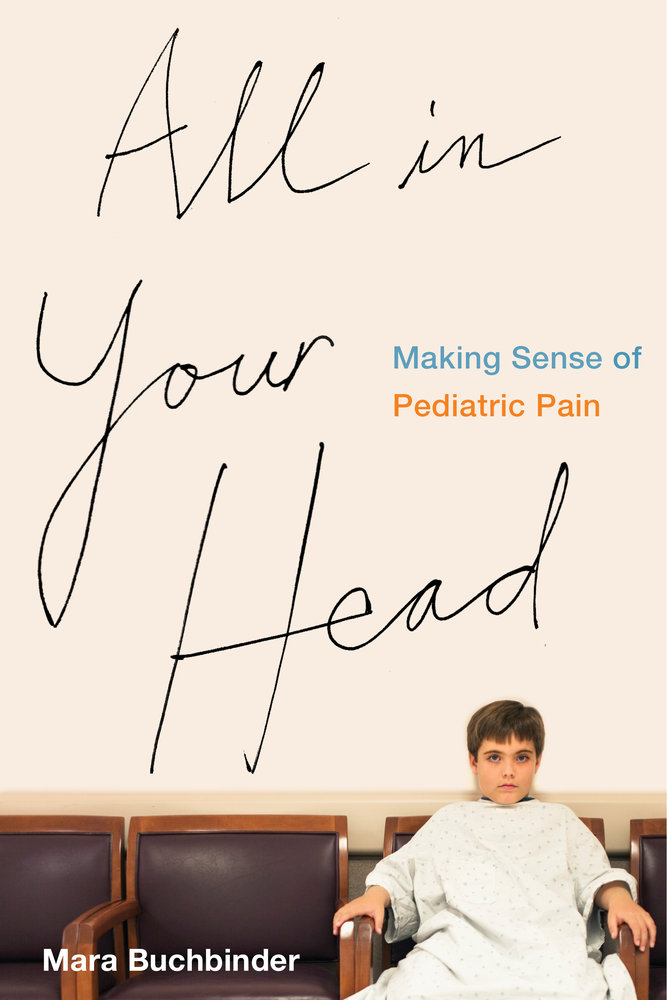
This May 2015, Mara Buchbinder’s book All in Your Head: Making Sense of Pediatric Pain will be released by the University of California Press. The book grapples with the difficulty of expressing internal states to others via language, as these inner subjective experiences are often considered impossible to actualize in words. Buchbinder strives to honor this private experience of pain while studying how language surrounding pain and pain management is relational in nature. She explores how pain is described, managed, and treated in medical settings.

Image via UC Press

Image via UC Press

The text is a product of ethnographic research in numerous pediatric units in California hospitals. Buchbinder considers the social lives of physicians, caregivers, clinicians, parents, and children, all with a stake in alleviating pain and interpreting troubling or perplexing symptoms. Rather than allowing pain to be read solely as an isolating, private matter, the author argues that the treatment of pain is a complex social phenomenon. By focusing on narratives, conversations, and metaphors used by participants to illustrate the nature of pain, Buchbinder’s account underscores the power of language to generate shared meanings for human suffering.

All in Your Head will prove of interest to linguistic and medical anthropologists alike, as well as to scholars in the medical humanities with an interest in textual and communicative analysis in clinical settings. To learn more about this upcoming book, visit the publication page at the University of California Press here: http://www.ucpress.edu/book.php?isbn=9780520285224

ABOUT THE AUTHOR

Mara Buchbinder is Assistant Professor of Social Medicine at UNC-Chapel Hill, where she also teaches coursework in anthropology. She has previously coauthored the book Saving Babies? The Consequences of Newborn Genetic Screening.

March 2015: Preview of Books Received

This week, we are featuring previews of five books received for review at Culture, Medicine, and Psychiatry. Be sure to check out more articles, reviews, commentaries, and case studies published in the first issue of volume 39 (2015) here: http://link.springer.com/journal/volumesAndIssues/11013

via Westview Press

via Westview Press

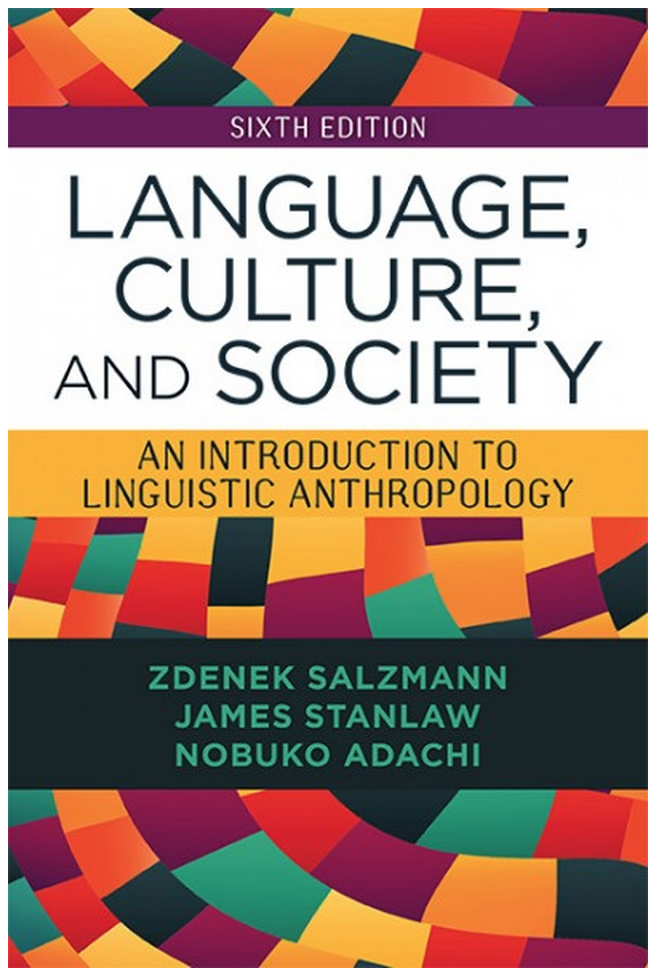
Language, Culture, and Society: An Introduction to Linguistic Anthropology

Zdenek Salzmann, James Stanlaw, and Nobuko Adachi, eds.

This textbook was first published in 1993, and this is the book’s sixth edition. The new incarnation of Language, Culture, and Society features has been revised and expanded with further explanation of the sociocultural context of language. It is also complete with class exercises, discussion questions, and other student resources. The book pays special attention to multilingual and transnational linguistic anthropology.

More details from Westview Press here: http://westviewpress.com/books/language-culture-and-society/

Via UC Press

Via UC Press

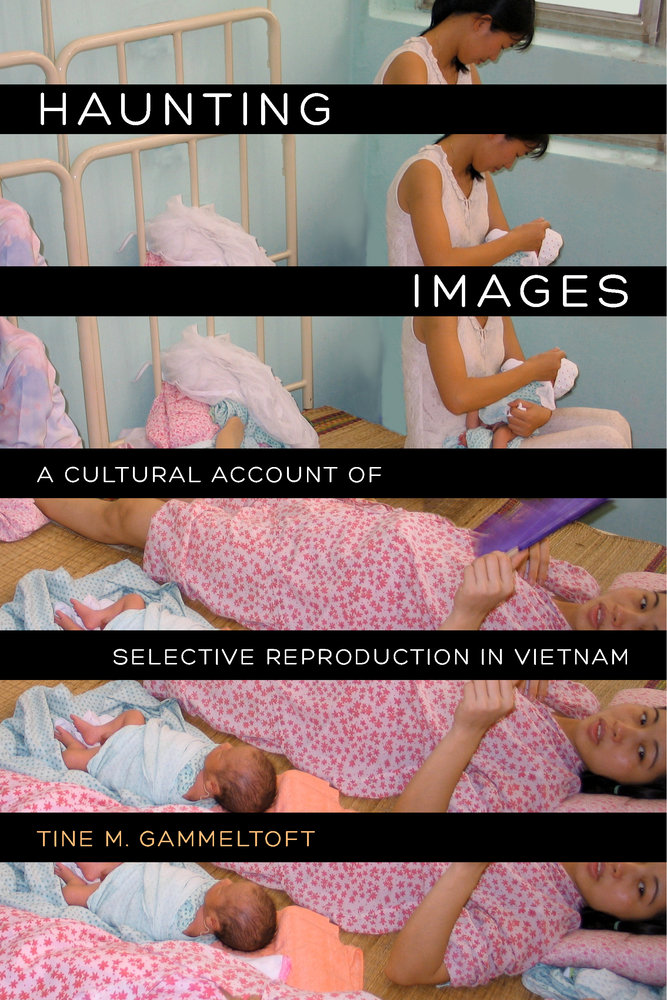
Haunting Images: A Cultural Account of Selective Reproduction in Vietnam

Tine M. Gammeltoft

This ethnographic account explores the lives of pregnant women in Hanoi, Vietnam whose fetuses were deemed biologically abnormal after ultrasound examinations. Gammeltoft considers the moral dilemmas these women face against the backdrop of their everyday lives and the roles of their family members in reproductive decision-making.

More details from UC Press here: http://www.ucpress.edu/book.php?isbn=9780520278431

Via UC Press

Via UC Press

Can’t Catch a Break: Gender, Jail, and the Limits of Personal Responsibility

Susan Starr Sered and Maureen Norton-Hawk

This ethnographic work traces Boston women’s experiences of sexual abuse, violence, inadequate social and therapeutic programs, and the impacts of local and federal policies on incarceration and criminal punishment. The authors consider how these women’s struggles are cast aside as the consequences of “bad choices” and “personal flaws,” and how marginalized women make their way in this “unforgiving world.”

More details from UC Press here: http://www.ucpress.edu/book.php?isbn=9780520282797

Via Duke UP

Via Duke UP

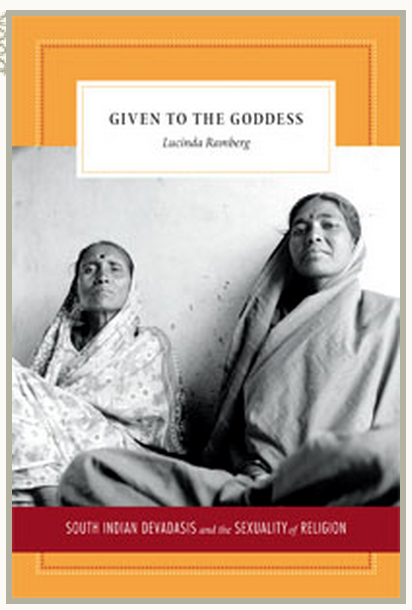
Given to the Goddess: South Indian Devadasis and the Sexuality of Religion

Lucinda Ramberg

Ramberg’s account addresses a unique cultural tradition in South India, where girls and sometimes boys are married to a goddess. They have sex with partner outside of traditional marriage and conduct holy rites outside of the goddess’ temple, and complicate the boundaries between what is male and female. The author argues that goddess marriages challenge existing notions of gender, marriage, and religious practice.

More details from Duke UP here: https://www.dukeupress.edu/Given-to-the-Goddess/index-viewby=subject&categoryid=27&sort=newest.html

Via Johns Hopkins UP

Via Johns Hopkins UP

Generic: The Unbranding of Modern Medicine

Jeremy Greene

This text is a social, political, and cultural history of the rise in generic pharmaceuticals. It tracks the development of modern generic drugs from early 20th century hacks who counterfeited popular medications through the growth in powerful corporations who first produced un-branded drugs. Greene describes generic drugs as a seminal movement towards more equitable, affordable medical care by giving patients quality medicines at a reduced price.

More details from Johns Hopkins UP here: https://jhupbooks.press.jhu.edu/content/generic

Book Release: Paul Stoller’s “Yaya’s Story: The Quest for Well-Being in the World”

9780226178790

Image from UC Press website

Out this month from the University of Chicago Press is Paul Stoller’s book Yaya’s Story: The Quest for Well-Being in the World. The text traces the author’s friendship with a Songhay trader from Niger named Yaya Harouna: a man who moved to the United States as Stoller, an anthropologist, had likewise made a journey from the USA to Africa as a Peace Corps volunteer. Their story begins whenever Stoller meets Yaya selling artwork in an African market in New York City’s Harlem neighborhood, where Stoller carried out research.

Although the men’s histories are markedly different, they become close after the two are each diagnosed with cancer: this serves as the heart of Yaya’s Story, and the experience upon which the two men’s culturally divergent, yet not entirely dissimilar, narratives cross paths. With extensive publications in the genres of both ethnography and memoir, Stoller is certain to blend keen anthropological insight with deeply personal accounts of human suffering, endurance, and resilience in the face of illness across cultures in his latest book.

Stoller, Professor of Anthropology at West Chester University, is a 1994 winner of a Guggenheim Fellowship and the 2013 recipient of the prestigious Anders Retzius Gold Medal in Anthropology from the King of Sweden.

You can find out more about the book here, at the UC Press website:

http://www.press.uchicago.edu/ucp/books/book/chicago/Y/bo18882897.html

Publication Highlight: “Online First” Articles (Oct 2014), Part One

The following collection of articles are from our “Online First” file at our publisher’s website: http://link.springer.com/journal/11013. The full text of these articles will be released in upcoming issues of Culture, Medicine, and Psychiatry, but here we’d like to lend our readers a glimpse into the innovative research in medical anthropology and social medicine that the journal publishes.

Clicking the title of each paper will send you to the “Online First” page for each article, including a full list of authors and abstracts.

cards

A Village Possessed by “Witches”: A Mixed-Methods Case–Control Study of Possession and Common Mental Disorders in Rural Nepal

Ram P. Sapkota, et al

Practicing and Resisting Constraint: Ethnography of “Counter Response” in American Adolescent Psychiatric Custody

Katherine Hejtmanek

The Invisibility of Informal Interpreting in Mental Health Care in South Africa: Notes Towards a Contextual Understanding

Leslie Swartz & Sanja Kilian

Learning Disabilities’ as a ‘Black Box’: On the Different Conceptions and Constructions of a Popular Clinical Entity in Israel

Ofer Katchergin