Interview With Jesse Proudfoot

The next few months we’ll be highlighting authors who have published in Culture, Medicine, and Psychiatry.
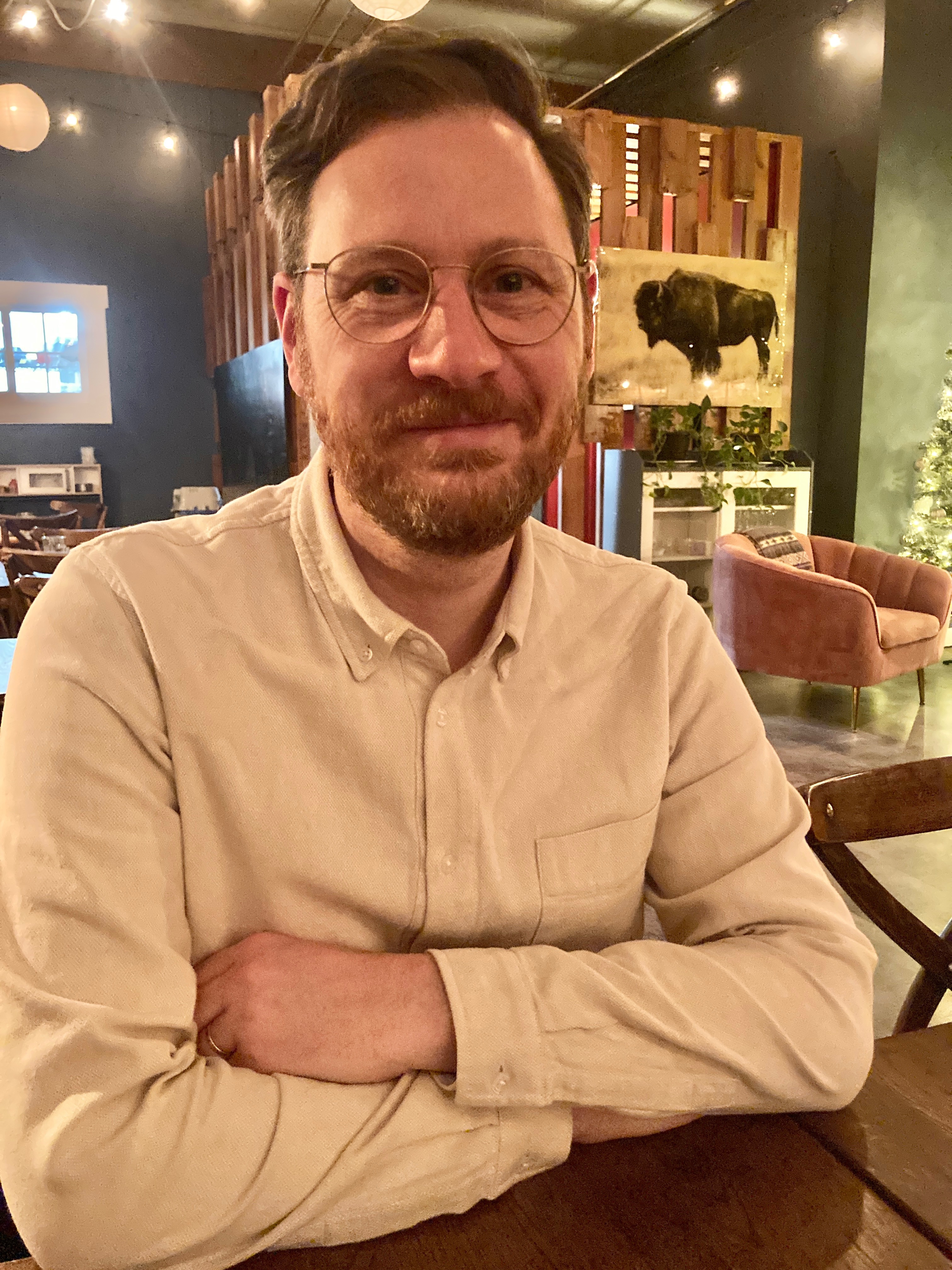
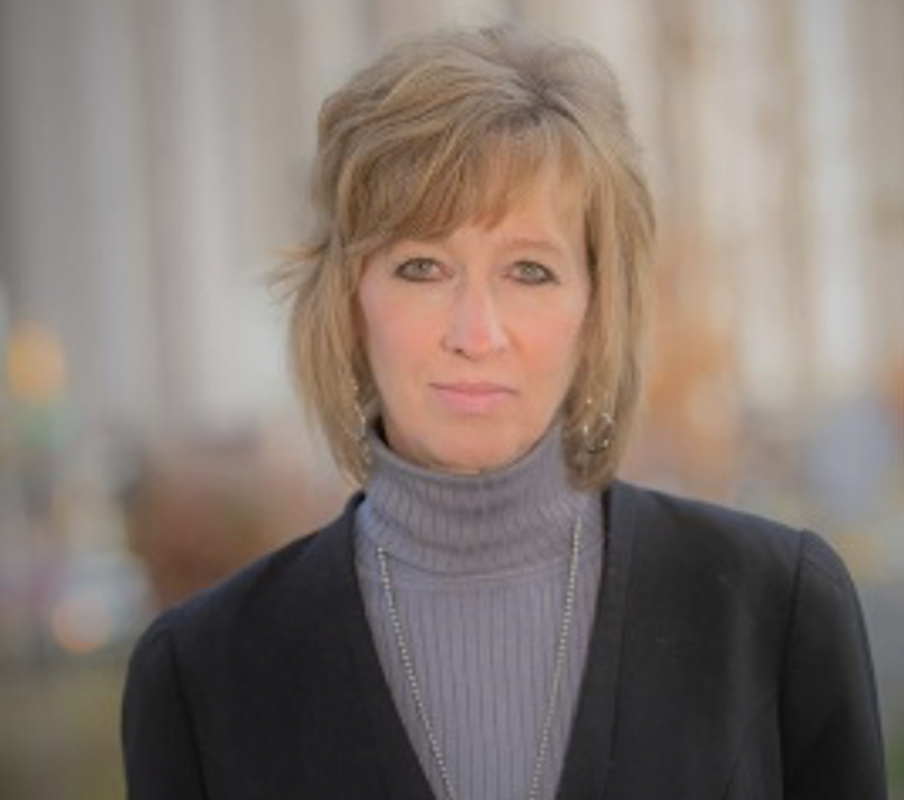
Jesse Proudfoot is an Assistant Professor in the Department of Sociology at Durham University. His research focuses on drug use among marginalized and racialized people, the politics of drug policy and treatment, and the relationship between addiction and structural violence.

What is your article “The Dreamwork of the Symptom: Reading Structural Racism and Family History in a Drug Addiction” about?

This article is about the relationship between oppressive social forces and illnesses like drug addiction. It’s common in medical anthropology to argue that seemingly individual illnesses need to be understood as shaped, and often produced, by social forces, but the precise ways that these forces produce illness is difficult to chart in concrete terms. In this article, I try to analyze this process, by looking at the case of one person I interviewed: Leon, an African American man from Chicago who had an addiction to crack cocaine. Drawing on psychoanalysis, and in particular, Freud’s idea of the dreamwork, I attempt to show how latent social forces like structural racism can find expression in symptoms such as drug addiction, but only through the mediation of other proximate layers—in Leon’s case, his complex relationship with his family and his own radical politics.

Tell us a little bit about yourself and your research interests.

I’ve been interested in drug use and addiction since my PhD, which was an ethnographic study of homeless drug users in Vancouver’s Downtown Eastside. I charted their experiences as the neighbourhood underwent rapid changes due to progressive developments in drug policy, as well as gentrification. My earlier work was more concerned with the politics of harm reduction drug policy, but over the years, I’ve become more interested in the broader question of addiction and the subjective experience of people with problematic relationships to substances. I’m most interested in thinking about symptoms—like addiction—as sites of connection between the social, the political, and the subjective.

What drew you to this project?

This research grew out of an 18 month period of fieldwork I conducted in Chicago in 2012-13. I was working in a halfway house for people being released from prison who were struggling with drug addictions. I was struck by the diversity of people’s experiences of addiction, which ranged from what we might call acute self-medication, in order to deal with intolerable life circumstances, to much more complex, unconscious dynamics related to childhood trauma. Having written about these different forms of addiction in an earlier paper (‘Traumatic Landscapes’, 2019), I became interested in understanding what else we can read in addictions and the broader question of how to understand the relationship between politics and symptoms.

What was one of the most interesting findings?

The hook of this paper is that understanding the causes of your illness is not the same as treating it. Critical medical anthropology places a lot of emphasis on the demystification of symptoms, implicitly arguing that by uncovering the social causes of illnesses, we can alleviate them. Even though it now sounds obvious, I was struck during this research by the gap between demystification and therapeutics. My interlocutor Leon had a very well-developed political analysis of his addiction, grounded in critical political economy and anti-racism, and we talked about this often. But these insights failed him where he needed them most, in changing his own relationship to drugs. Making sense of this gap was what prompted me to think more deeply about how we approach the question of demystification.

What are you reading, listening to, and/or watching right now?

I started running last year, which means I’m listening to a lot of podcasts. My current favorites are Know Your Enemy, which is a deep dive into American conservative thought for people on the Left, and Love is the Message by Tim Lawrence and Jeremy Gilbert, which is focused on dance music, counterculture, and collective joy—things I’ve spent a lot of time thinking about. The most recent novel I read was A Gate at the Stairs, by Lorrie Moore; a very funny and sad book about going to college, grief, and loss.

If there was one takeaway or action point you hope people will get from your work, what would it be?

The demystification of illness is a complex business and our critical efforts must be attentive to the highly particular ways that people experience and embody those social forces that medical anthropologists are often interested in. As I hope to show in the article, this is essential not only to more accurately theorize illness, but also to help people with addictions to make sense of their lives and navigate their recoveries. Care must be ‘structurally competent’ in Jonathan Metzl and Helena Hansen’s terms, but also—in the spirit of the best traditions within psychoanalysis—grounded in the particularities of life histories.

Other places to connect:
Website
Interview With Hanne Apers

The next few months we’ll be highlighting authors who have published in Culture, Medicine, and Psychiatry.

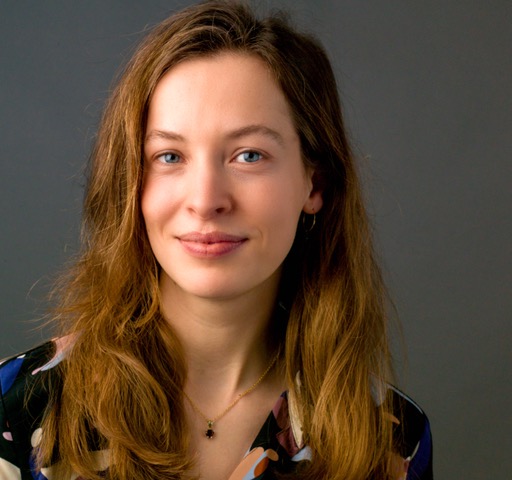
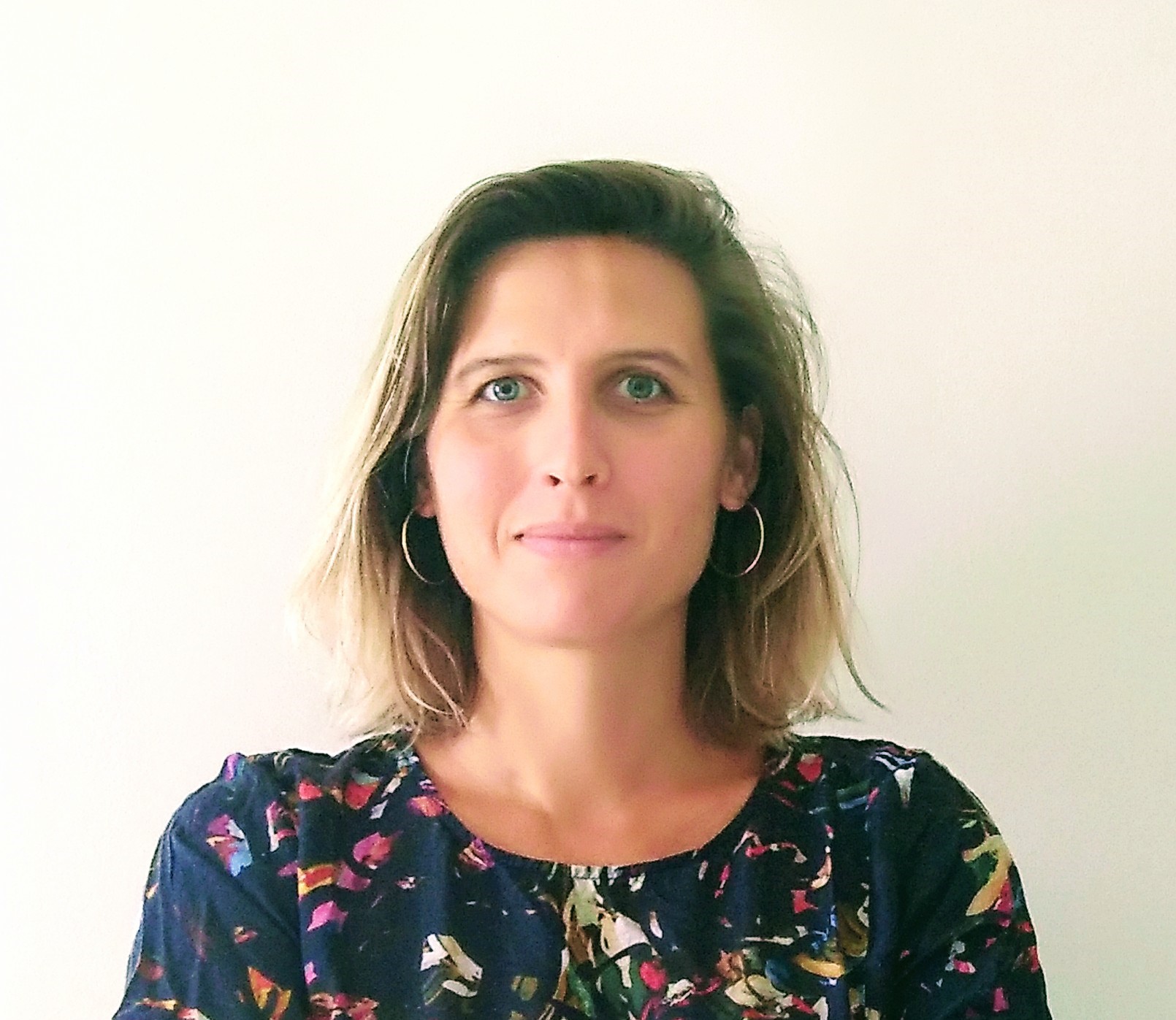
Hanne Apers, a female PhD candidate at the University of Antwerp’s Centre for Population, Family, and Health, specializes in mental health and migration. With a background in psychology and anthropology, she is currently completing her PhD-research on the explanatory models of mental health among East-African migrants in Belgium.

What is your article “Explanatory Models of (Mental) Health Among Sub-Saharan African Migrants in Belgium: A Qualitative Study of Healthcare Professionals’ Perceptions and Practices” about?

This study explores how mental health professionals in Belgium perceive the mental health understandings of their patients with a sub-Saharan African (SSA). 22 professionals were interviewed, including ten who also have a SSA migration background. The study explores three main aspects. Firstly, it examines how professionals perceive their SSA patients’ explanatory models of mental health. Secondly, it investigates the impact of these perceptions on their treatment approaches. Lastly, it considers the influence of professionals’ cultural backgrounds, comparing those with and without an SSA background.

The findings highlight noticeable differences in explanatory models, the main distinction was found in the beliefs about what causes mental health issues. Professionals’ understanding of SSA models affects their treatment practices, those familiar with SSA views faced fewer language and interpretation challenges. Non-migrant professionals emphasized cultural sensitivity and SSA-background professionals adopted an integrated approach. These findings contribute to discussions about what it means to be “culturally competent” in mental health care.

Tell us a little bit about yourself and your research interests.

With a background in psychology and anthropology, my interest lies in exploring how different cultural views on mental health affect how people live, seek and prefer healthcare. As an anthropologist, I focus on qualitative research, favoring participatory, community-based methods to better understand the impact of cultural perspectives on healthcare dynamics.

What drew you to this project?

Numerous barriers and factors continue to hinder migrants’ access to healthcare. My aim was to contribute to lowering these barriers by comprehending the role of cultural understandings and illustrating how the organization of healthcare systems can be adapted to these differing understandings, and contribute to closing the treatment gap.

What was one of the most interesting findings?

The comparison between professionals with and without a similar migration background yielded intriguing insights, advocating for improved representation within healthcare systems.

What are you reading, listening to, and/or watching right now?

The book ‘Crazy Like Us’ by Ethan Watters provides a compelling non-academic exploration of how global mental healthcare is shaped by a prevailing Global North perspective, sometimes with detrimental effects.

If there was one takeaway or action point you hope people will get from your work, what would it be?

I hope to underscore the significance of recognizing cultural understandings and conceptualizations of health. It’s a crucial factor to consider if we aspire to develop and advocate for healthcare approaches that are truly inclusive.

Other places to connect:
Website
LinkedIn

Interview With Mary Hawk

The next few months we’ll be highlighting authors who have published in Culture, Medicine, and Psychiatry.

Mary Hawk (DrPH) is the LSW professor and chair at the University of Pittsburgh School of Public Health, Department of Behavioral and Community Health Science. Dr. Hawk’s work includes the implementation and assessment of structural interventions to improve health outcomes for oppressed populations and the development of community-engaged approaches to optimize public health. She is co-founder of The Open Door, a harm reduction housing program created to improve health outcomes for chronically homeless people with HIV.

What is your article “Harm Reduction Principles in a Street Medicine Program: A Qualitative Study” about?

In this study we partnered with Operation Safety Net (OSN), a nonprofit that provides street medicine services to rough sleepers – people who are unhoused. We conducted qualitative interviews with OSN providers to pinpoint ways that street medicine differs from other kinds of healthcare and what elements of care were most helpful to patients.  We learned this care is built on relational harm reduction, which centers the patient-provider relationship. Ways that harm reduction played out included meeting patients where there are (both emotionally and practically, in this case on the street), offering genuine concern and dignity to patients, and supporting patients them in non-judgmental ways were found to be important aspects of this work. We hope these findings help others who care for marginalized patients consider how they can engage them in care and bridge them to other healthcare services, and ultimately help expand the field of street medicine.

Tell us a little bit about yourself and your research interests.

I worked in nonprofit settings for many years, mostly providing services to people with HIV (PWH) who experience oppression and marginalization. This community-based work is the foundation of my research. I’m interested in building evidence for community-driven approaches that advance health equity for historically excluded populations.  All my work centers on harm reduction, especially as a relational approach to care, which considers ways that patient-provider relationships can improve care outcomes. At the moment, I am working on a National Institute of Mental Health (NIMH)-funded study that explores the impact of a harm reduction-based financial management intervention on adherence among unstably housed PWH, as well as a National Institute of Drug Abuse-funded study using mixed methods to investigate experiences of stigma in healthcare settings by PWH who use drugs.

What drew you to this project?

Operation Safety Net is an amazing organization.  When we first started meeting with Dr. Jim Withers, who has made an immeasurable impact on rough sleepers and street medicine providers across the world, we had an “aha moment” and realized that an essential piece of his work seemed to be rooted in relational harm reduction. It was exciting to explore these ideas with OSN providers. At the core of relational harm reduction is the idea that all patients are worthy of respect and autonomy, and we really saw that play out with the OSN team.

What was one of the most interesting findings?

In our planning meetings with Dr. Withers and other OSN leadership we could hear the genuine care they have for their patients, but seeing this through the interview data was very compelling. But the loss and grief they experience when their patients die was also clear. We talk about burnout in healthcare, but don’t often think about that in terms of grief experienced by providers.

What are you reading, listening to, and/or watching right now?

I’m right in the middle of “The Call,” an episode of This American Life that details an overdose prevention hotline, which is a great example of how we can show care for people who are too often stigmatized through harm reduction work.  I’m also a diehard Survivor fan!

If there was one takeaway or action point you hope people will get from your work, what would it be?

Humanism is at the heart of harm reduction approaches to care, including street medicine.  Affording people dignity and genuine concern is the jumping off point for engaging anyone in care, but especially those who regularly experience trauma and systematic oppression. It can make all the difference to not only their experiences of care but also their retention in care and, ultimately, clinical outcomes. 

Other places to connect:
Website
Twitter
LinkedIn
Instagram

Interview With Lamia Moghnieh

The next few months we’ll be highlighting authors who have published in Culture, Medicine, and Psychiatry.

Lamia Moghnieh (Postdoctoral Fellow, University of Copenhagen) is an anthropologist and mental health practitioner. Her research looks at the impact of psychiatry on understandings of self and illness in postcolonial and postconflict societies of the MENA/SWANA. She is interested in exploring the relationship between psychiatry and subject formation in the context of global mental health and patient subjectivities.

What is your article “The Broken Promise of Institutional Psychiatry: Sexuality, Women and Mental Illness in 1950s Lebanon” about?

I am an anthropologist, psychologist, and a social worker, and more recently, I am also a patient of analytical therapy. I try to let my research be informed from all of these positionalities together or provide insights from all of these places (as a researcher, practitioner and from the more intimate and vulnerable position of being a patient). I work in the field of mental health, and I do research on the histories and ethnographies of psychiatry, tracing various discourses on mental health from the Middle East and North Africa/ Southwest Asia and North Africa). I am currently writing my book manuscript provisionally entitled “Psychiatric Afterlives: Narrating Illness, Gender and Violence in Lebanon”. The book builds on multi-disciplinary frameworks from medical humanities to examine the role of psychiatric expertise in shaping patient and social imaginaries of madness and violence in Lebanon.

What drew you to this project?

I always wanted to be a clinical psychologist until I enrolled in the MAPSS program (Masters’ in the Social Sciences) at the university of Chicago. There, I was introduced to the various historical, philosophical and political critiques of psychology and I was drawn to medical anthropology. After I finished my PhD, which focused on trauma, humanitarianism and the politics of suffering in Lebanon, I was interested in learning more about the history of psychiatry in Lebanon and the region. My background and research interests are interdisciplinary. I am lucky to be in an academic position (at the upcoming research center “Culture and the Mind” head by Ana Antić at the University of Copenhagen) that welcomes and values this interdisciplinarity in the study of psy disciplines.

What was one of the most interesting findings?

One of the findings that interest me is the ways in which the family acts as an equal diagnoser of mental illness to psychiatric expertise. As shown in the article, the story of Hala invites more attention to the ways in which women (and maybe non-normative persons) become chronically institutionalized by institutional psychiatry and the family. This is not to dismiss the psychological and financial effects that mental illness might have on family members. The article rather approaches the family as a sociological unit that governs and defines normality, and is interested in the dialogue, tensions and challenges of care and normality between the family and institutional psychiatry, as shown in the story of Hala.

What are you reading, listening to, and/or watching right now?

Audre Lorde’s Zami: A New Spelling of My Name
Roberto Bolaño’s Cowboy Graves
سارة اب وغزال “احلمي يا سيدي
هلال شومان “حزن في قلبي
Couch Fiction: A Graphic Tale of Psychotherapy
Jonathan Sadowsky’s Empire of Depression: A New History

If there was one takeaway or action point you hope people will get from your work, what would it be?

That psychiatry is both a form of governance and a mode of healing whose authority and reach transforms and changes over time. That patient voices and narratives are a crucial part of the history of psychiatry and of its contemporary practices. And that medical humanities, including anthropology, is a field that can offer useful and critical insights on the status of global mental health.

Other places to connect:
Website
Twitter
LinkedIn

Interview with Michael Galvin

The next few months we’ll be highlighting authors who have published in Culture, Medicine, and Psychiatry.

Dr. Michael Galvin is a Global Psychiatry Clinical Research Fellow and in the Department of Psychiatry at Harvard University and the Department of Psychiatry at Boston University. Dr. Michael Galvin is a global health researcher and psychotherapist.  His primary research interests center on mental health and the role that one’s environment, culture, and belief systems play in mental illness and treatment.  In particular, his work focuses on elucidating cultural models of mental illness and exploring relationships to pathways to care, with the goal of improving cultural adaptation of mental health interventions.  

What is your article “Examining the Etiology and Treatment of Mental Illness Among Vodou Priests in Northern Haiti about?

This article is about the way that traditional healers (ougan) conceptualize and treat mental illness in rural Northern Haiti.  While the vast majority of people with mental illness seek treatment from ougan in this region – as few biomedical services exist – very little research has examined what ougan actually do when treating patients.  The article also tries to understand how mental illness is viewed from the healer’s perspective, delving into the broader Vodou cosmology which remains very influential in rural parts of Haiti.

Tell us a little bit about yourself and your research interests.

My interests mostly center around mental illness and how we conceptualize it in different cultures and settings.  Historically, mental illness has always been hard for people to understand, getting wrapped up in ideas of spirit and demon possession.  Rarely have people thought it was something to treat like a broken leg or even a bacterial infection.  This is partly because there are no biomarkers to test for it thus patients recount what they are experiencing solely via self-report.  But it’s also because mental illness affects the basic ways in which people act and simply exist in the world.  When our loved ones have significant behavioral changes without physical symptoms of illness or infection it can often lead us to suspect the supernatural.

What drew you to this project?

I have been working and living in Haiti on and off since 2012 and knew I wanted to focus my dissertation research in Cap-Haïtien.  I found out about the Mental Health Center at Morne Pelé in 2018 and spent the entire summer of 2019 volunteering with them so we could get to know each other, for me to better understand what their work was like, and to start exploring different angles for my dissertation research which I conducted in the second half of 2020.  It was during the summer of 2019 that I learned about the extent to which patients held explanatory models based in Vodou and I knew that had to become a significant part of my research there.  I’m currently the director of the Mental Health Center at Morne Pelé’s new Research Laboratory so it’s very exciting to continue to collaborate together.

What was one of the most interesting findings?

One of the most interesting findings was this treatment called fiksyon that almost all the healers I interviewed used.  Barely anything has been written about these concoctions so this was really one of the first times they’ve been explored.  Fiksyon are different liquids – usually rum mixed with ground plants and animals – that are kept in large unmarked semi-transparent plastic bottles.  There’s a lot of mystery surrounding fiksyon with many people saying they have mystical properties.  It would be interesting to explore more about what is actually in them and the places where they are manufactured

What are you reading, listening to, and/or watching right now?

I’m reading a really interesting book that was written in the 1970s called Plagues and Peoples.  It’s a great dive into the history of pandemics over the centuries.  It’s not a hard read at all, very enjoyable and easy to understand with lots of nice anecdotes.  Apparently the findings have held up really well over the last 50 years too.

If there was one takeaway or action point you hope people will get from your work, what would it be?

That religion and culture have deep impacts in the way we conceive of mental illness.  That we still know relatively little about how mental illness develops, manifests, and is best treated.  That the relationship between our minds and our bodies is exceedingly complex and there are often no easy solutions.

Thank you for your time!


In the News: “Life After the Storm” and the Psychological Impacts of Hurricane Survivorship

In our In the News post this week, we are discussing the lasting psychological impacts people face after surviving a large natural disaster event, such as the string of recent hurricanes battering the United States and the Caribbean. Building from a recent New York Times article by Benedict Carey entitled Life After the Storm: Children Who Survived Katrina Offer Lessons, available here, this post discusses how lasting damage from natural disasters can be much more than physical and economic.


September 2017. Benedict begins his article by sharing the story of Craig Jones, now 22 years old, who was in fifth grade when Hurricane Katrina in 2005 devastated his neighborhood of Pigeon Town in New Orleans. After spending years on the move, living between hotel rooms, Jones returned to New Orleans in his late teens. He remembers that “home” was not the same place he had left, and his “homesickness” became troubling anxiety and seemingly random panic attacks.

Lacey Lawrence, 22, at work in New Orleans. She escaped the floods of Hurricane Katrina on an air mattress. Now she teaches children coping skills. Credit: Annie Flanagan for The New York Times

Another survivor, Lacey Lawrence, now 22, escaped the water of Hurricane Katrina on an air mattress. Lawrence recalls the experience of seeing police officers pushing away floating bodies with oars, missing and uncle who presumably drowned, and wondering where a young cousin disappeared to for several hours. Later, at a new school, Lawrence was ill-equipped to deal with her experience. “I was getting into fights; real fights, violent ones. That was something I never did before, ever. But you lose everything and you don’t know how to deal with it – no one prepares you for that” (Benedict 2017).

Studying the psychological impacts from previous hurricanes may offer hints of what may be to come for those who have survived Hurricane Harvey, Irma, and most recently, Maria. Mental health providers and social scientists are acutely aware of the unpredictable traumatic consequences which can emanate from surviving natural disasters. Yet the impacts of surviving a hurricane may be unique.

Benedict (2017) writes, “Unlike an earthquake or a fire, flooding from a storm like Katrina or Harvey leaves many houses and buildings still physically standing but uninhabitable, simultaneously familiar and strange, like a loved one sinking into dementia.”

In a series of publications from the Stress & Development Laboratory at the University of Washington, the research teams concluded that the prevalence of “serious emotional disturbance” (SED) in young adults after exposure to Hurricane Katrina remained significantly elevated several years after their experience of the storm (McLaughlin et al. 2010). The prevalence of SED among young adults who experienced Hurricane Katrina was considerably greater than the pre-hurricane prevalence. According to a 2010 study, approximately 8% of youths were estimated to have SED that is directly attributable to their experience of the hurricane. Further, the majority of adults who developed posttraumatic stress disorder (PTSD) after Katrina, including delayed onset PTSD, did not recover within 18-27 months (McLaughlin et al. 2011).

Prior to Hurricane Katrina, the majority of the literature focuses on the prevalence of and risk for the development of mental health problems following a storm or hurricane. For example, a study of the presence of PTSD symptoms after Hurricane Mitch in 1998 in a low-income area of Nicaragua found that the occurrence of PTSD in the areas with the least damage was 4.5%, while the most damaged areas was 9% (Davis, Tarcza, and Munson 2009). Variables such as low social support, prior exposure to traumas, and poor health status were found to be universally predictive of psychopathology symptoms (Davis, Tarcza, and Munson 2009).

A 2005 study by Fried, Domino, and Shadle looked at the use of mental health services after Hurricane Floyd in 1999 and found that visits to psychologists, licensed clinical social workers, and physicians for mental health reasons were higher in affected areas after the hurricane. However, inpatient admissions and the money spent on anti-anxiety medications decreased, indicating that there were likely problems with service delivery for those that did seek help (Davis, Tarcza, and Munson 2009).

Flooded homes are shown near Lake Houston on Aug. 30 after Hurricane Harvey hit the Houston area.
Photo from NPR: Win McNamee/Getty Images

In the aftermath of Hurricane Harvey, Texas officials were “scrambling to coordinate mental health support” and the state’s psychology board issued temporary practice licenses for out-of-state therapists (Benedict 2017).

In a recent CNN article, Jesse Cougle, an associate professor of psychology at Florida State University, said that the people who stared and witnessed the destruction of Hurricane Irma will likely experience worse mental health problems than those who evacuated (Scutti 2017).

Chief of emergency mental health and traumatic stress services branch at the Substance Abuse and Mental Health Services Administration, Capt. Maryann Robinson, stated that “when you go home and now you are actually faced with what has happened — the devastation that has occurred in your home — it really does re-traumatize the individual” (Scutti 2017).

Overall, anticipating the consequences for major hurricanes should encompass more than disaster preparedness schemes and evacuations routes. Multi-state collaborations

Katrina’s young survivors, now older and reflecting on their experiences, say that “overcoming the mental strain of displacement is like escaping the rising water itself – a matter of finding something to hold onto, one safe place or reliable person, each time you move” (Benedict 2017).


References Cited:

Davis T.E., Tarcza E.V., Munson M.S. (2009) The Psychological Impact of Hurricanes and Storms on Adults. In: Cherry K. (eds) Lifespan Perspectives on Natural Disasters. Springer, New York, NY. Pp. 97-112. (Available here: http://stressdevelopmentlab.org/publications)

McLaughlin, K. A., Berglund, P., Gruber, M. J., Kessler, R. C., Sampson, N. A., & Zaslavsky, A. M. (2011). Recovery from PTSD following Hurricane Katrina. Depression and anxiety, 28(6):439-446. (Available here: http://stressdevelopmentlab.org/publications)

McLaughlin, K. A., Fairbank, J. A., Gruber, M. J., Jones, R. T., Osofsky, J. D., Pfefferbaum, B., … & Kessler, R. C. (2010). Trends in serious emotional disturbance among youths exposed to Hurricane Katrina. Journal of the American Academy of Child & Adolescent Psychiatry, 49(10):990-1000. (Available here: http://stressdevelopmentlab.org/publications)

Carey, Benedict. (September 8, 2017) Life After the Storm: Children Who Survived Katrina Offer Lessons. The New York Times. Available here: https://www.nytimes.com/2017/09/08/health/katrina-harvey-children.html?rref=collection%2Fsectioncollection%2Fhealth&_r=0

Scutti, Susan. (September 20, 2017) Resilience, suffering and silver liniings after a disaster. CNN. Available here: http://www.cnn.com/2017/09/19/health/psychological-aftermath-hurricanes-harvey-irma/index.html


Further Reading:

Davis III, Thompson, Amie Grills-Taquechel, and Thomas Ollendick. (2010) The Psychological Impact From Hurricane Katrina: Effects of Displacement and Trauma Exposure on University Students. Behav Ther 41(3):340-349.

Domonoske, Camila. (September 26, 2017) Long After The Hurricanes Have Passes, Hard Work – And Hazards – Remain. NPR. Available here: http://www.npr.org/sections/thetwo-way/2017/09/26/552063244/long-after-the-hurricanes-have-passed-hard-work-and-hazards-remain

Fothergill, Alice, and Lori Peek (2015) Children of Katrina. Austin: University of Texas Press. Available here https://utpress.utexas.edu/books/fothergill-peek-children-of-katrina

McLaughlin, K.A., Fairbanks, J.A., Gruber, M., Jones, R.T., Pfefferbaum, B., Sampson, N., & Kessler, R.C. (2009). Serious emotional disturbance among youth exposed to Hurricane Katrina two years post-disaster. Journal of the American Academy of Child and Adolescent Psychiatry, 48:1069-1078. (Available here: http://stressdevelopmentlab.org/publications)

Shear, M. K., McLaughlin, K. A., Ghesquiere, A., Gruber, M. J., Sampson, N. A., & Kessler, R. C. (2011). Complicated grief associated with Hurricane Katrina. Depression and Anxiety, 28(8):648-657. (Available here: http://stressdevelopmentlab.org/publications)

Article Highlight: Vol. 41, Issue 3, “Shame, Blame, and Status Incongruity: Health and Stigma in Rural Brazil and the Urban United Arab Emirates”

This week on the blog we are highlighting a paper by Lesley Jo Weaver and Sarah Trainer entitled Shame, Blame, and Status Incongruity: Health and Stigma in Rural Brazil and the Urban United Arab Emirates. The authors build on sociologist Erving Goffman’s classic notion of stigma as a social phenomenon to investigate the stigma attached to two seemingly disparate conditions: food insecurity in rural Brazil, and obesity in the urban United Arab Emirates. The authors’ analyses emphasize that both circumstances are stigmatized because they represent a deviation from a deeply-held social norm. Additionally, in both cases, the stigma related with food insecurity and obesity is likely at least as damaging to personal wellbeing as are the biological effects of these conditions. To close, Weaver and Trainer suggest that these forms of stigma transcend individuals and are principally structural in their origins. Viewing stigma as a common element of the human condition refocuses the analytic lens toward structural-level factors that need to be addressed in order to improve human wellbeing.


Weaver and Trainer begin by discussing the theoretical grounding of stigma. Frequently defined as an indicator of disgrace signifying physical, moral, or social flaw, stigma is a powerful determinant of physical and mental health. Whether externally imposed by others or internalized and self-directed, stigma may come from or produce feelings of shame and embarrassment. Sociologist Erving Goffman described stigma as a “single social process uniting a dizzying range of conditions and behaviors… Stigma is stigma because it is ‘fundamentally discrediting’—that is, it is perceived to index something inherently negative about a person.”

Precisely because stigma draws on core beliefs held by mainstream society and has consequences for both physical and mental health, stigma should be a public health concern. Having a unitary conception of stigma can be operationalized as status incongruity—that is, the potentially measurable difference between culturally held attitudes of what people should be or achieve in a given realm, and what they are actually able to be or achieve.

Food insecurity is defined as a lack of secure access to safe and culturally appropriate foods at all times. Food security is often stigmatized since it may be a public symbol of poverty, or force one to have to obtain food in socially unacceptable ways. Even when not visible, food insecurity often generates self-directed stigma, often with damaging psychological impacts and experiences of status incongruity.

While clinically obese bodies are an epidemiological norm worldwide, they are rarely socially normalized in modern Western cultures. Further, evidence suggests that obesity stigma has increased along with increasing global obesity. Obesity cannot easily be hidden, and therefore stigma acts through both internal shame and external blame, which distinguishes it in profound ways from food insecurity. Stereotypically, obesity stigma stems from a combination of Western beauty ideals of aesthetic thinness and increased risk of ill health, along with moral beliefs that obesity signals lack of control. Further, obesity now can serve as a visible marker of poverty in many cultural settings, signaling status incongruity.

The authors discuss two different case studies—Brazil and the UAE—precisely because the severity of the differences between the settings exemplifies the powerful underlying similarities in the ways stigma influences health and well-being through feelings of shame, blame, status incongruity, and social isolation.

Weaver’s research in rural Northern Brazil focused largely around food insecurity and mental health. Ethnographic research conducted in urban Brazil establishes that bodies are read as high or low status, and weight and body shape are a key part of that. There is also an agreed-upon set of factors that signal the “good life.” These signals include things such as the ownership of a television and computer, participation in leisure activities, and the attainment of a desirable body shape. Some food items signal luxury and abundance while others carry stigma because they indicate humbleness, if not outright poverty.

Household food insecurity scores collected from pilot study phases were associated rather strongly with symptoms of depression among heads of household. The depression associated with food insecurity in this setting may be a result of the understandable stresses of having limited resources, but potentially also a result of the shame related to having to eat low-status foods or engage in non-normative food behaviors, such not being able to invite neighbors to eat or reciprocate sharing food.

Many people reported that they were unaware of food insecurity in the community, despite the authors’ documentation of its frequency. It appears in this setting that the harmful effects of food insecurity on mental health might stem more from self-stigmatization of one’s own food insecurity than from active stigmatization by others. The authors state they suspect that shame and self-stigma surrounding food insecurity motivates people to hide it.

In the United Arab Emirates, the authors’ discussion of stigma focuses on interwoven behavioral and aesthetic norms, and stigma related to perceptions of deviations from these norms. Food and eating patterns, as well as bodies and body norms, have seen particularly profound changes over the course of only twenty or thirty years of intense socioeconomic, structural, and cultural shifts. Despite the conspicuous consumption and wealth on display in the UAE, poverty and food insecurity are also present within the local population and foreign workers, but again the social pressure to hide such deprivation was intense.

Much more publicly considered in the UAE is the growing apprehension over obesity and associated chronic diseases. While “fatness” was once a desirable physical characteristic, especially in women who were expected to “fill out their skins” in order to display familial wealth, today young people reliably express physical female beauty ideals that aspire to an hour-glass shape, while stigmatizing bodies categorized as too fat or too skinny.

At issue here are “bodies that don’t conform.” The implications of lack of cultural consonance with body norms in this context are serious. In the UAE, the recipients of stigma are very thin or obese bodies, and in Brazil, the recipients are people experiencing food insecurity. The moral discourse around these issues, the ways in which this stigma is enacted, and the importance of specific types of stigma over others varies in important ways between research sites, however. The relative importance of internal versus external stigma in each case is likely related to the fact that one condition (food insecurity) can be hidden, while the other (obesity) cannot.

For the authors, a second common element linking these two cases of stigma is the fact that each signifies a departure from a social norm, accompanied by intense social isolation. Third, both food insecurity and obesity have well documented consequences for physical health, as well as important but poorly understood consequences for mental and social health. Weaver and Trainer states that these common features suggest stigma around food insecurity and obesity can be conceptualized as two “outlets” for the same social phenomenon: “health stigma.”

The authors conclude by asserting a useful implication of considering stigma as a single social phenomenon is that it refocuses away from the individual and toward structural causes of stigma. While the everyday issue of stigma is enacted on the individual level, stigma is only stigma because people concur at a larger population level that a position is stigma-worthy. Focusing on the commonalities between stigma experiences functions as an important reminder that stigma is not just personal but also collective. Policy implications of stigma-as-structure have largely been overlooked.

Book Release: “Fat Planet: Obesity, Culture, and Symbolic Body Capital”

This week we are highlighting a recent book release from the University of New Mexico Press entitled Fat Planet: Obesity, Culture, and Symbolic Body Capital (2017), edited by Eileen Anderson-Fye and Alexandra Brewis. As a reminder, in June the CMP blog will be switching to our bi-weekly summer schedule.

Photo via UNM Press

The average size of human bodies all over the world has been steadily rising over recent decades. The total count of people clinically labeled “obese” is now at least three times what it was in 1980. Around the world, governments and other organizations are deploying urgent anti-obesity initiatives. However, one unintended consequence of these efforts to tackle the “obesity epidemic” has been the increasing stigmatization of “fat” people. This rapid proliferation of fat stigma has profound implications for both human suffering and disease. Fat Planet represents a collaborative effort to consider at a global scale what fat stigma is and what it does to people.

Making use of an array of social science perspectives applied in multiple settings, the authors examine the interplay of weight, wealth, history, culture, and meaning to fat and its social rejection. They explore the notion of symbolic body capital — the power of non-fat bodies to do what people need or want. They also investigate how fat stigma relates to other forms of bias and intolerance, such as sexism and racism. In so doing, they illustrate the complex and quickly shifting dynamics in thinking about fat — often considered deeply personal yet powerfully influenced by and influential upon the broader world in which we live. They reveal the profoundly nuanced ways in which people and societies not only tolerate, but even sometimes embrace, new forms of stigma in an increasingly globalized planet.

Chapters include:

  • Making Sense of the New Global Body Norms. Alexandra Brewis
  • From Thin to Fat and Back Again: A Dual Process Model of the Big Body Mass Reversal. Daniel J. Hruschka
  • Managing Body Capital in the Fields of Labor, Sex, and Health. Alexander Edmonds and Ashley Mears
  • Fat and Too Fat: Risk and Protection for Obesity Stigma in Three Countries. Eileen P. Anderson-Fye, Stephanie M. McClure, Maureen Floriano, Arundhati Bharati, Yunzhu Chen, and Caryl James
  • Excess Gaines and Losses: Maternal Obesity, Infant Mortality, and the Biopolitics of Blame. Monica J. Casper
  • Symbolic Body Capitol of an “Other” Kind: African American Females as a Bracketed Subunit in Female Body Valuation. Stephanie M. McClure
  • Fat Is a Linguistic Issue: Discursive Negotiation of Power, Identity, and the Gendered Body among Youth. Nicole L. Taylor
  • Body Size, Social Standing, and Weight Management: The View from Fiji. Anne E. Becker
  • Glocalizing Beauty: Weight and Body Image in the New Middle East. Sarah Trainer
  • Fat Matters: Capitol, Markets, and Morality. Rebecca J. Lester and Eileen Anderson-Fye

For more information, visit the University of New Mexico Press website, available here.


Dr. Eileen Anderson-Fye is a medical and psychological anthropologist, and the founding director of the Medicine, Society, and Culture (MSC) Master’s Degree track in Bioethics at Case Western Reserve University School of Medicine. Drawn to interdisciplinary study as an undergraduate, Dr. Anderson-Fye developed the MSC degree track for students to explore how factors beyond biomedical science contribute to health and wellness. Social and cultural constructs, historical and rhetorical influences, literature, and philosophy all shape perceptions of health, illness, and recovery, which in turn affect choices, beliefs, and behaviors. Those who appreciate this complex and multi-layered interplay will be able to play pivotal roles in enhancing how care is delivered – and the outcomes it yields.

Dr. Anderson-Fye’s perspective on these issues has been informed by extensive research on the mental health and well-being of adolescents and young adults in contexts of socio-cultural change. Her most enduring project is an ongoing longitudinal study of how subjective perceptions of current and future well-being allowed the first mass-educated cohort of Belizean schoolgirls to overcome severe threats to their mental and physical health. More recently, she led a team’s study of the psychiatric medication experiences of undergraduates at North American university campuses, where a mix of quantitative and qualitative methods revealed stark differences between reported and actual usage. Dr. Anderson-Fye is writing a book about the findings and their implications; it is tentatively titled, Young, Educated and Medicated. Dr. Anderson-Fye has an A.B. From Brown University in American Civilization.  She earned her M.Ed. and Ed.D. in Human Development and Psychology from Harvard University. Her training has included work at Harvard Medical School in the Department of Social Medicine and Massachusetts General Hospital, and postdoctoral fellowships in Interdisciplinary Studies of Culture and Neuroscience and Culture, Brain and Development at the Semel Institute for Neuroscience in the David Geffen School of Medicine at UCLA.

Dr. Alexandra Brewis is a President’s Professor and Distinguished Sustainability Scientist at Arizona State University, where she also co-leads the translational Mayo Clinic-ASU Obesity Solutions initiative and serves as the associate vice president of Social Sciences. Her research interests includes how and why effective obesity solutions are undermined by weight stigma, damaging and distressing for millions of people and is rapidly spreading globally.

Dr. Brewis has a PhD in Anthropology from University of Arizona and was an Andrew W. Mellon Foundation postdoctoral fellow in anthropological demography at the Population Studies and Training Center at Brown University. Before joining ASU, she taught at the University of Auckland in New Zealand and University of Georgia. At ASU, Dr. Brewis served as Director of the School of Human Evolution and Social Change from 2009-2017.

SPA 2017 Biennial Meeting: Breakfast Lecture with Richard Shweder and Byron Good

This week we’re featuring a summary of The 2017 Biennial Meeting of The Society for Psychological Anthropology Breakfast Lecture. This year, the Breakfast Lecture presented a conversation with the 2016 Lifetime Achievement Awardee, Richard Shweder, and the 2017 Lifetime Achievement Awardee, Byron Good. In this event, Dr. Shweder and Dr. Good reflect on morality and “the mental” in both Cultural Psychology and Psychological Anthropology, discussing how profoundly different worlds still share some moralities and orientations. They also discuss some critical challenges and opportunities for psychological anthropology. By interviewing each other, a foundational technique in anthropology itself, Dr. Shweder and Dr. Good explore their past works, theoretical orientations, and their anticipation of where anthropological explorations of psychological processes are heading.

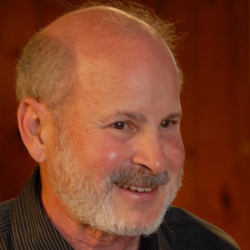
2016 SPA Lifetime Achievement Awardee Richard Shweder

The conversation begins with Dr. Good asking Dr. Shweder to “tell us about your history.” Dr. Shweder delves into his upbringing in Great Neck on the north shore of Long Island, at the time an emerging suburb with a very progressive, left-wing population. He discusses the first time he heard the word anthropology in his 11th grade English class when “Mr. Beal” said, “for any of you who don’t know what to do in life, there’s this thing called anthropology.” After graduation Dr. Shweder went to the University of Pittsburgh where Dr. Arthur Tuden, an Africanist and Cultural Anthropologist, taught his Introduction to Anthropology class, bringing in the study of culture with current events and ultimately solidifying Dr. Shweder’s path in Anthropology. From Pittsburgh, Dr. Shweder progressed to Harvard, where he states several figures had an impact on his intellectual growth, including Cora DuBois and John Whiting. After finishing his Ph.D. at Harvard, Dr. Shweder taught at the University of Nairobi in Kenya before finally landing at the University of Chicago.

Dr. Shweder then, discussing approaches and schools of thought in Cultural Psychology, defines Cultural Psychology as “the study of differences in mentalities across human populations.” Psychological Anthropology, for Dr. Shweder, has been more interested in taking universal psychological schemes and applying them to particular cultures to see whether or not different practices or beliefs were essentially manifestations of a broader psychological concept, such as a variation on an Oedipus complex. There is not a denial of universals in Cultural Psychology, however, since, to Dr. Shweder, there is not a way of studying differences without also studying universals. Dr. Shweder describes his way of defining the Cultural Psychology of Morality as “investigating the fates of moral absolutes in history and to show the way they get transformed, take on different content, and lead to different judgments.” To Dr. Shweder, behind a culture or individual is a set of moral absolutes, or rules of moral reason. Yet these moral absolutes and rules are abstract concepts which do not present determinations of actual cases, histories, or cultural contexts. Cultural Psychology is not about looking for likenesses, but looking for the differentiations and local adaptations that have taken place. For Dr. Shweder, the psychological means looking at differences in “the mental.” “The mental” refers to what people know, think, feel, want, and value as good and bad. Dr. Shweder states, “Anywhere you look in the world you’re going to find that people know, think, feel, want, and value things as good and bad. In some sense, that’s what it means to be a person.”

Dr. Shweder follows up with a discussion that anthropologists are supposed to fairly represent the groups they study; to try to portray their way of life in a way that the people the anthropologist is writing for might see them not as “exotic aliens,” but as morally sensitive persons who do things for recognizable reasons. Dr. Shweder proposes the conspicuous use of the notion of “oppression,” or seeing the social order as oppressive, combined with the now popular term “agency,” suggests that to have agency was to be opposed to culture. Thus, for Dr. Shweder, the concept that there might be people whose agency was used to carry forward a cultural tradition which was in a framework where they felt they could be fulfilled, was gone. “When I went to India I was in a world where if I approached it as ‘a good liberal,’ assuming everything is free choice and the world is there to satisfy my preferences, I would have seen it as an oppressive order. Yet the people who live there, for the most part, feel quite at home with rich, meaningful lives,” Dr. Shweder states.

Building off the discussion of morality, Dr. Good then engages with concepts of morality and oppression. Dr. Good states that for him, the experience of morality is often an experience of oppression. He expresses that many people spend at least parts of their lives resisting or fighting against morality, feeling that the moral system around them is actually an oppressive system causing them to live their lives “wrongly” within it. It seems to Dr. Good that reading ethics with a grand “they” or a grand “we” misses, ethnographically, another side of the story. Dr. Shweder responds that there is a multiplicity of the moral world. The moral world has many goods and desires that are in conflict with each other, and one cannot have them all. This sets up the dynamic of resistance since the system of conflict and prioritization pushes alternatives to the side. Dr. Shweder states that within any society there is the orthodox and the heterodox, that which is center stage and that which is done covertly. The mistake is to privilege one ethic over another, to act as if that privileging itself is not a choice or commitment, or to label the ethic of autonomy as the “natural way” in which anyone who is fully enlightened will ultimately go. Dr. Shweder cautions against the view of “liberalism as destiny,” where there are stages of moral development, the height of moral development being an autonomous, individualized person or society.

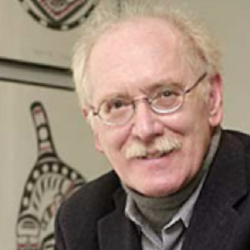
2017 SPA Lifetime Achievement Awardee Byron Good

Dr. Good then discusses his personal and academic history. He starts by commenting that his childhood and upbringing couldn’t have been more different than Dr. Shweder’s, growing up on a Mennonite farm in the Republican mid-west. Dr. Good spent much of his life feeling that religion and divinity grounded and oriented aspects of his academic life. “I don’t romanticize ethical norms if they, over time, have become more and more interested in controlling our lives in ways that we have very little direct knowledge of,” Dr. Good states. “I don’t romanticize suffering.” While at Goshen College in Goshen, Indiana, Dr. Good started studying mathematics before spending a year at the University of Nigeria. Dr. Good expressed this time as having a powerful impact which changed his life. “My worldview became profoundly different,” he states. Coming back from Africa convinced that there had to be something more than mathematics, Dr. Good decided to go to Harvard Divinity School. It was there that he began taking courses in anthropology and religion. Attending the University of Chicago for his Ph.D., Dr. Good states his first year at Chicago was Clifford Geertz’s last year. Yet even after Geertz left, Dr. Good still considered him a mentor and inspiration. This was also a very political moment for universities and the country in general. Dr. Good describes how he came of age in anthropology in a time of the Vietnam War, in a time of activism, and in the time of the Civil Rights Movement. These were all very powerful influences on how Dr. Good conceptualized the importance of anthropology.

Discussing his research, Dr. Good describes the time he spent in a genuinely post-colonial conflict setting of Aceh, Indonesia.  He became very aware of colonialism and its colonial history and how it had impacted political life along with a diverse set of religious and cultural influences. It was a setting that had a history of tremendous violence. “It was my first experience of working in areas of really intensive conflict,” Dr. Good states, “and I have to say that I went home from that experience very affected by listening to stories of violence.” Terms like “post-colonialism” and “post-colonial subjectivity,” and even terms like “haunting” and “hauntology” became central to his vision of what Psychological Anthropology can be today. Dr. Good poses the question of how one does Psychological Anthropology in settings of violence. “My thinking about hauntology started off with being in Aceh, and thinking about what Aceh was like post-tsunami and post-conflict,” Dr. Good remarks. Aceh was a place where ghosts and spirits of the dead were everywhere, alongside the ghosts of the recent violence and the emergence of political gorillas who had been previously hidden away. “Suddenly Aceh was no longer in the midst of a war and people who had been fighting were coming back and appearing in everyday life,” Dr. Good explains, “and I began thinking about post-authoritarian Indonesia and why it is that there are certain moments in a society that ghosts begin to appear in a very powerful way, and ghosts that are related to historical violence.” Dr. Good became fascinated with the relationship between historical memory, histories of violence, how they make themselves present, and how they reintroduce themselves in psychological experience.

To wrap up the Breakfast Lecture, Dr. Shweder discusses how the issue of nationalism is front and center in a very powerful way at the moment. He suggests that anthropologists should be qualified to talk about the ethno-national impulses people are facing and examine why it is that some people feel like their way of life, or their control over their life, is being threatened by globalization, for example. He calls on anthropologists to give a native point of view instead of simply reacting with fear and mainstream ideology. “This is anthropology. There are in-groups and there are out-groups. People have ways of life and traditions; they want to exercise control over their way of life. This has to be examined,” Dr. Shweder states. He further discusses that one of the things that’s exceptional to the United States is that we are a nation in which constitutional patriotism is the binding feature. In principle, that means there is space for cultural diversity. “The ways in which tyranny can be built up and balanced through distribution of power are all rich topics right now. Immigration. Making sure we represent minority views in a way that majority groups understand them and why the way they live is both meaningful and justifiable.” Dr. Shweder finishes by stating that there are also threats to anthropology from within. He warns against a “liberal tyranny” which can be compared to a “white-man’s-burden-style” of thinking with regard to cultural differences. Dr. Shweder sees this as using the notion of oppression or exploitation as an excuse for interventions into other people’s ways of life rather than starting by seeing whether or not one can understand other practices and social organizations in a morally-motivated way. Dr. Good closes the conversation session by encouraging anthropologists to be engaged in both theoretical debates within the discipline as well as policy and implementation projects and practices which can benefit the people in the communities we study.


Richard Shweder is the Harold H. Swift Distinguished Service Professor of Human Development in the Department of Comparative Human Development at the University of Chicago. He is the author of Thinking Through Cultures: Expeditions in Cultural Psychology (1991) and Why Do Men Barbecue? Recipes for Cultural Psychology (2003), both published by Harvard University Press. Dr. Shweder is also an editor or co-editor of many books in the areas of cultural psychology, psychological anthropology, and comparative human development. For more information on Dr. Shweder, visit his page at the University of Chicago here, as well as the Society for Psychological Anthropology 2017 Biennial Conference Breakfast Lecture website, available here.

Byron Good is a Professor of Medical Anthropology at, and former Chair (2000-2006) of, the Department of Social Medicine, Harvard Medical School, and Professor in the Department of Anthropology, Harvard University. Dr. Good is director of the International Mental Health Training Program, funded by the Fogarty International Center to train psychiatrists from China in mental health services research. Dr. Good’s broader interests focus on the theorization of subjectivity in contemporary societies, focusing on the relation of political, cultural, and psychological renderings of the subject and experience, with a special interest in Indonesia. He is the editor or co-editor of many significant volumes, books, and is a former editor-in-chief of our Culture, Medicine, and Psychiatry journal (1986-2004). For more information on Dr. Good, visit the Harvard Medical School Department of Global Health and Social Medicine website here, as well as the Society for Psychological Anthropology 2017 Biennial Conference Breakfast Lecture website, available here.

Guest Blog: “Telemedicine in Ghana”

This week on the blog we are hosting a guest post by Heather Baily, a Doctoral student in Anthropology at Case Western Reserve University. Here, she presents some of her research on telemedicine in Ghana.

cropped-2009cover-copy


In November 2015, Tanja Ahlin and Mark Nichter issued a “Take a Stand” statement in the Critical Anthropology for Global Health interest group (available here), calling for more anthropologists to study telemedicine. Telemedicine is the use of telecommunication tools, namely cell phones and computers, to exchange information regarding patient health. A recent report from the World Health Organization (2016) states that universal health coverage cannot be achieved without this form of e-health. Universal health coverage, as well as comprehensive primary health care, has been an overarching goal of the international health and global health community since the Alma Ata conference in 1978, but these goals are very difficult to achieve. Telemedicine is poised to help achieve greater health coverage and access, yet the field is still very new, particularly in resource-poor settings, and is evolving rapidly alongside cell phone technology.

In June of last year, I traveled to Ghana to investigate the ways in which telemedicine is being used there. Ghana is in the midst of scaling up a successful telemedicine pilot project into a national telemedicine program through Ghana Health Services. Public health administrators in the pilot project districts, as well as doctors and nurses who worked with the program, all spoke favorably of the new technology. Each clinic and hospital has a designated smartphone to be used for various medical communication purposes, including receiving calls from patients, over-the-phone consultation from doctors at the regional hospital call center, and direct contact with the other clinics and district health offices through encrypted instant messaging apps, such as WhatsApp.

Practitioners reported decreased maternal mortality since the implementation of this program, as well as an increase in utilization of local clinics and trust in the staff. In Ghana, once someone has completed medical training of any kind, such as a community health nurse or a registered midwife, they must complete their “national service,” a two-year contract in an assigned village. Typically, community health nurses are younger and not from the village in which they are assigned to work. A “small girl/boy” is a common term used in Ghana for a young person, indicating not only their age, but their social status and lack of social legitimacy. Thus, being able to access and connect a patient to a doctor at a hospital over the phone has helped the nurses achieve more legitimacy and overcome their “small girl/boy” status.

I draw from several areas of anthropological theory when examining the impacts of telemedicine in Ghana, specifically the anthropology of reproduction since my dissertation research focuses on obstetric care. The concept of authoritative knowledge is particularly useful in this case. Authoritative knowledge is knowledge that is given more weight than other types of knowledge, or ways of knowing, by collective assessment in a local setting and is displayed in everyday practices (Jordan, 1990; Davis-Floyd & Sargent, 1997; Ivry, 2010). This concept relates to legitimacy in the health care setting as authoritative knowledge shapes interactions between patients and caregivers, access to knowledge, and health care decision-making. Access to physicians may alter the hierarchy of who has authoritative knowledge, adjust healthcare seeking patterns, or disrupt local power structures and “knowing” about birth.

Science and Technology Studies provides a foundation from which to examine the historical contexts and meanings of technologies and how people interact with them. The introduction of a communication technology which links rural areas to clinicians at a regional hospital complicates questions of the way people interact with technology, especially as it regards obstetric care.  Rayna Rapp (1999) examined technologies used in assisting reproduction, which she calls “technologies of knowing.” In this study, she examined the production of knowledge as a result of new technology. Following this tradition, it is important to examine the intersections of technology, reproduction, and knowledge by investigating ways in which the introduction of a new technology changes how a patient might acquire and use knowledge.

Studying telemedicine from an anthropological perspective builds on our understanding of how people interact with technology, particularly when seeking healthcare treatments, and how technology can influence a universal human experience, such as pregnancy and childbirth. As telemedicine is widely regarded as the much-needed direction medical care is heading around the world, it is crucial to examine ways it can shape an individual’s interaction with a technology and with the community at large.


About Heather:

Heather Baily is a dual degree Ph.D./MPH student in Anthropology at Case Western Reserve University. She has a MA in Anthropology from CWRU and a BA in Anthropology and Sociology from Colorado State University. Her research investigates the intersections of new telecommunication technologies used in healthcare and local structures of reproductive knowledge and authority in Ghana.


References Cited:

Davis-Floyd, R., & Sargent, C. F. (1997). Childbirth and authoritative knowledge: Cross-cultural perspectives. Berkeley: University of California Press.

Ivry, T. (2010). Embodying culture: Pregnancy in Japan and Israel. New Brunswick, NJ: Rutgers University Press.

Jordan, B. (1990). Technology and the social distribution of knowledge: Issues for primary health care in developing countries. In J. Coreil and J. D. Mull, (Eds.), Anthropology and Primary Health Care pp. 98–120).

Rapp, R. (1999). Testing women, testing the fetus: The social impact of amniocentesis in America. New York: Routledge.

World Health Organization. (2016). Global diffusion of eHealth: making universal health coverage achievable. Report of the third global survey on eHealth. Geneva.