Vol. 39 Issue 1 March 2015: Medicalizing Heroin

In addition to our From the Archive series, where we highlight past articles in the journal’s history, the CMP blog features selected previews of our latest issue. This week, we again take a sneak peek into an article from the March issue: the first installment of 2015’s Volume 39 of Culture, Medicine & Psychiatry.


Heroin: From Drug to Ambivalent Medicine

On the Introduction of Medically Prescribed Heroin and the Emergence of a New Space for Treatment

Birgitte Schepelern Johansen • Katrine Schepelern Johansen. Pages 75-91. Link to article: http://link.springer.com/article/10.1007/s11013-014-9406-7

This article examines the reintroduction of heroin as a medicine, as opposed to illicit drug, in the treatment of substance abuse patients. Unlike existing research on this topic, the authors here emphasize the exchanges between the users, the staff, and the material space of the implementation of heroin: the built and organizational environments of the clinic, rather than just the actors in this space alone.

Heroin exists in a complicated place in these clinics: it is (paradoxically) utilized to minimize addiction to it. Rather than marginalizing the drug, this process of managed heroin prescription lends the drug a central place in the lives of users and staff, albeit a place that ambivalently lies between drug use as pleasure and drug injection as a form of medicalized control.
cards3

When considering the rooms in the clinic where the staff injects heroin into clients, the authors note that the space is strictly regulated. Staff observe incoming clients, while those who carry out injections do not permit the patients from selecting where the drug is administered. Likewise, this clinical space is not used for socializing: clients don’t casually talk while waiting, and typically depart this area and linger in the facility’s more casual cafe after receiving their injection. The clinical space removes the use of heroin from the context of pleasure-seeking, and assumes control for the drug’s use. Although the substance is the same, heroin users’ experiences of the drug in recreational settings is deliberately set apart from its use in the clinic.

Yet distinguishing the clinical space where heroin is injected, while no doubt increasing medicalized control over the substance, also complicates the notion of the drug as unquestionably destructive. Clients move into a social, casual environment in the cafe after initial injection. Even the clinical space itself underscores the intimacy of intravenous drug use, as staff and clients engage one-on-one during the injections. The staff similarly struggle with the complex nature of heroin as an illegal drug, made most evident by the strict safeguarding of the location where heroin is stored.

Although the medicalization of heroin abuse may serve to diminish the criminal stigma surrounding use of the drug, medical models of treatment remain entangled in older ideas of substance illegality, criminality, and the stringent enforcement of substance abuse policies. Conversely, the clinical treatment space and its organization is arranged in such a way that muddies the boundary between pleasure and treatment. The authors thereby illustrate the complexity of moving towards a medical model of heroin treatment, and how notions of control evolve with the changing landscape of substance abuse policy.
Vol. 39 Issue 1 March 2015: Ethnography & Clinical Practice

In addition to our From the Archive series, where we highlight past articles in the journal’s history, the CMP blog features selected previews and sneak peeks into our latest issue. This week, we gain a glimpse into an article from the March issue: the first installment of 2015’s Volume 39 of Culture, Medicine & Psychiatry.


A Model for Translating Ethnography and Theory into Culturally Constructed Clinical Practices

Bonnie Kaul Nastasi, et al. Pages 92-120. Link to article: http://link.springer.com/article/10.1007/s11013-014-9404-9

In this article, Nastasi and colleagues have developed a new model for preventative care of HIV and STIs over the course of a 6-year research project in Mumbai, India. This clinical approach, called the Narrative Intervention Model (NIM), implores married men in Mumbai to construct narratives around their sexual health and related problems. With the clinician, patients then deconstruct the narrative to locate discrepancies between their accounts of sexual health and their desired health status. The last stage of the preventative approach entails clinicians coaching patients on how to minimize risk while meeting patient expectations surrounding sexual health. In this way, health counseling becomes a more dynamic process than medical history taking alone.

cropped-cards.jpgThe NIM model in this initial study was employed by both allopathic physicians and traditional Indian medical practitioners. By analyzing patients’ accounts and creating models for health behavior that minimized risks of HIV or STIs, caregivers were able to blend an anthropological and public health approach to preventative medicine. Likewise, the model drew on principles of cognitive behavioral psychology: inquiring about patients’ logic in rationalizing health choices, and intervening in this narrative to display where risks might be prevalent.
In the NIM model, the clinician’s interview with the patient takes on a semi-structured form (which the authors assert is “ethnographic” in nature.) Rather than traditional history-taking, which is an elicitation of information from the patient rather than a more fluid conversation, the NIM encourages patients to make connections between their cultural beliefs, behaviors, and their health.

Given the widespread interest in both medicine and anthropology on patient-clinician communication, this case presents an informative glance into how caregivers might draw on ethnographic practices to improve patient health. NIM offers one methodology for meaningful exchanges between clinicians and patients, and unites the aims of medicine and anthropology in illuminating culturally specific health behaviors, beliefs, and practices for the direct benefit of patients.

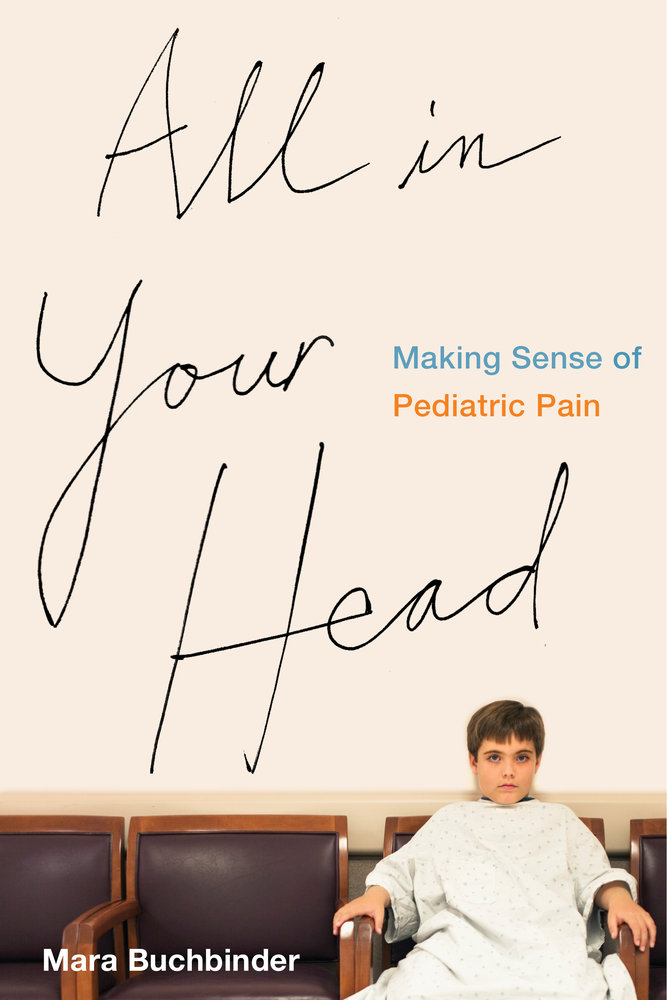
Book Release: Buchbinder’s “All in Your Head: Making Sense of Pediatric Pain”

This May 2015, Mara Buchbinder’s book All in Your Head: Making Sense of Pediatric Pain will be released by the University of California Press. The book grapples with the difficulty of expressing internal states to others via language, as these inner subjective experiences are often considered impossible to actualize in words. Buchbinder strives to honor this private experience of pain while studying how language surrounding pain and pain management is relational in nature. She explores how pain is described, managed, and treated in medical settings.

Image via UC Press

Image via UC Press

The text is a product of ethnographic research in numerous pediatric units in California hospitals. Buchbinder considers the social lives of physicians, caregivers, clinicians, parents, and children, all with a stake in alleviating pain and interpreting troubling or perplexing symptoms. Rather than allowing pain to be read solely as an isolating, private matter, the author argues that the treatment of pain is a complex social phenomenon. By focusing on narratives, conversations, and metaphors used by participants to illustrate the nature of pain, Buchbinder’s account underscores the power of language to generate shared meanings for human suffering.

All in Your Head will prove of interest to linguistic and medical anthropologists alike, as well as to scholars in the medical humanities with an interest in textual and communicative analysis in clinical settings. To learn more about this upcoming book, visit the publication page at the University of California Press here: http://www.ucpress.edu/book.php?isbn=9780520285224

ABOUT THE AUTHOR

Mara Buchbinder is Assistant Professor of Social Medicine at UNC-Chapel Hill, where she also teaches coursework in anthropology. She has previously coauthored the book Saving Babies? The Consequences of Newborn Genetic Screening.

News: WHO Release on Worldwide Hearing Loss

When medical anthropologists consider the impacts of technology on human health, we envision life-saving drugs, surgeries, or diagnostic tools to detect disease. Technology in these ways can prove instrumental– quite literally — in improving patients’ health outcomes. However, it is equally important to think about the ways in which technology can diminish health, particularly in an age where the global spread of technology deserves the attention of clinicians and anthropologists alike.

This is the nature of the concern posed by the latest World Health Organization (WHO) report, released on February 27th 2015. After studying noise exposure in middle and high income countries and among participants ages 14-35, WHO officials stated that an estimated 1.1 billion people are at risk for hearing loss due to “recreational noise.” This includes music piped through headphones and noise experienced at entertainment venues. Exposure to high decibels of sound is not itself harmful: for instance, hearing a heavy pot fall from the counter and crash onto the floor would not cause hearing damager. Rather, the extended length of exposure to such loud noises is what proves detrimental. The WHO defines dangerous levels of noise exposure as 85 decibels for eight hours or 100 decibels for 15 minutes. The report notes that a rock concert that lasts for two hours may cause temporary hearing loss or lead to other symptoms such as a ringing sensation in the ears, and regular extended exposure may lead to more permanent damage.

The WHO flag, via Wikimedia Commons

The WHO flag, via Wikimedia Commons

What does the WHO recommend to address this global health concern? The report singles out teenagers and implores them to take noise management into their own hands: purchasing noise-canceling headphones, taking “sound breaks” if extended exposure to loud sounds is unavoidable, or wearing ear plugs to loud music venues. This places the responsibility to manage noise exposure on young people rather than on their families and caregivers. Likewise, the report suggests that patrons of entertainment venues like clubs and bars that feature loud music and sounds should limit their time spent in such environments. There are no extensive recommendations listed in the report for those who work in loud venues, other than limiting shifts to eight hours to shorten exposure.

From a medical anthropological standpoint, many of the factors in sound environments are tangled with social life. For instance, in many developed countries, concerts are an important social gathering place for young people. Teens may not avoid these events, but if they follow the WHO recommendations and wear earplugs to the venue, they may be ostracized by their peers for looking out of place. Likewise, neighborhood bars and clubs are important hubs of activity for locals, and avoiding them may come at the cost of social isolation. As technologies spread both to developing and developed countries, the ways that people integrate audio technologies, new entertainment venues, and popular music into their lives is worth considering given the impacts of these tools, sounds, and social spaces on hearing health.


To read the WHO’s news release, click here: http://www.who.int/mediacentre/news/releases/2015/ear-care/en/

March 2015: Preview of Books Received

This week, we are featuring previews of five books received for review at Culture, Medicine, and Psychiatry. Be sure to check out more articles, reviews, commentaries, and case studies published in the first issue of volume 39 (2015) here: http://link.springer.com/journal/volumesAndIssues/11013

via Westview Press

via Westview Press

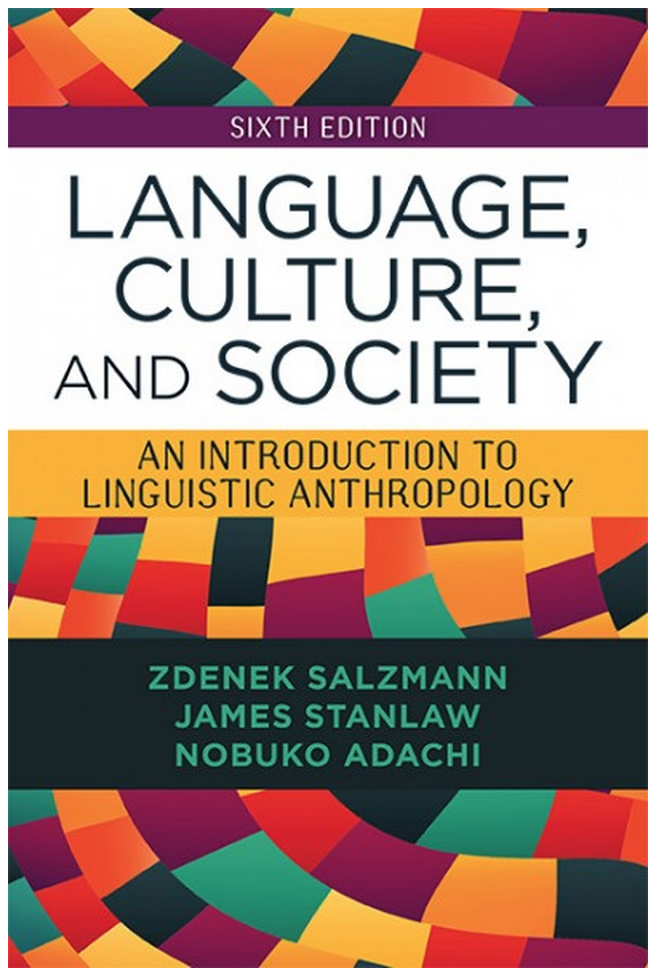
Language, Culture, and Society: An Introduction to Linguistic Anthropology

Zdenek Salzmann, James Stanlaw, and Nobuko Adachi, eds.

This textbook was first published in 1993, and this is the book’s sixth edition. The new incarnation of Language, Culture, and Society features has been revised and expanded with further explanation of the sociocultural context of language. It is also complete with class exercises, discussion questions, and other student resources. The book pays special attention to multilingual and transnational linguistic anthropology.

More details from Westview Press here: http://westviewpress.com/books/language-culture-and-society/

Via UC Press

Via UC Press

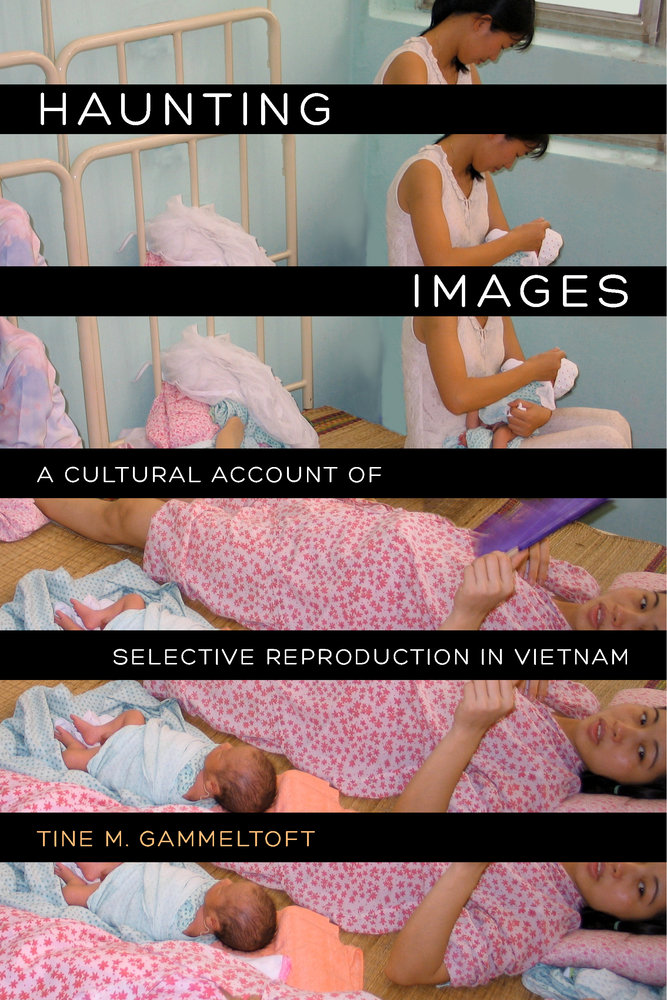
Haunting Images: A Cultural Account of Selective Reproduction in Vietnam

Tine M. Gammeltoft

This ethnographic account explores the lives of pregnant women in Hanoi, Vietnam whose fetuses were deemed biologically abnormal after ultrasound examinations. Gammeltoft considers the moral dilemmas these women face against the backdrop of their everyday lives and the roles of their family members in reproductive decision-making.

More details from UC Press here: http://www.ucpress.edu/book.php?isbn=9780520278431

Via UC Press

Via UC Press

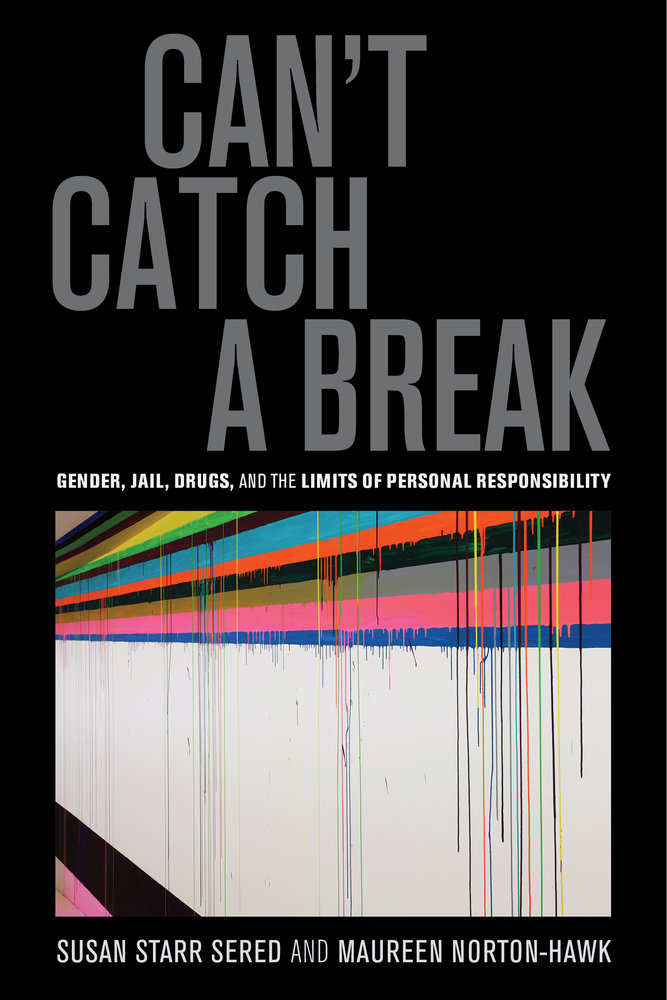
Can’t Catch a Break: Gender, Jail, and the Limits of Personal Responsibility

Susan Starr Sered and Maureen Norton-Hawk

This ethnographic work traces Boston women’s experiences of sexual abuse, violence, inadequate social and therapeutic programs, and the impacts of local and federal policies on incarceration and criminal punishment. The authors consider how these women’s struggles are cast aside as the consequences of “bad choices” and “personal flaws,” and how marginalized women make their way in this “unforgiving world.”

More details from UC Press here: http://www.ucpress.edu/book.php?isbn=9780520282797

Via Duke UP

Via Duke UP

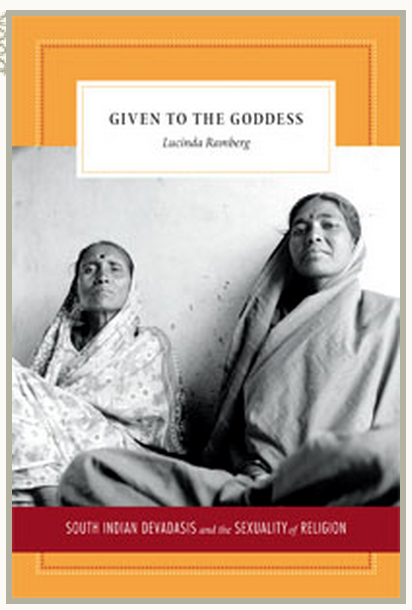
Given to the Goddess: South Indian Devadasis and the Sexuality of Religion

Lucinda Ramberg

Ramberg’s account addresses a unique cultural tradition in South India, where girls and sometimes boys are married to a goddess. They have sex with partner outside of traditional marriage and conduct holy rites outside of the goddess’ temple, and complicate the boundaries between what is male and female. The author argues that goddess marriages challenge existing notions of gender, marriage, and religious practice.

More details from Duke UP here: https://www.dukeupress.edu/Given-to-the-Goddess/index-viewby=subject&categoryid=27&sort=newest.html

Via Johns Hopkins UP

Via Johns Hopkins UP

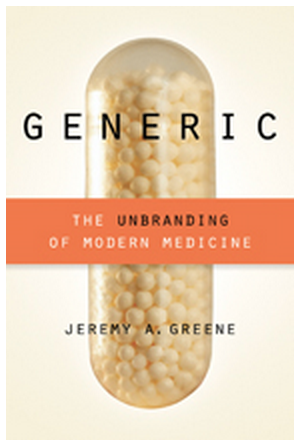
Generic: The Unbranding of Modern Medicine

Jeremy Greene

This text is a social, political, and cultural history of the rise in generic pharmaceuticals. It tracks the development of modern generic drugs from early 20th century hacks who counterfeited popular medications through the growth in powerful corporations who first produced un-branded drugs. Greene describes generic drugs as a seminal movement towards more equitable, affordable medical care by giving patients quality medicines at a reduced price.

More details from Johns Hopkins UP here: https://jhupbooks.press.jhu.edu/content/generic

From the Archive: AMC’s Breaking Bad, Empowerment, and Terminal Illness

In the “From the Archive” series, we highlight articles published throughout the journal’s history. We look forward to sharing with our readers these samples of the innovative research that CMP has published on the cultural life of medicine across the globe.


In “From the Archive,” we generally highlight older publications from the journal and discuss their importance for medical anthropology and cultural studies of medicine today. This week, we are taking a turn to revisit a newer piece from 2013 that has been one of CMP’s most popular articles: Mark A. Lewis’ “From Victim to Victor: ‘Breaking Bad’ and the Dark Potential of the Terminally Empowered.”

cards

Lewis, an oncologist, opens by describing a recent shift in the treatment of cancer. With new and experimental treatments growing in number, patients are encouraged to feel hopeful about therapy for their cancer, rather than defeated in the face of a potentially terminal condition. These new scientific innovations in treatment, therefore, are altering the rhetorics surrounding cancer diagnoses. Cancer is something to be overcome, or even battled. In the age of the “Live Strong” campaign, and the casting of cancer patients into fighters, new notions of what it means to endure this illness are developing.

The key to AMC’s Breaking Bad, Lewis argues, is that the creators seize upon this new model of the cancer patient and then betray the audience’s expectations that his battle against illness is a “noble” one. Rather than having a diagnosis opening a realm to hope, it lends Walter White the potential to take risks he would not have taken in good health. Imminent death “emboldens” Walter, yet this newfound audacity is channeled towards selfish, perhaps prideful, and certainly criminal ends.

Lewis notes that these behavioral, psychological shifts in cancer patients come under the purview of a new field deemed psycho-oncology. This budding discipline addresses the mental wellness and conditions of cancer patients, whose diagnosis carries somatic as well as psychological effects. As the article suggests, stress for cancer patients extends beyond the worries they have about the severity of their illness: it includes anxiety about the financial and personal costs of the treatment needed to ‘battle off’ the disease. For White, this entails not only having the means to treat his illness and support his family, but also to be self-sustaining, hence why he turns down assistance from wealthy benefactors and instead makes and sells crystal meth.

Walter White therefore follows in the steps of a cancer patient whose diagnosis opens a realm of possibilities and encourages him to take risks in fighting off his condition. However, this transformation alters what victory means for Walter. As he descends deeper into the meth business, the terms of victory are no longer noble. Walter murders his competitors, and after the publication of Lewis’ article, declares at the end of the series that his drug-dealing empire is what gives him life. His pride is in his business, not in overcoming his cancer. Walter’s potential is unlocked by the cancer, yet he subverts the narrative of a “noble” patient who survives his dire diagnosis. His cancer has merely positioned him to accomplish what he would have not otherwise set out to do.

Lewis’ article demonstrates the centrality of illness narratives and new models of illness experience to popular media. His article draws on medical science, popular health campaigns, and on modern-day encounters with terminal illness to inform viewers’ expectations of what path patients might, and should, follow.

To access the article and read an abstract, click here:

http://link.springer.com/article/10.1007/s11013-013-9341-z

Guest Blog: Reflections on Antibiotic Use in American Hospitals

This week, we are featuring a special guest blog written by Katharina Rynkiewich from Washington University in St. Louis. Today, she tells us about her experiences researching antibiotic use among infectious disease practitioners in Chicago, Illinois. If you would like to submit a guest blog entry on your research, please send a 500-700 word piece to social media editor Julia Balacko at jcb193@case.edu.


In the spring of 2013, I conducted research on hospital-based infectious disease specialists in Chicago. Although my participants had a lot to say about antibiotic resistance, I was most surprised at how they characterized and criticized fellow clinicians’ use of antibiotics in relation to resistant disease strains. In hospitals, they suggested, the regulation of antibiotics has changed drastically in the past half century. Some of the older infectious disease specialists I interviewed remembered a time when antibiotic overuse was rampant within the hospital setting. “Anyone could prescribe antibiotics,” my participants complained when describing that era. Clinicians and hospital officials at that time had little reason to expect that antibiotic resistance would become the expensive, lethal, and complicated problem that it is today.

In health care settings now, there is more regulation concerning the use of antibiotics. Clinicians are experiencing a lull in the production of antibiotics for infectious diseases, and practitioners must make do with the limited antibiotic supplies they have. Today, there are systematic hospital reviews of antibiotic use to monitor how often the drugs are used. However, most practitioners can still prescribe antibiotics with little oversight. Procedurally, the review of antibiotics in the hospital setting is an enormous task, and an adjustment of patient treatment plans may not occur until after the first few doses of an antibiotic have been given. There is room, therefore, for antibiotic-resistant diseases to generate as misuse and overuse of antibiotics still occurs.

One way to mitigate overuse employed was the notion of antibiotic stewardship: an idea that the infectious disease specialists I interviewed frequently emphasized. “Stewardship” here refers to the responsibility of certain clinicians to manage antibiotic prescription and usage. The infectious disease specialists expressed a desire to have more control over the distribution of antibiotics in hospital settings, leaving surgery to the surgeon and cancer to the oncologist. The infectious disease staff wished for this level of control over antibiotic use despite the fact that both surgeons and oncologists can prescribe antibiotics independently, meaning antibiotics are not managed by one clinical care specialty. When asked whether, in general, practitioners today realize the importance of antibiotic stewardship in light of the dangers of antibiotic resistant infections, one infectious disease practitioner joked, “Which doctors?” My data show that  many infectious disease specialists note that their management of antibiotic resistance is quite a challenge because most other physicians within and outside of hospitals may readily prescribe them.

This issue is especially pressing because illnesses themselves are rarely treated with one biomedical intervention, or by one clinician. Few patients can be treated for one disease with one corresponding treatment, meaning that patients’ cases are managed with a variety of therapies and by a number of doctors. Patients can also have multiple conditions, again meaning that multiple types of practitioners can prescribe antibiotics for these patients at different points in their hospital stay. In these complex networks of caregiving, who gets the power to give antibiotics might not always be clear, or there might be tension when deciding who gets to limit the drug’s use. Indeed, when an infectious disease specialist is added to a patient’s chart, they are often added as a consult, meaning their advice may not be adhered to by the primary physician.

Certainly, we can expect that infectious disease specialists want professional autonomy over the management of antibiotic drugs, which means limiting and surveying the drug’s accessibility to other clinicians. But to do so, this would mean that other practitioners would have to agree to the control of part of their treatment plans by an outside party. This relationship of competing interests and access to antibiotics leads to disagreements and struggles of bureaucratic power in the hospital. As it stands, the future of antibiotic resistance rests in the hands of all practitioners who must negotiate who gets to prescribe, and who gets to control, the use of antibiotics.


About the Author: Katharina Rynkiewich

I am a PhD student in Anthropology at Washington University in St. Louis. My current research involves studies of infectious disease practitioners and treatment of infectious disease in hospital settings, and will focus on hospital policy regarding infection and epistemic differences among specialty groups of physicians. In 2013, I completed a masters program (MAPSS) at the University of Chicago, and research for this post was done in partial fulfillment of this masters.

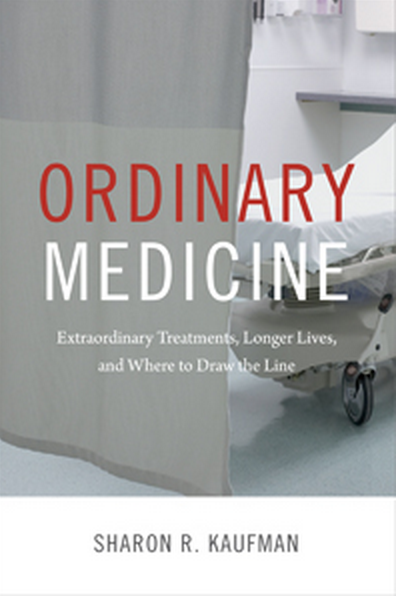
Book Release: Sharon R. Kaufman’s “Ordinary Medicine”

Via the Duke UP website

Via the Duke UP website

In May 2015, Sharon R. Kaufman’s book Ordinary Medicine: Extraordinary Treatments, Longer Lives, and Where to Draw the Line is set to be released by Duke University Press. The text will address the contested division between what is a life-saving therapy and what proves to be over-treatment of older patients. This divide, Kaufman states, is frequently negotiated by pharmaceutical, biomedical, and insurance industries. Treatments that might seem aggressive or unnecessary to address late-life health concerns have become common procedures.

Drawing on ethnographic accounts from older patients, their families, and their physicians, Kaufman demonstrates how patients and their caregivers decide how much medical intervention is enough, or when it has gone too far. Kaufman considers what this new, medicalized meaning of the “end-of-life” means for patients and for the social world of medicine, while inviting us to consider how we might refresh the goals of medicine when caring for older patients.

Kaufman has previously published on a related topic in her book And a Time to Die: How American Hospitals Shape the End of Life. She is the Chair of the Department of Anthropology, History and Social Medicine at the University of California, San Francisco.

See more about the book from the publisher’s website here:

https://www.dukeupress.edu/Ordinary-Medicine/index.html

AAA 2014: Sessions on Biotechnology and Medical Practice

For our readers attending the American Anthropological Association annual meeting this year, we’ve put together a second selected list of sessions on anthropological approaches to biotechnology and forms of medical practice. The following selection of sessions was drawn from this year’s AAA online presentation schedule for the 2014 annual meeting, to be held this year in Washington, DC from December 3-7th (for more information, click here: http://www.aaanet.org/meetings).

Wednesday, December 3rd

Reproductive Potentialities: Assisted Reproductive Technologies and the Imagination of Possible Futures

8:00pm-9:45pm

https://aaa.confex.com/aaa/2014/webprogram/Session11643.html

Thursday, December 4th

Techniques and Technologies of Global Health

9:00am-10:15am

https://aaa.confex.com/aaa/2014/webprogram/Session11699.html

What Constitutes Medical Knowledge?: Part 2 of a Discussion of Affliction by Veena Das

11:00am-12:45pm

https://aaa.confex.com/aaa/2014/webprogram/Session10870.html

Saturday, December 6th

Producing Intercultural Discourse in the Clinical Encounter, Part 2

2:30pm-4:15pm

https://aaa.confex.com/aaa/2014/webprogram/Session12505.html

Revisiting Midwifery: New Approaches to an Old Profession

6:30pm-8:15pm

https://aaa.confex.com/aaa/2014/webprogram/Session11410.html

Ordering, Morality, and Triage: Producing Medical Anthropology Beyond the Suffering Subject – Part 1: Biomedical Interventions and Failings

6:30pm-8:15pm

https://aaa.confex.com/aaa/2014/webprogram/Session11357.html

Sunday, December 7th

Doctors: Influencing and Being Influenced by Their Work and Subject

10:00am-11:45am

https://aaa.confex.com/aaa/2014/webprogram/Session12929.html

AAA 2014: Sessions on Psychiatry, Mental Illness, and Drugs

For our readers attending the American Anthropological Association annual meeting this year, we’re featuring a list of sessions sure to pique your interest in various aspects of mental illness, health, drugs, and psychiatric care. The following selection of sessions was drawn from this year’s AAA online presentation schedule for the 2014 annual meeting, to be held this year in Washington, DC from December 3-7th (for more information, click here: http://www.aaanet.org/meetings). Sessions in the list are organized by chronological date and time.

If you would like your session to be added to this list, please email a link to the session description on the AAA website to: jcb193@case.edu.

Global Mental Healthcare: Challenges, Controversies and Innovations

Wednesday, December 3rd 2pm-3:45pm

http://aaa.confex.com/aaa/2014/webprogram/Session12926.html

“Global” Knowledge, “Local” Care, and Subjectivity: Producing an Anthropology of Psychosis

Wednesday, December 3rd 2pm-3:45pm

http://aaa.confex.com/aaa/2014/webprogram/Session11392.html

Psyche and the Brain in the 21st Century

Wednesday, December 3rd 4pm-5:45pm

http://aaa.confex.com/aaa/2014/webprogram/Session11636.html

Transcendance and the Everyday in Responses to Trauma

Thursday, December 4th 2:30-4:15pm

http://aaa.confex.com/aaa/2014/webprogram/Session11838.html

What Drugs Produce

Saturday, December 6th 9am-10:45am

http://aaa.confex.com/aaa/2014/webprogram/Session11124.html

Psychological Disorder and Subjectivity in Socio-Political Context

Saturday, December 6th 11am-12:45pm

http://aaa.confex.com/aaa/2014/webprogram/Session12768.html

Ordering, Morality and Triage: Producing Medical Anthropology Beyond the Suffering Subject Part 2: Mental Health and Illness

Saturday, December 6th 2:30pm-4:15pm

http://aaa.confex.com/aaa/2014/webprogram/Session11809.html

Professional Perspectives in the Anthropology of Drugs

Saturday, December 6th 6:30pm-8:15pm

http://aaa.confex.com/aaa/2014/webprogram/Session11263.html