News: WHO Release on Worldwide Hearing Loss

When medical anthropologists consider the impacts of technology on human health, we envision life-saving drugs, surgeries, or diagnostic tools to detect disease. Technology in these ways can prove instrumental– quite literally — in improving patients’ health outcomes. However, it is equally important to think about the ways in which technology can diminish health, particularly in an age where the global spread of technology deserves the attention of clinicians and anthropologists alike.

This is the nature of the concern posed by the latest World Health Organization (WHO) report, released on February 27th 2015. After studying noise exposure in middle and high income countries and among participants ages 14-35, WHO officials stated that an estimated 1.1 billion people are at risk for hearing loss due to “recreational noise.” This includes music piped through headphones and noise experienced at entertainment venues. Exposure to high decibels of sound is not itself harmful: for instance, hearing a heavy pot fall from the counter and crash onto the floor would not cause hearing damager. Rather, the extended length of exposure to such loud noises is what proves detrimental. The WHO defines dangerous levels of noise exposure as 85 decibels for eight hours or 100 decibels for 15 minutes. The report notes that a rock concert that lasts for two hours may cause temporary hearing loss or lead to other symptoms such as a ringing sensation in the ears, and regular extended exposure may lead to more permanent damage.
The WHO flag, via Wikimedia Commons

The WHO flag, via Wikimedia Commons

What does the WHO recommend to address this global health concern? The report singles out teenagers and implores them to take noise management into their own hands: purchasing noise-canceling headphones, taking “sound breaks” if extended exposure to loud sounds is unavoidable, or wearing ear plugs to loud music venues. This places the responsibility to manage noise exposure on young people rather than on their families and caregivers. Likewise, the report suggests that patrons of entertainment venues like clubs and bars that feature loud music and sounds should limit their time spent in such environments. There are no extensive recommendations listed in the report for those who work in loud venues, other than limiting shifts to eight hours to shorten exposure.

From a medical anthropological standpoint, many of the factors in sound environments are tangled with social life. For instance, in many developed countries, concerts are an important social gathering place for young people. Teens may not avoid these events, but if they follow the WHO recommendations and wear earplugs to the venue, they may be ostracized by their peers for looking out of place. Likewise, neighborhood bars and clubs are important hubs of activity for locals, and avoiding them may come at the cost of social isolation. As technologies spread both to developing and developed countries, the ways that people integrate audio technologies, new entertainment venues, and popular music into their lives is worth considering given the impacts of these tools, sounds, and social spaces on hearing health.


To read the WHO’s news release, click here: http://www.who.int/mediacentre/news/releases/2015/ear-care/en/
March 2015: Preview of Books Received

This week, we are featuring previews of five books received for review at Culture, Medicine, and Psychiatry. Be sure to check out more articles, reviews, commentaries, and case studies published in the first issue of volume 39 (2015) here: http://link.springer.com/journal/volumesAndIssues/11013

via Westview Press

via Westview Press

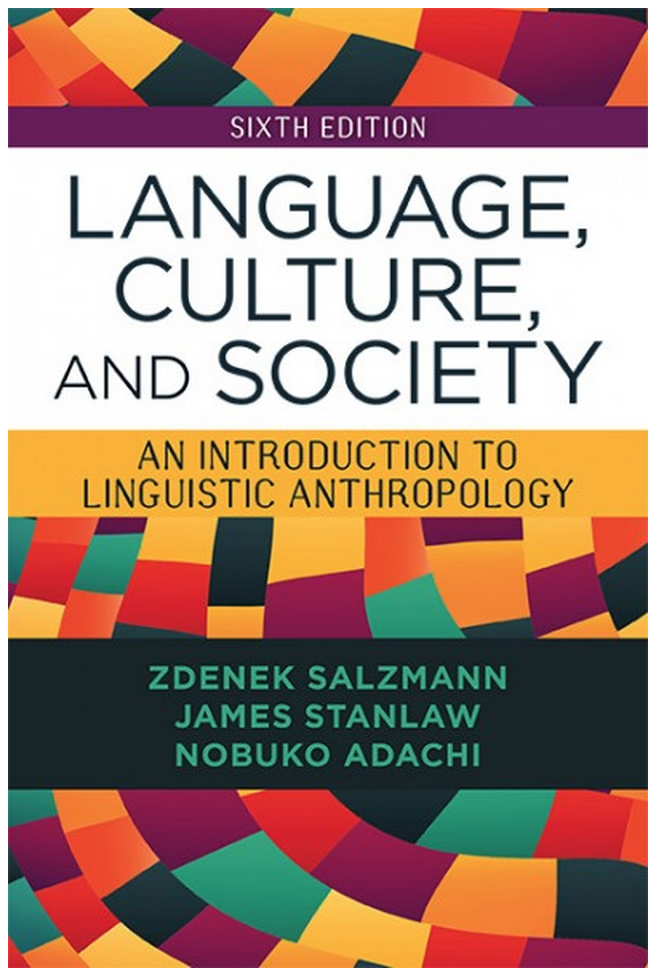
Language, Culture, and Society: An Introduction to Linguistic Anthropology

Zdenek Salzmann, James Stanlaw, and Nobuko Adachi, eds.

This textbook was first published in 1993, and this is the book’s sixth edition. The new incarnation of Language, Culture, and Society features has been revised and expanded with further explanation of the sociocultural context of language. It is also complete with class exercises, discussion questions, and other student resources. The book pays special attention to multilingual and transnational linguistic anthropology.

More details from Westview Press here: http://westviewpress.com/books/language-culture-and-society/

Via UC Press

Via UC Press

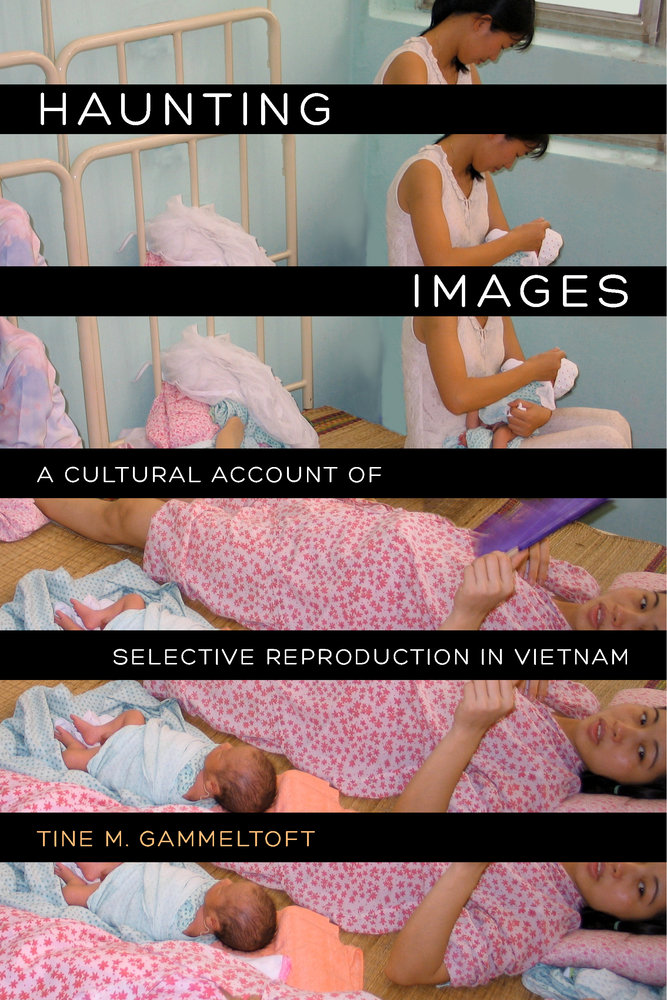
Haunting Images: A Cultural Account of Selective Reproduction in Vietnam

Tine M. Gammeltoft

This ethnographic account explores the lives of pregnant women in Hanoi, Vietnam whose fetuses were deemed biologically abnormal after ultrasound examinations. Gammeltoft considers the moral dilemmas these women face against the backdrop of their everyday lives and the roles of their family members in reproductive decision-making.

More details from UC Press here: http://www.ucpress.edu/book.php?isbn=9780520278431

Via UC Press

Via UC Press

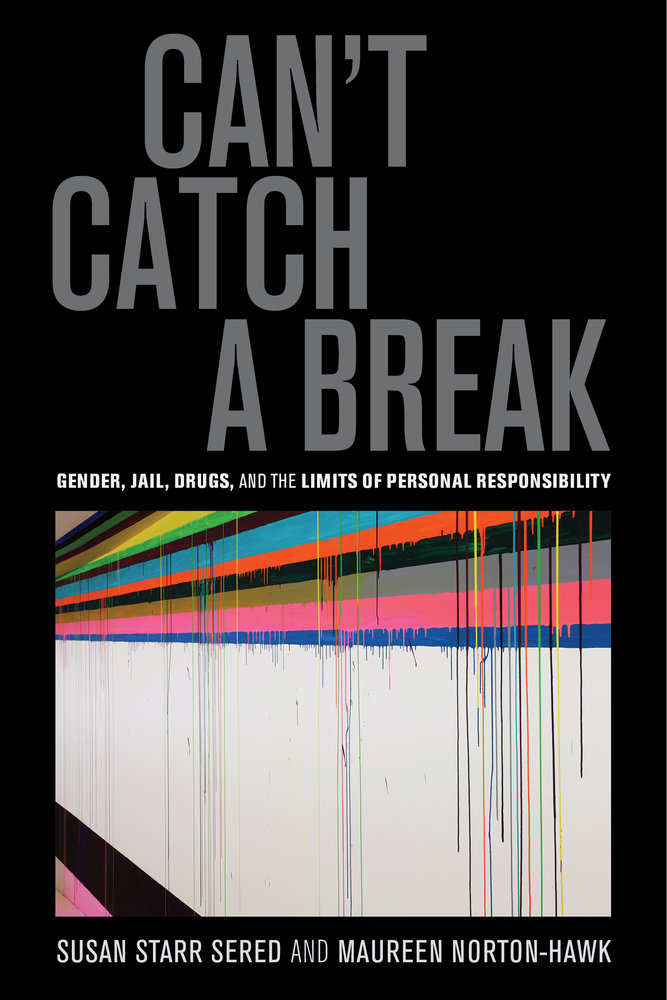
Can’t Catch a Break: Gender, Jail, and the Limits of Personal Responsibility

Susan Starr Sered and Maureen Norton-Hawk

This ethnographic work traces Boston women’s experiences of sexual abuse, violence, inadequate social and therapeutic programs, and the impacts of local and federal policies on incarceration and criminal punishment. The authors consider how these women’s struggles are cast aside as the consequences of “bad choices” and “personal flaws,” and how marginalized women make their way in this “unforgiving world.”

More details from UC Press here: http://www.ucpress.edu/book.php?isbn=9780520282797

Via Duke UP

Via Duke UP

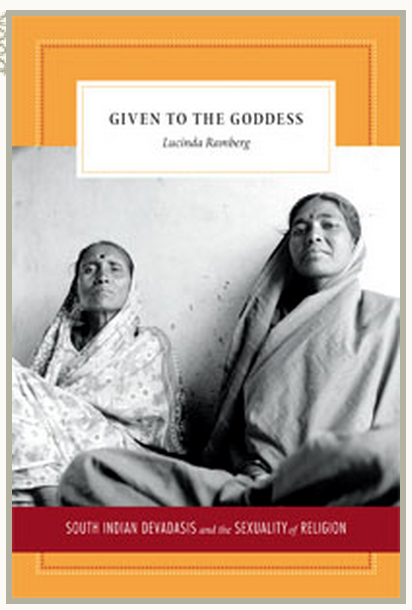
Given to the Goddess: South Indian Devadasis and the Sexuality of Religion

Lucinda Ramberg

Ramberg’s account addresses a unique cultural tradition in South India, where girls and sometimes boys are married to a goddess. They have sex with partner outside of traditional marriage and conduct holy rites outside of the goddess’ temple, and complicate the boundaries between what is male and female. The author argues that goddess marriages challenge existing notions of gender, marriage, and religious practice.

More details from Duke UP here: https://www.dukeupress.edu/Given-to-the-Goddess/index-viewby=subject&categoryid=27&sort=newest.html

Via Johns Hopkins UP

Via Johns Hopkins UP

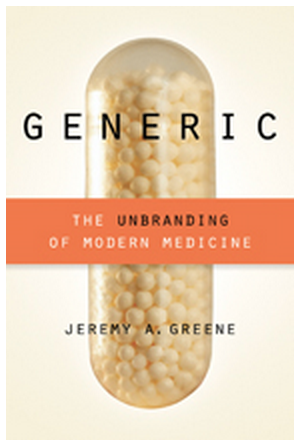
Generic: The Unbranding of Modern Medicine

Jeremy Greene

This text is a social, political, and cultural history of the rise in generic pharmaceuticals. It tracks the development of modern generic drugs from early 20th century hacks who counterfeited popular medications through the growth in powerful corporations who first produced un-branded drugs. Greene describes generic drugs as a seminal movement towards more equitable, affordable medical care by giving patients quality medicines at a reduced price.

More details from Johns Hopkins UP here: https://jhupbooks.press.jhu.edu/content/generic

Upcoming Conferences in Social Studies of Science/Medicine: Fall 2015

If you have an event to add to this list, please contact Julia Balacko at jcb193@case.edu with the name of the event/conference, date(s), location, and a link to the event page or a brief description. This list is for conference in the Fall of 2015 (August-December.) All conferences/events are organized chronologically by date.


 Seventh International Conference on Science in Society: “Educating Science”

October 1-2 2015 – Chicago, Illinois

http://science-society.com/the-conference/call-for-papers

A Critical Moment: Sex/Gender Research at the Intersection of Culture, Brain, & Behavior Conference

October 23-24 2015 – Los Angeles, California

http://www.thefprconference2015.org/

Society for Social Studies of Science (4S) Annual Meeting

November 11-14 2015 – Denver, Colorado

http://www.4sonline.org/meeting

American Anthropological Association 2015 Annual Meeting: “Familiar/Strange”

November 18-22 2015 – Denver, Colorado

http://www.aaanet.org/meetings/

Logo via AAA website

Logo via AAA website

History of Science Society Annual Meeting

November 19-22 – San Francisco, California

http://hssonline.org/meetings/annual-meeting-archive/

Book Release: Haeckel’s Embryos by Nick Hopwood

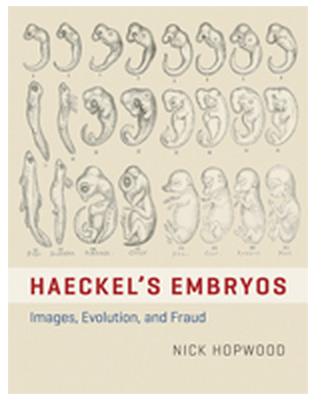
Debuting May 2015 from the University of Chicago Press is Nick Hopwood’s Haeckel’s Embryos: Images, Evolution, and Fraud. The book describes the lasting cultural impact of 19th-century illustrations that demonstrate the identical appearance of human and other vertebrate embryos in the earliest stages of gestation, only later morphing into their adult-like forms. These drawings, produced by Darwinist Ernst Haeckel in 1868, caused an uproar in the scientific community at the time as well as in the 1990s, when biologists and creationists alike argued against their accuracy and inclusion into scientific textbooks.

Image courtesy University of Chicago Press

Image courtesy University of Chicago Press

Hopwood traces the heated history of Haeckel’s drawings from their initial publication in the 19th century through their controversial presence in the current age. In addition to considering the impact of these images on developing understandings of biology, Haeckel simultaneously draws attention to the continued power of these images in contemporary discourse. The book will prove of interest to scholars of medicine who are curious about how popular as well as scientific knowledge of the human body is shaped by visual media, as well as how scientific information is culturally and historically situated.

Nick Hopwood is Reader in History of Science and Medicine and the Director of Graduate Studies at the University of Cambridge’s Department of History and Philosophy of Science.


To learn more about the book, check out its feature page at UCP here: http://www.press.uchicago.edu/ucp/books/book/chicago/H/bo18785800.html

AAA 2014: Sessions on Biotechnology and Medical Practice

For our readers attending the American Anthropological Association annual meeting this year, we’ve put together a second selected list of sessions on anthropological approaches to biotechnology and forms of medical practice. The following selection of sessions was drawn from this year’s AAA online presentation schedule for the 2014 annual meeting, to be held this year in Washington, DC from December 3-7th (for more information, click here: http://www.aaanet.org/meetings).

Wednesday, December 3rd

Reproductive Potentialities: Assisted Reproductive Technologies and the Imagination of Possible Futures

8:00pm-9:45pm

https://aaa.confex.com/aaa/2014/webprogram/Session11643.html

Thursday, December 4th

Techniques and Technologies of Global Health

9:00am-10:15am

https://aaa.confex.com/aaa/2014/webprogram/Session11699.html

What Constitutes Medical Knowledge?: Part 2 of a Discussion of Affliction by Veena Das

11:00am-12:45pm

https://aaa.confex.com/aaa/2014/webprogram/Session10870.html

Saturday, December 6th

Producing Intercultural Discourse in the Clinical Encounter, Part 2

2:30pm-4:15pm

https://aaa.confex.com/aaa/2014/webprogram/Session12505.html

Revisiting Midwifery: New Approaches to an Old Profession

6:30pm-8:15pm

https://aaa.confex.com/aaa/2014/webprogram/Session11410.html

Ordering, Morality, and Triage: Producing Medical Anthropology Beyond the Suffering Subject – Part 1: Biomedical Interventions and Failings

6:30pm-8:15pm

https://aaa.confex.com/aaa/2014/webprogram/Session11357.html

Sunday, December 7th

Doctors: Influencing and Being Influenced by Their Work and Subject

10:00am-11:45am

https://aaa.confex.com/aaa/2014/webprogram/Session12929.html

Book Release: Paul Stoller’s “Yaya’s Story: The Quest for Well-Being in the World”

9780226178790

Image from UC Press website

Out this month from the University of Chicago Press is Paul Stoller’s book Yaya’s Story: The Quest for Well-Being in the World. The text traces the author’s friendship with a Songhay trader from Niger named Yaya Harouna: a man who moved to the United States as Stoller, an anthropologist, had likewise made a journey from the USA to Africa as a Peace Corps volunteer. Their story begins whenever Stoller meets Yaya selling artwork in an African market in New York City’s Harlem neighborhood, where Stoller carried out research.

Although the men’s histories are markedly different, they become close after the two are each diagnosed with cancer: this serves as the heart of Yaya’s Story, and the experience upon which the two men’s culturally divergent, yet not entirely dissimilar, narratives cross paths. With extensive publications in the genres of both ethnography and memoir, Stoller is certain to blend keen anthropological insight with deeply personal accounts of human suffering, endurance, and resilience in the face of illness across cultures in his latest book.

Stoller, Professor of Anthropology at West Chester University, is a 1994 winner of a Guggenheim Fellowship and the 2013 recipient of the prestigious Anders Retzius Gold Medal in Anthropology from the King of Sweden.

You can find out more about the book here, at the UC Press website:

http://www.press.uchicago.edu/ucp/books/book/chicago/Y/bo18882897.html

News: AAA Forms Task Force on the Israeli-Palestinian Conflict

The American Anthropological Association (AAA) has recently formed a task force that will examine implications of the conflict between Israel and Palestine for the anthropological community: including forming potential stances that the organization could take on issues that might impede upon scholarly inquiry surrounding the conflict.

Members of the task force, appointed by current AAA president Monica Heller, could profess no public opinion about the political nature of the conflict. They were each required to have a subject matter background pertinent to analyzing the conflict at hand.[i]

Logo of the AAA from Wikimedia Commons

Logo of the AAA from Wikimedia Commons

The AAA website notes that the task force members will investigate “the uses of anthropological research to support or challenge claims of territory and historicity; restrictions placed by government policy or practice on anthropologists’ academic freedom; or commissioning anthropological research whose methods and/or aims may be inconsistent with the AAA statement of professional responsibilities.”[ii] Beyond studying what effects the conflict has on anthropological research and scholarship, the task force will also make recommendations on whether or not the AAA should take a stance on issues unveiled by the report.

In describing the task force goals, the AAA website also notes that it is possible that no stance will be taken on problems raised in the findings—but that any position the organization takes must be substantiated by “neutral overviews” of the argument in favor of a particular stance.

An article about the task force posted earlier this year on the Anthropology News website—operated by the AAA—noted that anthropologists, “have an opportunity here to develop modes of mutually respectful exchange on controversial anthropological topics that will serve us well now and in the future.”[iii]

Although the task force will meet in person during the Annual Meeting in December to discuss these concerns, their findings will not be available in a complete written report until October 2015.


[i] https://www.insidehighered.com/quicktakes/2014/09/09/anthropology-group-creates-task-force-israeli-palestinian-conflict

[ii] http://www.aaanet.org/cmtes/commissions/Task-Force-on-AAA-Engagement-on-Israel-Palestine.cfm

[iii] http://www.anthropology-news.org/index.php/2014/04/30/towards-an-informed-aaa-position-on-israel-palestine/

Current Issue: Preview of Books Received, Part Two

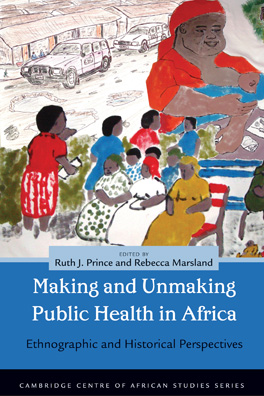
In this special feature on the blog, we’re highlighting recent book publications that have been submitted for review to Culture, Medicine, and Psychiatry. This week, we are pleased to present a short overview of Making and Unmaking Public Health in Africa: Ethnographic and Historical Perspectives, a volume of works edited by Ruth J. Prince and Rebecca Marsland. This book addresses the experience of African public health initiatives from numerous vantage points. Published by the Ohio University Press, a paperback version was released in December 2013. You can learn more about the book here: http://www.ohioswallow.com/book/Making+and+Unmaking+Public+Health+in+Africa.

Book cover image via the Ohio University Press website.

Book cover image via the Ohio University Press website.

Prince and Marsland’s edited collection was the result of a 2008 workshop at the University of Cambridge hosted by the Centre of African Studies and the Department of Social Anthropology. Africa has long served as an “arena” for discussions about global health, human rights, and humanitarian aid, but the notion of health-for-all is complicated against a backdrop of African state formation, international interventions, and transnational policies.

This text explores what public health means for clinical professionals, patients, government officials, and citizens throughout Africa. Instead of generalizing what the meaning of public health to these groups might be, this book aims to establish a rich, complex anthropology of African public health that weighs the importance of politics, culture, and local understanding to the definition and delivery of public health initiatives. The volume covers topics in numerous countries including Uganda, Nigeria, Kenya, and Tanzania, and takes a blended historical-anthropological approach to studying public health.


These brief summaries are intended to give our readers a glimpse into the newest academic publications that we’re excited to discuss in our journal and with our followers on social media. For a full list of books that have been submitted for review at CMP, click this link: http://link.springer.com/article/10.1007/s11013-014-9383-x. This page also has information regarding the submissions process for authors who’d like their academic releases reviewed in the journal, as well as information for those interested in composing a review. For more information on this process, please contact managing editor Brandy Schillace.

Current Issue: Preview of Books Received, Part One

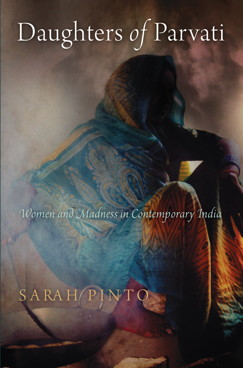
In this special feature on the blog, we’re highlighting recent book publications that have been submitted for review to Culture, Medicine, and Psychiatry. This week, we’d like to give you a short overview of Sarah Pinto’s new book Daughters of Parvati: Women and Madness in Contemporary India, from the University of Pennsylvania Press (more information here: http://www.upenn.edu/pennpress/book/15224.html)

Book cover image courtesy of the University of Pennsylvania Press website

Book cover image courtesy of the University of Pennsylvania Press website

Released earlier this year, Sarah Pinto’s book chronicles the experiences of women at a number of different psychiatric care institutions throughout Northern India. Pinto questions the poor treatment of female patients, the licensing process for mental health caregivers in these settings, as well as the overprescription of psychoactive medications to Indian women. Pinto pays close attention to the ways women in particular experience difficulty and distress as the primary caretakers of their families and households.

The goddess Parvati, whom the book is in part titled after, represents intense love for someone far away that borders on, and becomes, a form of suffering. Pinto invokes the name of this figure as a way to remind us of the mental strain that familial love can cause, especially for the Indian women at the heart of her moving ethnographic account.


These brief summaries are intended to give our readers a glimpse into the newest academic publications that we’re excited to discuss in our journal and with our followers on social media. For a full list of books that have been submitted for review at CMP, click this link: http://link.springer.com/article/10.1007/s11013-014-9383-x. This page also has information regarding the submissions process for authors who’d like their academic releases reviewed in the journal, as well as information for those interested in composing a review. For more information on this process, please contact managing editor Brandy Schillace.

News: “Uncontacted” Tribes Emerge in Brazil

As reported by the BBC, the Brazilian organization FUNAI (which handles affairs of indigenous people within the country) released a statement on July 1st 2014 stating that seven members of an isolated tribe entered a village on the Peruvian border and made “peaceful contact” with the locals.[i] The group has been referred to in news media as an “uncontacted” tribe because of its formerly limited interaction with settled society outside of the Amazon rainforest, where the group makes its home.

This image of two members of the tribe was released by the Brazilian organization FUNAI.

This image of two members of the tribe was released by the Brazilian organization FUNAI.

The reemergence of this tribal group proves to be a source of enlivening discussion for scholars of the culture of medicine. The American Association for the Advancement of Science—the organization behind the journal Science—published a news piece that the tribal people “first exhibited flu symptoms on 30 June, 3 days after their first meeting with government officials in the Brazilian village of Simpatia.”[ii] After returning to the town, the article notes, the group was met by a medical team who administered flu vaccines and held them for six days at a treatment facility. They hoped to stop the disease from being transmitted to fellow members of the tribe, who due to infrequent contact with the villagers, could lack established immune defenses against the illness.

Another piece from Forbes news describes this interaction in further detail. “Doctors were flown in to the remote village and were able to talk to the nomads through an interpreter who knew a similar language, persuading them to take medicine that helped them to recover before they went home to their people,” the piece explained.[iii] The author also cites Carlos Travassos of the FUNAI organization, who remarked that, “at first [the tribal people] were afraid and wary, but thankfully in the end they understood, believed us, trusted the medical team and accepted the medicine…it was a difficult and slow dialogue.” The case therefore highlights the cross-cultural impact of medical treatment and the possible problems of delivering care that is non-native to the patients.

This news invites us to revisit postcolonial theory and to weigh the relationship between the settled, modernized world with that of local natives who have sustained their lifestyle alongside globalized societies which they come into contact with. It also suggests that the notion of the exotic “other,” and romanticizing of tribal life, remain objects worthy of introspection and critical interest.


[i] Newar, Rachel. (August 4 2014). Anthropology: The sad truth about uncontacted tribes. BBC News. http://www.bbc.com/future/story/20140804-sad-truth-of-uncontacted-tribes


[ii] Pringle, Heather. (July 25 2014). Did Brazil’s uncontacted tribe receive proper medical care? American Association for the Advancement of Science News. http://news.sciencemag.org/health/2014/07/did-brazils-uncontacted-tribe-receive-proper-medical-care


[iii] Rodgers, Paul. (July 20 2014). Indians Emerge From Jungle, Catch Deadly Flu. Forbes. http://www.forbes.com/sites/paulrodgers/2014/07/20/indians-emerge-from-jungle-catch-deadly-flu/